Avoid Cosmopolitan during pregnancy. Alcohol, even in cocktails like Cosmopolitans, poses risks to fetal development, especially in the first trimester. Opt for non-alcoholic alternatives.
By Shubhra Mishra — a mom of two who turned her own confusion during pregnancy into BumpBites, a global mission to make food choices clear, safe, and stress-free for every expecting mother. 💛
Check whether any food is safe during pregnancy with the BumpBites Food Safety Checker.
Quick verdict: ❌ Best avoided. The consensus from ACOG, NHS, and CDC is that any amount of alcohol—including a Cosmopolitan—poses unnecessary risk to a developing baby, so it’s safest to skip the cocktail entirely during pregnancy.
It’s 2 a.m., you’re scrolling through cocktail recipes, and a bright pink Cosmopolitan catches your eye. Suddenly, a wave of worry hits: “Is cosmopolitan safe during pregnancy?” You might have already taken a sip before you realized you were pregnant, or you’re planning a celebratory evening and wondering if a modest pour will be okay. First, breathe. You’re not alone—many expectant parents face the same dilemma, and the answer is clear: alcohol isn’t considered safe at any stage of pregnancy.
In this article we’ll break down exactly why a Cosmopolitan isn’t recommended, how the risk differs across each trimester, what the official guidelines say, and how many drinks (if any) might be considered “low‑risk.” We’ll also explore non‑alcoholic versions you can enjoy, discuss brand variations, and compare the Cosmopolitan to other popular cocktails. By the end, you’ll have a concise, evidence‑based roadmap for navigating cocktail cravings while protecting your baby’s health.
Stage
Verdict
Notes
First trimester
❌ Avoid
Organ formation is most vulnerable; any alcohol can increase risk of congenital anomalies.
Second trimester
❌ Avoid
Brain growth continues; alcohol exposure may affect neurodevelopment.
Third trimester
❌ Avoid
Fetal weight gain and brain maturation are sensitive to alcohol.
Breastfeeding
❌ Avoid
Alcohol passes into breast milk; even small amounts can affect infant sleep and feeding.
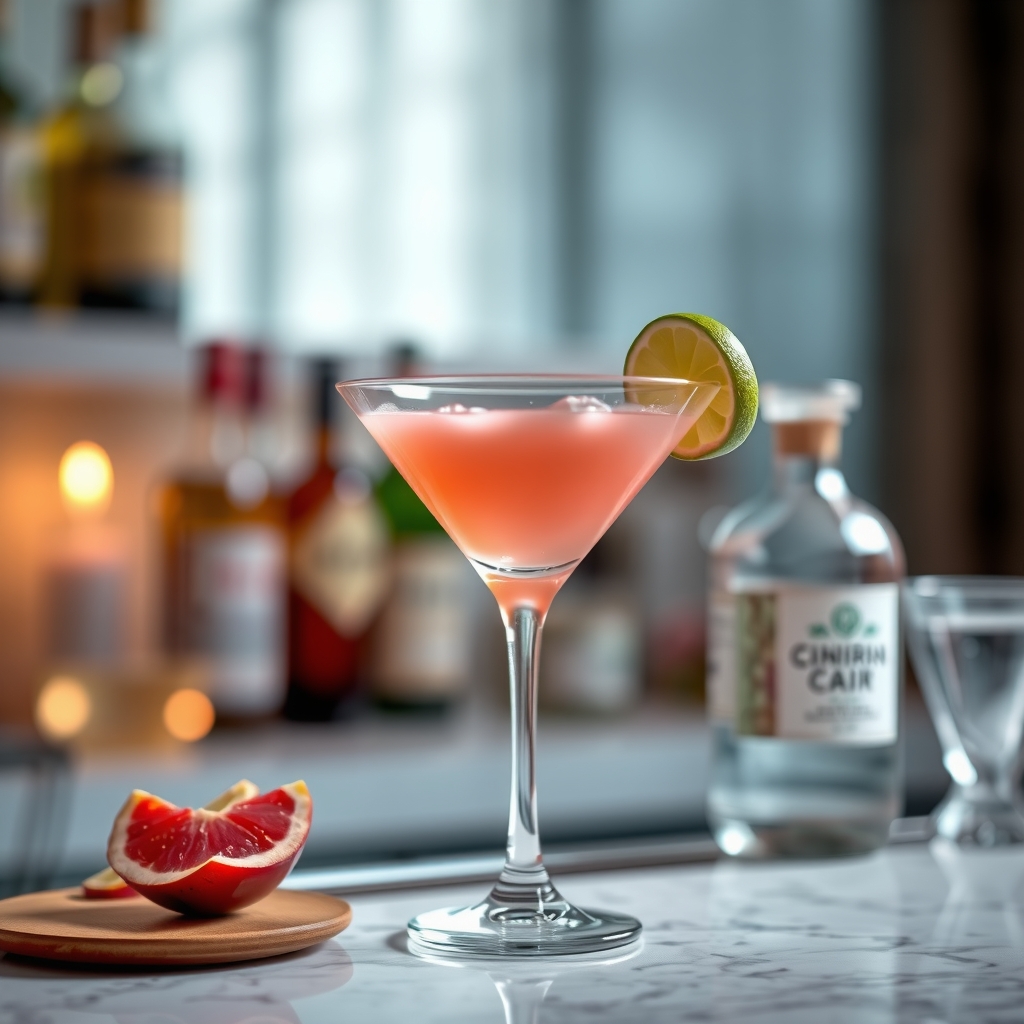
When you hear “Cosmopolitan,” you probably picture a sleek, pink‑tinged cocktail served in a chilled martini glass. The classic recipe blends vodka, triple sec (or another orange‑flavored liqueur), cranberry juice, and fresh lime juice. The vodka typically supplies 40 % alcohol by volume (ABV), while the liqueur adds another 15‑20 % ABV. Combined, a standard 4‑ounce (120 ml) Cosmopolitan averages around 12‑15 % ABV—roughly the strength of a glass of wine.
People reach for a Cosmopolitan for its refreshing balance of sweet‑tart flavors and its reputation as a “fashionable” drink. It’s a staple at brunches, cocktail parties, and celebrations, often associated with a sense of indulgence and sophistication. Understanding its ingredients and alcohol content helps clarify why the cocktail isn’t a safe choice for pregnant individuals.
Is it safe to drink a Cosmopolitan during the first trimester?
The short answer is no. The first trimester—roughly weeks 1‑13—is the period of organogenesis, when the baby’s major organs form. Even low levels of alcohol can interfere with this delicate process, increasing the risk of structural defects, such as facial abnormalities and heart issues. The American College of Obstetricians and Gynecologists (ACOG) states that “no amount of alcohol has been proven safe during pregnancy,” emphasizing that the safest approach is complete abstinence.
Studies cited by the National Health Service (NHS) in the United Kingdom show a correlation between first‑trimester alcohol exposure and higher rates of miscarriage and fetal alcohol spectrum disorders (FASDs). While some research suggests occasional, low‑dose drinking might not cause overt birth defects, the variability in individual metabolism and the difficulty of measuring exact exposure mean the risk can’t be reliably quantified. Therefore, drinking a Cosmopolitan—or any alcoholic beverage—during the first trimester is strongly discouraged.
Second trimester
During weeks 14‑27, the baby’s brain undergoes rapid growth and synapse formation. Alcohol can cross the placenta and affect neuronal development, potentially leading to cognitive and behavioral issues later in life. The CDC notes that even moderate drinking in the second trimester is linked to lower birth weight and developmental delays.
Because the fetus’s liver is still immature, it cannot efficiently metabolize alcohol, which remains in the fetal bloodstream longer than in the mother. This prolonged exposure further underscores why a Cosmopolitan should be avoided throughout the second trimester.
Third trimester
In the final three months, the baby gains most of its weight and continues brain maturation. Alcohol exposure at this stage can still impair growth, cause newborn withdrawal symptoms, and affect sleep patterns. The FDA’s advisory committee on alcohol and pregnancy reiterates that “there is no known safe level of alcohol consumption at any point during pregnancy.”
Thus, the verdict remains consistent: a Cosmopolitan is not safe in the third trimester either.
Breastfeeding
When you’re nursing, alcohol from a Cosmopolitan can enter breast milk at concentrations similar to the mother’s blood alcohol level. The American Academy of Pediatrics (AAP) advises that nursing parents either abstain from alcohol or wait at least two hours per standard drink before feeding. Because a Cosmopolitan’s alcohol content is higher than a single standard drink, the safest recommendation is to avoid it while breastfeeding.
How many Cosmopolitan drinks are safe for pregnant women?
Current medical guidance does not define a “safe” number of Cosmopolitan drinks—or any alcoholic beverage—during pregnancy. ACOG’s policy brief on alcohol use in pregnancy explicitly states that “no amount of alcohol is known to be safe.” The UK’s NHS echoes this stance, recommending total abstinence for pregnant people.
If you’ve already had a single Cosmopolitan before knowing you were pregnant, try not to panic. The risk from a one‑time, low‑volume exposure is likely minimal, but it’s still wise to discuss it with your prenatal provider. Going forward, the safest plan is to avoid additional alcoholic drinks entirely.
Can I have a non‑alcoholic Cosmopolitan while pregnant?
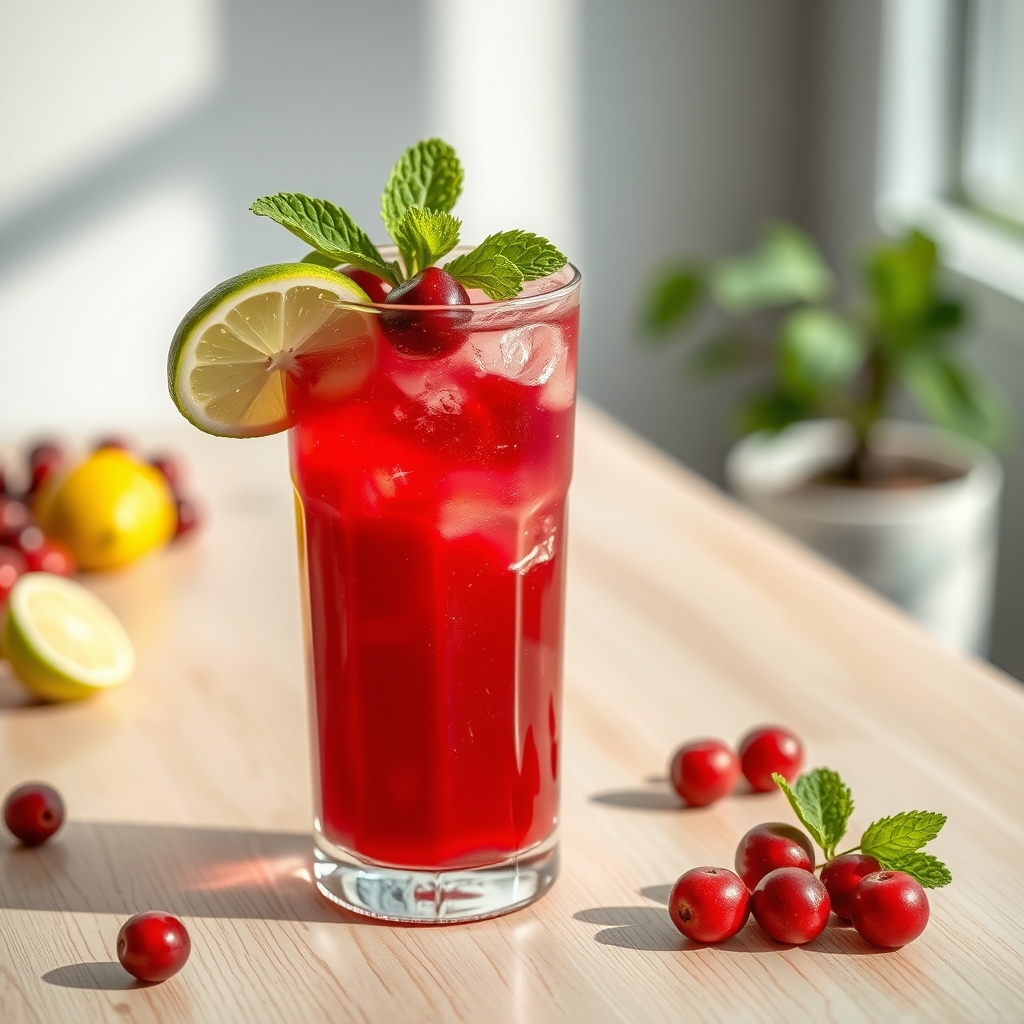
Absolutely. A non‑alcoholic version—often called a “Virgin Cosmopolitan”—replaces the vodka and triple sec with additional cranberry juice, a splash of orange‑flavored soda, and fresh lime. This mocktail retains the signature pink hue and tangy flavor without the alcohol, making it a perfectly pregnancy‑friendly option.
When preparing a Virgin Cosmopolitan, ensure any added mixers are low‑sugar and free of artificial additives, especially if you have gestational diabetes. You can also incorporate fresh herbs like mint for extra aroma. This alternative lets you enjoy the social ritual of cocktail‑hour without compromising fetal health.
What are the risks of drinking a Cosmopolitan while pregnant?
Alcohol in a Cosmopolitan can cause several pregnancy‑related risks:
Fetal alcohol spectrum disorders (FASDs): A range of lifelong physical, cognitive, and behavioral problems caused by prenatal alcohol exposure.
Miscarriage: Studies show a dose‑response relationship between alcohol consumption and early pregnancy loss.
Low birth weight: Alcohol can restrict fetal growth, leading to infants who are smaller and more vulnerable.
Preterm birth: Alcohol may trigger early labor, increasing the risk of complications.
Neurodevelopmental delays: Even moderate drinking can affect brain development, impacting learning and memory later.
The exact magnitude of risk depends on the amount and timing of exposure, but because the safest route is to eliminate alcohol altogether, avoiding a Cosmopolitan is the most prudent choice.
Are there any low‑alcohol Cosmopolitan brands safe for pregnancy?
Some manufacturers market “low‑alcohol” or “alc‑free” versions of classic cocktails, often reducing the ABV to 0.5‑1 %. However, even these reduced levels still expose the fetus to ethanol, and regulatory bodies like the FDA have not established a safe threshold for alcohol during pregnancy. Consequently, health authorities do not endorse low‑alcohol Cosmopolitan variants for expectant mothers.
If you encounter a product labeled “non‑alcoholic” but containing trace alcohol (<0.5 % ABV), it is generally considered acceptable for most people, but many clinicians still advise complete abstinence to eliminate any uncertainty. When in doubt, choose a fully non‑alcoholic mocktail instead.
Is a Cosmopolitan safe for pregnant women with hypertension?
Pregnancy‑induced hypertension (or pre‑eclampsia) already places extra strain on the cardiovascular system. Alcohol can raise blood pressure temporarily, and the sugar content in many cocktail mixers can exacerbate fluid retention. The ACOG guideline on hypertension in pregnancy cautions against alcohol consumption because it may worsen blood pressure control.
For pregnant individuals with hypertension, the recommendation is unequivocal: avoid alcoholic cocktails, including the Cosmopolitan, and discuss any cravings with your healthcare provider to identify safe, blood‑pressure‑friendly alternatives.
Can I substitute vodka with a pregnancy‑friendly spirit in a Cosmopolitan?
There is currently no “pregnancy‑friendly” spirit. All distilled alcoholic beverages contain ethanol, which crosses the placenta and poses risk. Some products marketed as “herbal” or “infused” spirits still contain alcohol, and even “non‑distilled” alternatives may have trace amounts. The safest approach is to replace the vodka with a non‑alcoholic ingredient—such as sparkling water, cranberry‑juice‑enhanced mocktail base, or a flavored tea—rather than attempting to find a “safer” spirit.
Safe dosage / amount / brands
Because the consensus is that no amount of alcohol is proven safe, there is no recommended dosage for a Cosmopolitan during pregnancy. If you’re looking for brand information, most commercial premixed Cosmopolitan mixes contain the same alcohol percentage as a standard recipe (≈12‑15 % ABV). Some boutique brands may advertise “lower‑ABV” versions, but as noted, even low‑ABV cocktails are not endorsed for pregnant people.
Item
Typical ABV
Pregnancy Verdict
Notes
Standard Cosmopolitan (vodka‑based)
12‑15 %
❌ Avoid
Contains ethanol; no safe amount.
Low‑alcohol “lite” Cosmopolitan
0.5‑1 %
❌ Avoid
Even trace alcohol is discouraged.
Virgin Cosmopolitan (non‑alcoholic)
0 %
✅ Generally safe
Check added sugars if diabetic.
For non‑alcoholic mixes, look for brands that use natural fruit juices and avoid artificial sweeteners. Some reputable options include Raspberry Wave cranberry‑juice blends and Pure Lime freshly‑pressed lime concentrates.
Remember the classic look, but swap the vodka for sparkling water to keep the vibe without the risk.
Side effects and risks
Alcohol consumption during pregnancy can lead to short‑term and long‑term effects:
Short‑term: Nausea, dizziness, and impaired coordination for the mother; possible fetal heart rate changes.
Long‑term: Fetal alcohol spectrum disorder, which may include facial abnormalities, growth deficiencies, and neurobehavioral challenges.
Most of these outcomes are not immediately life‑threatening, but they can have lasting consequences for the child. If you experience severe symptoms after drinking—such as persistent vomiting, abdominal pain, or signs of preterm labor—contact your obstetric provider right away.
Try a Virgin Cosmopolitan for a festive, alcohol‑free toast.
Safer alternatives
Virgin Cosmopolitan – retains the signature flavor without any alcohol.
Cranberry spritzer – sparkling water mixed with cranberry juice and a squeeze of lime.
Sparkling water with lime – simple, refreshing, and zero‑calorie.
Pomegranate juice mocktail – rich in antioxidants and naturally sweet.
Ginger ale with fresh berries – gentle carbonation and a burst of fruit.
Fruit punch without alcohol – a classic party drink that’s kid‑ and pregnancy‑friendly.
Related items — safety at a glance
Item
Verdict
One‑line note
Margarita
❌ Avoid
High‑proof tequila and citrus increase fetal exposure.
Mojito
❌ Avoid
Rum plus sugar can affect blood glucose and fetal development.
Bloody Mary
❌ Avoid
Vodka and tomato juice; alcohol is the primary concern.
Mimosa
❌ Avoid
Champagne mixed with orange juice still contains alcohol.
Sangria
❌ Avoid
Red wine base; even diluted, alcohol remains.
Bellini
❌ Avoid
Prosecco and peach puree—still alcoholic.
Myth vs. fact
Myth: “A small sip of a Cosmopolitan won’t hurt my baby.”
Fact: Even a single sip introduces ethanol to the fetus; because the developing organs are highly sensitive, any exposure carries potential risk.
Myth: “Low‑alcohol or “lite” Cosmopolitan is safe for pregnant people.”
Fact: No official health organization designates any alcohol level as safe during pregnancy; the recommendation remains abstinence.
Myth: “Caffeine in a Cosmopolitan is the real problem, not the alcohol.”
Fact: While caffeine intake should be limited (≤200 mg per day per ACOG), the primary concern with a Cosmopolitan is its ethanol content, not the modest caffeine from any mixers.
Key takeaways
❌ A Cosmopolitan is not safe at any stage of pregnancy; complete abstinence is the safest choice.
There is no proven “safe amount” of alcohol; ACOG, NHS, and CDC advise total avoidance.
Non‑alcoholic versions—Virgin Cosmopolitan, cranberry spritzer, etc.—provide the same festive feel without risk.
Pregnant individuals with hypertension or gestational diabetes should especially avoid alcoholic cocktails.
If you’ve already consumed a Cosmopolitan, inform your provider but try not to panic; one‑time exposure is unlikely to cause severe harm.
Frequently asked questions
Can pregnant women drink a Cosmopolitan?
No. Health authorities such as ACOG and the NHS recommend that pregnant women avoid all alcoholic drinks, including Cosmopolitans, because ethanol can harm fetal development.
What are the effects of alcohol on pregnancy?
Alcohol can lead to miscarriage, low birth weight, preterm birth, and fetal alcohol spectrum disorders, which affect physical, cognitive, and behavioral development.
Is a non‑alcoholic Cosmopolitan safe for pregnancy?
Yes. A Virgin Cosmopolitan contains no ethanol and is considered safe, though you should watch added sugars if you have gestational diabetes.
How much alcohol is safe during pregnancy?
Current guidelines from ACOG, NHS, and CDC state that no amount of alcohol is known to be safe; the safest recommendation is complete abstinence.
Can I have a Cosmopolitan in the second trimester?
No. The second trimester is a critical period for brain development, and alcohol exposure can still cause neurodevelopmental issues.
What are safe cocktail alternatives for pregnant women?
Try mocktails like a Virgin Cosmopolitan, cranberry spritzer, sparkling water with lime, or a pomegranate juice mocktail—all alcohol‑free and festive.
Does caffeine in a Cosmopolitan affect pregnancy?
Caffeine should be limited to ≤200 mg per day, but the primary concern with a Cosmopolitan is its alcohol content, not the modest caffeine from mixers.
Are there any pregnancy‑friendly versions of a Cosmopolitan?
Yes—non‑alcoholic or “virgin” versions replace the vodka and triple sec with extra fruit juice or sparkling water, offering a safe alternative.
When to call your doctor
If you experience any of the following after consuming a Cosmopolitan—or any alcoholic beverage—during pregnancy, contact your obstetric provider immediately:
Severe abdominal pain or cramping.
Unexplained vaginal bleeding or spotting.
Persistent vomiting or inability to keep fluids down.
Signs of preterm labor (regular contractions, pelvic pressure).
Rapid heartbeat or dizziness that does not resolve.
Even if you only had a single sip, it’s helpful to discuss it with your provider so they can monitor any potential concerns and offer personalized guidance. Remember, this article provides general information and is not a substitute for professional medical advice.
References
American College of Obstetricians and Gynecologists. “Alcohol Use and Pregnancy.” ACOG Committee Opinion No. 762, 2020.
National Health Service (UK). “Alcohol and pregnancy.” NHS.uk, updated 2022.
Centers for Disease Control and Prevention. “Fetal Alcohol Spectrum Disorders (FASDs).” CDC.gov, accessed 2024.
U.S. Food and Drug Administration. “Alcohol and Pregnancy.” FDA.gov, 2023.
American Academy of Pediatrics. “Breastfeeding and the Use of Medications.” AAP Policy Statement, 2021.
World Health Organization. “Alcohol and Pregnancy.” WHO, 2021.
Not sure about the label on Is Cosmopolitan Safe During Pregnancy products?
Snap the ingredients list and SafeFilter checks every ingredient for your stage — only 3 free scans this month, then you're locked until reset. Unlimited from $7/mo or $50/yr.
When Shubhra Mishra was expecting her first child in 2016, she was overwhelmed by conflicting food advice — one site said yes, another said never. By the time her second baby arrived in 2019, she realized millions of mothers face the same confusion.
That sparked a five-year journey through clinical nutrition papers, cultural diets, and expert conversations — all leading to BumpBites: a calm, compassionate space where science meets everyday motherhood.
Her long-term vision is to build a global community ensuring safe, supported, and free deliveriesfor every mother — because no woman should face pregnancy alone or uninformed. 🌿
🌍 Stand with mothers, shape safer guidance
Join a small circle of experts who review BumpBites articles so expecting parents everywhere can decide with confidence.