Is cornhole safe during pregnancy? Yes, it's generally safe for most expecting mothers, especially with minor modifications. Learn how to enjoy cornhole safely
By Shubhra Mishra — a mom of two who turned her own confusion during pregnancy into BumpBites, a global mission to make food choices clear, safe, and stress-free for every expecting mother. 💛
Check whether any food is safe during pregnancy with the BumpBites Food Safety Checker.
Quick verdict: ⚠️ Safe with limits. Playing cornhole can be a fun activity during pregnancy, but it requires careful modifications and attention to your body's signals to ensure safety for both you and your baby. We recommend discussing any physical activity with your healthcare provider.
The sun is out, friends are gathering, and the cornhole boards are set up – it's a classic scene, and if you're pregnant, it's natural to wonder, "is cornhole safe during pregnancy?" That sudden urge to join in the fun can quickly turn into an anxious Google search about bending, throwing, and the risk of a misstep. You're not alone in these concerns; many expecting parents grapple with how to stay active and social while prioritizing their baby's safety.
At BumpBites, we understand these worries. The good news is that for most low-risk pregnancies, engaging in moderate physical activity, including some yard games, is encouraged. However, cornhole, with its specific movements like bending, twisting, and throwing, does come with considerations for pregnant individuals. This article will walk you through everything you need to know, from trimester-specific advice to safe modifications, so you can make an informed decision and enjoy your social gatherings responsibly.
We'll break down the potential risks, offer practical tips for playing safely, and suggest wonderful alternatives that are even gentler on your pregnant body. Remember, listening to your body is your best guide, and your healthcare provider is always your go-to for personalized advice.
Safety Snapshot: Cornhole During Pregnancy and Breastfeeding
Trimester/Stage
Verdict
Notes
First Trimester
⚠️ Safe with limits
Generally fine with modifications; focus on avoiding falls, overheating, and listening to your body as fatigue and nausea may be present.
Second Trimester
⚠️ Safe with limits
Often the "sweet spot" for energy. Continue modifications, pay attention to balance changes, and avoid sudden movements that could strain ligaments.
Third Trimester
⚠️ Safe with limits
Balance is more challenging; increased risk of falls. Focus on gentle movements, standing still, and consider alternative roles like scoring or spectating.
Breastfeeding
✅ Generally safe
No specific restrictions related to milk supply or composition. Stay hydrated and comfortable.
What is Cornhole?
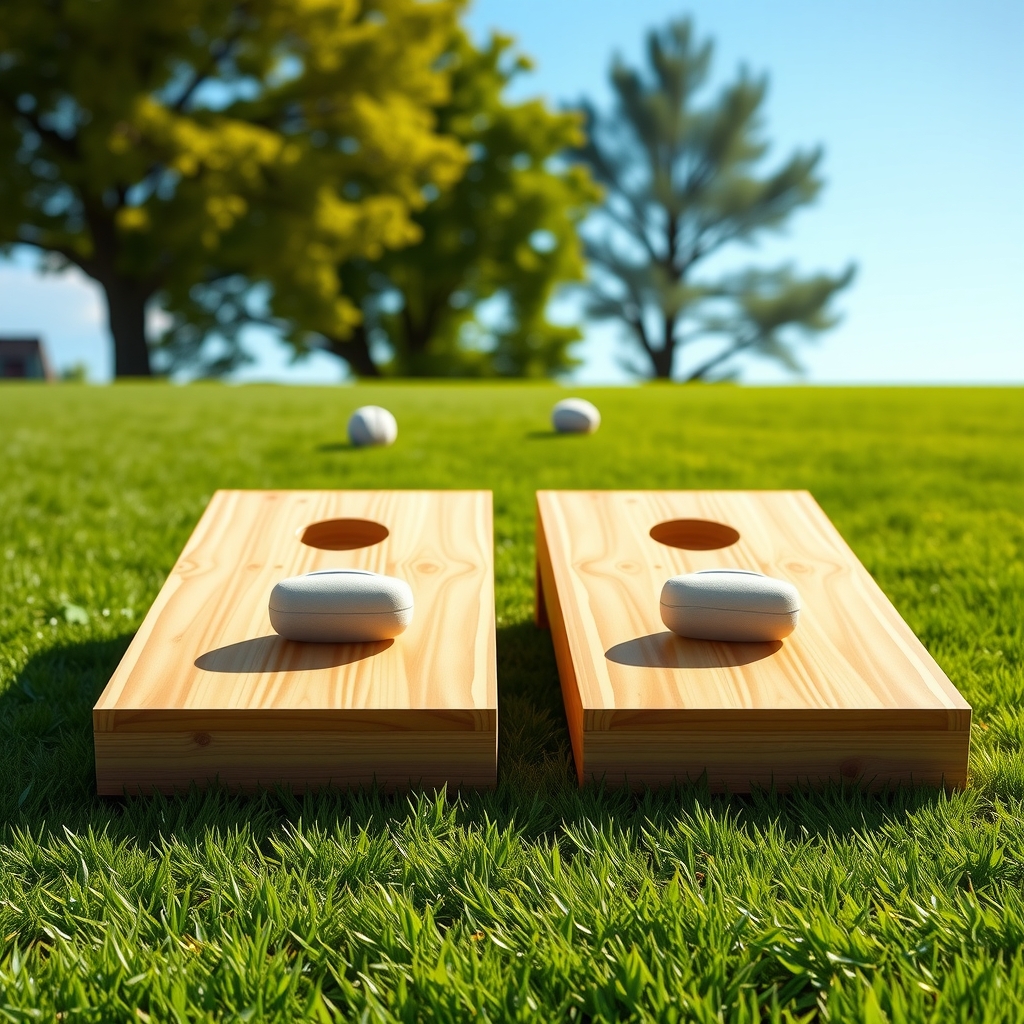
Cornhole is a popular lawn game enjoyed by people of all ages, often seen at backyard barbecues, tailgates, and casual outdoor gatherings. The game involves two sets of elevated platforms, or "boards," each with a hole near the top. Players take turns tossing fabric bags, traditionally filled with corn kernels (hence the name), towards the opposing board, aiming to get the bag through the hole for three points or to land it on the board for one point.
The official distance between the front edges of the boards is typically 27 feet, requiring a moderate throw. Players usually stand next to their board, taking a step or two to throw, and then retrieve their bags at the end of each round. While it might seem like a simple and low-impact game, playing cornhole involves several physical actions: repeated bending to pick up bags, a throwing motion that can involve twisting the torso, and standing for extended periods. These actions, combined with the need for balance and coordination, are what raise questions for pregnant individuals about whether `is cornhole safe during pregnancy`.
The game is inherently social and can be a fun way to engage with friends and family. However, understanding its physical demands is key to assessing its safety during the different stages of pregnancy.
Can pregnant women play cornhole?
F
or many pregnant individuals, playing cornhole can be a safe and enjoyable activity, provided certain precautions are taken and modifications are made. The American College of Obstetricians and Gynecologists (ACOG) generally recommends that pregnant women engage in at least 150 minutes of moderate-intensity aerobic activity per week, unless there are medical contraindications. Cornhole, while not a high-intensity aerobic exercise, does involve physical movement and can contribute to an active lifestyle.
However, the key lies in the "moderate-intensity" and "modifications" aspects. The movements inherent in cornhole – bending, twisting, and throwing – need careful consideration during pregnancy. As your body changes, your center of gravity shifts, ligaments soften (due to hormones like relaxin), and your joints become more lax. This can increase your risk of falls, sprains, and muscle strains, especially in your back and pelvis.
Because of these physiological changes, activities that involve sudden twisting, heavy lifting, or a high risk of falling should be approached with caution or avoided entirely. While cornhole bags are not particularly heavy (typically 1 pound each), the repetitive bending to retrieve them can put strain on your back, and the throwing motion can engage your core and back muscles in ways that might be uncomfortable or risky as your pregnancy progresses. The social environment where cornhole is often played (uneven ground, other players, potential for alcohol consumption by others) also adds to the considerations.
Ultimately, whether `is cornhole safe during pregnancy` for you depends on your individual health, fitness level, and the stage of your pregnancy. Always consult with your healthcare provider before continuing or starting any new physical activity during pregnancy. They can provide personalized advice based on your medical history and current condition.
Consider the playing surface and your balance before stepping up to the cornhole board.
Is playing cornhole safe in the first trimester of pregnancy?
The first trimester, while often marked by fatigue and nausea, is generally a period where many women can continue their usual activities, including gentle physical games like cornhole, with minimal modifications. During these initial weeks, your body is undergoing immense changes to support the developing embryo, but your physical shape hasn't significantly altered yet, so your balance is likely still stable. The main concerns in the first trimester often revolve around overheating and dehydration, which can be particularly risky early on. Ensure you stay well-hydrated and play in a cool, shaded area if possible.
While the risk of direct trauma to the uterus is very low at this stage, it's still wise to be mindful of any intense twisting or sudden movements that could cause discomfort or strain. Listen closely to your body; if you feel lightheaded, dizzy, or experience any pain, stop immediately. If you're experiencing morning sickness, the bending motion involved in picking up bags might exacerbate nausea for some individuals. Opt for a more relaxed approach to the game and don't push yourself if you're feeling unwell.
Safety in the second trimester
Often referred to as the "golden trimester," the second trimester is when many pregnant individuals experience a boost in energy and a reduction in morning sickness. Your belly is growing, but your balance might not be as significantly impacted as in the third trimester. This can be a good time to enjoy activities like cornhole, but continued modifications are essential. The hormone relaxin, which softens ligaments in preparation for birth, is actively working, making your joints more vulnerable to injury. This means activities involving twisting or sudden shifts in weight should be done with extra caution.
When playing cornhole, focus on using your legs to bend rather than your back to pick up bags. Avoid aggressive throwing motions that involve a full torso twist. Instead, use a more controlled, forward-facing throw. Pay attention to your posture and ensure you're not arching your back excessively. If you feel any pelvic pain or discomfort, especially in your pubic bone or hips, it's a sign to slow down or stop. Maintain good hydration, take frequent breaks, and ensure you're playing on a stable, even surface to minimize the risk of falls.
Can I play cornhole in my third trimester?
The third trimester brings significant changes that make playing cornhole more challenging and potentially riskier. Your growing belly shifts your center of gravity considerably, making you more prone to losing your balance and falling. Falls during the third trimester can have more serious consequences for both you and your baby, so avoiding activities with a high fall risk is paramount. Additionally, the increased laxity in ligaments and joints can make twisting and bending motions uncomfortable or even painful, particularly in the lower back and pelvis.
If you choose to play cornhole in your third trimester, extreme caution and significant modifications are necessary. Consider sitting on a chair or stool to throw the bags, eliminating the need to stand and worry about balance. Ask a friend or partner to retrieve the bags for you, completely avoiding the bending motion. Opt for a gentle, forward throw without any twisting. However, many healthcare providers would recommend limiting or avoiding activities that require standing for long periods or involve repetitive bending and twisting during this stage. It might be a better time to enjoy the social aspect by cheering from the sidelines or engaging in less physically demanding alternatives.
Cornhole while breastfeeding
Once your baby has arrived and you are breastfeeding, returning to activities like cornhole is generally considered safe and poses no specific risks to your milk supply or the baby. The physical demands of cornhole are typically not strenuous enough to negatively impact lactation, especially if you're well-hydrated and nourished. In fact, moderate physical activity is often encouraged postpartum to help with recovery and overall well-being.
However, keep in mind that your body is still recovering from childbirth, and hormones like relaxin can remain in your system for several months postpartum, meaning your joints might still be more lax than usual. If you've had a C-section, be mindful of your incision site and avoid any movements that put strain on it. Listen to your body, stay hydrated, and wear a supportive bra for comfort. If you experience any discomfort or pain, ease back and consider modifying your play.
How to play cornhole safely during pregnancy?
To ensure `is cornhole safe during pregnancy` for you, implementing strategic modifications is key. These adjustments can help minimize risks while still allowing you to enjoy the game and socialize. Remember, the goal is to reduce strain, prevent falls, and avoid movements that could cause discomfort or injury.
Modify Your Throwing Stance: Instead of taking a step or twisting your body, stand with both feet firmly planted, facing the board as much as possible. Use a gentle, forward-facing underhand or overhand throw that comes more from your arm and shoulder, minimizing torso rotation.
Reduce the Distance: If possible, suggest moving the cornhole boards closer together. A shorter distance means less force is needed for the throw, reducing strain on your back and core.
Avoid Bending to Retrieve Bags: This is perhaps the most crucial modification. Repeated bending, especially as your belly grows, can strain your lower back and increase the risk of losing balance. Ask a friend, partner, or even a child to retrieve the bags for you at the end of each round. If you must pick them up, squat down by bending your knees and keeping your back straight, rather than bending at the waist.
Play Sitting Down: Especially in the later trimesters, consider playing from a comfortable chair or stool. This completely eliminates the fall risk associated with standing and significantly reduces strain on your back and legs.
Take Frequent Breaks: Standing for long periods can lead to swelling in your feet and ankles and can cause fatigue. Take breaks often, sit down, and elevate your feet if possible.
Stay Hydrated: Physical activity, even moderate, can lead to dehydration. Keep a water bottle handy and sip frequently, especially if playing outdoors in warm weather. Overheating is a concern during pregnancy.
Choose Your Footwear Wisely: Wear supportive, non-slip shoes with good traction. Avoid flip-flops, heels, or any footwear that could compromise your balance.
Play on Even Ground: Uneven surfaces, loose gravel, or slippery grass can increase your risk of falling. Choose a flat, stable playing area.
Listen to Your Body: This is paramount. If you experience any pain (especially in your pelvis, back, or abdomen), dizziness, shortness of breath, contractions, or any other warning signs, stop playing immediately.
Consider Your Role: If playing feels too risky or uncomfortable, offer to keep score, be the official bag retriever for others, or simply enjoy the social atmosphere from a comfortable seat.
What are the risks of playing cornhole while pregnant?
While cornhole is generally a low-impact game, certain aspects can pose risks for pregnant individuals due to the physiological changes occurring in their bodies. Understanding these risks is crucial for making informed decisions about whether `is cornhole safe during pregnancy` for you.
Increased Risk of Falls: As pregnancy progresses, your center of gravity shifts forward, and hormonal changes (like relaxin) loosen your ligaments, affecting your balance. This makes you more susceptible to falls, especially on uneven surfaces or during sudden movements. A fall, particularly in the second and third trimesters, can lead to serious complications such as placental abruption, preterm labor, or direct trauma to the uterus.
Strain on Back and Pelvis: The repetitive bending required to pick up cornhole bags can put significant strain on your lower back, which is already under increased pressure from your growing uterus. The throwing motion, especially if it involves twisting, can exacerbate pelvic girdle pain (PGP) or sacroiliac joint dysfunction due to ligament laxity.
Overexertion and Overheating: Playing outdoors, especially in warm weather, can lead to overheating and dehydration. Pregnant women have a higher core body temperature, and overheating can be dangerous, particularly in the first trimester, potentially increasing the risk of neural tube defects. Overexertion can also lead to fatigue and lightheadedness.
Diastasis Recti Risk: Activities that involve significant twisting or forceful movements that "crunch" the core can potentially worsen or contribute to diastasis recti, a separation of the abdominal muscles. While cornhole is not typically a high-risk activity for this, improper form during throwing or bending could contribute.
Impact from Bags or Boards: While rare, there's a slight risk of being hit by a rogue bag or bumping into a board, especially in a crowded playing area. While unlikely to cause serious harm, any abdominal impact should be avoided.
It's important to distinguish between minor discomfort and actual risk. While some aches and pains might be normal during pregnancy, sharp pain, dizziness, or any of the warning signs discussed later should prompt immediate cessation of the activity and a call to your doctor.
Is cornhole safe for pregnant women with pelvic pain?
For pregnant women experiencing pelvic pain, such as pelvic girdle pain (PGP) or pubic symphysis dysfunction (PSD), playing cornhole is generally not recommended without significant modifications and prior consultation with a healthcare provider or a physical therapist specializing in prenatal care. The movements inherent in cornhole—bending, twisting, and the single-leg stance often adopted during a throw—can exacerbate pelvic pain.
These movements can put uneven stress on the already lax and painful pelvic joints, leading to increased discomfort, inflammation, and potential worsening of the condition. If you have pelvic pain, your body is telling you to avoid activities that challenge your pelvic stability. Even with modifications like sitting to throw or having someone retrieve bags, the throwing motion itself might still trigger pain for some individuals. Prioritizing rest and pelvic-stabilizing exercises recommended by a professional is usually a safer approach than pushing through pain with activities like cornhole.
Can playing cornhole cause preterm labor?
For most low-risk pregnancies, playing cornhole with appropriate modifications is highly unlikely to directly cause preterm labor. Preterm labor is a complex issue with various contributing factors, and casual physical activity like cornhole is generally not considered a direct trigger. The ACOG guidelines emphasize that moderate exercise is safe and beneficial for most pregnant women and does not increase the risk of preterm birth.
However, there are indirect considerations. A severe fall or direct abdominal trauma could, in theory, lead to complications that might induce contractions or lead to preterm labor, such as placental abruption. This is why avoiding falls and high-impact activities is crucial. Additionally, extreme overexertion or dehydration, especially in hot weather, could potentially stress your body in ways that are not ideal during pregnancy, though this is more of a general caution for all physical activity rather than a specific risk of cornhole itself.
If you have any risk factors for preterm labor (e.g., a history of preterm birth, cervical insufficiency), your healthcare provider will likely advise you to be much more cautious with all physical activities, including seemingly low-impact games. Always err on the side of caution and consult your doctor if you have concerns or experience any symptoms of preterm labor, regardless of recent activity.
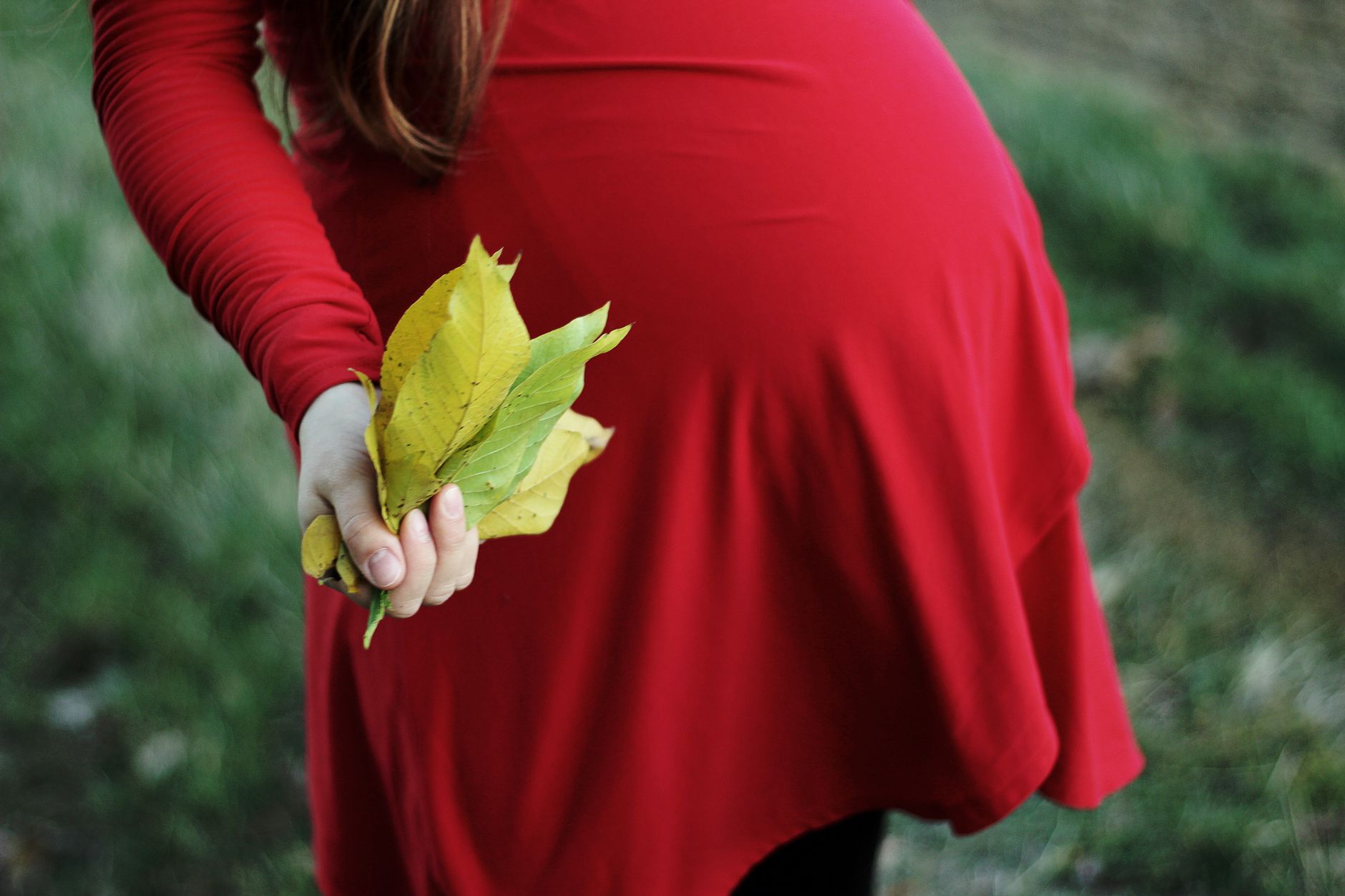
Using lighter bags or modifying your throwing technique can make cornhole more pregnancy-friendly.
What are some pregnancy-safe outdoor games similar to cornhole?
If playing cornhole feels too risky, uncomfortable, or you simply want gentler alternatives, there are plenty of wonderful pregnancy-safe outdoor games and activities that allow you to enjoy the fresh air and socialize without the worry. These options minimize bending, twisting, and fall risks, making them excellent choices for expecting parents:
Bocce ball: A classic game that involves rolling heavy balls. It's low-impact, can be played standing or sitting, and requires minimal bending if others help retrieve balls.
Croquet: A leisurely game of hitting balls through wickets. It involves gentle walking and controlled mallet swings, with little to no bending or twisting.
Ring toss: Simple and fun, this game involves tossing rings onto pegs. It can be played from a seated position and requires very little physical exertion.
Ladder toss: Similar to ring toss, players throw bolas (two balls connected by a string) to wrap around rungs on a ladder. It's low-impact and can be played with minimal movement.
Giant Jenga: While it involves some reaching, it's a slow-paced game with a focus on strategy and steady hands, minimizing sudden movements. Play on a stable surface.
Walking: A fantastic and highly recommended exercise during pregnancy. Enjoy a leisurely stroll with friends or family in a park or around the neighborhood.
Prenatal yoga: Many studios offer outdoor prenatal yoga classes, which focus on gentle stretching, strengthening, and relaxation, specifically tailored for pregnancy.
Swimming: The buoyancy of water makes swimming an ideal exercise during pregnancy, relieving pressure on joints and offering a full-body workout.
Board games: Bring your favorite board games outdoors! Set up a comfortable spot on a picnic blanket or at a patio table for a relaxed and engaging activity.
Card games: Easy to transport and play anywhere, card games offer a fun way to socialize without any physical demands.
These alternatives ensure you can still participate in the fun and camaraderie of outdoor gatherings without compromising your safety or comfort during pregnancy.
Related items — safety at a glance
When considering other popular yard games and sports, it's helpful to know how their safety profile compares to cornhole during pregnancy. Many activities, especially those involving significant impact, rapid changes in direction, or a high fall risk, should be approached with caution or avoided entirely.
Pregnancy Safety for Other Popular Games and Sports
Activity
Verdict
Notes
Bowling
⚠️ Safe with limits
Avoid heavy balls, focus on gentle release, watch for slick floors. Can strain back/pelvis.
Mini golf
✅ Generally safe
Low impact, gentle walking, minimal bending. Great option for light activity.
Badminton
⚠️ Safe with limits
Light impact, but can involve jumping, twisting, and quick lateral movements. Modify heavily.
Horseshoes
⚠️ Safe with limits
Heavy horseshoes pose a fall/strain risk. Repetitive bending/throwing. Similar to cornhole.
Pickleball
❌ Best avoided
Involves quick starts/stops, lateral movements, twisting, and potential for falls. High risk.
Volleyball
❌ Best avoided
Jumping, diving, twisting, high impact, and risk of falls. Not recommended.
Softball
❌ Best avoided
High impact, running, sliding, risk of falls, and potential for ball impact. Avoid.
Frisbee (casual toss)
⚠️ Safe with limits
Gentle, stationary tossing is okay. Avoid running, jumping, or reaching for throws.
Myth vs. fact
When it comes to physical activity during pregnancy, there's a lot of information out there, and not all of it is accurate. Let's clear up some common myths about games like cornhole and exercise during pregnancy.
Myth: Any physical activity, even light games, can harm the baby or cause miscarriage.
Fact: For most healthy pregnancies, moderate physical activity, including modified yard games like cornhole, is not only safe but beneficial. ACOG guidelines strongly support exercise during pregnancy. Miscarriages in early pregnancy are usually due to chromosomal abnormalities and are not typically caused by light physical activity. However, high-impact activities or those with a high fall risk should be avoided.
Myth: You should "take it easy" and rest throughout your entire pregnancy.
Fact: While some periods of rest are essential, complete inactivity is generally not recommended unless medically advised. Regular, moderate exercise can help manage pregnancy symptoms like back pain and fatigue, improve mood, and prepare your body for labor. The key is to listen to your body and choose appropriate activities, recognizing that your physical limits will change.
Myth: If you were active before pregnancy, you can continue all the same activities at the same intensity.
Fact: While it's great to maintain an active lifestyle, pregnancy changes your body in fundamental ways (shifted center of gravity, lax ligaments, increased heart rate, blood volume). You'll likely need to modify the intensity, duration, and type of exercise. Activities involving jumping, high impact, or a high risk of abdominal trauma should be stopped, and even low-impact activities like cornhole need adjustments as your pregnancy progresses.
Key takeaways
Playing cornhole can be safe during pregnancy with significant modifications, especially in the later trimesters.
Prioritize avoiding falls, minimizing bending and twisting, and preventing overheating.
Listen to your body carefully; stop immediately if you experience any pain or discomfort.
The first and second trimesters may allow for more active play, but the third trimester often necessitates greater caution or alternative roles.
Consider safer alternatives like bocce ball, mini golf, or simply social walking if cornhole feels too risky.
Always consult your healthcare provider for personalized advice on physical activity during your pregnancy.
Consider lower-impact games like bocce ball for a fun, pregnancy-friendly alternative to cornhole.
Frequently asked questions
Can you play yard games while pregnant?
Yes, many yard games can be safe and enjoyable during pregnancy, provided they are low-impact and modified to reduce risks like falls, twisting, and heavy lifting. Games like mini golf, croquet, and ring toss are generally good options. Always prioritize listening to your body, staying hydrated, and avoiding competitive play that might lead to overexertion or risky movements.
What activities should pregnant women avoid?
Pregnant women should generally avoid activities with a high risk of falling (e.g., skiing, gymnastics, horseback riding), contact sports (e.g., soccer, basketball, hockey), activities that involve abdominal trauma (e.g., martial arts), scuba diving, and activities at high altitudes without acclimatization. Also, avoid lying flat on your back for prolonged periods after the first trimester and any exercise that causes overheating or extreme exertion.
Is it safe to lift cornhole bags while pregnant?
Lifting individual cornhole bags (which typically weigh 1 pound) is generally safe, but repetitive bending to retrieve them can strain your back and pelvis, especially as your pregnancy progresses. The bigger concern is the cumulative effect of bending. It's best to ask someone else to retrieve the bags for you, or if you must, squat down using your legs rather than bending at the waist, keeping your back straight.
Can I play active games in early pregnancy?
Yes, for most healthy pregnancies, playing active games in early pregnancy is safe and often encouraged. The first trimester is a good time to continue your usual activities, as your balance is generally stable and your belly hasn't grown significantly. However, be mindful of fatigue and nausea, stay hydrated, and avoid overheating. Listen to your body and stop if anything feels uncomfortable.
What sports are safe during pregnancy?
Many sports are safe with modifications, including walking, swimming, cycling (stationary or very gentle outdoor), prenatal yoga, Pilates, and modified strength training. Low-impact sports that don't involve jumping, contact, or a high fall risk are generally preferred. Always consult your healthcare provider for personalized recommendations based on your health and the sport.
Can I play outdoor games in my third trimester?
Playing outdoor games in the third trimester requires increased caution due to shifts in your center of gravity, increased ligament laxity, and a higher risk of falls. While gentle activities like walking or sitting-based games (e.g., card games outdoors) are fine, games like cornhole that involve bending, throwing, or potential for imbalance should be heavily modified or avoided. Prioritize safety and comfort above all else.
Is throwing a ball safe during pregnancy?
Gentle throwing of a light ball, such as a soft toss in a casual setting, is generally safe during pregnancy. However, avoid forceful throws that involve significant twisting of the torso, aggressive arm movements, or overexertion, as these can strain your back, core, and pelvic ligaments. Focus on a controlled, forward-facing throw, and avoid any activity that requires running or jumping to retrieve the ball.
When to call your doctor
While playing cornhole and engaging in other physical activities during pregnancy can be beneficial, it's crucial to know when to stop and seek medical attention. Call your doctor or healthcare provider immediately if you experience any of the following symptoms while playing cornhole or any other physical activity:
Vaginal bleeding
Sudden gush of fluid from the vagina (suggesting ruptured membranes)
Regular, painful contractions
Dizziness or feeling faint
Headache or visual disturbances
Chest pain
Calf pain or swelling (possible blood clot)
Muscle weakness affecting balance
Significant shortness of breath before exertion
Any sudden or severe abdominal pain or cramping
A fall, especially if you hit your abdomen
Always trust your instincts. If something doesn't feel right, stop the activity and contact your healthcare provider. This information is for educational purposes only and is not a substitute for professional medical advice, diagnosis, or treatment.
References
American College of Obstetricians and Gynecologists (ACOG). (2020). Exercise During Pregnancy and Postpartum Period. Committee Opinion No. 804. Obstetrics & Gynecology, 135(5), e178-e188.
National Health Service (NHS). (2023). Exercise in pregnancy.
Mayo Clinic. (2023). Pregnancy and exercise: Baby, let's move!
Centers for Disease Control and Prevention (CDC). (2023). Physical Activity During Pregnancy.
Not sure about the label on Is Cornhole Safe During Pregnancy products?
Snap the ingredients list and SafeFilter checks every ingredient for your stage — only 3 free scans this month, then you're locked until reset. Unlimited from $7/mo or $50/yr.
When Shubhra Mishra was expecting her first child in 2016, she was overwhelmed by conflicting food advice — one site said yes, another said never. By the time her second baby arrived in 2019, she realized millions of mothers face the same confusion.
That sparked a five-year journey through clinical nutrition papers, cultural diets, and expert conversations — all leading to BumpBites: a calm, compassionate space where science meets everyday motherhood.
Her long-term vision is to build a global community ensuring safe, supported, and free deliveriesfor every mother — because no woman should face pregnancy alone or uninformed. 🌿
🌍 Stand with mothers, shape safer guidance
Join a small circle of experts who review BumpBites articles so expecting parents everywhere can decide with confidence.