Limit circus arts during pregnancy, especially in the first trimester. Avoid high-risk aerial moves; opt for low-impact ground-based routines to stay safe.
By Shubhra Mishra — a mom of two who turned her own confusion during pregnancy into BumpBites, a global mission to make food choices clear, safe, and stress-free for every expecting mother. 💛
Check whether any food is safe during pregnancy with the BumpBites Food Safety Checker.
Quick verdict: ⚠️ Circus arts can be safe during pregnancy with modifications, but some disciplines should be avoided. Most obstetricians recommend sticking to low-impact, ground-based circus activities (like juggling or gentle clowning) and avoiding aerial silks, trapeze, or contortion after the first trimester due to fall risks and abdominal strain. Always check with your provider first—especially if you have a high-risk pregnancy or pelvic floor concerns.
You’re mid-routine on the aerial hoop, heart pounding, when it hits you: I’m pregnant. Or maybe you’re scrolling through Instagram, watching a pregnant acrobat twist into a handstand, and wondering, Could I do that too? If you’re asking “is circus arts safe during pregnancy?”, you’re not alone. Many expecting parents—from professional performers to weekend hobbyists—worry about balancing their passion with their baby’s safety.
Here’s the good news: you don’t have to give up circus arts entirely. But you do need to adjust your approach. Falls, abdominal trauma, and joint laxity are real concerns, and what’s safe in your first trimester might not be by your third. Below, we’ll break down which circus arts are generally safe, which to avoid, and how to modify your training so you can keep doing what you love—without the 3 a.m. panic.
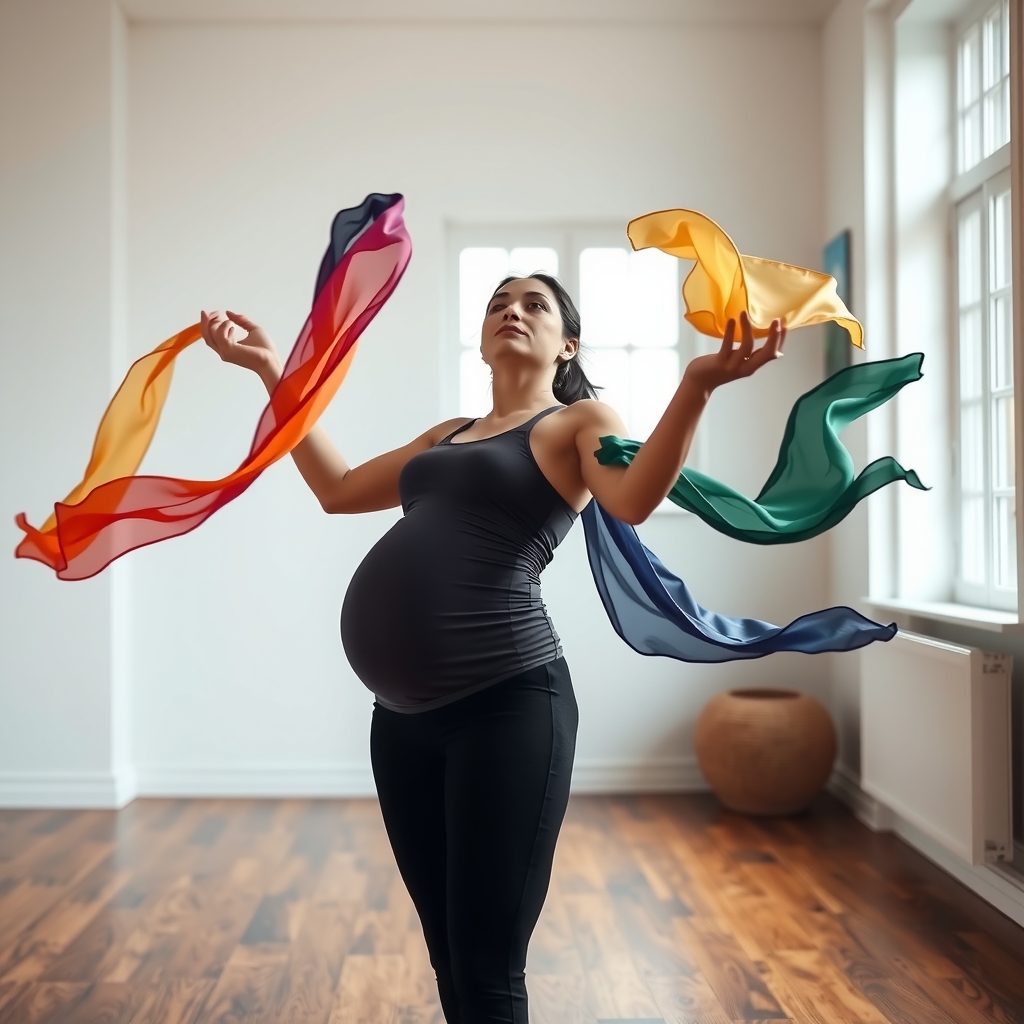
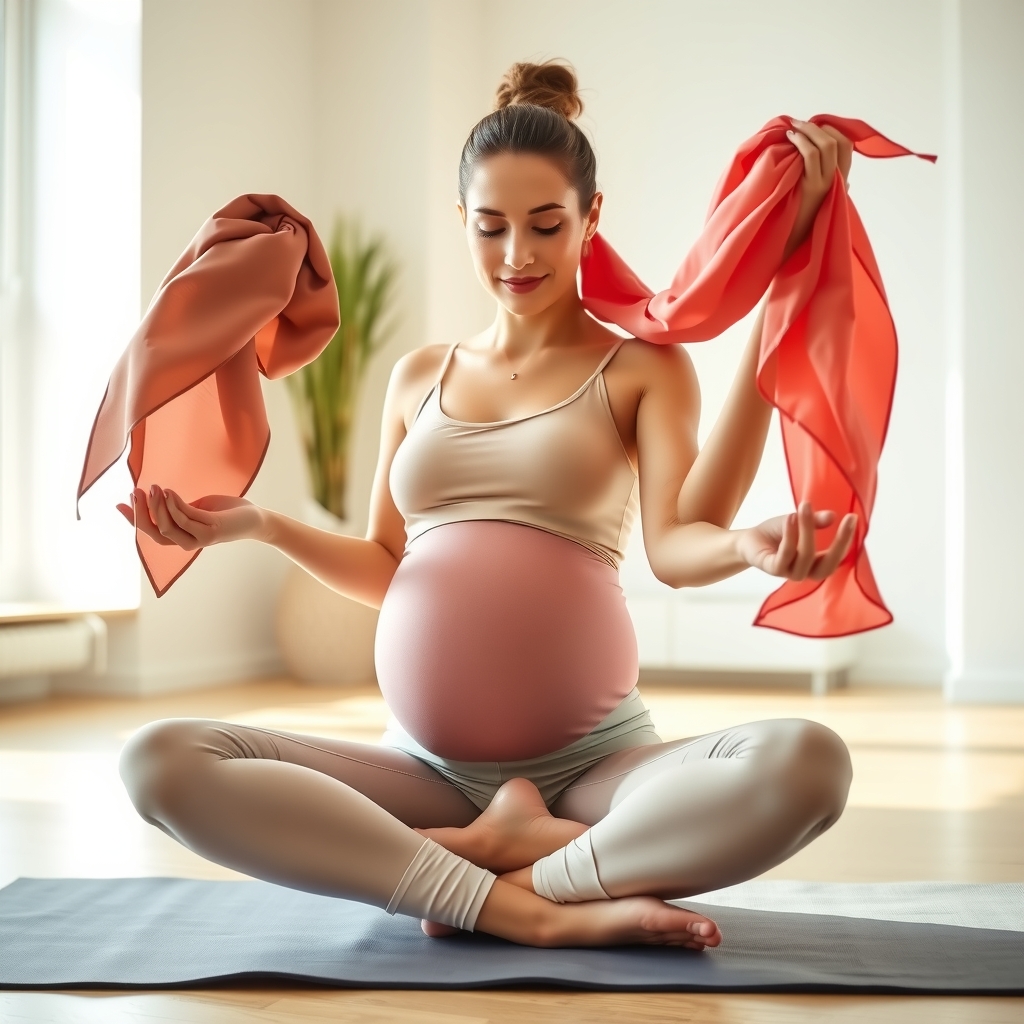
Gentle juggling with soft scarves is one of the safest circus arts during pregnancy—no impact, no risk of falls, and easy to modify.
Circus arts safety during pregnancy: Trimester-by-trimester guide
Trimester
Verdict
Notes
First trimester
⚠️ Caution advised
Low-impact ground-based activities (juggling, clowning, gentle hand-balancing) are generally safe if you feel well. Avoid aerial arts, contortion, or anything with fall risk. Listen to your body—fatigue and nausea may limit training.
Second trimester
⚠️ Modify or avoid high-risk disciplines
Ground-based circus arts can continue with modifications (e.g., no deep backbends, no jumps). Aerial arts (silks, trapeze, hoop) should be paused due to fall risk and abdominal strain. Focus on balance and core stability.
Third trimester
❌ Avoid high-risk disciplines
Stick to very gentle, low-impact activities (e.g., juggling, light clowning). Avoid anything that strains the abdomen, requires balance, or risks falls. Pelvic floor health is critical—stop if you feel pressure or discomfort.
Breastfeeding
⚠️ Gradual return with caution
Ease back into training, focusing on rebuilding core and pelvic floor strength. Avoid high-impact or aerial arts until you’ve been cleared by a pelvic floor physiotherapist. Hydration and energy levels may still be affected.
What are circus arts?
Circus arts encompass a wide range of physical disciplines, from aerial silks and trapeze to juggling, clowning, contortion, and hand-balancing. These activities combine strength, flexibility, balance, and creativity—often in ways that feel more like play than exercise. For many, circus arts are a form of self-expression, community, and even therapy.
But pregnancy changes the game. Your center of gravity shifts, your joints loosen (thanks to the hormone relaxin), and your abdominal muscles stretch to accommodate your growing baby. What once felt effortless—like a backbend or a climb on the silks—can suddenly feel risky. That’s why understanding the specific demands of each circus discipline is key to answering “is circus arts safe during pregnancy?”.
Is circus arts safe during pregnancy?
The short answer: it depends on the discipline, your trimester, and your individual pregnancy. The American College of Obstetricians and Gynecologists (ACOG) and the UK’s National Health Service (NHS) agree that exercise during pregnancy is beneficial, but they caution against activities with a high risk of falls or abdominal trauma. Circus arts fall into a gray area—some are low-risk, while others (like aerial silks or trapeze) carry significant dangers.
Here’s what the experts say:
ACOG recommends avoiding activities with a high risk of falling or abdominal injury, such as gymnastics, horseback riding, and—by extension—many circus arts. They emphasize that “moderate-intensity exercise is safe and beneficial for most pregnant women”, but high-risk activities should be modified or paused.
NHS advises against contact sports and activities with a risk of falling, listing gymnastics and trampolining as examples. While circus arts aren’t explicitly mentioned, the same principles apply.
Prenatal fitness specialists often recommend ground-based circus arts (like juggling or clowning) as safe alternatives, provided they don’t involve jumps, deep backbends, or excessive abdominal pressure.
The biggest risks in circus arts during pregnancy are:
Falls: Aerial arts (silks, trapeze, hoop) and hand-balancing carry a high risk of falling, which could lead to placental abruption or other complications.
Abdominal trauma: Contortion, deep backbends, or any movement that compresses the abdomen can strain the uterine ligaments or increase the risk of diastasis recti (abdominal separation).
Joint laxity: The hormone relaxin loosens your ligaments, making sprains and strains more likely—especially in disciplines that require extreme flexibility or sudden movements.
Overheating: Intense training in a hot environment (common in circus studios) can raise your core temperature, which may be harmful in the first trimester.
Pelvic floor strain: Activities that involve jumping, heavy lifting, or bearing down (like certain aerial drops) can weaken the pelvic floor, increasing the risk of incontinence or prolapse.
That said, not all circus arts are off-limits. The key is choosing disciplines that are low-impact, ground-based, and easy to modify. We’ll break down the safest options—and the ones to avoid—below.
Safety by trimester
First trimester: Proceed with caution
The first trimester is often the trickiest for circus artists. Fatigue, nausea, and dizziness can make even gentle training feel challenging. On top of that, the risk of miscarriage is highest in these early weeks, so many providers recommend avoiding high-impact or high-risk activities—including most aerial arts and contortion.
That said, if you feel well and your provider gives the green light, low-impact ground-based circus arts are generally safe. Think juggling, gentle clowning, or light hand-balancing (without deep backbends). Avoid:
Aerial silks, trapeze, or hoop (fall risk)
Contortion or deep backbends (abdominal strain)
Anything that involves jumps or sudden movements (joint laxity risk)
Training in hot environments (overheating risk)
Red flags to stop immediately: Vaginal bleeding, severe cramping, dizziness, or shortness of breath. If you experience any of these, pause your training and call your provider.
Second trimester: Modify or pause high-risk disciplines
The second trimester is often called the “honeymoon phase” of pregnancy—energy levels return, nausea fades, and many women feel strong and capable. But this is also when your belly starts to grow, shifting your center of gravity and making balance more challenging. This is the time to modify or pause high-risk circus arts.
Safe options in the second trimester include:
Juggling (with soft objects like scarves or beanbags)
Gentle clowning or physical comedy (avoid jumps or falls)
Light hand-balancing (no deep backbends, no bearing down)
Modified partner acrobatics (ground-based, no lifts or throws)
Avoid:
Aerial arts (silks, trapeze, hoop—fall risk is too high)
Contortion or deep backbends (abdominal strain)
Anything that involves sudden movements or jumps (joint laxity risk)
Training to exhaustion (overheating risk)
Modifications to consider:
Use a spotter for any balance-based activities.
Shorten your training sessions to 30-45 minutes.
Stay hydrated and avoid overheating.
Focus on core and pelvic floor engagement (e.g., gentle Kegels during juggling).
Third trimester: Stick to very gentle activities
By the third trimester, your belly is large, your balance is off, and your joints are at their loosest. This is not the time for aerial arts, contortion, or anything that risks a fall. Instead, focus on gentle, low-impact activities that keep you moving without straining your body.
Safe options in the third trimester include:
Juggling with very light objects (e.g., scarves)
Seated or slow-moving clowning (no jumps, no falls)
Breathwork and gentle stretching (avoid deep backbends)
Avoid:
All aerial arts (fall risk is too high)
Contortion or deep backbends (abdominal strain)
Anything that involves sudden movements or jumps
Training to exhaustion (fatigue can increase fall risk)
Red flags to stop immediately: Contractions, vaginal bleeding, fluid leakage, severe pelvic pressure, or dizziness. If you experience any of these, stop training and call your provider.
Breastfeeding: Ease back in gradually
After giving birth, your body needs time to heal—especially your core and pelvic floor. Don’t rush back into circus training. Start with gentle, ground-based activities and gradually rebuild your strength.
Safe options while breastfeeding include:
Juggling with light objects
Gentle clowning or physical comedy
Modified hand-balancing (no deep backbends)
Pelvic floor and core rehabilitation exercises
Avoid:
Aerial arts until you’ve been cleared by a pelvic floor physiotherapist
Contortion or deep backbends (abdominal separation may still be healing)
High-impact activities (joints are still loose from relaxin)
Tips for returning to training:
Wait until your 6-week postpartum checkup (or later if you had a C-section or complications).
Start with short, low-intensity sessions (15-20 minutes).
Focus on rebuilding core and pelvic floor strength before attempting aerial arts or contortion.
Stay hydrated—breastfeeding can dehydrate you quickly.
How many minutes of juggling is safe during pregnancy?
Juggling is one of the safest circus arts during pregnancy because it’s low-impact, ground-based, and easy to modify. But how much is too much?
General guidelines for juggling during pregnancy:
First trimester: Up to 30-45 minutes per session, 2-3 times per week. Avoid juggling if you’re feeling nauseous or fatigued.
Second trimester: Up to 30 minutes per session, 2-3 times per week. Use lighter objects (e.g., scarves or beanbags) to reduce strain.
Third trimester: Up to 15-20 minutes per session, 1-2 times per week. Stick to very light objects and avoid any movements that compress the abdomen.
Safety tips for juggling during pregnancy:
Use soft, lightweight objects (scarves, beanbags, or soft balls) to reduce strain on your wrists and shoulders.
Avoid juggling while standing on unstable surfaces (e.g., a balance board or slackline).
Take breaks every 10-15 minutes to stretch and hydrate.
Stop if you feel any pelvic pressure, back pain, or dizziness.
Juggling while seated reduces fall risk and is a great way to keep the activity safe in later trimesters.
Side effects and risks of circus arts during pregnancy
Even with modifications, circus arts carry some risks during pregnancy. Here’s what to watch for:
Risks of circus arts during pregnancy: What to watch for
Risk
Why it matters
What to do
Falls
Falls can cause placental abruption, preterm labor, or fetal injury. Aerial arts and hand-balancing are the highest-risk disciplines.
Avoid aerial arts after the first trimester. Use a spotter for balance-based activities. Stop if you feel dizzy or unsteady.
Abdominal trauma
Contortion, deep backbends, or sudden movements can strain the uterine ligaments or worsen diastasis recti (abdominal separation).
Avoid deep backbends and any movement that compresses the abdomen. Focus on gentle, controlled movements.
Joint laxity
The hormone relaxin loosens your ligaments, making sprains and strains more likely—especially in disciplines that require extreme flexibility or sudden movements.
Avoid sudden movements, jumps, or deep stretches. Warm up thoroughly and listen to your body.
Overheating
Raising your core temperature too high in the first trimester may increase the risk of neural tube defects. Intense training in hot environments can also cause dehydration.
Train in a cool, well-ventilated space. Take breaks every 15 minutes to hydrate and cool down.
Pelvic floor strain
Activities that involve jumping, heavy lifting, or bearing down can weaken the pelvic floor, increasing the risk of incontinence or prolapse.
Avoid jumps, heavy lifts, and any movement that causes you to bear down. Focus on gentle core engagement.
Fatigue
Overtraining can lead to exhaustion, which increases the risk of falls or injury.
Keep training sessions short (30-45 minutes max). Listen to your body and rest when needed.
What are the safest circus arts for pregnant women?
Not all circus arts are created equal when it comes to pregnancy safety. Here are the safest options, ranked from lowest to highest risk:
Juggling (with soft objects): Low-impact, ground-based, and easy to modify. Use scarves, beanbags, or soft balls to reduce strain on your wrists and shoulders. Avoid juggling while standing on unstable surfaces.
Gentle clowning or physical comedy: Focus on slow, controlled movements and avoid jumps or falls. This is a great way to stay creative without physical strain.
Modified partner acrobatics (ground-based): Stick to simple, low-to-the-ground poses with a trusted partner. Avoid lifts, throws, or any movement that compresses the abdomen.
Light hand-balancing (no deep backbends): If you’re experienced, you may be able to continue hand-balancing with modifications. Avoid deep backbends, and stop if you feel any abdominal strain.
Breathwork and gentle stretching: Focus on deep breathing and gentle stretches to maintain flexibility and reduce stress. Avoid deep backbends or any movement that compresses the abdomen.
Disciplines to approach with caution (modify or avoid):
Aerial silks, trapeze, or hoop (high fall risk)
Contortion or deep backbends (abdominal strain)
Anything that involves jumps or sudden movements (joint laxity risk)
Training in hot environments (overheating risk)
Are there any circus arts to avoid completely during pregnancy?
Yes. Some circus arts carry too much risk to continue during pregnancy, especially after the first trimester. Here’s what to avoid:
Aerial silks, trapeze, and hoop: These disciplines carry a high risk of falls, which could lead to placental abruption, preterm labor, or fetal injury. Even with a spotter, the risk isn’t worth it.
Contortion or deep backbends: These movements can strain the uterine ligaments, worsen diastasis recti, or compress the abdomen. Avoid anything that involves extreme flexibility or deep backbends.
Hand-balancing with deep backbends: While light hand-balancing may be safe with modifications, deep backbends should be avoided due to abdominal strain.
Anything that involves jumps or sudden movements: The hormone relaxin loosens your ligaments, making sprains and strains more likely. Avoid jumps, sudden movements, or anything that requires quick reflexes.
Training in hot environments: Intense training in a hot studio can raise your core temperature, which may be harmful in the first trimester. Avoid hot yoga, saunas, or training in poorly ventilated spaces.
Partner acrobatics with lifts or throws: Even if you’re the base, lifts and throws can strain your core and pelvic floor. Stick to ground-based, low-impact poses.
Can you do contortion or hand-balancing while pregnant?
Contortion and hand-balancing are two of the most physically demanding circus arts—and two of the riskiest during pregnancy. Here’s what you need to know:
Contortion
Verdict: ❌ Avoid after the first trimester. Contortion involves extreme flexibility, deep backbends, and movements that compress the abdomen. These can strain the uterine ligaments, worsen diastasis recti, or increase the risk of preterm labor. Even in the first trimester, deep backbends should be avoided if you feel any abdominal discomfort.
If you’re an experienced contortionist:
Stick to very gentle, modified stretches (e.g., cat-cow, seated forward folds).
Avoid deep backbends, splits, or any movement that compresses the abdomen.
Stop if you feel any pelvic pressure, back pain, or dizziness.
Hand-balancing
Verdict: ⚠️ Safe with modifications in the first trimester; avoid after. Hand-balancing is less risky than contortion, but it still requires core strength, balance, and control—all of which are affected by pregnancy.
If you’re an experienced hand-balancer:
In the first trimester, you may be able to continue with modifications (e.g., no deep backbends, no bearing down).
Avoid hand-balancing after the first trimester due to fall risk and abdominal strain.
Use a spotter and a soft landing surface (e.g., a crash mat).
Stop if you feel any pelvic pressure, back pain, or dizziness.
Is it safe to perform in a circus show while pregnant?
Performing in a circus show while pregnant is not recommended, especially after the first trimester. Here’s why:
Fall risk: Even if you’re performing a ground-based act, the pressure of a live show can increase the risk of mistakes or falls.
Fatigue: Performances are physically and mentally demanding, and fatigue can increase the risk of injury.
Stress: The adrenaline rush of performing can raise your heart rate and blood pressure, which may not be safe for your baby.
Lack of control: Unlike training, performances don’t allow for breaks or modifications. You may push yourself harder than you would in a practice session.
If you’re a professional circus artist:
Talk to your provider about your specific act and risks.
Consider modifying your act to reduce fall risk (e.g., switching from aerial silks to a ground-based routine).
Avoid performing after the first trimester unless your provider gives explicit approval.
Listen to your body—if you feel fatigued or unwell, bow out of the performance.
What modifications should pregnant women make for circus training?
Modifying your circus training is key to staying safe during pregnancy. Here are some general modifications to consider, along with discipline-specific tips:
General modifications for all circus arts
Shorten your sessions: Keep training sessions to 30-45 minutes max. Fatigue increases the risk of falls and injury.
Warm up and cool down: Spend 10-15 minutes warming up (gentle cardio, dynamic stretches) and cooling down (static stretches, breathwork).
Stay hydrated: Drink water before, during, and after training to prevent dehydration and overheating.
Avoid overheating: Train in a cool, well-ventilated space. Take breaks every 15 minutes to cool down.
Listen to your body: Stop if you feel dizzy, short of breath, or experience any pelvic pressure or back pain.
Use a spotter: For any balance-based activity, have a spotter nearby to prevent falls.
Focus on core and pelvic floor engagement: Gentle Kegels and deep belly breathing can help maintain core strength and reduce the risk of diastasis recti.
Discipline-specific modifications
Modifications for circus arts during pregnancy
Discipline
Modifications
Juggling
Use soft, lightweight objects (scarves, beanbags). Avoid juggling while standing on unstable surfaces. Take breaks every 10-15 minutes.
Clowning/physical comedy
Avoid jumps, falls, or sudden movements. Focus on slow, controlled movements. Use props to reduce physical strain.
Hand-balancing
Avoid deep backbends and bearing down. Use a spotter and a soft landing surface. Stop if you feel any abdominal strain.
Partner acrobatics
Stick to ground-based, low-impact poses. Avoid lifts, throws, or any movement that compresses the abdomen. Communicate clearly with your partner.
Aerial arts (silks, trapeze, hoop)
Avoid after the first trimester. If you must train, use a crash mat and a spotter, and avoid drops or sudden movements.
Contortion
Avoid deep backbends, splits, or any movement that compresses the abdomen. Stick to gentle, modified stretches.
Are there specific circus schools or instructors for pregnant women?
Yes! Some circus schools and instructors specialize in prenatal circus training, offering modified classes for expecting parents. These programs focus on safety, core strength, and pelvic floor health while keeping the fun and creativity of circus arts alive.
What to look for in a prenatal circus instructor:
Certification: Look for instructors certified in prenatal fitness, Pilates, or yoga. Some may have additional training in circus arts for pregnancy.
Experience: Ask how many pregnant students they’ve worked with and what modifications they recommend.
Safety focus: A good instructor will prioritize safety over performance. They should avoid high-risk disciplines (like aerial arts) and focus on low-impact, ground-based activities.
Communication: They should ask about your pregnancy history, any complications, and your provider’s recommendations. They should also encourage you to listen to your body and stop if you feel unwell.
Where to find prenatal circus classes:
Circus schools: Some circus schools offer prenatal classes or private lessons. Search for “prenatal circus classes” or “pregnancy-friendly circus training” in your area.
Prenatal fitness studios: Studios that offer prenatal yoga or Pilates may also have circus-inspired classes.
Online classes: If in-person classes aren’t available, look for online prenatal circus programs. These can be a great way to train safely at home.
Private instructors: Some circus artists offer private lessons and can tailor a program to your pregnancy needs.
Questions to ask before signing up:
What disciplines do you teach for pregnant women?
How do you modify training for each trimester?
What safety precautions do you take to prevent falls or abdominal strain?
Do you require a note from my provider?
What should I do if I feel unwell during class?
What are the risks of falling or abdominal trauma in circus arts during pregnancy?
Falls and abdominal trauma are two of the biggest risks in circus arts during pregnancy. Here’s what you need to know—and how to protect yourself and your baby.
Falls
Why it’s risky: Falls can cause placental abruption (when the placenta separates from the uterine wall), preterm labor, or fetal injury. Even a minor fall can lead to complications, especially in the second or third trimester.
Which disciplines are highest-risk?
Aerial silks, trapeze, and hoop (high fall risk)
Hand-balancing (balance can be affected by pregnancy)
Partner acrobatics (risk of being dropped or losing balance)
How to reduce the risk:
Avoid aerial arts after the first trimester.
Use a spotter for any balance-based activity.
Train on a soft surface (e.g., a crash mat or grass).
Stop if you feel dizzy or unsteady.
Wear supportive shoes with good grip.
Abdominal trauma
Why it’s risky: Abdominal trauma can strain the uterine ligaments, worsen diastasis recti, or increase the risk of preterm labor. It can also cause pain or discomfort, especially as your belly grows.
Which disciplines are highest-risk?
Contortion (deep backbends compress the abdomen)
Hand-balancing (bearing down can strain the abdomen)
Partner acrobatics (lifts or throws can compress the abdomen)
Aerial arts (sudden drops or movements can strain the abdomen)
How to reduce the risk:
Avoid deep backbends or any movement that compresses the abdomen.
Focus on gentle, controlled movements.
Engage your core and pelvic floor during training.
Stop if you feel any abdominal pain or pressure.
What to do if you fall:
Stay calm and assess for injuries.
Call your provider if you experience any of the following:
Vaginal bleeding
Severe abdominal pain or cramping
Fluid leakage (could indicate ruptured membranes)
Decreased fetal movement
Contractions
Even if you feel fine, mention the fall to your provider at your next appointment.
Safer alternatives to circus arts during pregnancy
If you’re looking for ways to stay active and creative during pregnancy but want to avoid the risks of circus arts, here are some safer alternatives to consider:
Prenatal yoga: Improves flexibility, strength, and relaxation. Look for classes that focus on gentle stretches and breathwork. Avoid hot yoga and deep backbends.
Swimming: Low-impact and easy on the joints. The water supports your growing belly and reduces swelling. Avoid diving or jumping into the pool.
Walking: A simple, safe way to stay active. Aim for 30 minutes a day, and wear supportive shoes. Avoid uneven terrain to reduce fall risk.
Stationary cycling: Great for cardio without the fall risk of outdoor cycling. Keep the resistance low and avoid standing up on the pedals.
Pilates (modified for pregnancy): Strengthens the core and pelvic floor safely. Look for prenatal Pilates classes or videos that avoid deep abdominal work.
Gentle dance (e.g., ballet barre without jumps): Keeps you moving and creative without the impact of jumps or sudden movements. Avoid deep backbends and turns.
Tai chi: Improves balance, flexibility, and relaxation. The slow, controlled movements are safe for all trimesters.
Not sure about the label on Is Circus Arts Safe During Pregnancy products?
Snap the ingredients list and SafeFilter checks every ingredient for your stage — only 3 free scans this month, then you're locked until reset. Unlimited from $7/mo or $50/yr.
When Shubhra Mishra was expecting her first child in 2016, she was overwhelmed by conflicting food advice — one site said yes, another said never. By the time her second baby arrived in 2019, she realized millions of mothers face the same confusion.
That sparked a five-year journey through clinical nutrition papers, cultural diets, and expert conversations — all leading to BumpBites: a calm, compassionate space where science meets everyday motherhood.
Her long-term vision is to build a global community ensuring safe, supported, and free deliveriesfor every mother — because no woman should face pregnancy alone or uninformed. 🌿
🌍 Stand with mothers, shape safer guidance
Join a small circle of experts who review BumpBites articles so expecting parents everywhere can decide with confidence.