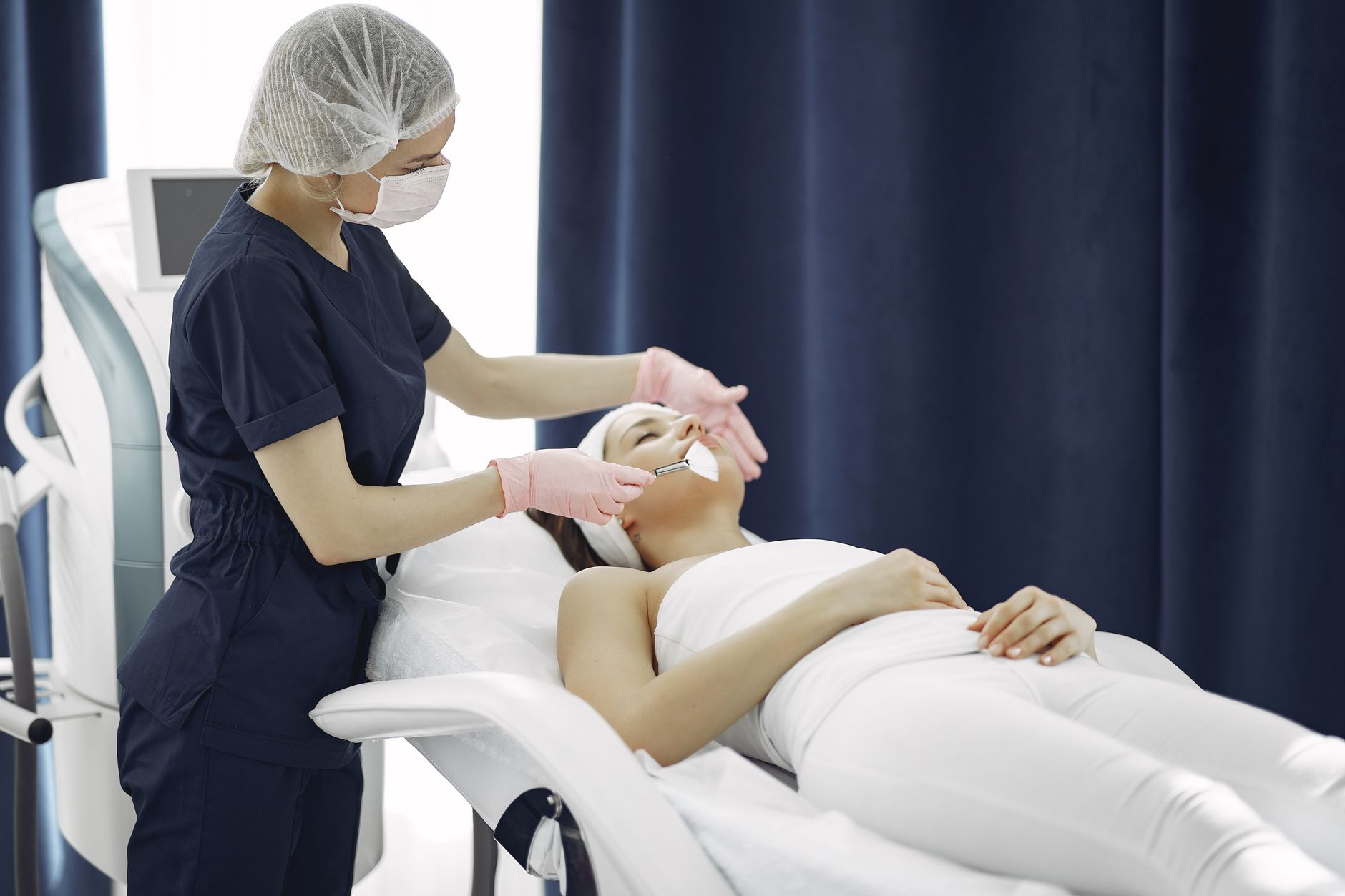
Conditional: Is chemical peel safe during pregnancy? Understand which types are safe, ideal trimesters, and effective alternatives for glowing skin.
By Shubhra Mishra — a mom of two who turned her own confusion during pregnancy into BumpBites, a global mission to make food choices clear, safe, and stress-free for every expecting mother. 💛
Check whether any food is safe during pregnancy with the BumpBites Food Safety Checker.
Quick verdict: ⚠️ Talk to your doctor first. While most dermatologists recommend avoiding medium to deep chemical peels during pregnancy due to limited safety data and potential systemic absorption of active ingredients, very mild peels with certain low-concentration alpha hydroxy acids (AHAs) *might* be considered with your obstetrician's approval. However, safer alternatives are generally preferred.
The moment you see those two lines, a whole new world of questions opens up – especially about what’s safe for you and your baby. If you've been relying on chemical peels to keep your skin glowing, you might be staring at your appointment reminder, wondering, "Is chemical peel safe during pregnancy?" Or maybe you've already had one before realizing you were pregnant and now you're feeling a wave of panic. Take a deep breath. We're here to break down the current guidance on chemical peels during pregnancy, what ingredients to look out for, and plenty of pregnancy-safe alternatives to help you navigate your skincare routine confidently.
At BumpBites, we understand that maintaining your skin health is important, but your baby's safety is paramount. The good news is there are many ways to care for your skin without unnecessary worry. While the verdict on chemical peels can be nuanced, especially depending on the type and strength, the general recommendation from most obstetricians and dermatologists is to err on the side of caution. Let's dive into the details so you can make an informed decision for your pregnancy journey.
Trimester/Stage
Verdict
Notes
First Trimester
❌ Best avoided
Period of major organ development; risk of systemic absorption of active ingredients is highest. Even mild peels are generally discouraged.
Second Trimester
⚠️ Talk to your doctor first
Risks decrease slightly, but still generally advised to avoid medium/deep peels. Very mild, low-concentration AHA peels (e.g., glycolic, lactic) *may* be considered with strict medical supervision.
Third Trimester
⚠️ Talk to your doctor first
Similar to second trimester. Skin may be more sensitive and prone to hyperpigmentation; safer alternatives are strongly recommended.
Breastfeeding
⚠️ Talk to your doctor first
Risk of ingredients transferring into breast milk is a concern for some peel types. Mild peels *might* be acceptable, but consult your doctor to assess specific ingredients.
What is a Chemical Peel?
A chemical peel is a cosmetic procedure designed to improve the appearance of the skin on the face, neck, or hands. It involves applying a chemical solution to the skin, which causes the top layers to exfoliate and eventually peel off. The new, regenerated skin is typically smoother, less wrinkled, and may have a more even tone. People use chemical peels to address various skin concerns, including fine lines and wrinkles, sun damage, acne scars, hyperpigmentation (like melasma or sunspots), and uneven skin texture.
There are several types of chemical peels, categorized by how deeply they penetrate the skin:
Superficial (Light) Peels: These use mild acids like alpha hydroxy acids (AHAs) such as glycolic acid or lactic acid, or low-concentration beta hydroxy acids (BHAs) like salicylic acid. They penetrate only the outermost layer of the skin (epidermis) and are used to gently exfoliate, improve mild discoloration, and refresh the face, neck, chest, or hands.
Medium Peels: These penetrate the outer and middle layers of the skin (epidermis and upper dermis). Trichloroacetic acid (TCA) is a common active ingredient, sometimes combined with other chemicals. They are used to treat wrinkles, moderate age spots, and some forms of acne scars.
Deep Peels: These penetrate deeply into the skin's middle layer (dermis) to remove damaged skin cells. Phenol is typically used for deep peels. They are used for more severe wrinkles, deeper scars, and significant sun damage, but require longer recovery times and carry more risks.
The choice of peel depends on your skin type, concerns, and desired results, as well as the expertise of the skincare professional performing the procedure.
Always discuss any planned cosmetic procedures, including chemical peels, with your healthcare provider during pregnancy.
Is Chemical Peel Safe During Pregnancy?
When
it comes to the question, "is chemical peel safe during pregnancy?", the answer is generally nuanced, leaning heavily towards caution. Most medical professionals and organizations, including the American College of Obstetricians and Gynecologists (ACOG) and the NHS, advise pregnant individuals to avoid medium to deep chemical peels. This recommendation stems primarily from the lack of extensive safety studies on pregnant populations and the potential for systemic absorption of the active ingredients.
The concern with chemical peels during pregnancy isn't just about topical irritation, but about whether the chemicals can be absorbed into your bloodstream and potentially reach your developing baby. While the skin does act as a barrier, some ingredients, particularly those in higher concentrations or those designed for deeper penetration, *can* be absorbed. The FDA categorizes many medications and ingredients based on their safety during pregnancy, and for many chemical peel ingredients, there simply isn't enough data to confirm absolute safety for a developing fetus. Therefore, the "better safe than sorry" approach is widely adopted.
For very mild, superficial chemical peels using low concentrations of certain alpha hydroxy acids (AHAs) like glycolic or lactic acid, the risk of significant systemic absorption is considered very low. However, even with these, many dermatologists still recommend avoiding them or using them only after a thorough discussion and approval from your obstetrician. The reason for this caution is that pregnancy often makes your skin more sensitive, prone to irritation, and even more susceptible to hyperpigmentation (like melasma) after inflammatory treatments. What might have been a gentle peel before pregnancy could cause an adverse reaction when you're expecting. When considering if a chemical peel is safe during pregnancy, your provider will weigh the potential benefits against any theoretical risks.
What Types of Chemical Peels Are Safe During Pregnancy?
Generally speaking, **no chemical peel is universally considered "safe" during pregnancy without prior consultation with your obstetrician or a dermatologist specializing in pregnancy skincare.** However, if any type of chemical peel *might* be considered, it would be a very mild, superficial peel using low concentrations of certain Alpha Hydroxy Acids (AHAs).
Specifically:
Glycolic Acid Peels: Low-concentration glycolic acid (typically under 10%) is sometimes considered by doctors as one of the safer AHAs for topical use during pregnancy due to its larger molecular size, which limits systemic absorption. However, peels usually involve higher concentrations (20% or more) and longer contact times, making them a different proposition from a daily serum. Therefore, a professional glycolic acid peel is still generally advised against unless specifically approved by your healthcare provider.
Lactic Acid Peels: Similar to glycolic acid, lactic acid is another AHA that is sometimes deemed low-risk in very low topical concentrations. However, as with glycolic peels, professional-strength lactic acid peels should be avoided unless explicitly cleared by your doctor.
Salicylic Acid Peels: Salicylic acid (a BHA) is best avoided in peel concentrations during pregnancy. While low concentrations (less than 2%) in topical washes or spot treatments are generally considered low risk by many dermatologists, higher concentrations used in chemical peels can lead to significant systemic absorption, which is concerning. The American Academy of Dermatology Association (AAD) recommends avoiding high doses of salicylic acid during pregnancy.
Trichloroacetic Acid (TCA) Peels and Phenol Peels: Medium and deep peels, which use TCA or phenol, are unequivocally **not recommended** during pregnancy. These ingredients penetrate much deeper into the skin and carry a higher risk of systemic absorption and potential adverse effects on the fetus.
The overarching advice is to assume any chemical peel is best avoided during pregnancy unless your doctor gives explicit, personalized approval after weighing the risks and benefits.
Safety by Trimester
Understanding how chemical peel safety changes throughout your pregnancy is crucial, as different trimesters present varying sensitivities and developmental stages for your baby.
Is a Chemical Peel Safe in the First Trimester?
The first trimester is the most critical period for fetal development, as this is when all major organs are forming. During these crucial weeks, the developing baby is most vulnerable to external influences. For this reason, most healthcare providers and dermatologists strongly recommend avoiding chemical peels of any strength during the first trimester. The concern is that even if the systemic absorption of a particular peel ingredient is considered low, any potential exposure during this sensitive window carries a theoretical risk that is best avoided. Your skin may also be more reactive and prone to irritation or hyperpigmentation during early pregnancy due to hormonal changes. The general consensus is that a chemical peel is best avoided in the first trimester.
Second Trimester
As you move into the second trimester, the period of major organogenesis has largely passed, and the risk profile for some exposures might slightly decrease. However, the guidance for chemical peels remains cautious. Medium and deep peels are still firmly in the "avoid" category. For very mild, superficial peels using low concentrations of AHAs like glycolic or lactic acid, some providers *might* consider them with strict medical supervision and only after a thorough discussion of the potential (though low) risks versus benefits. Your skin can still be more sensitive, and pregnancy-induced melasma (chloasma) can develop or worsen, making post-peel hyperpigmentation a real possibility. When considering if a chemical peel is safe during pregnancy's second trimester, always consult your obstetrician.
Third Trimester
During the third trimester, your body is preparing for labor and delivery, and skin sensitivity can continue or even increase. Hormonal changes are still active, and concerns about systemic absorption of ingredients remain, especially as your baby continues to grow and mature. Similar to the second trimester, medium and deep chemical peels are still strongly discouraged. Even mild peels with AHAs should be approached with extreme caution and only with explicit approval from your healthcare provider. Many dermatologists will recommend sticking to pregnancy-safe topical skincare routines and gentle alternatives rather than undergoing a chemical peel in the third trimester.
Breastfeeding
The question of whether a chemical peel is safe while breastfeeding is also important, as some ingredients can potentially transfer into breast milk. For most mild, superficial peels using AHAs like glycolic or lactic acid, the systemic absorption is generally considered minimal, and therefore the amount that would transfer into breast milk is likely negligible. However, for stronger peels involving BHAs (like high-concentration salicylic acid), TCA, or phenol, the risk of systemic absorption is higher, and thus the potential for transfer into breast milk becomes a greater concern. To be absolutely safe, it's best to discuss any planned chemical peel with your doctor or a lactation consultant while breastfeeding. They can help you weigh the risks of specific ingredients and concentrations against the benefits, or recommend safer alternatives.
Safe Dosage / Amount / Brands for Chemical Peels During Pregnancy
Unlike over-the-counter medications with clear dosage guidelines, "safe dosage" for a chemical peel during pregnancy isn't a standard concept. This is because chemical peels involve professional application of varying concentrations and types of acids, and the safety isn't just about the ingredient, but its strength, pH, and how long it stays on the skin.
As a general rule, most professional chemical peels are **not recommended** during pregnancy. However, if your doctor or a dermatologist specializing in pregnancy skincare *does* approve a very mild treatment, here's what to consider:
Concentration is Key: For AHAs like glycolic or lactic acid, only very low concentrations (e.g., 5-10%) would even be considered for a superficial peel, and only with very short contact times. Professional peels often use much higher concentrations (20-70%), which are generally advised against.
Avoid High-Dose Salicylic Acid: While very low concentrations of salicylic acid (under 2%) in topical washes or spot treatments are often deemed safe for limited use, professional salicylic acid peels use much higher concentrations (e.g., 20-30%) and should be avoided due to the risk of systemic absorption.
Steer Clear of Retinoids: Some peels contain retinoids (Vitamin A derivatives). These are known teratogens (substances that can cause birth defects) and must be completely avoided during pregnancy, both orally (like Accutane) and topically (like tretinoin or retinol).
No DIY Peels: Never attempt a DIY chemical peel at home using high-concentration acids during pregnancy. The risk of burns, adverse reactions, and unknown systemic absorption is too high.
Brand Specifics: There are no specific "pregnancy-safe chemical peel brands" that are universally endorsed for use during pregnancy. Any product marketed for professional chemical peels should be assumed unsafe unless explicitly cleared by your medical provider.
Instead of focusing on "safe dosage" for a chemical peel during pregnancy, it's safer to focus on avoiding them altogether or opting for the many effective, pregnancy-safe alternatives available.
Focus on gentle, pregnancy-safe skincare products and treatments approved by your doctor.
What Are the Risks of Getting a Chemical Peel While Pregnant?
Understanding the potential risks is paramount when considering, "is chemical peel safe during pregnancy?" While the risks vary depending on the peel's strength and ingredients, several concerns make most chemical peels ill-advised for expecting parents.
Risks to the Mother
Increased Skin Sensitivity and Irritation: Hormonal fluctuations during pregnancy can make your skin more reactive and sensitive. A chemical peel that you tolerated well pre-pregnancy might cause severe irritation, redness, burning, or prolonged discomfort when you're pregnant.
Hyperpigmentation (Melasma/Chloasma): Pregnancy is a common trigger for melasma, often called the "mask of pregnancy," which causes dark patches on the face. Chemical peels, especially if they cause inflammation or are not followed by strict sun protection, can worsen existing melasma or trigger new hyperpigmentation, leading to uneven skin tone that can be difficult to correct.
Burns and Scarring: If your skin reacts unexpectedly or the peel is too strong for your pregnancy-sensitized skin, there's a risk of chemical burns, blistering, and potentially permanent scarring.
Allergic Reactions: The immune system can sometimes be altered during pregnancy, potentially increasing the likelihood of an allergic reaction to ingredients you might not have reacted to before.
Risks to the Developing Baby
The primary concern for the baby revolves around the **systemic absorption** of the chemical ingredients.
Lack of Safety Data: The most significant risk factor is the lack of comprehensive studies on the safety of chemical peel ingredients in pregnant individuals. Ethical considerations prevent testing these procedures on pregnant women, meaning we don't have definitive proof of safety (or harm) for many ingredients.
Potential for Teratogenicity: Certain ingredients, particularly high-dose salicylic acid (a BHA) and retinoids (which should be avoided in all forms during pregnancy), are known or suspected to have teratogenic effects (the ability to cause birth defects) if absorbed systemically in sufficient amounts. While the risk from topical application is generally lower than oral ingestion, professional-strength peels can lead to higher absorption than daily topical products.
Unknown Effects: For many other ingredients, while they might be considered low risk in small topical amounts, the higher concentrations and deeper penetration of a chemical peel mean the extent of systemic absorption and its potential effects on fetal development are largely unknown. This uncertainty is why a cautious approach is recommended.
Given these potential risks to both mother and baby, the general advice from BumpBites and leading health organizations is to postpone chemical peels until after pregnancy and breastfeeding, or to seek explicit medical clearance for very mild, low-risk treatments.
What Are Safe Alternatives to Chemical Peels During Pregnancy?
Good news! You don't have to sacrifice healthy, glowing skin just because you're pregnant. There are many effective and safe alternatives to chemical peels that can help address common pregnancy skin concerns like dullness, breakouts, or hyperpigmentation. Always discuss these options with your doctor or dermatologist to ensure they're right for you.
Gentle Enzyme Peels (Papaya, Pumpkin): These use fruit enzymes to gently exfoliate dead skin cells without harsh acids. They are very superficial, typically well-tolerated, and generally considered safe during pregnancy. They can help brighten skin and improve texture.
Microdermabrasion (Gentle, Non-Chemical): This physical exfoliation method uses a device to gently buff away the outermost layer of skin. It's non-chemical and can be adjusted to be very gentle. Many dermatologists consider light microdermabrasion safe during pregnancy, but always confirm with your provider.
Hydrafacial (Pregnancy-Safe Versions): The standard Hydrafacial combines cleansing, exfoliation, extraction, and hydration. It can often be customized with pregnancy-safe serums (avoiding salicylic acid and retinoids) to be a very gentle and effective treatment for hydration and mild exfoliation.
LED Light Therapy (Red Light): Red LED light therapy is non-invasive and generally considered safe during pregnancy. It can help with collagen production, reduce inflammation, and improve skin tone without chemicals. Avoid blue light if you have melasma, as it can sometimes worsen pigmentation.
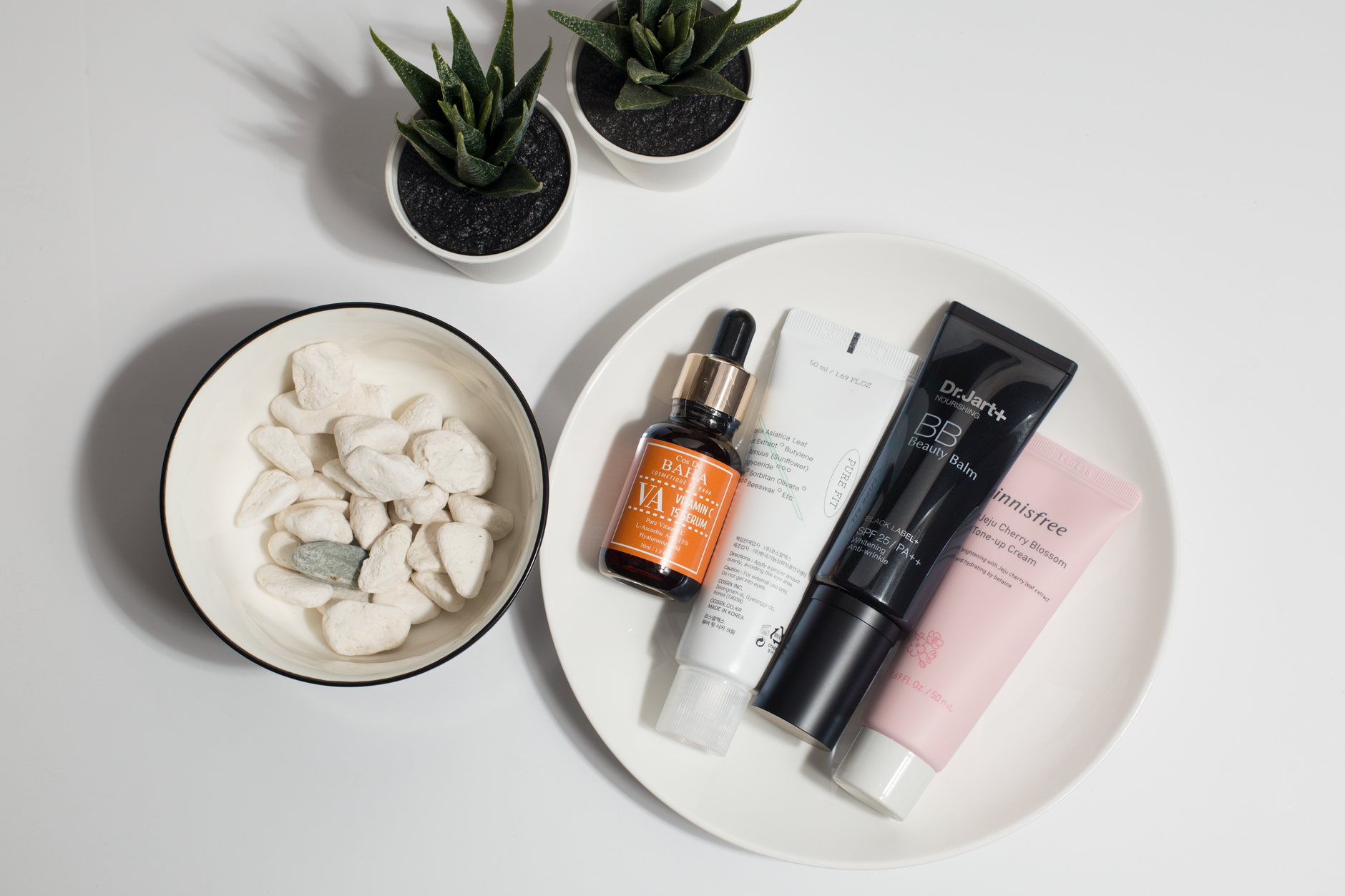
Topical Vitamin C Serum: A powerful antioxidant, Vitamin C can brighten skin, reduce hyperpigmentation, and protect against environmental damage. It's widely considered safe and highly beneficial during pregnancy.
Azelaic Acid Topical Treatments: This ingredient is excellent for treating acne, rosacea, and hyperpigmentation (including melasma). It's anti-inflammatory and antibacterial and is widely considered safe during pregnancy by dermatologists.
Gentle Physical Exfoliation: Using a soft washcloth or a very mild, fine-grained scrub (no harsh beads) once or twice a week can help remove dead skin cells and promote a brighter complexion.
Pregnancy-Safe Facials: Look for aestheticians who specialize in prenatal skincare. They can offer facials tailored to your needs, using gentle, pregnancy-approved products and techniques to cleanse, hydrate, and nourish your skin.
Related Items — Safety at a Glance
Many cosmetic and beauty treatments become a question mark during pregnancy. Here's a quick look at the safety of some related procedures:
Treatment
Verdict
Note
Botox
❌ Best avoided
Not enough safety data on pregnant individuals; generally advised to postpone.
Dermal fillers
❌ Best avoided
Lack of safety studies; best to wait until after pregnancy and breastfeeding.
Laser hair removal
❌ Best avoided
No strong evidence of harm, but lack of safety data and potential for skin sensitivity make it generally discouraged.
Microblading
❌ Best avoided
Risk of infection, pain, and potential absorption of tattoo pigment; most artists will not perform on pregnant clients.
Tanning beds
❌ Best avoided
Increased risk of skin cancer, overheating, and potential for worsening melasma.
Hair dye
⚠️ Safe with limits
Generally considered low risk, especially after the first trimester. Opt for ammonia-free, highlights, or balayage to minimize scalp contact.
Topical retinoids
❌ Best avoided
Known teratogens; even topical forms should be completely avoided.
Microneedling
❌ Best avoided
Risk of infection and potential for worsening hyperpigmentation; not recommended.
Teeth whitening
⚠️ Talk to your doctor first
Generally considered safe in the second/third trimester if professionally done, but some dentists recommend waiting due to gum sensitivity.
Accutane (Isotretinoin)
❌ Absolutely contraindicated
Severe teratogen; causes severe birth defects and must be avoided at all costs during pregnancy.
Myth vs. Fact
When you're pregnant, it's easy to get caught up in all sorts of information, some true, some not so much. Let's clear up some common myths about chemical peels during pregnancy.
Myth: Mild chemical peels, like those with fruit acids, are perfectly fine because they're "natural."
Fact: While fruit acids (AHAs) are derived from natural sources, their concentration and pH in a professional chemical peel can still be significant. Even mild chemical peels can lead to increased skin sensitivity, irritation, or worsen hyperpigmentation during pregnancy. The term "natural" doesn't automatically equate to "safe" when you're expecting. Always consult your doctor before any peel, regardless of its perceived mildness.
Myth: If I got a chemical peel before I knew I was pregnant, there's nothing I can do and I should worry constantly.
Fact: If you had a chemical peel before you knew you were pregnant, take a deep breath and try not to panic. The risk, especially from a single, mild peel, is likely very low. Many people unknowingly expose themselves to various things in early pregnancy without adverse effects. The most important step now is to inform your obstetrician about the peel so they can note it in your medical history and offer personalized reassurance. Avoid any further peels or potentially risky treatments moving forward.
Myth: Chemical peels are the only way to effectively treat acne or melasma during pregnancy.
Fact: This is absolutely false. While pregnancy can bring on challenging skin conditions like acne and melasma, there are many highly effective and pregnancy-safe alternatives to chemical peels. Ingredients like azelaic acid, topical vitamin C, and gentle physical exfoliation can significantly improve these concerns. Working with a dermatologist who specializes in pregnancy skincare can help you develop a safe and effective regimen.
Key Takeaways
Most dermatologists and obstetricians recommend avoiding medium to deep chemical peels during pregnancy due to a lack of safety data and potential systemic absorption of ingredients.
Even very mild chemical peels with AHAs like glycolic or lactic acid should only be considered with explicit approval from your obstetrician.
High-concentration salicylic acid peels and any peels containing retinoids are best avoided completely during pregnancy and breastfeeding.
Pregnancy can make your skin more sensitive and prone to hyperpigmentation (melasma), increasing the risk of adverse reactions from peels.
There are many safe and effective alternatives to chemical peels, including gentle enzyme peels, microdermabrasion, Hydrafacials (pregnancy-safe versions), LED light therapy, and topical azelaic acid or Vitamin C.
If you had a chemical peel before knowing you were pregnant, inform your doctor but try not to worry excessively; the risk from a single, mild exposure is likely low.
Frequently Asked Questions
What skincare ingredients should pregnant women avoid?
Pregnant women should generally avoid high-dose salicylic acid (especially in peels), retinoids (like tretinoin, retinol, isotretinoin), hydroquinone, and formaldehyde-releasing preservatives. Always check ingredient lists on your skincare products and consult your doctor about any concerns.
Is salicylic acid safe during pregnancy?
Low concentrations of salicylic acid (under 2%) in rinse-off products like cleansers or very limited spot treatments are generally considered low risk by many dermatologists. However, high-concentration salicylic acid peels or leave-on products should be avoided due to the potential for systemic absorption.
Can I use glycolic acid when pregnant?
Low concentrations of glycolic acid (under 10%) in topical serums or cleansers are generally considered safe during pregnancy. However, professional-strength glycolic acid chemical peels involve much higher concentrations and longer contact times, and are typically advised against unless specifically approved by your obstetrician.
Are enzyme peels safe during pregnancy?
Yes, gentle enzyme peels, often derived from fruits like papaya or pumpkin, are generally considered safe during pregnancy. They provide a very superficial exfoliation without harsh acids, making them a good option for brightening and improving skin texture.
What beauty treatments are safe during pregnancy?
Many beauty treatments are safe, including basic facials (avoiding harsh ingredients), manicures and pedicures (ensure good ventilation), gentle waxing (skin may be more sensitive), and red LED light therapy. Always inform your aesthetician you're pregnant so they can adjust treatments accordingly.
Can chemical peels cause birth defects?
The primary concern regarding chemical peels and birth defects stems from the potential for systemic absorption of certain ingredients, particularly high-dose salicylic acid or retinoids, which are known teratogens. While the risk from most topical peels is generally low, the lack of definitive safety studies means caution is advised to avoid any theoretical risk.
When can I get a chemical peel after giving birth?
Most dermatologists recommend waiting until after you've finished breastfeeding, or at least several months postpartum, before resuming chemical peels. This allows your hormones to stabilize and your skin to return to its pre-pregnancy state, reducing the risk of adverse reactions like hyperpigmentation. Always consult your doctor.
Can I get a facial while pregnant?
Yes, most basic facials are safe during pregnancy, provided the aesthetician avoids certain ingredients (like retinoids, high-dose salicylic acid, hydroquinone) and harsh techniques. Look for "pregnancy-safe" facials or inform your aesthetician you're pregnant so they can customize the treatment with gentle, approved products.
When to Call Your Doctor
While most chemical peel concerns during pregnancy are theoretical or related to skin irritation, it's always wise to know when to seek medical advice.
Call your doctor or healthcare provider immediately if:
You experience severe pain, blistering, or signs of infection (redness, swelling, pus) after any skincare treatment, especially a chemical peel, during pregnancy.
You develop a widespread rash, hives, or significant swelling after applying any new product or undergoing a treatment.
You are concerned about any specific ingredient you may have been exposed to and want personalized advice regarding your pregnancy.
You had a chemical peel before knowing you were pregnant and are experiencing significant anxiety; your doctor can provide reassurance and guidance.
Remember, this information is for educational purposes only and is not a substitute for professional medical advice. Always consult with your obstetrician or a dermatologist before undergoing any cosmetic procedure or making significant changes to your skincare routine during pregnancy.
References
American College of Obstetricians and Gynecologists (ACOG).
American Academy of Dermatology Association (AAD).
Not sure about the label on Is Chemical Peel Safe During Pregnancy products?
Snap the ingredients list and SafeFilter checks every ingredient for your stage — only 3 free scans this month, then you're locked until reset. Unlimited from $7/mo or $50/yr.
When Shubhra Mishra was expecting her first child in 2016, she was overwhelmed by conflicting food advice — one site said yes, another said never. By the time her second baby arrived in 2019, she realized millions of mothers face the same confusion.
That sparked a five-year journey through clinical nutrition papers, cultural diets, and expert conversations — all leading to BumpBites: a calm, compassionate space where science meets everyday motherhood.
Her long-term vision is to build a global community ensuring safe, supported, and free deliveriesfor every mother — because no woman should face pregnancy alone or uninformed. 🌿
🌍 Stand with mothers, shape safer guidance
Join a small circle of experts who review BumpBites articles so expecting parents everywhere can decide with confidence.