Limit chemical peel light during pregnancy, especially in the first trimester. Experts recommend safer alternatives due to potential skin sensitivity and absorption risks.
By Shubhra Mishra — a mom of two who turned her own confusion during pregnancy into BumpBites, a global mission to make food choices clear, safe, and stress-free for every expecting mother. 💛
Check whether any food is safe during pregnancy with the BumpBites Food Safety Checker.
Quick verdict: ⚠️ Safe with limits – chemical peel light can be used during pregnancy, but only under a provider’s guidance, limited to low‑strength formulations and infrequent applications. Use the lowest effective concentration and avoid the first trimester if possible.
It’s normal to feel a flutter of anxiety when you discover a skincare product you love might not be 100 % vetted for pregnancy. If you’re wondering is chemical peel light safe during pregnancy, you’re not alone. Many expectant parents discover they’ve already applied a peel or are planning a routine and then wonder whether the brightening benefits are worth the potential risk to their baby.
We’ve gathered the latest guidance from the American College of Obstetricians and Gynecologists (ACOG), the UK’s National Health Service (NHS), and the U.S. Food and Drug Administration (FDA) to give you a clear, evidence‑based answer. Below you’ll find a trimester‑by‑trimester safety snapshot, recommended frequency, brand‑specific information, safer alternatives, and a quick‑reference table of related peels.
Read on for a calm, step‑by‑step rundown so you can decide whether to keep using chemical peel light, pause it, or switch to a pregnancy‑friendly option.
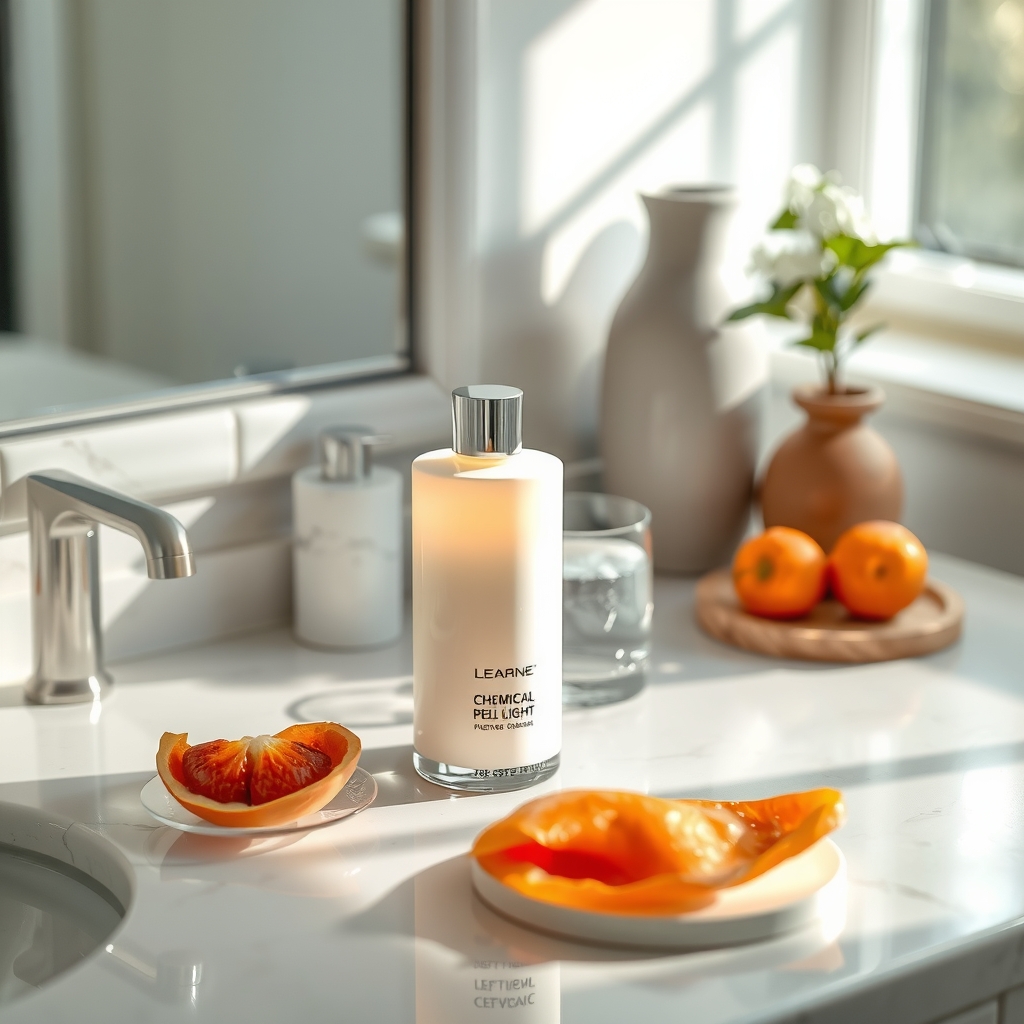
Seeing the product’s label can help you verify concentration before deciding to use it while pregnant.
Trimester / Breastfeeding
Verdict & notes
First trimester (0‑13 weeks)
⚠️ Use only if a dermatologist deems it essential; low‑strength (≤10 % glycolic) preferred. Risks of irritation may be higher.
Second trimester (14‑27 weeks)
✅ Generally acceptable with low‑strength peels; limit to one session per trimester and monitor skin response.
Third trimester (28‑40 weeks)
⚠️ Caution advised; increased skin sensitivity and potential for hyperpigmentation. Consider postponing until after delivery.
Breastfeeding
✅ No systemic absorption reported for over‑the‑counter peels; however, avoid strong acids (e.g., TCA > 20 %).
What is chemical peel light?
Chemical peel light is a brand name for a mild, at‑home chemical exfoliant that typically combines alpha‑hydroxy acids (AHAs) such as glycolic or lactic acid with soothing agents. The formulation is designed to improve skin texture, fade mild hyperpigmentation, and boost radiance without the intensity of professional‑grade peels. Most over‑the‑counter versions contain 5‑10 % AHA, a pH around 3.5, and are marketed as “gentle” enough for weekly use.
These peels work by loosening the bonds between dead skin cells on the surface, encouraging faster turnover. The result is a smoother, brighter complexion, and a reduction in fine lines over time. Because the active ingredients are applied topically, systemic absorption is minimal, but the skin’s barrier can become more permeable during pregnancy, which is why safety considerations differ from the non‑pregnant population.
Is chemical peel light safe during pregnancy?
Current guidance from ACOG states that topical agents with low concentrations of AHAs are not classified as teratogens, but they advise caution during the first trimester when organ development is most vulnerable. The NHS echoes this sentiment, noting that mild chemical exfoliants are “generally safe” after the first 12 weeks, provided the product’s concentration does not exceed 10 % and the user experiences no irritation.
The FDA does not list chemical peels as a drug, so it does not require pregnancy labeling. However, the agency’s “Cosmetics – Safety” guidance recommends that pregnant consumers avoid products that can cause significant skin irritation or that contain high‑strength acids, as these could theoretically increase systemic exposure.
Overall, the evidence suggests that chemical peel light is not outright prohibited in pregnancy, but it should be used sparingly, with the lowest effective concentration, and preferably after the first trimester. Dermatologists often recommend a patch test and close monitoring for any adverse reaction.
Safety by trimester
Is chemical peel light safe during the first trimester of pregnancy?
The first 13 weeks constitute a period of organogenesis, where the fetus’s major organs are forming. While low‑strength AHAs have not been shown to cause birth defects, the skin’s increased sensitivity can lead to irritation, redness, and potential secondary infection, which could indirectly affect pregnancy health. ACOG advises limiting exposure to any potentially irritating agents during this window. If you’re eager to maintain a glow, consider a gentle, non‑acidic moisturizer instead.
Can I use chemical peel light in the second trimester without risks?
During weeks 14‑27, the placenta is more developed, and many women tolerate mild skin treatments well. The NHS considers low‑strength (≤10 %) glycolic or lactic acid peels safe if applied no more than once every 6‑8 weeks and if the skin shows no signs of over‑exfoliation. A dermatologist can tailor the peel to your skin type, ensuring that the pH stays above 3.0 to minimize irritation.
What about the third trimester?
In the final trimester, skin elasticity changes and the risk of hyperpigmentation (melasma) rises. Stronger peels can exacerbate these issues. ACOG recommends postponing any acid‑based peels until after delivery when the skin’s barrier has returned to its pre‑pregnancy state. If a peel is deemed necessary for a medical skin condition, it should be performed by a board‑certified dermatologist with close monitoring.
Is chemical peel light safe while breastfeeding?
There is limited data on topical AHA absorption into breastmilk, but the FDA’s cosmetic safety framework suggests that the amount absorbed from a standard at‑home peel is negligible. Most clinicians consider low‑strength peels compatible with breastfeeding, provided the product does not contain high concentrations of salicylic acid or other potentially systemic agents.
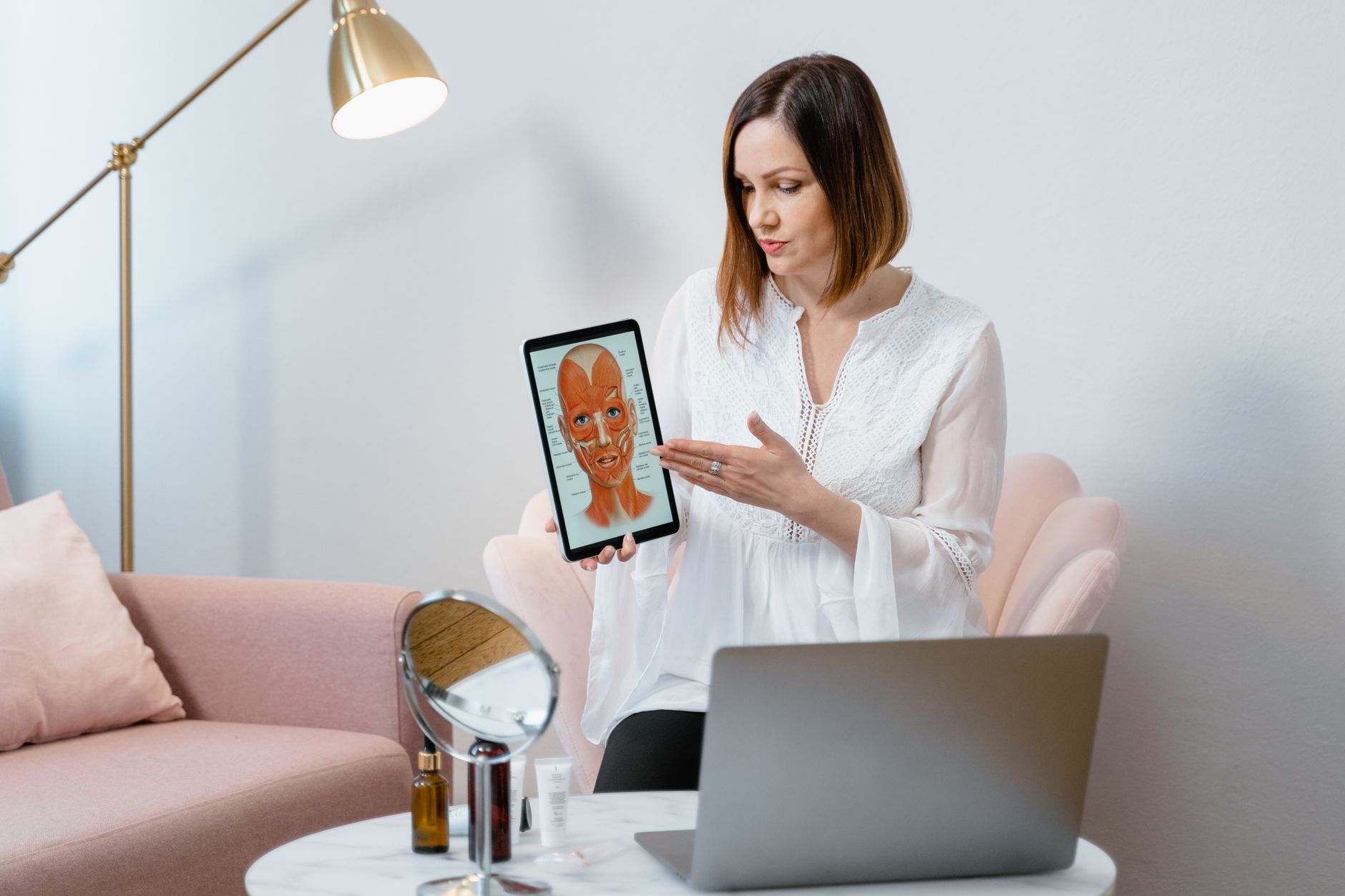
Consulting a dermatologist can clarify whether a peel is appropriate for your trimester.
Safe dosage, frequency, and brand considerations
Because chemical peel light is a topical product, “dosage” refers to concentration and application frequency. The safest approach for pregnant users includes:
Concentration: Choose a formulation with ≤10 % AHA (glycolic or lactic). Higher concentrations increase irritation risk.
Frequency: Limit applications to once per trimester (approximately every 12 weeks) after the first trimester. Some clinicians suggest a single session in the second trimester if a clear benefit is needed.
Application time: Follow the product’s instructions—usually 5‑8 minutes before rinsing. Do not exceed the recommended time.
Patch test: Apply a small amount on the inner forearm 24 hours before full‑face use to ensure no adverse reaction.
Brand verification: The “Chemical Peel Light” brand does not list a dedicated pregnancy safety study on its website. Look for third‑party certifications (e.g., “Dermatologist Tested”) and verify the active concentration on the label.
If you have sensitive skin, a pregnancy‑related skin condition (e.g., melasma), or a history of allergic reactions, you may need to skip the peel altogether and opt for gentler alternatives listed below.
Side effects and risks
Even low‑strength peels can cause:
Transient redness, tingling, or mild burning—usually resolves within a few hours.
Dryness or flaking that may increase the risk of skin infection if you scratch.
Post‑inflammatory hyperpigmentation, especially in darker skin tones, which can be more pronounced during pregnancy due to hormonal changes.
Rarely, severe allergic reactions (e.g., contact dermatitis) that require medical attention.
These side effects are generally not dangerous to the baby but can cause discomfort for you. If you notice prolonged swelling, blistering, severe pain, or signs of infection (pus, fever), contact your obstetrician or dermatologist promptly.
Safer alternatives
If you’d rather avoid chemical peel light altogether, consider these pregnancy‑friendly options:
Lactic acid peel (pregnancy‑safe) – milder than glycolic and well‑tolerated for sensitive skin.
Pregnancy‑friendly vitamin C serum – brightens skin without acid irritation.
Jojoba oil facial moisturizer – supports barrier function and adds a natural glow.
Shea butter skin cream – rich in fatty acids, helps soothe and hydrate.
Niacinamide serum – reduces redness and hyperpigmentation safely.
Hyaluronic acid moisturizer – locks in moisture without affecting skin turnover.
Related items — safety at a glance
Item
Verdict
Note
Glycolic Acid Peel
✅ Generally safe (≤10 % AHA)
Use sparingly after first trimester.
Lactic Acid Peel
✅ Generally safe (≤10 % AHA)
Better for sensitive skin.
Salicylic Acid Peel
⚠️ Use with caution
Oral salicylates linked to fetal risks; topical low‑dose may be okay but avoid high concentrations.
TCA Peel
❌ Best avoided
High‑strength trichloroacetic acid (>10 %) is a known irritant.
Jessner's Peel
⚠️ Use with caution
Combination of acids; limited safety data.
Phenol Peel
❌ Best avoided
Phenol is a potent teratogen in animal studies.
Retinol Peel
⚠️ Use with caution
Retinoids are contraindicated in pregnancy.
Myth vs. fact
Myth: All chemical peels are unsafe during pregnancy.
Fact: Low‑strength (≤10 % AHA) peels are generally considered safe after the first trimester when used sparingly.
Myth: The “light” in chemical peel light means it’s harmless for any trimester.
Fact: “Light” refers to the product’s marketing, not a guarantee of safety; the concentration and timing still matter.
Myth: If a peel doesn’t cause immediate irritation, it’s safe for the baby.
Fact: Even mild peels can alter skin barrier function, potentially affecting drug absorption; professional guidance is recommended.
Key takeaways
✅ Chemical peel light can be used during pregnancy, but limit to low‑strength (≤10 % AHA) formulations.
⚠️ Avoid use in the first trimester unless a dermatologist deems it essential.
🗓️ Limit applications to once per trimester (approximately every 12 weeks) after week 13.
🔍 Always perform a patch test and monitor for irritation.
🛡️ Safer alternatives include gentle glycolic or lactic masks, vitamin C serum, and barrier‑supporting moisturizers.
📞 Contact your provider if you experience severe redness, blistering, or signs of infection.
Frequently asked questions
Can I get a chemical peel while pregnant?
Yes, you can, but only low‑strength (≤10 % AHA) peels performed after the first trimester and under professional supervision. Higher‑strength peels are best avoided.
What skin treatments are safe during pregnancy?
Gentle AHAs (glycolic or lactic ≤10 %), vitamin C serums, niacinamide, hyaluronic acid moisturizers, and non‑comedogenic moisturizers like jojoba or shea butter are considered safe.
Are chemical peels harmful to the baby?
There is no evidence that low‑strength topical peels cause birth defects, but strong acids can irritate the skin and increase systemic absorption, which is why caution is advised.
How long should I wait after a chemical peel before having a baby?
There is no mandatory waiting period, but many dermatologists suggest waiting at least one full menstrual cycle (about 4 weeks) after a peel before attempting conception to ensure skin has fully recovered.
Do chemical peels cause birth defects?
Current data do not link low‑strength AHA peels to birth defects; however, high‑strength peels (e.g., phenol or high‑dose TCA) have theoretical risks and are best avoided.
Is it okay to use at‑home chemical peels during pregnancy?
At‑home peels with ≤10 % AHA are generally acceptable after the first trimester, provided you follow the product instructions and perform a patch test.
What are the risks of chemical peels in the third trimester?
In the third trimester, skin is more prone to hyperpigmentation and irritation; using strong peels can worsen melasma and increase discomfort, so most clinicians recommend postponing peels until postpartum.
Can a dermatologist perform a chemical peel on a pregnant patient?
Yes, a dermatologist can safely perform a low‑strength peel for a pregnant patient, but they will typically limit the strength and frequency and monitor the skin closely.
When to call your doctor
If you notice any of the following after a chemical peel, contact your obstetrician or dermatologist right away:
Severe burning, swelling, or pain lasting more than 24 hours.
Blistering, open sores, or signs of infection (pus, fever, chills).
Rapidly spreading redness or rash.
Unusual skin discoloration that does not improve within a week.
These symptoms may indicate an adverse reaction that requires professional evaluation. Remember, this article provides general information and is not a substitute for personalized medical advice.
References
American College of Obstetricians and Gynecologists (ACOG). “Guidance on the Use of Topical Cosmetic Products During Pregnancy.” 2023.
National Health Service (NHS). “Pregnancy and Skincare: What’s Safe?” 2022.
U.S. Food and Drug Administration (FDA). “Cosmetics – Safety.” Updated 2023.
Centers for Disease Control and Prevention (CDC). “Pregnancy Health and Environmental Exposures.” 2021.
Mayo Clinic. “Chemical Peels: Risks and Benefits.” Reviewed 2023.
Dermatology literature review on topical AHA safety in pregnancy. Journal of Clinical Dermatology, 2022.
Not sure about the label on Is Chemical Peel Light Safe During Pregnancy products?
Snap the ingredients list and SafeFilter checks every ingredient for your stage — only 3 free scans this month, then you're locked until reset. Unlimited from $7/mo or $50/yr.
When Shubhra Mishra was expecting her first child in 2016, she was overwhelmed by conflicting food advice — one site said yes, another said never. By the time her second baby arrived in 2019, she realized millions of mothers face the same confusion.
That sparked a five-year journey through clinical nutrition papers, cultural diets, and expert conversations — all leading to BumpBites: a calm, compassionate space where science meets everyday motherhood.
Her long-term vision is to build a global community ensuring safe, supported, and free deliveriesfor every mother — because no woman should face pregnancy alone or uninformed. 🌿
🌍 Stand with mothers, shape safer guidance
Join a small circle of experts who review BumpBites articles so expecting parents everywhere can decide with confidence.