Avoid deep chemical peels during pregnancy due to potential risks. Learn why these treatments, especially deeper ones, are not recommended in any trimester and what safer alternatives exist for glowing skin.
By Shubhra Mishra — a mom of two who turned her own confusion during pregnancy into BumpBites, a global mission to make food choices clear, safe, and stress-free for every expecting mother. 💛
Check whether any food is safe during pregnancy with the BumpBites Food Safety Checker.
Quick verdict: ❌ Best avoided. Deep chemical peels are not recommended during pregnancy due to potential risks to both you and your baby. While there’s no definitive proof they cause harm, the lack of safety data and the intensity of the treatment make them a no-go for expecting moms. We’ll cover safer alternatives that give you glowing skin without the worry.
You’re standing in front of the mirror, tracing the fine lines and dark spots that seem to have appeared overnight since you got pregnant. You remember that deep chemical peel your dermatologist recommended last year—it worked wonders then. But now? You’re Googling at 11 pm, heart pounding: is a deep chemical peel safe during pregnancy? Maybe you’ve already booked the appointment, or maybe you’re just curious. Either way, you want one thing: a clear answer, not more confusion.
Here’s the good news: you don’t have to choose between healthy skin and a healthy baby. While deep chemical peels are off the table for now, there are plenty of pregnancy-safe ways to keep your skin smooth and radiant. In this guide, we’ll break down the risks, explain why deep peels are a no-go, and share the safer alternatives that dermatologists and obstetricians actually recommend. No fear-mongering, no vague advice—just the facts you need to make the best choice for you and your little one.
Safety Snapshot: Deep Chemical Peels During Pregnancy
Trimester
Verdict
Notes
First trimester
❌ Avoid
Highest risk period for fetal development. No safety data on deep peels during organogenesis.
Second trimester
❌ Avoid
Skin is more sensitive; risk of hyperpigmentation and systemic absorption of chemicals.
Third trimester
❌ Avoid
Increased risk of infection and delayed healing due to immune system changes.
Breastfeeding
⚠️ Caution advised
Limited data on chemical absorption into breast milk. Consult your provider before proceeding.
What Is a Deep Chemical Peel?
A deep chemical peel is a skin-resurfacing treatment that uses strong acids—like phenol or high-concentration trichloroacetic acid (TCA)—to penetrate deep into the dermis. Unlike lighter peels, which only exfoliate the top layer of skin, deep peels remove damaged skin cells, stimulate collagen production, and treat severe wrinkles, deep scars, or precancerous growths. The recovery time is significant: expect redness, swelling, and peeling for up to two weeks, and full healing can take months.
Because of their intensity, deep peels are typically performed by dermatologists or plastic surgeons in a clinical setting. They’re not the same as the at-home peels or spa treatments you might see advertised—those are usually superficial or medium-depth. Deep peels are medical-grade procedures with real risks, especially for pregnant women, whose skin and immune systems are already in flux.
Is a Deep Chemical Peel Safe During Pregnancy?
The short answer: no, deep chemical peels are not considered safe during pregnancy. Here’s why:
First, there’s no reliable safety data. Most studies on deep chemical peels exclude pregnant women due to ethical concerns, so we don’t know how the chemicals might affect fetal development. The American College of Obstetricians and Gynecologists (ACOG) and the American Academy of Dermatology (AAD) both recommend avoiding unnecessary medical procedures—including cosmetic ones—during pregnancy unless there’s a clear medical need. Deep peels fall into the "unnecessary" category for most expecting moms.
Second, the chemicals used in deep peels—particularly phenol—are systemic absorbers. This means they can enter your bloodstream and, theoretically, cross the placenta. Phenol, for example, is a known teratogen (a substance that can cause birth defects) in animal studies, though human data is lacking. The FDA classifies phenol as a Category C drug during pregnancy, meaning risk cannot be ruled out. Given that safer alternatives exist, most providers err on the side of caution.
Third, pregnancy already puts your skin through the wringer. Hormonal changes can make your skin more sensitive, prone to hyperpigmentation (like melasma), and slower to heal. A deep peel could worsen these issues, leaving you with dark spots, scarring, or prolonged redness. The NHS (UK) advises against any cosmetic procedures that involve strong chemicals or lasers during pregnancy, citing the increased risk of adverse reactions.
Finally, the recovery process itself can be stressful. Deep peels require significant downtime, and the risk of infection—even in a sterile setting—is higher during pregnancy due to changes in your immune system. The last thing you need is an extra source of stress or discomfort when your body is already working overtime.
Is a Deep Chemical Peel Safe in the First Trimester of Pregnancy?
No—the first trimester is the most critical time to avoid deep chemical peels. This is when your baby’s organs, brain, and nervous system are forming, a process called organogenesis. Even small disruptions during this window can have big consequences, and since we don’t have safety data on deep peels, the risk isn’t worth it.
Beyond the potential risks to your baby, your skin is also more sensitive during early pregnancy. Hormonal shifts can make you more prone to irritation, redness, and hyperpigmentation. A deep peel could trigger or worsen melasma (the "mask of pregnancy"), leaving you with dark patches that take months to fade—if they fade at all. The AAD specifically warns against strong chemical peels in the first trimester due to these risks.
If you’re dealing with acne, dark spots, or dullness, skip the deep peel and opt for gentler treatments (we’ll cover these later). Your skin—and your baby—will thank you.
Can I Have a Deep Chemical Peel During the Second Trimester?
Even in the second trimester, deep chemical peels are still not recommended. While your baby’s major organs are mostly formed by this point, their brain and nervous system continue to develop rapidly. The lack of safety data means we can’t rule out potential risks, and most providers won’t perform deep peels during pregnancy at all.
Your skin is also more reactive during the second trimester. Increased blood flow can make you more prone to redness, swelling, and bruising, while higher levels of melanin can lead to post-inflammatory hyperpigmentation (PIH). A deep peel could leave you with stubborn dark spots that linger long after delivery. The NHS advises against any cosmetic procedures that involve strong chemicals during pregnancy, and deep peels definitely fall into that category.
If you’re struggling with pregnancy-related skin changes—like acne, melasma, or dryness—there are safer ways to address them. Stick to mild exfoliants, hydrating masks, and prenatal facials until after you’ve delivered.
Can I Have a Deep Chemical Peel During the Third Trimester?
No—deep chemical peels are still off-limits in the third trimester. While your baby is fully formed by now, your body is preparing for labor, and your immune system is in a delicate balance. The stress of a deep peel—both physical and emotional—could increase your risk of complications like infection or preterm labor.
Your skin is also more sensitive in the third trimester. Increased blood volume can make you more prone to bruising and swelling, while hormonal changes can slow down healing. A deep peel could leave you with prolonged redness, scarring, or even an infection, which is the last thing you need as you approach your due date. The ACOG recommends avoiding unnecessary medical procedures in the third trimester, and deep peels are no exception.
If you’re dealing with skin concerns like stretch marks, dryness, or dullness, focus on hydration and gentle skincare. Save the deep peels for after your baby arrives—your skin (and your peace of mind) will recover better then.
What Are the Risks of Deep Chemical Peels for Pregnant Women?
Deep chemical peels come with several risks that are amplified during pregnancy. Here’s what you need to know:
Systemic absorption of chemicals: The acids used in deep peels—like phenol—can enter your bloodstream. While there’s no definitive proof they harm human fetuses, animal studies suggest potential risks. The FDA classifies phenol as a Category C drug, meaning risk cannot be ruled out.
Increased risk of hyperpigmentation: Pregnancy hormones make your skin more prone to dark spots, and a deep peel could trigger or worsen melasma. These patches can take months to fade, even with treatment.
Slower healing: Your immune system is working overtime during pregnancy, which can delay wound healing. A deep peel could leave you with prolonged redness, scarring, or even an infection.
Stress on your body: The recovery process is physically demanding, and the last thing you need is extra stress when your body is already under strain. The AAD warns that the discomfort and downtime of a deep peel may not be worth it during pregnancy.
Unknown long-term effects: Since pregnant women are excluded from clinical trials, we don’t know how deep peels might affect fetal development. Most providers prefer to avoid unnecessary risks when safer alternatives exist.
Are There Any Safe Dosage Limits for Deep Chemical Peels While Pregnant?
No—there is no "safe" dosage or depth for deep chemical peels during pregnancy. Deep peels, by definition, penetrate the dermis and use high concentrations of acids (like 50% or more TCA or phenol). These concentrations are not considered safe for pregnant women, regardless of the amount used.
The AAD and ACOG do not endorse any dosage of deep chemical peels during pregnancy due to the lack of safety data and the potential risks. Even if a provider offers a "lighter" deep peel, the risks—like systemic absorption, hyperpigmentation, and delayed healing—outweigh any potential benefits.
If you’re looking for a way to resurface your skin, stick to gentler treatments (like lactic acid peels or microdermabrasion) that have been studied and deemed safe for pregnancy. Always check with your provider before trying any new skincare treatment.
Safer Skin Resurfacing Alternatives During Pregnancy
Just because deep chemical peels are off the table doesn’t mean you’re stuck with dull, uneven skin. Here are safer alternatives that can help you achieve a healthy glow without the risks:
Gentle glycolic acid peel (10% or less): Superficial peels with low-concentration glycolic acid can exfoliate dead skin cells and improve texture. Look for products labeled "pregnancy-safe" or "mild."
Lactic acid peel (5%–10%): Lactic acid is a gentler AHA that hydrates while exfoliating. It’s less likely to cause irritation or hyperpigmentation, making it a great choice for pregnancy.
Enzyme mask (papaya or pineapple): These masks use natural enzymes to dissolve dead skin cells without harsh chemicals. They’re gentle enough for sensitive, pregnancy-prone skin.
Microdermabrasion treatment: This mechanical exfoliation method uses tiny crystals to buff away dead skin. It’s non-invasive and doesn’t involve chemicals, making it a safer option for pregnant women.
LED light therapy facial: Red or blue LED light can improve acne, reduce inflammation, and boost collagen without any downtime or chemicals. It’s a favorite among dermatologists for pregnancy-safe skincare.
Prenatal facial at a reputable spa: Many spas offer facials specifically designed for pregnant women. These treatments avoid harsh chemicals and focus on hydration and gentle exfoliation.
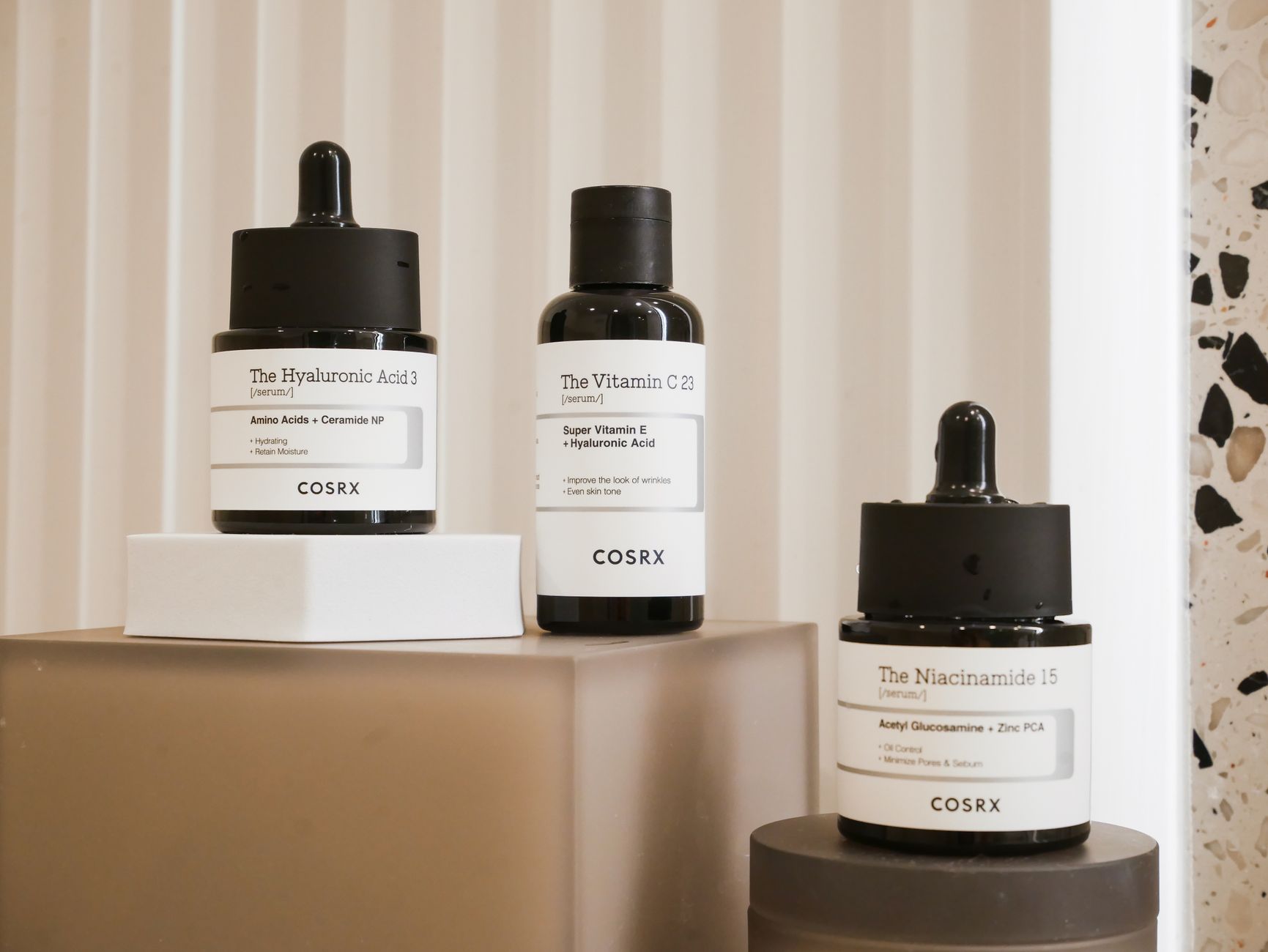
Hydrating mask with hyaluronic acid: Hyaluronic acid is a pregnancy-safe humectant that plumps and hydrates skin. Look for masks with this ingredient to combat dryness and dullness.
The Ordinary Lactic Acid 5% + HA: This affordable, over-the-counter serum combines lactic acid with hyaluronic acid for gentle exfoliation and hydration. It’s a great at-home option for maintaining smooth skin.
Which Brands of Deep Chemical Peel Are Considered Safe for Pregnant Women?
None. There are no brands of deep chemical peels that are considered safe for pregnant women. Deep peels—whether performed in a clinic or at home—use high concentrations of acids (like phenol or TCA) that are not recommended during pregnancy due to potential risks to you and your baby.
Some brands market "pregnancy-safe" peels, but these are typically superficial peels with low concentrations of acids (like 10% glycolic acid or 5% lactic acid). Always check the ingredient list and concentration before using any product, and consult your provider if you’re unsure.
If you’re looking for a brand to trust, stick to reputable skincare lines that specialize in gentle, pregnancy-safe products, like:
Paula’s Choice: Offers mild exfoliants with pregnancy-safe ingredients.
The Ordinary: Known for affordable, low-concentration acids like lactic acid 5% + HA.
Drunk Elephant: Some of their gentler serums and masks are safe for pregnancy (avoid strong acids like their T.L.C. Framboos Glycolic Night Serum).
CeraVe: Focuses on hydrating, non-irritating ingredients like hyaluronic acid and ceramides.
When in doubt, ask your dermatologist or obstetrician for recommendations tailored to your skin type and pregnancy stage.
How Does a Deep Chemical Peel Affect Pregnancy-Related Skin Conditions?
Pregnancy can wreak havoc on your skin, but a deep chemical peel is not the solution. In fact, it could make things worse. Here’s how deep peels interact with common pregnancy-related skin conditions:
Melasma ("mask of pregnancy"): Deep peels can trigger or worsen melasma by increasing melanin production. The heat and inflammation from the peel can leave you with stubborn dark patches that take months to fade.
Acne: While deep peels can treat acne scars, they’re not recommended for active breakouts during pregnancy. The chemicals can irritate your skin, leading to more redness, swelling, and even infection.
Stretch marks: Deep peels don’t penetrate deep enough to improve stretch marks, which form in the dermis. They can, however, cause scarring or hyperpigmentation in the treated area.
Dryness and sensitivity: Pregnancy hormones can make your skin more reactive. A deep peel could strip your skin of its natural oils, leaving it dry, flaky, and prone to irritation.
Spider veins and redness: The trauma of a deep peel can worsen broken capillaries and redness, especially if you’re prone to rosacea or have increased blood flow during pregnancy.
If you’re dealing with any of these conditions, focus on gentle, hydrating skincare and avoid harsh treatments. Your skin will bounce back after delivery, and you can revisit deep peels (if needed) once you’re no longer pregnant or breastfeeding.
Related Skin Treatments: Safety at a Glance
If you’re exploring skin-resurfacing options, here’s how other treatments stack up during pregnancy:
Treatment
Verdict
Notes
Light chemical peel
⚠️ Caution advised
Low-concentration AHAs (like glycolic or lactic acid) may be safe in moderation. Avoid in the first trimester.
Medium chemical peel
❌ Avoid
Uses higher concentrations of acids (like 30% TCA) that may pose risks during pregnancy.
TCA peel
❌ Avoid
Trichloroacetic acid peels are not recommended due to potential systemic absorption.
Phenol peel
❌ Avoid
Phenol is a Category C drug and not considered safe during pregnancy.
Alpha hydroxy acid (AHA) peel
⚠️ Caution advised
Low concentrations (10% or less) may be safe. Avoid glycolic acid in the first trimester.
Beta hydroxy acid (BHA) peel
⚠️ Caution advised
Salicylic acid peels are generally avoided during pregnancy, even in low concentrations.
Chemical exfoliant
✅ Generally safe
Mild, over-the-counter exfoliants (like lactic acid 5%) are usually fine. Avoid daily use.
Skin resurfacing treatment
⚠️ Depends on type
Microdermabrasion and LED light therapy are safer options. Avoid laser resurfacing.
Myth vs. Fact
Myth: "If a deep chemical peel is safe for non-pregnant women, it must be safe for me too."
Fact: Pregnancy changes everything—your hormones, immune system, and skin sensitivity. What’s safe for non-pregnant women isn’t always safe for you. Deep peels lack safety data for pregnancy, so providers recommend avoiding them.
Myth: "A deep chemical peel will fix my pregnancy acne or melasma."
Fact: Deep peels can actually worsen melasma and irritate acne-prone skin. They’re not designed to treat these conditions and could leave you with dark spots or scarring.
Myth: "At-home deep peels are safer than professional ones."
Fact: At-home peels are not safer—they’re often less controlled and can cause burns or scarring. Professional peels are performed in sterile settings, but even those are not recommended during pregnancy.
Key Takeaways
Deep chemical peels are not safe during pregnancy. The lack of safety data and potential risks make them a no-go for expecting moms.
First trimester is the highest-risk window. Avoid deep peels during organogenesis, when your baby’s organs are forming.
Pregnancy skin is more sensitive. Hormonal changes can lead to hyperpigmentation, irritation, and slower healing—deep peels could make these worse.
No "safe" dosage exists. Even "lighter" deep peels use high concentrations of acids that aren’t recommended during pregnancy.
Safer alternatives exist. Gentle exfoliants, hydrating masks, and prenatal facials can keep your skin glowing without the risks.
Always consult your provider. Before trying any new skincare treatment, check with your obstetrician or dermatologist.
Frequently Asked Questions
Can I get a chemical peel while pregnant?
No, deep chemical peels are not recommended during pregnancy. While superficial peels (like those with low-concentration glycolic or lactic acid) may be safer, deep peels use strong acids that lack safety data for pregnant women. The ACOG advises avoiding unnecessary cosmetic procedures during pregnancy, and most providers agree that deep peels fall into this category.
What skin treatments are safe during pregnancy?
Gentle treatments like microdermabrasion, LED light therapy, and mild chemical exfoliants are generally safe. Look for products with low concentrations of lactic acid (5–10%) or hyaluronic acid. Prenatal facials at reputable spas are also a good option. Always avoid treatments with strong chemicals, lasers, or high concentrations of acids (like deep peels or TCA peels).
Is it okay to use at-home chemical peels in the third trimester?
No, at-home chemical peels—even mild ones—are not recommended in the third trimester. Your skin is more sensitive and prone to irritation as you approach your due date. At-home peels can cause burns, scarring, or hyperpigmentation, and the risk of infection is higher during pregnancy. Stick to gentle, hydrating skincare instead.
Do deep chemical peels cause birth defects?
There’s no definitive proof that deep chemical peels cause birth defects in humans. However, the chemicals used (like phenol) are known teratogens in animal studies, and the FDA classifies them as Category C drugs, meaning risk cannot be ruled out. Given the lack of safety data, most providers recommend avoiding deep peels during pregnancy.
How long should I wait after a chemical peel before getting pregnant?
If you’ve had a deep chemical peel, wait at least 3–6 months before trying to conceive. This gives your skin time to heal fully and reduces any potential risks from residual chemicals. For superficial peels, a shorter wait (like one menstrual cycle) may be sufficient, but always check with your provider.
What are the side effects of chemical peels for pregnant women?
Pregnant women may experience heightened side effects from chemical peels, including:
Severe redness, swelling, or irritation
Hyperpigmentation (dark spots) or melasma
Increased risk of infection or scarring
Prolonged healing time due to hormonal changes
Systemic absorption of chemicals (for deep peels)
Deep peels can also worsen pregnancy-related skin conditions like acne or dryness.
Are there any pregnancy-safe alternatives to deep chemical peels?
Yes! Safer alternatives include:
Gentle glycolic acid peels (10% or less)
Lactic acid peels (5–10%)
Enzyme masks (papaya or pineapple)
Microdermabrasion
LED light therapy facials
Prenatal facials at reputable spas
Hydrating masks with hyaluronic acid
These options can help you maintain smooth, glowing skin without the risks of deep peels.
Can a chemical peel affect my baby's health?
While there’s no definitive evidence that chemical peels harm babies, the lack of safety data means we can’t rule out potential risks. Deep peels use strong acids that can enter your bloodstream, and some (like phenol) are known teratogens in animal studies. The ACOG and AAD recommend avoiding deep peels during pregnancy to minimize any potential risks to your baby.
When to Call Your Doctor
If you’ve already had a deep chemical peel during pregnancy—or if you’re experiencing any of the following symptoms—contact your provider right away:
Severe pain, burning, or blistering at the peel site
Signs of infection (pus, fever, increasing redness or swelling)
Unusual darkening or lightening of the skin that doesn’t fade
Persistent redness or irritation lasting more than a week
Any concerns about your baby’s health or movement
Remember: this article is for informational purposes only and is not a substitute for professional medical advice. Always consult your obstetrician or dermatologist before making decisions about skincare treatments during pregnancy.
References
American College of Obstetricians and Gynecologists (ACOG). Skin Conditions During Pregnancy. ACOG Committee Opinion.
American Academy of Dermatology (AAD). Chemical Peels: Overview. AAD Public Resources.
U.S. Food and Drug Administration (FDA). Phenol Drug Safety Communication. FDA Database.
National Health Service (NHS). Cosmetic Procedures During Pregnancy. NHS UK.
Mayo Clinic. Pregnancy Week by Week: Skin Changes. Mayo Clinic Patient Care.
Murase, J. E., et al. Safety of Skin Care Products During Pregnancy. Journal of the American Academy of Dermatology.
Pregnancy-safe skincare doesn’t have to be complicated. Gentle exfoliants and hydrating masks can keep your skin glowing without the risks of deep chemical peels.Hydrating masks with hyaluronic acid are a safe, soothing way to pamper your skin during pregnancy.Lactic acid serums (5% or less) are a gentle, pregnancy-safe way to exfoliate and hydrate your skin.
Not sure about the label on Is Chemical Peel Deep Safe During Pregnancy products?
Snap the ingredients list and SafeFilter checks every ingredient for your stage — only 3 free scans this month, then you're locked until reset. Unlimited from $7/mo or $50/yr.
When Shubhra Mishra was expecting her first child in 2016, she was overwhelmed by conflicting food advice — one site said yes, another said never. By the time her second baby arrived in 2019, she realized millions of mothers face the same confusion.
That sparked a five-year journey through clinical nutrition papers, cultural diets, and expert conversations — all leading to BumpBites: a calm, compassionate space where science meets everyday motherhood.
Her long-term vision is to build a global community ensuring safe, supported, and free deliveriesfor every mother — because no woman should face pregnancy alone or uninformed. 🌿
🌍 Stand with mothers, shape safer guidance
Join a small circle of experts who review BumpBites articles so expecting parents everywhere can decide with confidence.