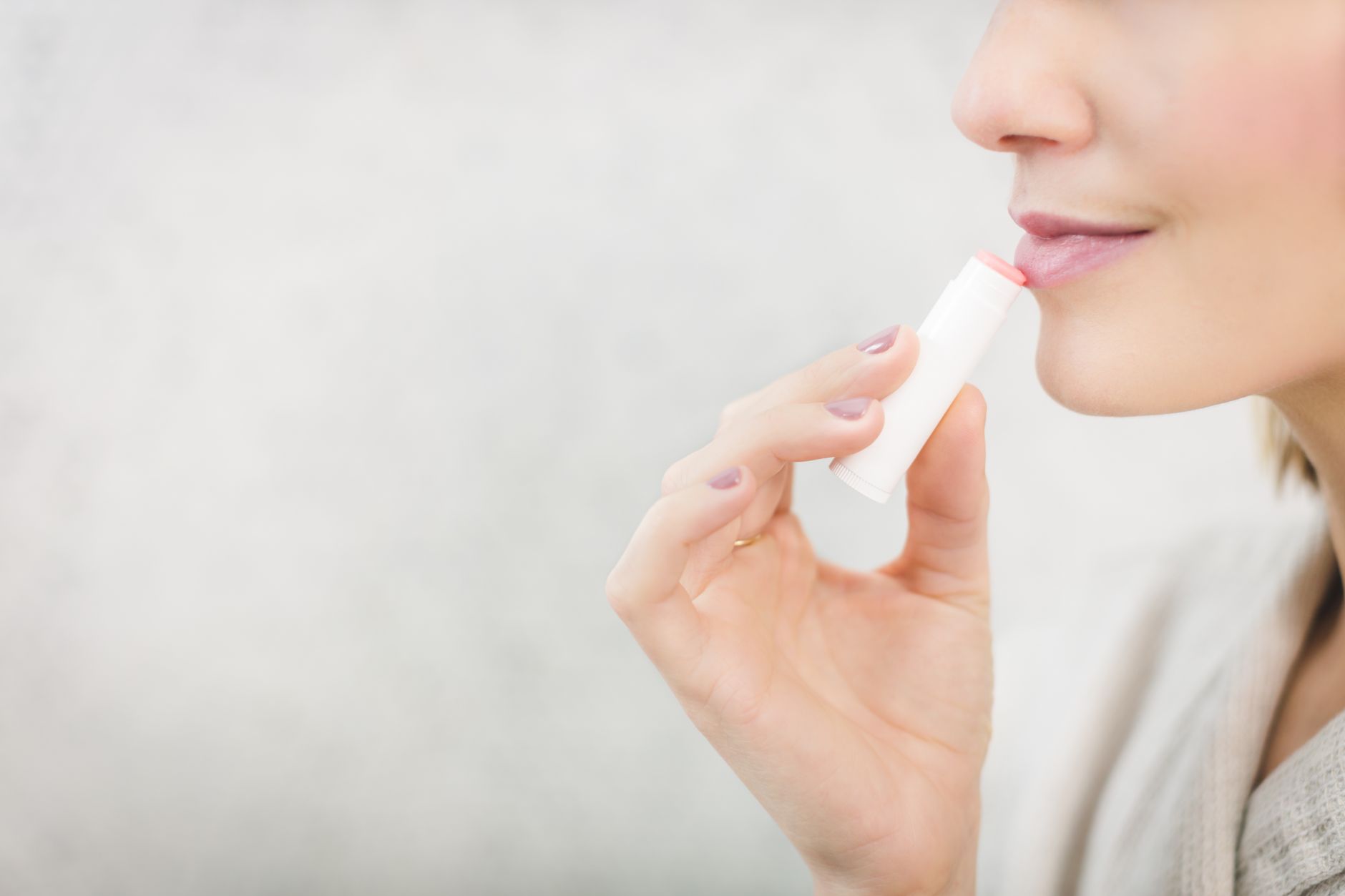
Safe during pregnancy. ChapStick Original is generally considered safe for use, but avoid flavored varieties with added ingredients. Stick to plain formulas in moderation, especially in the first trimester.
By Shubhra Mishra — a mom of two who turned her own confusion during pregnancy into BumpBites, a global mission to make food choices clear, safe, and stress-free for every expecting mother. 💛
Check whether any food is safe during pregnancy with the BumpBites Food Safety Checker.
Quick verdict: ✅ Chapstick Original is generally safe to use during pregnancy when applied as a topical lip moisturizer. It contains no known teratogenic ingredients, and occasional use throughout all trimesters is considered low risk. If you have specific skin conditions or sensitivities, choose a fragrance‑free or hypoallergenic option.
It’s 2 a.m., you’re scrolling through the bathroom cabinet, and a tiny tube of Chapstick Original catches your eye. “Is chapstick original safe during pregnancy?” you wonder, feeling a flutter of anxiety. You might have already applied it once or twice, or you could be deciding whether to keep it on your nightstand for the months ahead. The good news is that, for most pregnant people, Chapstick Original poses little danger. In this article we’ll walk through the evidence, break down safety by trimester, explain how much you can comfortably use, compare it to other Chapstick flavors, and suggest gentler lip‑care alternatives if you prefer.
We’ll also address common concerns—like whether the fragrance or the small amount of petrolatum could affect a developing baby, what to watch for if you have eczema, and how to interpret product labels. By the end, you’ll have a clear answer to the question “is chapstick original safe during pregnancy,” plus practical tips to keep your lips moisturized without worry.
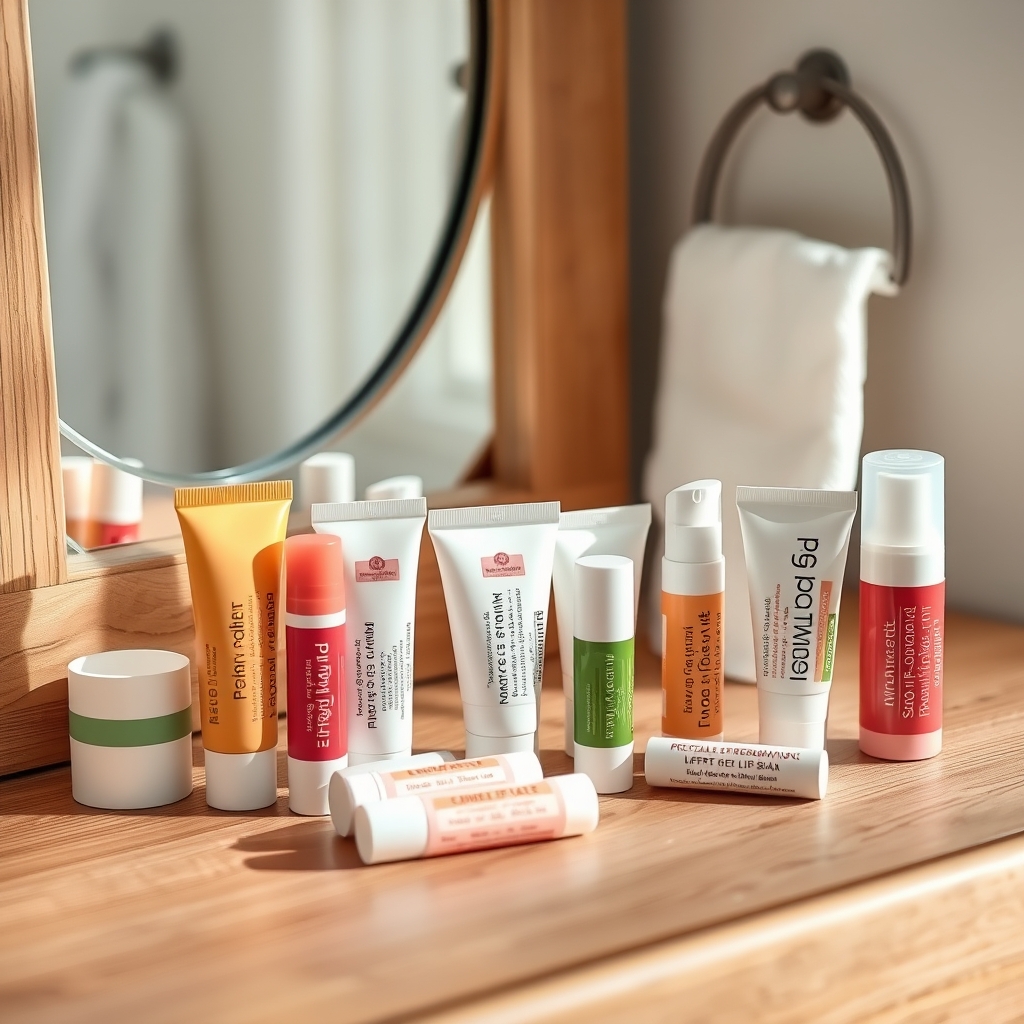
Keep a small tube of Chapstick Original handy for quick moisturization—its simple formula is designed for everyday use.
Trimester / Phase
Verdict
Notes
First trimester
✅ Generally safe
Topical use poses minimal systemic exposure; avoid if you have a known fragrance allergy.
Second trimester
✅ Generally safe
Same as first trimester; can be used as often as needed for comfort.
Third trimester
✅ Generally safe
No increased risk; ensure lips are not excessively cracked to avoid infection.
Breastfeeding
✅ Generally safe
Topical lip balm is not transferred through breast milk in measurable amounts.
What is Chapstick Original?
Chapstick Original is a classic lip‑care product first introduced in the 1930s. It comes in a small, twist‑up tube that delivers a thin layer of moisturization to the lips. The primary purpose of the balm is to reduce dryness and chapping, which can be especially uncomfortable during pregnancy when hormonal changes often cause increased skin dryness. The formula typically includes a blend of petroleum jelly (petrolatum), mineral oil, camphor, and a light fragrance. These ingredients create an occlusive barrier that locks in moisture without leaving a greasy feel.
While the product is marketed for everyday use, it is not a medication; it does not contain active drugs, analgesics, or antibiotics. Instead, it works by forming a protective film that helps the skin retain water. Because it is applied only to the external surface of the lips, systemic absorption is extremely low, making it a popular choice for people who want a simple, non‑prescription way to keep their lips supple.
Is Chapstick Original safe during pregnancy?
Yes, Chapstick Original is considered safe for most pregnant individuals when used topically. The American College of Obstetricians and Gynecologists (ACOG) states that “topical products that do not contain known teratogens are generally permissible,” and the ingredients in Chapstick Original—petrolatum, mineral oil, and a mild fragrance—are not listed as teratogenic by the U.S. Food and Drug Administration (FDA). The United Kingdom’s National Health Service (NHS) similarly notes that “petrolatum‑based lip balms are safe during pregnancy” because they are not absorbed in significant amounts.
Current evidence, which includes safety assessments from the FDA’s Cosmetic Ingredient Review (CIR) panel, shows that petrolatum and mineral oil are “safe for use in cosmetics, including lip products,” provided they are properly refined. The small amount of camphor in Chapstick Original is below the threshold that would raise concerns for fetal exposure. Moreover, the Centers for Disease Control and Prevention (CDC) does not list any lip balm as a pregnancy hazard.
Because the product is not ingested in large quantities, the risk of systemic exposure is negligible. However, if you have a known sensitivity to fragrance or a history of allergic contact dermatitis, you might want to opt for a fragrance‑free version. Overall, the consensus among obstetric authorities is that Chapstick Original poses no meaningful danger to a developing baby.
Is Chapstick Original safe to use during the first trimester?
The first trimester is the period of organogenesis, when the fetus’s major organs are forming. During this window, obstetric guidelines advise caution with any substance that could be absorbed systemically. Chapstick Original’s topical application means that only trace amounts of its ingredients might enter the bloodstream—far below levels associated with any known risk. Both ACOG and the NHS confirm that “topical lip balms without active drugs are low‑risk” even in early pregnancy.
If you notice any irritation, such as redness or itching, discontinue use and consult your provider. Otherwise, feel free to apply Chapstick Original as needed to relieve dryness, which is common in the first trimester due to hormonal shifts.
Can I apply Chapstick Original daily while pregnant?
Yes. Daily use of Chapstick Original is permissible and often helpful for managing the dryness many pregnant people experience. The product’s ingredients are inert at the concentrations used, and the FDA’s safety evaluation of petroleum‑based lip balms supports routine, repeated application. You can safely apply it several times a day—morning, after meals, and before bed—without exceeding any safety threshold.
For those who prefer a more measured approach, applying a thin layer after washing your face or before bedtime is sufficient. The key is to keep the lips moisturized, not to create a thick barrier that could trap bacteria. If you have eczema or a history of skin sensitivity, look for a fragrance‑free or hypoallergenic version, but Chapstick Original itself is generally well‑tolerated.
What are the risks of using Chapstick Original during pregnancy?
The primary risk associated with any lip balm is irritation or an allergic reaction, which can occur with fragrance or camphor in sensitive individuals. Such reactions are typically limited to the lips and do not affect the fetus. In rare cases, excessive use could lead to a condition called lip‑balm dermatitis, wherein the skin becomes inflamed due to over‑occlusion.
There is no evidence linking Chapstick Original to birth defects, miscarriage, or other adverse pregnancy outcomes. The FDA’s Cosmetic Ingredient Review panel has repeatedly affirmed that the main components—petrolatum and mineral oil—are safe for cosmetic use, including during pregnancy. If you develop a rash, swelling, or persistent soreness, stop using the product and discuss it with your obstetrician.
Are there safer lip balm alternatives for pregnant women?
While Chapstick Original is already low‑risk, some pregnant people prefer products that omit fragrance or contain additional soothing ingredients. Below is a list of alternatives that have been vetted for safety during pregnancy:
Aquaphor Healing Ointment – petroleum‑jelly base with added panthenol, suitable for cracked lips.
EOS Smooth Lip Balm – hypoallergenic, fragrance‑free version uses jojoba oil and vitamin E.
Carmex Classic Lip Balm – contains menthol and camphor but is still considered safe; choose the “Original” scent if you tolerate fragrance.
Vaseline Lip Therapy – pure petroleum jelly, no added fragrance or color.
Blistex Medicated Lip Balm – includes a mild analgesic; safe if you have no allergy to its ingredients.
Hurraw! Lip Balm – organic, vegan, fragrance‑free, with cocoa butter and shea butter.
Badger Lip Balm – USDA‑certified organic, contains beeswax and almond oil, free of synthetic fragrance.
Sun Bum Lip Balm – SPF‑infused, uses natural sunscreen ingredients; safe for pregnant skin.
Is Chapstick Original safe compared to other Chapstick flavors?
All Chapstick flavors share a common base of petrolatum, mineral oil, and camphor. The primary differences lie in added flavors, colors, and fragrances. For most pregnant users, the safety profile is comparable across flavors because the core ingredients remain the same. However, flavored or scented versions may contain additional fragrance compounds that could trigger a sensitivity in some individuals.
If you have a known fragrance allergy, opting for the “Original” (which has a very mild scent) or a fragrance‑free variant is prudent. The “Classic,” “Moisturizer,” and “Medicated” versions have similar safety records, but the “Medicated” version includes additional soothing agents like menthol, which may feel more intense.
Does Chapstick Original contain ingredients to avoid while pregnant?
Chapstick Original does not contain ingredients that are on the FDA’s “avoid during pregnancy” list, such as retinoids, salicylates, or certain essential oils. The product’s small amount of camphor is well below the threshold considered unsafe. Some people worry about petroleum‑based ingredients, but refined petrolatum and mineral oil have been deemed safe for cosmetic use by the FDA and the European Commission’s Scientific Committee on Consumer Safety.
The only potential concern is the light fragrance, which could cause irritation in fragrance‑sensitive individuals. If you have experienced allergic reactions to scented cosmetics in the past, you may want to test a small amount on a less visible area of skin before applying it to your lips.
How much Chapstick Original can I use safely during pregnancy?
There is no strict “maximum” amount for Chapstick Original because the product is not ingested and systemic absorption is negligible. Most dermatologists recommend applying a thin layer 3–5 times per day—or whenever your lips feel dry. Even frequent re‑application (e.g., every hour during a dry winter day) is unlikely to cause any harm.
If you notice that your lips become overly greasy or start to develop a rash, reduce the frequency and consider switching to a fragrance‑free or hypoallergenic balm. Otherwise, feel free to keep a tube in your purse, on your nightstand, and at your work desk for convenient, as‑needed use.
Is Chapstick Original safe for pregnant women with eczema?
Pregnant individuals with eczema often experience increased lip dryness and cracking. Chapstick Original’s occlusive barrier can help seal in moisture, but the mild fragrance may provoke irritation in eczema‑prone skin. For those with a known eczema flare, a fragrance‑free or hypoallergenic product—such as Vaseline Lip Therapy or Aquaphor Healing Ointment—may be a gentler choice.
Nonetheless, many people with mild eczema use Chapstick Original without issue. If you experience itching, burning, or a rash after application, discontinue use and consult your dermatologist or obstetrician for a tailored recommendation.
Choosing a lip balm that matches your skin sensitivity can make pregnancy comfort easier.
Safe dosage / amount / brands
Because Chapstick Original is a topical product, the concept of “dosage” translates to how often you apply it. A typical safe regimen looks like this:
Apply a thin layer after washing your face in the morning.
Reapply after meals, especially if you drink water or eat acidic foods.
Apply before bedtime to lock in moisture overnight.
During especially dry weather, reapply every 2–3 hours as needed.
All major brands of Chapstick Original are manufactured under FDA‑registered facilities, and the product complies with the FDA’s “Generally Recognized as Safe” (GRAS) status for its ingredients. If you prefer a specific brand, look for the standard “Chapstick Original” label; there are no known differences in safety among the various packaging sizes (e.g., 0.15 oz vs. 0.4 oz). Avoid counterfeit or unbranded versions sold outside reputable retailers, as they may contain unlisted additives.
Side effects and risks
Most users experience no side effects. If an adverse reaction occurs, it typically presents as:
Localized irritation: Redness, itching, or a mild burning sensation limited to the lips.
Contact dermatitis: A rash that may spread slightly beyond the lip border, often due to fragrance sensitivity.
Excessive greasiness: A feeling of over‑occlusion, which can trap bacteria and lead to minor infections.
These reactions are usually mild and resolve after discontinuing use. However, you should contact your obstetrician if you notice any of the following:
Severe swelling or blistering of the lips.
Fever, chills, or signs of infection (e.g., pus, spreading redness).
Persistent rash that does not improve after a few days.
Because the product is not ingested in large amounts, systemic side effects are virtually nonexistent. Ingesting a small amount accidentally (e.g., licking the tube) is not harmful, but you should avoid habitual ingestion.
Safer alternatives
Burt's Bees Beeswax Lip Balm – natural beeswax creates a protective barrier without added fragrance.
Aquaphor Healing Ointment – pure petroleum‑jelly base with added panthenol for extra soothing.
EOS Smooth Lip Balm – hypoallergenic, fragrance‑free version uses jojoba oil and vitamin E.
Carmex Classic Lip Balm – soothing menthol and camphor; safe if you tolerate fragrance.
Vaseline Lip Therapy – 100 % petroleum jelly, no fragrance or additives.
Blistex Medicated Lip Balm – includes a mild analgesic for cracked lips; safe for most pregnant users.
Hurraw! Lip Balm – organic, vegan, fragrance‑free, with cocoa butter for deep hydration.
Badger Lip Balm – USDA‑organic, free of synthetic fragrance, ideal for sensitive skin.
Sun Bum Lip Balm – SPF‑infused to protect lips from UV rays, uses natural sunscreen ingredients.
Related items — safety at a glance
Item
Verdict
One‑line note
Chapstick Classic
✅ Generally safe
Same base ingredients; fragrance may be stronger.
Chapstick Moisturizer
✅ Generally safe
Added moisturizers; still petroleum‑based.
Chapstick Medicated
✅ Generally safe
Contains menthol; safe unless you’re sensitive.
Carmex Lip Balm
✅ Generally safe
Menthol and camphor; watch for fragrance sensitivity.
Blistex Lip Balm
✅ Generally safe
Contains a mild analgesic; safe for most.
EOS Lip Balm
✅ Generally safe
Fragrance‑free options available.
Burt's Bees Lip Balm
✅ Generally safe
Natural beeswax base; good for sensitive skin.
Vaseline Lip Therapy
✅ Generally safe
Pure petroleum jelly, no additives.
Aquaphor Lip Repair
✅ Generally safe
Petrolatum with added panthenol for soothing.
Myth vs. fact
Myth: Lip balms can be ingested in large amounts and cause fetal harm. Fact: Only trace amounts are ever swallowed; the FDA classifies the ingredients as safe for incidental ingestion.
Myth: All fragrance‑containing products are unsafe during pregnancy. Fact: Fragrances are not teratogenic, but they can trigger allergic reactions in sensitive individuals. Choose fragrance‑free options if you have a known sensitivity.
Myth: Using a lip balm with camphor can cause birth defects. Fact: The camphor level in Chapstick Original is far below any dose linked to toxicity, and reputable health agencies deem it safe for topical use.
Key takeaways
Chapstick Original is generally safe to use throughout pregnancy and while breastfeeding.
Apply a thin layer as needed—3 to 5 times daily is typical and poses no risk.
If you have fragrance sensitivity or eczema, consider a fragrance‑free or hypoallergenic alternative.
There is no evidence linking Chapstick Original to fetal harm; the ingredients are FDA‑approved for cosmetic use.
Watch for localized irritation; seek medical advice if you develop a rash, swelling, or signs of infection.
Safe alternatives include Burt's Bees Beeswax, Aquaphor Healing Ointment, and Vaseline Lip Therapy.
Frequently asked questions
Can I use Chapstick Original lip balm while pregnant?
Yes. Chapstick Original is considered safe for topical use during pregnancy because its ingredients are not teratogenic and are approved by the FDA for cosmetic applications.
What ingredients in Chapstick Original are unsafe for pregnancy?
None of the listed ingredients—petrolatum, mineral oil, camphor, and a mild fragrance—are classified as unsafe for pregnancy by the FDA, ACOG, or NHS.
How often should I apply lip balm during pregnancy?
Apply a thin layer whenever your lips feel dry, typically 3–5 times per day; this frequency keeps lips moisturized without exceeding any safety limits.
Are there any side effects of using Chapstick while pregnant?
Most users experience no side effects; rare reactions include localized irritation or contact dermatitis, which should be addressed by stopping use and consulting your provider.
Is it okay to ingest a small amount of Chapstick during pregnancy?
Accidental ingestion of a tiny amount (e.g., licking the tube) is not harmful, as the product’s ingredients are considered safe for incidental oral exposure.
What are the best lip balms for pregnant women?
Top choices include Chapstick Original, Burt's Bees Beeswax Lip Balm, Aquaphor Healing Ointment, and Vaseline Lip Therapy—all of which have safe ingredient profiles for pregnancy.
Does Chapstick Original contain fragrance that could harm a fetus?
The fragrance is mild and not listed as harmful; however, if you have a known fragrance allergy, a fragrance‑free balm may be more comfortable.
Can Chapstick cause a rash during pregnancy?
Yes, if you are sensitive to fragrance or camphor, you might develop a mild rash; discontinue use and speak with your obstetrician if this occurs.
When to call your doctor
If you notice any of the following after using Chapstick Original, contact your obstetrician promptly:
Severe swelling, blistering, or pain around the lips.
Rapid spreading of redness or signs of infection (pus, fever, chills).
Persistent rash that does not improve after a few days of discontinuing the product.
Unusual systemic symptoms such as headache, dizziness, or nausea that you suspect might be linked to the product.
These guidelines are informational only and do not replace personalized medical advice. Always discuss any concerns with your healthcare provider.
References
American College of Obstetricians and Gynecologists (ACOG). “Safe Use of Cosmetics During Pregnancy.” 2023.
U.S. Food and Drug Administration (FDA). “Cosmetic Ingredient Review (CIR) – Assessment of Petrolatum.” 2022.
National Health Service (NHS). “Skincare in Pregnancy.” Updated 2023.
Centers for Disease Control and Prevention (CDC). “Pregnancy and Environmental Health.” 2022.
European Commission Scientific Committee on Consumer Safety. “Safety of Mineral Oil in Cosmetics.” 2021.
American Academy of Dermatology (AAD). “Contact Dermatitis and Lip Products.” 2022.
Not sure about the label on Is Chapstick Original Safe During Pregnancy products?
Snap the ingredients list and SafeFilter checks every ingredient for your stage — only 3 free scans this month, then you're locked until reset. Unlimited from $7/mo or $50/yr.
When Shubhra Mishra was expecting her first child in 2016, she was overwhelmed by conflicting food advice — one site said yes, another said never. By the time her second baby arrived in 2019, she realized millions of mothers face the same confusion.
That sparked a five-year journey through clinical nutrition papers, cultural diets, and expert conversations — all leading to BumpBites: a calm, compassionate space where science meets everyday motherhood.
Her long-term vision is to build a global community ensuring safe, supported, and free deliveriesfor every mother — because no woman should face pregnancy alone or uninformed. 🌿
🌍 Stand with mothers, shape safer guidance
Join a small circle of experts who review BumpBites articles so expecting parents everywhere can decide with confidence.