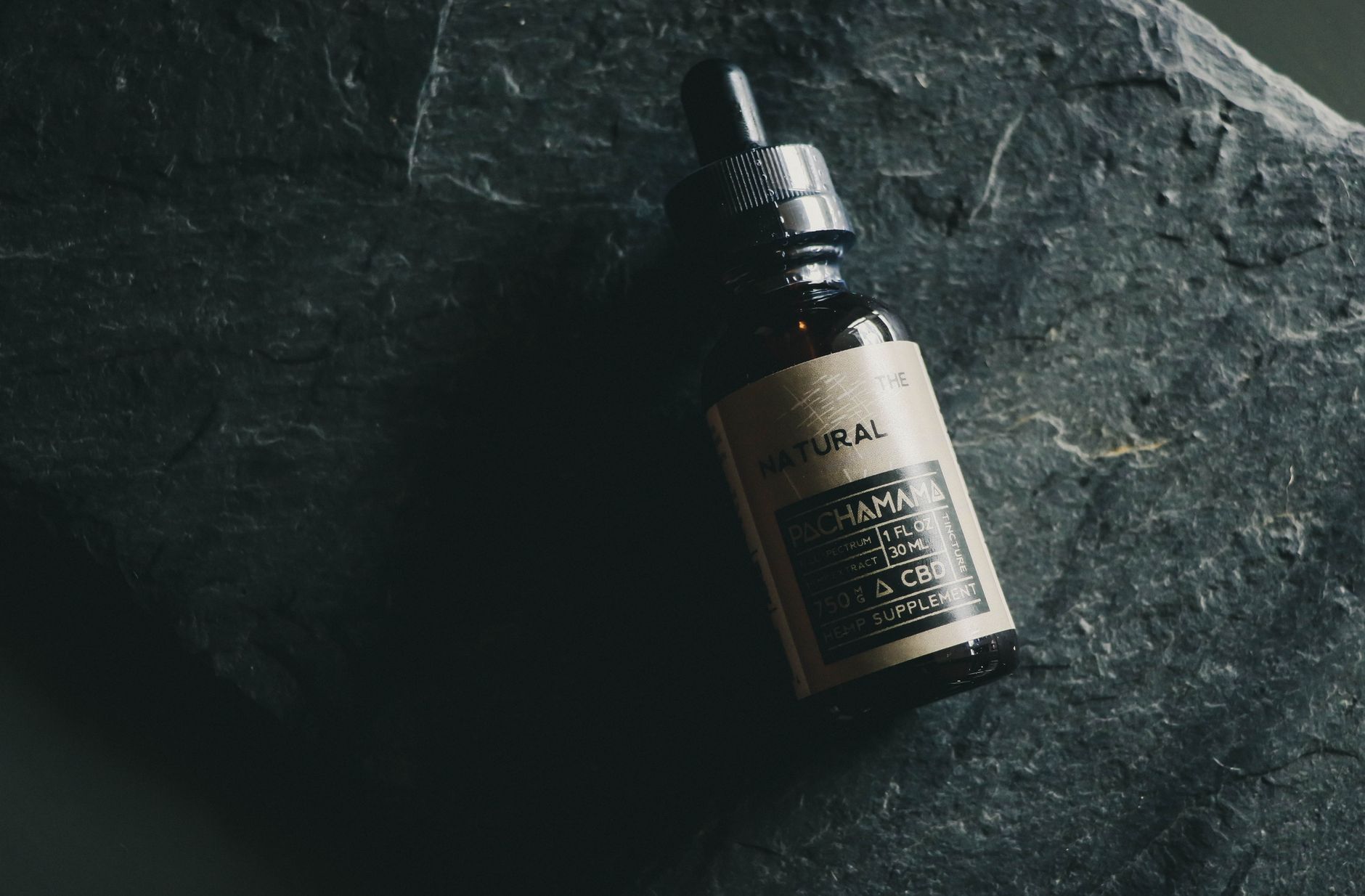
Avoid CBD oil tincture during pregnancy. Experts cite risks like fetal development issues and lack of FDA regulation, especially in the first trimester.
By Shubhra Mishra — a mom of two who turned her own confusion during pregnancy into BumpBites, a global mission to make food choices clear, safe, and stress-free for every expecting mother. 💛
Check whether any food is safe during pregnancy with the BumpBites Food Safety Checker.
Quick verdict: ❌ Best avoided. Current medical consensus from organizations like the ACOG and FDA strongly advises against using CBD oil tincture during pregnancy due to a significant lack of research on its effects on fetal development and potential risks.
Finding out you're pregnant often brings a wave of excitement, quickly followed by a long list of questions about what's safe and what's not. If you've been using CBD oil tincture for anxiety, pain, or sleep, or you're considering it for new pregnancy discomforts, you might be urgently Googling "is CBD oil tincture safe during pregnancy?" We understand that worry, especially when you're looking for natural ways to feel better. Unfortunately, when it comes to CBD oil and pregnancy, the answer isn't as clear-cut as we'd like, and medical experts err on the side of caution.
At BumpBites, we prioritize the health of both you and your baby. While CBD has gained popularity, the scientific community simply doesn't have enough reliable data to confirm its safety during pregnancy or breastfeeding. This article will break down why medical professionals advise against its use, explore the potential risks, and offer evidence-backed, safer alternatives for managing common pregnancy challenges.
The safety of CBD oil tincture during pregnancy remains largely unknown due to insufficient research.
Safety Snapshot: CBD Oil Tincture During Pregnancy
Trimester/Phase
Verdict
Notes
First Trimester
❌ Avoid
Critical period for fetal organ development; unknown risks of CBD exposure are highest.
Second Trimester
❌ Avoid
Continued fetal growth and brain development; potential for placental transfer and long-term effects.
Third Trimester
❌ Avoid
Fetal brain maturation and preparation for birth; potential impact on birth weight and neurological function.
Breastfeeding
❌ Avoid
CBD can pass into breast milk; unknown effects on infant development and health.
What is CBD Oil Tincture?
CBD stands for cannabidiol, one of over a hundred chemical compounds known as cannabinoids found in the cannabis plant. Unlike its more famous cousin, THC (tetrahydrocannabinol), CBD is non-psychoactive, meaning it won't produce the "high" associated with marijuana. People often turn to CBD for its potential therapeutic effects, which may include reducing anxiety, alleviating pain, improving sleep, and managing inflammation. It's commonly extracted from hemp, a variety of the cannabis plant that contains very low levels of THC (typically less than 0.3%).
A CBD oil tincture is essentially a liquid extract of CBD, usually dissolved in a carrier oil like hemp seed oil or MCT oil. Tinctures are typically administered sublingually, meaning a few drops are placed under the tongue, allowing the CBD to be absorbed directly into the bloodstream through mucous membranes. This method is popular because it allows for relatively quick absorption compared to edibles, and it's easy to adjust the dosage drop by drop. While many tout its benefits, the scientific understanding of CBD's long-term effects and interactions, especially in vulnerable populations like pregnant individuals and developing fetuses, is still in its early stages.
Is CBD Oil Tincture Safe During Pregnancy?
The short and clear answer is: no, CBD oil tincture is generally not considered safe or recommended during pregnancy. This strong recommendation comes from leading medical organizations worldwide, including the American College of Obstetricians and Gynecologists (ACOG), the U.S. Food and Drug Administration (FDA), and the UK's National Health Service (NHS). The primary reason for this cautionary stance is the significant lack of high-quality, human-based research specifically on the effects of CBD oil tincture during pregnancy.
When it comes to medications or substances used during pregnancy, the gold standard is rigorous clinical trials that can assess safety and efficacy without harming the developing fetus. Ethical considerations make such studies on pregnant individuals extremely difficult to conduct for substances with unknown risks. As a result, most of what we know about cannabinoids and pregnancy comes from animal studies or research on marijuana (which contains both THC and CBD), making it challenging to isolate the specific effects of CBD alone.
The FDA has explicitly warned against the use of CBD products during pregnancy and breastfeeding. They highlight concerns about potential risks to the developing fetus, as well as the variability and lack of regulation in CBD products themselves. Many products on the market are not FDA-approved and may contain contaminants, inaccurately labeled CBD levels, or even higher levels of THC than advertised. This lack of oversight means you can't be sure what you're truly consuming, adding another layer of risk to the question of "is CBD oil tincture safe during pregnancy?".
What do doctors say about CBD oil and pregnancy?
Obstetricians and maternal-fetal medicine specialists overwhelmingly advise against using CBD oil tincture during pregnancy. The ACOG's official guidance states that pregnant individuals should be "counseled against the use of marijuana and all cannabis products, including those that contain only CBD, during pregnancy and lactation." Their stance is rooted in the precautionary principle: when there's insufficient evidence to prove safety, especially regarding a developing baby, it's best to avoid the substance entirely. Your doctor's primary concern is to minimize any potential harm to your baby, and without clear data, they cannot recommend CBD.
Safety by Trimester
The risks associated with any substance during pregnancy can vary depending on the stage of fetal development. For CBD oil tincture, because of the overall lack of research, the recommendation to avoid it holds true for every trimester.
Is CBD oil tincture safe during the first trimester?
The first trimester (weeks 1-13) is a critical period for fetal development, known as organogenesis. During this time, the baby's major organs, including the brain, heart, and spinal cord, are forming rapidly. Exposure to certain substances, called teratogens, can significantly interfere with these processes and lead to birth defects. While CBD is not definitively classified as a teratogen, the absence of data means we cannot rule out its potential to cause harm during this vulnerable window. Therefore, using CBD oil tincture during the first trimester is especially discouraged due to these unknown but potentially significant risks to foundational development.
Is CBD oil tincture safe during the second trimester?
As you move into the second trimester (weeks 14-27), your baby continues to grow and mature. The brain and nervous system undergo significant development, and the placenta, which provides nutrients and oxygen to your baby, is fully established. It's known that cannabinoids, including CBD, can cross the placenta, meaning any CBD you consume can reach your developing baby. While the initial formation of organs is complete, ongoing growth and neurological development could still be impacted by unknown effects of CBD. The potential for placental transfer means there's no safe harbor in the second trimester for using CBD oil tincture.
Is CBD oil tincture safe during the third trimester?
The third trimester (weeks 28-40) is characterized by rapid fetal growth, lung maturation, and extensive brain development. Exposure to substances during this stage could potentially affect birth weight, lead to preterm birth, or impact the baby's neurological function after birth. Some animal studies on cannabinoids have suggested potential impacts on fetal growth and neurodevelopment, though these are not specific to CBD in humans. Given the lack of human data on CBD's effects on these vital late-stage developments, and the continued ability of CBD to cross the placenta, medical professionals advise against using CBD oil tincture during the third trimester as well.
Is CBD oil tincture safe while breastfeeding?
No, CBD oil tincture is also not recommended while breastfeeding. Cannabinoids, including CBD, are fat-soluble and can accumulate in breast milk. This means that if you use CBD products, your baby will likely be exposed to the compounds. The long-term effects of CBD exposure on a nursing infant's developing brain and body are unknown. There's concern that it could affect brain development, sleep patterns, or feeding behaviors. Both the ACOG and the FDA specifically warn against using CBD products during lactation, emphasizing that mothers should avoid cannabis products entirely while breastfeeding to protect their infants.
What is a safe dosage of CBD oil if pregnant? Are specific CBD oil brands recommended during pregnancy?
Because of the lack of research and the strong recommendations from medical authorities to avoid CBD oil tincture during pregnancy, there is no established "safe dosage." Any amount carries unknown risks, and therefore, medical professionals cannot recommend a safe limit. The safest dosage is none at all while pregnant or breastfeeding.
Similarly, no specific CBD oil brands are recommended during pregnancy. The FDA has not approved any CBD products for use during pregnancy, and the market remains largely unregulated. This means that even if a brand claims to be "pure" or "THC-free," there's no guarantee that the product actually contains what its label says. Third-party testing can help verify purity, but it does not negate the fundamental issue of unknown safety during pregnancy. Without explicit approval and robust safety data, no brand can confidently be labeled as pregnancy-safe.
Side Effects and Risks
While CBD is often touted for its minimal side effects, the risks associated with using CBD oil tincture during pregnancy extend beyond just the direct impact of the compound itself. These risks fall into several categories:
Potential Risks to the Fetus and Fetal Development
Developmental Concerns: Animal studies on cannabinoids (often including THC, but with implications for the class of compounds) have shown potential associations with altered brain development, lower birth weight, and increased risk of developmental problems. While specific human data for CBD is lacking, the possibility of similar effects cannot be ruled out.
Neurological Impact: The developing fetal brain is highly sensitive to external influences. There are concerns that CBD could interfere with crucial neurodevelopmental processes, potentially leading to long-term neurological or behavioral issues that might not be apparent at birth.
Placental Transfer: It's confirmed that cannabinoids can cross the placental barrier, meaning CBD consumed by the mother can directly reach the fetus, exposing the developing baby to the compound.
Risks to the Mother
Drowsiness and Fatigue: CBD can cause drowsiness, which might exacerbate pregnancy-related fatigue or impair your ability to react, especially if you're already feeling tired.
Gastrointestinal Issues: Some individuals experience nausea, diarrhea, or changes in appetite with CBD use, which could worsen common pregnancy symptoms like morning sickness.
Liver Function: High doses of CBD have been linked to potential liver injury in some studies, though this is rare. Pregnancy already puts extra strain on the liver.
Drug Interactions: CBD can interact with certain medications by affecting how they are metabolized in the liver. This could potentially alter the effectiveness or increase the side effects of other essential pregnancy medications, such as blood thinners, certain antidepressants, or seizure medications.
Product Quality and Regulation Concerns
Inaccurate Labeling: The CBD market is largely unregulated. Studies have shown that many CBD products contain different amounts of CBD than advertised, and some contain detectable levels of THC even if labeled "THC-free."
Contaminants: Without strict oversight, CBD products can be contaminated with harmful substances like heavy metals (from the soil the hemp was grown in), pesticides, mold, bacteria, or other impurities. These contaminants pose additional, serious risks to both the pregnant person and the developing fetus.
Given these known and potential risks, and the absence of clear safety data, the medical community's recommendation to avoid CBD oil tincture during pregnancy is a responsible and protective measure.
Prenatal yoga is a safe and effective way to manage discomfort and stress during pregnancy.
Safer Alternatives to CBD for Pregnancy Discomfort
If you're considering CBD oil tincture for common pregnancy discomforts like anxiety, pain, or nausea, rest assured that there are many safe, evidence-backed alternatives that your healthcare provider can recommend. Always discuss new symptoms or alternative therapies with your doctor or midwife.
Prenatal Yoga: A gentle way to improve flexibility, strength, and balance, while also reducing stress and promoting relaxation.
Meditation and Mindfulness Exercises: Techniques that can help calm the mind, reduce anxiety, and improve sleep quality.
Ginger (for nausea): Ginger, in various forms like ginger tea, candies, or supplements (after consulting your doctor), is a well-known and generally safe remedy for morning sickness.
Acupuncture (consult doctor): Some studies suggest acupuncture can be effective for nausea, pain, and anxiety in pregnancy; ensure your practitioner is certified and experienced in treating pregnant individuals.
Magnesium Supplements (consult doctor): Magnesium can help with leg cramps, sleep, and constipation; discuss appropriate dosage with your provider.
Warm Baths: Soaking in a warm (not hot) bath can relax muscles, ease aches, and reduce stress.
Pregnancy Massage: A specialized massage can relieve back pain, reduce swelling, and promote relaxation, provided by a certified prenatal massage therapist.
Talk Therapy: For persistent anxiety or mood changes, speaking with a therapist or counselor can provide effective coping strategies and support.
Deep Breathing Exercises: Simple breathing techniques can quickly calm the nervous system and reduce feelings of stress or panic.
Guided Imagery: Listening to guided meditations that encourage visualization can help promote relaxation and distract from discomfort.
Acetaminophen (Tylenol): For mild to moderate pain, acetaminophen is generally considered safe in pregnancy at the recommended dose, but always consult your doctor first.
Related Items – Safety at a Glance
Understanding the safety of CBD oil tincture during pregnancy often leads to questions about other related substances. Here's a quick overview of some common items and their pregnancy safety verdicts.
Item
Verdict
Note
Marijuana (Cannabis with THC)
❌ Avoid
Strongly discouraged by ACOG due to potential risks to fetal brain development, low birth weight, and preterm birth.
Delta-8 THC
❌ Avoid
An unregulated cannabinoid with psychoactive effects; no safety data for pregnancy, likely similar risks to Delta-9 THC.
Hemp Seed Oil
✅ Generally safe
Derived from hemp seeds, contains negligible cannabinoids; used for nutritional benefits, generally safe as a food product.
Lavender Essential Oil
⚠️ Safe with limits
Generally safe for topical use (diluted) or diffusion; avoid oral ingestion and large quantities, especially in early pregnancy.
Peppermint Essential Oil
⚠️ Safe with limits
Can be used topically (diluted) for headaches or diffused for nausea; avoid oral ingestion; use with caution if you have heartburn.
Valerian Root
❌ Best avoided
Insufficient safety data for pregnancy; potential risks to fetal development and unknown effects on labor.
Kava
❌ Best avoided
Associated with liver toxicity and insufficient pregnancy safety data; ACOG advises against use.
Kratom
❌ Best avoided
Opioid-like effects and withdrawal symptoms in newborns reported; strongly discouraged due to severe risks.
Ashwagandha
❌ Best avoided
Limited human pregnancy data; some animal studies suggest abortifacient properties in high doses.
Melatonin
⚠️ Talk to your doctor first
Generally not recommended for routine use, but may be considered by a doctor for severe sleep issues after weighing risks/benefits.
Myth vs. Fact
Myth: Because CBD is "natural" and comes from a plant, it must be safe during pregnancy.
Fact: The term "natural" doesn't automatically equate to "safe," especially during pregnancy. Many natural substances, including certain herbs or essential oils, are contraindicated during pregnancy due to potential risks. The critical factor for CBD is the lack of scientific research specifically on pregnant individuals and their developing babies, not its origin. Without this research, safety cannot be assumed.
Myth: CBD oil is just like hemp seed oil, which is safe, so CBD must be too.
Fact: While both come from the hemp plant, CBD oil and hemp seed oil are distinct products. Hemp seed oil is extracted from the seeds and contains negligible amounts of cannabinoids like CBD or THC; it's primarily used for its nutritional value (omega fatty acids). CBD oil, on the other hand, is extracted from the flowers, leaves, and stalks of the hemp plant, where the cannabinoids are concentrated. It's the active cannabinoid compounds in CBD oil that raise safety concerns during pregnancy, not the nutritional oil from the seeds.
Myth: If a CBD product claims to be "THC-free," it's completely safe for pregnancy.
Fact: Even if a CBD product claims to be THC-free, this doesn't guarantee its safety during pregnancy. First, due to a lack of regulation, "THC-free" claims are not always accurate, and some products may contain trace amounts of THC. More importantly, the primary concern is the potential effects of CBD itself on fetal development, regardless of THC content. There's simply not enough research on pure CBD's impact on a developing fetus to deem it safe.
Many simple, safe remedies can help manage common pregnancy discomforts.
Key Takeaways
Medical organizations like ACOG and FDA strongly advise against using CBD oil tincture during pregnancy and breastfeeding.
There is a significant lack of human research on the effects of CBD on fetal development and infant health.
CBD can cross the placenta, potentially exposing the developing baby to unknown risks.
The unregulated nature of CBD products means concerns about purity, accurate labeling, and contaminants are high.
No safe dosage or specific brand of CBD oil tincture is recommended for pregnant or breastfeeding individuals.
Many safe, evidence-backed alternatives exist to manage common pregnancy discomforts like anxiety, pain, and nausea.
Always discuss any supplements or remedies with your healthcare provider before use during pregnancy.
Frequently Asked Questions
Is CBD safe while breastfeeding?
No, CBD is not considered safe while breastfeeding. Cannabinoids like CBD are fat-soluble and can pass into breast milk, potentially exposing your infant to the compound. The effects of CBD on a developing infant's brain and long-term health are unknown, leading medical organizations to advise against its use during lactation.
What are the side effects of CBD oil?
Common side effects of CBD oil can include drowsiness, fatigue, diarrhea, changes in appetite, and dry mouth. It can also interact with certain medications, affecting their metabolism. During pregnancy, these side effects could be amplified or pose additional risks due to the unique physiological changes occurring.
Can CBD affect fertility?
Research on CBD's direct impact on human fertility is limited and inconclusive. Some animal studies suggest potential effects on reproductive hormones or sperm quality, but these findings may not translate to humans. If you are trying to conceive, it's generally best to avoid CBD until more definitive research is available.
Does CBD oil show up on a drug test?
Most standard drug tests screen for THC, not CBD. However, if a CBD product contains even trace amounts of THC (as many unregulated products do, despite "THC-free" claims), it could potentially lead to a positive drug test result for marijuana. This is a particular concern for full-spectrum CBD products.
What is the difference between CBD and THC?
CBD (cannabidiol) and THC (tetrahydrocannabinol) are both cannabinoids found in the cannabis plant. The key difference is that THC is the primary psychoactive compound that produces the "high" associated with marijuana, while CBD is non-psychoactive and does not cause intoxication. Both interact with the body's endocannabinoid system, but with different effects.
Can I use CBD cream while pregnant?
Even topical CBD products like creams are generally advised against during pregnancy. While systemic absorption through the skin is typically lower than oral ingestion, some CBD can still enter the bloodstream. Given the lack of safety data and the potential for unknown risks, medical experts recommend avoiding all CBD products, including topicals, during pregnancy.
Is hemp oil the same as CBD oil?
No, hemp oil (often called hemp seed oil) is not the same as CBD oil. Hemp seed oil is pressed from the seeds of the hemp plant and contains no or negligible amounts of cannabinoids like CBD or THC. It's used for its nutritional value. CBD oil, however, is extracted from the flowers, leaves, and stalks, where cannabinoids are concentrated, and is intended for its active compound effects.
What are the benefits of CBD oil?
Many people use CBD oil for potential benefits such as reducing anxiety, alleviating chronic pain, improving sleep quality, and managing inflammation. However, most of these benefits are based on anecdotal evidence, preliminary studies, or animal research, and more rigorous human clinical trials are needed to confirm these effects and establish safe dosages.
When to Call Your Doctor
If you have been using CBD oil tincture and just found out you are pregnant, or if you've already used it during your pregnancy, please try not to panic. Take a deep breath and contact your obstetrician or healthcare provider as soon as possible. They can offer personalized advice, discuss any concerns, and monitor your pregnancy appropriately. It's crucial to be honest about any substances you've used so your doctor can provide the best possible care for you and your baby.
You should also call your doctor if you experience any unusual symptoms after using CBD, or if you're struggling with anxiety, pain, or sleep issues during pregnancy and need guidance on safe and effective treatments. Your medical team is there to support you.
This information is for educational purposes only and is not a substitute for professional medical advice, diagnosis, or treatment. Always seek the advice of your physician or other qualified health provider with any questions you may have regarding a medical condition.
Not sure about the label on Is Cbd Oil Tincture Safe During Pregnancy products?
Snap the ingredients list and SafeFilter checks every ingredient for your stage — only 3 free scans this month, then you're locked until reset. Unlimited from $7/mo or lock $50/yr through Aug 31 (16 days left).
When Shubhra Mishra was expecting her first child in 2016, she was overwhelmed by conflicting food advice — one site said yes, another said never. By the time her second baby arrived in 2019, she realized millions of mothers face the same confusion.
That sparked a five-year journey through clinical nutrition papers, cultural diets, and expert conversations — all leading to BumpBites: a calm, compassionate space where science meets everyday motherhood.
Her long-term vision is to build a global community ensuring safe, supported, and free deliveriesfor every mother — because no woman should face pregnancy alone or uninformed. 🌿
🌍 Stand with mothers, shape safer guidance
Join a small circle of experts who review BumpBites articles so expecting parents everywhere can decide with confidence.