Limit canoeing during pregnancy, especially in the first trimester. Experts recommend avoiding rough waters and long trips to reduce fall or injury risks.
By Shubhra Mishra — a mom of two who turned her own confusion during pregnancy into BumpBites, a global mission to make food choices clear, safe, and stress-free for every expecting mother. 💛
Check whether any food is safe during pregnancy with the BumpBites Food Safety Checker.
Quick verdict: ⚠️ Safe with limits and careful consideration, but generally best avoided, especially in later pregnancy or for those with high-risk conditions. Recreational canoeing on calm, still waters may be an option for experienced paddlers in early to mid-pregnancy, but the risk of falls, capsizing, and physical strain often outweighs the benefits.
The gentle sway of a canoe, the quiet ripple of water, the feeling of gliding across a serene lake – for many, canoeing is a beloved way to connect with nature and enjoy peaceful exercise. But when you’re expecting, every activity prompts that vital question: is canoeing safe during pregnancy? It's completely natural to wonder if your favorite outdoor pursuits are still okay, especially as your body changes and you prioritize your baby's well-being. Many anxious parents-to-be find themselves Googling this exact query, perhaps after planning a trip or even having already spent time on the water, now wondering if they made the right choice.
At BumpBites, we understand this worry. Deciding what's safe and what's not can feel overwhelming, especially with so much conflicting information out there. When it comes to canoeing, the answer isn't a simple yes or no. Instead, it's a "yes, but" – conditional on several factors, including your experience level, the type of water, the stage of your pregnancy, and your overall health. The primary concerns revolve around balance, the risk of falling or capsizing, physical exertion, and potential dehydration or overheating.
We'll dive into what current medical guidance, including recommendations from organizations like the American College of Obstetricians and Gynecologists (ACOG) and the UK's National Health Service (NHS), suggests about is canoeing safe during pregnancy. We'll explore trimester-specific advice, discuss the risks involved, and offer safer alternatives to help you stay active and enjoy the outdoors without unnecessary worry. Always remember, your healthcare provider is your best resource for personalized advice, so always check with them before starting or continuing any new exercise or activity while pregnant.
Choosing calm, still waters is paramount if you're considering canoeing while pregnant.
Safety Snapshot: Canoeing During Pregnancy
Here's a quick overview of canoeing safety across different stages of pregnancy and postpartum:
Stage of Pregnancy/Postpartum
Verdict
Notes & Considerations
First Trimester
⚠️ Safe with limits
Generally lower risk of falls, but nausea and fatigue can be significant. Stick to calm waters and short durations. Consult your doctor.
Second Trimester
⚠️ Safe with limits
Often the "sweet spot" for activity, but balance begins to shift. Avoid any risk of falling or capsizing. Stick to calm, controlled environments.
Third Trimester
❌ Best avoided
Significantly increased risk of falls due to shifted center of gravity and joint laxity. Difficulty getting in/out. Potential for abdominal trauma if capsized.
While Breastfeeding
✅ Generally safe
Focus on hydration and comfortable clothing. Ensure adequate caloric intake. Avoid prolonged sun exposure.
What is Canoeing?
C
anoeing is a water sport that involves propelling a lightweight, open boat called a canoe through water using a single-bladed paddle. Unlike kayaking, where you sit with your legs extended and use a double-bladed paddle, in a canoe, you typically kneel or sit on a raised seat, paddling on one side of the boat and then switching to the other, or steering with a J-stroke. Canoes are often used for recreational paddling on lakes and calm rivers, touring, camping trips, and even some forms of racing or whitewater adventures.
The appeal of canoeing lies in its versatility and the sense of tranquility it offers. It can be a solo meditative experience or a shared activity with a partner, family, or friends. It provides a gentle full-body workout, engaging core muscles, arms, and shoulders, while offering an intimate connection with nature. For many, it's a cherished pastime that allows for exploration of waterways and wildlife viewing. However, the physical demands, the need for balance, and the inherent risk of being on water change significantly when you're pregnant, making a careful assessment essential.
Is Canoeing Safe During Pregnancy?
The overarching consensus from leading health organizations like ACOG and the NHS is to avoid activities during pregnancy that carry a significant risk of falling, abdominal trauma, or impact. While recreational canoeing on calm, still waters might seem low-risk, it does involve a degree of balance and the potential for capsizing or falling. Therefore, the answer to is canoeing safe during pregnancy is nuanced: it's generally considered safe only with significant precautions, for experienced paddlers, and primarily in the first and early second trimesters on very calm waters. As pregnancy progresses, the risks generally outweigh the benefits.
ACOG guidelines for exercise during pregnancy emphasize maintaining physical activity but caution against sports with a high risk of falling or contact sports. While canoeing isn't a contact sport, a fall from a canoe, especially onto the hard boat or into shallow water, could pose a risk of abdominal trauma, placental abruption, or other complications. The NHS also advises avoiding activities where there's a risk of falling, such as horse riding, downhill skiing, or contact sports, and this principle extends to activities like canoeing where stability can be compromised.
The changes your body undergoes during pregnancy, such as a shifting center of gravity, increased joint laxity due to hormones like relaxin, and potential for fatigue or nausea, all contribute to a heightened risk of instability. Even an experienced paddler might find their balance less reliable. Furthermore, getting in and out of a canoe can be awkward and challenging, especially with a growing belly, increasing the chances of a stumble or fall. While a life jacket offers protection in the water, it doesn't prevent injury from the fall itself or protect against impacts to the abdomen. Therefore, while mild recreational canoeing on perfectly calm waters might be considered by some experienced individuals in very early pregnancy, most obstetricians would recommend erring on the side of caution and choosing less risky forms of exercise.
Is canoeing safe in the first trimester of pregnancy?
In the first trimester, the risk of direct trauma to the uterus from a fall is lower because the uterus is still protected within the pelvis. However, this period is crucial for fetal development (organogenesis), and any severe maternal injury or stress could theoretically have implications. For an experienced paddler on very calm, flat water, canoeing in the first trimester might be considered by some to be a low-risk activity, provided there are no underlying health complications and they feel well. Many pregnant individuals, however, experience significant fatigue, nausea, and morning sickness during these early weeks, which can make any physical activity, let alone one requiring balance and exertion, feel challenging or even dangerous.
If you're considering canoeing in your first trimester, it's paramount to listen to your body. If you're feeling tired, nauseous, or dizzy, it's best to postpone. Dehydration can also exacerbate morning sickness, so ensure you're well-hydrated. The focus should be on gentle, controlled movements and avoiding any situations that could lead to a fall or excessive strain. Always wear a properly fitted life jacket and paddle with a partner. Discuss your plans with your healthcare provider, especially if you have any concerns or pre-existing conditions.
Can you go canoeing in the second trimester?
The second trimester is often referred to as the "sweet spot" for many pregnant individuals, as morning sickness typically subsides and energy levels may improve. However, this is also when your body undergoes more noticeable physical changes. Your center of gravity begins to shift as your uterus grows, and hormones like relaxin continue to loosen ligaments, which can affect your balance and increase joint instability. For these reasons, canoeing in the second trimester presents a heightened risk compared to the first, particularly concerning falls.
While some experienced paddlers might feel comfortable continuing canoeing on extremely calm, flat water during the early to mid-second trimester, the potential for a fall or capsizing becomes a more significant concern. Any fall, especially one that could lead to abdominal impact, carries risks such as placental abruption (where the placenta separates from the uterine wall) or preterm labor. It's crucial to assess your own balance and comfort level honestly. If you feel any instability, dizziness, or discomfort, it's a clear sign to stop. Many obstetricians would advise against canoeing from the second trimester onwards due to the increasing risks associated with balance and potential trauma.
Is canoeing allowed in the third trimester of pregnancy?
By the third trimester, your body has undergone substantial changes that make activities like canoeing generally unsafe. Your center of gravity is significantly altered due to your growing belly, making balance much more challenging and the risk of falling considerably higher. Joint laxity is at its peak, further contributing to instability. Additionally, getting in and out of a canoe becomes extremely difficult and awkward, increasing the likelihood of a stumble or fall even before you're on the water. The physical exertion required for paddling can also lead to premature fatigue, overheating, and dehydration, which are all concerns in late pregnancy.
The most critical concern for canoeing in the third trimester is the risk of abdominal trauma if you were to fall or capsize. A direct impact to the abdomen can have serious consequences for both you and your baby, including placental abruption, uterine rupture (though rare), or preterm labor. Given these significant risks, nearly all healthcare providers and major obstetric organizations strongly advise against canoeing during the third trimester. It's best to prioritize low-impact, stable activities that keep you safely on solid ground or in a controlled aquatic environment like a swimming pool.
Canoeing While Breastfeeding
Once your baby has arrived and you're cleared for exercise by your healthcare provider (typically around 6 weeks postpartum for vaginal births and longer for C-sections), canoeing while breastfeeding is generally considered safe. The primary concerns shift from fetal safety to your own comfort and milk supply.
Key considerations include:
Hydration: Breastfeeding mothers need extra fluids. Ensure you bring plenty of water and drink regularly to prevent dehydration, which can impact milk supply.
Comfort: Wear supportive, comfortable clothing, including a well-fitting, supportive bra.
Timing: You might want to nurse or pump before heading out to ensure comfort and avoid engorgement during your trip.
Sun Protection: Protect yourself from the sun with appropriate clothing, hats, and sunscreen.
Energy Levels: Postpartum fatigue is real. Listen to your body and don't overexert yourself.
As long as you feel strong and balanced, and are on calm waters, canoeing can be a wonderful way to get exercise and enjoy the outdoors postpartum. Just remember to continue to prioritize safety, especially if you are still recovering from childbirth.
How long can you safely canoe while pregnant?
There isn't a specific time limit universally recommended for how long you can safely canoe while pregnant, as it heavily depends on individual factors. However, if you choose to canoe, shorter durations are always better. The goal is to avoid fatigue, overheating, and dehydration. A general guideline, if approved by your doctor and you are an experienced paddler on calm waters, would be:
Keep it brief: Aim for sessions no longer than 30-60 minutes.
Take frequent breaks: Even short sessions should include opportunities to rest, stretch, and hydrate.
Listen to your body: Stop immediately if you feel any discomfort, dizziness, shortness of breath, or fatigue.
Avoid peak heat: Paddle during cooler parts of the day, such as early morning or late afternoon, to minimize the risk of overheating.
As pregnancy progresses, even short durations become riskier due to the increased chance of a fall or injury. The emphasis should shift from duration to avoiding the activity altogether as your body changes.
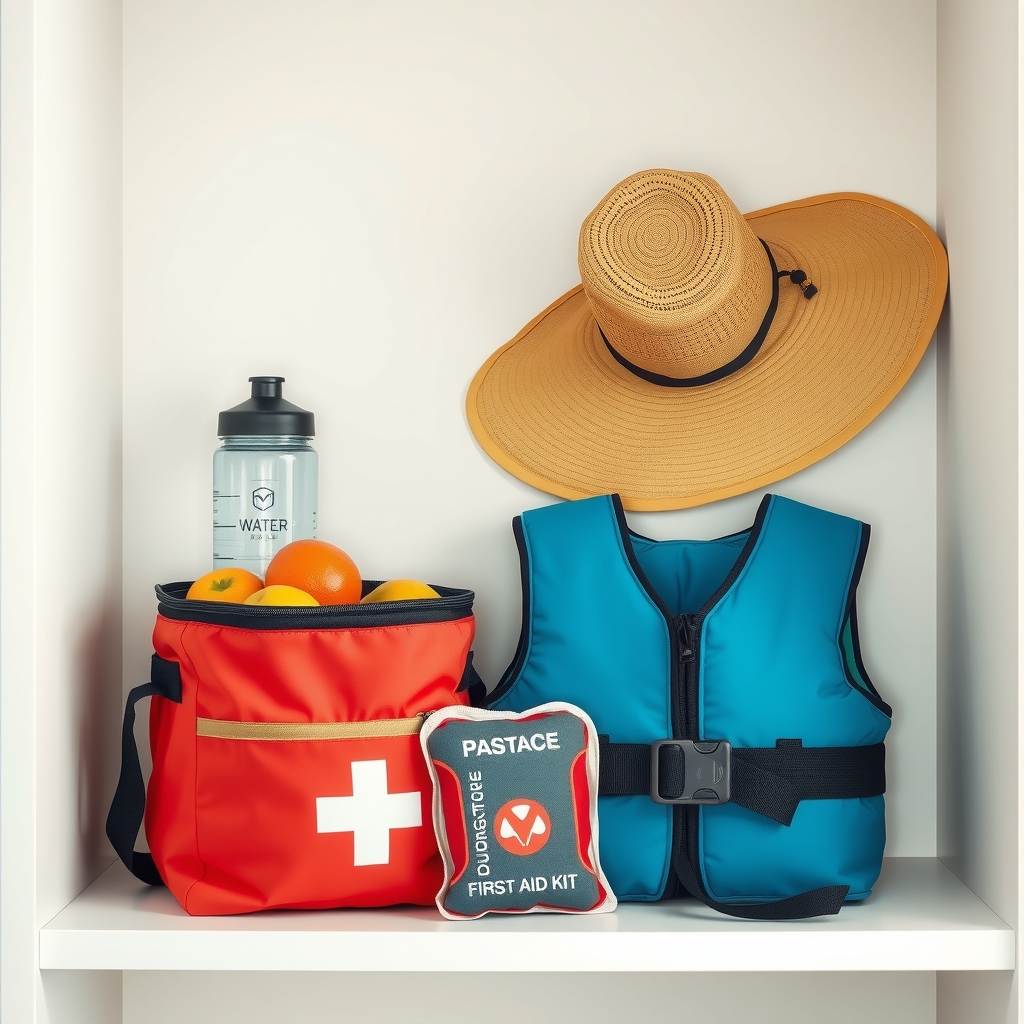
Even for permitted activities, preparation with essentials like water, snacks, and sun protection is key.
What precautions should you take when canoeing during pregnancy?
If, after consulting with your healthcare provider, you decide that canoeing is an acceptable activity for your specific circumstances (likely early pregnancy, experienced paddler, calm waters), several crucial precautions must be taken to minimize risks:
Get Doctor's Approval: This is non-negotiable. Your doctor knows your medical history and pregnancy details best.
Choose Calm Waters ONLY: Stick to flat, still lakes or very slow-moving rivers. Absolutely no whitewater, strong currents, or choppy conditions.
Paddle with a Partner: Never go canoeing alone. A partner can assist if you need help getting in or out, or in case of an emergency.
Wear a Properly Fitted Life Jacket: This is crucial for safety. Ensure it fits snugly but comfortably over your growing belly. The U.S. Coast Guard and NHS recommend wearing a life jacket at all times on the water.
Stay Hydrated: Bring plenty of water and drink regularly, even if you don't feel thirsty. Dehydration can lead to overheating and contractions.
Avoid Overheating: Dress in layers, wear a wide-brimmed hat, and choose cooler times of the day to paddle.
Short Durations & Breaks: Limit your time on the water to short sessions (e.g., 30-60 minutes) and take frequent breaks on shore to stretch and rest.
Ease In and Out: Be extremely careful when entering and exiting the canoe. This is often where falls occur. Have your partner stabilize the boat.
Assess Your Balance: Be honest about your current balance and agility. If you feel even slightly unsteady, stop immediately.
Stay Close to Shore: Remain in areas where you can easily return to land if you feel unwell or need assistance.
Know Your Limits: Do not attempt difficult maneuvers or push yourself beyond your comfort zone.
Following these precautions can help mitigate some risks, but it's important to understand that no activity involving water and balance can be entirely risk-free during pregnancy.
What are the risks of canoeing during pregnancy?
While canoeing can be a peaceful activity for some, during pregnancy, several specific risks become more pronounced:
Risk of Falling or Capsizing: This is the primary concern. A fall from a canoe, whether into the water or against the boat itself, carries a risk of direct abdominal trauma. Such trauma can lead to serious complications including placental abruption (where the placenta detaches from the uterine wall), preterm labor, or fetal injury. Your shifting center of gravity and increased joint laxity in pregnancy make falls more likely.
Difficulty Getting In and Out: As your belly grows, maneuvering into and out of a canoe becomes increasingly challenging and awkward, significantly increasing the risk of a slip or fall even before you're on the water.
Dehydration and Overheating: Physical exertion combined with sun exposure on the water can quickly lead to dehydration and overheating, which are dangerous for both you and your baby. Overheating can particularly be a concern in early pregnancy, and dehydration can trigger Braxton Hicks contractions or even preterm labor later on.
Physical Strain and Fatigue: Paddling requires core strength, arm, and shoulder muscles. Overexertion can lead to muscle strain, back pain (which is common in pregnancy), and excessive fatigue.
Remote Location and Delayed Medical Help: If you're canoeing in a remote area and an emergency occurs (e.g., a fall, sudden illness, or preterm labor), access to immediate medical care might be delayed, compounding potential risks.
Hypotension (Low Blood Pressure): Lying on your back for prolonged periods (though less common in canoeing than kayaking) can compress the vena cava, reducing blood flow to your heart and uterus. While not a direct canoeing risk, it's a general consideration for water activities.
Considering these risks, many healthcare providers advise against canoeing, especially as pregnancy advances, to prioritize the safety of both mother and baby.
Does the type of canoe (kayak vs. traditional) affect pregnancy safety?
Yes, the type of watercraft can certainly influence the safety profile during pregnancy, though both canoes and kayaks carry similar overarching risks related to balance and falling. The choice between a traditional canoe and a kayak (or even a sit-on-top kayak) affects body positioning, ease of movement, and stability.
Traditional Canoe:
Pros: Often more open, potentially making it easier to adjust seating or stretch. Can be paddled kneeling or sitting upright, which may be more comfortable for some.
Cons: Generally less stable than a kayak, especially if standing or shifting weight. Getting in and out can be awkward due to its open nature and higher sides, increasing fall risk.
Traditional Sit-Inside Kayak:
Pros: Can be more stable than a canoe.
Cons: The confined cockpit can be extremely difficult to get in and out of with a growing belly, and can restrict movement, leading to discomfort or even entrapment in a capsize. The seated position with legs extended can be uncomfortable and potentially compress blood flow to the legs.
Sit-on-Top Kayak:
Pros: Easier to get on and off than a sit-inside kayak, which is a major advantage during pregnancy. Generally more stable than traditional canoes or sit-inside kayaks.
Cons: Still poses a fall risk. Can be challenging to re-mount from the water if you capsize.
Regardless of the type, any watercraft activity that involves balance, core engagement, and the risk of falling or capsizing should be approached with extreme caution during pregnancy. The "safest" option would likely be a very stable sit-on-top kayak on calm waters for an experienced paddler in early pregnancy, but even then, the general advice to avoid activities with fall risk still applies.
Is whitewater canoeing safe during pregnancy?
Absolutely not. Whitewater canoeing is unequivocally unsafe and should be strictly avoided during pregnancy. This activity involves navigating rapidly moving rivers with rapids, obstacles, and turbulent water, presenting an extremely high risk of capsizing, collision, and significant physical impact. The potential for severe abdominal trauma, falls, and submersion is simply too great to be considered at any stage of pregnancy.
The forces involved in whitewater paddling, even in minor rapids, can lead to:
Severe Abdominal Trauma: Impacts from rocks, the boat itself, or the force of the water can cause placental abruption (premature detachment of the placenta), uterine rupture, or direct injury to the fetus.
Increased Fall Risk: The unstable and unpredictable nature of whitewater makes capsizing highly likely, leading to falls into cold water, against rocks, or being trapped under the boat.
Hypothermia: Falling into cold whitewater can quickly lead to hypothermia, a dangerous condition for both mother and baby.
Exhaustion and Overexertion: The intense physical demands can lead to extreme fatigue, dehydration, and put undue stress on your body.
Major obstetric organizations like ACOG advise against activities with a high risk of falling or abdominal trauma. Whitewater canoeing falls squarely into this category. There are no circumstances under which whitewater canoeing would be considered safe for a pregnant person. Prioritize your safety and your baby's health by choosing gentle, land-based, or controlled aquatic exercises instead.
Can you canoe while pregnant if you have a high-risk pregnancy?
If you have a high-risk pregnancy, the answer to is canoeing safe during pregnancy becomes a definitive no. Conditions that classify a pregnancy as high-risk, such as:
Placenta previa (low-lying placenta)
Preeclampsia or high blood pressure
Gestational diabetes
Multiple gestation (twins, triplets, etc.)
History of preterm labor or miscarriage
Cervical insufficiency
Heart or lung conditions
Bleeding or spotting
...all significantly increase the potential complications from any physical activity, especially one with inherent risks like canoeing. For individuals with a high-risk pregnancy, the primary focus is on minimizing any potential stressors, impacts, or situations that could lead to adverse outcomes. The American College of Obstetricians and Gynecologists (ACOG) provides specific guidelines for exercise in high-risk pregnancies, often recommending activity restriction or highly modified, supervised exercise regimens. Canoeing, with its risks of falls, physical exertion, and potential for remote location, is generally incompatible with the precautions needed for a high-risk pregnancy. Always follow your obstetrician's specific recommendations for activity during a high-risk pregnancy; they will almost certainly advise against canoeing.
Are there pregnancy-safe alternatives to canoeing for exercise?
Absolutely! While canoeing may be off-limits or significantly restricted during pregnancy, there are plenty of wonderful, safe ways to stay active, enjoy the outdoors, and maintain your fitness. The key is to choose low-impact activities that don't involve a risk of falling or abdominal trauma. Here are some excellent pregnancy-safe alternatives:
Walking: A fantastic, accessible, and low-impact exercise. Enjoy nature trails, parks, or your neighborhood. It's gentle on joints and great for cardiovascular health.
Swimming (leisurely): Often considered the ideal pregnancy exercise. The buoyancy of the water supports your weight, relieving pressure on joints and ligaments. It's excellent for cardiovascular fitness and muscle toning.
Prenatal Yoga: Specifically designed for pregnant bodies, prenatal yoga focuses on flexibility, strength, balance, and breathing techniques that can be incredibly beneficial for labor and delivery.
Stationary Cycling: Provides a great cardiovascular workout without the risk of falling that comes with outdoor cycling. Many gyms offer stationary bikes, or you can use one at home.
Low-Impact Aerobics: Look for classes specifically designed for pregnancy or general low-impact aerobics that avoid jumping, bouncing, and sudden changes in direction.
Rowing Machine (indoor): A great full-body workout that's low-impact and performed in a stable, controlled environment. Focus on good posture and listen to your body.
Paddleboarding (calm waters): While paddleboarding still involves balance and a fall risk, a very stable, wide board on extremely calm, flat waters might be an option for highly experienced individuals in early pregnancy, with extreme caution. However, it's generally considered less safe than land-based activities due to the fall risk. If you choose this, paddle kneeling or sitting.
Elliptical Trainer: Offers a full-body, low-impact workout that mimics running or walking without the joint stress. The stable platform eliminates fall risk.
Always remember to listen to your body, stay hydrated, avoid overheating, and consult your healthcare provider before starting any new exercise routine during pregnancy.
Related Items — Safety at a Glance
Many outdoor and water activities share similar considerations regarding pregnancy safety. Here's a quick look at some related activities:
Activity
Verdict
Notes
Kayaking
⚠️ Safe with limits
Similar to canoeing; generally discouraged due to fall risk, especially sit-inside kayaks. Sit-on-top on calm water in early pregnancy *might* be an option for experienced paddlers.
Whitewater Rafting
❌ Best avoided
High risk of falls, collisions, and abdominal trauma. Absolutely not safe at any stage of pregnancy.
Stand-Up Paddleboarding
⚠️ Safe with limits
High fall risk. May be considered on extremely calm water, kneeling or sitting, by experienced individuals in early pregnancy. Generally best avoided.
Horseback Riding
❌ Best avoided
High risk of falls and abdominal trauma. ACOG recommends against it.
Skiing (downhill)
❌ Best avoided
High risk of falls and collisions. Cross-country skiing on flat terrain *might* be an option for experienced individuals in early pregnancy, with caution.
Scuba Diving
❌ Best avoided
Risk of decompression sickness for the fetus. ACOG recommends against it.
Rock Climbing
❌ Best avoided
High risk of falls. Bouldering and lead climbing are generally unsafe. Top-roping with experienced belayer *might* be considered in early pregnancy, but still carries risk.
Hot Yoga
❌ Best avoided
Risk of overheating and dehydration, which are dangerous during pregnancy.
Contact Sports
❌ Best avoided
High risk of abdominal trauma and collisions. ACOG strongly advises against.
High-Altitude Hiking
⚠️ Talk to your doctor first
Risk of reduced oxygen for mother and baby. Generally advised against above 6,000 feet.
Myth vs. Fact
Let's clear up some common misconceptions about canoeing during pregnancy:
Myth: Canoeing is a relaxing, low-impact activity, so it's always safe during pregnancy.
Fact: While canoeing can be relaxing, it's not entirely low-impact or risk-free. It requires balance, core strength, and upper body exertion. The primary concern is the risk of falling or capsizing, which can lead to abdominal trauma. Even getting in and out of the canoe can be a fall risk, especially as your center of gravity shifts and ligaments loosen.
Myth: Wearing a life jacket makes canoeing completely safe for pregnant people.
Fact: A life jacket is essential for preventing drowning if you fall into the water, but it does not protect you or your baby from the impact of a fall against the boat, rocks, or shallow water. It also doesn't prevent other risks like overheating, dehydration, or physical strain.
Myth: If you were an experienced paddler before pregnancy, you can continue canoeing as usual.
Fact: Pregnancy changes your body in significant ways, including shifts in balance, increased joint laxity, and potential fatigue. Even highly experienced paddlers may find their abilities compromised. It's crucial to acknowledge these physiological changes and adjust your activity level and risk assessment accordingly, rather than relying on pre-pregnancy skill levels.
Key Takeaways
Canoeing is generally best avoided during pregnancy, especially in the later trimesters.
If considering it in early to mid-pregnancy, only do so on calm, still waters and with your doctor's explicit approval.
The main risks are falls, abdominal trauma, dehydration, and overheating.
Your balance and joint stability decrease as pregnancy progresses, increasing fall risk.
Always wear a properly fitted life jacket and paddle with a partner.
Whitewater canoeing and high-risk pregnancies are absolute contraindications for canoeing.
Opt for safer alternatives like swimming, walking, or prenatal yoga to stay active.
Frequently Asked Questions
Can you go canoeing while pregnant?
You can go canoeing while pregnant only under very specific, limited conditions, and typically only in the first or early second trimester if you are an experienced paddler on extremely calm waters, and with your healthcare provider's explicit approval. Most obstetricians advise against it due to the inherent risks of falling, capsizing, and abdominal trauma, especially as pregnancy progresses.
What activities should be avoided during pregnancy?
Activities to avoid during pregnancy include those with a high risk of falling (e.g., horseback riding, downhill skiing, gymnastics, rock climbing), contact sports (e.g., soccer, basketball, boxing), activities with a risk of abdominal trauma (e.g., whitewater rafting, vigorous team sports), scuba diving, hot yoga/Bikram yoga, and activities at high altitudes (above 6,000 feet) without prior acclimatization.
Is it safe to be on a boat while pregnant?
Being on a boat while pregnant can be safe, depending on the type of boat and water conditions. Gentle boat rides on calm lakes or slow-moving rivers are generally fine. Avoid rough waters, high-speed boating, or activities where you might be jostled significantly or risk falling (like waterskiing or tubing). Always wear a life jacket and ensure you can easily get on and off the boat.
Can you do water sports when pregnant?
Some water sports are safe during pregnancy, while others are not. Leisurely swimming and water aerobics are highly recommended. However, water sports that involve a risk of falling, high speed, or impact, such as waterskiing, jet skiing, tubing, surfing, and whitewater sports (including canoeing and kayaking in rough conditions), should be avoided.
What are the best exercises for pregnant women?
The best exercises for pregnant women are generally low-impact activities that are easy to modify and don't involve a risk of falling or abdominal trauma. Excellent choices include walking, swimming, water aerobics, stationary cycling, prenatal yoga, Pilates, and light strength training with appropriate modifications. Always listen to your body and consult your doctor.
Is it safe to go on a lake while pregnant?
Yes, it is generally safe to go on a lake while pregnant, provided you take appropriate precautions. Enjoying the calm environment, swimming (if the water quality is safe), or taking a gentle boat ride are usually fine. The main concerns are avoiding activities with fall risks (like active canoeing or paddleboarding), ensuring water safety (no strong currents, good water quality), and protecting yourself from sun exposure and dehydration.
Can you go kayaking in early pregnancy?
Similar to canoeing, kayaking in early pregnancy *might* be considered by highly experienced paddlers on extremely calm, flat water, with careful consideration and your doctor's approval. However, the risk of falling, even in a stable sit-on-top kayak, remains. Many obstetricians would still advise against it to prioritize safety and avoid any potential abdominal trauma or other complications.
What are the risks of falling while pregnant?
The risks of falling while pregnant increase as your body changes. Falls can lead to injuries such as sprains, fractures, or head trauma for the mother. More critically, a fall, especially onto the abdomen, can cause placental abruption (where the placenta detaches from the uterine wall), preterm labor, uterine rupture (rare), or direct fetal injury. The risk to the baby is highest in the second and third trimesters.
When to Call Your Doctor
Even if you've taken every precaution, it's vital to be aware of warning signs that indicate you need immediate medical attention. If you experience any of the following symptoms during or after canoeing (or any activity) while pregnant, call your healthcare provider or seek emergency care right away:
Vaginal bleeding or spotting
Leakage of amniotic fluid
Regular, painful contractions
Decreased fetal movement
Severe abdominal pain or cramping
Dizziness, lightheadedness, or feeling faint
Chest pain or shortness of breath
Headache or visual disturbances
Sudden swelling in your face, hands, or ankles
Calf pain or swelling (could indicate a blood clot)
This article is for informational purposes only and is not a substitute for professional medical advice, diagnosis, or treatment. Always consult with your healthcare provider for any questions regarding your medical condition or before making any decisions about your health or treatment.
References
American College of Obstetricians and Gynecologists (ACOG). Physical Activity and Exercise During Pregnancy and the Postpartum Period. Committee Opinion No. 804. Obstetrics & Gynecology. 2020;135(4):e178-e188.
Not sure about the label on Is Canoeing Safe During Pregnancy products?
Snap the ingredients list and SafeFilter checks every ingredient for your stage — only 3 free scans this month, then you're locked until reset. Unlimited from $7/mo or $50/yr.
When Shubhra Mishra was expecting her first child in 2016, she was overwhelmed by conflicting food advice — one site said yes, another said never. By the time her second baby arrived in 2019, she realized millions of mothers face the same confusion.
That sparked a five-year journey through clinical nutrition papers, cultural diets, and expert conversations — all leading to BumpBites: a calm, compassionate space where science meets everyday motherhood.
Her long-term vision is to build a global community ensuring safe, supported, and free deliveriesfor every mother — because no woman should face pregnancy alone or uninformed. 🌿
🌍 Stand with mothers, shape safer guidance
Join a small circle of experts who review BumpBites articles so expecting parents everywhere can decide with confidence.