Safe: Cacao powder is generally safe in moderation during pregnancy, but high doses may cause concerns in the third trimester
By Shubhra Mishra — a mom of two who turned her own confusion during pregnancy into BumpBites, a global mission to make food choices clear, safe, and stress-free for every expecting mother. 💛
Check whether any food is safe during pregnancy with the BumpBites Food Safety Checker.
Quick verdict: ⚠️ Safe with limits – moderate amounts of cacao powder (about 1‑2 tablespoons a day) are generally considered okay during pregnancy, but excessive intake should be avoided.
It’s 2 a.m. and you’ve just opened the pantry, wondering whether the dark, fragrant packet of cacao powder you keep for smoothies is a good idea now that you’re pregnant. You might be scrolling through endless forums, seeing conflicting advice, and feeling a knot in your stomach. The short answer to “is cacao powder safe during pregnancy?” is yes, if you keep portion sizes modest and stay aware of the caffeine‑like compounds it contains.
In this article we’ll walk you through everything you need to know: the overall safety verdict, how the recommendation changes from the first to the third trimester, how much you can safely enjoy each day, the role of caffeine and theobromine, brand considerations, and what to do if you have hypertension or gestational diabetes. We’ll also give you a quick‑look safety table, a list of safer alternatives for chocolate cravings, and a comparison of related chocolate‑type products.
By the end of this guide you’ll have a clear, evidence‑based answer to the question “is cacao powder safe during pregnancy?” and a plan that lets you enjoy a comforting cup of cocoa without unnecessary worry.
Trimester
Verdict
Notes
First trimester (0‑13 weeks)
⚠️ Safe with limits
Limit to ≤ 1 tablespoon (≈ 5 g) per day; watch caffeine intake (< 200 mg total daily).
Second trimester (14‑27 weeks)
⚠️ Safe with limits
Can increase to ≤ 2 tablespoons (≈ 10 g) per day if caffeine total remains < 200 mg.
Third trimester (28‑40 weeks)
⚠️ Safe with limits
Same limit as second trimester; avoid late‑night consumption that may affect sleep.
Breastfeeding
⚠️ Safe with limits
Maternal caffeine limit still applies; ≤ 2 tablespoons per day is fine.
What is cacao powder?
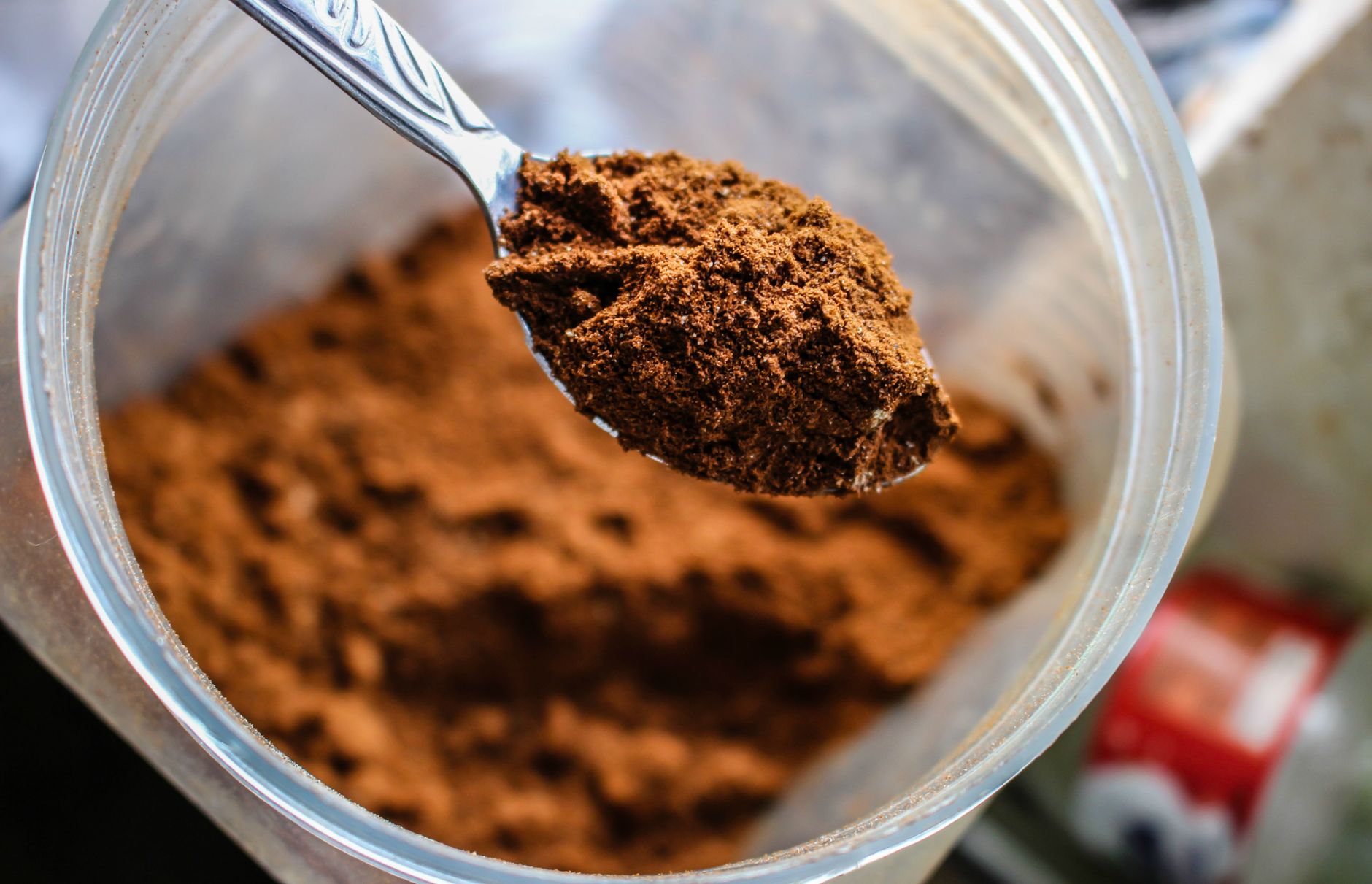
Cacao powder is the finely ground, non‑fat component of the cacao bean after the beans have been fermented, dried, roasted (or not, in the case of “raw” cacao), and pressed to remove most of the cocoa butter. The result is a dark, bitter powder that’s rich in flavonoids, minerals such as magnesium, iron, and copper, and two stimulant compounds: caffeine and theobromine. Because the fat is removed, cacao powder contains fewer calories than chocolate bars, making it a popular ingredient in smoothies, oatmeal, and baked goods.
People use cacao powder for its deep chocolate flavor, its antioxidant profile, and its mood‑boosting properties. The “raw” version is marketed as having higher levels of antioxidants because the beans are not roasted at high temperatures, though the scientific significance of this difference during pregnancy is still being studied. In everyday kitchens, cacao powder is interchangeable with processed cocoa powder in recipes, but the processing method can affect the final caffeine and theobromine content.
Is cacao powder safe during pregnancy?
Current guidance from major health organizations, including the American College of Obstetricians and Gynecologists (ACOG) and the United Kingdom’s National Health Service (NHS), treats cacao powder like other chocolate products: safe in moderation but with a ceiling on caffeine‑related compounds. The FDA does not list cacao powder as a harmful substance for pregnant people, but it does advise that pregnant women limit caffeine to no more than 200 mg per day (FDA 2023). ACOG echoes this limit, noting that caffeine intake above 200 mg may be linked to lower birth weight and increased miscarriage risk (ACOG 2022).
Cacao powder’s caffeine content is lower than that of coffee but higher than most herbal teas. One tablespoon of unsweetened cacao powder typically contains about 12 mg of caffeine and 300 mg of theobromine. Both compounds cross the placenta, but theobromine is less potent than caffeine. Studies on moderate chocolate consumption (≈ 30 g of chocolate per day) have not shown a clear increase in adverse pregnancy outcomes, and the same logic extends to cacao powder when kept within the recommended limits.
Common misconceptions include the belief that “raw” cacao is automatically unsafe because it’s unprocessed, or that any amount of chocolate is dangerous. The evidence does not support either claim. What matters most is the total stimulant load and the presence of added sugars or fats, which can affect gestational weight gain and blood sugar control. Therefore, the consensus is that cacao powder is safe when consumed in modest amounts and as part of a balanced diet.
Is cacao powder safe to consume in the first trimester?
During the first trimester, the embryo undergoes organogenesis, a period when teratogenic substances can cause birth defects. Caffeine and theobromine are not classified as teratogens, but high levels of caffeine (> 200 mg/day) have been associated with a slight increase in miscarriage risk. Because a tablespoon of cacao powder provides roughly 12 mg of caffeine, staying within the ≤ 1 tablespoon per day limit keeps total caffeine well below the risky threshold.
Most obstetric guidelines therefore consider cacao powder safe in the first trimester when you stick to the low‑dose recommendation. If you have a history of miscarriage or are particularly sensitive to caffeine, you might choose to limit intake even further or switch to a caffeine‑free alternative like carob powder.
How much cacao powder can a pregnant woman safely eat per day?
The safest daily amount is generally ≤ 1 tablespoon (≈ 5 g) during the first trimester and up to ≤ 2 tablespoons (≈ 10 g) during the second and third trimesters, provided that total caffeine from all sources stays under 200 mg. This translates to roughly 12–24 mg of caffeine and 600–1200 mg of theobromine per day from cacao powder alone. For reference, an 8‑oz cup of brewed coffee contains about 95 mg of caffeine, so even two tablespoons of cacao powder are far less than a single cup of coffee.
If you enjoy cacao powder in a smoothie or hot beverage, consider diluting it with milk alternatives and limiting added sugars. Keeping track of other caffeine sources—such as tea, soda, and certain medications—will help you stay within the safe range.
What are the risks of eating too much cacao powder during pregnancy?
Excessive consumption can lead to:
Elevated caffeine and theobromine levels, which may increase heart rate and cause insomnia.
Potentially higher risk of low birth weight if total caffeine consistently exceeds 200 mg per day (ACOG 2022).
Gastrointestinal discomfort, including acid reflux, especially in the third trimester when the uterus compresses the stomach.
Excessive calorie and sugar intake if the powder is mixed with sweetened beverages, contributing to gestational weight gain.
Most of these risks are dose‑dependent, meaning they become a concern only when you regularly exceed the recommended amounts. Occasional indulgence beyond the limits is unlikely to cause serious harm, but habitually high intake should be avoided.
Are there any cacao powder brands that are safer for pregnant women?
When choosing a brand, look for:
Pure, unsweetened cacao powder with no added sugars, artificial flavors, or excessive sodium.
Organic certification, which reduces exposure to pesticide residues (NHS 2021 recommends organic when possible).
Transparent sourcing and minimal processing—raw or lightly roasted varieties are fine, as long as they are free from contaminants.
Brands that consistently meet these criteria and are frequently recommended by nutritionists include Viva Organic Cacao Powder, Terrasoul Raw Cacao, and Navitas Cacao Powder. Always read the label for caffeine content and ensure the product is labeled “unsweetened” to avoid hidden sugars.
Can cacao powder cause complications for pregnant women with high blood pressure?
For women with hypertension, theobromine’s mild vasodilatory effect can be beneficial in small amounts, but caffeine can raise blood pressure temporarily. The NHS advises that pregnant people with chronic hypertension limit caffeine to 150 mg per day (NHS 2021). Because cacao powder contributes modest caffeine, staying within the ≤ 2 tablespoon limit usually keeps total caffeine below the threshold.
If your blood pressure is tightly controlled, you may wish to err on the side of caution and limit cacao powder to a single tablespoon per day, or choose a caffeine‑free alternative such as carob powder.
What are safe alternatives to cacao powder for pregnant cravings?
Carob powder – Naturally sweet, caffeine‑free, and rich in calcium.
Cinnamon – Adds warmth and depth without stimulants.
Vanilla extract – Provides a rich aroma and flavor without caffeine.
Unsweetened almond milk – Creamy base for chocolate‑style drinks, low in calories.
Fruit smoothies – Blend berries and banana for natural sweetness and antioxidants.
Ginger herbal tea – Soothes nausea and offers a spicy note.
Coconut water – Hydrating and naturally sweet, a good mixer for cocoa‑free drinks.
Turmeric golden milk – Anti‑inflammatory and caffeine‑free, with a warm flavor profile.
Is raw cacao powder different from processed cocoa powder for pregnancy safety?
Raw cacao powder is made from beans that are not roasted above 118 °F (48 °C), preserving slightly higher levels of antioxidants such as flavanols. Processed cocoa powder is roasted, which can reduce some antioxidants but also reduces potential pesticide residues, especially when the beans are sourced conventionally. From a safety standpoint, both types contain similar amounts of caffeine and theobromine, so the same intake limits apply.
The primary difference for pregnant women is the potential exposure to contaminants. Choosing an organic, certified‑free raw cacao powder can minimize this risk, but if you have any doubt, a lightly roasted, certified‑organic cocoa powder is equally safe.
Does caffeine in cacao powder affect pregnancy outcomes?
Caffeine crosses the placenta and can affect fetal heart rate. Most large‑scale studies have not found a strong link between moderate caffeine intake (< 200 mg/day) and major adverse outcomes, though a slight association with lower birth weight has been noted (ACOG 2022). Theobromine, the other stimulant in cacao, has a milder effect on the cardiovascular system and is not considered a risk factor on its own.
Therefore, as long as total caffeine—including that from cacao powder—stays under the recommended 200 mg daily limit, the impact on pregnancy outcomes is minimal. Pregnant people who are highly caffeine‑sensitive or have a history of preterm labor should discuss personalized limits with their provider.
Is cacao powder safe for pregnant women with gestational diabetes?
Gestational diabetes management focuses on controlling blood glucose spikes. Unsweetened cacao powder itself has a negligible glycemic impact, but many recipes add sugar, honey, or high‑glycemic milk alternatives. The key is to keep added sugars low and pair cacao powder with protein‑rich or fiber‑rich foods (like Greek yogurt or oat milk) to blunt glucose spikes.
Professional bodies such as the American Diabetes Association advise that pregnant women with gestational diabetes can include modest amounts of unsweetened cocoa or cacao powder as part of a balanced diet, provided they monitor blood sugar levels after consumption.
Mix a teaspoon of cacao powder with warm almond milk for a soothing, low‑caffeine treat.
Safety by trimester
First trimester (0‑13 weeks)
The first trimester is the most sensitive period for fetal organ development. As noted, caffeine intake above 200 mg per day may slightly raise miscarriage risk. Because a tablespoon of cacao powder provides only about 12 mg of caffeine, staying at or below one tablespoon keeps you comfortably within safe limits. Pair it with low‑caffeine foods and monitor any unusual heart palpitations or insomnia.
Second trimester (14‑27 weeks)
During the second trimester, the fetus grows rapidly, and maternal nutrient needs increase. Cacao powder’s magnesium and iron can be beneficial, but the caffeine limit still applies. Most clinicians allow up to two tablespoons per day, as long as total caffeine from all sources remains under 200 mg. If you’re experiencing heightened heart rate or sleep disturbances, reduce the amount or switch to a caffeine‑free alternative.
Third trimester (28‑40 weeks)
In the final trimester, comfort and sleep become priorities. Caffeine can interfere with sleep, and theobromine may cause mild restlessness. Keeping cacao powder to ≤ 2 tablespoons per day, preferably earlier in the day, helps avoid nighttime awakenings. Also, avoid adding excessive sugar, as gestational weight gain and blood sugar control become more critical.
Breastfeeding
While breastfeeding, caffeine can pass into breast milk and affect the infant’s sleep patterns. The same ≤ 200 mg daily caffeine ceiling is recommended by the CDC for nursing mothers. A modest amount of cacao powder (≤ 2 tablespoons) is safe, but observe your baby for signs of irritability after you consume it.
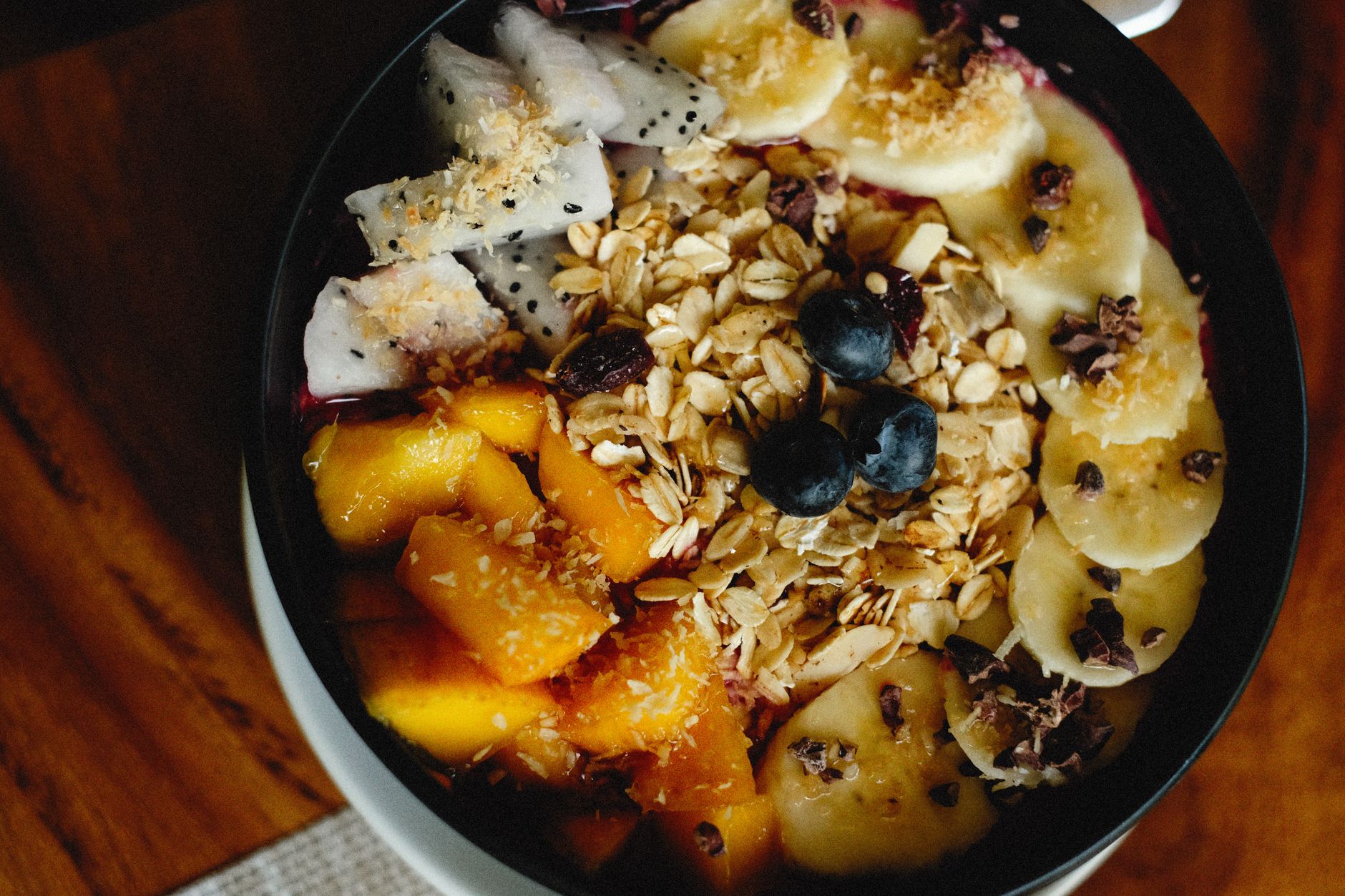
Blend cacao powder into a fruit smoothie for a nutrient‑dense, pregnancy‑friendly snack.
Safe dosage / amount / brands
Based on the caffeine limit of 200 mg per day, the following dosage chart helps you stay within safe boundaries:
Daily amount of cacao powder
Caffeine (mg)
Theobromine (mg)
Suggested use
1 tablespoon (≈ 5 g)
≈ 12
≈ 300
Morning smoothie or oatmeal topping.
2 tablespoons (≈ 10 g)
≈ 24
≈ 600
Mid‑day hot cocoa (preferably with low‑fat milk).
> 2 tablespoons
> 24
> 600
Not recommended; risk of exceeding caffeine limit.
When selecting a brand, prioritize those that are:
Organic and non‑GMO.
Unsweetened and free of added sugars.
Clearly labeled for caffeine content (most provide this information).
Popular reputable brands include Viva Organic Cacao Powder, Terrasoul Raw Cacao, and Navitas Cacao Powder. Avoid products that list “flavored” or “sweetened” cacao, as added sugars can affect gestational diabetes and weight gain.
Side effects and risks
Most side effects are mild and dose‑dependent:
Insomnia or restlessness: Caffeine can interfere with sleep, especially if consumed late in the day.
Heart palpitations: Theobromine can cause a slight increase in heart rate; monitor if you have a pre‑existing arrhythmia.
Acid reflux: Chocolate‑flavored foods can relax the lower esophageal sphincter, worsening reflux.
Elevated blood pressure: In caffeine‑sensitive individuals, even modest amounts may raise systolic pressure.
If you experience any of the following, contact your provider promptly: persistent rapid heartbeat (> 100 bpm at rest), severe headache, dizziness, or any sign of preterm labor (regular contractions, pelvic pressure).
Safer alternatives
Carob powder – Naturally sweet, caffeine‑free, and high in calcium.
Cinnamon – Adds a warm, spicy note without stimulants.
Vanilla extract – Provides rich flavor without caffeine.
Unsweetened almond milk – Creamy base for “cocoa‑like” drinks.
Fruit smoothies – Blend berries and banana for natural sweetness and antioxidants.
Ginger herbal tea – Soothes nausea and adds a zingy flavor.
Coconut water – Hydrating, naturally sweet, and electrolyte‑rich.
Turmeric golden milk – Anti‑inflammatory, caffeine‑free, with a warm flavor profile.
Related items — safety at a glance
Item
Verdict
Note
Cocoa powder
⚠️ Safe with limits
Similar caffeine content; follow same limits as cacao.
Dark chocolate
⚠️ Safe with limits
Higher fat and sugar; keep portion < 30 g.
Milk chocolate
⚠️ Safe with limits
More sugar; limit to < 20 g daily.
Cocoa nibs
⚠️ Safe with limits
Higher fiber; same caffeine considerations.
Cacao nibs
⚠️ Safe with limits
Raw version; watch for pesticide residues.
Cocoa butter
✅ Generally safe
Fat only; no caffeine or theobromine.
Hot chocolate mix
⚠️ Safe with limits
Often contains added sugars and non‑dairy creamer.
Cocoa drinks
⚠️ Safe with limits
Check label for added sugars and caffeine.
Myth vs. fact
Myth: “Raw cacao is unsafe because it isn’t roasted.” Fact: Raw cacao is safe as long as it’s organic and free from contaminants; the caffeine and theobromine content are similar to roasted cocoa.
Myth: “Any chocolate will cause miscarriage.” Fact: Moderate chocolate or cacao powder intake (< 200 mg caffeine total) has not been shown to increase miscarriage risk in reputable studies.
Myth: “Cacao powder is a high‑caffeine energy booster.” Fact: One tablespoon of cacao powder contains about 12 mg of caffeine—far less than a cup of coffee.
Key takeaways
✅ Cacao powder is generally safe during pregnancy when limited to ≤ 1 tbsp in the first trimester and ≤ 2 tbsp later.
⚖️ Keep total caffeine from all sources under 200 mg per day (ACOG, FDA).
🛑 Avoid sweetened or flavored cacao products that add excess sugar or calories.
👶 If you have hypertension or gestational diabetes, monitor caffeine and sugar intake carefully.
🌱 Consider caffeine‑free alternatives like carob powder or cinnamon for cravings.
📞 Contact your provider if you notice persistent rapid heartbeat, severe headaches, or signs of preterm labor.
Frequently asked questions
Can I eat chocolate while pregnant?
Yes—you can enjoy chocolate, including products made with cacao powder, as long as you stay within the recommended caffeine limit of 200 mg per day and keep added sugars moderate.
How much caffeine is safe during pregnancy?
Health authorities such as ACOG and the FDA advise limiting caffeine to no more than 200 mg per day, which is roughly the amount in two 8‑oz cups of coffee or about 2 tablespoons of cacao powder.
Does raw cacao have more nutrients than processed cocoa?
Raw cacao may retain slightly higher levels of certain antioxidants, but the differences are modest, and both types contain similar caffeine and theobromine amounts, so safety guidelines apply equally.
Is cacao powder safe for pregnant women with gestational diabetes?
Unsweetened cacao powder itself is low‑glycemic, but you should avoid adding sugar or high‑glycemic mixers; pairing it with protein‑rich or fiber‑rich foods helps keep blood sugar stable.
What are the side effects of cacao powder during pregnancy?
Typical side effects at high doses include insomnia, heart palpitations, acid reflux, and mild blood‑pressure increases; these are usually dose‑dependent and resolve when intake is reduced.
Can cacao powder cause miscarriage?
Current evidence does not link moderate cacao powder consumption (keeping caffeine under 200 mg per day) with miscarriage; excessive caffeine intake, however, may slightly raise risk.
Is carob powder a good substitute for cacao in pregnancy?
Yes—carob powder is caffeine‑free, naturally sweet, and rich in calcium, making it a safe and pregnancy‑friendly alternative to cacao.
Are there any pregnancy‑safe chocolate brands?
Brands that offer organic, unsweetened cacao or cocoa powder without added sugars—such as Viva Organic, Terrasoul Raw Cacao, and Navitas—are considered safe when used within the recommended limits.
When to call your doctor
Seek medical attention if you experience any of the following after consuming cacao powder:
Persistent rapid heart rate (> 100 bpm at rest) or palpitations.
Severe or worsening headache that does not respond to typical remedies.
Signs of preterm labor, such as regular contractions, pelvic pressure, or vaginal bleeding.
Sudden spikes in blood pressure if you have a history of hypertension.
Unexplained dizziness or fainting.
These guidelines are informational only and do not replace personalized medical advice. Always discuss your diet and any concerns with your obstetric provider.
References
American College of Obstetricians and Gynecologists (ACOG). “Committee Opinion No. 804: Moderate caffeine consumption during pregnancy.” 2022.
U.S. Food and Drug Administration (FDA). “Caffeine and Pregnancy.” 2023.
National Health Service (NHS). “Caffeine in pregnancy.” Updated 2021.
Centers for Disease Control and Prevention (CDC). “Caffeine and Pregnancy Guidelines.” 2022.
American Diabetes Association. “Gestational Diabetes Management.” 2023.
World Health Organization (WHO). “Nutrition for pregnant women.” 2020.
Not sure about the label on Is Cacao Powder Safe During Pregnancy products?
Snap the ingredients list and SafeFilter checks every ingredient for your stage — only 3 free scans this month, then you're locked until reset. Unlimited from $7/mo or lock $50/yr through Aug 31 (16 days left).
When Shubhra Mishra was expecting her first child in 2016, she was overwhelmed by conflicting food advice — one site said yes, another said never. By the time her second baby arrived in 2019, she realized millions of mothers face the same confusion.
That sparked a five-year journey through clinical nutrition papers, cultural diets, and expert conversations — all leading to BumpBites: a calm, compassionate space where science meets everyday motherhood.
Her long-term vision is to build a global community ensuring safe, supported, and free deliveriesfor every mother — because no woman should face pregnancy alone or uninformed. 🌿
🌍 Stand with mothers, shape safer guidance
Join a small circle of experts who review BumpBites articles so expecting parents everywhere can decide with confidence.