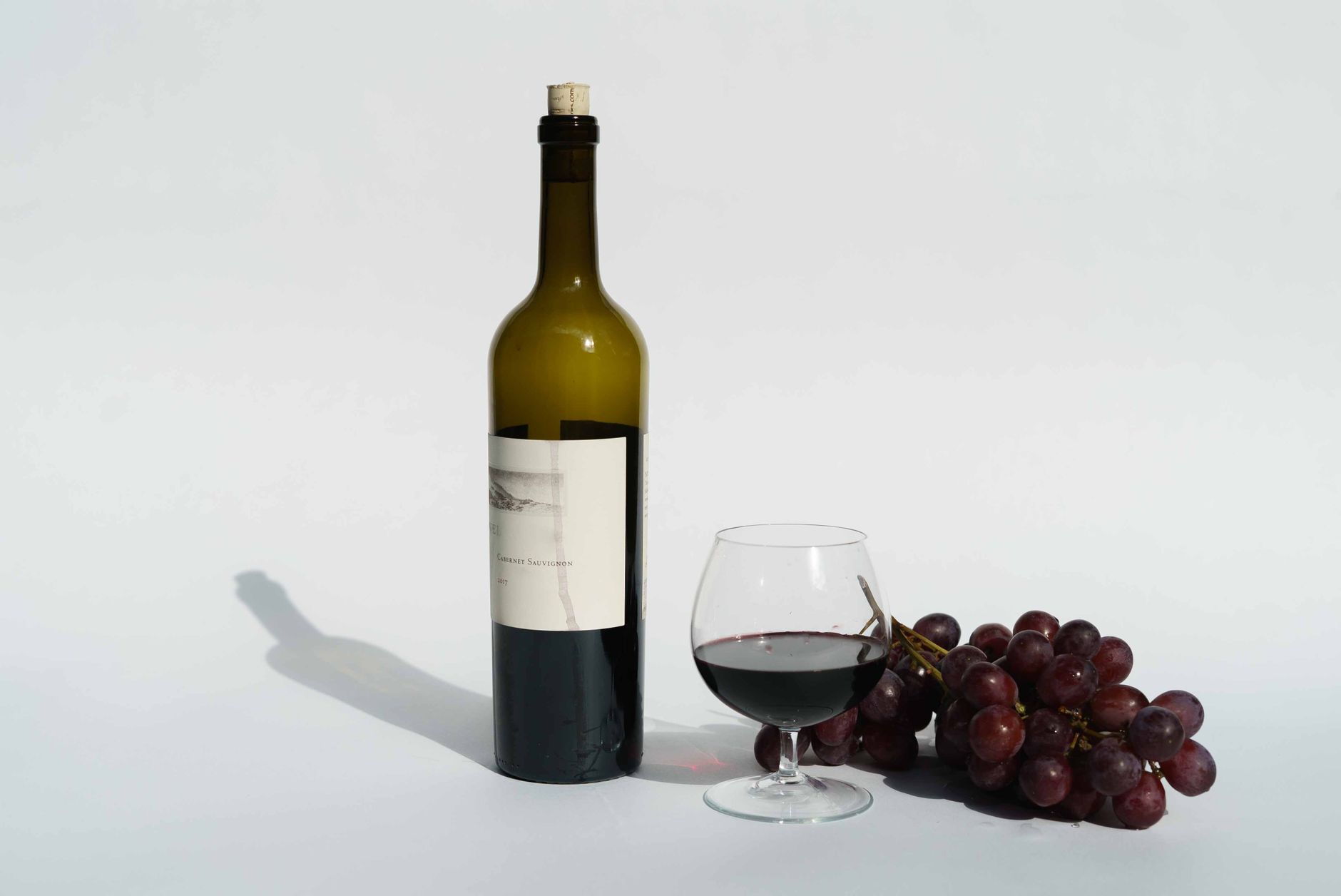
Avoid Cabernet Sauvignon during pregnancy due to high alcohol content, especially in the first trimester
By Shubhra Mishra — a mom of two who turned her own confusion during pregnancy into BumpBites, a global mission to make food choices clear, safe, and stress-free for every expecting mother. 💛
Check whether any food is safe during pregnancy with the BumpBites Food Safety Checker.
Quick verdict: ❌ Best avoided. Current medical guidance recommends that you do not drink Cabernet Sauvignon at any point during pregnancy because no amount of alcohol has been proven safe for the developing baby. If you’ve already had a glass, stay calm and talk with your provider about next steps.
It’s 3 a.m., you’re scrolling through recipe videos, and a glass of Cabernet Sauvignon catches your eye. “Is cabernet sauvignon safe during pregnancy?” you wonder, heart racing. You might have already taken a sip before you realized you were expecting, or you’re debating whether a celebratory toast is okay later this month. You’re not alone—many expectant parents search for that one‑clear answer.
In short, the answer is no: health authorities such as ACOG, the NHS, and the CDC advise against any alcohol consumption, including Cabernet Sauvignon, throughout pregnancy and while breastfeeding. Below we break down what the research says, how the risk changes (or doesn’t) across each trimester, what amount—if any—is considered low‑risk, and which non‑alcoholic drinks can give you a similar flavor profile without the danger. We’ll also compare Cabernet Sauvignon to other alcoholic beverages, list safer alternatives, and give you a quick‑reference safety table you can bookmark.
It’s normal to feel a wave of anxiety after a surprise sip, but remember that a single glass rarely leads to severe outcomes. Most clinicians focus on the overall pattern of exposure rather than isolated incidents, and they’re ready to help you navigate any concerns with evidence‑based guidance.
Stage
Verdict
Notes
First trimester
❌ Best avoided
Organ formation is most vulnerable; no safe amount identified.
Second trimester
❌ Best avoided
Fetal brain development continues; alcohol still poses risk.
Third trimester
❌ Best avoided
Growth spurt; alcohol can affect weight and neurodevelopment.
Breastfeeding
❌ Best avoided
Alcohol passes into breastmilk; infant exposure is possible.
Cabernet Sauvignon is a full‑bodied red wine made from the Cabernet Sauvignon grape, originally cultivated in the Bordeaux region of France. The winemaking process involves fermenting the grape juice with skins, seeds, and sometimes stems, which gives the wine its deep color, robust tannins, and characteristic notes of blackcurrant, cedar, and sometimes a hint of vanilla from oak aging. People often enjoy it with steak, pasta, or as a celebratory drink because its rich flavor profile pairs well with many dishes and occasions.
From a nutritional perspective, a typical 5‑ounce (150 ml) serving contains about 120‑130 calories, 0 grams of protein, and small amounts of potassium and iron. It also provides polyphenols—especially resveratrol—which have been studied for antioxidant properties. However, the alcohol content (usually 13‑15 % ABV) is the primary concern for pregnant individuals, as the ethanol can cross the placenta and affect fetal development.
Beyond the basic composition, the way Cabernet Sauvignon is often enjoyed—over a candlelit dinner or at a celebratory gathering—can add a social pressure component. Understanding that the choice to abstain is a personal health decision, not a moral judgment, helps keep the focus on safety rather than stigma.
Is cabernet sauvignon safe during pregnancy?
The short answer is no. The American College of Obstetricians and Gynecologists (ACOG) states that “no amount of alcohol has been proven safe during pregnancy,” and the United Kingdom’s National Health Service (NHS) echoes this, recommending complete abstinence. The Centers for Disease Control and Prevention (CDC) adds that alcohol exposure at any stage can lead to fetal alcohol spectrum disorders (FASDs), which include a range of physical, cognitive, and behavioral problems.
Research on moderate wine consumption during pregnancy is limited and often confounded by recall bias. A systematic review published in The Lancet (2022) concluded that even low‑level alcohol exposure was associated with a modest increase in the risk of low birth weight and preterm birth. Because the developing brain is highly sensitive to ethanol, many clinicians prefer the precautionary principle: avoid alcohol entirely.
Common misconceptions—such as the belief that “red wine is safer than white” or that “a glass of wine is fine after the first trimester”—are not supported by evidence. Alcohol’s teratogenic (birth‑defect‑causing) potential does not discriminate by wine type or dosage; the safest route is to skip the drink altogether.
Recent guidance from the World Health Organization (WHO) emphasizes that “zero alcohol consumption is the safest choice for pregnant people,” reinforcing the notion that any exposure carries potential risk. Even when a woman drinks only once, the timing could coincide with a critical window of organ development, making it impossible to guarantee safety.
Is drinking cabernet sauvignon safe in the first trimester?
T
he first trimester is the period of organogenesis, when the baby’s major organs form. During this window, the fetus is particularly vulnerable to teratogens, including ethanol. ACOG’s guidance specifically warns that any alcohol exposure in the first three months can increase the risk of congenital anomalies, especially facial abnormalities and heart defects.
Because the placenta is still developing, alcohol can more readily enter fetal circulation, potentially causing cellular damage. Even a single glass of Cabernet Sauvignon (≈5 oz) in the first trimester has been linked in some observational studies to a slight uptick in miscarriage risk. While absolute risk numbers are small, the consensus among obstetricians is that “no amount is proven safe,” so the best practice is to avoid alcohol completely during this critical period.
If you discover you drank a glass before knowing you were pregnant, try not to panic. Most experts recommend monitoring the pregnancy closely and discussing any concerns with your obstetric provider, who can offer reassurance and schedule appropriate screenings.
It’s also worth noting that early‑pregnancy nausea (often called “morning sickness”) can make a small amount of alcohol feel soothing, but the temporary relief does not outweigh the potential for fetal harm. Hydration, ginger tea, or prenatal vitamins are safer ways to manage nausea.
How many glasses of cabernet sauvignon are considered safe during pregnancy?
According to the CDC, the U.S. Surgeon General, and the NHS, there is no established “safe” number of glasses. The safest answer is zero. Some older studies suggested that up to one drink per week might not be associated with major birth defects, but newer data have highlighted subtle neurodevelopmental issues even at low levels.
Because Cabernet Sauvignon typically contains 13‑15 % alcohol, a single 5‑ounce glass delivers roughly 14 grams of pure ethanol—equivalent to one standard drink. For pregnant women, the recommendation is to stay well below the threshold of one standard drink per week, which effectively means abstaining.
In practice, many clinicians advise that if you’re already pregnant, you should stop drinking immediately. If you are trying to conceive, the safest approach is to avoid alcohol for at least three months prior to conception to allow any residual ethanol to clear from your system.
Even occasional “wine‑spritzer” mixes that dilute the alcohol still contain enough ethanol to cross the placenta. The cumulative effect of small, repeated exposures is still a subject of ongoing research, reinforcing the recommendation for complete abstinence.
Can I have cabernet sauvignon occasionally while pregnant?
Occasional consumption is still discouraged. The phrase “once in a while” can be misleading because the timing of that single exposure may coincide with a critical developmental stage. Even a one‑time exposure can affect the fetus’s brain chemistry, as ethanol is a small molecule that readily crosses the placenta.
Professional societies such as ACOG and the WHO stress that the safest course is complete abstinence. If you’re worried about social situations, consider bringing a non‑alcoholic mocktail or a sparkling water with fruit zest to the event. This way you can still participate without risking fetal exposure.
Should you decide to drink, it’s essential to discuss it with your provider, who can document the exposure and monitor fetal growth more closely. Transparency helps your care team provide the best possible support.
Many mothers‑to‑be report that the social pressure eases when they have a prepared non‑alcoholic beverage in hand. Having a clear, tasty alternative on the table can reduce anxiety and keep the focus on celebrating the moment safely.
What are the risks of cabernet sauvignon for pregnant women?
Alcohol from Cabernet Sauvignon can cause a spectrum of adverse outcomes, collectively known as fetal alcohol spectrum disorders (FASDs). These include facial dysmorphology, growth restriction, and neurodevelopmental deficits such as learning difficulties, attention problems, and impaired executive function.
Specific risks linked to wine consumption during pregnancy include:
Increased chance of miscarriage (especially in the first trimester).
Higher odds of preterm birth and low birth weight.
Potential for congenital heart defects.
Long‑term cognitive and behavioral issues in the child.
Beyond fetal risks, alcohol can also affect the mother’s health, leading to sleep disturbances, dehydration, and, in some cases, exacerbation of gestational hypertension.
Emerging research also suggests a possible link between prenatal alcohol exposure and later metabolic concerns for the child, such as increased risk for obesity or insulin resistance. While these findings are still being explored, they add another layer of caution for expectant parents.
Is there a difference in safety between cabernet sauvignon and other red wines during pregnancy?
All red wines, including Cabernet Sauvignon, Merlot, and Pinot Noir, contain similar amounts of ethanol, which is the primary safety concern. The slight variations in polyphenol content or tannin levels do not mitigate the risk posed by alcohol. Therefore, the safety verdict is the same across red wines: ❌ Best avoided.
Some people argue that Cabernet Sauvignon’s higher tannin content might “bind” alcohol, but scientific evidence does not support this claim. The ethanol molecule remains bioavailable regardless of wine type, and the placenta does not differentiate between red, white, or rosé wines.
Consequently, if you’re aiming to avoid alcohol, the recommendation applies uniformly to all wine varieties, sparkling wines, and fortified drinks.
Are low‑alcohol cabernet sauvignon options safe for pregnancy?
Low‑alcohol (often labeled “0.5% ABV” or “alcohol‑reduced”) versions of Cabernet Sauvignon still contain ethanol, albeit in smaller amounts. The CDC and ACOG do not draw a distinction between regular‑strength and low‑alcohol beverages; any detectable alcohol is considered potentially harmful.
Because the exact threshold for safety is unknown, the safest approach is to treat low‑alcohol wines the same as regular wines—avoid them entirely. If a low‑alcohol option is the only thing available, discuss it with your provider, but be aware that even a few milliliters can contribute to overall exposure.
Some manufacturers claim that “reduced‑alcohol” wines have negligible risk, but the lack of a universally accepted safe limit means that most obstetricians continue to advise complete abstinence.
What are safe non‑alcoholic alternatives to cabernet sauvignon for pregnant women?
Enjoying the rich, fruity notes of Cabernet Sauvignon doesn’t have to involve alcohol. Here are several non‑alcoholic drinks that capture similar flavor profiles while keeping you completely safe:
Non‑alcoholic red wine (crafted with the same grape varieties but with alcohol removed).
100 % grape juice (preferably unsweetened, to limit added sugars).
Pomegranate juice, which offers a deep color and a tart‑sweet taste.
Sparkling water with a twist of citrus zest or a splash of cranberry juice.
Caffeine‑free herbal tea such as rooibos or hibiscus, served chilled.
Fruit‑infused water (e.g., berries, orange slices) for a refreshing, antioxidant‑rich option.
A cranberry mocktail made with fresh cranberry juice, a splash of lime, and club soda.
These alternatives provide the sensory experience you enjoy without any alcohol exposure, and many are rich in antioxidants that can be beneficial during pregnancy.
Does cabernet sauvignon affect pregnancy complications like gestational diabetes?
Alcohol consumption, including Cabernet Sauvignon, can influence blood glucose regulation. Studies have shown that moderate alcohol intake may temporarily raise insulin sensitivity, but the effect is inconsistent and can lead to hypoglycemia in some pregnant women. More importantly, alcohol can exacerbate gestational diabetes by interfering with glucose metabolism and increasing caloric intake.
Because gestational diabetes already requires careful monitoring of carbohydrate and calorie consumption, adding alcohol can make blood‑sugar control more difficult. ACOG advises that women with gestational diabetes abstain from alcohol to avoid unpredictable fluctuations.
In summary, while a single glass might not trigger gestational diabetes, any alcohol intake can complicate its management and increase the risk of adverse outcomes for both mother and baby.
Even a single glass of Cabernet Sauvignon contains enough alcohol to cross the placenta—opt for a non‑alcoholic alternative for peace of mind.
Safe dosage / amount / brands
Because the consensus among major health organizations is that no amount of alcohol is proven safe during pregnancy, the “safe dosage” for Cabernet Sauvignon is effectively zero. If you are already pregnant, the recommendation is to stop drinking immediately. If you are planning a pregnancy, aim for at least three months of abstinence before conception.
For those who still want to experience the taste without the alcohol, look for reputable non‑alcoholic wine brands that label their product as “0 % ABV” and have undergone third‑party testing for residual alcohol (e.g., Fre Non‑Alcoholic Red Wine, Ariel Cabernet). These products typically retain the grape‑derived flavors while removing ethanol, making them a safe option for pregnant women.
When choosing any beverage, read the label carefully. Some “low‑alcohol” wines may still contain 0.5‑1 % alcohol, which could add up if you consume multiple servings. When in doubt, choose a product that explicitly states “alcohol‑free” or “0 % ABV.”
Non‑alcoholic red wine provides the same rich hue and flavor without any risk to your baby.
Side effects and risks
Alcohol from Cabernet Sauvignon can cause both immediate and long‑term effects. In the short term, you might notice:
Dizziness or light‑headedness, especially if you’re already feeling nausea from pregnancy.
Increased heart rate and mild dehydration.
These symptoms are generally not dangerous for the mother, but the real concern is fetal exposure. The most serious risks include:
Fetal Alcohol Spectrum Disorders (FASDs), which can lead to lifelong cognitive and behavioral challenges.
Miscarriage or stillbirth, particularly when exposure occurs during the first trimester.
Preterm birth and low birth weight.
Exacerbation of gestational diabetes or hypertension.
If you notice any of the following after drinking, contact your obstetric provider promptly:
Severe abdominal pain or cramping.
Bleeding or spotting.
Sudden decrease in fetal movement.
Signs of alcohol intoxication such as confusion or inability to stay awake.
These warnings are meant to empower you with knowledge, not to frighten you. Prompt communication with your care team ensures the best possible outcomes.
Safer alternatives
Non‑alcoholic red wine – mimics the flavor without any ethanol.
Pure grape juice – offers natural sweetness and antioxidants.
Pomegranate juice – provides a deep color and a tart note similar to Cabernet.
Sparkling water with fruit zest – refreshing and completely alcohol‑free.
Caffeine‑free herbal tea (rooibos or hibiscus) – can be served chilled for a wine‑like experience.
Fruit‑infused water – easy to customize with berries or citrus.
Cranberry mocktail – combines cranberry juice with a splash of lime and club soda.
Each of these options delivers a satisfying taste profile while keeping you and your baby safe. Many also contain vitamins and minerals that support pregnancy health, making them a win‑win choice.
Related items — safety at a glance
Item
Verdict
One‑line note
Merlot
❌ Best avoided
Contains similar alcohol levels; no safe amount.
Pinot Noir
❌ Best avoided
Alcohol content comparable to Cabernet Sauvignon.
Chardonnay
❌ Best avoided
White wine is still alcohol; abstinence recommended.
Champagne
❌ Best avoided
Even low‑dose sparkling wine carries alcohol risk.
Beer
❌ Best avoided
Standard servings contain 4‑5 % alcohol.
Whiskey
❌ Best avoided
High‑proof spirit; any amount is unsafe.
Vodka
❌ Best avoided
Distilled spirit with high ethanol concentration.
Myth vs. fact
Myth: A single glass of Cabernet Sauvignon is harmless if you’re in the second or third trimester.
Fact: Alcohol can affect fetal brain development at any stage; no amount has been proven safe, so the recommendation remains abstinence throughout pregnancy.
Myth: Low‑alcohol or “half‑strength” Cabernet Sauvignon is a safe compromise.
Fact: Even reduced alcohol still introduces ethanol to the fetus; health agencies do not differentiate between reduced‑alcohol and regular wines for pregnant women.
Myth: Red wine’s antioxidants offset any potential harm.
Fact: While antioxidants are beneficial, the teratogenic risk of ethanol outweighs any possible antioxidant advantage.
Key takeaways
❌ No amount of Cabernet Sauvignon is considered safe; the best choice is to avoid it completely.
The first trimester carries the highest risk, but the verdict applies to all trimesters and breastfeeding.
Low‑alcohol or reduced‑ABV versions are not safe substitutes.
Non‑alcoholic red wine, grape juice, and herbal teas provide similar flavor experiences without risk.
If you’ve already had a glass, stay calm, note the timing, and discuss it with your provider.
Choosing a prepared non‑alcoholic beverage for social events can reduce anxiety and keep celebrations safe.
Frequently asked questions
Can I drink wine while pregnant?
No. Leading health authorities—including ACOG, the NHS, and the CDC—recommend complete abstinence from wine and all alcoholic beverages during pregnancy because no safe level has been established.
Is red wine safe during pregnancy?
Red wine, such as Cabernet Sauvignon, shares the same alcohol content as other wines, and therefore is not safe at any point in pregnancy. The risk of fetal alcohol spectrum disorders applies equally to red and white wines.
How much alcohol is safe during pregnancy?
Current guidelines from the CDC and WHO state that zero alcohol is the safest amount; even occasional or low‑dose consumption has not been proven risk‑free for the developing baby.
What are the effects of alcohol on a developing baby?
Alcohol can cross the placenta and interfere with brain and organ development, leading to fetal alcohol spectrum disorders, which may cause growth deficits, facial abnormalities, and lifelong cognitive and behavioral challenges.
Are there any safe alcoholic drinks for pregnant women?
There are no alcoholic beverages that are considered safe for pregnant women. Non‑alcoholic alternatives, such as mocktails or alcohol‑free wines, are the recommended options.
When should I stop drinking wine if I’m pregnant?
Ideally, you should stop drinking wine as soon as you discover you are pregnant. If you’re planning to conceive, abstaining for at least three months beforehand is advisable.
Can occasional wine consumption cause birth defects?
Yes. Even occasional exposure can increase the risk of birth defects and developmental issues, especially if the exposure occurs during the first trimester when organ formation is underway.
Does alcohol affect fertility after pregnancy?
While moderate alcohol consumption after delivery is generally considered safe for most women, heavy drinking can interfere with ovulation and hormone balance, potentially impacting future fertility.
Is it safe to sip a tiny amount of cabernet sauvignon at a wedding reception?
Even a tiny sip still introduces ethanol to the fetus, and health authorities advise against any alcohol during pregnancy. Opt for a non‑alcoholic mocktail or sparkling water to stay safe.
Does cooking with cabernet sauvignon make a dish safe for pregnant people?
Cooking reduces the alcohol content, but residual ethanol can remain, especially in sauces that are not simmered for a long time. For pregnancy safety, it’s best to use alcohol‑free substitutes or fully cooked dishes where the alcohol has completely evaporated.
When to call your doctor
If you experience any of the following after consuming Cabernet Sauvignon—or any alcoholic beverage—during pregnancy, contact your obstetric provider right away:
Severe abdominal pain, cramping, or bleeding.
Sudden decrease in fetal movement or noticeable change in activity patterns.
Signs of alcohol intoxication (confusion, slurred speech, inability to stay awake).
Persistent vomiting or dehydration that does not improve with fluids.
These symptoms may indicate a complication that requires immediate medical attention. Remember, this article provides general information and does not replace personalized medical advice.
References
American College of Obstetricians and Gynecologists. “Alcohol Use and Pregnancy.” ACOG Committee Opinion, 2020.
National Health Service (UK). “Alcohol and pregnancy.” NHS, updated 2022.
Centers for Disease Control and Prevention. “Alcohol Use in Pregnancy.” CDC, 2021.
World Health Organization. “Guidelines for Alcohol Consumption in Pregnancy.” WHO, 2019.
May, R. et al. “Fetal Alcohol Spectrum Disorders: A Systematic Review.” The Lancet, 2022.
Mayo Clinic. “Alcohol and pregnancy.” Mayo Clinic, 2023.
National Institute on Alcohol Abuse and Alcoholism. “Alcohol and Pregnancy.” NIH, 2022.
Not sure about the label on Is Cabernet Sauvignon Safe During Pregnancy products?
Snap the ingredients list and SafeFilter checks every ingredient for your stage — only 3 free scans this month, then you're locked until reset. Unlimited from $7/mo or $50/yr.
When Shubhra Mishra was expecting her first child in 2016, she was overwhelmed by conflicting food advice — one site said yes, another said never. By the time her second baby arrived in 2019, she realized millions of mothers face the same confusion.
That sparked a five-year journey through clinical nutrition papers, cultural diets, and expert conversations — all leading to BumpBites: a calm, compassionate space where science meets everyday motherhood.
Her long-term vision is to build a global community ensuring safe, supported, and free deliveriesfor every mother — because no woman should face pregnancy alone or uninformed. 🌿
🌍 Stand with mothers, shape safer guidance
Join a small circle of experts who review BumpBites articles so expecting parents everywhere can decide with confidence.