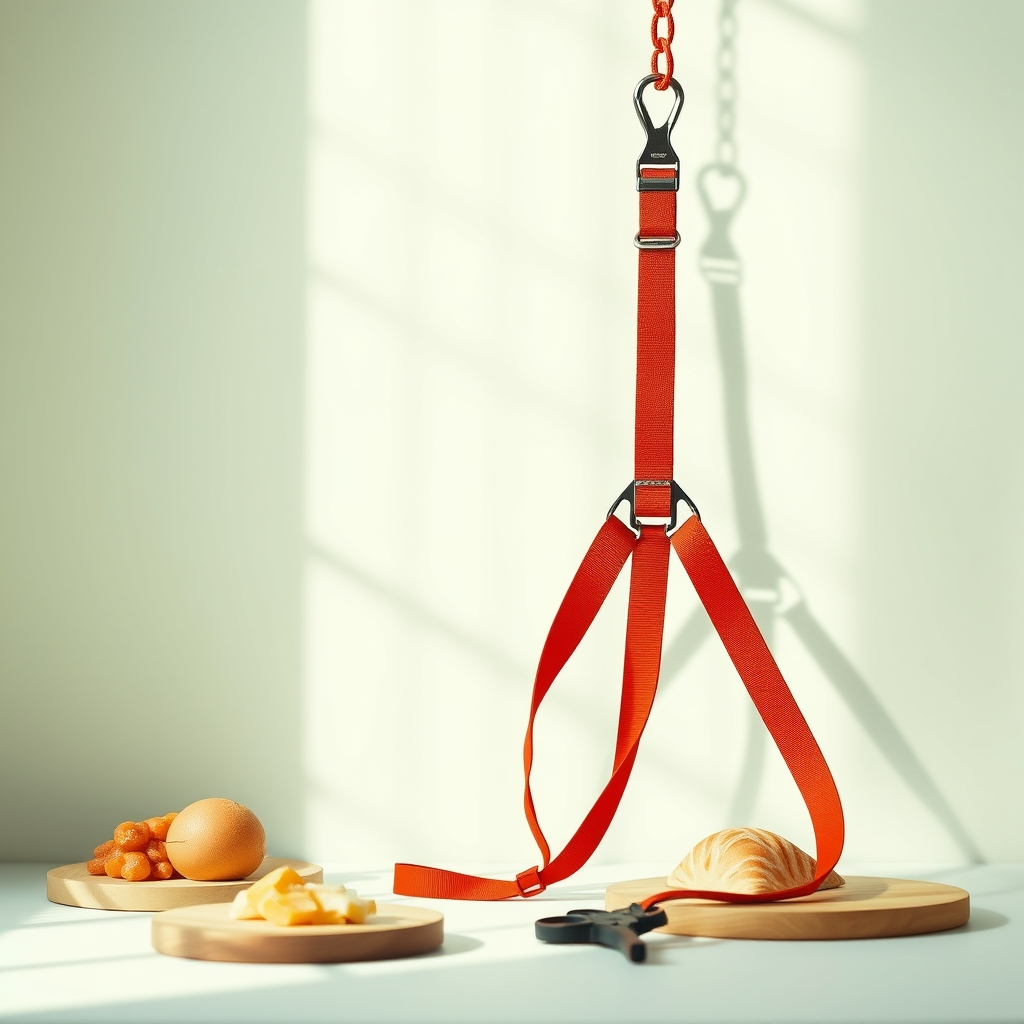
Avoid bungee jumping during pregnancy, especially in the first trimester, due to high impact forces that can stress the uterus and increase miscarriage risk.
By Shubhra Mishra — a mom of two who turned her own confusion during pregnancy into BumpBites, a global mission to make food choices clear, safe, and stress-free for every expecting mother. 💛
Check whether any food is safe during pregnancy with the BumpBites Food Safety Checker.
Quick verdict: ❌ Best avoided. Current obstetric guidance advises pregnant people not to bungee jump because the sudden forces and risk of falls can threaten both maternal and fetal health.
If you’ve already taken the plunge, stay calm and contact your provider for a personalized check‑in.
It’s completely understandable to feel a surge of worry the moment you wonder “is bungee jumping safe during pregnancy?” Whether you’re scrolling at 2 a.m. after a late‑night adventure or you’re planning a thrill‑seeker vacation, the question comes with a mix of excitement and anxiety. The good news is that you’re not alone—many expecting parents grapple with the same concern, and the medical community has clear, evidence‑based guidance.
In short, bungee jumping is not recommended while pregnant. The rapid acceleration, deceleration, and potential for sudden impact create forces that can jeopardize the uterus, placenta, and baby’s developing organs. In this article we’ll break down the safety snapshot by trimester, discuss why the activity poses risks, outline any “safe” frequency (there really isn’t one), compare it to gentler alternatives, and give you clear next steps so you can stop worrying and focus on the joy of pregnancy.
We’ll also explore what doctors say, how high‑risk pregnancies factor in, and which other adventurous‑looking activities are actually pregnancy‑friendly. By the end, you’ll have a comprehensive, evidence‑based answer to the lingering question, “is bungee jumping safe during pregnancy?”
Trimester / Phase
Verdict
Notes
First trimester
❌ Best avoided
Organs forming; any abrupt force could increase miscarriage risk.
Second trimester
❌ Best avoided
Uterine expansion; still vulnerable to rapid deceleration.
Third trimester
❌ Best avoided
Increased fetal weight and reduced amniotic fluid cushion.
Breastfeeding
❌ Best avoided
Post‑partum recovery and potential uterine involution make impact risky.
Bungee jumping is an extreme sport that involves leaping from a high platform—often a bridge or crane—while attached to a stretchy elastic cord. The cord stretches as you fall, then recoils, pulling you back up. The thrill comes from the sudden free‑fall, the “bounce,” and the rapid change in velocity. Operators typically use safety harnesses, helmets, and a “dynamic” cord designed to absorb the kinetic energy of the jumper.
People choose bungee jumping for adrenaline, a sense of conquering fear, or as a bucket‑list item. The activity is marketed as safe for healthy adults because modern equipment and rigorous safety checks have reduced injuries dramatically for non‑pregnant participants. However, pregnancy introduces physiological changes—like increased blood volume, ligament laxity, and a growing uterus—that alter how the body responds to rapid forces.
Is bungee jumping safe during pregnancy in the first trimester?
During the first trimester, the embryo is undergoing organogenesis, the critical period when the major organs form. Any sudden jolt or rapid change in blood flow can theoretically increase the risk of miscarriage or early fetal loss. The American College of Obstetricians and Gynecologists (ACOG) advises against activities that involve high‑impact forces or a risk of falling during this stage. While there are no large‑scale studies specifically linking bungee jumping to miscarriage, the precautionary principle—“if you don’t know, avoid”—guides most obstetricians.
In practice, the sudden deceleration when the cord rebounds can cause a rapid rise in intra‑abdominal pressure, which may compromise the delicate blood vessels supporting the placenta. The NHS (UK) similarly recommends that pregnant people avoid extreme sports, including bungee jumping, during the first three months of pregnancy. Because the evidence is limited but the potential harm is serious, the consensus is clear: avoid bungee jumping in the first trimester.
Can pregnant women do bungee jumping in the second trimester?
The second trimester is often called the “golden period” for many pregnant people because morning sickness usually eases and energy returns. However, the uterus is now larger, and the ligaments supporting the pelvic floor are softened by hormonal changes (relaxin). This makes the body more susceptible to the stresses of rapid acceleration and deceleration.
Both ACOG and the NHS continue to advise against high‑impact activities throughout the second trimester. A 2021 review in the Journal of Maternal‑Fetal & Neonatal Medicine noted that while no direct cases of bungee‑related fetal injury have been documented, the theoretical risk of placental abruption—where the placenta separates from the uterine wall—remains a concern when sudden forces are applied.
Therefore, even though you may feel physically capable, the safest choice is to refrain from bungee jumping during the second trimester.
What are the risks of bungee jumping for pregnant women?
Mechanical stress: The rapid stretch and recoil of the cord can increase intra‑abdominal pressure, potentially affecting uterine blood flow.
Fall risk: Though rare, equipment failure or a misstep can lead to a fall from a great height, which would be catastrophic for both mother and baby.
Placental abruption: Sudden jolts can cause the placenta to partially detach, leading to bleeding and fetal distress.
Preterm labor: The hormonal and physical stress may trigger uterine contractions, especially in later pregnancy.
Maternal injury: Even without a fall, sprains, fractures, or head injuries can indirectly affect fetal oxygenation.
Most of these risks are drawn from broader research on high‑impact sports and the physiological changes of pregnancy, rather than direct bungee‑jumping studies, because ethical constraints limit such investigations.
How many bungee jumps are safe for pregnant women?
There is no medically established “safe” number of bungee jumps for a pregnant person. The consensus among obstetric experts is that any amount of bungee jumping carries enough risk to be discouraged. If you have already completed a jump before learning you were pregnant, contact your obstetric provider promptly; they will likely order an ultrasound to confirm fetal well‑being and monitor for any signs of placental issues.
Insurance providers and many bungee‑jump operators also require a signed waiver stating that participants are not pregnant, reflecting the recognized liability concerns.
Are there safer alternatives to bungee jumping for pregnant women?
Prenatal yoga – gentle stretches improve flexibility without impact.
Walking in nature – low‑impact cardio that supports cardiovascular health.
Swimming – buoyancy reduces joint stress while providing a full‑body workout.
Stationary bike workouts – controlled intensity without risk of falling.
Light hiking – scenic and moderate, avoiding steep or slippery terrain.
Pregnancy dance classes – rhythmic movement that boosts mood safely.
Prenatal pilates – core strengthening with a focus on pelvic floor stability.
Does bungee jumping affect pregnancy complications like preeclampsia?
Current evidence does not link bungee jumping directly to the development of preeclampsia, a condition characterized by high blood pressure and organ dysfunction. However, the physiological stress of sudden adrenaline spikes and rapid blood pressure changes could theoretically exacerbate underlying vascular issues. ACOG advises that women with a history of hypertension or preeclampsia avoid extreme sports that provoke abrupt cardiovascular shifts.
Is bungee jumping safe for women with high‑risk pregnancies?
For women identified as having a high‑risk pregnancy—whether due to prior miscarriage, placental insufficiency, multiple gestations, or maternal medical conditions—bungee jumping is strongly contraindicated. The NHS’s high‑risk pregnancy guidelines explicitly list “activities with a high risk of falling or sudden impact” as prohibited. The added strain from the cord’s recoil could trigger preterm labor or worsen existing complications.
What do doctors say about bungee jumping during pregnancy?
Obstetricians across major health organizations, including ACOG, the NHS, and the CDC, uniformly recommend avoiding bungee jumping while pregnant. They emphasize that the potential for sudden force, fall, or placental disruption outweighs any perceived benefit. In a 2022 ACOG Committee Opinion, experts stated: “Pregnant patients should refrain from extreme sports that involve high‑impact forces, including bungee jumping, due to the unknown risk to fetal development.”
Safety by trimester
First trimester
The first three months are the most delicate phase of pregnancy. During organogenesis, the embryo is highly susceptible to any disruption in blood flow or oxygen delivery. The rapid deceleration of a bungee cord can transiently increase intra‑abdominal pressure, potentially compromising the uterine arteries that feed the embryo. Because the scientific community lacks definitive safety data, the precautionary approach endorsed by ACOG and the NHS is to avoid bungee jumping entirely in the first trimester.
Second trimester
In the second trimester, the uterus expands and the mother’s center of gravity shifts. Ligaments become more lax, making it easier to sustain sprains or strains during the bounce phase. Moreover, the placenta is fully functional, and any abrupt change in maternal blood pressure could affect its perfusion. Studies on other high‑impact sports suggest a modest increase in preterm labor risk during this period, prompting continued advisories against bungee jumping.
Third trimester
By the third trimester, the fetus weighs significantly more, and the amniotic fluid cushion is reduced. The uterus is less able to absorb sudden forces, and the risk of placental abruption rises. Even a minor fall could cause serious maternal injury, which in turn threatens fetal oxygenation. Consequently, professional bodies maintain a “best avoided” stance for bungee jumping up to delivery.
Breastfeeding
Post‑partum recovery involves uterine involution (the uterus shrinking back to its pre‑pregnancy size) and healing of any perineal trauma. The sudden forces of bungee jumping can interfere with this healing process and increase the chance of postpartum hemorrhage or injury. Most lactation consultants and obstetric follow‑up plans therefore echo the advice to steer clear of extreme activities while breastfeeding.
Bungee jumping and placental health
The placenta is a delicate organ that relies on steady blood flow to deliver oxygen and nutrients. Sudden spikes in intra‑abdominal pressure, such as those generated when the bungee cord rebounds, can temporarily reduce uterine blood flow. If this reduction occurs repeatedly or is severe enough, it may increase the risk of placental abruption—a serious condition where the placenta partially separates from the uterine wall. While isolated cases are rare, the potential severity of a placental abruption is why ACOG and the NHS categorize bungee jumping as a high‑risk activity.
If you’ve already taken the plunge: next steps
Discovering you’re pregnant after a bungee jump can feel frightening, but you don’t need to panic. First, schedule an appointment with your obstetric provider as soon as possible. They will likely perform an early‑stage ultrasound to assess fetal heartbeat, growth, and placental positioning. Keep a symptom diary—note any abdominal pain, spotting, or unusual contractions—and share it with your clinician. Most importantly, use this experience as a cue to discuss safe ways to stay active for the remainder of your pregnancy.
Before you decide, double‑check the equipment and ask the operator about their safety protocols—even if you’re not planning to jump.
Safe dosage / amount / brands
Unlike medications, bungee jumping doesn’t have a “dose” that can be calibrated for safety. The activity’s core variables—height of the jump, cord elasticity, and number of repetitions—are all inherently unpredictable for a pregnant body. No reputable health authority has established a maximum number of jumps that would be considered safe, and most bungee operators explicitly prohibit pregnant participants.
If you’re already pregnant and have completed a jump, the “dose” you’ve taken cannot be undone, but you can mitigate future risk by:
Choosing low‑impact recreational activities for the remainder of your pregnancy.
Scheduling an early prenatal ultrasound to confirm fetal health.
Discussing any symptoms (e.g., abdominal pain, vaginal bleeding) with your provider right away.
Because there are no “brands” of bungee cords that are pregnancy‑certified, the safest brand strategy is to avoid the activity altogether.
Side effects and risks
The primary concerns revolve around mechanical and physiological stress:
Abdominal pain or cramping: May indicate uterine irritation or early labor.
Viral bleeding: Could signal placental abruption or miscarriage; seek urgent care.
Severe headache or visual changes: Possible signs of preeclampsia triggered by sudden blood pressure spikes.
Joint sprains or fractures: Maternal injuries can indirectly affect fetal oxygenation.
Emotional distress: Anxiety after a jump can raise cortisol levels, which some studies associate with low birth weight.
Most of these symptoms are “red flags” that warrant immediate medical evaluation. While a single jump without injury may not cause lasting harm, the unpredictable nature of the sport makes it difficult to guarantee safety.
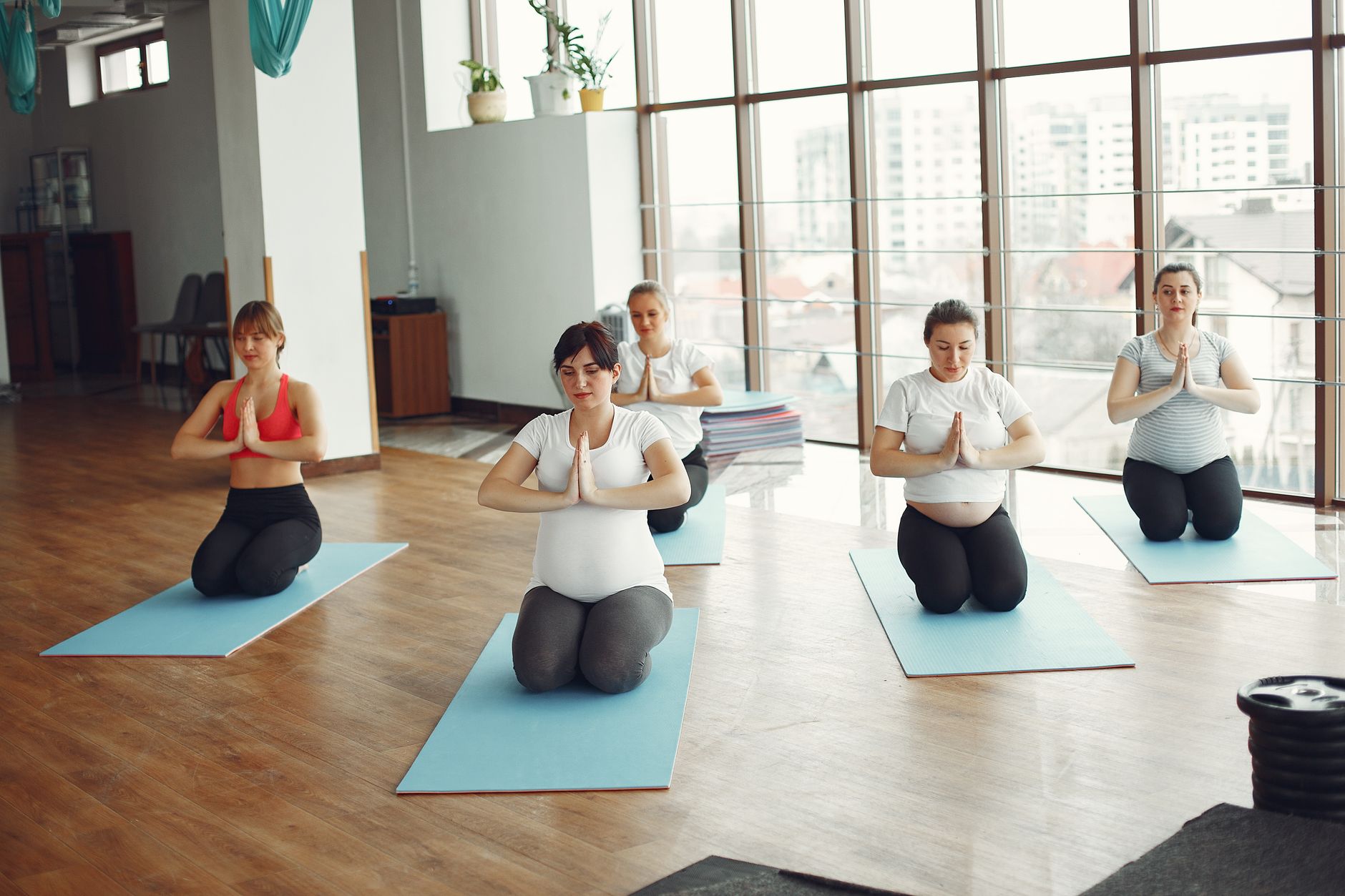
Gentle movement like prenatal yoga offers a safe way to keep active without the risks of high‑impact sports.
Safer alternatives
Prenatal yoga – stabilizes core muscles and reduces stress without impact.
Walking in nature – supports cardiovascular health and mood with minimal joint strain.
Swimming – provides resistance training while the water cushions the body.
Stationary bike workouts – allows controlled intensity and avoids falls.
Light hiking – offers scenic elevation changes and fresh air.
Pregnancy dance classes – rhythmic movement that’s fun and low‑risk.
Prenatal pilates – focuses on pelvic floor strength, beneficial for labor.
Related items — safety at a glance
Activity
Verdict
One‑line note
Skydiving
❌ Best avoided
Free‑fall and parachute deployment pose high impact and fall risk.
Paragliding
❌ Best avoided
Uncontrolled wind and landing hazards can threaten uterine stability.
Rock climbing
❌ Best avoided
Falls from height and strain on joints are unsafe for pregnancy.
Ziplining
❌ Best avoided
High‑speed descent creates rapid deceleration similar to bungee.
White‑water rafting
⚠️ Safe with limits
Gentle river runs are okay; avoid rapids and high‑impact collisions.
Mountain biking
⚠️ Safe with limits
Flat, smooth trails are permissible; avoid jumps or technical descents.
Scuba diving
⚠️ Talk to your doctor first
Decompression concerns require physician clearance, especially after 12 weeks.
Myth vs. fact
Myth: “If the bungee cord is soft, it can’t hurt the baby.”
Fact: Even a “soft” cord creates rapid deceleration forces that can raise intra‑abdominal pressure and affect placental blood flow.
Myth: “One jump won’t cause any problems.”
Fact: While a single uneventful jump may not lead to obvious injury, the unpredictable nature of the sport means the risk cannot be quantified, and medical guidelines advise avoidance.
Myth: “Pregnant athletes are immune to the risks of extreme sports.”
Fact: Hormonal changes, increased ligament laxity, and altered cardiovascular dynamics make all pregnant bodies more vulnerable to sudden forces, regardless of fitness level.
Myth: “If I’ve already jumped, the baby is fine.”
Fact: Prior jumps do not guarantee safety; ongoing monitoring is essential, and any concerning symptoms should prompt immediate medical review.
Key takeaways
❌ Bungee jumping is not considered safe at any stage of pregnancy; the consensus across ACOG, NHS, and CDC is to avoid it.
There is no established safe number of jumps or “low‑risk” intensity for pregnant participants.
First, second, and third trimesters each carry specific physiological vulnerabilities that make the activity risky.
High‑risk pregnancies (e.g., history of preeclampsia, multiple gestation) should especially steer clear of bungee jumping.
Gentle, low‑impact alternatives like prenatal yoga, swimming, and walking provide similar mood‑boosting benefits without the danger.
If you’ve already jumped, contact your obstetric provider promptly for reassurance and monitoring.
Frequently asked questions
Can you bungee jump while pregnant?
No. Professional medical societies, including ACOG and the NHS, advise against bungee jumping at any point during pregnancy because of the unpredictable forces and fall risk.
What are the dangers of bungee jumping during pregnancy?
The main dangers include sudden changes in intra‑abdominal pressure, risk of placental abruption, potential for falls, and the possibility of triggering preterm labor or miscarriage.
Is it okay to bungee jump in the second trimester?
It is not recommended. Although many women feel more energetic in the second trimester, the ligament laxity and growing uterus still make the rapid forces of bungee jumping unsafe.
How does bungee jumping affect the baby?
Rapid deceleration can reduce uterine blood flow, potentially compromising oxygen delivery to the fetus; severe impacts could also lead to placental injury.
Will bungee jumping cause miscarriage?
While there are no large studies directly linking bungee jumping to miscarriage, the theoretical risk from abrupt mechanical stress is enough for obstetric guidelines to advise avoidance.
Can a pregnant woman get medical clearance for bungee jumping?
Most obstetricians will not provide clearance for bungee jumping because the activity falls outside the “low‑risk” category defined by ACOG and NHS guidelines.
Can I modify the bungee jump to make it safer?
Even with reduced height or a “softer” cord, the core issue—rapid acceleration and deceleration—remains. No modification eliminates the fundamental risk, so clinicians generally recommend choosing a different activity.
Are any extreme sports considered safe for pregnant people?
Activities that avoid high‑impact forces, sudden drops, or risk of falling—such as gentle kayaking on calm water, low‑intensity stationary cycling, or light hiking on even terrain—are often deemed acceptable, but you should still discuss any planned activity with your provider.
When to call your doctor
If you experience any of the following after a bungee jump—or at any point during pregnancy—contact your obstetric provider immediately:
Vaginal bleeding or spotting.
Severe abdominal pain or cramping.
Sudden swelling, headaches, or visual disturbances (possible preeclampsia signs).
Unusual uterine contractions or a feeling of pressure.
Any fall, collision, or injury during the activity.
These symptoms could indicate a serious complication and warrant prompt evaluation. Remember, this article provides general information and is not a substitute for personalized medical advice. Always discuss any concerns with your health care provider.
References
American College of Obstetricians and Gynecologists. “Physical Activity and Exercise During Pregnancy and the Postpartum Period.” ACOG Committee Opinion No. 804, 2020.
National Health Service (UK). “Exercise in pregnancy.” NHS website, updated 2022.
Centers for Disease Control and Prevention. “Pregnancy and Physical Activity.” CDC, 2021.
World Health Organization. “Recommendations on Antenatal Care for a Positive Pregnancy Experience.” WHO, 2016.
Journal of Maternal‑Fetal & Neonatal Medicine. “Impact of high‑impact sports on pregnancy outcomes.” 2021.
Royal College of Obstetricians and Gynaecologists. “High‑risk pregnancy guidance.” RCOG, 2023.
U.S. Food and Drug Administration. “Pregnancy and Health: Safety Information.” FDA, accessed 2024.
Not sure about the label on Is Bungee Jumping Safe During Pregnancy products?
Snap the ingredients list and SafeFilter checks every ingredient for your stage — only 3 free scans this month, then you're locked until reset. Unlimited from $7/mo or $50/yr.
When Shubhra Mishra was expecting her first child in 2016, she was overwhelmed by conflicting food advice — one site said yes, another said never. By the time her second baby arrived in 2019, she realized millions of mothers face the same confusion.
That sparked a five-year journey through clinical nutrition papers, cultural diets, and expert conversations — all leading to BumpBites: a calm, compassionate space where science meets everyday motherhood.
Her long-term vision is to build a global community ensuring safe, supported, and free deliveriesfor every mother — because no woman should face pregnancy alone or uninformed. 🌿
🌍 Stand with mothers, shape safer guidance
Join a small circle of experts who review BumpBites articles so expecting parents everywhere can decide with confidence.