

Quick verdict: ⚠️ Talk to your doctor first. Brow lamination is not classified as unsafe, but limited research, potential skin irritation, and the presence of chemicals mean most obstetric professionals recommend a cautious approach during pregnancy.
It’s 2 a.m., you’ve just booked a brow lamination appointment for next week, and a sudden wave of worry hits you: is brow lamination safe during pregnancy? You’re not alone—many expecting parents wonder whether a beauty treatment could affect their developing baby. The short answer is that there’s no clear “yes” or “no” from major health bodies; instead, experts suggest weighing the chemicals involved, your skin’s sensitivity, and the lack of pregnancy‑specific studies before deciding.
In this article we’ll break down exactly what brow lamination is, what the current medical guidance says, how safety may differ by trimester, how often you might consider a session, and which gentler brow‑enhancing options you can use instead. We’ll also look at brand‑specific information, potential side effects, and when it’s time to call your provider. By the end you’ll have a clear, evidence‑based picture to help you decide whether to go ahead—or wait.
| Trimester / Phase | Verdict | Notes |
|---|---|---|
| First trimester | ⚠️ Talk to your doctor | Higher risk period for fetal organ development; avoid strong chemicals if possible. |
| Second trimester | ⚠️ Talk to your doctor | Limited data; consider skin sensitivity and ingredient list. |
| Third trimester | ⚠️ Talk to your doctor | Potential for increased skin irritation; timing may affect postpartum recovery. |
| Breastfeeding | ⚠️ Talk to your doctor | Ingredients could be absorbed and passed through milk; no clear safety data. |
What is brow lamination? Brow lamination is a cosmetic procedure that uses a combination of a perm‑type solution, a setting gel, and a fixing solution to soften, straighten, and set eyebrow hairs in a uniform direction. The process typically begins with a gentle lifting cream that relaxes the hair’s natural curl, followed by a setting solution that holds the hairs in the desired shape, and finishes with a nourishing serum to add shine. Salons often market it as a way to achieve fuller, “fluffy” brows without daily tweezing or makeup. The chemicals involved are usually a blend of thioglycolic acid‑based relaxers and polymer‑based fixatives, similar to those used in hair straightening, but formulated for the delicate skin around the eyes.
Is brow lamination safe during pregnancy? Current guidance from major health authorities such as the American College of Obstetricians and Gynecologists (ACOG) and the UK’s National Health Service (NHS) does not specifically list brow lamination as a prohibited procedure, but they do advise caution with any cosmetic treatment that involves strong chemicals or potential skin irritation. The U.S. Food and Drug Administration (FDA) classifies many of the ingredients in brow lamination solutions as “cosmetic” rather than “drug” products, meaning they have not undergone the rigorous pregnancy‑specific testing required for pharmaceuticals. The Centers for Disease Control and Prevention (CDC) similarly notes that exposure to certain chemical agents, even in small amounts, should be minimized during pregnancy when safety data are lacking. Because of this lack of definitive evidence, most obstetricians recommend discussing the treatment with your provider before proceeding.
Is brow lamination safe during the first trimester?
The first trimester (weeks 1‑13) is when organogenesis—the formation of the baby’s major organs—takes place, making it the most vulnerable period for teratogenic exposures. While brow lamination does not involve systemic drugs, the chemicals used can cause localized skin irritation, and there is a theoretical risk of absorption through the thin skin around the eyes. ACOG’s general recommendation to avoid unnecessary chemical exposures during early pregnancy applies here. If you have a history of allergic reactions or sensitive skin, it is especially prudent to postpone the treatment until after the first trimester or after delivery.
Can I get brow lamination in the second trimester without risks?
The second trimester (weeks 14‑27) is often considered the “sweet spot” for many prenatal activities because the risk of major birth defects has decreased. However, the lack of specific safety data for brow lamination means the same precautionary principle still applies. Dermatologists and obstetric specialists agree that the potential for skin irritation or an allergic reaction remains, and any systemic absorption—though likely minimal—has not been studied. If you choose to proceed, ensure the salon uses a patch‑test protocol and that the product list is free of known teratogens such as formaldehyde‑releasing preservatives.
What are the potential side effects of brow lamination for pregnant women?
Most reported side effects are localized and include redness, itching, swelling, and occasional blistering if the solution is left on too long. In rare cases, a chemical burn can lead to scarring, which could be more noticeable during pregnancy due to hormonal skin changes. Systemic side effects are unlikely, but a small amount of the chemicals could be absorbed and, theoretically, cross the placenta. Because data are limited, any unexpected reaction—especially if accompanied by fever, hives, or difficulty breathing—should prompt immediate medical attention.
Are there safer alternatives to brow lamination while pregnant?
- Eyebrow tinting – uses gentle dyes that are less likely to cause irritation.
- Eyebrow threading – a mechanical method that avoids chemicals altogether.
- Eyebrow waxing – also chemical‑free, though heat can be uncomfortable for some skin types.
- Eyebrow mascara – a temporary, wash‑off product that adds volume without permanent alteration.
- Eyebrow pencil – precise, low‑risk way to shape brows daily.
- Temporary brow stickers – adhesive strips that can be removed easily.
- Eyebrow gel – a clear or tinted gel that holds hairs in place without harsh chemicals.
Does the brand Browtastic brow lamination have pregnancy safety data?
To date, Browtastic—a popular commercial brand for at‑home brow lamination kits—has not published any peer‑reviewed studies specifically evaluating safety in pregnant individuals. Their product label lists ingredients such as sodium thioglycolate, ammonium persulfate, and various conditioning agents. While the company states the product is “gentle” and “suitable for most skin types,” the lack of pregnancy‑specific testing means the safest route is to consult your obstetric provider before using Browtastic or any similar kit.
How many brow lamination sessions are safe during pregnancy?
Because there is no established safety threshold, most clinicians advise limiting the number of sessions to one, if any, during the entire pregnancy. Repeated applications increase the cumulative exposure to chemicals and the chance of irritation. If you do decide to have a session, allow at least a six‑week interval before any repeat treatment, and monitor the treated area closely for any adverse reactions.
Is brow lamination safe for pregnant women with sensitive skin?
Women with a history of eczema, rosacea, or contact dermatitis should be especially cautious. Sensitive skin is more prone to the irritant effects of the lifting and fixing solutions used in lamination. A patch test—applying a small amount of the product behind the ear for 24 hours—can help gauge tolerance, but even a negative patch test does not guarantee safety for the delicate eye area during pregnancy. In most cases, dermatologists recommend opting for non‑chemical methods such as threading or a simple brow pencil.
Safe dosage / amount / brands
Unlike oral medications, brow lamination does not have a “dosage” in milligrams. Safety is measured by the frequency of applications and the concentration of chemicals in the solution. Professional salons typically use a standard concentration that is considered safe for most adults. If you’re using an at‑home kit like Browtastic, follow the manufacturer’s instructions precisely: apply the lifting solution for no longer than 6‑8 minutes, the setting solution for 2‑3 minutes, and finish with the conditioning serum for 1‑2 minutes. Over‑exposure can increase the risk of irritation.
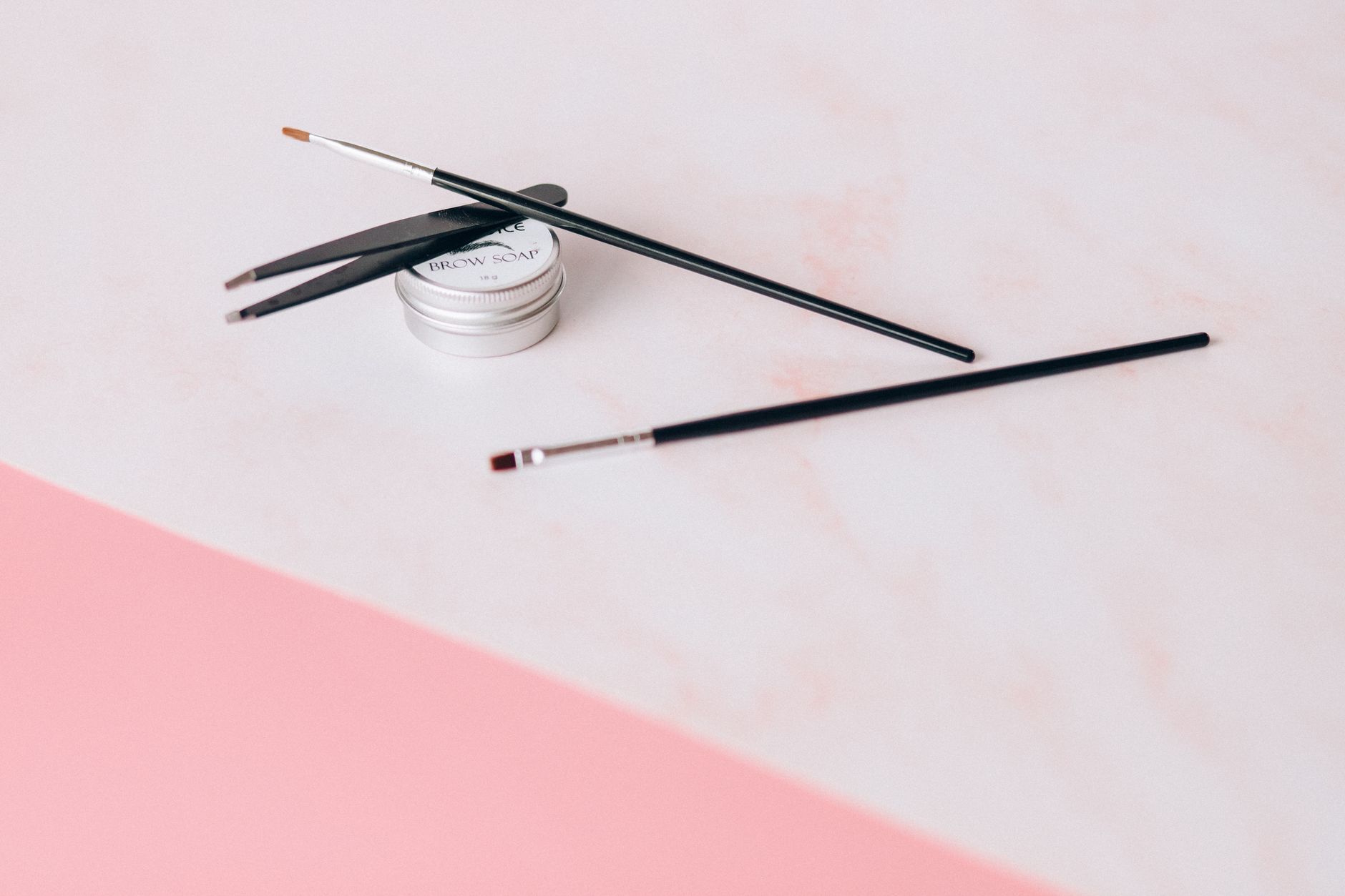
When choosing a brand, look for products that disclose full ingredient lists and have third‑party testing for purity. Brands that are “vegan” or “cruelty‑free” do not automatically guarantee pregnancy safety, but they often avoid certain harsh preservatives. If you cannot confirm the ingredient safety, it’s best to skip the treatment until after delivery.
Side effects and risks
Most side effects are localized and resolve within a few days:
- Redness or mild swelling – common; apply a cool compress.
- Itching or burning sensation – may indicate over‑exposure; wash off the solution immediately.
- Allergic reaction – hives, swelling beyond the brow area, or difficulty breathing require urgent medical care.
- Hair breakage – over‑processing can weaken brow hairs, leading to sparse brows.
- Scarring – rare but possible if a chemical burn occurs; consult a dermatologist if you notice permanent changes.
Because pregnancy can amplify skin sensitivity, any of the above symptoms that persist beyond 48 hours should be discussed with your obstetrician or dermatologist. Remember, this information is not a substitute for professional medical advice.
Safer alternatives
- Eyebrow tinting – uses gentle dyes and can be removed with a makeup remover.
- Eyebrow threading – a precision technique that avoids chemicals entirely.
- Eyebrow waxing – quick and chemical‑free, though heat can be uncomfortable for some.
- Eyebrow mascara – adds volume without any permanent change.
- Eyebrow pencil – allows you to shape and fill in brows daily with minimal risk.
- Temporary brow stickers – easy to apply and remove, perfect for special occasions.
- Eyebrow gel – holds hairs in place and adds a subtle sheen without harsh additives.
Related items — safety at a glance
| Item | Verdict | One‑line note |
|---|---|---|
| Eyebrow microblading | ⚠️ Talk to your doctor | Involves pigment implantation; limited safety data for pregnancy. |
| Eyebrow threading | ✅ Generally safe | Mechanical method with no chemicals. |
| Eyebrow waxing | ✅ Generally safe | Heat can cause irritation; avoid if skin is very sensitive. |
| Eyebrow tinting | ✅ Generally safe | Use gentle, pregnancy‑tested dyes. |
| Eyebrow extensions | ⚠️ Talk to your doctor | Adhesives may contain formaldehyde‑releasing agents. |
| Eyebrow tattooing | ❌ Best avoided | Permanent pigment and potential for infection. |
| Eyebrow growth serums | ⚠️ Talk to your doctor | Often contain peptides and hormones not studied in pregnancy. |
Myth vs. fact
Myth: Brow lamination is a “top‑to‑bottom” safe cosmetic because it’s only applied to the skin.
Fact: The chemicals used can be absorbed through the thin skin around the eyes, and without specific pregnancy studies, caution is advised.
Myth: If a product is “vegan” or “cruelty‑free,” it is automatically safe for pregnant women.
Fact: These labels refer to animal testing, not to the presence of teratogenic or irritating ingredients.
Myth: You can have as many brow lamination sessions as you like during pregnancy.
Fact: Repeated exposure increases cumulative chemical load and irritation risk; most clinicians recommend limiting to one session, if any, throughout pregnancy.
Key takeaways
Frequently asked questions
Can I get brow lamination while pregnant?
Yes, you can, but most providers recommend discussing it with your obstetrician first. The procedure involves chemicals that have not been specifically tested for safety in pregnancy.
What are the risks of brow lamination during pregnancy?
The primary risks are localized skin irritation, allergic reactions, and the theoretical possibility of chemical absorption. Systemic risks are unstudied, so caution is advised.
Is brow lamination safe in the third trimester?
It is still considered a precautionary measure; the third trimester poses similar concerns as earlier stages, especially regarding skin sensitivity and potential irritation.
Do I need a doctor's approval for brow lamination while pregnant?
While not legally required, obtaining your provider’s approval is strongly recommended. Your doctor can assess your skin’s condition and any potential fetal exposure.
Are there any ingredients in brow lamination that are harmful to a fetus?
Ingredients such as thioglycolic acid and certain polymer fixatives have not been studied in pregnant populations, so they are not confirmed as safe.
Can brow lamination cause allergic reactions during pregnancy?
Yes. Pregnant women may experience heightened skin sensitivity, making allergic reactions more likely. If you notice itching, swelling, or hives, seek medical care promptly.
When to call your doctor
Contact your obstetrician or seek emergency care if you experience any of the following after a brow lamination session:
- Severe swelling or pain that does not improve within 24 hours.
- Hives, widespread rash, or difficulty breathing—signs of a possible systemic allergic reaction.
- Fever above 100.4 °F (38 °C) accompanied by skin irritation.
- Persistent redness or blistering that lasts more than 48 hours.
These symptoms could indicate an adverse reaction that warrants professional evaluation. Remember, this article provides general information and is not a substitute for personalized medical advice.
References
- American College of Obstetricians and Gynecologists (ACOG). “Committee Opinion No. 767: Use of Cosmetic Procedures During Pregnancy.” Updated 2022.
- National Health Service (NHS). “Pregnancy and Cosmetic Treatments.” Accessed July 2023.
- U.S. Food and Drug Administration (FDA). “Cosmetics and Pregnancy.” Guidance Document, 2021.
- Centers for Disease Control and Prevention (CDC). “Chemical Exposures in Pregnancy.” Updated 2022.
- Mayo Clinic. “Pregnancy skin changes and safe skin care.” Reviewed 2023.
- World Health Organization (WHO). “Guidelines for the Safe Use of Cosmetics.” 2020.
- British Association of Dermatologists. “Cosmetic Procedures and Pregnancy.” 2021.
- Dermatology literature review on thioglycolate exposure and skin barrier function. Journal of Dermatological Science, 2020.

