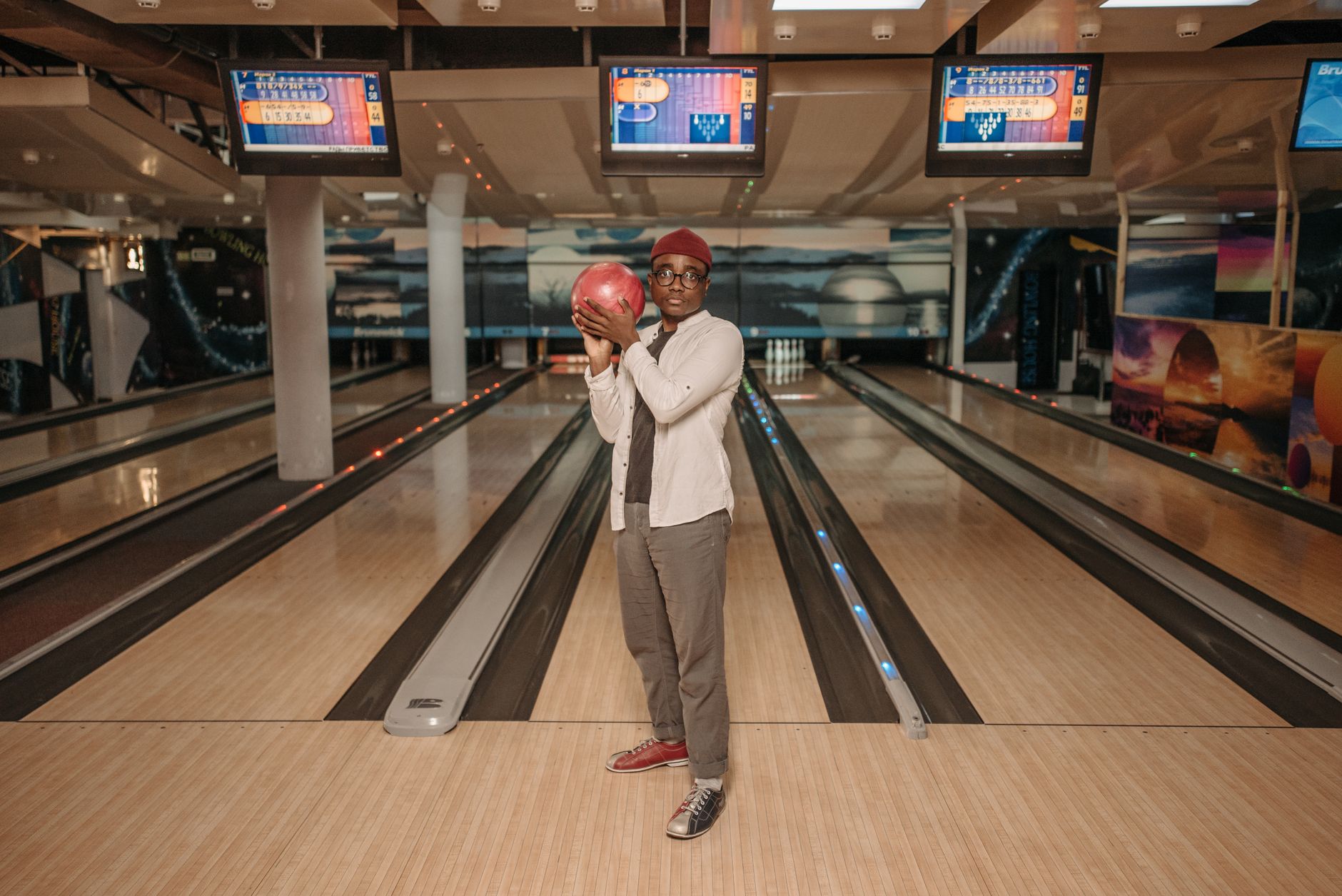
Limit bowling during pregnancy, especially in the first trimester. Experts recommend avoiding heavy balls and staying hydrated to reduce fall or strain risks.
By Shubhra Mishra — a mom of two who turned her own confusion during pregnancy into BumpBites, a global mission to make food choices clear, safe, and stress-free for every expecting mother. 💛
Check whether any food is safe during pregnancy with the BumpBites Food Safety Checker.
Quick verdict: ⚠️ Bowling is generally safe during pregnancy if you take precautions, but it’s not risk-free. The biggest concerns are falls, strain from lifting the ball, and overexertion—especially in the third trimester. Most obstetricians say occasional bowling is fine if you feel comfortable, but you should modify your technique and avoid high-intensity games.
You’re standing in the bowling alley, shoes laced, ball in hand, and suddenly it hits you: Is bowling safe during pregnancy? Maybe you’ve already bowled a few frames this week. Maybe you’re planning a fun night out with friends. Either way, that little voice in your head is asking: Should I be doing this?
Take a deep breath. If you’re having a healthy, uncomplicated pregnancy, bowling is usually fine in moderation—as long as you listen to your body and make a few smart adjustments. But like any physical activity during pregnancy, it comes with some risks. We’ll break down exactly what’s safe, what to watch for, and when to skip it entirely. And if you’re already worrying about that one game last week, we’ve got reassurance for that too.
Bowling safety during pregnancy at a glance
Trimester
Verdict
Notes
First trimester
⚠️ Safe with caution
Low risk of falls, but fatigue and nausea may make it less enjoyable. Avoid heavy balls and overexertion.
Second trimester
✅ Generally safe
Most comfortable trimester for bowling. Still, avoid twisting or straining. Use a lighter ball and take breaks.
Third trimester
⚠️ Safe with caution
Balance and mobility are trickier. Risk of falls increases. Stick to 1-2 games max, and avoid competitive play.
Breastfeeding
✅ Generally safe
No known risks to breastfeeding. Stay hydrated and avoid overexertion.
What is bowling?
Bowling is a popular recreational sport where players roll a heavy ball down a lane to knock over ten pins. It’s a social activity as much as a physical one—often enjoyed in groups, leagues, or casual outings. A standard bowling ball weighs between 6 and 16 pounds, and the game involves a mix of balance, coordination, and controlled movement.
For many, bowling is a low-impact way to stay active. It doesn’t require intense cardio or heavy lifting, but it does involve repetitive motion, bending, and sometimes quick movements—all of which can feel different when you’re pregnant. The sport is generally considered safe for most people, but pregnancy changes your center of gravity, flexibility, and risk tolerance, which is why it’s worth a closer look.
Is bowling safe during pregnancy?
According to the American College of Obstetricians and Gynecologists (ACOG), most moderate physical activities—including bowling—are safe and even beneficial during pregnancy, as long as you’re not experiencing complications. The NHS (UK) also supports staying active during pregnancy, noting that exercise can help with mood, energy, and overall health.
However, bowling isn’t risk-free. The main concerns are:
Falls: Slippery lanes and shifting balance increase the risk of falling, especially in the third trimester.
Strain from lifting: Bowling balls are heavy, and improper lifting can strain your back or abdominal muscles.
Overexertion: Competitive or high-intensity bowling can raise your heart rate and core temperature, which may be uncomfortable or risky in later pregnancy.
Twisting motions: The bowling motion involves a twist of the torso, which can feel awkward or straining as your belly grows.
That said, there’s no evidence that bowling causes miscarriage, preterm labor, or harm to the baby in a healthy pregnancy. The risks are more about your comfort and physical safety than direct harm to your pregnancy. If you’re used to bowling and feel good doing it, most providers will say it’s fine—with some common-sense adjustments.
Is bowling safe during first trimester of pregnancy?
Yes, bowling is generally safe in the first trimester, but it may not feel great. This is when many women experience fatigue, nausea, and dizziness—symptoms that can make even a casual game feel like a chore. Your balance hasn’t changed much yet, so the risk of falling is low, but your energy levels might be unpredictable.
If you do bowl in the first trimester, keep these tips in mind:
Use a lighter ball (8–12 pounds) to avoid straining your back or arms.
Avoid competitive or high-intensity games—this isn’t the time to set personal records.
Stay hydrated and take breaks if you feel tired or nauseous.
Skip the bowling shoes if they’re uncomfortable. Wear supportive, non-slip shoes instead.
Most importantly, listen to your body. If you’re exhausted or queasy, it’s okay to sit this one out. The first trimester is a time when many women scale back on intense activities, and that’s perfectly normal.
Can you go bowling in the second trimester?
The second trimester is often called the “golden period” of pregnancy—energy levels are up, nausea is usually gone, and your belly isn’t so big that it gets in the way. For many women, this is the best time to bowl if they feel up to it.
Bowling in the second trimester is generally safe, but you’ll still want to make a few adjustments:
Use a lighter ball (10–12 pounds max) to avoid straining your back or abdominal muscles.
Avoid twisting your torso too much during your swing. Focus on a smooth, controlled motion.
Take breaks between frames to rest and hydrate.
Wear supportive shoes with good grip to reduce the risk of slipping.
If you’re part of a league or bowl regularly, this is a good time to enjoy it—just don’t push yourself too hard. If you feel any pain, dizziness, or shortness of breath, stop and rest.
Is it safe to bowl in the third trimester of pregnancy?
The third trimester is when bowling becomes riskier, mostly because your balance and mobility change. Your center of gravity shifts, your belly gets bigger, and your joints loosen due to pregnancy hormones. This makes you more prone to falls and strain.
That said, bowling in the third trimester is not off-limits if you’re careful. Here’s how to do it safely:
Stick to 1–2 games max. Overexertion can lead to fatigue or overheating.
Use the lightest ball possible (6–10 pounds). Many bowling alleys have lighter balls for kids—don’t be shy about using them.
Avoid competitive or fast-paced games. This isn’t the time to keep up with your pre-pregnancy performance.
Focus on balance and control. Take smaller steps, and avoid quick movements.
Skip the bowling shoes if they’re uncomfortable. Wear your own supportive, non-slip shoes instead.
If you have a low-lying placenta, high blood pressure, or other complications, your provider may advise you to avoid bowling entirely. Always check with your doctor if you’re unsure.
How many games of bowling are safe during pregnancy?
There’s no one-size-fits-all answer, but most obstetricians recommend keeping it to 1–2 games per session, especially in the third trimester. The goal is to stay active without overexerting yourself.
Here’s a general guideline by trimester:
Recommended bowling limits during pregnancy
Trimester
Games per session
Notes
First trimester
1–3 games
Listen to your energy levels. If you’re tired or nauseous, cut it short.
Second trimester
2–3 games
Most comfortable trimester. Still, take breaks and stay hydrated.
Third trimester
1–2 games max
Risk of falls and fatigue increases. Avoid competitive play.
If you’re used to bowling regularly, you might be able to do more, but pay attention to how you feel. Signs you should stop include:
Dizziness or lightheadedness
Shortness of breath
Back or abdominal pain
Contractions or cramping
Vaginal bleeding or fluid leakage
When in doubt, less is more. Bowling is a fun way to stay active, but it’s not worth pushing yourself too hard.
What are the risks of bowling while pregnant?
Bowling is a low-impact activity, but pregnancy introduces a few specific risks. Here’s what to watch for:
1. Falls
Slippery lanes and shifting balance make falls more likely, especially in the third trimester. A fall could lead to injury or, in rare cases, complications like placental abruption (more on that below).
2. Strain from lifting the ball
Bowling balls are heavy, and improper lifting can strain your back, shoulders, or abdominal muscles. As your belly grows, your core strength changes, making you more vulnerable to injury.
3. Overexertion
Competitive or high-intensity bowling can raise your heart rate and core temperature, which may be uncomfortable or risky in later pregnancy. Overexertion can also lead to fatigue, dizziness, or dehydration.
4. Twisting motions
The bowling motion involves a twist of the torso, which can feel awkward or straining as your belly grows. This isn’t usually dangerous, but it can be uncomfortable.
5. Vibrations
Some women worry that the vibrations from the ball hitting the pins could harm the baby. There’s no evidence that this is a risk. The baby is well-protected by amniotic fluid and your uterus, and normal vibrations from bowling won’t cause harm.
Can bowling cause miscarriage or preterm labor?
No, bowling does not cause miscarriage or preterm labor in a healthy pregnancy. Miscarriage in the first trimester is usually caused by chromosomal abnormalities, not physical activity. Preterm labor is more likely to be triggered by infections, chronic health conditions, or other factors—not by bowling.
That said, falls or severe strain could potentially lead to complications in rare cases. For example:
Placental abruption: A hard fall or trauma to the abdomen could, in very rare cases, cause the placenta to separate from the uterine wall. This is an emergency and requires immediate medical attention. Symptoms include severe abdominal pain, vaginal bleeding, and contractions.
Preterm labor: While bowling itself won’t trigger preterm labor, overexertion or dehydration could contribute to contractions in women who are already at risk. If you experience regular contractions, vaginal bleeding, or fluid leakage, stop bowling and call your provider.
Again, these risks are very low for most women. But if you have a high-risk pregnancy or complications like placenta previa, your provider may advise you to avoid bowling entirely.
Is it safe to bowl with a low-lying placenta or other pregnancy complications?
If you have a low-lying placenta (placenta previa), a history of preterm labor, or other complications, your provider may recommend avoiding bowling. Here’s why:
Low-lying placenta: A placenta that’s close to or covering the cervix can bleed if you fall or strain. Bowling increases the risk of abdominal trauma, so it’s usually best to avoid it.
Preterm labor risk: If you’ve had contractions or cervical changes, your provider may advise against activities that involve twisting, lifting, or balance challenges.
High blood pressure or preeclampsia: Overexertion can worsen these conditions, so it’s best to stick to low-impact activities.
Joint or back pain: Pregnancy hormones loosen your joints, making you more prone to injury. If you’re already dealing with pain, bowling could make it worse.
Always check with your provider before bowling if you have any complications. They can give you personalized advice based on your health and pregnancy.
What precautions should pregnant women take when bowling?
If you decide to bowl during pregnancy, these precautions can help you stay safe and comfortable:
Use a lighter ball. Aim for 8–12 pounds in the first and second trimesters, and 6–10 pounds in the third. Many alleys have lighter balls—don’t hesitate to ask.
Wear supportive, non-slip shoes. Bowling shoes can be slippery. If they’re uncomfortable, wear your own shoes with good grip.
Avoid twisting your torso. Focus on a smooth, controlled motion. If the twist feels awkward, try a shorter approach or a lighter ball.
Take breaks between frames. Sit down, hydrate, and rest. Overexertion can lead to dizziness or fatigue.
Skip the heavy league play. Competitive bowling can push you to overexert. Stick to casual games with friends.
Listen to your body. If you feel pain, dizziness, or shortness of breath, stop and rest. If symptoms persist, call your provider.
Bowl in well-lit, uncrowded alleys. Fewer people mean fewer distractions and less risk of bumping into someone.
Are certain bowling balls or shoes safer for pregnant women?
Yes! The right equipment can make bowling much safer and more comfortable during pregnancy.
Bowling balls
Weight: Use the lightest ball you can control. In the first and second trimesters, 8–12 pounds is usually fine. In the third trimester, aim for 6–10 pounds. Many alleys have lighter balls (even kids’ balls) that work just as well.
Grip: Choose a ball with finger holes that fit comfortably. If your fingers swell during pregnancy, a ball with adjustable grips or larger holes may be more comfortable.
Material: Urethane or reactive resin balls are easier to control than plastic ones, which can slip out of your hand. Ask the alley staff for recommendations.
Bowling shoes
Non-slip soles: Bowling shoes are designed to slide, which can be risky when you’re pregnant. If you’re uncomfortable in them, wear your own supportive, non-slip shoes with good grip.
Comfort: Look for shoes with cushioning and arch support. If you have swollen feet, choose shoes with adjustable straps or a wider fit.
Are there pregnancy-safe alternatives to bowling for exercise?
If you’re looking for a safer or more comfortable way to stay active during pregnancy, these alternatives offer similar social and physical benefits without the risks of bowling:
Walking: Low-impact, easy to modify, and great for all trimesters. A brisk 30-minute walk can be just as social if you invite a friend.
Swimming: The water supports your joints and reduces swelling. Many pregnant women find it the most comfortable form of exercise.
Prenatal yoga: Improves flexibility, balance, and relaxation. Look for classes specifically designed for pregnancy.
Stationary cycling: Safe for all trimesters and easy on your joints. You can even join a virtual cycling class for a social twist.
Light jogging: Safe if you were a runner before pregnancy, but switch to walking if it feels uncomfortable. Avoid overheating.
Golfing (with modifications): A low-impact way to enjoy the outdoors. Skip the heavy clubs and take a cart instead of walking the course.
Tai chi: Gentle, flowing movements improve balance and relaxation. Great for all trimesters.
Low-impact aerobics: Look for prenatal classes or videos. Avoid jumping or quick direction changes.
Elliptical machine: Mimics the motion of walking or running without impact. Adjust the resistance to your comfort level.
Pilates (prenatal-specific): Strengthens your core and improves posture. Avoid moves that involve lying flat on your back after the first trimester.
Related items — safety at a glance
If you’re wondering about other activities similar to bowling, here’s how they stack up in terms of pregnancy safety:
Pregnancy safety for activities similar to bowling
Activity
Verdict
Notes
Mini golf
✅ Generally safe
Low risk of falls or strain. Avoid bending too much in the third trimester.
Arcade games
✅ Generally safe
Most games are low-impact. Avoid games that require quick movements or balance challenges.
Ice skating
❌ Best avoided
High risk of falls, especially in the third trimester. Not recommended.
Roller skating
❌ Best avoided
Balance changes make falls more likely. Skip this one during pregnancy.
Dancing
⚠️ Safe with limits
Low-impact styles (like ballroom or prenatal dance) are fine. Avoid jumps, spins, or high-intensity moves.
Tennis
⚠️ Safe with limits
Safe if you played before pregnancy. Avoid competitive play and quick direction changes.
Badminton
⚠️ Safe with limits
Low-impact and safe in moderation. Avoid lunging or jumping.
Table tennis
✅ Generally safe
Low risk of falls or strain. A great alternative to bowling for hand-eye coordination.
Hiking
⚠️ Safe with limits
Stick to flat, well-maintained trails. Avoid steep or rocky terrain, especially in the third trimester.
Gymnastics
❌ Best avoided
High risk of falls and abdominal trauma. Not recommended during pregnancy.
Myth vs. fact
Myth: Bowling can shake the baby loose or cause miscarriage.
Fact: There’s no evidence that bowling—or any moderate physical activity—causes miscarriage. The baby is well-protected by amniotic fluid and your uterus. Miscarriage in the first trimester is usually caused by chromosomal abnormalities, not exercise.
Myth: You should avoid all physical activity in the first trimester to reduce the risk of miscarriage.
Fact: ACOG and the NHS both recommend staying active during pregnancy, including the first trimester. Exercise can help with mood, energy, and overall health. The key is to listen to your body and avoid overexertion.
Myth: If you didn’t bowl before pregnancy, you shouldn’t start now.
Fact: While it’s true that you shouldn’t take up high-intensity sports during pregnancy, bowling is a low-impact activity that’s generally safe for beginners—as long as you take precautions. Start with a lighter ball, take breaks, and avoid competitive play.
Key takeaways
Bowling is generally safe during pregnancy if you take precautions, but it’s not risk-free.
The biggest risks are falls, strain from lifting the ball, and overexertion, especially in the third trimester.
The second trimester is the safest and most comfortable time to bowl. The first and third trimesters require more caution.
Stick to 1–2 games per session, use a lighter ball, and avoid competitive play.
If you have a low-lying placenta, high blood pressure, or other complications, check with your provider before bowling.
Listen to your body. If you feel pain, dizziness, or shortness of breath, stop and rest.
Safer alternatives to bowling include walking, swimming, prenatal yoga, and stationary cycling.
Frequently asked questions
Can you bowl while pregnant if you've done it before?
Yes, if you bowled regularly before pregnancy, it’s usually safe to continue—as long as you make adjustments. Use a lighter ball, take breaks, and avoid competitive play. Your body changes during pregnancy, so even if you’re experienced, it’s important to listen to how you feel.
What trimester is bowling most dangerous during pregnancy?
The third trimester is the riskiest for bowling because your balance and mobility change. Your center of gravity shifts, your belly gets bigger, and your joints loosen, making falls more likely. The first trimester can also be tricky due to fatigue and nausea, but the risks are lower.
Does bowling count as exercise during pregnancy?
Yes, bowling is a low-impact form of exercise that can help you stay active during pregnancy. It engages your arms, legs, and core, and it’s a fun way to socialize. However, it’s not as intense as cardio or strength training, so it shouldn’t be your only form of exercise.
Can the vibrations from bowling hurt the baby?
No, the vibrations from bowling won’t harm your baby. The baby is well-protected by amniotic fluid and your uterus, and normal vibrations from bowling are not a cause for concern. The bigger risks are falls and strain from lifting the ball.
Is it safe to lift a bowling ball while pregnant?
Lifting a bowling ball is safe in moderation, but you should use a lighter ball (6–12 pounds) and avoid straining. Bend your knees and lift with your legs, not your back. If you feel any pain or discomfort, stop and use a lighter ball or ask for help.
What are the signs I should stop bowling while pregnant?
Stop bowling immediately and call your provider if you experience:
Dizziness or lightheadedness
Shortness of breath
Back or abdominal pain
Contractions or cramping
Vaginal bleeding or fluid leakage
Severe headache or vision changes (signs of high blood pressure)
Can bowling cause placental abruption?
Placental abruption is very rare and usually caused by trauma to the abdomen, such as a car accident or a hard fall. While bowling itself won’t cause abruption, a fall or severe strain could potentially contribute in rare cases. If you experience severe abdominal pain, vaginal bleeding, or contractions after bowling, seek medical attention immediately.
Are there any bowling alleys with pregnancy-friendly policies?
Most bowling alleys don’t have official pregnancy-friendly policies, but many are happy to accommodate pregnant women. You can:
Ask for a lighter ball (even a kids’ ball).
Request a lane in a less crowded area to reduce the risk of bumping into others.
Wear your own supportive, non-slip shoes if the bowling shoes are uncomfortable.
Take breaks and stay hydrated. Bring your own water bottle.
If you’re unsure, call ahead and ask if they have any recommendations for pregnant bowlers.
When to call your doctor
Bowling is generally safe, but some symptoms warrant a call to your provider. Contact your doctor or midwife immediately if you experience any of the following after bowling (or at any time during pregnancy):
Vaginal bleeding or spotting
Fluid leaking from your vagina (could be amniotic fluid)
Regular contractions or cramping
Severe abdominal or back pain
Dizziness, fainting, or severe headache
Vision changes (blurriness, spots, or flashes of light)
Decreased fetal movement (after 28 weeks)
Swelling in your hands, feet, or face (could be a sign of preeclampsia)
This article is for informational purposes only and is not a substitute for professional medical advice. Always consult your healthcare provider before making decisions about physical activity during pregnancy.
References
American College of Obstetricians and Gynecologists (ACOG). (2021). Exercise During Pregnancy. ACOG Committee Opinion.
National Health Service (NHS). (2022). Exercise in Pregnancy. NHS UK.
Mayo Clinic. (2023). Pregnancy and Exercise: Baby, Let’s Move!. Mayo Clinic.
American Pregnancy Association. (2022). Exercise During Pregnancy. American Pregnancy.
Centers for Disease Control and Prevention (CDC). (2021). Physical Activity and Pregnancy. CDC.
Royal College of Obstetricians and Gynaecologists (RCOG). (2020). Recreational Exercise and Pregnancy. RCOG.
Using a lighter ball and focusing on comfort can make bowling safer and more enjoyable during pregnancy.Wearing supportive, non-slip shoes can help reduce the risk of falls while bowling during pregnancy.Taking breaks and staying hydrated are key to enjoying bowling safely during pregnancy.
Not sure about the label on Is Bowling Safe During Pregnancy products?
Snap the ingredients list and SafeFilter checks every ingredient for your stage — only 3 free scans this month, then you're locked until reset. Unlimited from $7/mo or $50/yr.
When Shubhra Mishra was expecting her first child in 2016, she was overwhelmed by conflicting food advice — one site said yes, another said never. By the time her second baby arrived in 2019, she realized millions of mothers face the same confusion.
That sparked a five-year journey through clinical nutrition papers, cultural diets, and expert conversations — all leading to BumpBites: a calm, compassionate space where science meets everyday motherhood.
Her long-term vision is to build a global community ensuring safe, supported, and free deliveriesfor every mother — because no woman should face pregnancy alone or uninformed. 🌿
🌍 Stand with mothers, shape safer guidance
Join a small circle of experts who review BumpBites articles so expecting parents everywhere can decide with confidence.