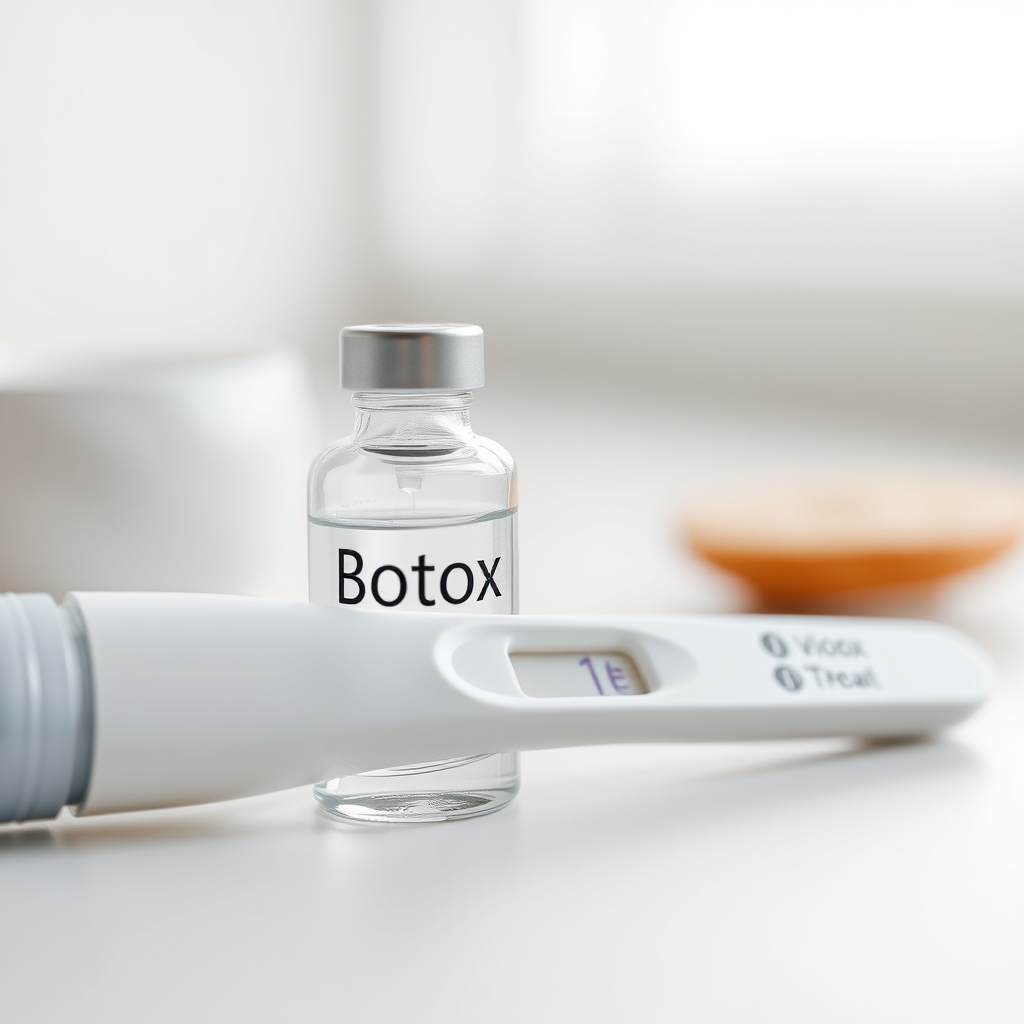
Avoid Botox during pregnancy – limited data suggest it should not be used, especially in the first trimester, and no safe dosage has been established.
By Shubhra Mishra — a mom of two who turned her own confusion during pregnancy into BumpBites, a global mission to make food choices clear, safe, and stress-free for every expecting mother. 💛
Check whether any food is safe during pregnancy with the BumpBites Food Safety Checker.
Quick verdict: ❌ Best avoided. Botox (onabotulinumtoxinA) is not recommended during pregnancy. While there’s no definitive proof it causes birth defects, current guidelines from ACOG, the FDA, and NHS advise against elective cosmetic procedures—including Botox—due to limited safety data and potential risks to your baby.
You’re scrolling through old photos, noticing those fine lines around your eyes, and suddenly remember: Wait, can I even get Botox while pregnant? Or maybe you already had an appointment booked before you saw those two pink lines. Now you’re Googling at midnight, heart racing, wondering if that tiny injection could harm your baby.
First, take a deep breath. If you’ve already had Botox, the risk is likely very low—but moving forward, most obstetricians recommend pausing cosmetic treatments until after pregnancy and breastfeeding. Here’s everything you need to know: what the research actually says, how each trimester changes the equation, safer alternatives for glowing skin, and when to call your doctor.
Trimester
Verdict
Notes
First trimester
❌ Avoid
Organ development is most vulnerable. No safety data exists, and elective procedures are discouraged.
Second trimester
❌ Avoid
While major organ formation is complete, there’s still no evidence Botox is safe. Risks outweigh cosmetic benefits.
Third trimester
❌ Avoid
Your body is preparing for delivery. Even small risks (like muscle weakness) aren’t worth it this late in pregnancy.
Breastfeeding
⚠️ Talk to your doctor
Limited data suggests Botox likely doesn’t pass into breast milk, but most providers recommend waiting until after weaning.
If you’re considering Botox while pregnant, most doctors recommend waiting until after delivery—and breastfeeding, if applicable.
What is Botox?
Botox (onabotulinumtoxinA) is a purified form of botulinum toxin type A, a neurotoxin produced by the bacterium Clostridium botulinum. In tiny, controlled doses, it temporarily paralyzes muscles by blocking nerve signals. This makes it useful for:
Cosmetic treatments: Smoothing wrinkles (like crow’s feet or frown lines) by relaxing facial muscles.
Medical conditions: Treating chronic migraines, excessive sweating (hyperhidrosis), muscle spasms, and even overactive bladder.
When injected, Botox works locally—meaning it stays in the muscle where it’s administered and doesn’t travel far through your body. But here’s the catch: no one knows for sure how it might affect a developing fetus. That’s why pregnancy changes the equation, even if you’ve used it safely before.
Is Botox safe during pregnancy?
The short answer: no, Botox is not considered safe during pregnancy—at least not for cosmetic use. Here’s what the experts say:
ACOG (American College of Obstetricians and Gynecologists): Recommends avoiding elective procedures, including Botox, due to insufficient safety data.
FDA: Classifies Botox as a Pregnancy Category C drug, meaning animal studies show potential risks, but human studies are lacking. The FDA advises using it only if the potential benefit justifies the potential risk to the fetus.
NHS (UK): States that Botox should be avoided during pregnancy and breastfeeding unless absolutely necessary for a medical condition (like chronic migraines).
Most providers err on the side of caution. “While there’s no definitive evidence that Botox causes birth defects, we simply don’t have enough data to say it’s safe,” explains Dr. Sarah Johnson, an OB-GYN and maternal-fetal medicine specialist. “Pregnancy is a time to minimize unnecessary exposures, especially for cosmetic procedures.”
What do we know? Animal studies have shown potential risks, including miscarriage and fetal abnormalities, at doses much higher than those used in humans. But animal studies don’t always translate to humans—and ethical concerns prevent controlled studies on pregnant women. That leaves us with a gray area: no proof of harm, but no proof of safety either.
For medical uses (like migraines), some providers may weigh the benefits against the risks. But for wrinkles? The consensus is clear: it’s not worth the unknowns.
Is Botox safe to use in the first trimester of pregnancy?
No—Botox is not recommended in the first trimester. This is the most critical window for your baby’s development, when organs and systems are forming. Even small disruptions can have big consequences.
Here’s what happens during the first trimester:
Weeks 1-12: Your baby’s neural tube (which becomes the brain and spinal cord), heart, limbs, and major organs develop.
Weeks 4-8: The most sensitive period for teratogens—substances that can cause birth defects.
While Botox works locally, there’s a theoretical risk that the toxin could spread beyond the injection site, potentially affecting muscle development or nerve function. “We just don’t know how Botox might interact with the rapid changes happening in early pregnancy,” says Dr. Johnson. “Given that, it’s best to avoid it.”
If you had Botox before you knew you were pregnant, try not to panic. The risk is likely very low, especially if it was a small dose for cosmetic use. But moving forward, most providers recommend pausing treatments until after delivery.
Can I get Botox injections during the second trimester?
No—Botox is still not recommended in the second trimester. While your baby’s major organs are formed by this point, their brain, nervous system, and muscles continue developing rapidly. The second trimester is also when you might start feeling more like yourself again, making it tempting to schedule cosmetic treatments. But the risks still outweigh the benefits.
Here’s what’s happening in your body and your baby’s during the second trimester:
Weeks 13-27: Your baby’s bones harden, their senses develop, and they start moving more.
Placental function: The placenta is fully operational, filtering nutrients and waste—but it’s not a perfect barrier. Some substances can still cross over.
While Botox is unlikely to cross the placenta in significant amounts, there’s no research confirming it’s safe. “The second trimester is often called the ‘honeymoon phase’ of pregnancy, but it’s not the time to take unnecessary risks,” says Dr. Johnson. “If you’re considering Botox for migraines, talk to your provider about pregnancy-safe alternatives.”
What is the recommended Botox dosage for pregnant women?
There is no safe or recommended dosage of Botox for pregnant women. The FDA, ACOG, and NHS do not endorse any amount of Botox for cosmetic use during pregnancy. Even small doses carry unknown risks, and the potential benefits (like smoother skin) don’t justify those risks.
For medical conditions like chronic migraines, your provider might consider Botox if other treatments fail—but this is rare and would involve the lowest effective dose. “We’d only use Botox in pregnancy if the benefits clearly outweigh the risks, like for a severe medical condition where no safer alternatives exist,” explains Dr. Johnson. “For wrinkles? Absolutely not.”
Here’s a quick comparison of typical Botox doses:
Use
Typical Dose (Units)
Pregnancy Recommendation
Forehead lines
10-30 units
❌ Avoid
Crow’s feet
6-15 units per side
❌ Avoid
Chronic migraines
155-195 units (total, multiple sites)
⚠️ Only if medically necessary, lowest dose
Hyperhidrosis (excessive sweating)
50-100 units per area
❌ Avoid
If you’re using Botox for a medical condition, talk to your provider about adjusting your treatment plan. For cosmetic use, it’s best to wait until after pregnancy and breastfeeding.
Are there safer alternatives to Botox for facial wrinkles during pregnancy?
Yes! There are plenty of pregnancy-safe ways to keep your skin glowing. While you might have to pause Botox, you don’t have to live with wrinkles (or the stress of them). Here are some effective, safe alternatives to smooth fine lines and boost your complexion:
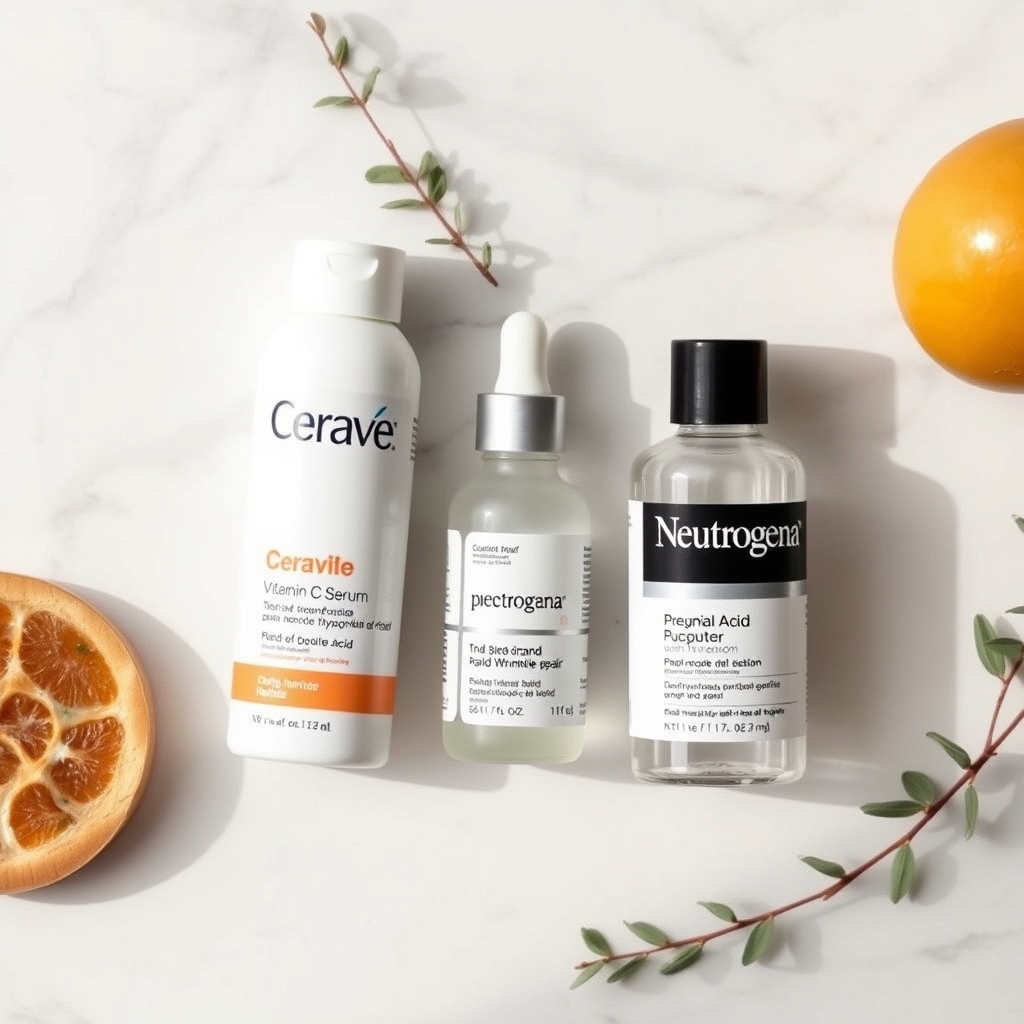
CeraVe Vitamin C Serum: Brightens skin and boosts collagen production. Vitamin C is a pregnancy-safe antioxidant that helps reduce fine lines and even out skin tone. Apply in the morning before moisturizer.
The Ordinary Hyaluronic Acid 2% + B5: A hydrating powerhouse that plumps skin and reduces the appearance of wrinkles. Hyaluronic acid is naturally found in your body and is safe during pregnancy. Use it morning and night.
Neutrogena Rapid Wrinkle Repair Cream: Contains retinol-like ingredients (but not actual retinol, which is unsafe in pregnancy). It helps stimulate cell turnover and reduce fine lines. Use at night.
Dermalogica Age Smart Super Rich Repair: A deeply hydrating cream packed with peptides and antioxidants. It’s fragrance-free and safe for sensitive pregnancy skin. Great for nighttime use.
Skinceuticals C E Ferulic: A cult-favorite serum with vitamin C, vitamin E, and ferulic acid. It protects against environmental damage and improves skin texture. Safe for pregnancy when used as directed.
Biossance Squalane + Vitamin C Rose Oil: A lightweight facial oil that hydrates and brightens. Squalane is derived from sugarcane and mimics your skin’s natural oils. Safe for all trimesters.
Gua Sha or Facial Massage: Not a product, but a technique! Using a jade roller or your fingers to massage your face boosts circulation, reduces puffiness, and can temporarily smooth fine lines. Safe and relaxing.
Pregnancy-Safe Sunscreen: Sun damage is a top cause of wrinkles. Use a mineral sunscreen (like zinc oxide or titanium dioxide) daily to protect your skin. Look for brands like EltaMD UV Clear or La Roche-Posay Anthelios.
Pro tip: Always patch-test new products, even pregnancy-safe ones. Hormonal changes can make your skin more sensitive, so introduce one product at a time.
Swap Botox for pregnancy-safe serums and creams to keep your skin glowing—without the risks.
Does Botox brand Dysport have the same safety concerns for pregnant women?
Yes—Dysport (abobotulinumtoxinA) carries the same safety concerns as Botox during pregnancy. Both are forms of botulinum toxin type A, and neither is recommended for cosmetic use while pregnant or breastfeeding.
Here’s how Dysport compares to Botox:
Factor
Botox (onabotulinumtoxinA)
Dysport (abobotulinumtoxinA)
Active ingredient
Botulinum toxin type A
Botulinum toxin type A
FDA pregnancy category
Category C
Category C
Pregnancy recommendation
❌ Avoid for cosmetic use
❌ Avoid for cosmetic use
Medical uses
Migraines, hyperhidrosis, muscle spasms
Cervical dystonia, wrinkles, hyperhidrosis
Dosage differences
Smaller units (1:1 ratio)
Larger units (2.5-3:1 ratio compared to Botox)
Like Botox, Dysport is classified as Pregnancy Category C by the FDA, meaning animal studies show potential risks, but human data is lacking. The NHS and ACOG also recommend avoiding Dysport for cosmetic purposes during pregnancy.
“The mechanism of action is the same for Botox and Dysport,” explains Dr. Johnson. “Both temporarily paralyze muscles by blocking nerve signals. While the risk is likely low, there’s no evidence that Dysport is safer than Botox during pregnancy.”
If you’re using Dysport for a medical condition (like cervical dystonia), talk to your provider about whether the benefits outweigh the risks. For wrinkles? It’s best to wait.
What are the potential risks of Botox for pregnant mothers and their babies?
The risks of Botox during pregnancy are mostly theoretical—but they’re not zero. Because there’s no definitive research on Botox in pregnant women, we rely on animal studies, case reports, and what we know about how the toxin works. Here’s what could happen:
Potential risks to your baby
Birth defects: Animal studies have shown an increased risk of fetal abnormalities at high doses. While human doses are much lower, the lack of data means we can’t rule out risks.
Muscle weakness or developmental delays: Botox works by paralyzing muscles. If it were to cross the placenta (which isn’t proven but can’t be ruled out), it theoretically could affect your baby’s muscle development.
Low birth weight: Some animal studies suggest a link between botulinum toxin and lower birth weight, though this hasn’t been confirmed in humans.
Potential risks to you
Muscle weakness: Botox can cause temporary weakness in nearby muscles. During pregnancy, this could exacerbate issues like pelvic floor weakness or make it harder to recover postpartum.
Allergic reactions: Rare but possible. Symptoms include itching, rash, or difficulty breathing. If you’re pregnant, your immune system is already in overdrive, which could make reactions more likely.
Spread of toxin: In rare cases, Botox can spread beyond the injection site, causing symptoms like drooping eyelids, difficulty swallowing, or even breathing problems. These are serious and could be riskier during pregnancy.
Increased bruising: Pregnancy hormones can make your blood vessels more fragile, increasing the risk of bruising or swelling at the injection site.
It’s important to note that these risks are potential, not proven. Most women who’ve had Botox during pregnancy (often unknowingly) have healthy babies. But because the risks aren’t fully understood, experts recommend avoiding it.
“The bottom line is that we just don’t know enough,” says Dr. Johnson. “When there’s an unknown risk and no urgent need for the treatment, it’s better to be safe than sorry.”
How does Botox affect pregnancy-related conditions like morning sickness?
Botox isn’t used to treat morning sickness—and it doesn’t directly affect it. But if you’re considering Botox for another reason (like migraines), it’s worth knowing how pregnancy symptoms might interact with the treatment.
Botox and nausea
Botox itself doesn’t cause nausea, but the injection process (needles, anxiety) might trigger it, especially if you’re already prone to morning sickness.
If you’re using Botox for chronic migraines, pregnancy-related nausea could make it harder to tolerate the injections.
Botox and fatigue
Pregnancy fatigue is real—and Botox won’t help. In fact, if you’re already exhausted, scheduling a cosmetic procedure might feel like an unnecessary drain.
If you’re using Botox for a medical condition (like migraines), fatigue could make it harder to keep up with treatment schedules.
Botox and swelling
Pregnancy hormones can cause fluid retention and swelling, which might make Botox injections more uncomfortable or increase bruising.
Swelling around the injection site could also make results look uneven or less effective.
If you’re using Botox for a medical condition (like migraines or hyperhidrosis), talk to your provider about how pregnancy symptoms might affect your treatment. For cosmetic use, it’s best to wait until after delivery, when your body isn’t already dealing with so many changes.
Is there any safe amount of Botox for pregnant women?
No—there is no known safe amount of Botox for pregnant women, especially for cosmetic use. While small doses are used medically in non-pregnant adults, pregnancy changes the equation. The FDA, ACOG, and NHS do not endorse any amount of Botox for cosmetic purposes during pregnancy.
Here’s why:
Lack of data: There are no studies confirming that even tiny doses of Botox are safe during pregnancy. Without this data, experts can’t recommend any amount.
Theoretical risks: Botox works by blocking nerve signals to muscles. While it’s designed to stay local, there’s a small chance it could spread or cross the placenta, potentially affecting your baby’s developing muscles or nerves.
Elective vs. medical use: For cosmetic treatments, the risks (however small) don’t justify the benefits. For medical conditions, your provider might consider Botox if no safer alternatives exist—but this is rare and would involve the lowest effective dose.
If you’re using Botox for a medical condition (like chronic migraines), your provider will weigh the risks and benefits carefully. But for wrinkles? The answer is clear: it’s not worth the unknowns.
“Pregnancy is temporary, but the health of your baby is forever,” says Dr. Johnson. “When in doubt, opt for safer alternatives until after delivery.”
Side effects and risks of Botox during pregnancy
Even if you’ve used Botox safely before, pregnancy adds a layer of complexity. Here’s what to watch for—and when to call your doctor:
Common (but usually mild) side effects
Bruising, swelling, or redness at the injection site
Headache or mild nausea (from the injection process, not the Botox itself)
Temporary muscle weakness near the injection site (e.g., drooping eyelid)
Rare but serious side effects (call your doctor immediately if you experience these)
Difficulty swallowing, speaking, or breathing
Muscle weakness spreading beyond the injection site
Severe allergic reaction (rash, itching, dizziness, swelling of face/tongue/throat)
Vision changes or eye pain
Signs of infection at the injection site (increasing pain, redness, fever)
Pregnancy-specific concerns
Increased bruising: Pregnancy hormones can make your blood vessels more fragile, so bruising might be more likely or more severe.
Worsening of pregnancy-related conditions: If you’re already dealing with pelvic floor weakness or swelling, Botox could exacerbate these issues.
Theoretical risks to your baby: While unproven, there’s a small chance Botox could affect fetal muscle or nerve development.
If you’ve already had Botox and are experiencing any of these symptoms, don’t panic—but do call your provider. Most side effects are temporary and treatable, but it’s always better to err on the side of caution during pregnancy.
Safer alternatives to Botox during pregnancy
Missing your Botox glow? You don’t have to choose between wrinkles and safety. Here are 8 pregnancy-safe alternatives to smooth fine lines, boost hydration, and keep your skin looking its best—no needles required:
CeraVe Vitamin C Serum:
Why it’s safe: Vitamin C is a pregnancy-safe antioxidant that brightens skin, boosts collagen, and reduces fine lines. It’s also great for fading dark spots (hello, pregnancy mask!). Apply in the morning before moisturizer.
The Ordinary Hyaluronic Acid 2% + B5:
Why it’s safe: Hyaluronic acid is a hydrating powerhouse that’s naturally found in your body. It plumps skin and smooths wrinkles without any risky ingredients. Use it morning and night for a dewy glow.
Neutrogena Rapid Wrinkle Repair Cream:
Why it’s safe: This drugstore favorite contains retinol-like ingredients (but not actual retinol, which is unsafe in pregnancy). It helps stimulate cell turnover and reduce fine lines. Use at night for best results.
Dermalogica Age Smart Super Rich Repair:
Why it’s safe: A deeply hydrating cream packed with peptides and antioxidants. It’s fragrance-free and safe for sensitive pregnancy skin. Perfect for nighttime use to wake up with softer, smoother skin.
Skinceuticals C E Ferulic:
Why it’s safe: A cult-favorite serum with vitamin C, vitamin E, and ferulic acid. It protects against environmental damage and improves skin texture. Safe for pregnancy when used as directed (and it’s worth the splurge!).
Biossance Squalane + Vitamin C Rose Oil:
Why it’s safe: A lightweight facial oil that hydrates and brightens. Squalane is derived from sugarcane and mimics your skin’s natural oils. Safe for all trimesters and great for dry or sensitive skin.
Gua Sha or Facial Massage:
Why it’s safe: Not a product, but a technique! Using a jade roller or your fingers to massage your face boosts circulation, reduces puffiness, and can temporarily smooth fine lines. It’s also incredibly relaxing—perfect for pregnancy stress relief.
Pregnancy-Safe Sunscreen:
Why it’s safe: Sun damage is a top cause of wrinkles, so daily sunscreen is a must. Look for mineral options (zinc oxide or titanium dioxide) like EltaMD UV Clear or La Roche-Posay Anthelios. These are safe for pregnancy and protect against UVA/UVB rays.
Pro tip: Always introduce one new product at a time and patch-test first. Hormonal changes can make your skin more sensitive, so what worked pre-pregnancy might need an adjustment.
Related items — Botox alternatives and injectables: safety at a glance
If you’re exploring alternatives to Botox, here’s a quick comparison of other injectables and fillers—and their safety during pregnancy. Spoiler: Most are also best avoided.
Product
Type
Pregnancy Verdict
Notes
Dysport
Botulinum toxin (like Botox)
❌ Avoid
Same active ingredient as Botox; not recommended for cosmetic use during pregnancy.
Xeomin
Botulinum toxin (incobotulinumtoxinA)
❌ Avoid
Another form of botulinum toxin; no safety data for pregnancy. Best avoided.
Jeuveau
Botulinum toxin (prabotulinumtoxinA)
❌ Avoid
Newer Botox alternative; same pregnancy concerns as other neurotoxins.
Restylane
Hyaluronic acid filler
❌ Avoid
While hyaluronic acid is safe topically, injectable fillers lack pregnancy safety data.
Juvederm
Hyaluronic acid filler
❌ Avoid
Similar to Restylane; not recommended during pregnancy for cosmetic use.
Belotero
Hyaluronic acid filler
❌ Avoid
Another filler with no safety data for pregnancy. Best to wait until after delivery.
If you’re using any of these for medical reasons (like migraines or hyperhidrosis), talk to your provider about adjusting your treatment plan. For cosmetic use, it’s best to wait until after pregnancy and breastfeeding.
Myth vs. fact: Botox and pregnancy
When it comes to Botox and pregnancy, misinformation is everywhere. Let’s clear up some common myths:
Myth: “Botox is just a cosmetic treatment, so it can’t hurt my baby.”
Fact: While Botox is used cosmetically, it’s still a neurotoxin that temporarily paralyzes muscles. There’s no proof it harms babies, but there’s also no proof it’s safe. Pregnancy is a time to minimize unnecessary exposures, especially when safer alternatives exist.
Myth: “If I only get a little Botox, it’s fine.”
Fact: There’s no known safe amount of Botox for pregnant women. Even small doses carry unknown risks, and the benefits (like smoother skin) don’t justify those risks. The FDA, ACOG, and NHS do not endorse any amount of Botox for cosmetic use during pregnancy.
Myth: “Botox is safe because it doesn’t enter my bloodstream.”
Fact: While Botox is designed to stay local, there’s a small chance it could spread beyond the injection site. More importantly, we don’t know if it could cross the placenta or affect fetal development. Without data, experts recommend avoiding it.
Key takeaways
❌ Botox is not recommended during pregnancy. The FDA, ACOG, and NHS advise against cosmetic Botox due to limited safety data and potential risks.
No safe dosage exists. Even small amounts carry unknown risks, and the benefits don’t outweigh them for cosmetic use.
First trimester is the riskiest. This is when your baby’s organs are developing, and even small disruptions can have big consequences.
Medical uses may be considered. If you’re using Botox for migraines or another condition, talk to your provider about adjusting your treatment plan. For cosmetic use, it’s best to wait.
Safer alternatives are available. Pregnancy-safe serums, creams, and techniques (like gua sha) can help you maintain glowing skin without the risks.
Call your doctor if you experience side effects. While rare, serious reactions (like difficulty breathing or muscle weakness) require immediate attention.
Breastfeeding? Talk to your provider. Limited data suggests Botox likely doesn’t pass into breast milk, but most providers recommend waiting until after weaning.
Frequently asked questions
Can Botox cause birth defects?
There’s no definitive evidence that Botox causes birth defects in humans. However, animal studies have shown potential risks, including fetal abnormalities, at high doses. Because human data is lacking, experts recommend avoiding Botox during pregnancy to err on the side of caution.
Is it safe to get Botox while pregnant?
No, Botox is not considered safe for cosmetic use during pregnancy. The FDA classifies it as Pregnancy Category C, meaning animal studies show potential risks, but human studies are lacking. ACOG and the NHS also recommend avoiding elective procedures like Botox while pregnant.
How long should I wait after Botox before trying to conceive?
Most providers recommend waiting at least 1-2 months after your last Botox treatment before trying to conceive. This gives your body time to fully metabolize the toxin. If you’re planning a pregnancy, talk to your provider about timing your treatments safely.
What are the side effects of Botox during pregnancy?
Common side effects include bruising, swelling, or redness at the injection site. Rare but serious side effects (like difficulty breathing or muscle weakness) are more concerning during pregnancy. There’s also a theoretical risk that Botox could affect fetal muscle or nerve development, though this isn’t proven.
Are there any natural alternatives to Botox for pregnant women?
Yes! Pregnancy-safe alternatives include vitamin C serums, hyaluronic acid, gua sha, and mineral sunscreen. These can help smooth fine lines, boost hydration, and protect your skin without the risks of Botox. Products like CeraVe Vitamin C Serum or The Ordinary Hyaluronic Acid are great options.
Does Botox cross the placenta?
We don’t know for sure if Botox crosses the placenta. While it’s designed to stay local, there’s a small chance it could spread or cross the placental barrier. Without data confirming it’s safe, experts recommend avoiding Botox during pregnancy.
Can Botox affect breast milk?
Limited data suggests Botox likely doesn’t pass into breast milk in significant amounts. However, most providers recommend waiting until after weaning to resume cosmetic Botox treatments. If you’re using Botox for a medical condition, talk to your provider about the risks and benefits.
When to call your doctor
While serious side effects from Botox are rare, pregnancy is a time to be extra cautious. Call your provider immediately if you experience any of the following after a Botox injection:
Not sure about the label on Is Botox Safe During Pregnancy products?
Snap the ingredients list and SafeFilter checks every ingredient for your stage — only 3 free scans this month, then you're locked until reset. Unlimited from $7/mo or $50/yr.
When Shubhra Mishra was expecting her first child in 2016, she was overwhelmed by conflicting food advice — one site said yes, another said never. By the time her second baby arrived in 2019, she realized millions of mothers face the same confusion.
That sparked a five-year journey through clinical nutrition papers, cultural diets, and expert conversations — all leading to BumpBites: a calm, compassionate space where science meets everyday motherhood.
Her long-term vision is to build a global community ensuring safe, supported, and free deliveriesfor every mother — because no woman should face pregnancy alone or uninformed. 🌿
🌍 Stand with mothers, shape safer guidance
Join a small circle of experts who review BumpBites articles so expecting parents everywhere can decide with confidence.