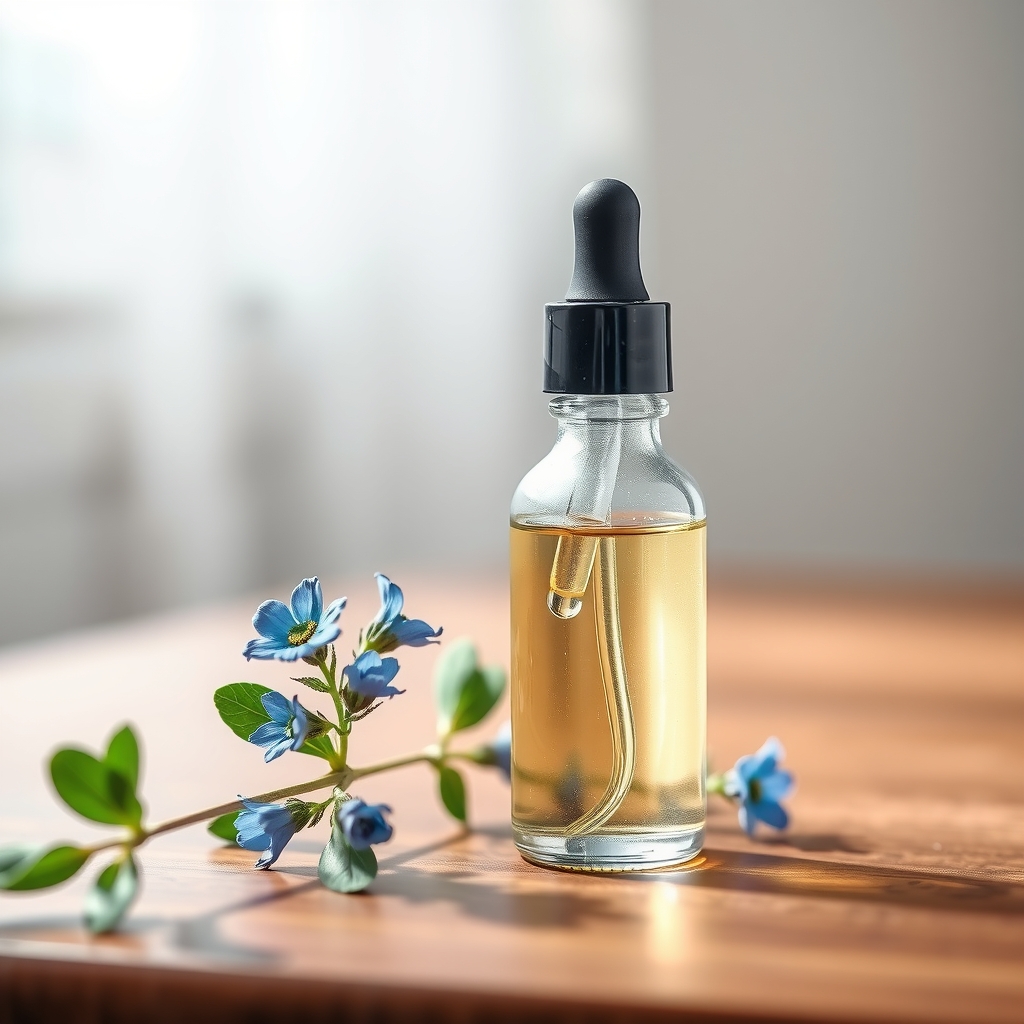
Avoid borage oil during pregnancy due to potential pyrrolizidine alkaloid contamination, which can harm the liver and may induce labor. Prioritize safety and discuss alternatives with your doctor.
By Shubhra Mishra — a mom of two who turned her own confusion during pregnancy into BumpBites, a global mission to make food choices clear, safe, and stress-free for every expecting mother. 💛
Check whether any food is safe during pregnancy with the BumpBites Food Safety Checker.
Quick verdict: ❌ Best avoided. Most experts, including the American College of Obstetricians and Gynecologists (ACOG), recommend avoiding oral borage oil during pregnancy due to potential risks like uterine contractions and blood thinning. Topical use is also generally discouraged.
You're scrolling online, perhaps feeling a little itchy from pregnancy skin changes, or maybe you've heard about borage oil's anti-inflammatory benefits and are wondering if it could help. Then the dreaded thought hits: "is borage oil safe during pregnancy?" If you've already taken a supplement or used a cream containing it, take a deep breath. It's completely natural to worry about every little thing that might affect your baby, and we're here to help you understand the current guidance on borage oil.
When it comes to pregnancy, many natural remedies and supplements that are otherwise beneficial become a question mark. For borage oil, the concern is significant enough that most healthcare providers advise against its use. This article will break down why borage oil is generally considered unsafe, what the specific risks are, safer alternatives for common uses, and what to do if you've already been exposed. Our goal at BumpBites is to provide clear, evidence-based information so you can make informed decisions for your health and your baby's well-being.
Even natural remedies like borage oil require careful consideration during pregnancy.
Borage Oil Safety Snapshot During Pregnancy
Trimester/Period
Verdict
Notes
First Trimester
❌ Avoid
Highest risk due to organogenesis; potential for uterine contractions and blood thinning is particularly concerning.
Second Trimester
❌ Avoid
Continued risk of uterine contractions and potential for blood thinning, which could complicate unexpected bleeding.
Third Trimester
❌ Avoid
Significant concern for inducing premature labor and increasing bleeding risk during delivery or in the postpartum period.
Breastfeeding
⚠️ Talk to your doctor first
Insufficient evidence on safety and transfer into breast milk. Generally advised to avoid unless specifically recommended by a healthcare provider, given unknown effects on infants.
What is Borage Oil?
B
orage oil is a natural oil extracted from the seeds of the borage plant (Borago officinalis), a vibrant blue-flowered herb sometimes called "starflower." This plant is native to the Mediterranean region but is now cultivated worldwide, recognized for its distinctive star-shaped blue flowers and fuzzy leaves. It's well-known for its high concentration of gamma-linolenic acid (GLA), an omega-6 fatty acid. GLA is an essential fatty acid that the body converts into prostaglandins, which are hormone-like substances involved in regulating inflammation, blood clotting, and other bodily functions.
Historically, borage has been used in traditional medicine for various ailments, with records dating back to ancient Greece and Rome. Modern applications often focus on its potential anti-inflammatory properties, making it popular in supplements and skincare products. People commonly use borage oil supplements or topical products for skin conditions like eczema, psoriasis, and acne, as well as for rheumatoid arthritis, respiratory issues, and even for promoting hair growth. While its GLA content offers some promising benefits in non-pregnant individuals, its potent effects on prostaglandin production are precisely why there are significant concerns about whether borage oil is safe during pregnancy, regardless of its "natural" origin.
Is Borage Oil Safe During Pregnancy?
No, borage oil is generally not considered safe during pregnancy, and most major health organizations, including the American College of Obstetricians and Gynecologists (ACOG) and the UK's National Health Service (NHS), advise against its use. The primary concern revolves around its high gamma-linolenic acid (GLA) content. GLA can be converted in the body into prostaglandins, which are compounds that can stimulate uterine contractions and potentially induce labor. Specifically, GLA is metabolized into dihomo-gamma-linolenic acid (DGLA), which can then form prostaglandin E1 (PGE1) and other eicosanoids that influence smooth muscle contraction.
Beyond the risk of uterine contractions, borage oil also has anticoagulant (blood-thinning) properties. This means it could interfere with blood clotting, potentially increasing the risk of bleeding during pregnancy, delivery, or in the postpartum period. This effect is particularly worrying near term or if a pregnant person has a pre-existing clotting disorder or requires emergency medical intervention. While some studies have explored the use of GLA in specific pregnancy complications, the overall consensus for general use is a strong recommendation to avoid it due to these potential adverse effects on both mother and baby. The lack of extensive, high-quality human studies specifically on pregnant populations further reinforces this cautious approach. If you're wondering, "is borage oil safe during pregnancy?" for any reason, the safest answer is to avoid it, as the risks currently outweigh any unproven benefits.
Safety by Trimester
Is borage oil safe during the first trimester?
No, borage oil is not considered safe during the first trimester and should be strictly avoided. The first trimester is a critical period for fetal development, known as organogenesis, where all of the baby's major organs are forming. Any substance that could potentially interfere with this delicate process or stimulate uterine activity carries a heightened risk. The GLA in borage oil can be converted into prostaglandins, which are known to cause uterine contractions. While these might not always lead to miscarriage, the risk is significant enough to warrant avoidance. Furthermore, the blood-thinning properties of borage oil could pose a risk of bleeding, which is particularly concerning in early pregnancy when the uterine lining is establishing its connection with the developing embryo.
Borage Oil in the Second Trimester
The recommendation to avoid borage oil continues into the second trimester. While the risk of organogenesis is past, the potential for uterine contractions remains a serious concern. Premature contractions in the second trimester can lead to preterm labor, which carries serious risks for the baby's development and survival, including lung underdevelopment and neurological complications. Avoiding any substance that could trigger such contractions is a key aspect of prenatal care. The blood-thinning effects of borage oil also persist, which could complicate any unexpected bleeding or medical procedures during this stage of pregnancy, such as amniocentesis or cerclage placement.
Borage Oil in the Third Trimester
Avoiding borage oil is especially crucial during the third trimester. At this stage, the risk of uterine contractions is directly linked to inducing premature labor. Using borage oil could potentially trigger contractions before your baby is ready to be born, leading to complications associated with prematurity, including respiratory distress syndrome and feeding difficulties. Additionally, the blood-thinning properties become a major concern as you approach your due date. Increased bleeding risk during labor and delivery, or even during routine prenatal care, is a serious consideration that obstetricians aim to minimize, as excessive bleeding can lead to maternal complications. Therefore, the answer to "is borage oil safe during pregnancy" in the third trimester is a definitive no.
Borage Oil While Breastfeeding
The safety of borage oil during breastfeeding is not well-established due to a lack of sufficient research. While some small amounts of fatty acids might transfer into breast milk, the potential effects of GLA and its metabolites on a breastfeeding infant are not fully understood. Given the general caution surrounding borage oil during pregnancy, most healthcare providers extend this recommendation to breastfeeding mothers unless there's a specific, doctor-supervised reason for its use. The precautionary principle dictates that it's always best to err on the side of caution and discuss any supplements with your healthcare provider before taking them while breastfeeding, to ensure no unintended effects on your baby.
Understanding Pyrrolizidine Alkaloids (PAs) in Borage Oil
Beyond the GLA content, another significant concern with borage oil is the potential presence of pyrrolizidine alkaloids (PAs). PAs are naturally occurring toxic compounds found in various plants, including borage. These compounds are known to be hepatotoxic, meaning they can cause severe liver damage, and have also been linked to other adverse health effects, including carcinogenicity, with chronic exposure.
While reputable manufacturers of borage oil supplements typically process the oil to remove PAs, there's always a risk with less regulated products or if the purification process is incomplete. During pregnancy, the liver is already under increased physiological stress, making exposure to hepatotoxic substances even more concerning. Therefore, even if a borage oil product claims to be "PA-free," the primary risks associated with its GLA content (uterine contractions, blood thinning) still stand, making it generally unsafe for use during pregnancy. Always prioritize products that are clearly certified PA-free, but remember this doesn't negate the GLA-related risks.
Borage Oil for Labor Induction: What's the Evidence?
Some pregnant individuals, particularly as they approach their due date, may seek natural methods to induce labor. Borage oil, like evening primrose oil (EPO), sometimes comes up in these discussions due to its GLA content and its potential to influence prostaglandins. However, there is no scientific evidence to support the safe and effective use of borage oil for labor induction. In fact, its potential to cause uncontrolled uterine contractions is precisely why it is advised against throughout pregnancy.
Attempting to self-induce labor with borage oil or other unproven methods can be dangerous. It can lead to unpredictable and potentially hypertonic contractions, which can be harmful to both mother and baby. These contractions may not be effective in cervical ripening but could cause fetal distress, uterine rupture, or other serious complications. Medical induction of labor is a carefully managed process overseen by healthcare professionals, using controlled doses of medications like oxytocin or synthetic prostaglandins when medically indicated. Relying on supplements like borage oil for this purpose is not recommended and poses unnecessary risks.
What Borage Oil Brands Should Pregnant Women Avoid?
When asking "is borage oil safe during pregnancy," the answer is generally no, regardless of the brand. Therefore, pregnant individuals should avoid all oral borage oil supplements and exercise caution with topical products containing borage oil, irrespective of the manufacturer. There isn't a specific "pregnancy-safe" brand of borage oil because the concerns stem from the active ingredient (GLA) itself and its potential effects on uterine contractions and blood clotting, rather than impurities or specific formulations from a given brand.
The supplement industry is not as tightly regulated as the pharmaceutical industry, meaning the quality and purity of borage oil products can vary significantly between brands. While some brands may go to great lengths to ensure their products are free of harmful pyrrolizidine alkaloids (PAs), this only addresses one aspect of the risk. The inherent properties of gamma-linolenic acid (GLA) itself are the primary reason for avoidance during pregnancy. So, if you're pregnant, it's best to avoid any product listing "borage oil" or "GLA" as a main ingredient, whether it's a supplement capsule, a topical cream, or an essential oil blend, to prioritize the safety of your pregnancy.
⚠ Side Effects and Risks of Borage Oil in Pregnancy
The decision to avoid borage oil during pregnancy is based on several significant potential risks and side effects:
Uterine Contractions and Premature Labor: This is the most serious concern. The gamma-linolenic acid (GLA) in borage oil is a precursor to prostaglandins. While prostaglandins play many roles, certain types can stimulate uterine muscle contractions. Using borage oil, especially orally, could potentially lead to premature labor or miscarriage, particularly in the first and third trimesters. Premature labor can result in serious health complications for the baby, including underdeveloped lungs, brain bleeds, and feeding difficulties, requiring intensive neonatal care.
Blood Thinning: Borage oil has been shown to have anticoagulant properties, meaning it can inhibit blood clotting. This effect could increase the risk of bleeding during pregnancy, especially if complications arise, or during labor and delivery. Increased bleeding can lead to maternal anemia, necessitate blood transfusions, and in severe cases, pose a life-threatening risk. It could also interfere with medications or medical procedures that affect blood clotting.
Liver Toxicity (from Pyrrolizidine Alkaloids - PAs): While most commercial borage oil supplements are processed to remove them, borage plants naturally contain pyrrolizidine alkaloids (PAs). PAs are toxic to the liver and can be harmful if ingested, especially over time. Even small amounts could be a concern during pregnancy, where the liver is already working harder to process hormones and waste products. It's crucial to ensure any borage product is certified "PA-free," but even then, the GLA risks remain.
Gastrointestinal Distress: Some individuals report mild side effects like nausea, vomiting, indigestion, or diarrhea when taking borage oil, which could add to common pregnancy discomforts and potentially exacerbate conditions like morning sickness.
Interactions with Medications: Due to its blood-thinning properties, borage oil could interact negatively with anticoagulant medications (like warfarin or aspirin) or antiplatelet drugs, significantly increasing the risk of bleeding. Always discuss supplements with your doctor if you are on any medications to avoid dangerous interactions.
Given these potential severe risks, especially uterine contractions and blood thinning, medical consensus strongly advises against the use of borage oil when you're pregnant or breastfeeding to protect both maternal and fetal health.
It's important to prioritize safety and discuss any supplements with your healthcare provider.
Safer Alternatives to Borage Oil During Pregnancy
If you were considering borage oil for skin issues, inflammation, or general wellness, there are many safer, evidence-backed alternatives suitable for use during pregnancy. Always discuss new remedies with your doctor or midwife.
Shea Butter: A rich, natural emollient known for its moisturizing and healing properties. Excellent for dry, itchy skin and stretch mark prevention, it's widely considered safe for topical use.
Cocoa Butter: Another deeply moisturizing butter, often used to improve skin elasticity and reduce the appearance of stretch marks. It forms a protective barrier on the skin.
Coconut Oil: A versatile, natural moisturizer with antimicrobial properties. Great for general skin hydration and soothing minor irritations, and widely available.
Colloidal Oatmeal: Found in many pregnancy-safe lotions and bath treatments, it's highly effective for soothing itchy, irritated, or eczematous skin by creating a protective, hydrating film.
Hyaluronic Acid Serum: A powerful humectant that draws moisture into the skin, making it plump and hydrated without irritation. It's a popular and safe ingredient in many skincare lines.
Almond Oil: A gentle, nourishing oil rich in Vitamin E, good for massage and general skin hydration. It's often used as a carrier oil for other safe essential oils.
Jojoba Oil: Closely mimics the skin's natural sebum, making it an excellent non-comedogenic moisturizer that can help balance oily or acne-prone skin.
Flaxseed Oil (oral, for Omega-3s): If you're looking for an omega-3 boost (which borage oil does not provide), flaxseed oil is a plant-based option that is generally considered safe in moderation during pregnancy. It provides alpha-linolenic acid (ALA), a different fatty acid than GLA, which the body converts to EPA and DHA. Always choose a high-quality, cold-pressed oil.
Fish Oil (doctor-approved): A primary source of EPA and DHA omega-3s, crucial for baby's brain and eye development. Choose high-quality, purified fish oil supplements that are third-party tested for mercury and other contaminants. Discuss dosage with your doctor, as the FDA and ACOG recommend safe sources.
Prescription Topical Corticosteroids (doctor-prescribed): For severe eczema or other inflammatory skin conditions, your doctor may prescribe low-potency topical corticosteroids, which are generally considered safe during pregnancy when used as directed and for limited periods.
Magnesium Supplements (doctor-approved): If you were considering borage oil for general wellness or muscle relaxation, magnesium is a well-studied mineral that can help with muscle cramps and promote relaxation. Always consult your doctor for appropriate dosage.
Related Items — Safety at a Glance
Many plant-derived oils and supplements raise similar questions about safety during pregnancy. Here's a quick look at some related items:
Item
Verdict
Notes
Evening Primrose Oil (EPO)
❌ Best avoided
Contains GLA, similar to borage oil. Often used to "ripen the cervix" at term, but evidence is weak, and risk of uterine contractions is a concern.
Castor Oil
❌ Best avoided
Strong laxative, can cause severe gastrointestinal distress and stimulate uterine contractions, potentially inducing labor.
Flaxseed Oil
✅ Generally safe (oral)
Good source of ALA (omega-3). Generally safe in moderate amounts, but consult your doctor regarding supplements and avoid excessive intake.
Fish Oil
✅ Generally safe (oral)
Excellent source of EPA/DHA (omega-3). Crucial for fetal development. Choose high-quality, mercury-free supplements as advised by your doctor.
Tea Tree Oil
⚠️ Safe with limits (topical)
Generally safe for topical use in diluted forms for small areas. Avoid oral ingestion and application to large or broken skin areas.
Peppermint Oil
⚠️ Safe with limits (topical/aromatherapy)
Often used for nausea (aromatherapy) or muscle aches (topical, diluted). Avoid oral ingestion, especially in early pregnancy, and use with caution.
Rosemary Oil
❌ Best avoided
High concentrations are known to be uterine stimulants and can increase blood pressure. Avoid in all forms (oral, topical, strong aromatherapy) during pregnancy.
Black Seed Oil
❌ Best avoided
Insufficient research on safety in pregnancy; some evidence suggests potential abortifacient effects in animal studies. Caution is advised.
CBD Oil
❌ Best avoided
FDA advises against use. Insufficient research on effects on fetal development or breastfed infants, and concerns about product purity and dosage.
Vitamin E Oil
✅ Generally safe (topical)
Often used for skin healing and elasticity. Generally safe topically. Oral supplements should be discussed with a doctor, as excessive doses can be harmful and specific benefits in pregnancy are limited.
Red Raspberry Leaf Tea
⚠️ Talk to your doctor first
Often used in late pregnancy to tone the uterus, but typically only recommended in the third trimester, and always under medical guidance. Avoid in early pregnancy.
Myth vs. Fact
Navigating information about supplements in pregnancy can be confusing. Let's clear up some common misconceptions about borage oil.
Myth: Borage oil is a "natural" product, so it must be safe during pregnancy.
Fact: While borage oil is derived from a plant, "natural" does not automatically equate to "safe," especially during pregnancy. Many natural substances can have potent pharmacological effects. As discussed, borage oil's active component, GLA, can stimulate uterine contractions and thin the blood, posing risks that outweigh any potential benefits during pregnancy. It's crucial to evaluate natural remedies with the same scrutiny as pharmaceutical drugs when pregnant.
Myth: Topical borage oil is fine because it doesn't get absorbed into the bloodstream.
Fact: While systemic absorption from topical application is generally lower than oral intake, the skin is not an impenetrable barrier. Active compounds can still be absorbed, especially when applied over large areas, to broken skin, or in concentrated forms. Given the significant risks associated with borage oil, most experts recommend avoiding both oral and extensive topical use during pregnancy to be on the safest side. The "better safe than sorry" principle applies here.
Myth: Borage oil can help with pregnancy-related inflammation and skin issues like eczema.
Fact: While borage oil is often used for its anti-inflammatory properties and benefits for skin conditions in non-pregnant individuals, its use for these purposes is not recommended during pregnancy due to the risks of uterine contractions and blood thinning. There are many other proven and safe alternatives for managing inflammation and skin issues during pregnancy, as listed in our "Safer Alternatives" section, which your healthcare provider can help you explore.
Myth: A small amount of borage oil won't cause any problems during pregnancy.
Fact: While the severity of a reaction can be dose-dependent, there is no established "safe" amount of borage oil during pregnancy. Given the potential for uterine contractions and blood thinning, even small or infrequent exposures could pose a risk, especially in sensitive individuals or at critical stages of pregnancy. Medical advice is to avoid it entirely, rather than attempting to self-regulate a "small amount."
Explore pregnancy-safe skincare alternatives with your healthcare provider.
Key Takeaways
Borage oil is generally advised to be avoided during all trimesters of pregnancy due to potential risks.
The primary concerns are its ability to stimulate uterine contractions and its blood-thinning effects, both of which can lead to serious complications.
Topical use of borage oil is also generally discouraged due to potential absorption and lack of definitive safety data during pregnancy.
Unpurified borage oil may contain liver-toxic pyrrolizidine alkaloids (PAs), adding another layer of risk, though most commercial products are processed to remove them.
Many safe and effective alternatives exist for common uses of borage oil, such as managing dry skin or inflammation during pregnancy, including natural emollients and doctor-approved medications.
Always consult your healthcare provider before taking any supplement or making significant changes to your skincare routine while pregnant or breastfeeding to ensure safety.
Frequently Asked Questions
Is GLA safe during pregnancy?
Gamma-linolenic acid (GLA), the primary active component in borage oil, is generally considered unsafe during pregnancy. This is because GLA can be metabolized into prostaglandins, which are compounds that can stimulate uterine contractions, potentially leading to premature labor or miscarriage. For this reason, most healthcare professionals recommend avoiding GLA-containing supplements like borage oil while pregnant.
Can I use borage oil topically when pregnant?
While topical absorption is generally lower than oral ingestion, it is still advisable to avoid extensive topical use of borage oil during pregnancy. The active compounds can still be absorbed through the skin, and given the potential risks of uterine contractions and blood thinning, it's best to err on the side of caution. For skin conditions like eczema, safer topical alternatives are recommended that pose no known risk to your pregnancy.
What oils should pregnant women avoid?
Pregnant women should avoid several oils due to potential risks. These include borage oil, evening primrose oil, castor oil, and rosemary oil due to concerns about uterine stimulation or blood thinning. Many essential oils should also be used with extreme caution and always diluted, with some being completely avoided. Always consult your doctor or midwife about any oils or supplements you plan to use, even if they seem natural.
Does borage oil cause contractions?
Yes, borage oil has the potential to cause uterine contractions. The gamma-linolenic acid (GLA) in borage oil is a precursor to prostaglandins, which are hormone-like substances that can stimulate uterine muscle activity. This is a significant concern during pregnancy, as it could lead to premature labor or miscarriage, especially in the first and third trimesters, which is why borage oil is generally advised against.
Is evening primrose oil safe during pregnancy?
Similar to borage oil, evening primrose oil (EPO) also contains GLA and is generally advised to be avoided during pregnancy. While some people use it to "ripen the cervix" at term, evidence for its effectiveness is weak, and the potential for uterine contractions and other adverse effects means most experts recommend against its use until more definitive safety data is available. Always consult your doctor before considering EPO, especially in late pregnancy.
What are natural remedies for eczema during pregnancy?
For eczema during pregnancy, several natural and safe remedies can provide relief. These include regular moisturizing with emollients like shea butter, cocoa butter, coconut oil, or almond oil. Colloidal oatmeal baths can also soothe itchy skin. Keeping showers lukewarm and avoiding harsh soaps can also help. Always discuss persistent or severe eczema with your doctor, who may recommend pregnancy-safe prescription options if needed.
Can borage oil affect baby?
Yes, borage oil can potentially affect the baby indirectly through its effects on the pregnant person. The main concerns are the risk of inducing premature labor due to uterine contractions, which can lead to complications associated with prematurity. Additionally, its blood-thinning properties could pose risks during delivery, potentially impacting the baby's health. The lack of sufficient research on direct fetal effects means it's best to avoid it to protect your baby's development.
Is borage oil good for fertility?
While some sources suggest borage oil might have benefits for fertility due to its GLA content potentially helping with hormonal balance or inflammation, there is limited scientific evidence to support these claims, particularly in well-designed human studies. Furthermore, given its contraindication during pregnancy, if you are trying to conceive, it's crucial to discuss any supplements, including borage oil, with your fertility specialist or healthcare provider to ensure they are appropriate and safe for your specific situation and won't pose risks if you become pregnant.
Is it safe to consume borage flowers or leaves while pregnant?
Like borage oil, consuming borage flowers or leaves (e.g., in salads or teas) is generally advised against during pregnancy. While the concentration of GLA and pyrrolizidine alkaloids (PAs) may be lower than in concentrated oil supplements, the plant still contains these compounds. Given the potential risks of uterine contractions and liver toxicity from PAs, it's safest to avoid all forms of borage during pregnancy, even in culinary amounts.
Can borage oil cause birth defects?
There is no definitive evidence from human studies directly linking borage oil to specific birth defects. However, the primary concern is its potential to cause uterine contractions, which can lead to premature labor or miscarriage, rather than structural birth defects. Any substance that disrupts the delicate environment of pregnancy carries risks to fetal development and survival. Therefore, due to the lack of safety data and known risks, it is best avoided.
When to Call Your Doctor
If you have taken borage oil before realizing you were pregnant, or if you've been using it and are now concerned, try not to panic. The most important step is to inform your healthcare provider immediately. They can assess your individual situation, discuss any potential risks, and monitor you and your baby appropriately. You should also contact your doctor if you experience any of the following symptoms after using borage oil:
Any signs of uterine contractions or cramping.
Vaginal bleeding or spotting.
Unusual abdominal pain.
Any signs of an allergic reaction, such as rash, itching, or swelling.
Unexplained bruising or prolonged bleeding from minor cuts.
Remember, this article is for informational purposes only and is not a substitute for professional medical advice, diagnosis, or treatment. Always seek the advice of your physician or other qualified health provider with any questions you may have regarding a medical condition.
References
American College of Obstetricians and Gynecologists (ACOG). (Current guidelines on herbal supplements in pregnancy).
National Health Service (NHS) UK. (Information on medicines and supplements in pregnancy).
U.S. Food and Drug Administration (FDA). (Guidance on dietary supplements and pregnancy).
Mayo Clinic. (Information on borage oil and pregnancy).
Natural Medicines Database. (Monograph on Borage).
National Center for Complementary and Integrative Health (NCCIH). (Information on herbal supplements).
Not sure about the label on Is Borage Oil Safe During Pregnancy products?
Snap the ingredients list and SafeFilter checks every ingredient for your stage — only 3 free scans this month, then you're locked until reset. Unlimited from $7/mo or lock $50/yr through Aug 31 (16 days left).
When Shubhra Mishra was expecting her first child in 2016, she was overwhelmed by conflicting food advice — one site said yes, another said never. By the time her second baby arrived in 2019, she realized millions of mothers face the same confusion.
That sparked a five-year journey through clinical nutrition papers, cultural diets, and expert conversations — all leading to BumpBites: a calm, compassionate space where science meets everyday motherhood.
Her long-term vision is to build a global community ensuring safe, supported, and free deliveriesfor every mother — because no woman should face pregnancy alone or uninformed. 🌿
🌍 Stand with mothers, shape safer guidance
Join a small circle of experts who review BumpBites articles so expecting parents everywhere can decide with confidence.