Safe: Bleaching hair is generally considered okay after the first trimester, but limit exposure and avoid strong chemicals in early pregnancy. Learn safe timing and alternatives.
By Shubhra Mishra — a mom of two who turned her own confusion during pregnancy into BumpBites, a global mission to make food choices clear, safe, and stress-free for every expecting mother. 💛
Check whether any food is safe during pregnancy with the BumpBites Food Safety Checker.
Quick verdict: ⚠️ Talk to your doctor first. Hair bleach contains chemicals that can be absorbed through the scalp, so most obstetric experts recommend limiting or avoiding it during pregnancy, especially in the first trimester. If you do choose to bleach, keep exposure brief, use a well‑ventilated area, and follow professional guidance.
It’s 2 a.m., the bathroom light is on, and you’re staring at a half‑finished bleach mixture wondering, “is bleaching hair safe during pregnancy?” You might have already applied the product, or you could be planning a fresh look for the summer. Either way, you deserve a clear, calm answer that tells you exactly what the research says, how much you can safely use, which trimester matters most, and what gentler options exist.
In short, most medical bodies—including ACOG and the NHS—advise caution. The chemicals in hair bleach, such as ammonia and persulfates, can be absorbed through the skin and potentially reach the bloodstream, although the actual risk to a developing baby is considered low when exposure is brief and well‑ventilated. Below you’ll find a trimester‑by‑trimester breakdown, dosage guidelines, brand considerations, safer alternatives, and a quick‑reference table of related hair‑coloring products.
We’ll walk you through everything you need to know about bleaching your hair while pregnant, from the chemistry to the safest practices, and help you feel confident in the choices you make for you and your baby.
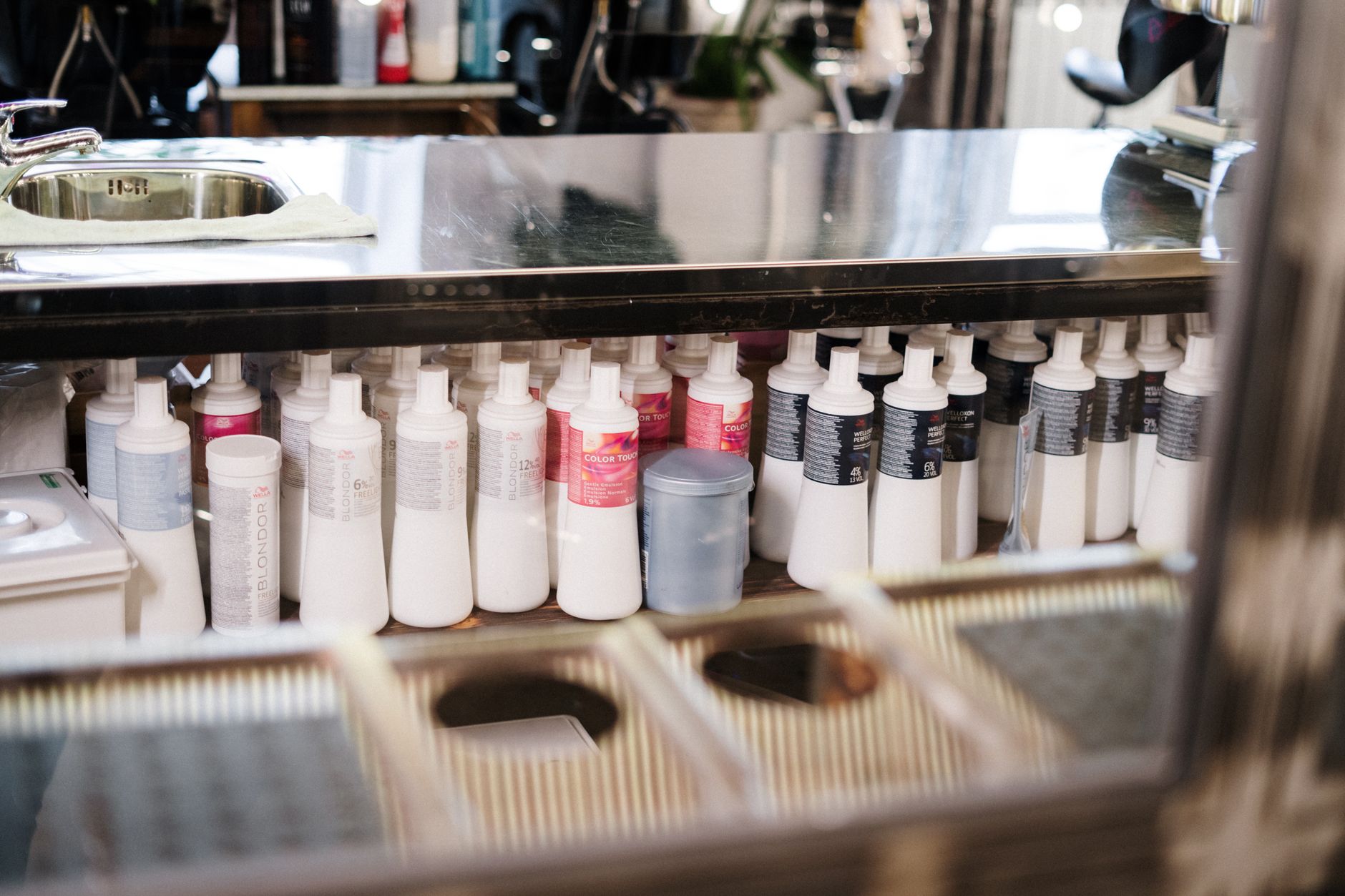
Set up a well‑ventilated, organized space before you start any hair‑bleaching process.
Trimester / Stage
Verdict
Notes
First trimester (0‑13 weeks)
❌ Best avoided
Organ formation is most sensitive; limit chemical exposure.
Second trimester (14‑27 weeks)
⚠️ Use with caution
If necessary, keep sessions short (< 30 min) and ensure ventilation.
Third trimester (28‑40 weeks)
⚠️ Use with caution
Same precautions as second trimester; avoid if you have scalp irritation.
Breastfeeding
⚠️ Use with caution
Chemicals can be present in breast milk in trace amounts; limit exposure.
What is hair bleaching?
Hair bleaching is a chemical process that lifts the natural pigment from the hair shaft, creating a lighter shade or a blank canvas for other colors. The most common method uses a powder (usually containing ammonium persulfate) mixed with a liquid developer (hydrogen peroxide). When applied, the peroxide releases oxygen, which reacts with melanin—the pigment that gives hair its color—breaking it down and allowing the hair to become lighter.
Professional salons often combine the powder and developer in a bowl, applying the mixture with a brush while covering the scalp with a protective cap. At‑home kits work the same way but typically contain lower concentrations of peroxide for safety. The process can be repeated multiple times to achieve very light shades, but each round increases the amount of chemical exposure to the scalp and skin.
People use bleach for a variety of reasons: to achieve a platinum look, to cover gray hair, to prepare the hair for vibrant colors, or simply to refresh a summer style. Because the process can be harsh, it’s essential to follow instructions closely and to consider the health of both the hair and, in the case of pregnancy, the mother and fetus.
Is hair bleaching safe during pregnancy?
Current guidance from the American College of Obstetricians and Gynecologists (ACOG) and the UK’s National Health Service (NHS) suggests that pregnant people should minimize exposure to strong chemicals, including hair bleach. The ACOG Committee Opinion on “Cosmetic Procedures in Pregnancy” notes that while there is no definitive evidence that hair bleach causes birth defects, the precautionary principle applies, especially during the first trimester when organogenesis occurs.
The U.S. Food and Drug Administration (FDA) does not classify hair bleach as a teratogen, but it does advise using products in well‑ventilated areas and wearing protective gloves. The NHS similarly recommends limiting the use of strong chemicals on the scalp and opting for “gentle” or “natural” alternatives when possible.
Most of the concern stems from the potential for systemic absorption of ammonia, persulfates, and hydrogen peroxide through the skin. Studies on occupational exposure (e.g., hairdressers) have shown that prolonged, repeated contact can raise blood levels of these chemicals, but occasional, short‑duration exposure in a home setting is unlikely to reach harmful levels. Nonetheless, because the exact threshold for fetal safety is unknown, many clinicians advise erring on the side of caution.
Is bleaching hair safe during the first trimester?
The first trimester is the period of organ formation, making it the most vulnerable time for the developing baby. Because the placenta is still developing, any chemicals that cross the skin have a higher chance of reaching the fetus. ACOG recommends avoiding non‑essential chemical treatments, including hair bleach, during this stage. If you must lighten your hair, consider a very mild, low‑peroxide product and limit the exposure time to under 20 minutes, ensuring the room is well‑ventilated.
Some dermatologists suggest waiting until after the first 12 weeks to reduce any theoretical risk. If you’ve already bleached your hair during the first trimester, try not to panic—most studies indicate that occasional exposure does not significantly increase risk, but you should discuss it with your obstetric provider at your next appointment.
Can I bleach my hair in the second trimester?
During the second trimester, the fetus’s major organs have formed, and the risk from short‑term chemical exposure generally decreases. However, ACOG still recommends caution. If you choose to bleach, limit the session to a single, brief application (no more than 30 minutes) and ensure the area is well‑ventilated. Using a low‑strength developer (10‑20 % hydrogen peroxide) can also reduce the amount of chemical absorbed.
Professional salons can provide a controlled environment with proper ventilation and protective equipment, which may be safer than at‑home kits. Still, discuss your plans with your provider, especially if you have a history of scalp sensitivity or allergies, as these can increase absorption.
What amount of hair bleach is safe to use while pregnant?
There is no universally accepted “safe dose” for hair bleach, as absorption depends on factors like scalp condition, product concentration, and exposure time. As a practical guideline, aim for the smallest amount needed to achieve the desired lift—typically a thin layer of paste covering the sections you want to lighten. Avoid full‑head applications and keep the mixture on the scalp for no longer than 30 minutes.
If you are using an at‑home kit, follow the manufacturer’s instructions for the lowest recommended peroxide strength (often 10 %). Professionals often use 20‑30 % developer; pregnant users should request a reduced strength. Always wear gloves and keep the room’s windows open or use a fan to disperse fumes.
Are there any safe hair bleach brands for pregnant women?
Because safety data for specific brands are limited, no brand can be declared “completely safe” for pregnant users. However, some manufacturers market “gentle” or “low‑ammonia” formulas that contain lower concentrations of persulfates and peroxide. Look for products that explicitly label “10 % developer” or “no ammonia” and that are fragrance‑free to minimize inhalation of volatile compounds.
Brands such as Clairol Natural Instincts and Schwarzkopf Color Freeze offer lower‑strength developers, but you should still follow the general cautionary guidelines: short exposure, good ventilation, and protective gloves. Always read the ingredient list for ammonia, persulfate, or other harsh chemicals, and consider doing a patch test on a small skin area first.
What are the risks of hair bleaching during pregnancy?
The primary risks involve potential skin irritation, allergic reactions, and systemic absorption of chemicals. Mild scalp irritation (redness, itching) is common even for non‑pregnant users. Allergic reactions to persulfates can cause more severe symptoms, such as swelling or hives, which may require medical attention.
Systemic absorption, while generally low, could theoretically lead to fetal exposure. The most concerning outcomes would be developmental toxicity, but no robust human studies have linked occasional hair bleaching to birth defects. The biggest risk, however, is the indirect one: if you develop a severe allergic reaction, the stress and inflammation could affect pregnancy health.
What are safe alternatives to hair bleaching for pregnant women?
Henna hair color – provides a natural, reddish tint without harsh chemicals.
Vegetable‑based hair dye – uses plant extracts like beet or walnut for gentle coloring.
Natural hair highlights – lighter shades achieved with sun exposure or light‑reflecting sprays.
Temporary hair chalk – washes out after a few shampoos and contains no peroxide.
Hair mascara – spot‑treats roots or strands with a non‑chemical pigment.
Dry shampoo color spray – adds a subtle hue while cleansing hair.
Semi‑permanent plant‑based dye – low‑strength color that fades over weeks.
Hair gloss – enhances shine and can add a faint tone without bleaching.
Color‑depositing conditioner – subtly tints hair while conditioning.
Glossing treatment – a salon service that adds shine and a slight shade without bleach.
Does hair bleaching affect my baby’s development?
There is no conclusive evidence that occasional hair bleaching directly harms fetal development. The most reliable data come from occupational studies of hairdressers, which suggest that chronic, high‑level exposure may increase the risk of miscarriage or low birth weight. However, a single, brief exposure in a well‑ventilated environment is considered low risk. Nonetheless, the precautionary principle applies, especially during the first trimester, and many clinicians advise limiting exposure as a safeguard.
Can I use at‑home hair bleaching kits while pregnant?
At‑home kits are generally safe if you follow strict precautions: use a low‑strength developer (10 % or less), apply the product only to the sections you want to lighten, keep the exposure time under 30 minutes, and work in a well‑ventilated space. Wearing nitrile gloves and a protective cap can further reduce scalp contact. If you have a history of skin sensitivity or allergy, consider skipping at‑home bleaching altogether and opting for a professional, low‑strength service.
Safe dosage / amount / brands
Because hair bleach is not a medication, “dosage” refers to the concentration of peroxide and the amount of product applied. A safe practice during pregnancy is to use the lowest effective concentration—typically 10 % hydrogen peroxide—applied only to the desired strands. Avoid full‑head bleaching unless absolutely necessary. If you are using a professional service, ask the stylist to limit the developer to 10‑20 % and keep the total application time under 30 minutes.
When selecting a brand, prioritize those that advertise “low‑ammonia” or “no‑ammonia” formulas and that disclose the exact peroxide strength. Products like Clairol Natural Instincts, Schwarzkopf Color Freeze, and John Frieda Precision Foam Colour offer lower‑strength options. Avoid high‑lift or “bleach‑only” powders that contain 30‑40 % peroxide unless you have a professional setting with proper ventilation.
Choosing a low‑strength developer and good ventilation can make a professional bleach session safer.
Side effects and risks
Common, non‑dangerous effects: mild scalp irritation, dryness, and a temporary metallic odor. These usually resolve with proper after‑care, such as using a moisturizing conditioner and avoiding heat styling for a few days.
Potentially serious concerns: allergic reactions to persulfates or ammonia, which can cause swelling, hives, or difficulty breathing. If you experience any of these, seek medical attention immediately. Additionally, if you develop severe scalp burns or prolonged redness, contact your provider, as inflammation could affect pregnancy health.
Because chemicals can theoretically enter the bloodstream, some clinicians advise monitoring for unusual symptoms like persistent headaches, dizziness, or unexplained nausea after bleaching. These could signal systemic absorption and warrant a call to your obstetrician.
Safer alternatives
Henna hair color – natural, no peroxide, adds a reddish hue.
Vegetable‑based hair dye – uses plant pigments for gentle coloring.
Natural hair highlights – achieved with sun‑reflecting sprays or light‑enhancing conditioners.
Temporary hair chalk – washes out easily, no chemicals.
Hair mascara – spot‑treats roots without scalp exposure.
Dry shampoo color spray – adds tint while cleaning hair.
Hair gloss – boosts shine and can add a subtle tone.
Color‑depositing conditioner – gentle tint with conditioning benefits.
Glossing treatment – salon service that adds shine without bleach.
Related items — safety at a glance
Item
Verdict
One‑line note
Permanent hair dye
⚠️ Use with caution
Contains ammonia and peroxide; limit exposure.
Semi‑permanent hair dye
⚠️ Use with caution
Lower peroxide, but still chemical exposure.
Temporary hair color spray
✅ Generally safe
Washes out quickly, minimal scalp contact.
Hair lightening powder
❌ Best avoided
High peroxide content; strong chemical risk.
Hair toner
⚠️ Use with caution
Often mixed with peroxide; limit use.
Root touch‑up spray
✅ Generally safe
Minimal chemical content, short‑term exposure.
Hair color shampoo
✅ Generally safe
Low‑strength dyes, safe for occasional use.
Hair bleach powder
❌ Best avoided
High‑strength peroxide; avoid during pregnancy.
High‑lift hair color
⚠️ Use with caution
Higher peroxide for lift; limit exposure.
Hair color wax
✅ Generally safe
Wax‑based, no peroxide, short contact time.
Myth vs. fact
Myth: Hair bleach always causes birth defects.
Fact: There is no solid evidence linking occasional hair bleaching to birth defects, but precaution is advised, especially in the first trimester.
Myth: If you wear a hat, the chemicals can’t reach the baby.
Fact: While a hat can reduce scalp exposure, fumes can still be inhaled; proper ventilation remains essential.
Myth: All hair‑coloring products are equally risky.
Fact: Products vary widely in chemical strength; low‑ammonia, low‑peroxide options pose less risk than high‑lift bleaches.
Key takeaways
Most experts recommend avoiding hair bleach in the first trimester; use only if essential and with strict precautions.
If you bleach later in pregnancy, keep sessions under 30 minutes, use low‑strength peroxide (10 % or less), and ensure good ventilation.
Choose low‑ammonia or “no‑ammonia” brands, wear gloves, and perform a patch test first.
Consider safer alternatives like henna, vegetable‑based dyes, or temporary color sprays.
Watch for allergic reactions or severe scalp irritation; seek medical help if they occur.
Always discuss hair‑bleaching plans with your obstetric provider, especially if you have a history of allergies or skin sensitivity.
Frequently asked questions
Can I bleach my hair while pregnant?
Yes, but it’s best to wait until after the first trimester and use a low‑strength developer in a well‑ventilated area; always consult your provider first.
Is it safe to use hair bleach in the second trimester?
It can be done with caution—limit exposure to under 30 minutes, choose a 10‑20 % peroxide formula, and ensure good airflow.
What are the side effects of hair bleach during pregnancy?
Common side effects include scalp irritation, dryness, and odor; serious concerns are allergic reactions or severe burns, which require medical attention.
Do hair bleaching chemicals cross the placenta?
Small amounts can be absorbed into the bloodstream and may reach the placenta, but occasional, brief exposure is considered low risk; the exact threshold is not well defined.
How long should I wait after bleaching hair before having a baby?
There is no required waiting period, but many clinicians advise waiting at least a few weeks to ensure any residual chemicals have cleared from your system.
Can I get a professional hair bleach treatment when pregnant?
Yes, if the salon uses a low‑strength developer, limits the session to under 30 minutes, and provides adequate ventilation; discuss your pregnancy with the stylist.
Are natural hair dyes safer during pregnancy?
Generally, yes—natural dyes like henna or vegetable‑based colors contain fewer harsh chemicals and are considered low risk for both mother and baby.
What alternatives exist to bleach hair while pregnant?
Options include henna, vegetable‑based dyes, temporary hair chalk, hair mascara, color‑depositing conditioners, and glossing treatments, all of which avoid strong peroxide.
When to call your doctor
If you experience any of the following after bleaching your hair, contact your obstetric provider promptly:
Severe scalp swelling, hives, or difficulty breathing (possible allergic reaction).
Persistent redness, burning, or blistering of the scalp.
Unusual headaches, dizziness, or nausea that do not resolve.
Any signs of miscarriage, such as vaginal bleeding or cramping.
Concerns about fetal growth or development after chemical exposure.
These guidelines are informational only and do not replace personalized medical advice. Always discuss any hair‑coloring plans with your prenatal care provider.
References
American College of Obstetricians and Gynecologists. Committee Opinion No. 746: Cosmetic Procedures in Pregnancy. ACOG, 2020.
National Health Service (NHS). “Hair dye and pregnancy.” NHS.uk, updated 2022.
U.S. Food and Drug Administration (FDA). “Cosmetic Ingredient Review: Hair Bleach.” FDA, 2021.
Centers for Disease Control and Prevention (CDC). “Occupational exposure to hair‑dressing chemicals.” CDC, 2019.
Mayo Clinic. “Hair dye safety during pregnancy.” MayoClinic.org, 2023.
World Health Organization (WHO). “Guidelines for chemical exposure in pregnancy.” WHO, 2020.
British Association of Dermatologists. “Allergic contact dermatitis from hair products.” BAD, 2021.
Not sure about the label on Is Bleaching Hair Safe During Pregnancy products?
Snap the ingredients list and SafeFilter checks every ingredient for your stage — only 3 free scans this month, then you're locked until reset. Unlimited from $7/mo or $50/yr.
When Shubhra Mishra was expecting her first child in 2016, she was overwhelmed by conflicting food advice — one site said yes, another said never. By the time her second baby arrived in 2019, she realized millions of mothers face the same confusion.
That sparked a five-year journey through clinical nutrition papers, cultural diets, and expert conversations — all leading to BumpBites: a calm, compassionate space where science meets everyday motherhood.
Her long-term vision is to build a global community ensuring safe, supported, and free deliveriesfor every mother — because no woman should face pregnancy alone or uninformed. 🌿
🌍 Stand with mothers, shape safer guidance
Join a small circle of experts who review BumpBites articles so expecting parents everywhere can decide with confidence.