

Quick verdict: ⚠️ Talk to your doctor first. Belly dancing can be enjoyable during pregnancy, but it’s best to get personalized guidance about intensity, moves, and any existing health concerns.
It’s 2 a.m., the living‑room lights are low, and you just heard the faint thump of a drum from the TV. Suddenly, the question “is belly dancing safe during pregnancy?” pops into your mind, and a wave of worry rushes over you. You’ve probably been watching dance videos for fun, or maybe you’ve taken a few classes before you discovered you’re expecting. The good news is you’re not alone—many soon‑to‑be parents wonder the same thing.
In short, belly dancing is generally considered a low‑impact activity that can be continued in pregnancy with some modifications. Most health authorities, including the American College of Obstetricians and Gynecologists (ACOG) and the UK’s NHS, say that staying active is beneficial, but they also stress the importance of listening to your body, avoiding moves that strain the abdomen, and getting clearance from your provider if you have any complications.
We’ll break down exactly what “safe” looks like for belly dancing at each stage of pregnancy, how many minutes per week are reasonable, which moves to skip, and what other gentle activities you might enjoy instead. You’ll also find a quick‑reference safety table, a list of safer alternatives, myth‑busting facts, and a concise take‑away list so you can dance with confidence—or pause and call your doctor if needed.
Whether you’re a seasoned dancer or a curious beginner, this guide will give you the evidence‑based answers you need, plus practical tips for modifying moves, choosing comfortable clothing, and staying safe while you groove.
| Stage | Verdict | Notes |
|---|---|---|
| First trimester | ⚠️ Talk to your doctor | Low‑impact moves OK; avoid deep abdominal twists and high‑impact hops. |
| Second trimester | ⚠️ Talk to your doctor | Most moves safe with modifications; focus on balance and core stability. |
| Third trimester | ⚠️ Talk to your doctor | Shorter sessions preferred; avoid moves that strain the lower back or require rapid changes in direction. |
| Breastfeeding | ✅ Generally safe | Gentle flow and stretching aid recovery; keep intensity moderate. |
What is belly dancing? Originating in the Middle East and North Africa, belly dancing is a traditional performance art that emphasizes fluid, rhythmic movements of the hips, torso, and abdomen. A typical class blends isolation of the belly muscles with hip rolls, shimmies, and subtle footwork, often set to percussive music. The practice can be adapted to many fitness levels—some instructors focus on gentle, slow‑motion isolation, while others incorporate faster, more energetic sequences. Because the dance highlights core engagement, it can improve posture, pelvic floor strength, and body awareness, which many pregnant people find useful for labor preparation and postpartum recovery.
Beyond the basic movements, belly dancing also incorporates breath work, expressive gestures, and cultural storytelling. The emphasis on controlled, repeated muscle contractions can help strengthen the deep abdominal muscles (the transverse abdominis) without the high impact associated with running or aerobics. For many expectant parents, the rhythmic, music‑driven nature of the dance offers a mental break from pregnancy‑related stress, supporting emotional well‑being as much as physical health.
So, is belly dancing safe during pregnancy? The consensus among leading obstetric organizations is that staying active, including low‑impact dance, is beneficial for most pregnant individuals. ACOG’s “Physical Activity and Exercise During Pregnancy and the Postpartum Period” guideline notes that activities that do not involve a high risk of falling or abdominal trauma are acceptable, provided the pregnant person feels comfortable and does not exceed a moderate intensity (roughly a “talk test” level). The NHS similarly advises that pregnant people can continue most forms of exercise, including dance, as long as they avoid movements that involve lying flat on their back after the first trimester and those that strain the abdomen.
There is no evidence that belly dancing, when performed with appropriate modifications, causes miscarriage or birth defects. However, certain moves—especially those that involve deep twisting, rapid directional changes, or jumping—could increase the risk of muscle strain, lower‑back discomfort, or falls, particularly as the belly grows and balance shifts. Women with specific complications (e.g., placenta previa, preeclampsia, or a history of preterm labor) are often advised to avoid any activity that could put pressure on the abdomen, and in those cases a healthcare provider’s guidance becomes essential.
Is belly dancing safe during the first trimester of pregnancy?
The first trimester is a period of rapid organ development, and many pregnant people experience heightened fatigue, nausea, and emotional sensitivity. Because the uterus is still small, the risk of direct abdominal impact is low, but the hormonal changes can affect ligament laxity and balance. According to ACOG, low‑impact, moderate‑intensity exercise is safe, and belly dancing can fit that description if you steer clear of deep twists and high‑impact hops.
During the first 12 weeks, it’s wise to limit sessions to 20‑30 minutes and focus on gentle hip circles, shoulder shimmies, and slow arm extensions. If you feel dizzy, experience any vaginal bleeding, or notice a sudden increase in uterine cramping, stop immediately and contact your provider. Most women find that the rhythmic, music‑driven nature of belly dancing helps alleviate nausea and boost mood, making it a welcome addition to a balanced prenatal routine.
Is belly dancing safe during the second trimester of pregnancy?
The second trimester (weeks 13‑27) is often called the “golden period” because energy levels usually rise, and the belly begins to show. Your center of gravity shifts, which can affect balance. ACOG’s guidance emphasizes that activities should remain moderate in intensity and that any movement that could cause a fall should be avoided. Belly dancing can continue safely if you modify moves that require deep abdominal engagement or rapid pivots.
Consider focusing on hip rolls, gentle undulations, and seated or supported movements that keep you stable. Adding a sturdy chair or a wall for balance can help. Sessions can be extended to 30‑45 minutes, but listen to your body—if you feel short‑of‑breath or your heart rate climbs above a moderate level (about 140 bpm for most pregnant individuals), scale back. Many prenatal yoga instructors incorporate belly‑dance‑style isolations precisely because they promote pelvic floor awareness without stressing the lower back.
Is belly dancing safe during the third trimester of pregnancy?
In the third trimester (weeks 28‑40), the growing belly can restrict range of motion and increase the likelihood of lower‑back strain. The ACOG guideline advises that pregnant individuals should avoid activities that involve lying flat on the back after 20 weeks, as this can reduce blood flow to the uterus. Belly dancing can still be part of your routine, but you’ll want to keep movements slower, avoid deep twists, and prioritize stability.
Opt for seated or supported hip circles, gentle shimmies, and upper‑body choreography. Keep sessions to 20‑30 minutes and consider splitting them into shorter bouts throughout the week. Many women find that the rhythmic breathing that accompanies belly dancing helps them practice the breath control techniques useful during labor. If you experience any new pelvic pain, increased uterine contractions, or signs of preterm labor, stop and reach out to your obstetrician.
Is belly dancing safe while breastfeeding?
After delivery, most health authorities encourage a gradual return to low‑impact exercise, as it can aid recovery, improve mood, and support lactation. Belly dancing’s focus on core engagement and gentle movement can be a soothing way to reconnect with your body. The CDC notes that moderate exercise is safe while breastfeeding, provided you stay hydrated and monitor any discomfort. Because the abdominal muscles are still healing, keep movements gentle and avoid deep twists for at least six weeks postpartum, unless cleared by your provider.
How many minutes of belly dancing can a pregnant woman do safely each week?
Current recommendations from the World Health Organization (WHO) suggest that pregnant people aim for at least 150 minutes of moderate‑intensity aerobic activity per week. If belly dancing is your primary form of exercise, aim for 30‑minutes per session, three to four times a week, totaling 120‑150 minutes. Adjust the duration based on how you feel—if you’re experiencing fatigue, back pain, or any other discomfort, reduce the time or frequency. Remember, the “talk test” is a simple way to gauge intensity: you should be able to hold a conversation without gasping for breath.
What belly dancing moves should pregnant women avoid?
- Deep abdominal twists—any movement that rotates the torso sharply can strain the abdominal wall.
- High‑impact hops or jumps—these increase the risk of falls and place extra pressure on the pelvis.
- Rapid directional changes—quick pivots can cause dizziness or loss of balance.
- Moves that require lying flat on the back after the first trimester, as they can reduce uterine blood flow.
- Heavy hip lifts that put excessive pressure on the lower back.
Instead, opt for slow, controlled hip circles, seated isolations, and arm extensions that keep the core engaged without over‑stretching.
How to modify belly dancing at home for safety
When you’re practicing at home, you have full control over the environment. Clear a wide, non‑slippery area, and keep a sturdy chair or a wall nearby for balance support. Begin each session with a brief warm‑up—gentle neck rolls, shoulder shrugs, and ankle circles—to prepare your joints. Choose music with a moderate tempo (around 80‑100 bpm) and keep the volume low enough to hear your own breathing. If a move feels uncomfortable, simplify it: replace a full‑body twist with a half‑twist, or do a seated version of a hip roll.
Staying hydrated is essential; keep a water bottle within reach and sip regularly. If you notice any swelling in your hands or feet, pause the session and elevate your legs for a few minutes. This home‑practice approach lets you listen closely to your body, making it easier to stop before a minor strain becomes a bigger issue.
What to wear for safe belly dancing during pregnancy?
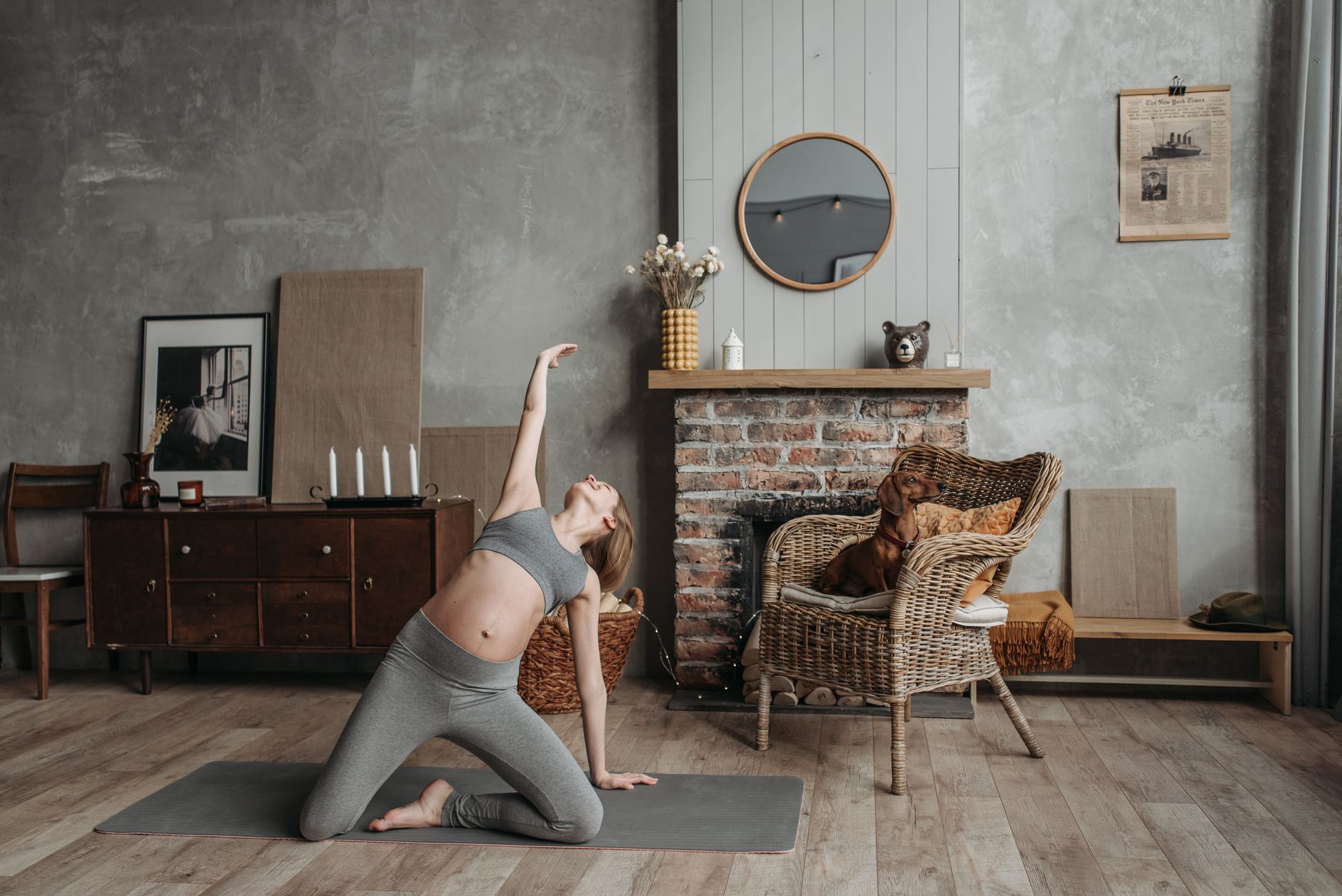
Choosing the right clothing can make a big difference in comfort and safety. Opt for breathable, moisture‑wicking fabrics that allow a full range of motion around the belly and hips. A supportive sports bra and a stretchy belly‑support band can help keep the uterus stable while you move. Avoid overly tight waistbands that might restrict blood flow, and choose shoes with good arch support and non‑slip soles to reduce the risk of falls.
If you’re in a class, many studios provide adjustable belts or shawls that can be tied loosely around the midsection. These accessories give you the freedom to expand as your belly grows while still feeling secure. Remember, the goal is to stay cool, comfortable, and capable of moving freely without restriction.
Can belly dancing improve pelvic floor strength?
Yes, the gentle isolations used in belly dancing can engage the deep pelvic floor muscles without the high impact of many other cardio workouts. The rhythmic contractions of the lower abdomen and hips help activate the levator ani group, which supports the uterus, bladder, and bowels. Strengthening these muscles can reduce urinary leakage during pregnancy and aid recovery after birth.
Research from the ACOG Patient Education series notes that exercises that combine core stability with controlled breathing—like those found in prenatal belly‑dance classes—can be as effective as traditional pelvic floor exercises. To maximize benefit, focus on movements that involve slow, conscious squeezes of the pelvic floor while exhaling, and avoid any technique that forces you to hold your breath.
How to know if you’re overexerting?
Listening to your body is the most reliable safety check. If you find yourself unable to hold a conversation, feeling short‑of‑breath, or experiencing a rapid heart rate above 140 bpm, you’re likely exceeding moderate intensity. Other warning signs include dizziness, excessive sweating, or a feeling of overheating. When any of these occur, slow down, take a break, and hydrate. If symptoms persist after a few minutes of rest, contact your obstetrician for guidance.
Safe dosage / amount / brands
Because belly dancing isn’t a medication, “dosage” refers to the amount of time you spend moving. For most pregnant people, 20‑45 minutes per session, three to four times a week, is a good target. If you’re new to the dance, start with 10‑15 minute sessions and gradually increase as your stamina improves. Keep your heart rate in the moderate range—most adults stay below 140 bpm during moderate activity, though individual limits vary.
If you prefer a structured plan, the following table offers a simple weekly schedule that aligns with WHO recommendations while allowing flexibility for trimester‑specific adjustments.
| Week | Session length | Frequency | Notes |
|---|---|---|---|
| Weeks 1‑12 | 20 min | 3×/week | Gentle hip circles and shimmies; avoid deep twists. |
| Weeks 13‑27 | 30 min | 3‑4×/week | Add seated isolations; monitor balance. |
| Weeks 28‑40 | 20‑30 min | 2‑3×/week | Focus on slow flow; prioritize comfort. |
| Postpartum (first 6 weeks) | 15‑20 min | 2‑3×/week | Gentle movements only; avoid deep twists. |
When selecting instructional videos or streaming services, look for reputable sources that label the class as “prenatal,” “pregnancy‑safe,” or “low‑impact.” Avoid programs that promote high‑impact choreography, deep abdominal twists, or rapid footwork unless they explicitly offer modifications.
Side effects and risks
Most side effects are mild and stem from overexertion or improper form. Common complaints include:
- Muscle soreness in the hips, back, or shoulders—usually resolves with rest and gentle stretching.
- Dizziness or light‑headedness—can indicate overheating or dehydration; pause, hydrate, and rest.
- Increased uterine cramping—if persistent, stop and consult your provider.
- Falls or loss of balance—especially in later pregnancy; use a sturdy chair or wall for support.
If you experience any of the following, call your obstetrician promptly: vaginal bleeding, severe abdominal or pelvic pain, persistent uterine cramping, dizziness, sudden swelling of hands or face, or signs of preterm labor such as regular contractions before 37 weeks.
Safer alternatives
- Prenatal yoga – gentle stretches and breath work that enhance flexibility without impact.
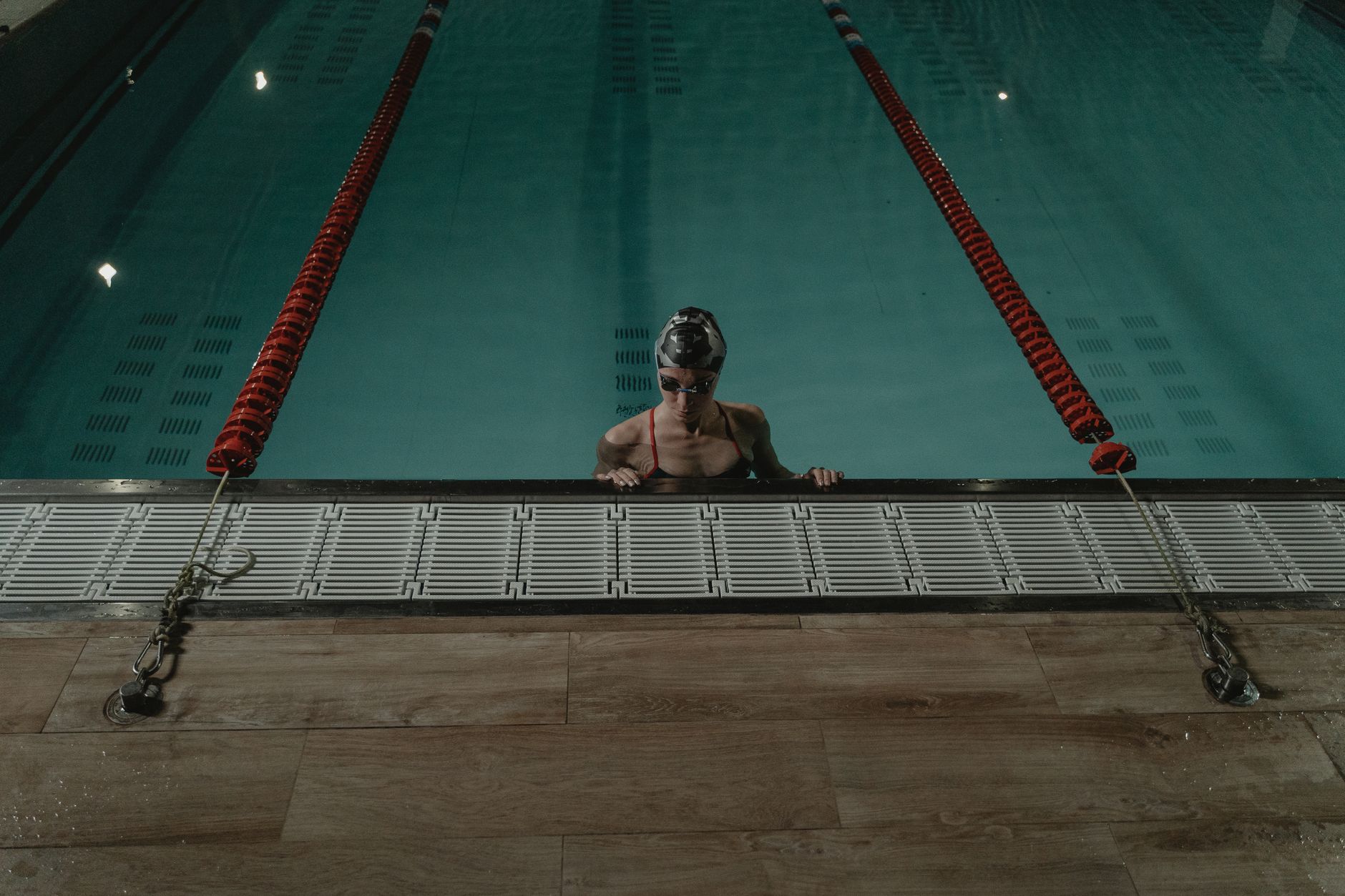
- Swimming – buoyant environment reduces joint stress and improves cardiovascular fitness.
- Walking – low‑impact, easy to adjust intensity, and safe throughout pregnancy.
- Low‑impact aerobics – rhythmic movement without jumps, suitable for maintaining heart health.
- Stationary cycling – supports balance while providing a moderate cardio workout.
- Prenatal Pilates – focuses on core stability and pelvic floor strength.
- Gentle stretching – improves range of motion and eases muscle tension.
- Water aerobics – combines cardio with resistance in a safe, supportive medium.
Related items — safety at a glance
| Activity | Verdict | One‑line note |
|---|---|---|
| Zumba | ⚠️ Talk to your doctor | High‑energy cardio; avoid jumps if you have balance issues. |
| Hip hop dance | ⚠️ Talk to your doctor | Often includes fast footwork and jumps; modify for safety. |
| Ballet | ⚠️ Talk to your doctor | Requires balance and can involve pointe work; safer with low‑impact classes. |
| Aerobics class | ⚠️ Talk to your doctor | Moderate intensity; skip high‑impact moves. |
| Kickboxing | ❌ Best avoided | Punches and kicks can strain the core and increase fall risk. |
| Barre workout | ⚠️ Talk to your doctor | Focuses on balance; use supportive props. |
| Tai chi | ✅ Generally safe | Slow, flowing movements ideal for all trimesters. |
| Salsa dancing | ⚠️ Talk to your doctor | Partner work may involve quick turns; choose a low‑impact style. |
| Pilates | ✅ Generally safe | Core‑focused, low‑impact; modify moves that compress the abdomen. |
| Gentle walking | ✅ Generally safe | Easy to adjust pace; excellent for cardiovascular health. |
Myth vs. fact
Myth: Belly dancing can cause a miscarriage because it “shakes the uterus.”
Fact: There is no scientific evidence linking gentle belly‑dance movements to miscarriage. The uterus is well protected by the amniotic fluid, and low‑impact activity is considered safe when performed with appropriate modifications.
Myth: You must stop belly dancing as soon as you feel any baby kick.
Fact: Feeling fetal movements is normal and usually not a sign to stop. If the movements become unusually strong or painful, pause and discuss with your provider.
Myth: All dance forms are equally safe during pregnancy.
Fact: Some dance styles involve high‑impact jumps or deep twists that increase fall risk. Always evaluate each activity’s intensity and modify moves as needed.
Key takeaways
Frequently asked questions
Is belly dancing safe for pregnant women?
Yes, belly dancing is generally safe for pregnant women when performed at a moderate intensity and with modifications to avoid deep abdominal twists, jumps, and rapid directional changes. Always check with your obstetrician first.
Can I belly dance in my second trimester?
Absolutely—you can continue belly dancing in the second trimester, focusing on gentle hip rolls, seated isolations, and supported movements. Keep sessions to 30‑45 minutes and avoid moves that strain the lower back.
What belly dancing moves are safe during pregnancy?
Safe moves include slow hip circles, shoulder shimmies, seated isolations, and gentle arm extensions. Avoid deep twists, high‑impact hops, rapid pivots, and any movement that requires lying flat on your back after 20 weeks.
How often should I belly dance while pregnant?
Aim for 20‑45 minutes per session, three to four times a week, totaling about 120‑150 minutes weekly. Adjust frequency based on fatigue, back comfort, and overall pregnancy health.
Does belly dancing help with labor?
Yes—by strengthening the core and practicing rhythmic breathing, belly dancing can aid labor preparation and postpartum recovery, though it should be combined with other prenatal exercises for balanced fitness.
Can belly dancing cause miscarriage?
Current research does not link gentle, low‑impact belly dancing to miscarriage. The risk only increases with high‑impact or trauma‑related activities, which are not typical of modified prenatal belly dance.
What if I have morning sickness—can belly dancing help?
Gentle, rhythmic movement can sometimes ease nausea by promoting circulation and releasing endorphins. If you feel queasy, keep sessions short (10‑15 minutes), stay hydrated, and focus on slow, upright movements.
Is it safer to practice belly dancing in a group class or alone at home?
Both settings can be safe if proper modifications are followed. A group class offers instructor supervision and peer support, while practicing at home lets you control tempo and take breaks as needed. Choose the option that lets you listen to your body best.
Can I continue belly dancing after a C‑section?
After a cesarean delivery, many providers recommend waiting 6‑8 weeks before resuming core‑focused activities. Once cleared, start with gentle, seated isolations and avoid any moves that strain the incision site.
When to call your doctor
If you notice any of the following while belly dancing, stop immediately and contact your obstetrician: vaginal bleeding, severe abdominal or pelvic pain, persistent uterine cramping, dizziness, sudden swelling of hands or face, or signs of preterm labor such as regular contractions before 37 weeks. These symptoms may indicate a complication that requires medical evaluation. Remember, this article provides general information and is not a substitute for personalized medical advice.
References
- American College of Obstetricians and Gynecologists. “Physical Activity and Exercise During Pregnancy and the Postpartum Period.” ACOG Committee Opinion No. 804, 2020.
- National Health Service (UK). “Exercise in pregnancy: what is safe?” NHS, updated 2022.
- World Health Organization. “Physical activity and sedentary behaviour.” WHO Guidelines, 2020.
- Centers for Disease Control and Prevention. “Pregnancy and Exercise.” CDC, 2021.
- Mayo Clinic. “Exercise during pregnancy: How much is safe?” Mayo Clinic, 2023.
- American College of Obstetricians and Gynecologists. “Prenatal Yoga.” ACOG Patient Education, 2021.
- National Institute for Health and Care Excellence (NICE). “Antenatal care for uncomplicated pregnancies.” NICE guideline NG62, 2021.

