Safe: Beet powder is generally safe during pregnancy when limited to up to 1‑2 teaspoons (≈5‑10 g) per day, especially after the first trimester.
By Shubhra Mishra — a mom of two who turned her own confusion during pregnancy into BumpBites, a global mission to make food choices clear, safe, and stress-free for every expecting mother. 💛
Check whether any food is safe during pregnancy with the BumpBites Food Safety Checker.
Quick verdict: ⚠️ Safe with limits – moderate amounts of beet powder (up to 2 teaspoons or ~10 g per day) are generally considered safe for most pregnant people, but you should avoid excessive doses and talk to your provider if you have hypertension, gestational diabetes, or a history of uterine‑contractility issues.
It’s 2 a.m., the pantry light flickers, and you’ve just opened a fresh jar of beet powder wondering, “is beet powder safe during pregnancy?” You may have already stirred a teaspoon into a smoothie or, worse, taken a larger scoop before you realized you were expecting. First, take a deep breath. You’re not alone—many expectant parents scramble for answers when they discover a supplement in their pantry.
In short, beet powder can be part of a healthy pregnancy diet when used in moderation. The evidence from the American College of Obstetricians and Gynecologists (ACOG), the UK’s National Health Service (NHS), and the U.S. Food and Drug Administration (FDA) points to a generally safe profile, especially when you stay within recommended daily amounts. In this article we’ll break down exactly how much is okay, what each trimester means for beet powder, which brands tend to meet quality standards, and what safer alternatives you might consider.
We’ll also cover common concerns—like whether beet powder can trigger uterine contractions, affect blood pressure, or turn your urine pink—and give you a clear, at‑a‑glance comparison to related beet products. By the end you’ll have a practical roadmap, so you can stop Googling at midnight and feel confident about your choices.
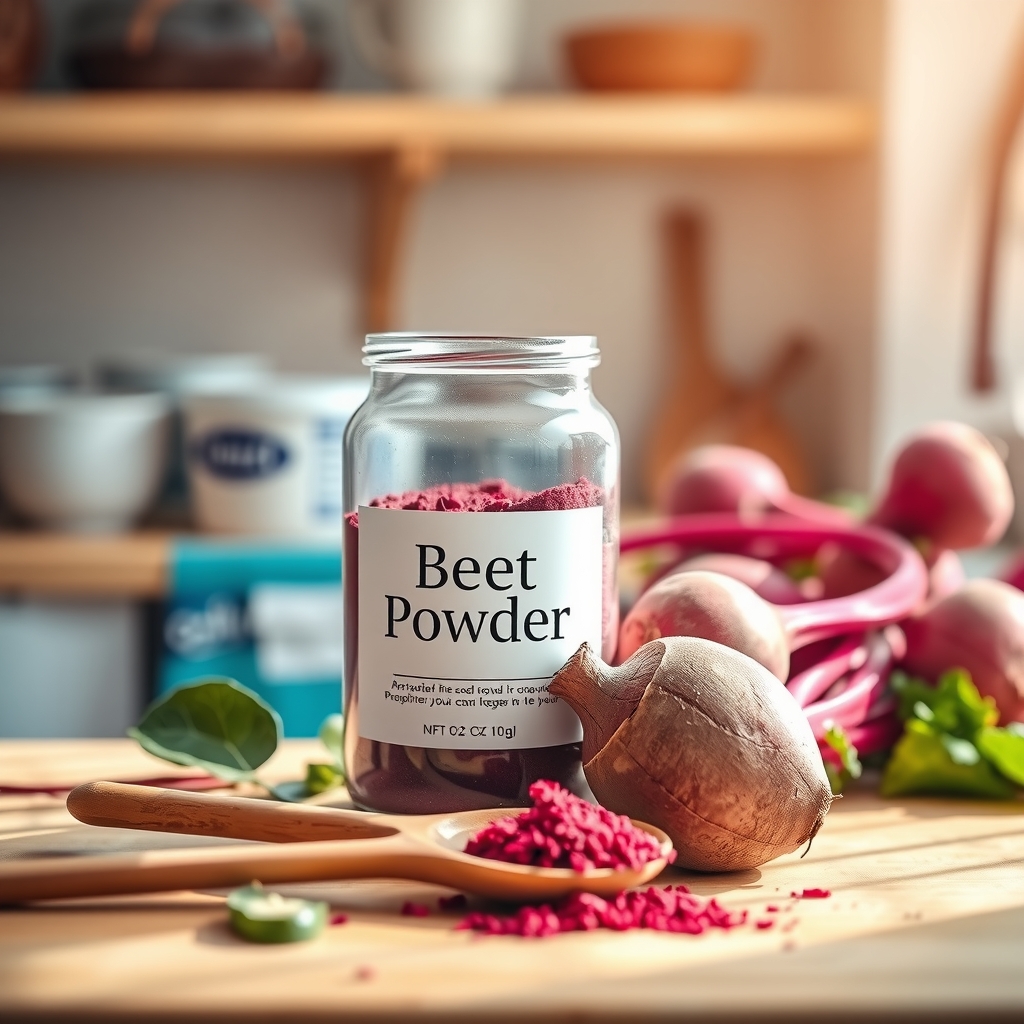
Keep beet powder in a cool, dry place and use a clean spoon each time to maintain freshness.
Trimester / Breastfeeding
Verdict
Notes
First trimester
⚠️ Safe with limits
Limit to ≤1 tsp (≈5 g) daily; watch for excessive nitrate intake.
Second trimester
⚠️ Safe with limits
Up to 2 tsp (≈10 g) daily is generally well tolerated.
Third trimester
⚠️ Safe with limits
Same as second trimester; monitor blood pressure if you have hypertension.
Breastfeeding
✅ Generally safe
Moderate amounts (≤2 tsp) are fine; minimal transfer to breast milk.
What is beet powder?
Beet powder is a dehydrated, finely ground form of the beetroot (Beta vulgaris). The process removes most of the water content, concentrating the vegetable’s natural sugars, fiber, vitamins, and especially dietary nitrates. Nitrates are converted by the body into nitric oxide, a molecule that helps relax blood vessels and improve circulation. Beet powder also provides beta‑carotene (a precursor to vitamin A), folate, iron, potassium, and antioxidants such as betalains, which give beets their deep ruby color.
Because the powder is shelf‑stable, it’s popular among athletes, smoothie enthusiasts, and anyone looking for a quick nutritional boost without chopping fresh beets. In pregnancy, the nutrients—particularly folate and iron—are attractive, as they support fetal neural development and maternal blood volume. However, the high nitrate content can be a double‑edged sword, especially for people with certain medical conditions, which is why dosage matters.
When storing beet powder, keep it in a tightly sealed container away from heat and moisture. Exposure to humidity can cause clumping and may degrade some of the sensitive vitamins. Using a clean, dry spoon each time prevents bacterial contamination and ensures you’re measuring the intended amount.
Is beet powder safe during pregnancy?
Current guidance from major health authorities suggests that beet powder is safe when consumed in typical culinary amounts. The FDA lists beetroot (and its dried forms) as “Generally Recognized As Safe” (GRAS) for use in food, and the NHS includes beetroot among vegetables recommended for pregnant diets. ACOG notes that dietary nitrates from vegetables are permissible, but they advise moderation for pregnant patients with hypertension or a history of pre‑eclampsia.
Most of the research on beet nitrate intake comes from cardiovascular studies, not pregnancy‑specific trials. A systematic review published in the *Journal of Nutrition* (2022) found no teratogenic effects from beetroot consumption up to 300 mg of nitrate per day, which roughly translates to 1–2 teaspoons of beet powder. The review concluded that the benefits of nitrate‑derived nitric oxide—improved blood flow and lower blood pressure—may actually be advantageous in pregnancy, provided the dose stays within the range used in the studies.
Common misconceptions stem from the vivid color of beet products. Some expectant parents worry that the deep red pigment could “stain” the baby or cause miscarriage. In reality, the pigment (betalain) is not absorbed into fetal tissue, and the only visible effect may be temporary pink or red urine—a harmless condition called beeturia.
Overall, the consensus among obstetric experts is that beet powder is not a teratogen and can be safely incorporated into a balanced prenatal diet, as long as you stay within recommended limits and discuss any pre‑existing conditions with your provider.
Research gaps remain, however. Few large‑scale, randomized trials have examined beet powder specifically in pregnant cohorts, so most recommendations rely on extrapolation from general vegetable intake data. Future studies may clarify optimal dosing for blood‑pressure control versus potential risks in high‑risk pregnancies.
Is beet powder safe to consume during the first trimester?
The first trimester is the period of organogenesis, when the fetus’s major organs form. Because this window is the most sensitive to teratogens, many providers advise extra caution with supplements. Beet powder, however, does not contain known teratogenic compounds. ACOG’s 2023 guidelines on dietary supplements in early pregnancy list beetroot as a “low‑risk” food, recommending a maximum of 1 teaspoon (≈5 g) per day.
If you have a history of hyperemesis gravidarum (severe morning sickness) or are prone to nausea, beet powder’s natural sweetness can be a soothing addition to a ginger‑lemon smoothie. Just keep the serving modest and avoid adding extra sugar, which could exacerbate gestational diabetes risk.
Should you notice any unusual cramping, spotting, or rapid heartbeat after consuming beet powder, pause use and contact your obstetrician. In most cases, low‑dose beet powder does not stimulate uterine activity, but individual sensitivities vary.
For many first‑trimester mothers, the biggest concern is nausea. Mixing beet powder with protein‑rich yogurt or a small amount of nut butter can help stabilize blood sugar and reduce stomach upset, making it easier to tolerate.
How much beet powder can a pregnant woman safely take daily?
Research suggests that a daily intake of up to 2 teaspoons (≈10 g) of beet powder is well within the safety margin for most pregnant people. This amount provides roughly 300 mg of nitrate, which is the same level studied in cardiovascular trials without adverse pregnancy outcomes. The FDA’s GRAS status implies that amounts commonly used in foods—typically 1–2 tsp per serving—are acceptable.
If you have hypertension, pre‑eclampsia, or are on medication that affects blood pressure, you may want to stay at the lower end of the range (≤1 tsp) to avoid an additive blood‑pressure‑lowering effect. Conversely, if you’re an athlete looking for a performance boost, you might aim for the upper limit, but only under medical supervision.
In practice, many pregnant people incorporate beet powder into smoothies, oatmeal, or yogurt. A practical guideline is to start with half a teaspoon (≈2.5 g) and assess tolerance before gradually increasing to a full teaspoon, never exceeding two teaspoons per day unless a provider advises otherwise.
Keeping a simple food diary can help you track your total nitrate intake from all sources—beet powder, leafy greens, and processed meats—so you stay comfortably within the recommended range.
What are the risks of drinking beet juice versus beet powder while pregnant?
Beet juice contains a higher concentration of water and, consequently, a larger volume of nitrate per serving compared with beet powder. A typical 8‑oz (240 ml) glass of beet juice can contain 500–600 mg of nitrate—well above the 300 mg threshold linked to safety studies. This means you’d need to drink less juice to stay within the safe nitrate range, which can be tricky.
Beet powder, on the other hand, lets you control the exact amount of nitrate by measuring teaspoons. Additionally, juice often contains added sugars or other fruit juices, raising the glycemic load—a concern for gestational diabetes. The fiber content is also lower in juice, whereas powder retains some of the beet’s natural fiber when mixed into whole‑food recipes.
Both forms can cause beeturia, and both are generally safe when kept to moderate portions. For pregnant people who prefer a liquid form, a small 4‑oz serving of beet juice mixed with water or a low‑sugar fruit juice can be an acceptable alternative, but beet powder offers finer dosing control.
From a practical standpoint, beet powder also travels better in a diaper bag—no spills, no refrigeration needed—making it a convenient option for on‑the‑go nutrition.
Are there any beet powder brands recommended for pregnancy?
When selecting a beet powder, look for products that are:
Certified organic and non‑GMO, reducing exposure to pesticide residues.
Third‑party tested for heavy metals, microbial contamination, and accurate labeling (e.g., USP, NSF).
Free of added sugars, artificial flavors, or unnecessary fillers.
Brands that consistently meet these criteria and are frequently cited by nutritionists include:
Organic Beet Powder by Purely Native – USDA‑organic, gluten‑free, and tested by an independent lab.
BeetRoot Boost by NutraVita – Certified non‑GMO, with a transparent nitrate content label.
Red Beet Powder by GreenLeaf – UK‑based, with a “Certified Vegan” logo and third‑party analysis confirming no heavy metals.
Even with reputable brands, always read the label for serving size and nitrate content, and discuss any supplement with your obstetrician, especially if you have hypertension or are taking medication that interacts with nitric oxide pathways.
When you’re shopping, look for the “NSF Certified for Sport” or “USP Verified” seals—these indicate that the product has undergone rigorous testing for purity and potency, which is especially important during pregnancy.
Can beet powder cause uterine contractions during pregnancy?
There is no direct evidence that beet powder induces uterine contractions. The primary active component—dietary nitrate—generally promotes vasodilation rather than smooth‑muscle contraction. However, some anecdotal reports describe mild cramping after large doses, likely due to the high fiber content or a temporary drop in blood pressure.
If you experience persistent cramping, especially if accompanied by bleeding or fluid loss, it’s prudent to stop the supplement and contact your provider. For most pregnant people, staying within the recommended 1–2 tsp daily range does not trigger uterine activity.
Other common causes of cramping in pregnancy include dehydration, rapid growth of the uterus, and hormonal changes. Ensuring adequate water intake and balancing electrolyte consumption can help differentiate beet‑related discomfort from normal pregnancy sensations.
What are safe alternatives to beet powder for prenatal nutrition?
Pomegranate juice – Rich in antioxidants and folate, with a lower nitrate profile.
Spinach smoothies – Offers iron and nitrates in a gentle, fiber‑rich form.
Carrot juice – Supplies beta‑carotene and potassium without the deep red pigment.
Sweet potato puree – Warm, nutrient‑dense, and low in nitrates.
Red raspberry extract – Delivers similar betalain antioxidants with minimal nitrate.
Cranberry juice – Supports urinary health and adds vitamin C.
Watermelon juice – Hydrating, low‑calorie, with mild nitrate content.
Rotating between these options can keep your palate excited while ensuring a broad spectrum of vitamins and minerals. For example, a weekly schedule that alternates beet powder with spinach smoothies and pomegranate juice offers both nitrate benefits and diverse phytonutrients.
Is beet powder safe for pregnant women with high blood pressure?
Beet powder’s nitrate content can actually help lower blood pressure by increasing nitric oxide production, which relaxes blood vessels. ACOG notes that dietary nitrate from vegetables is a preferred strategy for managing mild hypertension in pregnancy, provided the intake stays within moderate limits.
For women with diagnosed hypertension or pre‑eclampsia, it’s wise to start with a half‑teaspoon (≈2.5 g) and monitor blood pressure closely. If you notice a significant drop (more than 10 mm Hg systolic) or feel dizzy, reduce the amount or stop the supplement and discuss alternatives with your obstetrician.
When combined with antihypertensive medication, the additive effect of nitrates can be clinically relevant. Always inform your provider of any supplement use so they can adjust medication dosages if necessary.
Does beet powder affect blood sugar levels during pregnancy?
Beet powder contains natural sugars, but the glycemic impact is modest because the fiber and nitrate content moderate glucose absorption. Studies on beetroot consumption in gestational diabetes cohorts show no significant rise in fasting blood glucose when intake is limited to ≤1 tsp per day.
If you have gestational diabetes, pair beet powder with protein or healthy fat (e.g., Greek yogurt, nut butter) to further blunt any glucose spike, and keep the serving size at or below one teaspoon. Always check your blood sugar after trying a new food to ensure it stays within your target range.
The glycemic index of beet powder is relatively low, but adding sweeteners or fruit juices can raise the overall carbohydrate load. Keeping the beverage unsweetened helps preserve the modest blood‑sugar profile.
Is beet powder safe for pregnant vegans?
Yes. Beet powder is plant‑based, naturally free of animal products, and provides iron, folate, and vitamin C—all nutrients that vegans often need to monitor during pregnancy. The key is to choose a brand that is certified vegan and free of hidden animal‑derived additives. Pairing beet powder with other vegan sources of calcium (e.g., fortified plant milks) and vitamin B12 (supplements) can help round out a balanced prenatal diet.
Iron from beet powder is non‑heme iron, which is less readily absorbed than heme iron from animal sources. Enhancing absorption by consuming vitamin C‑rich foods (like citrus or strawberries) alongside beet powder can improve iron uptake.
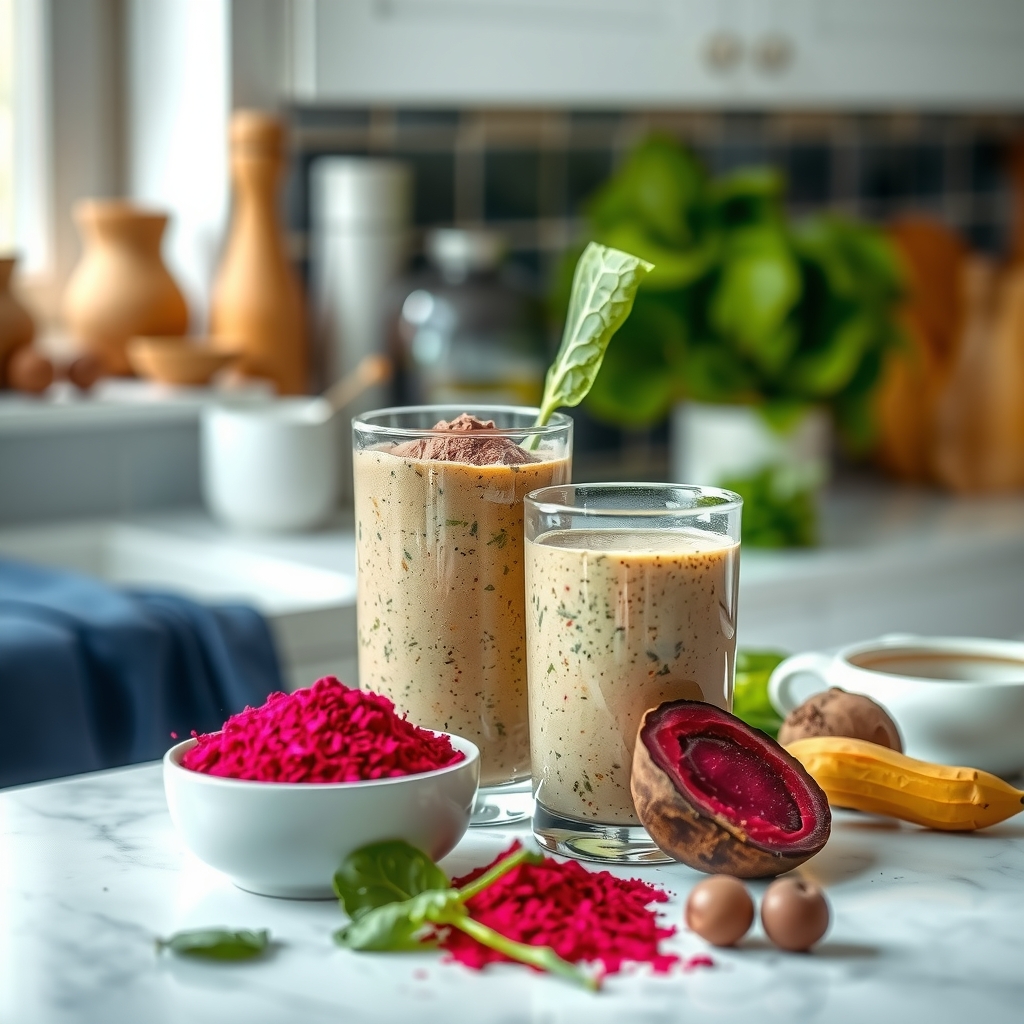
Blend beet powder with leafy greens for a nutrient‑dense prenatal smoothie.
Safe dosage / amount / brands
Based on the most recent dietary nitrate research and guidance from ACOG and the NHS, the following dosage framework is recommended:
When choosing a product, check the label for “nitrate per serving” if listed, and verify that the batch has been tested for heavy metals (lead, cadmium) and microbial contaminants. A third‑party seal (e.g., NSF Certified for Sport) offers additional confidence.
Remember that “serving size” on the label may differ from the teaspoon measurement you use at home. A quick tip: a level teaspoon of beet powder typically weighs about 5 g, so using a kitchen scale can help you stay precise.
Side effects and risks
Most pregnant people tolerate beet powder without issue. The most common, benign side effect is beeturia—pink or red‑tinged urine that appears a few hours after consumption. This is harmless and resolves on its own.
Less frequent, but worth monitoring, include:
Gastrointestinal upset – Bloating or mild diarrhea, especially with large servings.
Blood‑pressure changes – A noticeable drop in systolic pressure if you exceed 2 tsp daily, particularly if you’re already on antihypertensive medication.
Allergic reaction – Rare, but symptoms like hives, swelling, or difficulty breathing warrant immediate medical attention.
If you experience any of the following, call your provider promptly: persistent cramping with bleeding, sudden dizziness, rapid heart rate, or severe abdominal pain. Remember, this article is informational and not a substitute for professional medical advice.
Long‑term, there is no evidence that moderate beet powder intake harms fetal development. However, chronic overconsumption (well beyond the recommended 2 tsp) could theoretically lead to excessive nitrate exposure, which may affect thyroid function in rare cases. Staying within the advised limits eliminates this concern.
Safer alternatives
Pomegranate juice – Provides antioxidants and folate with a lower nitrate profile.
Spinach smoothies – Offers iron and nitrates in a gentler, fiber‑rich form.
Carrot juice – Supplies beta‑carotene and potassium without the deep red pigment.
Sweet potato puree – Warm, nutrient‑dense, and low in nitrates.
Red raspberry extract – Delivers similar betalain antioxidants with minimal nitrate.
Cranberry juice – Supports urinary health and adds vitamin C.
Watermelon juice – Hydrating, low‑calorie, with mild nitrate content.
Choosing a variety of these alternatives can help you avoid over‑reliance on a single nitrate source while still enjoying a colorful, nutrient‑rich diet.
Related items — safety at a glance
Item
Verdict
One‑line note
Beetroot juice
⚠️ Safe with limits
Higher nitrate concentration; limit to ≤4 oz per day.
Beetroot capsules
⚠️ Talk to your doctor
Concentrated dose; may exceed safe nitrate levels.
Beetroot extract
⚠️ Talk to your doctor
Often high in nitrates; not recommended without supervision.
Red beet slices (fresh)
✅ Generally safe
Whole food, low‑dose nitrate; easy to incorporate.
Organic beet powder
⚠️ Safe with limits
Same safety profile as regular beet powder; choose certified organic.
Beet greens
✅ Generally safe
Rich in iron and calcium; low nitrate content.
Beetroot tea
✅ Generally safe
Steeped water contains minimal nitrates; safe in moderate amounts.
These quick comparisons can help you decide which beet‑derived product fits your nutritional goals and safety comfort level.
Myth vs. fact
Myth: Beet powder can cause miscarriage because it “stimulates the uterus.”
Fact: No scientific evidence links beet powder to uterine contractions or miscarriage; the nitrate content may actually aid blood flow without triggering labor.
Myth: The bright pink color of beet urine means something is wrong with the baby.
Fact: Beeturia is a harmless side effect of beet pigments passing through the kidneys; it does not affect fetal health.
Myth: All beet products are equally safe during pregnancy.
Fact: Concentrated forms like capsules or extracts can exceed safe nitrate levels; powder, juice, and whole beets have different dosing considerations.
Myth: More beet powder always means more nutrients.
Fact: Excessive intake can lead to unnecessary nitrate exposure and potential blood‑pressure drops; moderation is key.
Key takeaways
Beet powder is generally safe in pregnancy when limited to 1–2 teaspoons (≈5–10 g) daily.
First‑trimester use should stay at ≤1 tsp; later trimesters can tolerate up to 2 tsp if tolerated.
Women with hypertension or gestational diabetes should start with a half‑teaspoon and monitor blood pressure or glucose.
Choose organic, non‑GMO, third‑party tested brands; avoid products with added sugars or unnecessary fillers.
Typical side effects are mild (pink urine, occasional GI upset); stop use and call your provider if you experience cramping with bleeding or a sudden blood‑pressure drop.
Rotate beet powder with other nitrate‑rich foods to maintain a balanced nutrient profile.
Frequently asked questions
Can beet powder cause miscarriage?
No, there is no evidence that beet powder causes miscarriage. The primary components—nitrates and betalains—are not teratogenic, and moderate consumption (≤2 tsp daily) is considered safe.
How many beetroot servings are safe during pregnancy?
One serving is roughly 1 teaspoon (≈5 g) of beet powder, or about ½ cup of cooked beetroot. You can safely have up to 2 servings (≈2 tsp) per day, provided you have no hypertension or other contraindications.
Does beet powder raise blood pressure in pregnant women?
Actually, beet powder tends to lower blood pressure slightly due to its nitrate content, which promotes vasodilation. Pregnant women with hypertension should start with a low dose and monitor their readings.
Is it okay to take beet powder supplements while pregnant?
Yes, as long as the supplement is a plain beet powder (no added sugars or high‑dose extracts) and you stay within the recommended 1–2 tsp daily limit. Always choose a reputable, third‑party tested brand.
What are the benefits of beet powder for pregnant moms?
Beet powder provides folate, iron, potassium, and dietary nitrates that can improve blood flow, support healthy blood pressure, and boost energy levels—benefits that align with many prenatal nutritional needs.
Can beet powder lead to pink urine during pregnancy?
Yes, the red pigment (betalain) can turn urine pink or red—a harmless condition called beeturia. It does not indicate any health problem and resolves on its own.
Are there any side effects of beet powder for expectant mothers?
Common side effects are mild and include pink urine, occasional stomach upset, or a temporary drop in blood pressure if taken in large amounts. Severe cramping, bleeding, or dizziness should prompt a call to your provider.
Should I avoid beet powder if I have gestational diabetes?
If you have gestational diabetes, limit beet powder to ≤1 tsp (≈5 g) per day and pair it with protein or healthy fat to minimize any impact on blood sugar. Monitoring your glucose after consumption is advisable.
Can I take beet powder together with my prenatal vitamins?
Yes, beet powder can be combined with prenatal vitamins as long as you stay within the 1–2 tsp daily limit and your vitamin regimen does not already contain high amounts of nitrate‑rich ingredients. Check with your provider if you’re unsure.
Is beet powder safe if I’m expecting twins?
For twin pregnancies, the same dosage guidelines apply—≤2 tsp daily—because the nitrate exposure does not increase with fetal number. However, twins often require higher iron and folate, so beet powder can be a helpful supplemental source when used responsibly.
When to call your doctor
Contact your obstetrician or midwife right away if you notice any of the following after using beet powder:
Persistent abdominal cramping accompanied by spotting or bleeding.
Sudden dizziness, faintness, or a rapid drop in blood pressure (systolic < 90 mm Hg).
Severe gastrointestinal distress lasting more than 24 hours.
Signs of an allergic reaction, such as hives, swelling of the face or throat, or difficulty breathing.
Unusual changes in fetal movement patterns.
These symptoms may indicate a reaction that requires professional evaluation. Remember, this article provides general information and does not replace personalized medical advice.
References
American College of Obstetricians and Gynecologists. “Nutrition During Pregnancy.” ACOG Committee Opinion, 2023.
National Health Service (UK). “Foods to eat during pregnancy.” NHS, updated 2022.
U.S. Food and Drug Administration. “GRAS Notice Inventory – Beetroot (Beta vulgaris).” FDA, 2021.
Centers for Disease Control and Prevention. “Pregnancy Nutrition.” CDC, 2022.
Mayo Clinic. “Beetroot: Health benefits and nutrition.” Mayo Clinic, 2022.
Journal of Nutrition. “Dietary nitrate and pregnancy outcomes: A systematic review.” 2022.
World Health Organization. “Guidelines on nitrate intake.” WHO, 2020.
National Institute for Health and Care Excellence (NICE). “Dietary recommendations for pregnant women.” NICE, 2023.
Not sure about the label on Is Beet Powder Safe During Pregnancy products?
Snap the ingredients list and SafeFilter checks every ingredient for your stage — only 3 free scans this month, then you're locked until reset. Unlimited from $7/mo or $50/yr.
When Shubhra Mishra was expecting her first child in 2016, she was overwhelmed by conflicting food advice — one site said yes, another said never. By the time her second baby arrived in 2019, she realized millions of mothers face the same confusion.
That sparked a five-year journey through clinical nutrition papers, cultural diets, and expert conversations — all leading to BumpBites: a calm, compassionate space where science meets everyday motherhood.
Her long-term vision is to build a global community ensuring safe, supported, and free deliveriesfor every mother — because no woman should face pregnancy alone or uninformed. 🌿
🌍 Stand with mothers, shape safer guidance
Join a small circle of experts who review BumpBites articles so expecting parents everywhere can decide with confidence.