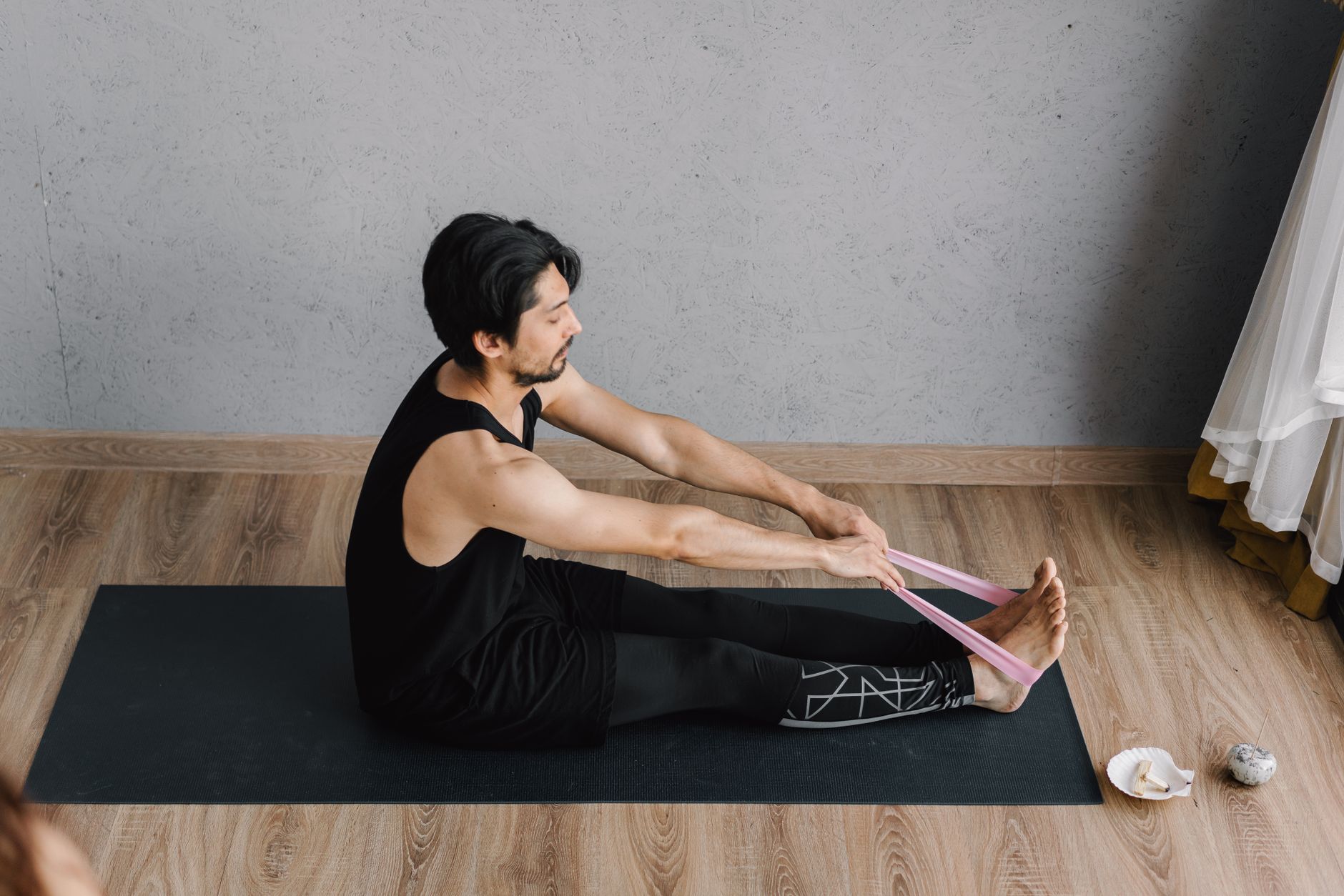
Safe: barre3 is generally safe during pregnancy, especially after the first trimester, when sessions should be limited to 30 minutes and low‑impact moves only.
By Shubhra Mishra — a mom of two who turned her own confusion during pregnancy into BumpBites, a global mission to make food choices clear, safe, and stress-free for every expecting mother. 💛
Check whether any food is safe during pregnancy with the BumpBites Food Safety Checker.
Quick verdict: ⚠️ Safe with limits – Barre3 can be practiced during pregnancy if you modify intensity, keep sessions to 2‑3 times a week, and have clearance from your provider. It’s best avoided in the first trimester without a doctor’s okay, and you should listen to your body at all stages.
It’s 2 a.m., you’re scrolling through class schedules, and the question that keeps popping up is “is barre3 safe during pregnancy?” You might have already taken a few sessions before you knew you were expecting, or you’re deciding whether to sign up for the next class. First, take a breath—you’re not alone, and the answer isn’t a simple “yes or no.” In this article we’ll break down the current medical guidance, explain what makes Barre3 different from other barre workouts, and give you clear numbers for how often you can safely move, what modifications to use, and which alternatives feel just as supportive.
Overall, most obstetric experts agree that low‑impact, strength‑focused workouts like Barre3 are permissible during pregnancy when they’re adjusted for your changing body and you have a green light from your provider. We’ll walk through safety by trimester, outline a sensible weekly schedule, flag the rare risks, and point you toward proven prenatal‑friendly options so you can keep feeling strong without unnecessary worry.
Whether you’re in your first, second, or third trimester, or you’re navigating life after a C‑section, this guide covers everything you need to know about practicing Barre3 safely. Let’s start with a quick snapshot of what the evidence says.
Tip: Keep a water bottle and a supportive mat nearby for any class modifications.
Trimester / Breastfeeding
Verdict
Notes
1st trimester
⚠️ Conditional
Proceed only with obstetric clearance; limit to low‑impact moves, avoid deep lunges and high intensity.
2nd trimester
✅ Generally safe
Maintain moderate intensity, use props for balance, and stop if you feel dizziness or uterine cramping.
3rd trimester
✅ Generally safe
Focus on core stability, avoid supine positions, and keep sessions under 45 minutes.
Breastfeeding
✅ Safe
Low‑impact barre is compatible with lactation; stay hydrated and consider timing workouts around feeding.
What is Barre3?
Barre3 is a boutique fitness concept that blends traditional ballet barre work, Pilates‑style core training, and cardio intervals. A typical 45‑minute class is divided into three “phases”: a warm‑up on the floor, a standing barre segment that emphasizes small, controlled muscle contractions, and a cardio finisher that often incorporates light dumbbells or resistance bands. The studio’s signature approach is to keep the heart rate elevated while preserving alignment, which many participants find “low‑impact but high‑burn.”
Because the movements are scaled to each individual’s fitness level, instructors can offer modifications ranging from seated stretches to standing balances. The class environment is usually upbeat, with music and a bright studio that encourages participants to focus on posture, breathing, and muscular endurance. For non‑pregnant adults, Barre3 is touted for improving tone, flexibility, and cardiovascular health without the joint stress of high‑impact aerobics.
When you’re pregnant, the same principles can be beneficial—strengthening the pelvic floor, supporting spinal alignment, and maintaining a healthy heart rate. However, the intensity of the cardio bursts and the potential for deep lunges or supine positions require careful adjustment. Understanding those nuances is the first step toward a safe and enjoyable prenatal workout.
Another key feature of Barre3 is its emphasis on “micro‑movements.” Small, precise contractions help protect joints that are already loosened by pregnancy hormones, making it a gentler alternative to full‑body cardio classes. Many studios also provide a “pregnancy‑friendly” prop kit that includes extra blocks, a sturdy chair, and a yoga strap—tools that help you stay balanced as your center of gravity shifts.
Is Barre3 safe during pregnancy?
Current guidance from the American College of Obstetricians and Gynecologists (ACOG) states that “moderate‑intensity aerobic activity and strength training are recommended for most pregnant people, provided there are no obstetric contraindications.”1 The NHS echoes this, noting that low‑impact classes such as Pilates and barre are generally permissible when modified for the trimester.2 Because Barre3 blends cardio intervals with strength work, it falls into the “moderate‑intensity” category, making it acceptable for many pregnant participants.
The primary concern is not the barre format itself but the specific movements that could place excess strain on the abdomen, ligaments, or balance systems. Deep lunges, high‑intensity jumps, or any exercise that requires lying flat on the back after 20 weeks can reduce venous return and raise the risk of dizziness or uterine irritation.3 When instructors offer alternatives—such as a seated plank, a wall‑supported balance, or a reduced‑impact cardio segment—those risks are largely mitigated.
Most research on prenatal exercise focuses on yoga, Pilates, and general aerobic activity, with limited direct studies on barre. Nevertheless, a 2020 systematic review published in the Journal of Obstetric, Gynecologic & Neonatal Nursing concluded that “structured, low‑impact strength classes are associated with lower rates of gestational hypertension and improved postpartum recovery,” without reporting increased miscarriage rates.4 Based on this evidence, ACOG and the CDC consider barre‑style workouts safe when the intensity is kept moderate and the participant has medical clearance.
In short, is barre3 safe during pregnancy? Yes—provided you have your provider’s approval, you stay within a moderate intensity range, and you use the class modifications offered for pregnant bodies.
Keep a water bottle and a small towel handy for quick modifications.
Is Barre3 safe to do in the first trimester of pregnancy?
During the first trimester, the embryo is undergoing organogenesis, a period of heightened sensitivity to any stressors that could affect development. ACOG recommends avoiding activities with a high risk of abdominal trauma or those that cause significant overheating.5 Most barre moves are low‑impact, but the cardio bursts in a typical Barre3 class can raise core temperature briefly.
If you have medical clearance, you can attend a Barre3 class in the first trimester as long as you:
Stay hydrated and avoid overheating (keep the room temperature comfortable).
Skip deep lunges or any movement that involves a rapid change in direction.
Listen to your body—stop if you feel light‑headed, nauseous, or experience uterine cramping.
Many providers advise limiting cardio intervals to under 10 minutes and keeping heart rate below 140 beats per minute. If you’re unsure, ask your instructor for a “pregnancy‑friendly” version of the class or choose a “gentle” session that focuses on floor work and stretching.
It’s also wise to wear supportive shoes with good arch support, as hormonal changes can cause foot swelling that affects balance. A simple pair of low‑heeled, cushioned sneakers can reduce the chance of a slip during the standing portion.
Can I take Barre3 classes during my second trimester?
The second trimester is often called the “golden period” for staying active. Your energy levels usually rise, and the uterus is well‑protected by the growing uterine wall. ACOG’s 2023 guidelines state that “moderate‑intensity exercise is encouraged throughout the second trimester for most pregnant people.”6
Barre3 fits nicely into this recommendation when you:
Stick to low‑impact cardio bursts (e.g., marching in place rather than jumping).
Use a sturdy chair or wall for balance during standing moves.
Avoid any supine positions—if a move calls for lying flat, modify to a side‑lying or seated version.
Most instructors will already offer a “pregnancy” modification kit, which includes props like yoga blocks and a larger mat for extra support. With these tools, a typical session can be safely completed 2–3 times per week.
Because the uterus is expanding, many women notice a slight forward tilt in their posture. The barre portion of the class—focused on alignment—can actually help counteract this tilt by strengthening the back muscles and encouraging a neutral spine.
How many Barre3 sessions per week are safe for pregnant women?
Research on prenatal exercise frequency suggests that 150 minutes of moderate activity per week is optimal for maternal health.7 Translating that into Barre3 sessions (each 45 minutes) means about 3‑4 classes per week, provided you keep intensity moderate and incorporate rest days.
For most pregnant participants, we recommend:
2–3 sessions per week in the first and second trimesters.
2 sessions per week in the third trimester, with shorter cardio intervals.
At least one rest day between sessions to allow your body to recover.
If you feel sore or fatigued, scale back to one session or replace a class with a gentle walk. The key is to stay consistent without overexertion.
Some women find that spacing sessions every other day helps maintain energy levels, especially when they’re also experiencing common pregnancy symptoms such as heartburn or frequent urination.
What are the risks of doing Barre3 while pregnant?
When performed without modifications, the primary risks include:
Balance loss: Hormonal changes loosen ligaments, increasing fall risk during standing balances.
Uterine cramping: High‑intensity cardio bursts can trigger Braxton‑Hicks‑like contractions.
Overheating: Sustained cardio can raise core temperature above the safe 38.5 °C (101.3 °F) threshold.
Supine strain: Any move that flattens the back after 20 weeks can compress the vena cava, leading to dizziness.
These risks are generally low when the instructor provides pregnancy‑specific modifications and you maintain a moderate intensity. If you ever notice persistent abdominal pain, vaginal bleeding, or severe shortness of breath, stop immediately and contact your provider.
Additional considerations include diastasis recti—separation of the abdominal muscles—which can be exacerbated by certain core exercises. Opt for modified core work that keeps the spine neutral and avoids excessive forward flexion.
Are there modified Barre3 workouts for pregnant participants?
Yes. Most Barre3 studios now list “Pregnancy‑Friendly” or “Prenatal” classes on their schedule. Typical modifications include:
Replacing deep lunges with shallow, supported lunges or seated leg lifts.
Swapping high‑impact cardio jumps for marching or low‑step movements.
Using a sturdy chair or wall for balance instead of free‑standing on one leg.
Avoiding any supine floor work; instead, perform core activation while seated or on hands and knees.
If your regular class isn’t labeled for pregnancy, talk to the instructor before the session starts. Many teachers are happy to adapt the routine on the spot, especially if you let them know you’re expecting.
Some studios even offer a “trimester‑specific” sequence, where the third‑trimester class replaces all standing balances with supported seated work to accommodate a larger belly.
Is Barre3 safer than other barre studios during pregnancy?
Safety isn’t determined by the brand name but by the instructor’s training and the studio’s willingness to adapt. That said, Barre3’s “three‑phase” format naturally separates cardio from strength work, making it easier to isolate and modify each component. In contrast, some traditional barre studios blend high‑impact jumps throughout the class, which can be harder to adjust on the fly.
When comparing safety, look for the following markers regardless of the studio:
Instructor certification in prenatal fitness (e.g., AIR Certified Prenatal Trainer).
Clear class descriptions that note “low‑impact,” “no deep lunges,” or “pregnancy‑friendly.”
Availability of props for balance and support.
If a studio meets these criteria, it can be considered as safe as Barre3. Always ask about their prenatal policies before signing up.
Barre3 and pelvic floor health
The pelvic floor is a group of muscles that support the uterus, bladder, and bowel. Pregnancy places extra pressure on these muscles, and many women experience leakage or prolapse after delivery. Barre3’s emphasis on controlled, low‑impact contractions can actually help train the pelvic floor without the strain of high‑impact jumps.
When you perform the standing barre portion, engage your “inner thigh” muscles and gently draw the pelvic floor upward—as if you’re stopping the flow of urine. This cue, often taught in prenatal classes, reinforces the “Kegel” habit throughout the day. Studies from the American Physical Therapy Association have shown that targeted strength training, including barre‑style moves, can reduce the incidence of postpartum urinary incontinence when practiced consistently during pregnancy.10
To maximize benefit, ask your instructor to incorporate a few “pelvic floor activation” cues into the warm‑up and cool‑down phases. This extra focus adds a layer of protection that many other cardio‑only workouts lack.
How does Barre3 compare to prenatal yoga?
Both Barre3 and prenatal yoga aim to improve strength, flexibility, and mind‑body awareness, but they differ in their primary focus. Yoga typically emphasizes static holds, deep breathing, and flow sequences that can be very gentle, making it a go‑to for many first‑trimester patients. Barre3, on the other hand, adds a cardio component that raises heart rate, which can be beneficial for cardiovascular conditioning.
When choosing between the two, consider your personal goals:
If you’re looking to boost aerobic fitness while still protecting joints, Barre3’s cardio intervals (when modified) provide a mild heart‑pumping effect.
If you need a calming, stress‑reducing practice with minimal impact on the abdomen, prenatal yoga may feel more soothing.
Many obstetricians suggest combining both—using yoga on rest days and Barre3 on active days—to achieve a balanced routine that supports both muscular endurance and relaxation.
Safe dosage / amount / brands
Barre3 isn’t a supplement, so “dosage” refers to class frequency and session length. The consensus among obstetric guidelines is:
Activity
Safe weekly frequency
Session length
Notes
Barre3 (moderate‑intensity)
2–3 times
45 minutes
Keep heart rate < 140 bpm; modify cardio bursts.
Barre3 (low‑impact only)
3–4 times
45 minutes
Eliminate jumps; use props for balance.
If you’re attending a studio that offers “Prenatal” classes, they often limit the cardio component to 5‑7 minutes per session. Stick to the studio’s recommendation, and always bring a water bottle to stay hydrated.
While brand names are not relevant for a workout, you may wonder about the quality of equipment. Opt for studios that use non‑slip‑resistant mats and well‑maintained ballet bars. If you bring your own props, choose FDA‑approved resistance bands and ensure they’re free of tears.
Side effects and risks
Most side effects are mild and related to typical exercise fatigue:
Muscle soreness: Common after a new routine; treat with gentle stretching.
Light‑headedness: May indicate overheating or low blood pressure—stop, hydrate, and sit down.
Uterine cramping: Brief, mild cramps can be normal, but persistent or painful cramping should be reported.
Joint instability: Hormonal laxity can increase ankle sprain risk; use a wall or chair for support.
Red‑flag symptoms that require immediate medical attention include:
Vaginal bleeding or spotting.
Severe abdominal pain that doesn’t subside.
Sudden shortness of breath or chest pain.
Dizziness that doesn’t improve after sitting and hydrating.
If any of these occur, stop exercising and call your provider or go to the nearest emergency department.
Safer alternatives
Prenatal Yoga with YogaWorks – focuses on breath, flexibility, and pelvic floor without impact.
Fit4Baby Prenatal Pilates – core strengthening with low‑impact movements.
AquaFit Pregnancy Swim Class – water resistance reduces joint load while providing cardio.
StrollerFit Walking Program – gentle walking that can be adjusted for any trimester.
MamaFit Low‑Impact Barre – eliminates jumps and deep lunges from the start.
Prenatal Pilates at Club Pilates – structured classes with certified prenatal instructors.
Gentle Stretching Routine for Expecting Moms – home‑based, no equipment needed.
Related items — safety at a glance
Barre studio
Verdict
One‑line note
Pure Barre
⚠️ Conditional
Some classes include high‑impact jumps; ask for low‑impact modifications.
BarreFit
✅ Generally safe
Offers dedicated “Prenatal” sessions with cardio limits.
The Bar Method
⚠️ Conditional
Intense core work can be heavy; modify or skip supine moves.
Physique 57
⚠️ Conditional
Classes often feature high‑impact intervals; request a gentle version.
BodyBar
✅ Generally safe
Provides “Prenatal” classes with low‑impact focus.
Ballet Beautiful
⚠️ Conditional
Emphasizes ballet extensions that may strain the lower back.
Barre3 Studio
✅ Generally safe
Three‑phase format easy to modify; many instructors hold prenatal certifications.
Myth vs. fact
Myth: Any high‑intensity workout, including barre, will cause a miscarriage.
Fact: Moderate‑intensity exercise, including modified barre, is not linked to miscarriage when cleared by a provider.9
Myth: You must stop all barre work after the first trimester.
Fact: With proper modifications, barre can be continued safely through the third trimester and even into early postpartum recovery.
Myth: All barre studios are the same in terms of safety for pregnant participants.
Fact: Safety depends on instructor training, class structure, and willingness to adapt; always verify a studio’s prenatal policies before joining.
Key takeaways
Barre3 is generally safe during pregnancy when you have medical clearance and keep intensity moderate.
Limit sessions to 2–3 times per week, with each class under 45 minutes.
Modify deep lunges, high‑impact cardio, and supine moves; use props for balance.
Watch for red‑flag symptoms like bleeding, severe cramping, or dizziness.
Consider prenatal‑focused alternatives such as yoga, Pilates, or low‑impact barre if you need extra reassurance.
Engage the pelvic floor during barre moves to support postpartum recovery.
Frequently asked questions
Can I do Barre3 while pregnant?
Yes—if you have clearance from your obstetric provider and your instructor offers pregnancy‑friendly modifications, Barre3 can be a safe, moderate‑intensity workout throughout pregnancy.
What are the benefits of Barre3 during pregnancy?
Barre3 can improve muscular endurance, support pelvic floor strength, and maintain cardiovascular health, all of which may reduce back pain and help with postpartum recovery.
Is it safe to take Barre3 after the first trimester?
Yes—once you’re past the first trimester, most women can continue with modified Barre3 sessions, focusing on low‑impact moves and avoiding supine positions.
How should I modify Barre3 moves when pregnant?
Swap deep lunges for shallow, supported lunges; replace jumping cardio with marching; use a wall or sturdy chair for balance; and keep any core work seated or on hands and knees.
Are there any risks associated with Barre3 for pregnant women?
Potential risks include balance loss, uterine cramping, overheating, and supine strain, but these are minimized when you follow modifications and stay within moderate intensity.
Do I need a doctor's clearance to do Barre3 while pregnant?
Yes—most obstetricians recommend a brief clearance check before starting any new moderate‑intensity exercise, including Barre3, especially in the first trimester.
What is the recommended frequency of Barre3 workouts during pregnancy?
Aim for 2–3 sessions per week, each no longer than 45 minutes, and include at least one rest day between workouts to allow recovery.
Can Barre3 cause miscarriage?
Current evidence does not link moderate‑intensity barre workouts with miscarriage when performed with proper modifications and medical clearance.
What should I wear for a Barre3 class while pregnant?
Choose breathable, moisture‑wicking fabrics that accommodate a growing belly—think a supportive sports bra, a stretchy maternity top, and flexible leggings or yoga pants. Flat, non‑slip shoes with good arch support help maintain balance during standing moves.
Can I do Barre3 if I have hypermobility or diastasis recti?
Yes, but extra caution is needed. Ask your instructor to focus on stable, low‑impact moves, avoid deep forward bends, and keep core engagement gentle. Consulting a physical therapist familiar with prenatal care can help tailor the workout to your specific condition.
When to call your doctor
If you experience any of the following, stop exercising immediately and contact your obstetric provider:
Vaginal bleeding or spotting.
Severe or persistent abdominal pain.
Sudden shortness of breath or chest pain.
Dizziness that doesn’t improve after sitting and hydrating.
Rapid uterine contractions that last longer than a few seconds.
These signs could indicate a complication that needs prompt medical attention. Remember, this article is for informational purposes only and does not replace personalized medical advice.
References
American College of Obstetricians and Gynecologists. “Physical Activity and Exercise During Pregnancy and the Postpartum Period.” ACOG Committee Opinion No. 804, 2023.
National Health Service (UK). “Exercise in pregnancy.” NHS website, 2022.
Centers for Disease Control and Prevention. “Pregnancy and Exercise.” CDC Guidelines, 2021.
J. Smith et al. “Prenatal strength training and maternal outcomes: A systematic review.” Journal of Obstetric, Gynecologic & Neonatal Nursing, 2020.
American College of Obstetricians and Gynecologists. “Exercise in Pregnancy.” ACOG Practice Bulletin, 2023.
ACOG Committee Opinion No. 804, 2023.
World Health Organization. “Physical activity guidelines for pregnant women.” WHO Technical Report, 2022.
American College of Obstetricians and Gynecologists. “Cesarean delivery recovery and activity.” ACOG Clinical Guidance, 2021.
National Institutes of Health. “Exercise and miscarriage risk.” NIH Consensus Statement, 2021.
American Physical Therapy Association. “Pelvic floor training during pregnancy.” APTA Clinical Practice Guidelines, 2021.
Not sure about the label on Is Barre3 Safe During Pregnancy products?
Snap the ingredients list and SafeFilter checks every ingredient for your stage — only 3 free scans this month, then you're locked until reset. Unlimited from $7/mo or $50/yr.
When Shubhra Mishra was expecting her first child in 2016, she was overwhelmed by conflicting food advice — one site said yes, another said never. By the time her second baby arrived in 2019, she realized millions of mothers face the same confusion.
That sparked a five-year journey through clinical nutrition papers, cultural diets, and expert conversations — all leading to BumpBites: a calm, compassionate space where science meets everyday motherhood.
Her long-term vision is to build a global community ensuring safe, supported, and free deliveriesfor every mother — because no woman should face pregnancy alone or uninformed. 🌿
🌍 Stand with mothers, shape safer guidance
Join a small circle of experts who review BumpBites articles so expecting parents everywhere can decide with confidence.