urrent guidance from the American College of Obstetricians and Gynecologists (ACOG) and the UK’s National Health Service (NHS) suggests that most forms of low‑impact exercise, including modified ballet, are safe for pregnant women, provided they avoid activities that increase the risk of falls or abdominal trauma. ACOG’s “Physical Activity and Pregnancy” guideline (2023) notes that “moderate‑intensity, low‑impact activities are recommended” and advises that pregnant women should listen to their bodies and modify any movements that feel uncomfortable.
Ballet is not listed as a contraindicated activity by the Food and Drug Administration (FDA) or the Centers for Disease Control and Prevention (CDC). The primary concerns revolve around balance, joint stability, and the potential for sudden impacts. Studies on pregnant dancers are limited, but case series published in the Journal of Perinatal Medicine (2021) show that with proper modifications—such as avoiding jumps, deep turns, and prolonged standing on pointe—most participants completed their pregnancies without complications.
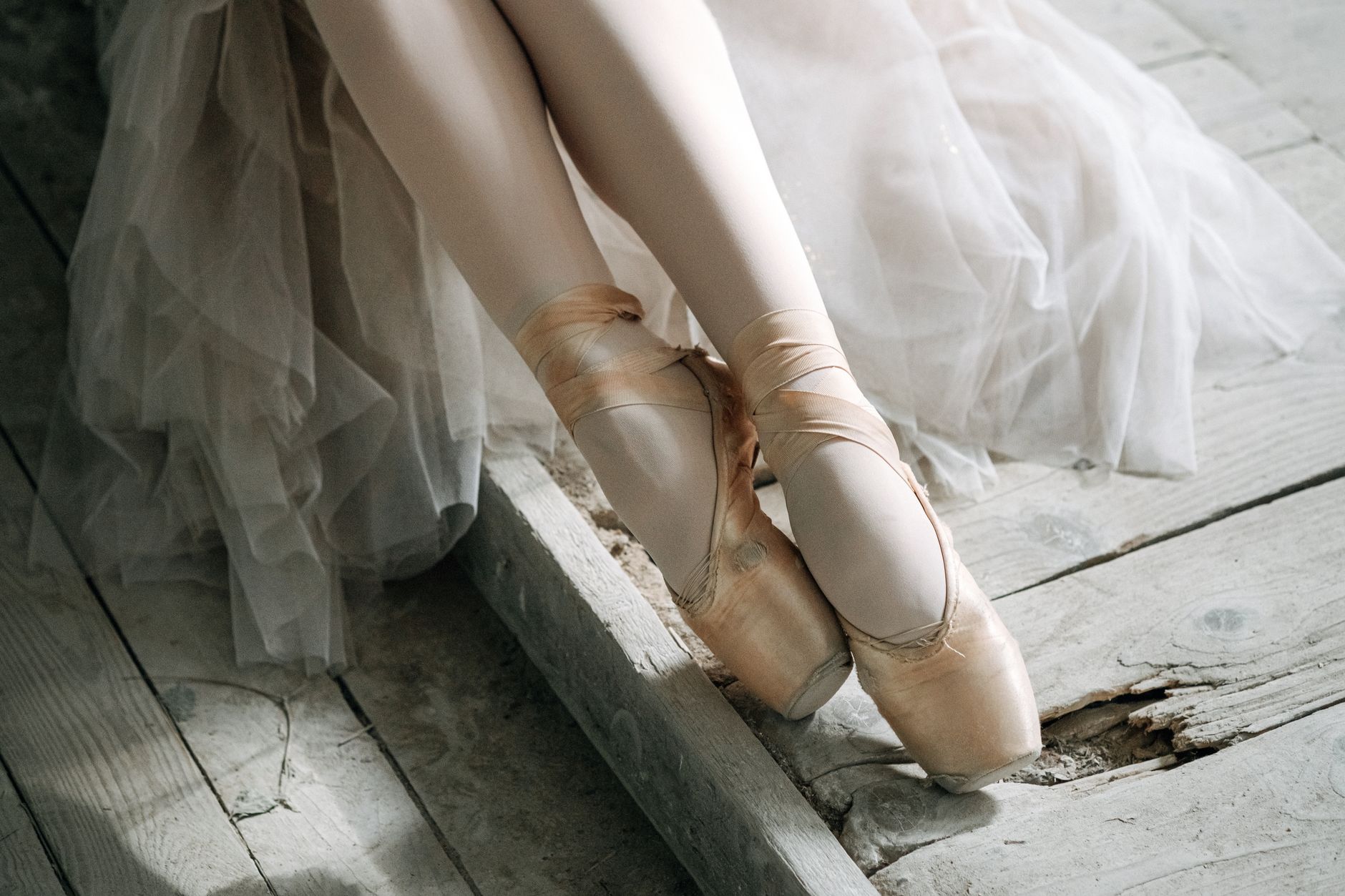
Misconceptions often arise from the dramatic image of a dancer on pointe. In reality, many prenatal ballet classes focus on gentle barre work, floor sequences, and breathing techniques, which align with the ACOG recommendation of at least 150 minutes of moderate aerobic activity per week. If you’re already a regular dancer, you can often continue with these adaptations, but always discuss your plan with your obstetric provider.
Beyond the physical benefits, staying active with ballet can also help manage stress, improve mood, and maintain a sense of normalcy during the hormonal rollercoaster of pregnancy. The key is to stay within a “talk‑test” intensity—where you can converse comfortably—and to avoid any movement that causes pain, dizziness, or shortness of breath.
Is ballet safe during the first trimester of pregnancy?
The first trimester is a critical period of organ formation, and the body’s hormonal changes can cause fatigue, nausea, and increased joint laxity. ACOG advises that pregnant women avoid activities with a high risk of falling or abdominal impact during this stage. For ballet, this means steering clear of jumps, leaps, and deep pirouettes that could cause a sudden loss of balance.
Gentle barre exercises, slow floor work, and modified pliés are generally considered safe, as they promote circulation without stressing the core. However, you should still check with your provider, especially if you have a history of miscarriage or complications. Keeping movements within a “talk‑test” intensity—where you can converse comfortably—helps ensure you’re not overexerting yourself.
Because the first trimester also brings heightened sensitivity to temperature, it’s wise to keep studio rooms well‑ventilated and avoid overheating. Wear breathable fabrics and drink water frequently; dehydration can exacerbate nausea and increase the risk of faintness.
Can I continue ballet classes in my second trimester?
The second trimester often brings a surge of energy, but also a growing belly that shifts your center of gravity. The NHS recommends that pregnant women maintain regular, low‑impact activity throughout this period. Ballet can be continued if you make a few key adjustments: limit high‑impact jumps, reduce the duration of standing on the toes, and increase rest breaks.
Many studios offer prenatal ballet or “ballet for moms” classes that focus on core stability, gentle stretching, and balance drills. These classes are designed to accommodate a larger abdomen and typically avoid movements that require deep turnout or extreme spinal flexion. As long as you feel stable and experience no pain, second‑trimester ballet can be a great way to stay active.
In addition to the physical modifications, consider incorporating a light strengthening routine for the pelvic floor during your class. Engaging the pelvic floor muscles while performing pliés can improve both dance technique and pregnancy‑related bladder control.
Is ballet safe during the third trimester of pregnancy?
The third trimester brings the biggest changes in balance and flexibility as the baby grows. While many women still feel comfortable moving, the risk of a fall increases because the uterus pushes the center of gravity forward. ACOG’s third‑trimester guidance emphasizes “low‑impact, non‑contact activities” and suggests shortening the duration of any exercise session if you feel short‑of‑breath or fatigued.
For ballet, this translates to focusing almost exclusively on barre work, gentle floor sequences, and slow, controlled movements. Eliminate any jumps, leaps, or rapid turns. If you enjoy dancing, consider a “modified ballet” class that replaces pointe work with demi‑pointe or flat‑foot positions. Adding extra rest periods—every 10–15 minutes—helps maintain circulation and reduces strain on the lower back.
Listening to your body is especially important in the third trimester. If you notice increased pelvic pressure, swelling, or any sign of uterine contractions, stop the activity and contact your provider. Many women find that a shorter, more frequent schedule (for example, three 20‑minute sessions per week) works better than longer, less frequent classes.
How many ballet classes per week are safe for pregnant dancers?
Guidelines from ACOG suggest aiming for at least 150 minutes of moderate aerobic activity per week, which can be broken down into 3–5 ballet sessions of 30–45 minutes each. For most pregnant dancers, 2–3 classes per week provide a balanced routine that supports cardiovascular health without overtaxing the musculoskeletal system.
If you’re new to prenatal exercise, start with once a week and gradually increase as your body adjusts. Pay attention to any signs of overexertion—such as shortness of breath, dizziness, or pelvic pain—and scale back accordingly. Remember, quality of movement matters more than quantity; a focused, mindful class can be more beneficial than several rushed sessions.
It’s also helpful to schedule your classes on days when you feel most energetic, often in the morning after a light breakfast. This can help mitigate nausea and keep energy levels stable throughout the session.
What are the risks of ballet for pregnant women?
While ballet can be a safe form of exercise, certain risks merit attention:
- Falls and impact: Sudden loss of balance during turns or jumps can cause abdominal trauma.
- Joint instability: The hormone relaxin loosens ligaments, increasing the chance of ankle sprains or knee strain.
- Overstretching: Deep turnout may stress the hips and lower back, especially as the pelvis tilts.
- Heat and dehydration: Warm studio environments can raise core temperature; stay hydrated and avoid overheating.
Most of these risks can be mitigated by modifying class intensity, using supportive footwear, and listening to your body’s signals. If you experience persistent pelvic pain, vaginal bleeding, or contractions, stop dancing and contact your provider immediately.
Another subtle risk is the potential for over‑use injuries in the feet and ankles, especially if you continue pointe work past the first trimester. Swelling can change foot shape, leading to blisters or stress fractures if shoes become too tight.
Ballet and pelvic floor health during pregnancy
The pelvic floor muscles support the uterus, bladder, and bowels, and they endure extra pressure as the pregnancy progresses. Ballet’s emphasis on core engagement can be a double‑edged sword: when done correctly, it strengthens the pelvic floor; when done with excessive force, it can strain those muscles. Incorporating gentle pelvic floor contractions—often called “Kegels”—while performing pliés or relevés can enhance both dance technique and pelvic health.
Studies from the International Urogynecological Association suggest that low‑impact dance, when combined with pelvic floor awareness, may reduce the incidence of urinary incontinence in later pregnancy. If you’re unsure how to engage these muscles correctly, a prenatal physical therapist can demonstrate safe techniques that blend seamlessly with your ballet routine.
Choosing a prenatal ballet studio
Not every studio is equipped to accommodate pregnant dancers. Look for studios that advertise “prenatal ballet,” “ballet for moms,” or “modified ballet” in their class descriptions. Inquire whether instructors have certification in prenatal fitness or have experience working with pregnant clients. A good studio will encourage you to inform the teacher of your gestational age and any specific concerns (e.g., prior miscarriage, back pain).
Safety‑first studios will keep the floor surface clean, provide non‑slippery mats for extra cushioning, and maintain a moderate room temperature. Some even offer a “pre‑class health check‑in” where you can discuss any discomfort before the session begins. Choosing a supportive environment helps you stay confident and reduces the likelihood of accidental injuries.
Safe dosage / amount / brands
Because ballet is an activity rather than a medication, “dosage” refers to class frequency, session length, and intensity. The following guidelines align with ACOG’s recommendation of 150 minutes of moderate activity per week:
If you experience swelling that makes your usual shoes feel tight, consider switching to a wider‑fit model or using a silicone insole for extra cushioning. Always have a supportive pair of flat shoes on hand for warm‑up and cool‑down periods.
Side effects and risks
Most side effects of prenatal ballet are mild and related to overexertion:
- Fatigue: Common, especially in the first trimester; reduce class length if needed.
- Muscle soreness: Normal after a new routine; stretch gently and use a foam roller.
- Joint pain: May indicate over‑stretching or improper alignment; consult a physical therapist.
Red‑flag symptoms that require immediate medical attention include:
- Vaginal bleeding or spotting after a class.
- Severe abdominal or pelvic pain.
- Sudden onset of dizziness, faintness, or loss of balance.
- Swelling that does not improve with rest and elevation.
- Signs of preterm labor, such as regular contractions.
These signs could signal complications such as placental issues or musculoskeletal injury, and you should contact your provider right away.
Safer alternatives
- Prenatal yoga – offers gentle stretching and breath work without impact.
- Water aerobics – reduces joint strain while delivering a full‑body cardio workout.
- Walking – easy to adjust pace and completely low‑impact.
- Stationary cycling – maintains heart health without risk of falling.
- Low‑impact Pilates – strengthens core safely for pregnancy.
- Swimming – cool, buoyant exercise that supports the belly.
Myth vs. fact
Myth: Dancing on pointe is safe throughout pregnancy.
Fact: Pointe work places extra pressure on the forefoot and increases fall risk; most obstetric guidelines recommend avoiding it after the first trimester.
Myth: You must stop all dance once you’re pregnant.
Fact: Low‑impact ballet and modified classes are permissible and can support a healthy pregnancy when done with proper modifications.
Myth: Prenatal ballet will cause a breech baby.
Fact: No evidence links ballet to fetal positioning; breech presentation is influenced by many factors unrelated to maternal activity.
Key takeaways
- Talk to your obstetric provider before continuing or starting ballet.
- Focus on low‑impact, modified movements; avoid jumps, deep turns, and pointe work after the first trimester.
- Limit sessions to 2–3 per week, 30–45 minutes each, and keep intensity at a “talk‑test” level.
- Wear adjustable, supportive ballet slippers and stay well‑hydrated.
- If you experience bleeding, severe pain, or dizziness, stop dancing and call your doctor immediately.
Frequently asked questions
Can pregnant women do ballet?
Yes, many pregnant women can continue ballet if they modify intensity, avoid high‑impact moves, and get clearance from their provider. The key is to keep activities low‑impact and listen to your body.
What are the benefits of ballet during pregnancy?
Ballet promotes core strength, balance, and flexibility, which can help alleviate common pregnancy aches and improve posture. Gentle barre work also supports cardiovascular health without excessive strain.
Is it safe to wear pointe shoes while pregnant?
Generally, no. Pointe shoes add pressure to the forefoot and increase fall risk, especially as ligaments loosen. Most obstetric guidelines advise against pointe work after the first trimester.
Pregnancy shifts your center of gravity and can reduce flexibility, making balance and turnout more challenging. Adjustments such as a wider stance, reduced turnout, and focusing on fluid movement help maintain performance safely.
When should I stop ballet after becoming pregnant?
Most providers suggest stopping high‑impact ballet (jumps, leaps, and pointe work) by the end of the first trimester. You can often continue modified, low‑impact classes through the third trimester if you feel stable and pain‑free.
What modifications are needed for ballet in the third trimester?
In the third trimester, prioritize safety: cut class length to 30 minutes, eliminate any jumps, use flat or demi‑pointe footwork, and increase rest breaks. Focus on gentle stretching and core engagement.
Are there any prenatal ballet classes available?
Yes, many studios now offer prenatal ballet or “ballet for moms” classes that emphasize low‑impact movements, balance, and breathing. Search for “prenatal ballet” in your area or ask local dance schools about modified programs.
Should I consult my doctor before continuing ballet while pregnant?
Absolutely. A brief discussion with your obstetrician ensures your specific health profile—such as a history of miscarriage or musculoskeletal issues—is taken into account, and you’ll receive personalized advice on safe activity levels.
What if I accidentally did a jump before I knew I was pregnant?
One isolated jump early in pregnancy is unlikely to cause harm, but monitor for any unusual abdominal pain, spotting, or cramping. If any of these symptoms appear, contact your provider promptly for reassurance.
Is it safe to practice ballet at home during pregnancy?
Home practice can be safe if you stick to low‑impact barre exercises, keep the space clear of obstacles, and avoid jumps or rapid turns. Use a non‑slippery mat, wear supportive slippers, and stay within a “talk‑test” intensity.
When to call your doctor
If you notice any of the following after a ballet class, contact your provider right away:
- Vaginal bleeding or spotting.
- Severe abdominal or pelvic pain.
- Sudden onset of dizziness, faintness, or loss of balance.
- Persistent swelling of the feet or ankles that does not improve with rest.
- Signs of preterm labor, such as regular contractions.
These symptoms may indicate complications that need prompt medical evaluation. Remember, this article is for informational purposes only and does not replace personalized medical advice.
References
- American College of Obstetricians and Gynecologists. “Physical Activity and Exercise during Pregnancy and the Postpartum Period.” ACOG Committee Opinion No. 804, 2023.
- National Health Service (NHS). “Exercise in pregnancy.” NHS website, 2022.
- Food and Drug Administration (FDA). “Pregnancy and Lactation Labeling Rule (PLLR).” FDA.gov, 2021.
- Centers for Disease Control and Prevention (CDC). “Pregnancy and Physical Activity.” CDC.gov, 2022.
- World Health Organization (WHO). “Recommendations on Antenatal Care for a Positive Pregnancy Experience.” WHO Guidelines, 2022.
- Journal of Perinatal Medicine. “Prenatal Dance and Pregnancy Outcomes: A Case Series.” 2021.