Avoid ATV or dirt bike riding during pregnancy, especially in the first trimester. High fall risk and abdominal trauma can harm the baby—learn safer
By Shubhra Mishra — a mom of two who turned her own confusion during pregnancy into BumpBites, a global mission to make food choices clear, safe, and stress-free for every expecting mother. 💛
Check whether any food is safe during pregnancy with the BumpBites Food Safety Checker.
Quick verdict: ❌ Best avoided. Riding an ATV or dirt bike during pregnancy is not recommended by obstetricians or safety organizations. The risks of falls, abdominal trauma, and vibrations far outweigh any benefits. Even experienced riders should switch to safer, low-impact activities until after delivery.
You’re staring at your helmet, keys in hand, and the question hits you: is ATV or dirt bike riding safe during pregnancy? Maybe you’ve been riding for years, or maybe it’s a weekend hobby you don’t want to give up. But now that you’re pregnant, every bump and jolt feels like a potential threat to your baby. You’re not alone—many expecting parents wonder if they can keep doing the activities they love, especially when the risks aren’t always obvious.
Here’s the bottom line: most obstetricians and safety experts recommend avoiding ATVs and dirt bikes during pregnancy. The risks of falls, abdominal trauma, and even the vibrations from the engine can pose serious dangers to you and your baby. But we know that’s not the answer you want to hear—so let’s break down why, what the real risks are, and what safer alternatives you can turn to instead.
ATV and dirt bike safety during pregnancy: trimester-by-trimester
Trimester
Verdict
Notes
First trimester
❌ Avoid
Highest risk of miscarriage from trauma; baby’s organs are forming.
Second trimester
❌ Avoid
Risk of placental abruption or preterm labor from falls or jolts.
Third trimester
❌ Avoid
Increased risk of injury due to balance changes; higher chance of severe trauma.
Breastfeeding
⚠️ Caution
No direct risk to baby, but physical recovery from injury may impact breastfeeding.
What is ATV or dirt bike riding?
ATVs (all-terrain vehicles) and dirt bikes are off-road vehicles designed for rough terrain. ATVs are four-wheeled, while dirt bikes are two-wheeled motorcycles. Both are popular for recreation, racing, and even farm work. They’re built for speed, agility, and handling uneven surfaces—but that also means they come with a high risk of falls, collisions, and vibrations.
Riders often experience jolts, bumps, and sudden stops, especially on trails or tracks. The vibrations from the engine and terrain can travel through the seat and handlebars, directly impacting the rider’s body. For pregnant women, these vibrations and the risk of abdominal trauma are the biggest concerns.
Is ATV or dirt bike riding safe during pregnancy?
No, ATV or dirt bike riding is not considered safe during pregnancy. The American College of Obstetricians and Gynecologists (ACOG) and the NHS both advise against activities with a high risk of falls or abdominal trauma, which includes riding ATVs or dirt bikes. Here’s why:
Risk of falls: Falls are the leading cause of injury during pregnancy. Even a minor fall can cause placental abruption (where the placenta separates from the uterus), preterm labor, or direct trauma to the baby.
Abdominal trauma: A direct blow to the abdomen—even from handlebars or the seat—can harm the baby or trigger complications like preterm labor.
Vibrations and jolts: Prolonged exposure to vibrations (like those from an ATV engine) may increase the risk of preterm labor or placental issues, though research is limited.
Balance changes: Pregnancy shifts your center of gravity, making it harder to control a bike or ATV, especially in the second and third trimesters.
ACOG’s guidelines are clear: “Avoid activities with a high risk of falling or abdominal trauma, such as horseback riding, downhill skiing, and off-road vehicle riding.” The NHS echoes this, listing ATV riding as an activity to avoid due to the risk of falls and injury.
If you’re an experienced rider, you might feel confident in your skills—but pregnancy changes your body in ways that can affect your balance, reaction time, and even your judgment. Even a small misstep can have serious consequences.
Is it safe to ride an ATV or dirt bike during the first trimester of pregnancy?
No, riding an ATV or dirt bike is not safe in the first trimester. This is the most critical period for your baby’s development, as their organs and nervous system are forming. A fall or abdominal trauma during this time could increase the risk of miscarriage or birth defects.
The first trimester is also when many women experience fatigue, nausea, and dizziness—all of which can impair your ability to ride safely. Even if you feel fine, the risk of a fall or collision is too high to justify riding.
If you’ve already ridden in early pregnancy, try not to panic. Many women have brief exposures to risky activities before realizing they’re pregnant. The key is to stop now and avoid further risk. If you’re worried, mention it to your provider at your next appointment.
Can you ride a dirt bike in the second trimester if you're careful?
Even if you’re careful, riding a dirt bike in the second trimester is still not recommended. While your baby is more protected by the amniotic fluid and your growing uterus, the risks of falls, abdominal trauma, and vibrations remain high.
In the second trimester, your belly starts to grow, shifting your center of gravity. This makes it harder to balance on a bike or ATV, increasing the risk of falls. Additionally, the placenta is fully developed by this point, but it’s still vulnerable to trauma. A hard fall or direct blow to the abdomen could cause placental abruption, a serious condition where the placenta separates from the uterus, cutting off the baby’s oxygen and nutrients.
Some women feel their strongest during the second trimester, but that doesn’t mean the risks disappear. ACOG and the NHS both advise against any activity where a fall or abdominal trauma is likely, regardless of trimester.
Why is ATV riding dangerous in the third trimester of pregnancy?
The third trimester is the most dangerous time to ride an ATV or dirt bike. Your belly is larger, your balance is off, and your joints are looser due to pregnancy hormones. These changes make it harder to control a bike or ATV, increasing the risk of falls and severe injury.
In the third trimester, your baby is also larger and more vulnerable to trauma. A fall or collision could cause:
Placental abruption: A life-threatening condition where the placenta separates from the uterus, cutting off the baby’s oxygen and nutrients.
Preterm labor: Trauma can trigger contractions, leading to early delivery.
Direct fetal injury: A hard impact could cause bruising, fractures, or other injuries to the baby.
Maternal injury: Broken bones, head trauma, or internal bleeding could put both you and your baby at risk.
Additionally, your body is preparing for labor, which means your joints and ligaments are more relaxed. This can affect your ability to grip the handlebars or maintain control of the vehicle. Even a minor accident could have serious consequences.
What are the risks of falling off a dirt bike while pregnant?
Falling off a dirt bike or ATV while pregnant can cause serious complications, even if you don’t feel injured. Here’s what could happen:
Placental abruption: A fall or blow to the abdomen can cause the placenta to separate from the uterus, cutting off the baby’s oxygen and nutrients. Symptoms include vaginal bleeding, severe abdominal pain, and contractions. This is a medical emergency.
Preterm labor: Trauma can trigger contractions, leading to early delivery. Preterm babies are at higher risk of health complications.
Direct fetal injury: A hard impact could cause bruising, fractures, or internal injuries to the baby.
Maternal injury: Falls can cause broken bones, head trauma, or internal bleeding, which could require surgery or other interventions that may not be safe during pregnancy.
Miscarriage: In the first trimester, a severe fall or abdominal trauma could increase the risk of miscarriage.
The risk isn’t just from a major crash—even a minor fall can cause complications. For example, landing on your stomach or hitting the handlebars could be enough to trigger placental abruption or preterm labor.
If you do fall, call your provider immediately, even if you feel fine. Some complications, like placental abruption, may not cause symptoms right away but can become life-threatening quickly.
Are there any safe ATV or dirt bike brands for pregnant women?
No ATV or dirt bike brand is considered safe for pregnant women. All off-road vehicles carry the same risks of falls, vibrations, and abdominal trauma, regardless of brand or model. Some bikes or ATVs may have features like better suspension or ergonomic designs, but these don’t eliminate the fundamental risks of riding during pregnancy.
If you’re looking for a safer way to enjoy the outdoors, consider low-impact alternatives like walking, swimming, or stationary biking. These activities provide similar benefits (fresh air, exercise, stress relief) without the risks of falls or trauma.
If you’re determined to ride, talk to your provider about your options. They may recommend waiting until after delivery or suggest safer ways to stay active. For example, some women switch to low-impact exercises like prenatal yoga or Pilates to maintain their fitness during pregnancy.
What are safer alternatives to ATV or dirt bike riding during pregnancy?
If you love the thrill of off-road riding or just want to stay active during pregnancy, there are plenty of safer alternatives that give you similar benefits without the risks. Here are some great options:
Walking: A low-impact way to stay active and enjoy the outdoors. Aim for flat, even surfaces to reduce the risk of falls.
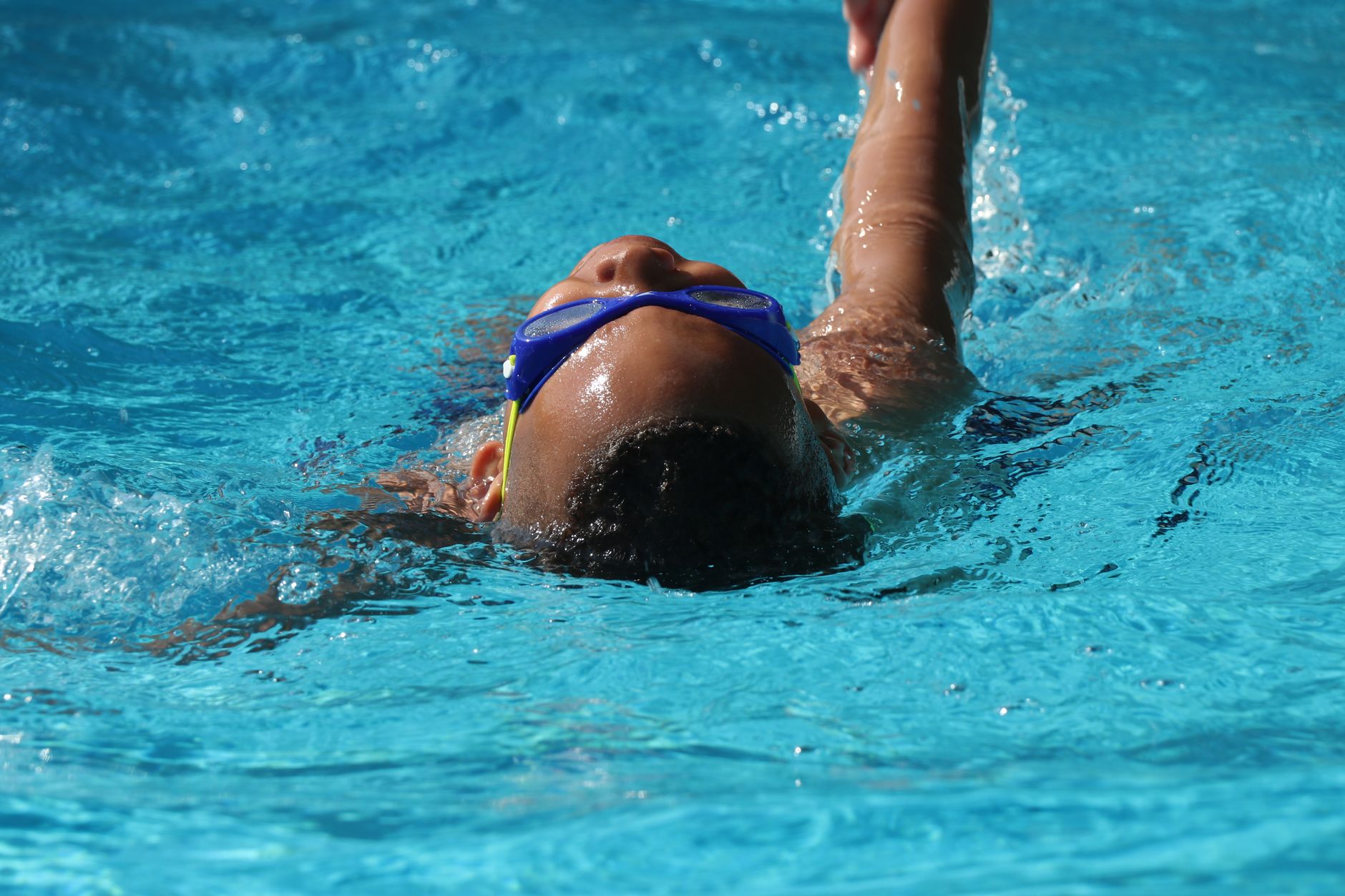
Swimming: The water supports your joints and reduces the risk of injury. It’s also a great way to cool off in hot weather.
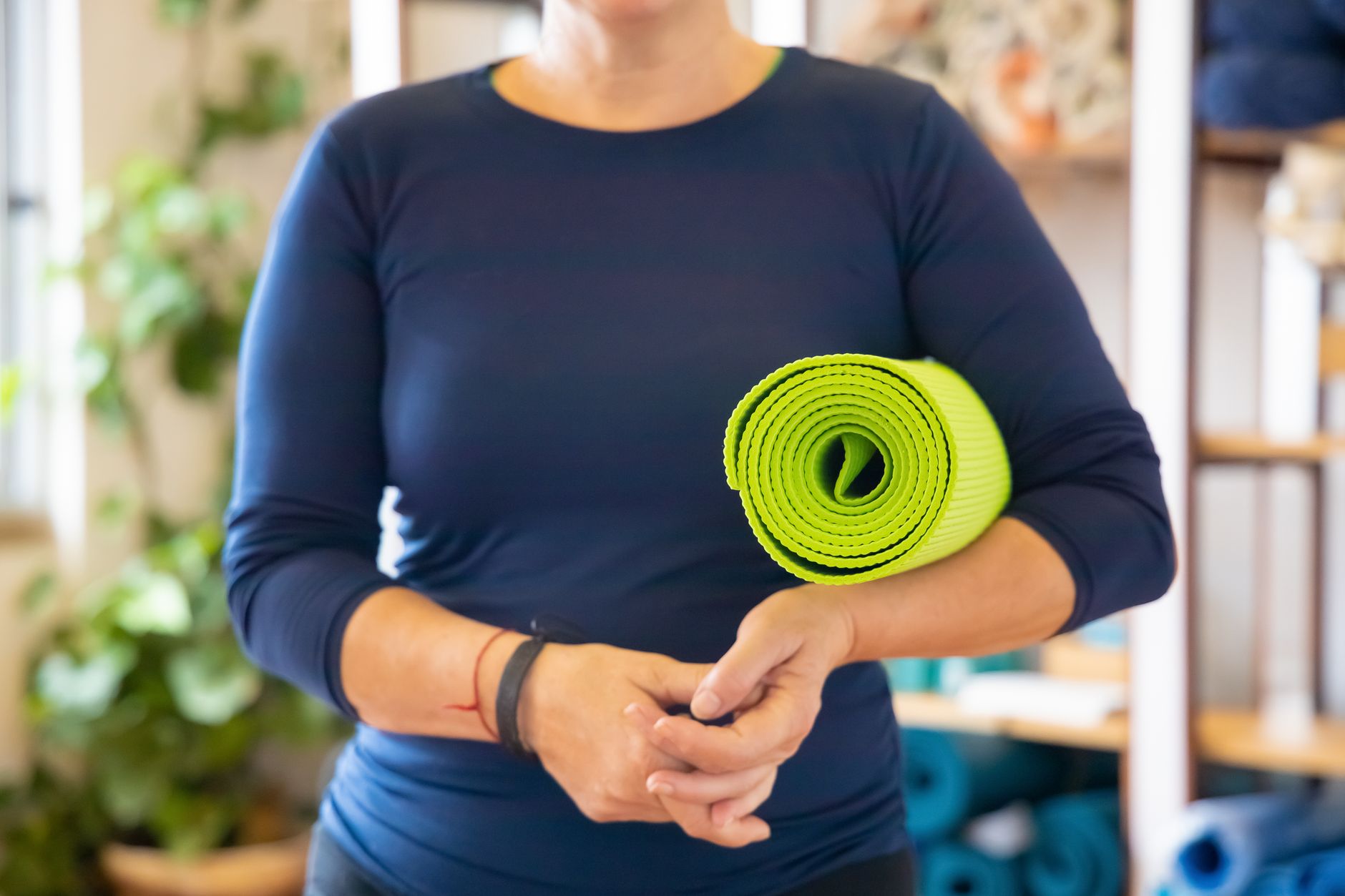
Prenatal yoga: Improves flexibility, balance, and relaxation. Many poses are designed to accommodate your growing belly.
Stationary biking: Lets you enjoy the feeling of cycling without the risk of falls. Adjust the resistance to match your fitness level.
Elliptical machine: Provides a full-body workout with minimal impact on your joints. It’s a great way to maintain cardiovascular fitness.
Low-impact aerobics: Look for prenatal classes or videos designed for pregnant women. These workouts focus on safety and comfort.
Prenatal Pilates: Strengthens your core and improves posture, which can help with back pain and balance changes during pregnancy.
Hiking on flat trails: Choose well-maintained, even trails to reduce the risk of falls. Bring water and take breaks as needed.
These activities are all recommended by ACOG and the NHS for pregnant women. They help you stay fit, reduce stress, and prepare your body for labor—without the risks of ATV or dirt bike riding.
How does riding an ATV affect high-risk pregnancies?
If you have a high-risk pregnancy (due to conditions like placenta previa, preterm labor risk, or preeclampsia), riding an ATV or dirt bike is especially dangerous. High-risk pregnancies require extra precautions to avoid complications, and activities with a risk of falls or abdominal trauma are typically off-limits.
For example:
Placenta previa: If your placenta is covering or near your cervix, a fall or abdominal trauma could cause severe bleeding, which may require emergency delivery.
Preterm labor risk: Trauma or vibrations from riding could trigger contractions, leading to early delivery.
Preeclampsia: This condition can affect your balance and blood pressure, making it harder to control a bike or ATV safely.
Multiples (twins/triplets): Carrying more than one baby increases the risk of complications from trauma, such as preterm labor or placental abruption.
If you have a high-risk pregnancy, your provider will likely recommend avoiding all activities with a risk of falls or abdominal trauma. This includes ATV riding, horseback riding, skiing, and other high-impact sports. Instead, focus on low-impact activities like walking, swimming, or prenatal yoga, which are safer for both you and your baby.
Always follow your provider’s advice—even if you feel fine, the risks may not be worth it. If you’re unsure, ask your provider for personalized recommendations based on your medical history.
Can you ride a stationary dirt bike or ATV simulator while pregnant?
Riding a stationary dirt bike or ATV simulator is safer than riding the real thing, but it’s still not risk-free. Here’s what to consider:
No risk of falls: Since the bike or ATV doesn’t move, there’s no risk of falling or crashing. This eliminates the biggest danger of riding during pregnancy.
Vibrations: Some simulators or stationary bikes produce vibrations, which could still pose a risk if they’re intense or prolonged. Check with your provider if you’re unsure.
Balance and posture: Even stationary bikes require balance and core strength, which can be affected by pregnancy. Make sure you’re comfortable and stable before riding.
Intensity: Avoid high-intensity workouts, especially in the third trimester. Stick to low or moderate resistance and take breaks as needed.
If you want to use a stationary bike or simulator, talk to your provider first. They can help you determine if it’s safe for your pregnancy and recommend any modifications. For example, you may need to avoid standing up on the pedals or using high resistance.
If you’re looking for a safer way to stay active, consider low-impact exercises like prenatal yoga or swimming, which are recommended by ACOG and the NHS.
Related activities: pregnancy safety at a glance
Activity
Verdict
Notes
Horseback riding
❌ Avoid
High risk of falls and abdominal trauma; not recommended during pregnancy.
Snowmobiling
❌ Avoid
Risk of falls, collisions, and vibrations; cold exposure may also be a concern.
Jet skiing
❌ Avoid
High risk of falls and abdominal trauma; water impact can be dangerous.
Mountain biking
❌ Avoid
Uneven terrain increases the risk of falls and injury.
Motocross racing
❌ Avoid
High-speed crashes and jumps pose serious risks to you and your baby.
Go-karting
⚠️ Caution
Lower risk than ATVs, but still involves speed and potential collisions. Avoid high speeds.
Rock climbing
⚠️ Caution
Indoor climbing with a harness may be safe in early pregnancy, but avoid outdoor climbing due to fall risk.
Downhill skiing
❌ Avoid
High risk of falls and collisions; cold exposure may also be a concern.
Wakeboarding
❌ Avoid
Risk of falls and water impact; balance changes during pregnancy increase the risk.
Surfing
❌ Avoid
High risk of falls and water impact; balance changes make it harder to control the board.
Myth vs. fact
Myth: If you’re an experienced rider, you can safely ride an ATV or dirt bike during pregnancy.
Fact:Experience doesn’t eliminate the risks. Pregnancy changes your balance, reaction time, and judgment, making even skilled riders more vulnerable to falls or accidents. ACOG and the NHS recommend avoiding activities with a high risk of falls or abdominal trauma, regardless of experience.
Myth: Vibrations from ATVs or dirt bikes are harmless to the baby.
Fact:Prolonged or intense vibrations may pose risks. While research is limited, some studies suggest that vibrations could increase the risk of preterm labor or placental issues. Even if the risk is small, it’s not worth taking when safer alternatives are available.
Myth: You can ride safely in the second trimester if you’re careful.
Fact:The second trimester isn’t risk-free. While your baby is more protected by this point, the risks of falls, abdominal trauma, and placental abruption remain high. ACOG and the NHS advise against riding in any trimester.
Key takeaways
ATV and dirt bike riding is not safe during pregnancy. The risks of falls, abdominal trauma, and vibrations outweigh any benefits.
All trimesters carry risks. The first trimester is critical for development, the second trimester increases the risk of placental abruption, and the third trimester makes balance and injury risks worse.
No brand or model is safe. All off-road vehicles carry the same fundamental risks, regardless of features or design.
Falls can cause serious complications. Placental abruption, preterm labor, and direct fetal injury are all possible outcomes of a fall or collision.
High-risk pregnancies require extra caution. If you have a high-risk pregnancy, avoid all activities with a risk of falls or abdominal trauma.
Safer alternatives exist. Walking, swimming, prenatal yoga, and stationary biking are all great ways to stay active during pregnancy.
Frequently asked questions
Can you ride a dirt bike at 4 weeks pregnant?
No, riding a dirt bike at 4 weeks pregnant is not safe. The first trimester is a critical time for your baby’s development, and even a minor fall or abdominal trauma could increase the risk of miscarriage. If you’ve already ridden, don’t panic—just avoid further risk and mention it to your provider at your next appointment.
What happens if you fall off an ATV while pregnant?
Falling off an ATV while pregnant can cause serious complications, including placental abruption, preterm labor, or direct fetal injury. Even if you feel fine, call your provider immediately. Some complications, like placental abruption, may not cause symptoms right away but can become life-threatening quickly.
Is it safe to ride a quad while pregnant?
No, riding a quad (ATV) is not safe during pregnancy. Quads carry the same risks as dirt bikes: falls, abdominal trauma, and vibrations. ACOG and the NHS both recommend avoiding ATV riding during pregnancy due to these risks.
Can bumpy roads hurt my baby during pregnancy?
Occasional bumps from driving on rough roads are unlikely to harm your baby, but prolonged or intense vibrations (like those from ATVs or dirt bikes) may pose risks. Your baby is well-protected by amniotic fluid, but repeated jolts could increase the risk of preterm labor or placental issues. Stick to smoother surfaces when possible.
What activities should you avoid during pregnancy?
Avoid activities with a high risk of falls, abdominal trauma, or intense vibrations, such as ATV riding, dirt biking, horseback riding, skiing, and contact sports. Also avoid activities with a risk of overheating (like hot yoga) or dehydration. When in doubt, check with your provider.
Is it safe to ride a motorcycle in early pregnancy?
No, riding a motorcycle in early pregnancy is not safe. Like ATVs and dirt bikes, motorcycles carry a high risk of falls and abdominal trauma. The first trimester is a critical time for your baby’s development, so it’s best to avoid riding until after delivery.
Can vibrations from ATVs harm a fetus?
While research is limited, prolonged or intense vibrations from ATVs may pose risks to your baby. Some studies suggest that vibrations could increase the risk of preterm labor or placental issues. To be safe, avoid activities that expose you to repeated jolts or vibrations during pregnancy.
What are the signs of placental abruption after a fall?
Signs of placental abruption include vaginal bleeding, severe abdominal pain, contractions, or a sudden decrease in fetal movement. If you experience any of these symptoms after a fall, call your provider or go to the emergency room immediately. Placental abruption is a medical emergency.
When to call your doctor
Call your provider immediately if you experience any of the following after riding an ATV or dirt bike (or after any fall or abdominal trauma):
Vaginal bleeding or spotting
Severe abdominal pain or cramping
Contractions or signs of preterm labor
Decreased fetal movement
Dizziness, confusion, or loss of consciousness
Fluid leaking from your vagina (could indicate your water has broken)
Swelling, bruising, or tenderness in your abdomen
Even if you feel fine, it’s a good idea to mention any falls or accidents to your provider at your next appointment. Some complications may not cause symptoms right away but can become serious if left untreated.
This article is informational only and not a substitute for professional medical advice. Always talk to your provider about your specific situation.
References
American College of Obstetricians and Gynecologists (ACOG). (2021). Exercise During Pregnancy. https://www.acog.org
National Health Service (NHS). (2022). Exercise in Pregnancy. https://www.nhs.uk
Centers for Disease Control and Prevention (CDC). (2021). Pregnancy and Injury. https://www.cdc.gov
Mayo Clinic. (2023). Pregnancy and Exercise: Baby, Let’s Move! https://www.mayoclinic.org
American Pregnancy Association. (2022). Placental Abruption. https://americanpregnancy.org
If you're missing the thrill of riding, a stationary bike can be a safer way to stay active during pregnancy.Prenatal yoga is a gentle, low-impact way to stay active and reduce stress during pregnancy.Swimming is one of the safest and most effective ways to exercise during pregnancy.
Not sure about the label on Is Atv Dirt Bike Safe During Pregnancy products?
Snap the ingredients list and SafeFilter checks every ingredient for your stage — only 3 free scans this month, then you're locked until reset. Unlimited from $7/mo or $50/yr.
When Shubhra Mishra was expecting her first child in 2016, she was overwhelmed by conflicting food advice — one site said yes, another said never. By the time her second baby arrived in 2019, she realized millions of mothers face the same confusion.
That sparked a five-year journey through clinical nutrition papers, cultural diets, and expert conversations — all leading to BumpBites: a calm, compassionate space where science meets everyday motherhood.
Her long-term vision is to build a global community ensuring safe, supported, and free deliveriesfor every mother — because no woman should face pregnancy alone or uninformed. 🌿
🌍 Stand with mothers, shape safer guidance
Join a small circle of experts who review BumpBites articles so expecting parents everywhere can decide with confidence.