Limit Atkins Shake during pregnancy. Experts recommend no more than one serving daily, especially in the first trimester, due to artificial sweeteners and additives.
By Shubhra Mishra — a mom of two who turned her own confusion during pregnancy into BumpBites, a global mission to make food choices clear, safe, and stress-free for every expecting mother. 💛
Check whether any food is safe during pregnancy with the BumpBites Food Safety Checker.
Quick verdict: ⚠️ Safe with limits – an Atkins shake can be part of a pregnancy diet, but keep intake to one serving a day and watch the ingredients.
It’s 2 a.m., you’re rummaging through the pantry, and a bright bottle of Atkins shake catches your eye. “Is Atkins shake safe during pregnancy?” you wonder, heart racing as you think about the tiny life growing inside you. You’re not alone – many expectant parents have that midnight moment of doubt. The short answer is that an Atkins shake can be safe for most pregnant people when consumed in moderation and when you choose a flavor without problematic additives.
In this article we’ll answer the question is atkins shake safe during pregnancy from every angle: overall safety, how the first, second, and third trimesters differ, how many shakes you can realistically have each day, what ingredients to watch, and what safer alternatives exist. We’ll also look at what professionals from the American College of Obstetricians and Gynecologists (ACOG), the NHS, and the FDA say, and give you a clear plan so you can stop worrying and enjoy your nutrition shake with confidence.
Whether you’re already sipping an Atkins shake, considering it for a quick breakfast, or just curious about meal‑replacement drinks, the information below will help you decide what’s best for you and your baby. We’ll also walk you through label‑reading tips, answer common “what if” scenarios, and point you toward pregnancy‑friendly options that fit your lifestyle.
Trimester / Stage
Verdict
Notes
First trimester
⚠️ Safe with limits
Limit to one 8‑oz serving; watch for artificial sweeteners and caffeine.
Second trimester
✅ Generally safe
One serving per day is fine; ensure overall protein and calorie balance.
Third trimester
✅ Generally safe
Same limits; consider calcium‑rich options if needed.
Breastfeeding
⚠️ Safe with limits
One shake per day is acceptable; monitor infant’s reaction to any artificial sweetener.
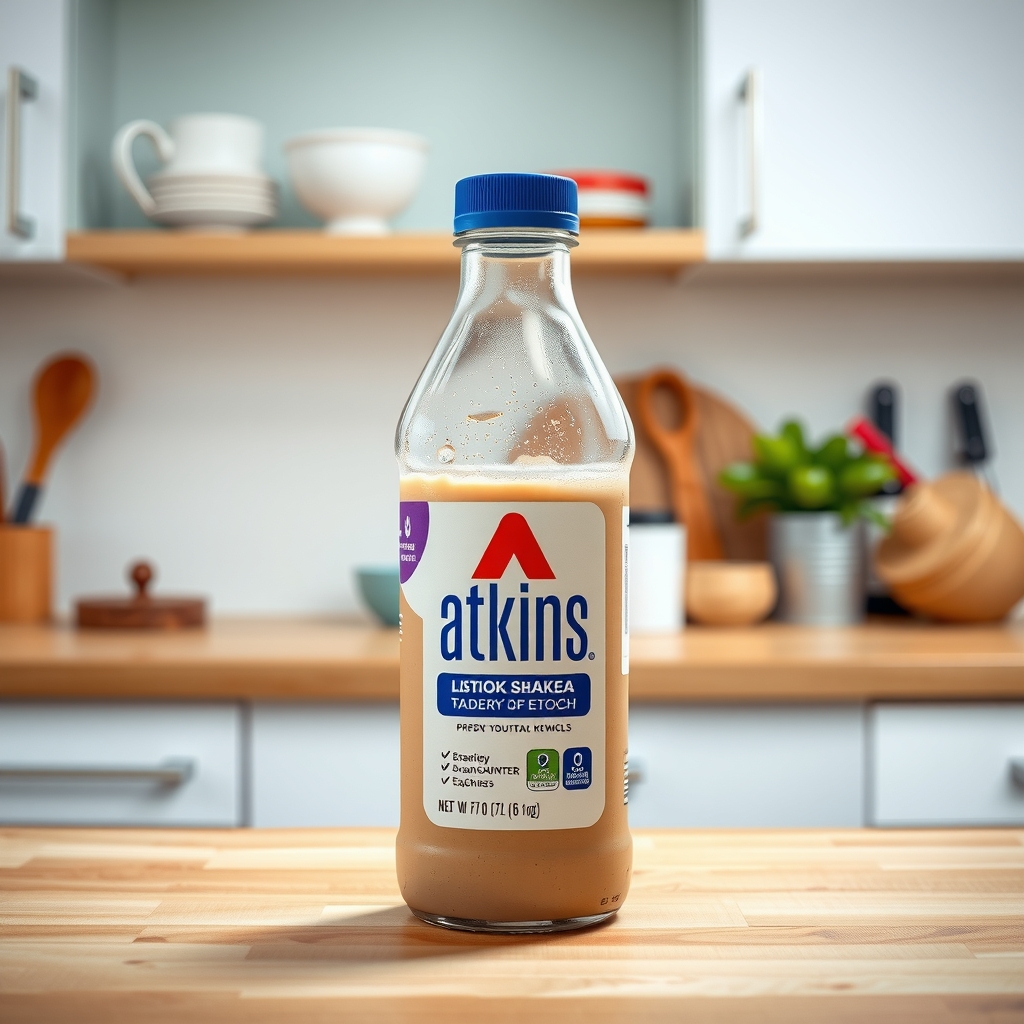
Seeing the label helps you spot ingredients that might need extra attention during pregnancy.
Is an Atkins shake safe to drink during the first trimester of pregnancy?
The first trimester is when the embryo’s organs are forming—a period called organogenesis. Because this window is especially sensitive, many clinicians advise caution with any product that contains caffeine, high levels of artificial sweeteners, or excessive vitamins. Atkins shakes typically contain about 150 mg of caffeine (depending on flavor) and use sucralose or acesulfame‑K as sweeteners. Both caffeine and these sweeteners are considered low‑risk in moderate amounts, but ACOG recommends limiting caffeine to less than 200 mg per day during pregnancy.
Therefore, an Atkins shake is safe with limits in the first trimester if you keep total caffeine under 200 mg and avoid more than one shake per day. Choose flavors without added caffeine (e.g., vanilla or chocolate) for added peace of mind. Pair the shake with a balanced meal that supplies folic acid, iron, and calcium—nutrients crucial for early fetal development. Folic acid, in particular, protects against neural‑tube defects, so make sure your overall diet includes fortified cereals, leafy greens, or a prenatal vitamin in addition to the shake.
Beyond caffeine, the first trimester is also a time when your body’s ability to process certain fat‑soluble vitamins, like vitamin A, is still maturing. Most Atkins shakes provide 100 % of the daily value for vitamin A, which is safe when you stay at one shake per day. However, if you’re also consuming liver, fortified dairy, or other high‑retinol foods, you could edge toward the upper intake limit, so keep an eye on the total.
How many Atkins shakes can a pregnant woman consume per day?
Most nutrition experts, including the NHS, suggest that meal‑replacement shakes should not replace more than one to two full meals per day. For an Atkins shake, the sweet spot is one 8‑oz serving (about 250 kcal) daily. This amount provides roughly 15–20 g of protein, which supports placental growth without overwhelming your kidneys.
If you’re already meeting your daily protein needs through whole foods, you might limit yourself to half a shake or skip it on days when you have a protein‑rich breakfast. Remember that the total caloric intake for pregnancy rises by about 300 kcal in the second and third trimesters, so the shake can help meet that increase without pushing you into excess weight gain. Pairing the shake with a piece of fruit or a handful of nuts adds fiber and healthy fats, turning a single‑serving shake into a more complete snack.
For people who are very active—such as those doing regular prenatal yoga, swimming, or light strength training—an extra half‑shake after a workout can aid recovery. Just be sure to count any additional caffeine from coffee or tea, and keep the total under the 200 mg daily ceiling.
Are there any risks associated with Atkins shakes for pregnant women?
Potential risks stem from three main ingredient groups:
Artificial sweeteners – Sucralose and acesulfame‑K are FDA‑approved for pregnancy, but some studies suggest they may affect gut microbiota. The consensus is that occasional use is low risk, but pregnant people should not rely on them as a primary sweetener source.
Caffeine – As noted, most flavors contain 150 mg per serving. Exceeding 200 mg daily can increase the risk of miscarriage or low birth weight, according to ACOG.
Vitamin and mineral overload – Atkins shakes often contain 100 % of the daily value for vitamins A, D, and iron. Consuming multiple shakes could push you past safe upper limits, especially for vitamin A, which is teratogenic in high doses.
Beyond these, the high protein load can strain the kidneys in people with pre‑existing renal issues. If you have a history of kidney disease or are on a low‑protein diet for medical reasons, discuss shake consumption with your provider. Allergic reactions to whey or soy (in some flavored varieties) are rare but possible, so monitor for itching, hives, or swelling after the first sip.
Overall, the risks are modest when you stay within the recommended serving size and choose flavors wisely.
What are the best alternatives to Atkins shakes for pregnancy nutrition?
If you’d rather avoid caffeine or artificial sweeteners altogether, there are several pregnancy‑friendly options that deliver comparable protein without the same concerns. Below is a quick‑look list; each alternative is formulated with either whole‑food ingredients or pregnancy‑specific micronutrients.
Ensure Pregnancy – Formulated specifically for pregnant people, it supplies DHA, iron, and calcium without caffeine.
Orgain Organic Protein Shake – Plant‑based, low‑sugar, and free of artificial sweeteners.
Nutribullet Protein Powder – Allows you to control portion size and mix with calcium‑rich milk.
Boost High Protein Milkshake – Contains real dairy protein and added calcium.
Fairlife Core Power Protein Shake – High protein, low sugar, and no artificial sweeteners.
Premier Protein Shake – Offers 30 g protein, low sugar, and a modest vitamin profile.
Vega One All‑in‑One Shake – Plant‑based, contains probiotics, and is free from added caffeine.
Each of these products is widely available at major retailers and often carries a “pregnancy‑compatible” badge on the label. When choosing, look for clear statements about caffeine content (most are caffeine‑free) and check that the vitamin A content does not exceed the recommended upper limit.
Do different Atkins shake flavors affect pregnancy safety?
Yes, the flavor can change the caffeine and sweetener profile. For example, the Chocolate and Vanilla flavors are caffeine‑free, while the Mocha and Coffee flavors contain roughly 150 mg of caffeine per serving. Sweetener type also varies: some flavors use sucralose, others acesulfame‑K. If you’re sensitive to caffeine or prefer to avoid a particular sweetener, select a flavor that aligns with your comfort level. The nutritional label will always list these ingredients, so a quick scan can keep you safely within limits.
Flavor differences also extend to micronutrient blends. Certain limited‑edition flavors add extra vitamin C or calcium, which can be beneficial if you’re lacking those nutrients. However, they may also increase the total vitamin A content, so it’s worth comparing the “% Daily Value” column across flavors before making a choice.
Can pregnant women with gestational diabetes drink Atkins shakes?
Gestational diabetes requires careful carbohydrate monitoring. Atkins shakes are marketed as low‑carb, typically providing 5–7 g of net carbs per serving, which makes them a reasonable option for many with gestational diabetes. However, the protein content (15–20 g) can raise insulin demand, and the artificial sweeteners may affect glucose tolerance in some individuals.
ACOG advises that women with gestational diabetes work with a registered dietitian to tailor meal‑replacement choices. If you choose an Atkins shake, pair it with a high‑fiber food (like a handful of berries) and monitor your blood sugar closely. The shake’s low glycemic index means it won’t cause a rapid spike, but the overall meal composition still matters. Always discuss any new supplement or shake with your health care provider.
Is the low‑carb content of Atkins shakes safe for pregnancy weight gain?
Weight gain guidelines from the Institute of Medicine suggest a gain of 25–35 lb for a woman with a normal pre‑pregnancy BMI. Low‑carb shakes can help manage excess calories, but they should not replace the diverse nutrients needed for fetal growth. The key is balance: using an Atkins shake as a snack or partial meal replacement can support a gradual, healthy weight trajectory, especially when combined with whole‑food sources of fiber, healthy fats, and micronutrients.
For those who find low‑carb diets difficult to maintain, incorporating a small amount of complex carbohydrates—such as a slice of whole‑grain toast or a serving of oatmeal—alongside the shake can provide sustained energy and prevent cravings that might lead to overeating later in the day.
What do healthcare providers say about using Atkins shakes while pregnant?
Most obstetricians, including those represented by ACOG, view meal‑replacement shakes as “generally safe” when they meet the following criteria:
Provide at least 15 g of protein per serving.
Contain less than 200 mg of caffeine per day total.
Do not exceed the upper intake level for fat‑soluble vitamins (A, D, E, K).
Are free from high‑fructose corn syrup and excessive added sugars.
Providers often recommend that pregnant patients read labels, limit intake to one shake per day, and discuss any concerns about artificial sweeteners or caffeine during prenatal visits. In addition, many clinicians suggest pairing the shake with a source of vitamin C (like a few orange slices) to improve iron absorption from the shake’s fortified iron content.
When you’re already taking prenatal vitamins, it’s worth double‑checking that the total vitamin A from both sources stays below the 3,000 µg RAE upper limit. Your provider can help you fine‑tune this balance, especially if you have a history of vitamin deficiencies.
Comparing labels helps you pick a shake that fits your nutrition goals.
Safety by trimester
First trimester
During organogenesis, keep caffeine under 200 mg and avoid more than one shake per day. Choose caffeine‑free flavors and watch for vitamin A levels—most Atkins shakes contain 100 % of the daily value, which is safe, but two shakes could push intake above the recommended upper limit of 3,000 µg retinol activity equivalents.
Because the embryo’s neural tube closes by week 4, adequate folic acid is paramount. While the shake itself isn’t a significant folate source, pairing it with a folate‑rich food (like a spinach smoothie) can help you meet the 400‑µg daily recommendation.
Second trimester
Protein needs increase, and the extra calories from a shake can support fetal growth. One shake per day remains safe, and you can consider adding a calcium‑rich milk or fortified plant milk to boost calcium intake without excess vitamins.
At this stage, iron absorption becomes a bigger concern. Adding a squeeze of lemon juice or a small serving of vitamin C‑rich fruit to the shake can enhance iron uptake, helping prevent anemia—a common issue in the second trimester.
Third trimester
The final stage focuses on building fetal bone mass. An Atkins shake can help meet protein goals, but be mindful of iron absorption: vitamin C‑rich fruit added to the shake can enhance iron uptake. Avoid caffeine‑heavy flavors late in the day to reduce sleep disturbances, which are already common in the third trimester.
Because the baby’s brain development accelerates now, DHA (docosahexaenoic acid) is crucial. Most Atkins shakes don’t contain DHA, so consider a prenatal DHA supplement or a DHA‑fortified milk to round out your nutrition.
Breastfeeding
While nursing, you’ll need roughly 500 extra calories per day. One Atkins shake can contribute to this requirement, but monitor infant reactions to any artificial sweetener, as some babies may be sensitive. If you notice fussiness or digestive issues, consider switching to a dairy‑based or unsweetened shake.
Hydration is also key during lactation. The protein in the shake can increase thirst, so pair it with a full glass of water to stay well‑hydrated.
Safe dosage, amount, and brand considerations
The standard serving size for an Atkins shake is 8 oz (about 250 kcal). For most pregnant people, the safe dosage is:
One serving per day – provides adequate protein without exceeding caffeine or vitamin limits.
Maximum two servings only if you’re under close medical supervision and have no other caffeine sources.
When choosing a brand, look for clear labeling of caffeine, sweeteners, and vitamin content. The original Atkins brand is the most widely available, but you may also find “Atkins Meal Replacement” lines that differ slightly in formulation. Avoid versions that list added sugars or high‑fructose corn syrup, as those can spike blood glucose.
Storage matters, too. Keep the shake refrigerated after opening and consume it before the “use‑by” date to prevent bacterial growth. If you notice any off‑odor or changes in texture, discard the product—pregnancy can make you more sensitive to food‑borne pathogens.
Side effects and risks
Most side effects are mild, but be aware of the following:
Digestive upset – High protein can cause bloating or constipation; increase water intake and fiber.
Artificial sweetener sensitivity – Some pregnant people report nausea or headaches after sucralose; if you notice these, switch to a flavor without that sweetener.
Excess caffeine – Can lead to increased heart rate, insomnia, or mild tremors. If you already consume coffee or tea, count those caffeine sources toward the 200 mg daily limit.
Vitamin A overload – Two shakes per day could exceed the safe upper intake; monitor other sources of retinol (liver, fortified foods).
Allergic reactions – Rare, but whey or soy sensitivities can cause hives or swelling. Seek medical attention if you develop any allergic symptoms.
If you experience severe abdominal pain, persistent vomiting, or signs of high blood pressure (headaches, vision changes), contact your provider promptly—these could signal preeclampsia or another pregnancy complication unrelated to the shake.
Safer alternatives
Ensure Pregnancy – Tailored for prenatal nutrition with DHA and iron, no caffeine.
Orgain Organic Protein Shake – Plant‑based, low in added sugars, free of artificial sweeteners.
Nutribullet Protein Powder – Lets you control portion size and blend with calcium‑rich milk.
Boost High Protein Milkshake – Real dairy protein, added calcium, no caffeine.
Fairlife Core Power Protein Shake – High protein, low sugar, no artificial sweeteners.
Premier Protein Shake – 30 g protein, low sugar, modest vitamin profile.
Vega One All‑in‑One Shake – Plant protein, probiotics, no added caffeine.
Special considerations
How to read the nutrition label on an Atkins shake
Understanding the label is the quickest way to ensure safety. Start with the “Calories” line to confirm you’re staying within the 200‑300 kcal range for a snack. Next, check the “Caffeine” amount—most flavors list it under “Stimulants.” Then review the “Added Sugars” and “Artificial Sweeteners” sections; sucralose and acesulfame‑K are usually listed under “Sweeteners.” Finally, look at the vitamin A, D, and iron percentages. If any vitamin exceeds 100 % of the daily value, remember that other foods or supplements may push you over the safe upper limit.
Atkins shake and prenatal vitamins: any interactions?
Most prenatal vitamins contain iron, folic acid, and vitamin D, which complement the nutrients in an Atkins shake. However, because the shake already provides 100 % of the daily value for vitamin A, taking a prenatal vitamin with additional vitamin A could exceed the upper limit. If your prenatal vitamin includes retinol or beta‑carotene, discuss dosage with your provider. Iron absorption can be enhanced by adding a source of vitamin C (like orange juice) to the shake, but excessive calcium at the same time may inhibit iron uptake, so space calcium‑rich foods a few hours apart from the shake if iron is a concern.
Can I use an Atkins shake during labor and delivery?
During active labor, most hospitals encourage clear liquids and light snacks if you’re not on an IV. An 8‑oz Atkins shake is generally considered a clear, nutrient‑dense option that can provide quick energy without causing nausea. Always check with your birthing team, as some facilities have specific policies about solid foods during labor.
Integrating a shake into your daily routine can be simple and reassuring.
Myth vs. fact
Myth: All meal‑replacement shakes are unsafe because they’re “processed.” Fact: Many shakes, including Atkins, meet FDA standards for safety; the key is checking caffeine, sweetener, and vitamin content.
Myth: Artificial sweeteners cause birth defects. Fact: The FDA has classified sucralose and acesulfame‑K as “generally recognized as safe” for pregnant people when consumed within acceptable daily intakes.
Myth: Low‑carb shakes guarantee no weight gain. Fact: Weight gain depends on overall calorie balance; a shake can be part of a healthy diet but won’t offset excessive eating elsewhere.
Key takeaways
One 8‑oz Atkins shake per day is generally safe for pregnancy when you choose a caffeine‑free flavor.
Watch for artificial sweeteners and vitamin A levels; two shakes can exceed recommended limits.
If you have gestational diabetes, monitor blood sugar closely and pair the shake with fiber‑rich foods.
Prefer low‑caffeine or caffeine‑free flavors during the first trimester.
Safer, pregnancy‑specific alternatives like Ensure Pregnancy or Orgain shakes are available if you want to avoid any potential concerns.
Always discuss any new supplement or shake with your prenatal provider, especially if you have pre‑existing conditions.
Frequently asked questions
Can I drink Atkins shakes while pregnant?
Yes, you can enjoy an Atkins shake during pregnancy, but limit yourself to one serving per day and choose a caffeine‑free flavor to stay within safe limits.
Are Atkins shakes safe for a baby’s development?
When consumed in moderation, Atkins shakes provide protein and nutrients that support fetal growth; however, excessive caffeine or vitamin A could pose risks, so stick to the recommended serving size.
What ingredients in Atkins shakes should pregnant women avoid?
Pregnant readers should watch for caffeine (especially in Mocha or Coffee flavors), artificial sweeteners like sucralose or acesulfame‑K, and high levels of vitamin A that could exceed the upper intake level if multiple shakes are consumed.
How many calories should a pregnant woman get from a meal replacement shake?
Most guidelines suggest that a shake should contribute 200‑300 kcal, roughly the amount of a light breakfast or snack, fitting within the additional 300 kcal daily requirement after the second trimester.
Do Atkins shakes contain artificial sweeteners safe for pregnancy?
Yes, the sweeteners used (sucralose, acesulfame‑K) are approved by the FDA for pregnant people when consumed within the acceptable daily intake, but many prefer to limit them to one shake per day.
Is it okay to use Atkins shakes to manage pregnancy weight gain?
Atkins shakes can help control calories and provide protein, making them a useful tool for managing weight gain when used as part of a balanced diet and not as a sole nutrition source.
Can Atkins shakes cause nausea during pregnancy?
Some pregnant people report mild nausea from the artificial sweeteners or high protein content; if this occurs, try a flavor without sweetener or dilute the shake with extra milk or fruit.
Should I consult my doctor before using Atkins shakes in pregnancy?
Yes—talking with your obstetrician or a registered dietitian is advisable, especially if you have gestational diabetes, caffeine sensitivity, or are taking prenatal vitamins with high vitamin A.
What if I accidentally drank two shakes in one day?
If you’ve had two shakes, check the total caffeine and vitamin A intake; most likely you’re still under the safe limits, but monitor for any unusual symptoms and discuss the incident with your provider at your next prenatal visit.
Are there any pregnancy‑safe protein powders that are better than Atkins shakes?
Yes, options such as Orgain Organic Protein Powder, Vega One, and Fairlife Core Power are formulated without caffeine and often use natural sweeteners, making them popular alternatives for pregnant people seeking protein without the same concerns.
When to call your doctor
If you notice any of the following after drinking an Atkins shake, contact your health care provider promptly:
Severe abdominal pain or cramping.
Persistent nausea or vomiting lasting more than 24 hours.
Signs of high blood pressure (headache, vision changes, swelling).
Rapid heart rate or palpitations that you can’t attribute to caffeine from other sources.
Unusual fetal movements or a decrease in movement after a shake.
These symptoms may signal unrelated pregnancy complications, and it’s always better to err on the side of caution. Remember, this article is informational only and not a substitute for personalized medical advice.
References
American College of Obstetricians and Gynecologists (ACOG). “Nutrition During Pregnancy.” 2023.
National Health Service (NHS). “Food and drink safety in pregnancy.” Updated 2022.
U.S. Food and Drug Administration (FDA). “Food Additives: Sucralose and Acesulfame‑K.” 2021.
Centers for Disease Control and Prevention (CDC). “Gestational Diabetes.” 2022.
Institute of Medicine. “Weight Gain During Pregnancy: Reexamining the Guidelines.” 2009.
World Health Organization (WHO). “Caffeine intake during pregnancy.” 2020.
Mayo Clinic. “Caffeine and pregnancy.” 2023.
U.S. Department of Agriculture (USDA). “Dietary Guidelines for Americans 2020‑2025.”
Not sure about the label on Is Atkins Shake Safe During Pregnancy products?
Snap the ingredients list and SafeFilter checks every ingredient for your stage — only 3 free scans this month, then you're locked until reset. Unlimited from $7/mo or $50/yr.
When Shubhra Mishra was expecting her first child in 2016, she was overwhelmed by conflicting food advice — one site said yes, another said never. By the time her second baby arrived in 2019, she realized millions of mothers face the same confusion.
That sparked a five-year journey through clinical nutrition papers, cultural diets, and expert conversations — all leading to BumpBites: a calm, compassionate space where science meets everyday motherhood.
Her long-term vision is to build a global community ensuring safe, supported, and free deliveriesfor every mother — because no woman should face pregnancy alone or uninformed. 🌿
🌍 Stand with mothers, shape safer guidance
Join a small circle of experts who review BumpBites articles so expecting parents everywhere can decide with confidence.