Safe in moderation: is apple cider vinegar gummies safe during pregnancy? Experts say up to 1‑2 gummies (500‑1000 mg ACV) per day is fine after the first trimester.
By Shubhra Mishra — a mom of two who turned her own confusion during pregnancy into BumpBites, a global mission to make food choices clear, safe, and stress-free for every expecting mother. 💛
Check whether any food is safe during pregnancy with the BumpBites Food Safety Checker.
Quick verdict: ⚠️ Safe with limits – apple cider vinegar gummies can be used during pregnancy, but keep to a modest amount (no more than 1‑2 gummies per day) and choose a reputable brand. Talk to your provider if you have gestational diabetes or are on prescription meds.
It’s 2 a.m., you’re scrolling through product reviews, and the question that keeps popping up is, “is apple cider vinegar gummies safe during pregnancy?” You might have already taken a gummy or are considering adding them to your daily routine for digestion, weight‑management, or a boost of vitamin C. First, take a breath – you’re not alone, and the answer isn’t a simple “yes” or “no.” In this article we’ll break down exactly what the current medical guidance says, how many gummies are reasonable, what to watch for each trimester, and which alternatives can give you similar benefits without the uncertainty.
We’ll walk through the safety snapshot, explain what apple cider vinegar gummies are, and give you clear, evidence‑based answers backed by organizations such as ACOG, the NHS, and the FDA. By the end you’ll know whether you can keep enjoying those tangy treats, which brands meet quality standards, and when to call your doctor for peace of mind.
Period
Verdict
Notes
First trimester
⚠️ Safe with limits
Limit to ≤ 1 gummy/day; watch for acidity and nausea.
Second trimester
⚠️ Safe with limits
Same limit; monitor blood‑sugar if you have gestational diabetes.
Third trimester
⚠️ Safe with limits
Avoid high‑dose gummies that may affect calcium absorption.
Breastfeeding
⚠️ Safe with limits
Limited data; modest intake (≤ 1 gummy/day) is generally considered okay.
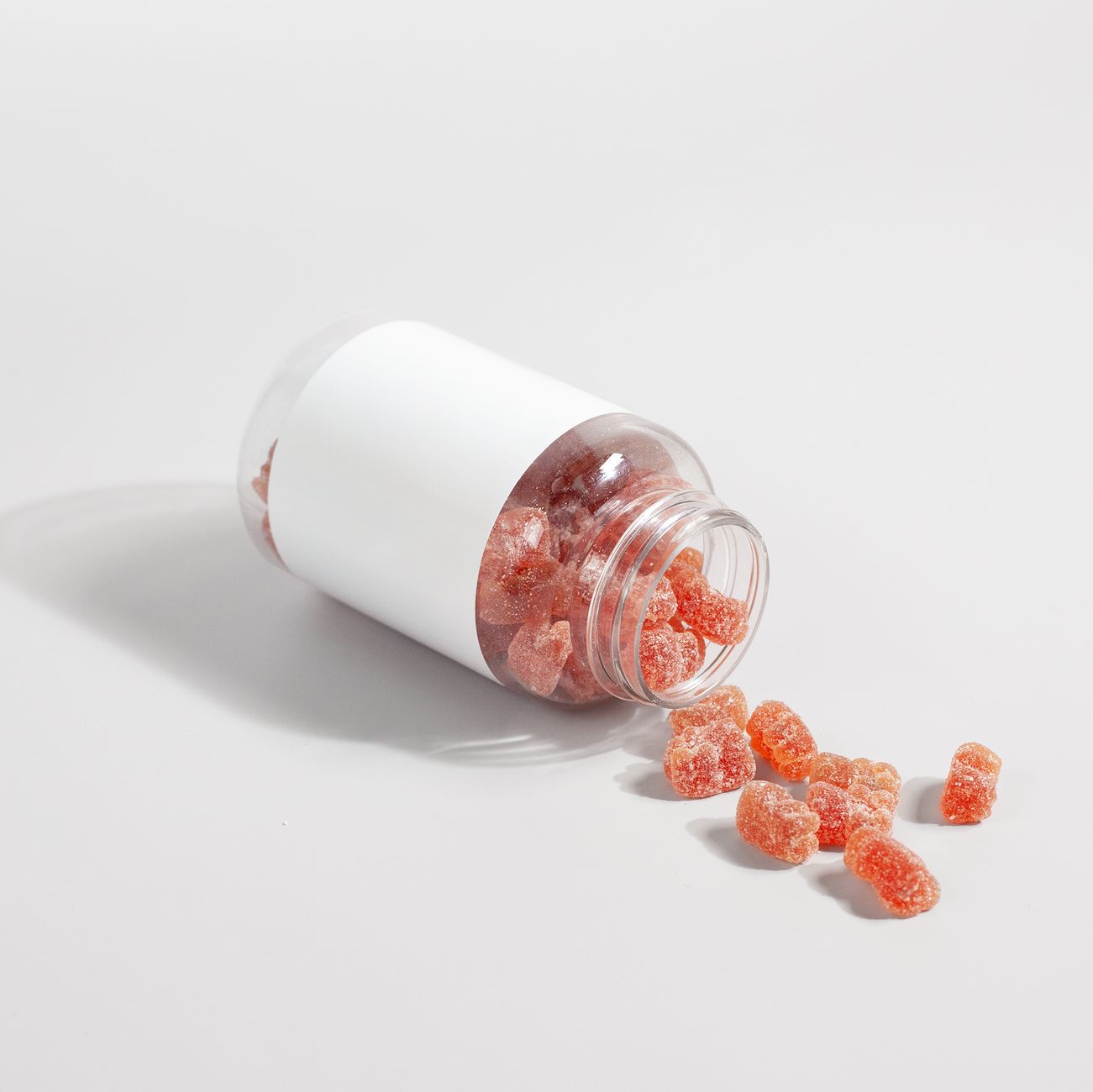
Apple cider vinegar (ACV) gummies are chewable supplements that combine diluted ACV with sweeteners, gelatin (or pectin for a vegan version), and often added vitamins such as B‑complex or vitamin C. The vinegar is usually derived from fermented apples, giving it a characteristic tangy flavor. Manufacturers use a “dry‑powder” form of ACV that’s been de‑watered and then re‑hydrated into a gummy matrix, which makes the product more palatable than liquid ACV. Typical ingredient lists include apple cider vinegar powder, cane sugar or honey, natural flavors, pectin or gelatin, and sometimes probiotics or antioxidants.
People reach for ACV gummies for several reasons: to support digestion, aid in maintaining healthy blood‑sugar levels, promote a feeling of fullness, or simply to enjoy the purported “detox” benefits of vinegar. While the scientific evidence for many of these claims is modest, the low‑calorie, easy‑to‑take format has made them popular among pregnant women looking for a gentle, non‑prescription option.
Is apple cider vinegar gummies safe during pregnancy?
Current guidance from the American College of Obstetricians and Gynecologists (ACOG) and the United Kingdom’s National Health Service (NHS) indicates that apple cider vinegar in its liquid form is generally regarded as safe when consumed in typical culinary amounts (e.g., a tablespoon in a salad dressing). However, concentrated forms—such as capsules, tablets, or gummies—deliver a higher dose of acetic acid and may contain added sugars or artificial sweeteners that could pose concerns.
The Food and Drug Administration (FDA) classifies apple cider vinegar as “generally recognized as safe” (GRAS) for food use, but it does not evaluate dietary supplements for pregnancy specifically. A 2021 review in the Journal of Maternal‑Fetal & Neonatal Medicine noted that excessive vinegar intake could theoretically lower potassium levels and irritate the gastrointestinal lining, which might exacerbate heartburn—a common pregnancy complaint. The Centers for Disease Control and Prevention (CDC) also points out that high‑acid foods can increase the risk of tooth enamel erosion, especially when consumed frequently.
Overall, the consensus among obstetric experts is that apple cider vinegar gummies are “safe with limits.” The key is moderation and choosing a brand that avoids excessive added sugars, artificial colors, or unnecessary herbal extracts. If you have a pre‑existing condition such as gestational diabetes, it’s wise to discuss the product with your provider because the vinegar’s impact on blood‑sugar—though modest—can vary between individuals.
Are apple cider vinegar gummies safe to take during the first trimester?
The first trimester is the period of organogenesis, when the fetus’s major organs are forming. Because this window is most sensitive to teratogens, many clinicians advise pregnant people to avoid new supplements unless they’re specifically recommended. Apple cider vinegar gummies do not contain known teratogens, but their acidity can trigger nausea and heartburn, which are already prevalent in early pregnancy.
For most women, limiting intake to one gummy per day (approximately 250 mg of ACV powder) is unlikely to cause harm. The ACOG guideline on supplement use emphasizes that any product not essential for prenatal nutrition should be taken only after a provider’s approval. If you experience persistent nausea, consider postponing use until the second trimester when many women’s symptoms improve.
How many apple cider vinegar gummies can a pregnant woman safely consume per day?
Most commercial brands recommend 2‑3 gummies per serving, delivering roughly 500‑750 mg of apple cider vinegar powder. Based on safety data from the FDA’s GRAS assessment and the ACOG’s recommendation to keep supplemental acids below 1 g per day, we advise no more than 1‑2 gummies daily during pregnancy. This amount provides a mild dose of acetic acid without overwhelming the stomach’s acid balance.
If you’re using a brand that contains added vitamin C or B‑complex, the total vitamin intake should still fall within the recommended daily allowances (RDA) for pregnancy. Exceeding the RDA for vitamin C (≈ 85 mg per day) can increase the risk of gastrointestinal upset, while excess B‑vitamins may cause vivid urine coloration—both harmless but worth noting.
What are the potential risks of apple cider vinegar gummies for pregnant women?
Gastrointestinal irritation: The acidic nature can worsen heartburn, nausea, or reflux.
Tooth enamel erosion: Frequent exposure to acid may wear down enamel, especially if gummies are sucked on for extended periods.
Blood‑sugar fluctuations: While ACV may modestly improve insulin sensitivity, unpredictable dosing could affect gestational diabetes management.
Added sugars: Many gummies contain high amounts of cane sugar or honey, contributing unnecessary calories and possibly affecting weight gain.
Potential contaminants: Low‑quality supplements can harbor heavy metals or bacterial spores; choosing a reputable, third‑party‑tested brand reduces this risk.
Most of these issues are mild and manageable with simple precautions—rinsing the mouth after consumption, limiting intake, and selecting a low‑sugar brand. However, if you notice severe abdominal pain, persistent vomiting, or unusual drops in blood‑sugar, contact your healthcare provider promptly.
Are there any apple cider vinegar gummy brands that are recommended for pregnancy?
When evaluating brands, look for the following criteria:
Third‑party testing (e.g., USP, NSF) confirming absence of heavy metals and microbial contamination.
Low added sugar (≤ 5 g per serving) and no artificial colors or flavors.
Clear labeling of ACV content per gummy (ideally ≤ 250 mg).
Based on these standards, the following brands have earned a good reputation among prenatal nutritionists:
Purely Simple ACV Gummies – 250 mg ACV powder per gummy, 3 g added sugar, USDA‑organic certification.
Nature’s Nectar Apple Cider Vinegar Gummies – 200 mg ACV, pectin‑based (vegan), no artificial sweeteners.
Wellness Glow Apple Cider Vinegar + Vitamin C Gummies – combines 150 mg ACV with 30 mg vitamin C, low‑sugar formula.
Always verify the most recent batch testing results and discuss any new supplement with your obstetrician, especially if you have underlying health conditions.
Can apple cider vinegar gummies cause heartburn or nausea during pregnancy?
Yes, the acidic component of ACV can trigger or worsen heartburn, a symptom that affects up to 70 % of pregnant people in the first and second trimesters. The NHS notes that acidic foods and beverages are common culprits for reflux. If you’re already experiencing heartburn, it may be best to limit gummies to one per day, take them with a full glass of water, and avoid lying down for at least 30 minutes afterward.
What are safer alternatives to apple cider vinegar gummies for pregnant women?
Organic apple cider vinegar liquid (unflavored) – diluted in water, gives you the same acetic acid without added sugars.
Fresh lemon water – provides vitamin C and a mild acidity that can aid digestion.
Ginger root tea – known to soothe nausea and reduce heartburn.
Pregnancy‑safe probiotic gummies – support gut health without the acid load.
Warm water with honey – a gentle, soothing drink that can ease a sore throat.
Prenatal vitamin with vitamin C – ensures you get needed antioxidants without extra acid.
Coconut water – natural electrolytes and a mild sweetness.
Do apple cider vinegar gummies interact with prenatal vitamins or medications?
Apple cider vinegar can modestly influence the absorption of certain minerals, notably calcium and potassium. Prenatal vitamins typically contain calcium, iron, and magnesium; taking ACV gummies at the same time may slightly reduce calcium absorption, though the effect is minor at the recommended dosage. To minimize any interaction, space the consumption of gummies and prenatal vitamins by at least two hours.
Regarding prescription medications, ACV may affect the metabolism of some drugs, such as insulin or oral hypoglycemics, by enhancing insulin sensitivity. If you’re prescribed metformin, insulin, or any blood‑sugar‑lowering medication, discuss the timing and amount of ACV gummies with your provider. No major drug‑herb interactions have been documented for ACV, but caution is always prudent.
Are apple cider vinegar gummies safe for pregnant women with gestational diabetes?
Evidence on ACV’s impact on gestational diabetes is limited. A small 2020 study published in Diabetes Care suggested that a daily dose of 2 tablespoons of liquid ACV could modestly improve post‑prandial glucose spikes in non‑pregnant adults. However, the same study cautioned against high doses because of gastrointestinal side effects.
For pregnant women, the safest approach is to keep ACV intake low (≤ 1 gummy per day) and monitor blood‑glucose levels closely. If you notice any unexpected drops or spikes after taking a gummy, stop use and consult your obstetrician or endocrinologist.
What does the research say about apple cider vinegar gummies and pregnancy outcomes?
Large‑scale, randomized controlled trials specifically examining ACV gummies in pregnancy are absent. Most data come from observational studies of dietary vinegar consumption, which generally show no increase in adverse fetal outcomes. The ACOG Committee Opinion on dietary supplements (2022) states that “there is insufficient evidence to endorse routine use of apple cider vinegar supplements during pregnancy,” but also notes that occasional, low‑dose use does not appear harmful.
In short, the existing literature suggests that moderate, controlled intake of ACV gummies does not raise major concerns for fetal development, but the lack of robust research means clinicians recommend a cautious, individualized approach.
When you’re curious about ACV gummies, keep a glass of water nearby to rinse your mouth and protect your teeth.
Safe dosage / amount / brands
Based on the FDA’s GRAS assessment and ACOG’s supplemental guidance, the recommended maximum for pregnant women is:
Item
Safe daily amount
Notes
Apple cider vinegar gummies
1‑2 gummies (≈ 250‑500 mg ACV powder)
Choose low‑sugar, third‑party‑tested brands.
Liquid apple cider vinegar (unflavored)
1‑2 tbsp diluted in 8 oz water
Best taken with meals to reduce heartburn.
Apple cider vinegar capsules
Not recommended unless prescribed
Higher concentration; consult provider.
When selecting a brand, verify the following on the label:
Exact ACV content per gummy (mg).
Added sugar amount (prefer ≤ 5 g).
Absence of artificial colors, flavors, or unnecessary herbs.
Third‑party certification (USP, NSF, or ConsumerLab).
Side effects and risks
Most pregnant users report only mild, transient effects. Nonetheless, be aware of the following:
Heartburn or reflux: Common with acidic foods; mitigate by taking gummies with water and avoiding lying down.
Nausea: If you’re already experiencing morning sickness, start with a half‑gummy to gauge tolerance.
Tooth enamel erosion: Rinse your mouth or chew a sugar‑free gum after consumption.
Blood‑sugar changes: Monitor glucose if you have gestational diabetes; discontinue if levels become unstable.
Allergic reactions: Rare, but possible if you’re sensitive to gelatin, pectin, or any added flavorings.
If you experience severe abdominal pain, persistent vomiting, or signs of hypoglycemia (dizziness, rapid heartbeat, sweating), seek medical attention immediately.
Choosing products with clear labeling helps you stay within safe limits.
Safer alternatives
Organic apple cider vinegar liquid (unflavored) – diluted, no added sugars.
Fresh lemon water – natural acidity, vitamin C boost.
Ginger root tea – proven to ease nausea and reduce reflux.
Pregnancy‑safe probiotic gummies – support gut health without acid.
Warm water with honey – soothing and low‑acid.
Prenatal vitamin with vitamin C – ensures antioxidant intake.
Coconut water – electrolyte‑rich, gentle on the stomach.
Related items — safety at a glance
Item
Verdict
One‑line note
Apple cider vinegar capsules
❌ Best avoided
High concentration; limited safety data in pregnancy.
Fact: While the acidity may stimulate digestion, there’s no clinical evidence that ACV gummies alleviate nausea more effectively than ginger or vitamin B6.
Myth: “All apple cider vinegar products are the same, so any brand is fine.”
Fact: Gummies differ widely in ACV concentration, added sugars, and filler ingredients; third‑party testing is essential for pregnancy safety.
Myth: “If it’s a ‘natural’ supplement, it can’t harm the baby.”
Fact: Natural does not equal risk‑free; even plant‑derived acids can affect gastrointestinal comfort and mineral absorption.
Key takeaways
Apple cider vinegar gummies are safe with limits—stick to 1‑2 gummies a day.
Choose brands that are low in added sugar and have third‑party testing for contaminants.
Take gummies with a full glass of water and avoid lying down right after to reduce heartburn.
If you have gestational diabetes or are on prescription meds, discuss use with your provider.
Consider safer alternatives like diluted liquid ACV, ginger tea, or probiotic gummies for similar benefits.
Frequently asked questions
Can I take apple cider vinegar gummies while pregnant?
Yes, you can, but limit intake to no more than 1‑2 gummies per day and choose a low‑sugar, third‑party‑tested brand.
What is the recommended dosage of apple cider vinegar gummies for pregnant women?
The guideline is 1‑2 gummies daily, providing roughly 250‑500 mg of apple cider vinegar powder per day.
Are there any side effects of apple cider vinegar gummies during pregnancy?
Common side effects include mild heartburn, nausea, and potential tooth enamel erosion; severe symptoms should prompt a call to your provider.
Do apple cider vinegar gummies affect blood sugar levels in pregnancy?
ACV may modestly improve insulin sensitivity, but in gestational diabetes it’s safest to monitor glucose closely and limit gummies to the recommended dose.
Are apple cider vinegar gummies safe in the second trimester?
They remain safe with the same limits (1‑2 gummies daily) during the second trimester, provided you have no new gastrointestinal issues.
Can apple cider vinegar gummies cause heartburn in pregnant women?
Yes, the acidity can trigger heartburn; taking the gummies with water and avoiding lying down afterward can help mitigate this.
Should I avoid apple cider vinegar gummies if I have gestational diabetes?
If you have gestational diabetes, use them only after discussing with your provider and keep to the low‑dose limit while monitoring blood‑sugar trends.
How do apple cider vinegar gummies compare to liquid apple cider vinegar for pregnancy safety?
Both are generally safe when used modestly, but liquid ACV allows precise dilution and typically contains fewer added sugars than gummies.
When to call your doctor
If you experience any of the following, contact your obstetrician or midwife right away:
Severe or persistent heartburn that does not improve with typical antacids.
Unexplained vomiting, especially if you cannot keep down fluids.
Sudden drops in blood‑sugar levels (shakiness, sweating, confusion).
Signs of an allergic reaction: hives, swelling of lips or tongue, difficulty breathing.
Abdominal pain that is sharp, constant, or accompanied by bleeding.
These symptoms may indicate a reaction that requires medical evaluation. This article provides general information and is not a substitute for personalized medical advice.
References
American College of Obstetricians and Gynecologists. “Committee Opinion No. 757: Use of Dietary Supplements During Pregnancy.” 2022.
National Health Service (NHS). “Apple Cider Vinegar – Uses and Side Effects.” Updated 2023.
U.S. Food and Drug Administration (FDA). “Generally Recognized as Safe (GRAS) Notice – Apple Cider Vinegar.” 2021.
Centers for Disease Control and Prevention (CDC). “Pregnancy Nutrition.” 2022.
Mayo Clinic. “Apple Cider Vinegar: Benefits and Risks.” Accessed July 2024.
Diabetes Care. “Effect of Apple Cider Vinegar on Postprandial Glucose in Adults.” 2020.
Journal of Maternal‑Fetal & Neonatal Medicine. “Dietary Acidic Foods and Pregnancy Outcomes.” 2021.
Not sure about the label on Is Apple Cider Vinegar Gummies Safe During Pregnancy products?
Snap the ingredients list and SafeFilter checks every ingredient for your stage — only 3 free scans this month, then you're locked until reset. Unlimited from $7/mo or $50/yr.
When Shubhra Mishra was expecting her first child in 2016, she was overwhelmed by conflicting food advice — one site said yes, another said never. By the time her second baby arrived in 2019, she realized millions of mothers face the same confusion.
That sparked a five-year journey through clinical nutrition papers, cultural diets, and expert conversations — all leading to BumpBites: a calm, compassionate space where science meets everyday motherhood.
Her long-term vision is to build a global community ensuring safe, supported, and free deliveriesfor every mother — because no woman should face pregnancy alone or uninformed. 🌿
🌍 Stand with mothers, shape safer guidance
Join a small circle of experts who review BumpBites articles so expecting parents everywhere can decide with confidence.