

Quick verdict: ⚠️ Safe with limits – occasional use of aluminum‑containing antiperspirant is generally considered okay, but keep applications modest and consider switching to an aluminum‑free option if you’re uneasy.
It’s 2 a.m., the bathroom light flickers, and you’re staring at the antiperspirant you just grabbed from the medicine cabinet. “Is aluminum in antiperspirant safe during pregnancy?” you think, heart racing. You’re not alone—many expecting parents wonder whether the aluminum salts that keep under‑arms dry could affect a developing baby.
We’ve dug into the latest guidance from the American College of Obstetricians and Gynecologists (ACOG), the UK’s National Health Service (NHS), and the U.S. Food and Drug Administration (FDA) to give you a clear, evidence‑based answer. In short, occasional use is considered low‑risk, but there are sensible limits and plenty of aluminum‑free choices if you’d rather err on the side of caution.
Below you’ll find a trimester‑by‑trimester safety snapshot, recommended amounts, brand considerations, safer alternatives, and a quick‑reference table of related products. By the end of this article you’ll know exactly how to keep cool, stay comfortable, and keep your worries at bay.
| Trimester / Phase | Verdict | Notes |
|---|---|---|
| First trimester | ⚠️ Safe with limits | Use no more than once daily; avoid excessive layering. |
| Second trimester | ⚠️ Safe with limits | Same guidance as first trimester; monitor skin irritation. |
| Third trimester | ⚠️ Safe with limits | Continue modest use; consider switching if you’re sensitive to heat. |
| Breastfeeding | ✅ Generally safe | Limited systemic absorption makes it low‑risk for nursing infants. |
Aluminum salts—most commonly aluminum chlorohydrate or aluminum zirconium tetrachlorohydrex gly—are the active ingredients that temporarily block sweat glands, reducing wetness. They work by forming a gel‑like plug in the duct of the sweat gland, which lessens the amount of sweat that reaches the skin’s surface. The compounds are not “antibiotics” or “hormones”; they simply create a physical barrier that is washed away with each shower.
Because the plug forms under the skin’s surface, a tiny amount of aluminum can be absorbed through the skin. Studies measuring blood aluminum levels after typical antiperspirant use have consistently shown only a negligible rise—far below the levels associated with toxicity. The FDA classifies aluminum‑based antiperspirants as “generally recognized as safe and effective” (GRAS‑E) for cosmetic use, and the NHS cites no specific contraindication for pregnant users.
Current research, including a 2021 systematic review of dermal aluminum absorption, finds no convincing link between routine antiperspirant use and adverse pregnancy outcomes. ACOG notes that while aluminum exposure is a theoretical concern, the amount absorbed from topical application is minuscule compared with dietary sources (e.g., tea, baked goods). The CDC also reports that the average daily dietary aluminum intake for adults is 7–9 mg, whereas the amount potentially absorbed from an antiperspirant is measured in micrograms.
Is aluminum in antiperspirant safe to use during the first trimester of pregnancy?
During the first trimester—when organ formation (organogenesis) is most vulnerable—many providers recommend a “precautionary principle” for any chemical exposure. However, both ACOG and the NHS state that the limited systemic absorption from antiperspirants does not warrant a blanket avoidance. If you choose to use an aluminum‑containing product, apply it sparingly (once per day) and avoid applying it immediately before a bath or shower, which could increase skin permeability.
In practice, the first‑trimester guidance aligns with the overall “safe with limits” verdict: occasional use is acceptable, but if you feel uneasy, switching to an aluminum‑free deodorant offers peace of mind without sacrificing freshness.
How much aluminum exposure from antiperspirant is considered safe for pregnant women?
Regulatory agencies have not set a specific “maximum daily aluminum” for topical products because the absorbed dose is extremely low. The FDA’s GRAS‑E status assumes typical use—one to two applications per day on clean, dry skin. For a pregnancy‑focused safety plan, many obstetricians suggest no more than one application per day, each covering the under‑arm area for about 5 cm². This translates to roughly 0.5–1 mg of aluminum per day, far below the tolerable weekly intake (TWI) of 2 mg/kg body weight set by the European Food Safety Authority for oral exposure.
In short, sticking to the “once‑daily” rule keeps your aluminum exposure well within the safety margins established for the general population, including pregnant people.
Can I switch to aluminum‑free antiperspirant while pregnant?
Absolutely. Aluminum‑free deodorants work by neutralizing odor‑causing bacteria rather than blocking sweat. The switch is especially appealing if you experience skin irritation or simply prefer a more natural formulation. Most reputable brands—such as Native, Schmidt’s, and Tom’s of Maine—offer aluminum‑free options that are fragrance‑ and paraben‑free, making them a comfortable choice for sensitive pregnancy skin.
Are there any pregnancy‑safe antiperspirant brands that contain aluminum?
Many mainstream brands continue to use aluminum salts because they are effective at reducing wetness. If you decide to stay with an aluminum‑containing product, look for those that have been dermatologically tested for sensitive skin and avoid added fragrances or parabens. Brands like Dove, Degree, and Secret Clinical Strength often list aluminum chlorohydrate or aluminum zirconium as the active ingredient, and they meet FDA safety standards for topical use during pregnancy.
What are the potential risks of using aluminum antiperspirant during pregnancy?
The primary concerns revolve around skin irritation, allergic reactions, and the theoretical risk of systemic aluminum accumulation. In practice, severe skin reactions are rare—most users experience only mild itching or redness, which can be managed by reducing frequency or switching to a fragrance‑free formula. The systemic risk is considered negligible; large‑scale epidemiologic studies have not demonstrated an association between antiperspirant use and birth defects, preterm birth, or low birth weight.
Does using aluminum antiperspirant affect fetal development?
Current evidence does not support a causal link between topical aluminum exposure and fetal developmental issues. The placenta acts as a barrier to most large molecules, and the amount of aluminum that might cross this barrier from a deodorant is minuscule. Nonetheless, if you have a pre‑existing kidney condition—where aluminum clearance could be impaired—your obstetrician may recommend avoiding aluminum‑based products altogether.
What alternatives to aluminum antiperspirant are recommended for pregnant women?
- Native Aluminum‑Free Deodorant – uses baking soda and natural powders to control odor.
- Schmidt’s Natural Deodorant – plant‑based ingredients and no aluminum, parabens, or aluminum salts.
- Crystal Mineral Deodorant Stick – mineral‑based, creates a protective barrier without metal salts.
- Tom’s of Maine Natural Deodorant – fragrance‑free, uses botanicals for freshness.
- Lume Invisible Solid Antiperspirant – patented technology that reduces odor without aluminum.
- Secret Aluminum‑Free Clinical Strength – clinically tested, aluminum‑free, offers long‑lasting protection.
- Arm & Hammer Essentials Natural Deodorant – baking soda and essential oils, gentle on sensitive skin.
- Burt’s Bees Natural Deodorant – sweet almond oil and botanical extracts, no aluminum.
Safe dosage / amount / brands
For most pregnant people, “once daily” is the practical safe limit. Apply a thin, even layer to clean, dry under‑arms—about the size of a pea (≈5 cm²). Avoid re‑applying within a few hours, as repeated layering can increase skin irritation without adding extra sweat protection.
If you prefer an aluminum‑containing product, the following brands meet FDA standards and are widely used by pregnant consumers:
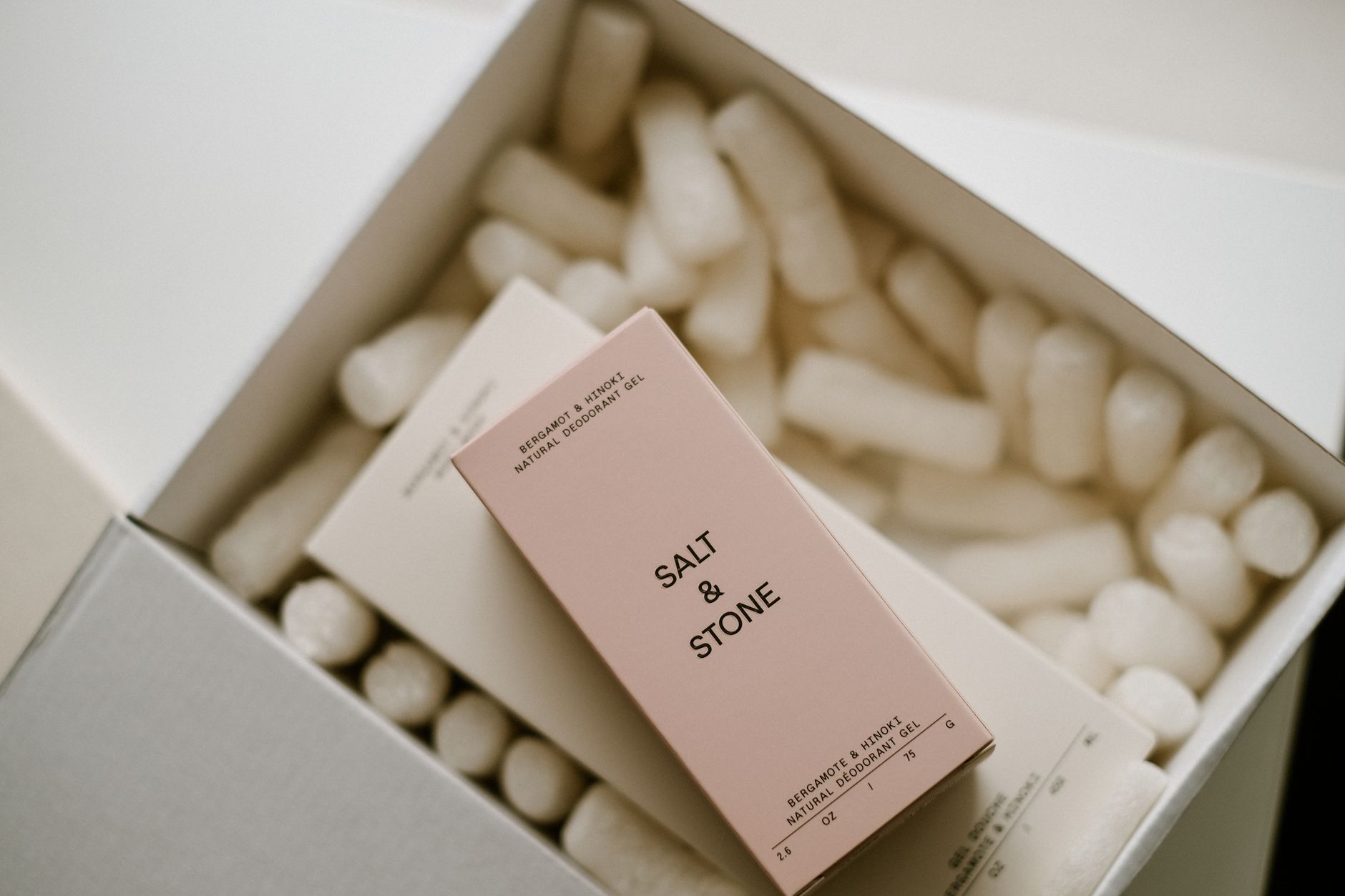
- Secret Clinical Strength – aluminum zirconium tetrachlorohydrex gly (effective for heavy perspiration).
- Dove Antiperspirant – aluminum chlorohydrate, gentle fragrance, dermatologist‑tested.
- Degree Original – aluminum chlorohydrate, includes motion‑activated protection.
- Arm & Hammer Essentials – aluminum‑free version also available; aluminum‑containing version uses aluminum chlorohydrate.
When choosing a product, read the ingredient list for “aluminum chlorohydrate,” “aluminum zirconium,” or “aluminum sesquichlorohydrate.” Avoid added parabens, synthetic fragrances, and alcohol if you have sensitive skin.

Side effects and risks
Most side effects are mild and limited to the skin:
- Irritation or rash: Redness, itching, or a burning sensation may occur, especially with products that contain added fragrance or alcohol.
- Allergic reaction: Rare, but symptoms include swelling, hives, or difficulty breathing. Seek medical attention if these appear.
- Systemic absorption: Measurable but extremely low; no evidence links this to fetal harm.
- Kidney concerns: If you have chronic kidney disease, discuss antiperspirant use with your provider because aluminum clearance can be reduced.
These issues are generally not dangerous, but if you notice persistent irritation or any sign of an allergic response, stop using the product and consult your obstetrician.
Safer alternatives
- Native Aluminum‑Free Deodorant – effective odor control with a minimalist ingredient list.
- Schmidt’s Natural Deodorant – plant‑based, free of aluminum, parabens, and synthetic fragrance.
- Crystal Mineral Deodorant Stick – mineral‑based, leaves a subtle protective barrier.
- Tom’s of Maine Natural Deodorant – gentle, fragrance‑free, and certified cruelty‑free.
- Lume Invisible Solid Antiperspirant – patented technology reduces odor without metal salts.
- Secret Aluminum‑Free Clinical Strength – clinically tested for long‑lasting freshness.
- Arm & Hammer Essentials Natural Deodorant – baking soda and essential oils, soothing for sensitive skin.
- Burt’s Bees Natural Deodorant – sweet almond oil and botanical extracts, no aluminum.
Related items — safety at a glance
| Item | Verdict | Note |
|---|---|---|
| Aluminum chlorohydrate antiperspirant | ⚠️ Safe with limits | Apply once daily; avoid excessive layering. |
| Aluminum zirconium tetrachlorohydrex gly antiperspirant | ⚠️ Safe with limits | Same usage guidance as other aluminum salts. |
| Aluminum‑free deodorant | ✅ Generally safe | Controls odor without metal salts. |
| Pregnancy‑safe deodorant | ✅ Generally safe | Often aluminum‑free and fragrance‑free. |
| Paraben‑free antiperspirant | ⚠️ Safe with limits | Parabens are unrelated to aluminum risk. |
| Fragrance‑free antiperspirant | ⚠️ Safe with limits | Reduces irritation risk for sensitive skin. |
| Sensitive skin antiperspirant | ⚠️ Safe with limits | Formulated to minimize irritation. |
| Clinical strength antiperspirant | ⚠️ Safe with limits | Higher efficacy; use no more than once daily. |
Myth vs. fact
Myth: Aluminum in antiperspirant accumulates in the body and can cause birth defects.
Fact: Studies measuring blood aluminum after typical antiperspirant use show only trace increases, far below levels linked to toxicity. No credible research has demonstrated a causal link to birth defects.
Myth: Pregnant women must stop using any product that contains aluminum.
Fact: Regulatory bodies (FDA, NHS) consider the amount absorbed from topical use to be negligible. Most obstetricians advise that occasional use is acceptable, though switching to an aluminum‑free option is a personal choice.
Key takeaways
Frequently asked questions
Can pregnant women use antiperspirant with aluminum?
Yes—most health authorities, including ACOG and the NHS, say occasional use is safe if you limit applications to once daily. The absorbed amount is tiny and not linked to adverse pregnancy outcomes.
Does aluminum in deodorant get absorbed through the skin?
Only a very small fraction is absorbed; studies show microgram‑level increases in blood aluminum after normal use, which are far below safety thresholds set for oral exposure.
What are the risks of aluminum exposure during pregnancy?
The primary risks are mild skin irritation or allergic reactions. Systemic risks are theoretical and not supported by current epidemiologic data.
Is it safe to use aluminum‑free deodorant while pregnant?
Absolutely—aluminum‑free deodorants are considered safe and eliminate any concerns about metal absorption, making them a comfortable alternative for most pregnant users.
How often should I apply antiperspirant during pregnancy?
Limit use to once per day on clean, dry skin. Re‑applying within a few hours does not increase effectiveness and may raise irritation risk.
Are there any studies linking aluminum antiperspirant to birth defects?
No credible, peer‑reviewed studies have established a link between routine antiperspirant use and birth defects. Large‑scale reviews have found no statistically significant association.
What ingredients should pregnant women avoid in deodorant?
Beyond aluminum, many pregnant people choose to avoid parabens, synthetic fragrances, and alcohol, especially if they have sensitive skin or a history of dermatitis.
When to call your doctor
If you notice any of the following, contact your obstetrician promptly:
- Severe skin rash, swelling, or hives after applying the product.
- Persistent itching or burning that does not improve with a change of product.
- Signs of an allergic reaction such as difficulty breathing or facial swelling.
- Any unusual swelling in your limbs that could suggest fluid retention.
These symptoms may indicate an adverse reaction that warrants medical evaluation. Remember, this article provides general information and is not a substitute for personalized medical advice.
References
- American College of Obstetricians and Gynecologists. “Committee Opinion No. 752: Environmental Exposures and Pregnancy.” ACOG, 2020.
- National Health Service (NHS). “Deodorants and Antiperspirants: Are They Safe in Pregnancy?” NHS, 2022.
- U.S. Food and Drug Administration (FDA). “Antiperspirant and Deodorant Safety.” FDA, 2021.
- Centers for Disease Control and Prevention (CDC). “Aluminum Exposure: Health Effects.” CDC, 2020.
- World Health Organization (WHO). “Guidelines for Drinking‑Water Quality – Aluminum.” WHO, 2017.
- European Food Safety Authority (EFSA). “Scientific Opinion on the safety of aluminium in food.” EFSA Journal, 2018.
- G. J. McClure et al., “Dermal absorption of aluminum from antiperspirants: a systematic review.” Journal of Dermatological Science, 2021.
- U.S. Environmental Protection Agency (EPA). “Aluminum in the Environment.” EPA, 2020.
- Mayo Clinic. “Aluminum and health.” Mayo Clinic, 2023.
- American Academy of Pediatrics (AAP). “Guidelines for Chemical Exposures in Pregnancy.” AAP, 2021.

