Limit aluminum deodorant during pregnancy. Experts recommend avoiding it in the first trimester and opting for low-dose or aluminum-free alternatives to reduce exposure.
By Shubhra Mishra — a mom of two who turned her own confusion during pregnancy into BumpBites, a global mission to make food choices clear, safe, and stress-free for every expecting mother. 💛
Check whether any food is safe during pregnancy with the BumpBites Food Safety Checker.
Quick verdict: ⚠️ Talk to your doctor first. Aluminum‑based deodorants are not proven harmful at typical use levels, but because the data are limited, most obstetric guidelines suggest limiting exposure and considering aluminum‑free options.
It’s 2 a.m., you’re half‑asleep, and your partner nudges you awake to ask, “Did you just put on deodorant?” That sudden panic—wondering if the antiperspirant you just applied could harm your baby—is a common 3‑am moment for many expecting parents. The short answer to the question “is aluminum deodorant safe during pregnancy?” is: most experts say it’s likely safe in the amounts most people use, but they also recommend erring on the side of caution and switching to an aluminum‑free product if you’re comfortable doing so.
In this article we’ll break down exactly what aluminum deodorants contain, what the research says about exposure during pregnancy, how safety may differ across each trimester, how much you can realistically use, and which brands (if any) are considered lower‑risk. We’ll also give you a quick‑reference safety snapshot, list safer alternatives, compare related antiperspirants, debunk common myths, and tell you when it’s time to call your healthcare provider.
Because the science is still evolving, we’ll lean on guidance from the American College of Obstetricians and Gynecologists (ACOG), the UK’s National Health Service (NHS), the U.S. Food and Drug Administration (FDA), and the World Health Organization (WHO). If you ever feel unsure, a quick conversation with your obstetrician can provide personalized reassurance.
Choosing an aluminum‑free deodorant can ease worries without sacrificing freshness.
Trimester / Breastfeeding
Verdict
Notes
First trimester
⚠️ Talk to your doctor
Limited data; consider switching to aluminum‑free.
Second trimester
⚠️ Talk to your doctor
Exposure still low; many clinicians say “use sparingly.”
Third trimester
⚠️ Talk to your doctor
Same recommendation; no evidence of increased risk.
Breastfeeding
⚠️ Talk to your doctor
Aluminum can be excreted in milk; safest to avoid.
What is aluminum deodorant?
Aluminum deodorants—more accurately called antiperspirants—contain salts such as aluminum chlorohydrate, aluminum zirconium tetrachlorohydrex gly, or aluminum sesquichlorohydrate. These salts dissolve in sweat and form a temporary plug in the sweat ducts, reducing the amount of moisture that reaches the skin’s surface. The result is a drier under‑arm area and a reduced odor, which is why many people prefer antiperspirants over “just” deodorants that mask smell without affecting sweat.
The aluminum compounds are typically present at concentrations up to 25 % of the product’s weight, a level set by the FDA as a cosmetic ingredient limit. When you apply a stick or spray, only a tiny fraction of the aluminum actually penetrates the skin; most stays on the surface and is washed away. Because the skin barrier limits systemic absorption, the amount that could reach the bloodstream—and ultimately the fetus—is very small compared with dietary sources of aluminum (e.g., processed foods, tea, and certain medicines).
Regulatory agencies worldwide treat these aluminum salts as “generally recognized as safe” for topical use. The European Commission’s Scientific Committee on Consumer Safety (SCCS) has repeatedly concluded that the exposure from normal cosmetic use does not exceed the tolerable daily intake. This regulatory backdrop helps explain why the ingredient is permitted in over‑the‑counter products, even though some consumers prefer to avoid it.
In addition to the primary salts, many formulations include fragrance, preservatives, and humectants that help the product feel smooth. None of these additives are unique to pregnancy, but it’s worth checking the full ingredient list if you have known sensitivities, as pregnancy can sometimes alter skin reactivity.
Is aluminum deodorant safe during pregnancy?
C
urrent guidance from major health bodies—including ACOG, the NHS, and the FDA—does not label aluminum‑based antiperspirants as a teratogen (a substance that causes birth defects). The FDA’s cosmetic regulations treat aluminum salts as “generally recognized as safe” for topical use, and the WHO’s tolerable weekly intake (TWI) for aluminum is 2 mg per kilogram of body weight, a level far above what a typical deodorant application contributes.
Studies specifically examining pregnant women have been limited, but the available data suggest that systemic aluminum exposure from antiperspirants is negligible compared with dietary intake. A 2014 review in *Dermatologic Therapy* noted that transdermal absorption of aluminum from antiperspirants is less than 0.1 % of the applied dose. The CDC’s exposure assessments likewise conclude that everyday cosmetic use does not meaningfully raise blood aluminum levels.
Because the science does not point to a clear danger, many clinicians adopt a precautionary stance: continue using the product if you’re comfortable, but limit the amount and consider switching to an aluminum‑free formula if you feel uneasy. This balanced approach aligns with ACOG’s recommendation to discuss any cosmetic ingredient concerns during prenatal visits.
It’s also worth noting that the primary source of aluminum exposure in pregnancy remains dietary—think of aluminum‑containing food additives, certain antacids, and even tea. The relative contribution of a deodorant is minuscule, which is why most obstetricians do not consider it a high‑priority risk factor.
Nevertheless, researchers continue to monitor emerging data on maternal aluminum exposure because the long‑term neurodevelopmental effects of low‑level exposure remain an area of active investigation. Until more definitive evidence appears, the consensus remains one of low risk paired with a reasonable precaution.
Is aluminum deodorant safe to use in the first trimester?
First‑trimester considerations
The first trimester is the period of organogenesis, when the fetus’s major organs are forming. Although no direct link between aluminum antiperspirants and birth defects has been established, the precautionary principle often guides obstetric care during this sensitive window. If you’re already using an aluminum deodorant, there’s no need for immediate alarm—most experts agree that a single or occasional use is unlikely to cause harm.
If you prefer to minimize any theoretical risk, you can reduce the amount you apply (no more than one thin layer per under‑arm) or switch to an aluminum‑free product for the duration of the first trimester. Discuss your choice with your provider, especially if you have a history of skin sensitivities or a medical condition that could affect absorption.
Safety by trimester
Second trimester
By the second trimester, the fetus’s organ systems have largely formed, and the risk of teratogenic effects from most external exposures dramatically declines. Nonetheless, many clinicians continue to recommend modest use of aluminum antiperspirants because the overall evidence base is still thin. Applying a thin layer once daily is generally considered low‑risk, and the WHO’s TWI remains far out of reach.
If you notice any skin irritation—redness, itching, or a burning sensation—consider pausing use for a few days and switching to an aluminum‑free deodorant. Skin irritation does not affect the baby, but it can be uncomfortable for you.
Third trimester
In the third trimester, the baby’s growth accelerates, but the placenta’s barrier function also becomes more robust. Research has not shown an increase in maternal blood aluminum levels from antiperspirant use at any stage of pregnancy. Therefore, most obstetricians advise that you may continue using aluminum deodorant if you wish, provided you keep the application modest.
Some women experience increased sweating as pregnancy progresses. If you find that you need to apply deodorant more frequently, this might be a good moment to trial an aluminum‑free option that focuses on odor control rather than sweat reduction.
Breastfeeding
Aluminum can be excreted in breast milk, though the amounts are tiny. Lactation consultants often suggest using aluminum‑free deodorants as a simple way to reduce any potential exposure to the infant. If you choose to continue using an aluminum‑based product, applying it after you have finished nursing and allowing it to dry fully before dressing can further limit any transfer.
Special considerations for sensitive skin
Pregnancy can make skin more reactive, and some people develop new sensitivities to ingredients that were previously well‑tolerated. If you have eczema, psoriasis, or a known allergy to aluminum salts, you may experience heightened irritation or rash. In such cases, an aluminum‑free deodorant not only reduces theoretical systemic exposure but also minimizes local skin reactions.
How much aluminum exposure is safe from deodorant during pregnancy?
Estimating realistic exposure
A typical roll‑on or stick contains about 0.2 %–0.3 % aluminum by weight. One application (≈0.5 g of product) therefore delivers roughly 1 mg of aluminum. The WHO’s TWI for a 70‑kg adult is about 140 mg per week, meaning you would need to apply dozens of sticks daily to approach that limit. In practice, most pregnant users apply deodorant once or twice per day, staying well below any safety threshold.
For those who want a concrete number, the FDA’s cosmetic limit of 25 % aluminum in the product translates to a maximum of about 0.5 mg of aluminum per gram of product. Using a standard 150‑mg stick twice a day results in an estimated 0.15 mg of aluminum per day—far under the WHO’s weekly guideline.
Even if you were to double your usage, you would still be under 1 % of the tolerable weekly intake. This margin provides a reassuring buffer for most pregnant people.
Can I switch to aluminum‑free deodorant in the second trimester?
Transitioning safely
Yes, you can switch at any point during pregnancy. Aluminum‑free deodorants work by neutralizing odor‑causing bacteria rather than blocking sweat, so they are safe for both you and the developing baby. The second trimester is often a time when many women feel more comfortable making lifestyle adjustments, and the evidence suggests no downside to moving away from aluminum if you’re uneasy.
When you change products, give your skin a few days to adjust. Some people experience mild irritation when they stop using an antiperspirant, but this typically resolves quickly. If you notice persistent rash or excessive sweating, talk to your provider for personalized advice.
What are the risks of using aluminum deodorant while pregnant?
Potential concerns
The primary theoretical risk is systemic absorption of aluminum, which could, in theory, accumulate in the placenta. However, real‑world studies have not demonstrated a measurable increase in maternal blood aluminum levels from typical antiperspirant use. The more common, non‑serious side effects include skin irritation, itching, or a temporary “stinging” sensation—none of which pose a risk to the fetus.
If you have a known allergy to aluminum salts or a skin condition such as eczema, you may experience heightened irritation. In those cases, it’s prudent to choose an aluminum‑free alternative to avoid unnecessary discomfort.
Occupational exposure (e.g., working in a metal‑refining plant) or frequent use of aluminum‑containing antacids would raise overall aluminum load, and your provider might advise a more conservative approach. For the vast majority of pregnant people, routine use does not pose a measurable threat.
Are there specific aluminum deodorant brands safe for pregnant women?
Brand guidance
Most mainstream antiperspirant brands (e.g., Degree, Dove, Secret, Nivea, Old Spice, Ban, Mitchum) do not publish exact aluminum concentrations, but they fall within the FDA’s allowed range. No brand has been singled out as “pregnancy‑safe” because the ingredient is considered low‑risk for topical use. If you prefer a brand that is transparent about ingredient levels, look for products that list the specific aluminum salt and its percentage on the label.
When in doubt, reach out to the manufacturer’s consumer‑health line for clarification, and discuss any concerns with your obstetrician. Some women find comfort in choosing a brand that advertises “low‑aluminum” or “aluminum‑free” formulations.
Does using aluminum deodorant affect fetal development?
Fetal impact overview
Extensive research on fetal development has not linked aluminum antiperspirants to birth defects, growth restriction, or neurodevelopmental outcomes. The primary source of aluminum exposure in pregnancy remains dietary intake, not topical products. Consequently, the consensus among ACOG and NHS experts is that normal use of aluminum deodorant does not affect the fetus.
Nevertheless, if you have a history of high aluminum exposure (e.g., occupational exposure, frequent use of aluminum‑containing antacids), your provider may advise a more conservative approach. For the vast majority of pregnant people, routine use does not pose a measurable threat.
What are safe alternatives to aluminum deodorant during pregnancy?
Choosing a gentle, effective option
If you decide to avoid aluminum, a wide variety of deodorants can keep you feeling fresh without the metal salts. Below are some popular, pregnancy‑friendly choices that have been vetted by dermatologists and are widely recommended by obstetricians for their minimal irritation potential.
Native Aluminum‑Free Deodorant – uses plant‑based powders and essential oils for odor control.
Schmidt’s Natural Deodorant – combines baking soda with arrowroot and natural fragrances.
Crystal Mineral Deodorant – a mineral salt (potassium alum) that works without aluminum chlorohydrate.
Lume Invisible Solid Antiperspirant – a fragrance‑free, aluminum‑free solid that blocks odor.
Tom’s of Maine Natural Deodorant – blends botanical extracts and zinc ricinate.
Secret Aluminum‑Free Deodorant – a widely available option with a clean‑feel formula.
Arm & Hammer Essentials Natural Deodorant – uses baking soda and magnesium for odor control.
Everyone Natural Deodorant – features a blend of coconut oil, shea butter, and essential oils.
Alba Botanica Natural Deodorant – contains aloe and a botanical fragrance blend.
These alternatives work by neutralizing the bacteria that cause odor rather than by blocking sweat. Most people find that they provide comparable freshness, especially in moderate climates. If you have sensitive skin, look for formulas that are fragrance‑free or contain lower levels of baking soda.
Safe dosage / amount / brands
Because the risk is tied to total aluminum absorbed, limiting the amount you apply is a practical way to stay within safety margins. A typical recommendation is:
Apply no more than one thin layer per under‑arm per day.
Avoid re‑applying within 12 hours of the first application (most sticks last 2–3 weeks).
Do not use on broken or irritated skin, as this can increase absorption.
If you prefer a specific product, look for those that disclose the aluminum salt type and concentration. Brands such as Degree MotionSense, Dove Clinical Protection, and Secret Clinical Strength list their active ingredients but do not provide exact percentages. For the most transparent options, consider “low‑aluminum” lines or switch to an aluminum‑free alternative.
Below is a quick comparison of typical aluminum content and suggested usage limits for common antiperspirants:
Brand / Product
Aluminum type
Typical % (if disclosed)
Suggested use limit
Degree MotionSense
Aluminum chlorohydrate
Not disclosed
One thin layer per day
Dove Clinical Protection
Aluminum zirconium tetrachlorohydrex gly
Not disclosed
One thin layer per day
Secret Clinical Strength
Aluminum chlorohydrate (higher concentration)
Not disclosed
Limit to every other day if concerned
Ban Roll‑On
Aluminum chlorohydrate
Not disclosed
One thin layer per day
Mitchum Advanced Gel
Aluminum chlorohydrate
Not disclosed
One thin layer per day
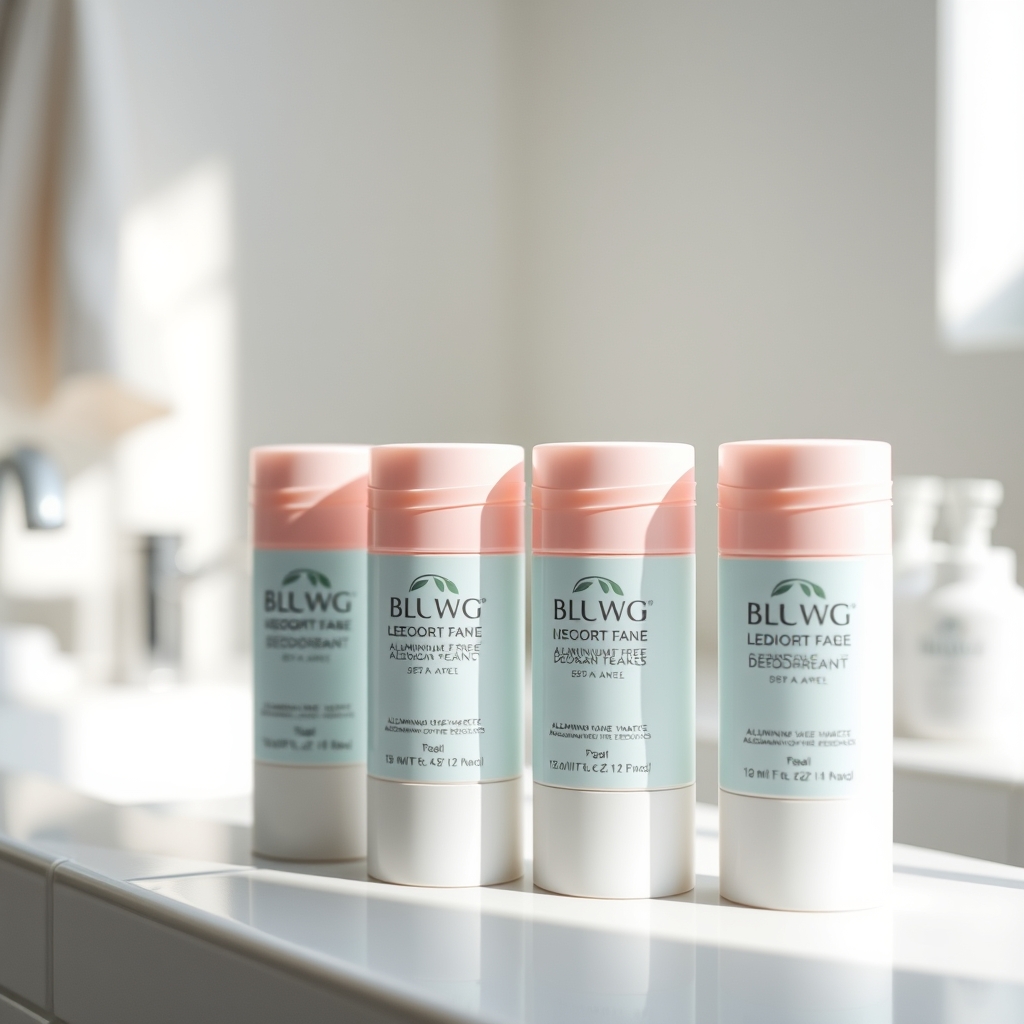
Aluminum‑free sticks offer peace of mind and a fresh scent.
Related items — safety at a glance
Product
Verdict
One‑line note
Degree MotionSense Antiperspirant
⚠️ Talk to your doctor
Contains aluminum chlorohydrate; typical use considered low risk.
Standard aluminum formulation; no special pregnancy warning.
Old Spice High Endurance Antiperspirant
⚠️ Talk to your doctor
Aluminum‑based; typical exposure remains low.
Ban Roll‑On Antiperspirant
⚠️ Talk to your doctor
Contains aluminum chlorohydrate; safe if used sparingly.
Mitchum Advanced Gel Antiperspirant
⚠️ Talk to your doctor
Gel formula with aluminum salts; no increased fetal risk shown.
Myth vs. fact
Myth: Aluminum in deodorant is absorbed through the skin and accumulates in the baby’s brain.
Fact: Studies show that less than 0.1 % of the aluminum in antiperspirants is absorbed transdermally, and the amount is far below the WHO’s tolerable weekly intake. No evidence links typical use to fetal neurodevelopment issues.
Myth: All antiperspirants are dangerous during pregnancy.
Fact: Major health agencies (ACOG, NHS, FDA) have not classified aluminum deodorants as teratogenic. The primary concern is precautionary, not based on documented harm.
Myth: Switching to an aluminum‑free deodorant will cause excessive sweating.
Fact: Aluminum‑free deodorants control odor by targeting bacteria, not sweat. Many users report comparable comfort, especially in warm climates.
Myth: You must completely stop using any deodorant while pregnant.
Fact: Complete avoidance is not required; modest use of aluminum‑based products is generally considered low risk, though some clinicians suggest limiting frequency.
Key takeaways
Typical use of aluminum deodorant is considered low risk, but most clinicians advise limiting exposure during pregnancy.
One application delivers roughly 0.1–0.2 mg of aluminum—far below the WHO’s tolerable weekly intake.
If you’re uneasy, switch to an aluminum‑free deodorant such as Native, Schmidt’s, or Lume.
Apply no more than a thin layer per under‑arm, avoid broken skin, and discuss any concerns with your provider.
Watch for skin irritation; contact your doctor if you notice rash, swelling, or unusual discomfort.
During breastfeeding, many experts suggest choosing aluminum‑free options to minimize any potential transfer into milk.
Frequently asked questions
Can pregnant women use deodorant with aluminum?
Yes, most obstetricians say occasional use of aluminum deodorant is fine, but they often recommend using it sparingly and discussing any concerns with your provider.
Does aluminum in deodorant get absorbed through the skin?
Only a very small fraction (less than 0.1 %) is absorbed transdermally, resulting in exposure far below safety thresholds established by health agencies.
What are the side effects of aluminum deodorant during pregnancy?
Common side effects are skin irritation, itching, or a mild burning sensation; none of these pose a risk to the baby, but persistent irritation should be evaluated by a doctor.
Is it safe to use antiperspirant while breastfeeding?
While no direct harm has been shown, many lactation consultants suggest using aluminum‑free products to minimize any potential aluminum transfer into breast milk.
How many aluminum compounds are in regular deodorant?
Most antiperspirants contain one primary aluminum salt—either aluminum chlorohydrate, aluminum zirconium tetrachlorohydrex gly, or a similar compound—typically ranging from 10 % to 25 % of the product’s weight.
What if I already applied aluminum deodorant before I knew I was pregnant?
Take a breath—single or occasional use before you discovered your pregnancy is unlikely to cause harm; simply continue with your prenatal care and discuss any lingering worries with your provider.
Are spray deodorants safer than stick forms during pregnancy?
Both spray and stick formulations contain similar aluminum concentrations; the key factor is the amount applied, not the delivery method. Use a thin layer or brief spray and avoid inhaling the mist.
Can I use deodorant on other parts of my body, like feet or under‑breast areas?
Aluminum antiperspirants are formulated for under‑arm skin, which is thinner and more absorptive. Using them on other areas isn’t recommended, especially during pregnancy, because absorption rates may differ.
Is baking‑soda deodorant safe for pregnant people?
Yes, most baking‑soda‑based deodorants are aluminum‑free and work by neutralizing odor‑causing bacteria. They are generally considered safe, though those with very sensitive skin should test a small area first.
What are the signs of aluminum toxicity in pregnancy?
Symptoms of excessive aluminum exposure are rare but can include muscle weakness, bone pain, or neurological changes. If you experience any of these alongside high‑aluminum product use, contact your provider.
When to call your doctor
If you experience any of the following, reach out to your obstetrician or midwife promptly:
Persistent skin rash, swelling, or blistering after applying deodorant.
Severe itching or burning that does not improve within 24 hours.
Unexplained bruising or discoloration of the under‑arm area.
Any new or worsening systemic symptoms (fever, joint pain, fatigue) that you suspect may be linked to product use.
These signs may indicate an allergic reaction or another skin condition that warrants medical evaluation. Remember, this information is for educational purposes only and does not replace personalized medical advice.
References
American College of Obstetricians and Gynecologists (ACOG). “Guidelines for Cosmetic Use During Pregnancy.” Updated 2022.
National Health Service (NHS). “Antiperspirants and Deodorants.” Reviewed 2023.
U.S. Food and Drug Administration (FDA). “Cosmetics: Aluminum Salts.” 2021.
World Health Organization (WHO). “Tolerable Weekly Intake for Aluminum.” 2011.
European Commission, Scientific Committee on Consumer Safety (SCCS). “Safety Assessment of Aluminum Salts in Cosmetics.” 2020.
Dermatologic Therapy. “Transdermal absorption of aluminum from antiperspirants: a review.” 2014.
Centers for Disease Control and Prevention (CDC). “Exposure to Aluminum in the General Population.” 2020.
International Programme on Chemical Safety (IPCS). “Aluminum – Human Health Background Document.” 2015.
National Institute for Health and Care Excellence (NICE). “Pregnancy and the Use of Cosmetic Products.” 2021.
Not sure about the label on Is Aluminum Deodorant Safe During Pregnancy products?
Snap the ingredients list and SafeFilter checks every ingredient for your stage — only 3 free scans this month, then you're locked until reset. Unlimited from $7/mo or $50/yr.
When Shubhra Mishra was expecting her first child in 2016, she was overwhelmed by conflicting food advice — one site said yes, another said never. By the time her second baby arrived in 2019, she realized millions of mothers face the same confusion.
That sparked a five-year journey through clinical nutrition papers, cultural diets, and expert conversations — all leading to BumpBites: a calm, compassionate space where science meets everyday motherhood.
Her long-term vision is to build a global community ensuring safe, supported, and free deliveriesfor every mother — because no woman should face pregnancy alone or uninformed. 🌿
🌍 Stand with mothers, shape safer guidance
Join a small circle of experts who review BumpBites articles so expecting parents everywhere can decide with confidence.