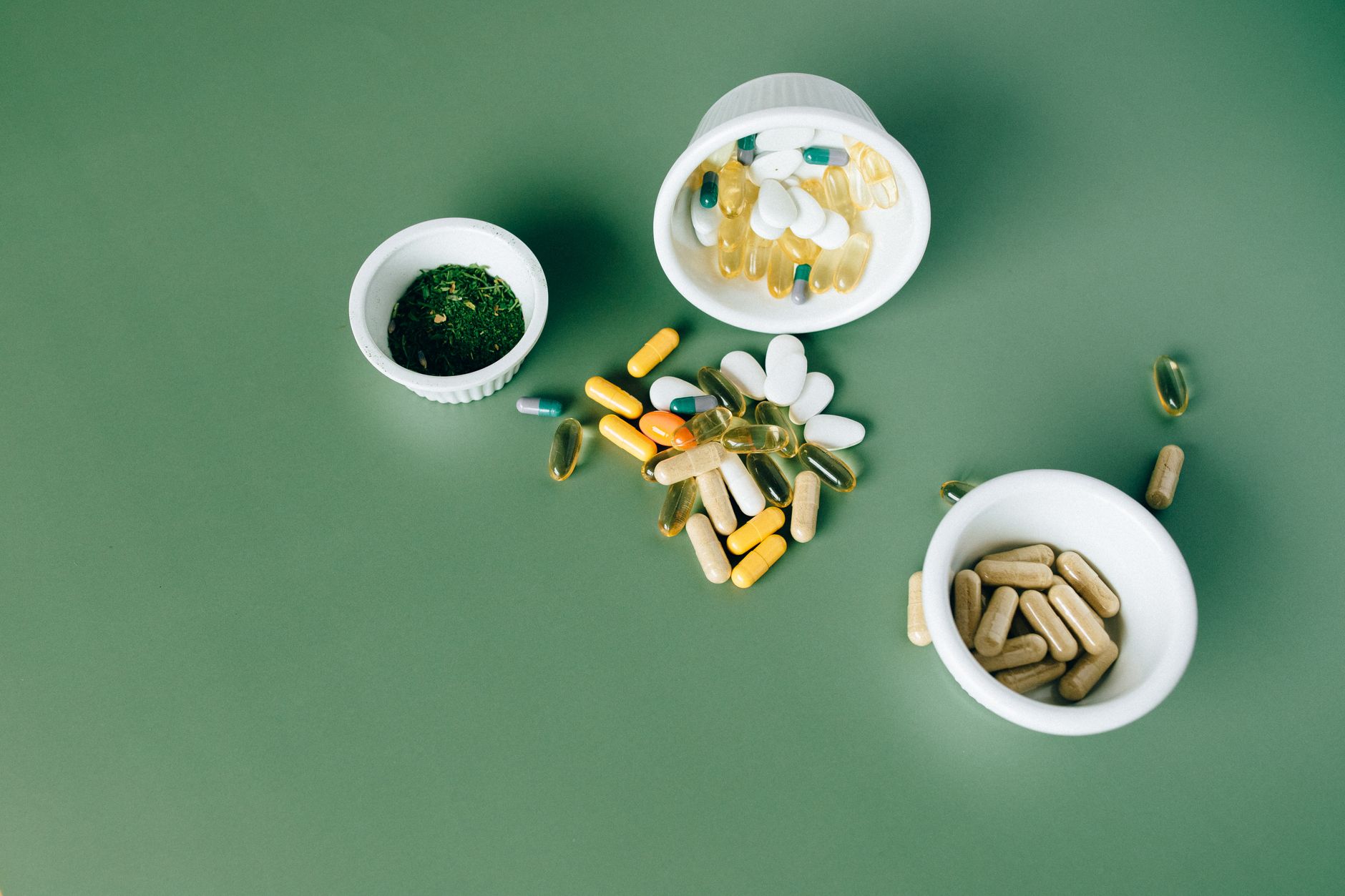
Limit alpha lipoic acid during pregnancy. Experts recommend avoiding doses over 300 mg daily, especially in the first trimester, due to limited safety data.
By Shubhra Mishra — a mom of two who turned her own confusion during pregnancy into BumpBites, a global mission to make food choices clear, safe, and stress-free for every expecting mother. 💛
Check whether any food is safe during pregnancy with the BumpBites Food Safety Checker.
Quick verdict: ⚠️ Talk to your doctor first. Alpha‑lipoic acid (ALA) isn’t proven unsafe, but most obstetric guidelines recommend limiting it or using it only under medical supervision during pregnancy.
It’s completely understandable to feel a flutter of anxiety when you see “is alpha lipoic acid safe during pregnancy” pop up in a late‑night Google search. Whether you’ve already taken a supplement or are considering adding it to your prenatal routine, you deserve a clear, evidence‑based answer without the drama. In short, ALA isn’t classified as a known teratogen, but the data are limited, so most clinicians advise caution and suggest talking with your provider before you start.
In this article we’ll break down exactly what alpha‑lipoic acid is, how it’s commonly used, what the major health organizations (ACOG, NHS, FDA, CDC) say about its safety, and how the risk profile may change across each trimester and while you’re breastfeeding. You’ll also find recommended dosage ranges, potential side‑effects, safer alternatives, a quick‑look comparison with similar supplements, myth‑busting facts, and a concise FAQ for the most common follow‑up questions.
By the end of the reading, you’ll know whether you can keep ALA on the shelf, how much (if any) is considered reasonable, and exactly when a doctor’s call is warranted. Let’s dive in.
Stage
Verdict
Notes
First trimester
⚠️ Talk to your doctor
Limited data; avoid high doses during organogenesis.
Second trimester
⚠️ Talk to your doctor
Some clinicians allow low‑dose ALA for specific conditions.
Third trimester
⚠️ Talk to your doctor
Safety not established; monitor glucose if diabetic.
Breastfeeding
⚠️ Talk to your doctor
Insufficient data on infant exposure via milk.
Alpha‑lipoic acid (ALA) is a naturally occurring antioxidant that plays a role in mitochondrial energy production. It exists in two forms—R‑ALA (the biologically active isomer) and S‑ALA (synthetic). Because it can neutralize free radicals, ALA is marketed for a range of health claims, from blood‑sugar regulation to skin health and even weight loss. In the supplement world, ALA is typically sold in 100‑ to 600‑mg capsules, though some products combine it with other antioxidants or “anti‑aging” nutrients.
People often turn to ALA during pregnancy for its purported ability to improve insulin sensitivity, especially if they have gestational diabetes, or to support general antioxidant defenses. Some also use it for peripheral neuropathy, a condition that can flare during pregnancy. However, the scientific community has not reached a consensus on whether these benefits outweigh potential unknown risks to the developing fetus.
Below we’ll explore the current guidance from leading health authorities and what the limited research actually shows.
Is alpha lipoic acid safe during first trimester?
During the first trimester, the embryo undergoes organogenesis—the formation of major organs. This period is the most sensitive to environmental exposures, including supplements whose safety profile is not well‑established. The American College of Obstetricians and Gynecologists (ACOG) notes that “supplements lacking robust pregnancy‑specific data should be used only when the potential benefit outweighs the theoretical risk.” Because ALA has not been studied extensively in early pregnancy, most obstetricians advise against routine use without a specific medical indication.
That said, a small number of case series have reported no obvious malformations when low‑dose ALA (≤300 mg/day) was taken for gestational diabetes, but these reports are anecdotal and lack control groups. The UK’s National Health Service (NHS) similarly recommends that pregnant women “consult a healthcare professional before starting any antioxidant supplement, including alpha‑lipoic acid.” In short, while there is no definitive evidence that ALA causes birth defects, the precautionary principle leads most clinicians to suggest avoiding it during the first trimester unless prescribed.
Because the first trimester is also when many women experience nausea and food aversions, adding a new supplement can feel like another stressor. If you’ve already taken a single low‑dose capsule, the risk is likely minimal, but it’s still wise to discuss it with your provider at your next prenatal visit. They can help you weigh any perceived benefits against the unknowns and decide whether to continue, adjust, or discontinue the supplement.
Alpha lipoic acid dosage during pregnancy
Because the safety data are sparse, there is no universally accepted “safe” dose of ALA for pregnant people. If a healthcare provider decides that ALA is appropriate—for example, to help manage gestational diabetes—they will typically start at the lowest effective dose, often 300 mg once daily, and monitor blood glucose closely. The FDA does not list ALA as a pregnancy‑category drug, reflecting the lack of formal studies.
For over‑the‑counter supplements, most products contain 100‑600 mg per capsule. If you are considering ALA, aim for the lowest dose that meets your provider’s therapeutic goal, and never exceed the amount recommended by your obstetrician. It is also wise to choose a brand that follows Good Manufacturing Practices (GMP) and provides third‑party testing for purity, such as NOW Foods or Doctor’s Best. Avoid “mega‑dose” blends that push 1 g or more per day, as the safety of such high exposure is unknown.
When dosing, consider timing relative to meals and other medications. Taking ALA on an empty stomach can increase absorption, but it may also heighten gastrointestinal irritation. Splitting the dose (e.g., 150 mg twice daily) can reduce stomach upset while still delivering the intended therapeutic amount. Always keep a written record of what you’re taking, including dosage and timing, to share with any healthcare professional you see.
Alternatives to alpha lipoic acid for pregnancy
Coenzyme Q10 – Supports mitochondrial function and has a stronger safety record in pregnancy.
Vitamin C – A well‑studied antioxidant that helps with collagen formation and iron absorption.
Acetyl‑L‑carnitine – May aid nerve health without the same level of uncertainty as ALA.
Omega‑3 fatty acids – Proven benefits for fetal brain development and maternal inflammation.
Probiotics – Support gut health and have been shown to reduce the risk of gestational diabetes.
Folic acid – Essential for neural‑tube development; the cornerstone of prenatal nutrition.
Each of these alternatives has a longer track record of safety in pregnancy, and many are already included in standard prenatal vitamin formulations. If you’re looking for an antioxidant boost, a daily 500 mg vitamin C tablet or a serving of berries can often provide comparable free‑radical scavenging without the uncertainty surrounding ALA. Discuss these options with your provider to see which aligns best with your health goals.
Alpha lipoic acid side effects in pregnant women
Even when taken at recommended doses, ALA can cause mild gastrointestinal upset, including nausea, stomach cramps, and occasional diarrhea. Some users report a metallic taste or mild skin flushing. In rare cases, higher doses have been linked to hypoglycemia, especially when combined with other glucose‑lowering agents such as metformin. Because pregnant people already experience fluctuating blood‑sugar levels, any additional drop can lead to dizziness, fainting, or, in severe cases, seizures.
Most side‑effects are not dangerous on their own, but they can become a red‑flag if they are severe, persistent, or accompanied by symptoms like rapid heartbeat, severe abdominal pain, or unexplained weight loss. In those scenarios, seek medical advice promptly. Importantly, many of the gastrointestinal symptoms overlap with common pregnancy complaints, so keeping a symptom diary can help your provider distinguish supplement‑related effects from the normal course of pregnancy.
For those who experience persistent nausea, taking ALA with food or a small amount of healthy fat (like avocado) may lessen irritation. However, if nausea worsens after starting ALA, it’s a signal to pause the supplement and discuss alternatives with your obstetrician.
Risks of taking alpha lipoic acid while pregnant
The primary risk is the unknown impact on fetal development. Animal studies have shown mixed results—some rodents exhibited no adverse outcomes at doses up to 500 mg/kg, while others displayed minor skeletal variations. Human data are limited to small observational cohorts, which have not identified a clear pattern of birth defects or developmental delays, but the sample sizes are too small to rule out rare outcomes.
Another risk is drug interaction. ALA can potentiate the effect of insulin and oral hypoglycemics, raising the chance of low blood sugar. It may also interfere with thyroid medication absorption if taken too close to the dosing time. For pregnant people on prenatal vitamins that already contain antioxidants, adding ALA could push total antioxidant intake beyond what is considered safe, potentially altering oxidative balance in ways we don’t yet understand.
Finally, because ALA can cross the placenta, there is a theoretical concern that high maternal concentrations could affect fetal mitochondrial function. While no human studies have demonstrated overt toxicity, the precautionary stance of major health bodies (ACOG, NICE) reflects the principle of “do no harm” when evidence is incomplete.
Alpha lipoic acid and gestational diabetes
Gestational diabetes (GDM) affects roughly 7 % of pregnancies in the United States. ALA’s insulin‑sensitizing properties have sparked interest as a supportive therapy. Small pilot studies, such as one published in the Journal of Obstetric, Gynecologic & Neonatal Nursing, reported modest reductions in fasting glucose when participants took 300 mg of ALA twice daily. However, the studies were short‑term and lacked large, diverse populations.
Given the limited evidence, ACOG recommends that glucose‑lowering strategies during pregnancy rely first on diet, exercise, and FDA‑approved medications like insulin or metformin. If a provider considers ALA, it should be part of a monitored plan, with frequent blood‑sugar checks and a clear plan for tapering off after delivery. The goal is to avoid exposing the fetus to unnecessary pharmacologic agents while still achieving maternal glycemic control.
For women with pre‑existing type 2 diabetes who become pregnant, some clinicians may keep ALA as an adjunct if the patient has been stable on it pre‑conception, but only after a thorough risk‑benefit discussion and close monitoring throughout the pregnancy.
Can i take alpha lipoic acid with prenatal vitamins?
Most prenatal vitamins already contain antioxidants such as vitamin C, vitamin E, and beta‑carotene. Adding ALA on top of these can increase total antioxidant load, and while antioxidants are generally beneficial, excess amounts may paradoxically act as pro‑oxidants. The FDA does not provide a specific interaction warning, but the NHS advises against “stacking” multiple antioxidant supplements without professional guidance.
If your prenatal vitamin includes ALA (rare, but some “advanced” formulas do), double‑check the label and discuss the combined dose with your obstetrician. In most cases, it’s safer to stick with the standard prenatal vitamin and consider one of the safer alternatives listed above if you need extra antioxidant support.
When combining ALA with other supplements, pay attention to timing. For example, calcium can hinder the absorption of many minerals and some antioxidants; taking ALA at least two hours apart from calcium‑rich foods or supplements can improve its bioavailability.
Alpha lipoic acid during breastfeeding safety
Data on ALA excretion into breast milk are virtually nonexistent. Because the infant’s metabolism is immature, the precautionary stance from both the FDA and the American Academy of Pediatrics (AAP) is to avoid non‑essential supplements unless a clear benefit is demonstrated. If you are breastfeeding and your provider has prescribed ALA, the dose will likely be low (≤300 mg/day) and you’ll be monitored for any infant fussiness, changes in feeding patterns, or unusual sleepiness.
In the absence of a prescription, the safest route is to discontinue ALA while nursing and rely on dietary sources of antioxidants—berries, leafy greens, and citrus fruits—that are known to be compatible with breastfeeding.
For mothers who are concerned about maintaining antioxidant intake while nursing, a cup of fortified orange juice or a handful of almonds can provide vitamin E and C without the uncertainties associated with ALA.
Alpha lipoic acid and preeclampsia risk
Preeclampsia, a hypertensive disorder affecting 5‑8 % of pregnancies, is linked to oxidative stress and endothelial dysfunction. Some researchers have hypothesized that ALA’s antioxidant properties could reduce preeclampsia risk, but clinical trials are scarce. A small 2016 pilot study in Iran examined 100 mg of ALA twice daily in high‑risk women and reported a non‑significant trend toward lower blood‑pressure readings. The study’s size and design limit any firm conclusions.
Given the lack of robust evidence, major guidelines (ACOG, NICE) do not recommend ALA for preeclampsia prevention. Standard preventive measures—low‑dose aspirin for high‑risk women, adequate calcium intake, and regular prenatal care—remain the evidence‑based approach.
If you have a personal or family history of preeclampsia, discuss proven strategies with your provider. Adding ALA on your own is unlikely to replace these well‑established interventions.
When you’re curious about a supplement, keep the label handy and compare its dosage to your provider’s recommendation.
Safe dosage / amount / brands
Because the evidence base is limited, the safest approach is to follow your provider’s individualized recommendation. Below is a reference range drawn from the few clinical observations that exist:
Form
Typical dose used in studies
Recommended safe range (if approved)
Suggested reputable brands
Capsule (R‑ALA)
300 mg once or twice daily
≤300 mg/day (under medical supervision)
NOW Foods, Doctor’s Best, Jarrow Formulas
Capsule (mixed R/S‑ALA)
600 mg once daily
Do not exceed 300 mg/day without provider approval
Solgar, Nature’s Way
Powder (bulk)
Not commonly used in pregnancy
Not recommended
—
When choosing a product, look for “USP‑verified” or “NSF‑certified” seals, which indicate third‑party testing for contaminants and accurate labeling. Avoid products that contain additional stimulants, herbal blends, or proprietary “super‑dose” formulas unless each component has been cleared for pregnancy.
If you already have a bottle at home, compare its label to the ranges above. If the label lists 600 mg per capsule, you’re likely above the cautious threshold and should discuss a possible dose reduction with your obstetrician.
Balancing your supplement routine with proven nutrients can reduce the need for experimental antioxidants.
Potentially concerning signs: symptoms of hypoglycemia (shakiness, sweating, confusion), severe abdominal cramps, rapid heart rate, or any new rash.
If you notice any of the concerning signs, especially hypoglycemia, contact your obstetrician or seek urgent care. Remember, side‑effects are not a guarantee of harm, but they signal that the supplement may be interacting with your physiology in ways that require medical review.
Safer alternatives
Coenzyme Q10 – Widely studied in pregnancy, supports energy production without known teratogenic risk.
Vitamin C – A well‑established antioxidant that also aids iron absorption.
Acetyl‑L‑carnitine – May improve nerve health and is considered low‑risk in pregnancy.
Omega‑3 fatty acids – Proven to benefit fetal brain development and reduce inflammation.
Probiotics – Help maintain gut health and have been linked to lower gestational diabetes rates.
Folic acid – Essential for preventing neural‑tube defects; the cornerstone of prenatal nutrition.
Related items — safety at a glance
Item
Verdict
One‑line note
Vitamin E
✅ Generally safe
Recommended 15 mg/day; excess linked to hemorrhage.
Ginkgo biloba
❌ Best avoided
May increase bleeding risk, especially with prenatal vitamins.
St. John's Wort
❌ Best avoided
Strong drug interactions; can affect mood regulation.
High doses may affect platelet function; culinary amounts are safe.
Myth vs. fact
Myth: Alpha‑lipoic acid is a “natural” supplement, so it’s automatically safe for pregnancy.
Fact: “Natural” does not guarantee safety; many natural substances (e.g., certain herbs) can be harmful to a developing fetus.
Myth: Because ALA is an antioxidant, it protects the baby from oxidative stress.
Fact: While antioxidants are important, excessive supplementation can disrupt normal oxidative signaling, and the net benefit during pregnancy is unproven.
Myth: You can take any over‑the‑counter supplement if you read the label.
Fact: Labels are not regulated for pregnancy safety; always discuss with a healthcare professional before adding new supplements.
Myth: All forms of ALA are equivalent in safety.
Fact: The R‑isomer (R‑ALA) is the biologically active form and may have different absorption characteristics than the synthetic S‑ALA mixture; however, both lack extensive pregnancy safety data.
Key takeaways
Current evidence does not prove that alpha‑lipoic acid is unsafe, but data are limited; most clinicians advise caution.
If you need ALA for a specific medical reason, the lowest effective dose (usually ≤300 mg/day) under provider supervision is recommended.
Potential side‑effects include mild GI upset and, rarely, hypoglycemia—monitor blood sugar closely if you have gestational diabetes.
Safer, well‑studied alternatives such as vitamin C, omega‑3s, and probiotics are generally preferred during pregnancy.
Always discuss any supplement, including ALA, with your obstetrician before starting, especially if you’re taking prenatal vitamins or other medications.
Frequently asked questions
what is alpha lipoic acid used for
Alpha‑lipoic acid is primarily marketed as an antioxidant that may improve insulin sensitivity, support nerve health, and aid in skin‑care regimens. In non‑pregnant adults, it is sometimes used for diabetic neuropathy and as a “anti‑aging” supplement.
can alpha lipoic acid help with weight loss
Evidence for weight‑loss benefits is limited; small studies suggest a modest increase in metabolic rate, but results are not consistent enough to recommend ALA as a primary weight‑loss strategy, especially during pregnancy.
alpha lipoic acid benefits for skin
ALA’s antioxidant properties can reduce oxidative damage to skin cells, which may improve the appearance of fine lines and discoloration. However, topical formulations are more appropriate for skin concerns than oral supplements during pregnancy.
is alpha lipoic acid an antioxidant
Yes, alpha‑lipoic acid is a potent antioxidant that works both in water‑soluble and fat‑soluble environments, helping to neutralize free radicals throughout the body.
how much alpha lipoic acid is too much
While no exact “toxic” threshold is established for pregnant people, doses above 600 mg per day are considered high and should be avoided unless a healthcare provider specifically advises otherwise.
alpha lipoic acid and blood sugar control
ALA can modestly improve insulin sensitivity and lower fasting glucose in non‑pregnant individuals; however, its role in gestational diabetes remains investigational and should be overseen by a clinician.
can i take alpha lipoic acid with metformin
Combining ALA with metformin may increase the risk of hypoglycemia, so it should only be done under close medical supervision and with regular blood‑sugar monitoring.
what should I do if I accidentally took a high dose of alpha lipoic acid while pregnant
If you realize you’ve taken more than the recommended amount, contact your obstetrician right away; they may advise monitoring blood sugar and watching for symptoms of hypoglycemia or gastrointestinal distress.
can I get alpha lipoic acid from food instead of supplements
ALA is present in small amounts in foods such as spinach, broccoli, and organ meats, but the quantities are far lower than typical supplement doses, making dietary sources generally insufficient for therapeutic effects.
When to call your doctor
If you experience any of the following while taking alpha‑lipoic acid, contact your obstetrician or seek urgent care:
Severe or persistent nausea, vomiting, or abdominal pain.
Signs of low blood sugar: shakiness, sweating, confusion, or fainting.
Rapid heartbeat (tachycardia) or unexplained dizziness.
New rash, swelling, or breathing difficulty.
Changes in fetal movement patterns after starting the supplement.
These symptoms may signal an adverse reaction or an interaction with other medications. Remember, this article provides general information and is not a substitute for personalized medical advice. Always discuss any supplement use with your healthcare provider.
References
American College of Obstetricians and Gynecologists (ACOG). “Nutrition During Pregnancy.” Practice Bulletin No. 151, 2022.
National Health Service (NHS). “Dietary supplements and pregnancy.” Updated 2023.
U.S. Food and Drug Administration (FDA). “Dietary Supplement Labeling Guide.” 2021.
Centers for Disease Control and Prevention (CDC). “Gestational Diabetes Mellitus (GDM).” 2022.
American Academy of Pediatrics (AAP). “Breastfeeding and Maternal Medication Use.” 2020.
World Health Organization (WHO). “Guidelines on Antenatal Care for a Positive Pregnancy Experience.” 2022.
Journal of Obstetric, Gynecologic & Neonatal Nursing. “Pilot Study of Alpha‑Lipoic Acid in Gestational Diabetes.” 2019.
National Institute for Health and Care Excellence (NICE). “Antenatal Care Guidelines.” 2021.
Not sure about the label on Is Alpha Lipoic Acid Safe During Pregnancy products?
Snap the ingredients list and SafeFilter checks every ingredient for your stage — only 3 free scans this month, then you're locked until reset. Unlimited from $7/mo or $50/yr.
When Shubhra Mishra was expecting her first child in 2016, she was overwhelmed by conflicting food advice — one site said yes, another said never. By the time her second baby arrived in 2019, she realized millions of mothers face the same confusion.
That sparked a five-year journey through clinical nutrition papers, cultural diets, and expert conversations — all leading to BumpBites: a calm, compassionate space where science meets everyday motherhood.
Her long-term vision is to build a global community ensuring safe, supported, and free deliveriesfor every mother — because no woman should face pregnancy alone or uninformed. 🌿
🌍 Stand with mothers, shape safer guidance
Join a small circle of experts who review BumpBites articles so expecting parents everywhere can decide with confidence.