Limit Alo Aloe Drink during pregnancy. Experts recommend no more than 4 oz daily in the second or third trimester due to potential laxative effects and aloin content.
By Shubhra Mishra — a mom of two who turned her own confusion during pregnancy into BumpBites, a global mission to make food choices clear, safe, and stress-free for every expecting mother. 💛
Check whether any food is safe during pregnancy with the BumpBites Food Safety Checker.
Quick verdict: ⚠️ Safe with limits – occasional consumption of Alo Aloe Drink is generally considered okay, but keep it to no more than one 8‑oz serving a day and avoid large quantities, especially in the first trimester. Talk to your provider if you have any pregnancy‑related health concerns.
It’s 2 a.m., the kitchen light flickers on, and you find yourself staring at a chilled bottle of Alo Aloe Drink. “Is Alo Aloe Drink safe during pregnancy?” you whisper, heart racing. You’re not alone—many expecting parents wonder whether that refreshing, aloe‑infused beverage could harm their baby or trigger a tricky symptom.
In short, the answer to is alo aloe drink safe during pregnancy is “yes, but only in moderation.” Most health authorities, including the American College of Obstetricians and Gynecologists (ACOG) and the UK’s National Health Service (NHS), advise pregnant people to limit aloe‑containing drinks because of the plant’s natural laxative compounds. Below we break down exactly how much is okay, what to watch for each trimester, safer beverage alternatives, and when you should call your provider.
Read on for a trimester‑by‑trimester safety snapshot, dosage guidelines, potential risks, brand‑specific warnings, and a handy comparison chart of related aloe products. By the end, you’ll have a clear, evidence‑based plan for enjoying Alo Aloe Drink—or choosing a safer sip—without lingering anxiety.
Stage
Verdict
Notes
First trimester
⚠️ Safe with limits
Limit to 8 oz/day; avoid high‑dose aloe concentrates.
Second trimester
✅ Generally safe
Same 8 oz daily limit; monitor for laxative effect.
Third trimester
✅ Generally safe
Continue 8 oz limit; watch for uterine irritation.
Breastfeeding
⚠️ Talk to your doctor
Limited data; keep intake low and observe infant.
Keep your Alo Aloe Drink portion modest—one 8‑oz bottle a day is a practical limit.
What is Alo Aloe Drink?
Alo Aloe Drink is a non‑carbonated, ready‑to‑drink beverage that blends filtered water with aloe vera leaf extract, natural flavors, and a hint of sweetener (often cane sugar or agave). The drink typically contains 5–10 % aloe vera juice, delivering a modest amount of the plant’s polysaccharides, vitamins (A, C, E), and minerals. Marketed as a hydrating, skin‑supporting tonic, it’s popular among health‑conscious consumers looking for a light, slightly sweet alternative to soda.
Because aloe vera contains compounds like anthraquinones (e.g., aloin), which have laxative properties, manufacturers usually process the leaf to remove most of the bitter, stimulant component. However, trace amounts can remain, especially in less‑filtered extracts. This is why health agencies caution pregnant people to limit intake, even though the drink is generally low in calories and free from caffeine or alcohol.
Is Alo Aloe Drink safe during pregnancy?
Current guidance from ACOG, the NHS, and the U.S. Food and Drug Administration (FDA) suggests that aloe‑based beverages are safe with limits for most pregnant women. The FDA classifies aloe vera whole leaf extract as “Generally Recognized As Safe” (GRAS) for food use, but it notes that high doses can cause gastrointestinal upset and may stimulate uterine activity.
Studies on pregnant rodents have shown that very high oral doses of aloe latex can increase uterine contractions, but human data are sparse. The consensus among obstetricians is that the low aloe content in commercial drinks like Alo Aloe Drink is unlikely to cause harm when consumed in modest amounts. The primary concern is the laxative effect, which can lead to dehydration—a risk you want to avoid during pregnancy.
In practice, most clinicians advise limiting aloe‑containing drinks to one 8‑oz (240 ml) serving per day. This amount provides the refreshing flavor and modest nutritional benefits without delivering enough aloin to trigger significant laxative action or uterine stimulation.
Is Alo Aloe Drink safe to drink during the first trimester?
During the first trimester, when organ formation (organogenesis) is most vulnerable, many providers recommend extra caution with any substance that could have a laxative or uterine‑stimulating effect. One 8‑oz serving of Alo Aloe Drink stays within the safety margin, but you should avoid larger portions or concentrated aloe extracts.
If you notice increased bowel movements, stomach cramps, or any unusual symptoms after drinking Alo Aloe Drink, consider cutting back or stopping the beverage. Most obstetricians will reassure you that an occasional 8‑oz serving is unlikely to cause fetal harm, but they’ll stress the importance of staying well‑hydrated with plain water.
Is Alo Aloe Drink safe to drink during the second trimester?
The second trimester is generally a lower‑risk period for teratogenic effects. Continuing to limit Alo Aloe Drink to one 8‑oz bottle per day remains advisable. At this stage, the uterus is less sensitive to mild irritants, but the laxative potential of aloe can still cause dehydration if you exceed the recommended amount.
Many pregnant women find that the soothing, mildly sweet flavor of Alo Aloe Drink helps them stay hydrated, especially if they experience nausea. Pair the drink with plenty of water and monitor for any gastrointestinal changes.
Is Alo Aloe Drink safe to drink during the third trimester?
In the third trimester, the primary concern is preterm labor. While there is no strong evidence linking moderate aloe consumption to uterine contractions, the precautionary principle still applies. Stick to the 8‑oz daily limit and watch for any signs of uterine activity, such as cramping or increased pelvic pressure.
Some clinicians suggest swapping Alo Aloe Drink for non‑aloe, water‑rich beverages—like coconut water—if you’re prone to false labor pains. Nonetheless, most providers agree that an occasional 8‑oz serving does not pose a significant risk.
Is Alo Aloe Drink safe while breastfeeding?
Data on aloe‑containing drinks during lactation are limited. The FDA’s GRAS status applies to the general population, not specifically to nursing infants. Because trace aloe compounds can be secreted in breast milk, many lactation consultants advise keeping intake low—no more than one 8‑oz bottle per day—and observing the baby for any changes in stool or fussiness.
If you notice your infant becoming unusually gassy or having loose stools, consider reducing or eliminating aloe‑based drinks and discuss the findings with your pediatrician.
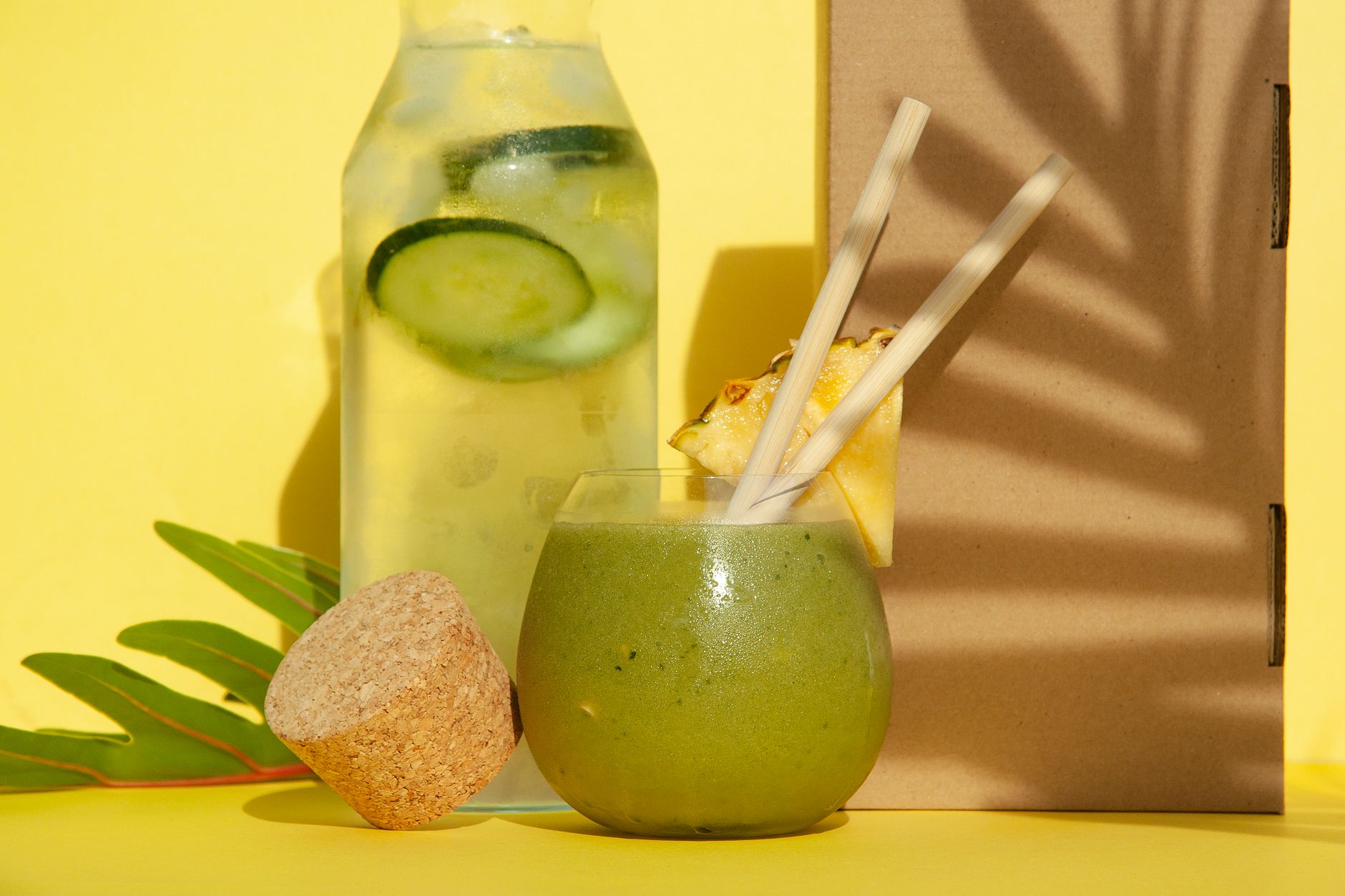
Fresh cucumber juice is a hydrating, aloe‑free alternative for those who prefer to avoid any aloe content.
How much Alo Aloe Drink can pregnant women consume daily?
The consensus among ACOG and NHS nutrition guidelines is to limit aloe‑based drinks to no more than one 8‑oz (240 ml) serving per day. This limit balances the desire for flavor and hydration with the need to avoid the laxative and potential uterine‑stimulating effects of higher aloe concentrations.
If you’re a heavy fan of the product, consider diluting it with water or alternating with other non‑aloe beverages. For example, a typical daily routine might include one 8‑oz serving of Alo Aloe Drink, two to three glasses of plain water, and a serving of coconut water.
What are the potential risks of drinking Alo Aloe Drink while pregnant?
Laxative effect: Even the filtered aloe in Alo Aloe Drink can cause mild diarrhea or loose stools, leading to dehydration—a concern during pregnancy.
Uterine irritation: High doses of aloe latex have been linked to uterine contractions in animal studies, though typical beverage amounts are far below that threshold.
Blood‑sugar impact: Some varieties contain added sugars, which can affect glucose control, especially for women with gestational diabetes.
Allergic reactions: Rarely, individuals may experience an allergic response to aloe vera, manifesting as skin rash or gastrointestinal upset.
If any of these symptoms appear—persistent diarrhea, cramping, sudden swelling, or an allergic rash—consult your provider promptly.
Are there safer alternatives to Alo Aloe Drink for pregnant women?
Coconut water – naturally hydrating and rich in potassium without laxative compounds.
Fresh cucumber juice – low‑calorie, soothing, and safe for all trimesters.
Unsweetened ginger tea – helps with nausea and is free of aloe.
Fresh orange juice – provides vitamin C and folate, essential for fetal development.
Apple juice – a gentle, widely tolerated option.
Lemon water – refreshing, vitamin C‑rich, and completely aloe‑free.
Watermelon juice – high in water content and natural electrolytes.
Chamomile tea (pregnancy‑safe) – calming, but avoid if you have a history of preterm labor.
Carrot juice – offers beta‑carotene and vitamin A in a safe form.
Pomegranate juice – antioxidant‑rich and safe when consumed in moderation.
Does the brand Alo Aloe Drink have any specific pregnancy warnings?
The product label for Alo Aloe Drink includes a standard disclaimer: “Consult your healthcare provider if you are pregnant, nursing, or have a medical condition.” The company does not list specific contraindications, but the label advises limiting intake to one serving per day for anyone sensitive to laxatives. No FDA or European Medicines Agency (EMA) warnings have been issued specifically for this beverage.
Can Alo Aloe Drink cause uterine contractions or preterm labor?
There is no direct human evidence that the modest aloe content in Alo Aloe Drink triggers uterine contractions. However, animal studies with high aloe latex doses have shown increased uterine activity. Because the drink contains a filtered extract with minimal aloin, the risk is considered very low when you stay within the 8‑oz daily limit.
If you have a history of preterm labor or are currently experiencing uterine tenderness, many obstetricians recommend avoiding aloe‑containing products altogether as a precaution.
Is Alo Aloe Drink safe for pregnant women with gestational diabetes?
For women managing gestational diabetes, the main concern is the added sugars in many flavored aloe drinks. Alo Aloe Drink typically contains 10–12 g of sugar per 8‑oz serving, which can modestly raise blood glucose. The American Diabetes Association (ADA) advises that pregnant individuals monitor total carbohydrate intake and choose low‑glycemic beverages.
Therefore, if you have gestational diabetes, you can still enjoy Alo Aloe Drink occasionally, but it should be counted toward your daily carbohydrate budget, and you may prefer unsweetened versions or dilute the drink with water.
Safer alternatives
Coconut water – naturally electrolytes‑rich, no laxative effect.
Fresh cucumber juice – soothing and hydrating without added sugars.
Unsweetened ginger tea – eases nausea, safe for all trimesters.
Fresh orange juice – provides vitamin C and folate, crucial for fetal growth.
Apple juice – gentle on the stomach, low in calories.
Lemon water – refreshing, vitamin C‑rich, and completely aloe‑free.
Watermelon juice – high water content, natural electrolytes.
Chamomile tea (pregnancy‑safe) – calming, but avoid if you have a history of preterm labor.
Related items — safety at a glance
Item
Verdict
Note
Aloe vera juice (unflavored)
⚠️ Safe with limits
Limit to 4 oz/day; watch for laxative effect.
Aloe vera gel (topical)
✅ Generally safe
External use only; avoid ingestion.
Aloe vera smoothie
⚠️ Safe with limits
Check added sugars; keep to ½ cup.
Aloe vera flavored water
⚠️ Safe with limits
Same caution as Aloe drink; limit 8 oz.
Aloe vera supplement capsules
❌ Best avoided
Concentrated aloin; risk of uterine stimulation.
Aloe vera tea
⚠️ Safe with limits
Potential laxative; limit 1 cup/day.
Aloe vera concentrate
❌ Best avoided
High aloin content; not pregnancy‑safe.
Aloe vera powder drink mix
⚠️ Safe with limits
Dilute heavily; keep to ½ tsp per serving.
Myth vs. fact
Myth: All aloe products are safe because they’re natural. Fact: Natural does not equal risk‑free; aloe contains aloin, a laxative, which can affect pregnancy at higher doses.
Myth: Drinking a lot of Alo Aloe Drink will improve skin health for the baby. Fact: The modest aloe content provides minimal skin‑benefiting compounds, and excessive intake may cause dehydration, which is counterproductive.
Myth: If a beverage is GRAS, it’s automatically safe for pregnant women. Fact: GRAS status reflects general population safety; pregnant individuals often need stricter limits, especially for substances with laxative potential.
Key takeaways
✅ Alo Aloe Drink is safe with limits—one 8‑oz bottle per day is the generally accepted ceiling.
⚠️ The primary risk is a mild laxative effect that can lead to dehydration.
If you have a history of preterm labor or gestational diabetes, discuss aloe intake with your provider.
Consider aloe‑free alternatives like coconut water, cucumber juice, or unsweetened ginger tea for regular hydration.
Always monitor for cramping, diarrhea, or any unusual symptoms after consumption.
Frequently asked questions
Can I drink aloe vera juice while pregnant?
Yes, you can, but limit it to no more than 4 oz (120 ml) per day to avoid the laxative effect. Most obstetricians recommend this modest amount as safe.
What are the benefits of aloe vera during pregnancy?
Aloe vera provides hydration, a small amount of vitamins (A, C, E), and may soothe occasional heartburn. However, the benefits are modest, and the potential laxative risk outweighs large‑dose advantages.
Is aloe vera safe in the second trimester?
In the second trimester, moderate aloe intake (up to one 8‑oz bottle of Alo Aloe Drink) is generally considered safe, provided you watch for any gastrointestinal changes.
How much aloe vera is safe for pregnant women?
Stick to one 8‑oz serving of Alo Aloe Drink per day, or no more than 4 oz of plain aloe vera juice. This keeps aloin exposure low and minimizes laxative risk.
Does aloe vera cause uterine contractions?
At the low concentrations found in commercial drinks like Alo Aloe Drink, there is no solid evidence of uterine contractions. High doses of aloe latex have shown this effect in animal studies, so staying within recommended limits is key.
Are there any side effects of aloe vera for pregnant moms?
Side effects can include mild diarrhea, abdominal cramping, or allergic skin reactions. If you experience persistent diarrhea or significant cramping, stop the drink and contact your provider.
Can aloe vera affect my baby's development?
Current human data do not show adverse effects on fetal development from the modest amounts in Alo Aloe Drink. The primary concern is maternal dehydration, which can indirectly affect the baby.
Is aloe vera safe for women with gestational diabetes?
Yes, if you choose a low‑sugar or unsweetened version and count the carbohydrates toward your daily limit. The added sugars in many aloe drinks can raise blood glucose, so moderation is essential.
When to call your doctor
If you experience any of the following after drinking Alo Aloe Drink, contact your obstetric provider promptly:
Persistent diarrhea lasting more than 24 hours.
Severe abdominal or pelvic cramping.
Signs of dehydration (dizziness, dark urine, rapid heartbeat).
Unexpected vaginal bleeding or fluid loss.
Allergic reactions such as rash, itching, or swelling.
These symptoms could signal an underlying issue that needs medical attention. Remember, this article provides general information and is not a substitute for personalized medical advice.
References
American College of Obstetricians and Gynecologists (ACOG). “Nutrition During Pregnancy.” ACOG Committee Opinion, 2022.
National Health Service (NHS). “Aloe vera.” NHS website, updated 2023.
U.S. Food and Drug Administration (FDA). “GRAS Notice for Aloe Vera.” FDA Database, 2021.
Centers for Disease Control and Prevention (CDC). “Gestational Diabetes.” CDC Health Information, 2022.
American Diabetes Association (ADA). “Gestational Diabetes Management.” Diabetes Care, 2023.
Mayo Clinic. “Aloe vera: Uses and side effects.” Mayo Clinic, 2023.
World Health Organization (WHO). “Guidelines on Food Safety.” WHO Publication, 2022.
National Institute for Health and Care Excellence (NICE). “Antenatal care guidelines.” NICE, 2022.
U.S. National Library of Medicine. “Aloe vera toxicity.” PubMed, 2020.
European Medicines Agency (EMA). “Assessment report on aloe extracts.” EMA, 2021.
Not sure about the label on Is Alo Aloe Drink Safe During Pregnancy products?
Snap the ingredients list and SafeFilter checks every ingredient for your stage — only 3 free scans this month, then you're locked until reset. Unlimited from $7/mo or $50/yr.
When Shubhra Mishra was expecting her first child in 2016, she was overwhelmed by conflicting food advice — one site said yes, another said never. By the time her second baby arrived in 2019, she realized millions of mothers face the same confusion.
That sparked a five-year journey through clinical nutrition papers, cultural diets, and expert conversations — all leading to BumpBites: a calm, compassionate space where science meets everyday motherhood.
Her long-term vision is to build a global community ensuring safe, supported, and free deliveriesfor every mother — because no woman should face pregnancy alone or uninformed. 🌿
🌍 Stand with mothers, shape safer guidance
Join a small circle of experts who review BumpBites articles so expecting parents everywhere can decide with confidence.