Limit AG1 during pregnancy. Experts recommend avoiding it in the first trimester and capping intake at 1 scoop daily if used, due to limited safety data and high vitamin A levels.
By Shubhra Mishra — a mom of two who turned her own confusion during pregnancy into BumpBites, a global mission to make food choices clear, safe, and stress-free for every expecting mother. 💛
Check whether any food is safe during pregnancy with the BumpBites Food Safety Checker.
Quick verdict: ⚠️ Talk to your doctor first. AG1 (Athletic Greens) is a nutrient‑dense greens powder that may be safe in modest amounts, but pregnant people should check with a healthcare provider because some ingredients lack robust safety data and certain conditions (like gestational diabetes) require extra caution.
It’s 2 a.m., the kitchen light is on, and you’ve just opened a fresh scoop of AG1 while reading the label for the third time. “Is AG1 safe during pregnancy?” you whisper to the empty room, heart racing. You’re not alone—many expecting parents wonder whether this popular greens supplement fits into a prenatal nutrition plan.
In short, the current guidance from the American College of Obstetricians and Gynecologists (ACOG) and the UK’s National Health Service (NHS) says AG1 can be considered if you’re already using it and your provider approves, but it isn’t a substitute for a prenatal vitamin. Below we break down the evidence, trimester‑specific considerations, recommended serving size, ingredients to watch, safer alternatives, and what to do if you have gestational diabetes or morning sickness.
Read on for the quick verdict, a safety‑by‑trimester snapshot, dosage guidelines, and a list of pregnancy‑friendly greens powders that are backed by obstetric societies.
Tip: Keep a glass of water handy when you take any supplement, especially powders that may settle quickly.
Trimester / Breastfeeding
Verdict
Notes
First trimester
⚠️ Caution
Limited data on embryonic safety; consult provider before use.
Second trimester
⚠️ Caution
Generally tolerated, but watch for herbal extracts that lack pregnancy‑specific studies.
Third trimester
⚠️ Caution
Potential for excess vitamin A (beta‑carotene) and iron; monitor total nutrient intake.
Breastfeeding
✅ Generally safe
Most ingredients are considered safe for lactation, but keep dosage modest.
What is AG1?
AG1, formerly known as Athletic Greens, is a powdered blend of 75 vitamins, minerals, superfoods, probiotics, and adaptogens. A typical serving (one scoop, about 12 g) delivers a mix of greens (like spinach and kale), fruit extracts, mushroom powders, and a proprietary blend of antioxidants and digestive enzymes. The product is marketed as an “all‑in‑one” daily nutrition boost for busy adults, promising to fill gaps left by diet alone.
Manufacturers claim the blend is “whole‑food sourced” and free from artificial colors, flavors, and sweeteners. It also includes a probiotic complex (Lactobacillus and Bifidobacterium strains) and a blend of adaptogenic herbs such as ashwagandha and rhodiola. While many athletes and wellness enthusiasts use AG1 to support energy and recovery, pregnant people must consider the unique physiological changes of pregnancy—especially altered nutrient needs and the potential impact of herbal components.
Is AG1 safe during pregnancy?
Current guidance from ACOG emphasizes that any supplement taken during pregnancy should be discussed with a healthcare provider, especially when it contains ingredients that have not been specifically studied in pregnant populations. The FDA classifies AG1 as a dietary supplement, meaning it is not subject to the same pre‑market safety evaluations as prescription drugs. The NHS notes that while many of the vitamins and minerals in AG1 are beneficial, the combination and dosage differ from standard prenatal formulas.
Research on individual components (e.g., vitamin C, zinc, probiotics) generally supports safety in pregnancy, but the evidence for several herbal extracts (ashwagandha, rhodiola, and certain mushroom powders) is limited. ACOG advises caution with adaptogens because they can influence cortisol pathways and may affect fetal development, albeit without definitive human data.
In practice, many obstetricians will permit a modest daily serving of AG1 if the patient’s overall nutrient intake remains within recommended prenatal limits and if the supplement replaces—not adds to—other sources of the same nutrients. However, for those with specific conditions such as gestational diabetes, high iron levels, or a history of thyroid issues, the additional micronutrients and botanicals could pose a risk.
Is AG1 safe to take during the first trimester of pregnancy?
The first trimester is the period of organogenesis, when the fetus’s major organs form. Because the scientific literature lacks robust, pregnancy‑specific safety data for many of AG1’s herbal ingredients, most clinicians recommend a cautious approach. If you’ve already taken AG1 before discovering you’re pregnant, most experts advise continuing the same dose while monitoring for any unusual symptoms, but you should discuss it with your provider at the earliest opportunity.
Key concerns in the first trimester include:
Potential excess of vitamin A precursors (beta‑carotene) that could theoretically contribute to teratogenic effects at very high levels, though typical AG1 servings stay well below the tolerable upper intake.
Herbal adaptogens that have not been studied in early pregnancy, such as ashwagandha, which may affect hormone balance.
Overall, the consensus from ACOG and NHS is that AG1 is not contraindicated outright, but a pregnant person should seek personalized advice before continuing or starting the supplement in the first trimester.
Is AG1 safe to take during the second trimester of pregnancy?
During the second trimester, the fetus’s growth accelerates and maternal nutrient demands increase. The vitamin and mineral content of AG1—especially vitamin C, zinc, and B‑complex vitamins—aligns well with heightened needs. However, the adaptogenic herbs still lack pregnancy‑specific safety data, so a prudent approach is to limit the serving to one scoop per day and avoid stacking with other prenatal vitamins that contain overlapping nutrients.
Clinical guidance from the American Pregnancy Association suggests that if a pregnant woman is already using AG1 and tolerates it well, she can continue with close monitoring of iron and vitamin A intake. It is essential to ensure total iron from diet, prenatal vitamins, and AG1 does not exceed the recommended 27 mg/day for pregnancy, as excess iron can cause gastrointestinal upset and oxidative stress.
Is AG1 safe to take during the third trimester of pregnancy?
In the third trimester, the fetus gains most of its weight, and maternal calcium, magnesium, and vitamin D become crucial. AG1 provides modest amounts of these minerals, but the overall dosage may be insufficient as a sole prenatal source. Moreover, the cumulative vitamin A (as beta‑carotene) from AG1 plus any prenatal vitamin could approach the upper limit of 3,000 µg RAE, which the FDA flags as a level to avoid excess.
For most pregnant people, continuing AG1 at one scoop per day is acceptable if they are also taking a standard prenatal vitamin that does not duplicate the same nutrients excessively. Women with a history of preeclampsia should be cautious with herbal extracts that could affect blood pressure, and they should discuss any supplement use with their obstetrician.
Is AG1 safe while breastfeeding?
Post‑delivery, the FDA and NHS consider many of AG1’s ingredients compatible with lactation, provided the mother does not exceed recommended daily values for fat‑soluble vitamins. The probiotic component may even support maternal gut health, which can indirectly benefit breastmilk quality. Nonetheless, the same principle applies—use the supplement under the guidance of a healthcare professional and avoid excessive dosing.
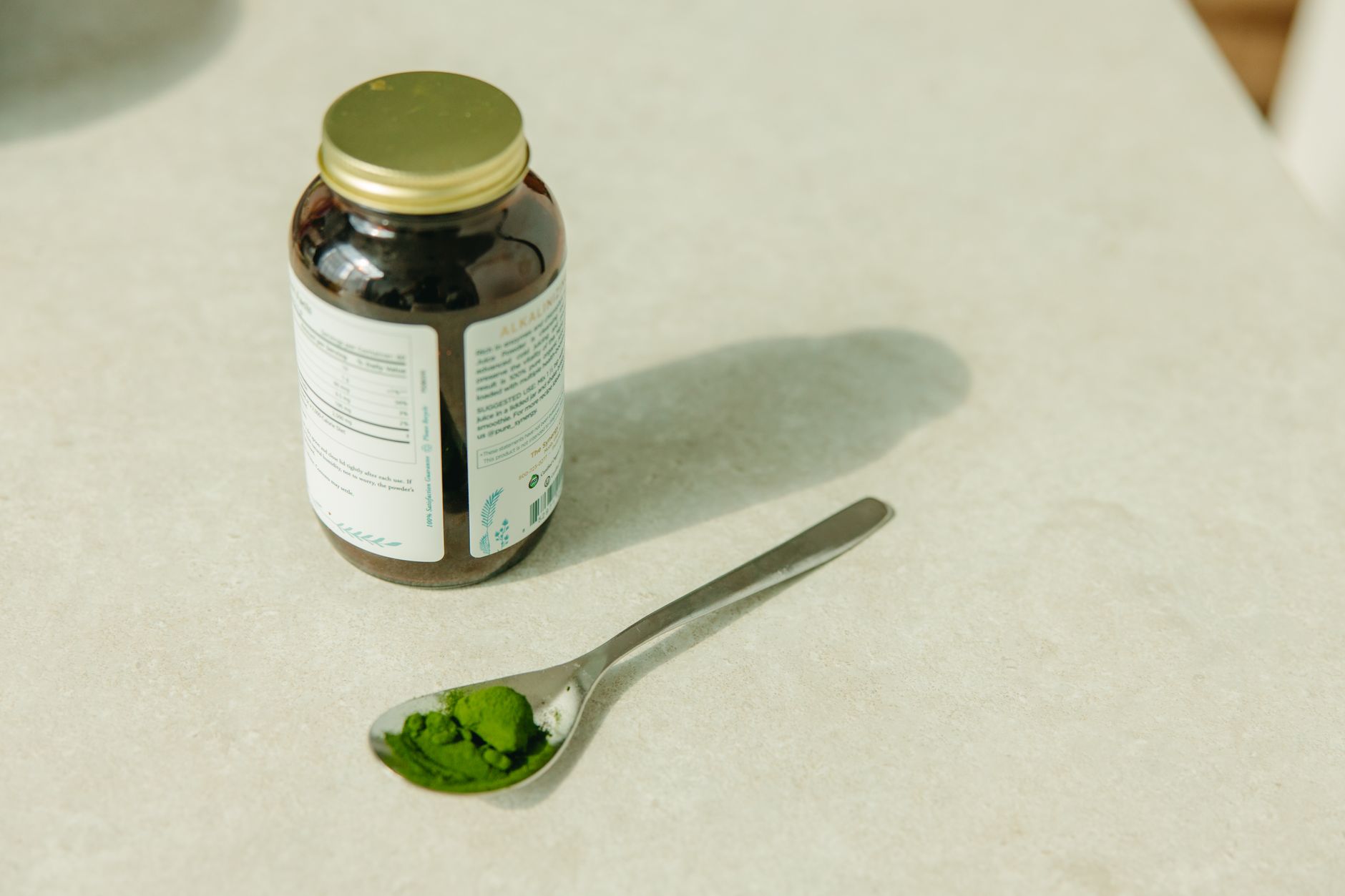
Organizing supplements side‑by‑side can help you track daily nutrient intake.
How much AG1 can a pregnant woman safely consume each day?
AG1’s label recommends one scoop (≈12 g) mixed with water or a smoothie once daily. For pregnant women, the safest approach is to stick to that single serving and avoid “double‑dosing” even if you feel extra fatigue. This amount typically provides about 30% of the Recommended Dietary Allowance (RDA) for most B‑vitamins, 10‑15% of the RDA for vitamin C, and modest amounts of minerals such as zinc and magnesium.
If you are already taking a prenatal vitamin, add the AG1 serving only after confirming that the combined nutrient totals stay below the tolerable upper intake levels (ULs) set by the Institute of Medicine. For example, the UL for vitamin A (as retinol) is 3,000 µg RAE; AG1 contributes roughly 500 µg RAE per scoop, leaving a comfortable margin when paired with most prenatal formulas.
In short, one scoop per day is the generally accepted safe amount for most pregnant users, but always verify with your provider, especially if you have pre‑existing conditions or are taking other supplements.
What ingredients in AG1 should be avoided during pregnancy?
While many of AG1’s components are considered safe, a few warrant extra scrutiny:
Ashwagandha (Withania somnifera) – Limited human data; some animal studies suggest possible effects on fetal development.
Rhodiola rosea – Not enough safety data for pregnancy; potential to influence stress hormones.
Mushroom extracts (e.g., reishi, cordyceps) – Generally regarded as safe in food amounts, but concentrated extracts lack pregnancy‑specific studies.
Beta‑carotene – High amounts can convert to vitamin A; keep total vitamin A intake within recommended limits.
Vitamin K2 (menaquinone‑7) – While not a known teratogen, excessive intake could interfere with anticoagulant therapy if prescribed.
If any of these ingredients raise concerns for you—particularly if you have thyroid issues, hormone‑sensitive conditions, or are taking prescription medications—choose a prenatal supplement that omits them or discuss dosage adjustments with your doctor.
Are there safer alternatives to AG1 for prenatal nutrition?
Garden of Life Vitamin Code Prenatal – Whole‑food based prenatal multivitamin with no herbal adaptogens.
Nature Made Prenatal Multi – Affordable, FDA‑registered, contains folic acid, iron, and DHA.
New Chapter Perfect Prenatal – Fermented prenatal formula with gentle, food‑derived nutrients.
Ritual Prenatal Multivitamin – Transparent sourcing, includes methylated B‑vitamins.
MegaFood Baby & Me Prenatal – Certified organic, iron‑free option for those who already take iron elsewhere.
Thorne Research Basic Prenatal – Hypoallergenic, free of common allergens and unnecessary herbals.
Orgain Organic Protein Powder – Plant‑based protein with added vitamins, safe for pregnancy when used as directed.
Vega One All‑in‑One Shake – Nutrient‑dense, contains greens, protein, and probiotics without questionable herbs.
All of the above have been reviewed by obstetric societies or meet the standards set by the NHS and ACOG for pregnancy‑safe supplementation. They typically avoid the adaptogenic herbs that make AG1’s safety profile more ambiguous.
Can I use other Athletic Greens products instead of AG1 while pregnant?
Athletic Greens offers several other formulas, such as “AG100” (a larger‑dose version) and “Athletic Greens Ultimate Daily.” These products contain higher concentrations of the same blend, meaning they deliver more of each vitamin, mineral, and herb per serving. Because the ingredient list is essentially identical, the safety considerations remain the same, but the risk of exceeding ULs increases with the larger dose.
If you prefer to stay within the Athletic Greens brand, the safest option is to stick with the original AG1 single‑scoop recommendation and avoid the higher‑dose versions unless your provider explicitly approves a higher intake for a specific deficiency.
What are the potential risks of AG1 for pregnant women with gestational diabetes?
Gestational diabetes requires careful carbohydrate and sugar monitoring. AG1 contains natural fruit extracts and a modest amount of sugars (approximately 2 g per scoop). While this is low, the carbohydrate content could affect blood glucose in sensitive individuals. Moreover, some herbal extracts—particularly ashwagandha—may influence insulin sensitivity, although data are inconclusive.
Professional guidelines from the American Diabetes Association (ADA) advise pregnant patients to track all sources of sugar and carbohydrate, including supplements. If you have gestational diabetes, discuss AG1 with your endocrinologist or obstetrician; they may recommend limiting the supplement to a few times per week or choosing a sugar‑free prenatal vitamin instead.
How does AG1 affect common pregnancy conditions like morning sickness?
Morning sickness is often triggered by strong odors and certain nutrients. Some pregnant people report that the fresh, citrusy flavor of AG1 actually eases nausea when mixed with ginger‑infused water or a mild smoothie. Conversely, the probiotic component may improve gut health, which can reduce gastrointestinal discomfort.
However, the herbal adaptogens in AG1 (ashwagandha, rhodiola) have a bitter taste that could exacerbate nausea in some individuals. If you experience heightened morning sickness, try a half‑scoop mixed with a larger volume of liquid, or switch to a prenatal vitamin that comes in a chewable or gummy form, which many find gentler on the stomach.
Safe dosage / amount / brands
AG1’s official serving size is one scoop (≈12 g) mixed with 8‑12 oz of water or a smoothie. For pregnant individuals:
Standard dose: 1 scoop per day.
Maximum safe frequency: Do not exceed 1 scoop in a 24‑hour period unless directed by a provider.
Brand considerations: Purchase directly from the official Athletic Greens website or reputable retailers to avoid counterfeit products that may contain contaminants.
Storage tip: Keep the powder in a cool, dry place; moisture can degrade probiotic viability.
If you are already taking a prenatal multivitamin, subtract the overlapping nutrients from AG1’s profile to stay under the ULs for iron, vitamin A, and zinc. Use a simple spreadsheet or a nutrition‑tracking app to keep an eye on total daily intake.
Side effects and risks
Most users report mild gastrointestinal effects such as bloating, gas, or a slight change in stool color—these are typically harmless and subside after a few days. However, pregnant women should be alert for the following red‑flag symptoms, which warrant immediate medical attention:
Severe abdominal pain or cramping that does not resolve within an hour.
Persistent vomiting or inability to keep any fluids down.
Signs of hyperglycemia (excessive thirst, frequent urination) if you have gestational diabetes.
Allergic reactions: hives, swelling, or difficulty breathing.
Unusual swelling of hands, feet, or face, which could indicate preeclampsia.
These symptoms are not necessarily caused by AG1, but they should prompt a call to your obstetrician or a visit to urgent care.
Related items — safety at a glance
Item
Verdict
One‑line note
Athletic Greens Ultimate Daily
⚠️ Caution
Higher dose of same blend; risk of exceeding vitamin A and iron limits.
Organifi Green Juice
⚠️ Caution
Contains ashwagandha; limited pregnancy data.
Amazing Grass Green Superfood
✅ Generally safe
Simple greens blend without herbal adaptogens.
Vibrant Health Green Vibrance
⚠️ Caution
Includes herbal extracts; check dosage.
Sunwarrior Ormus Supergreens
⚠️ Caution
Contains maca root and other herbs lacking pregnancy studies.
MacroLife Greens
✅ Generally safe
Pure greens and fruit powders; no adaptogens.
Klean Athlete
⚠️ Caution
Protein‑focused formula with added caffeine‑like compounds.
Myth vs. fact
Myth: “If a product is marketed as a “whole‑food” supplement, it’s automatically safe for pregnancy.”
Fact: Whole‑food labeling refers to ingredient sourcing, not safety testing. Herbs and botanical extracts can still pose risks without specific pregnancy data.
Myth: “One scoop of any greens powder will replace a prenatal vitamin.”
Fact: Prenatal vitamins are formulated to meet the increased folic acid, iron, and DHA needs of pregnancy, which most greens powders do not provide in sufficient amounts.
Myth: “If you feel fine after taking AG1, it must be safe.”
Fact: Absence of immediate side effects does not guarantee long‑term safety for the developing fetus; professional guidance is essential.
Key takeaways
⚠️ Talk to your doctor before starting or continuing AG1 during pregnancy.
One scoop (≈12 g) per day is the generally accepted safe amount if you also take a prenatal vitamin.
Watch for herbal ingredients like ashwagandha and rhodiola that lack robust pregnancy data.
If you have gestational diabetes, monitor carbohydrate content and discuss AG1 with your provider.
Safer alternatives include certified prenatal multivitamins and pregnancy‑approved greens powders without adaptogens.
Seek medical attention for severe abdominal pain, persistent vomiting, or signs of preeclampsia.
Frequently asked questions
Can I take AG1 while pregnant?
Yes, you can, but only after discussing it with your obstetrician and limiting yourself to the recommended one‑scoop daily serving.
What ingredients in AG1 are not safe for pregnancy?
Ashwagandha, rhodiola, and concentrated mushroom extracts are the primary ingredients lacking pregnancy‑specific safety data, so many providers advise avoiding them.
How many servings of AG1 are recommended during pregnancy?
One serving (one scoop) per day is the standard recommendation; exceeding this amount can push you over the upper intake limits for certain vitamins and minerals.
Is AG1 suitable for the second trimester?
Generally, yes—if you’re already using it and your total nutrient intake stays within prenatal guidelines, but keep an eye on herbal components.
Are there any side effects of AG1 for pregnant women?
Most side effects are mild, such as bloating or a change in stool color, but severe abdominal pain, persistent vomiting, or allergic reactions require immediate medical evaluation.
What are the best prenatal greens powders?
Products like Amazing Grass Green Superfood, MacroLife Greens, and Vega One All‑in‑One Shake are often recommended because they lack questionable herbal extracts.
Does AG1 contain caffeine?
No, AG1 does not contain added caffeine, though some of its natural fruit extracts may have trace amounts of stimulants.
Can AG1 cause morning sickness?
For some people, the fresh flavor can soothe nausea, but the bitter herbal components may worsen morning sickness in others; try a half‑scoop mixed with ginger tea if you’re sensitive.
When to call your doctor
If you experience any of the following while taking AG1, contact your obstetrician or midwife right away: severe or persistent abdominal pain, uncontrolled vomiting, signs of high blood sugar (if you have gestational diabetes), swelling of the hands or face, or any allergic reaction such as hives or difficulty breathing. These symptoms could signal a complication unrelated to the supplement, but prompt medical evaluation is essential. Remember, this article provides general information and is not a substitute for personalized medical advice.
References
American College of Obstetricians and Gynecologists (ACOG). “Nutrition During Pregnancy.” ACOG Committee Opinion No. 762, 2020.
National Health Service (NHS). “Vitamins and minerals in pregnancy.” Updated 2022.
U.S. Food and Drug Administration (FDA). “Dietary Supplement Health and Education Act of 1994 (DSHEA).”
American Diabetes Association. “Gestational Diabetes Mellitus.” Standards of Medical Care in Diabetes—2023.
World Health Organization (WHO). “Guidelines on Antenatal Care for a Positive Pregnancy Experience.” 2016.
Mayo Clinic. “Prenatal vitamins: What to know.” Updated 2023.
Centers for Disease Control and Prevention (CDC). “Folic Acid and Pregnancy.”
Nutrition and Dietetics Review. “Herbal supplement safety in pregnancy.” 2021.
Not sure about the label on Is Ag1 Safe During Pregnancy products?
Snap the ingredients list and SafeFilter checks every ingredient for your stage — only 3 free scans this month, then you're locked until reset. Unlimited from $7/mo or $50/yr.
When Shubhra Mishra was expecting her first child in 2016, she was overwhelmed by conflicting food advice — one site said yes, another said never. By the time her second baby arrived in 2019, she realized millions of mothers face the same confusion.
That sparked a five-year journey through clinical nutrition papers, cultural diets, and expert conversations — all leading to BumpBites: a calm, compassionate space where science meets everyday motherhood.
Her long-term vision is to build a global community ensuring safe, supported, and free deliveriesfor every mother — because no woman should face pregnancy alone or uninformed. 🌿
🌍 Stand with mothers, shape safer guidance
Join a small circle of experts who review BumpBites articles so expecting parents everywhere can decide with confidence.