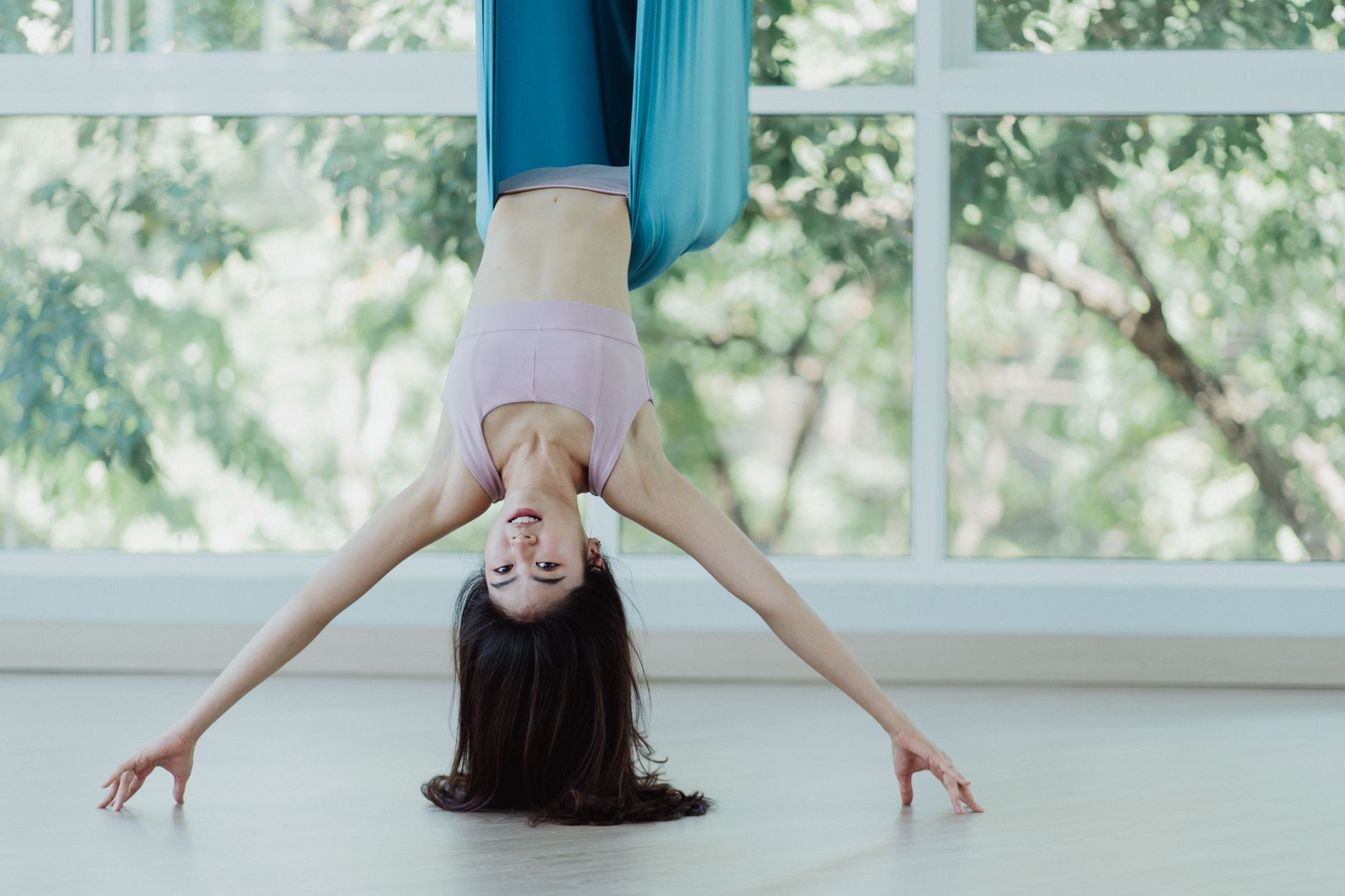
Limit aerial silks during pregnancy, especially after the first trimester. Experts recommend avoiding inversions and high-impact moves to reduce fall or abdominal strain risks.
By Shubhra Mishra — a mom of two who turned her own confusion during pregnancy into BumpBites, a global mission to make food choices clear, safe, and stress-free for every expecting mother. 💛
Check whether any food is safe during pregnancy with the BumpBites Food Safety Checker.
Quick verdict: ⚠️ Talk to your doctor first. Aerial silks can be performed during pregnancy only under strict medical guidance, with limited intensity, low‑impact moves, and careful supervision.
It’s 2 a.m., the lights are dim, and you just caught a glimpse of your partner’s aerial silks routine on Instagram. Your heart races: is aerial silks safe during pregnancy? You’ve probably already tried a couple of spins or are wondering whether to keep training as your belly grows. You’re not alone—many expectant parents wonder if their favorite aerial art can stay part of their fitness routine.
In short, the answer isn’t a simple “yes” or “no.” Most obstetric guidelines, including those from the American College of Obstetricians and Gynecologists (ACOG) and the UK's National Health Service (NHS), advise caution. The biggest concerns are falls, sudden changes in blood pressure, and abdominal pressure. If you have a green light from your provider, you can modify your practice, limit sessions, and choose low‑impact moves.
Below we break down the current medical consensus, trimester‑specific considerations, how often you might safely practice, equipment brand tips, potential risks, and safer alternatives. By the end you’ll have a clear roadmap for deciding whether to keep flying or to transition to a gentler prenatal workout.
Tip: Keep the space clear of obstacles and use a mat underneath to cushion any unexpected falls.
Trimester / Breastfeeding
Verdict
Notes
First trimester
⚠️ Talk to your doctor
High‑risk period for organ formation; avoid inversions and high‑impact drops.
Second trimester
⚠️ Talk to your doctor
If cleared, limit to low‑impact moves, keep sessions ≤30 min, and always have a spotter.
Third trimester
❌ Best avoided
Balance shifts, reduced core stability, and increased fall risk make aerial silks unsafe.
Breastfeeding
⚠️ Talk to your doctor
Post‑partum recovery varies; gentle, supervised practice may be okay after 6 weeks.
What are aerial silks?
Aerial silks, also called tissue or fabric, are long strands of polyester‑blend material that hang from a sturdy ceiling anchor. Performers climb, wrap, and create fluid “drops,” “spins,” and “inversions” using only their body weight. The art blends strength, flexibility, and grace, and it’s popular in circus schools, fitness studios, and home gyms. Because the fabric is non‑elastic, every move relies on the performer’s grip strength and core control.
People practice aerial silks for several reasons: to build upper‑body strength, improve body awareness, and experience a unique, low‑impact cardio workout. In a prenatal context, the activity can offer a sense of empowerment and a different way to stay active, provided the routine is adapted for a growing belly and changing center of gravity. However, the very elements that make silks thrilling—height, momentum, and the need for rapid changes in position—also introduce potential hazards for pregnant bodies.
Is aerial silks safe during pregnancy?
Current guidance from ACOG states that “high‑impact or high‑risk activities that involve a substantial chance of falling should be avoided during pregnancy.” The NHS echoes this, noting that “any activity with a risk of abdominal compression or sudden blood pressure changes may pose a danger to both mother and baby.” Because aerial silks involve climbing, hanging upside‑down, and sometimes rapid drops, they fall into the high‑risk category for most pregnant people.
That said, the same authorities also recognize that “modified, low‑impact exercise can be beneficial.” If a pregnant performer receives clearance from her obstetric provider, she can continue with strict modifications: no inversions, no drops that generate momentum, and always a qualified spotter present. The FDA does not regulate aerial silks as a medical device, so safety rests on studio standards and personal health assessment rather than product approval.
Research specific to aerial silks in pregnancy is limited, but studies on similar high‑impact activities (e.g., gymnastics, trampoline) consistently show higher rates of miscarriage and preterm labor when performed without modification. Therefore, the safest approach is to treat aerial silks as a conditional activity—acceptable only when cleared, supervised, and heavily modified.
When practicing, always test the fabric’s grip and ensure the anchor point can support at least 500 lb.
Is aerial silks safe during the first trimester of pregnancy?
The first trimester is the period of organogenesis, when the fetus’s major organs are forming. During this window, the body experiences rapid hormonal changes that affect ligaments and balance. ACOG advises pregnant people to avoid activities that increase the risk of abdominal trauma or falls. Inversions and drops typical of aerial silks can place the uterus in a position of compression and may cause a sudden spike in intra‑abdominal pressure, which could theoretically affect placental blood flow.
For most expectant mothers, the safest recommendation is to pause aerial silks entirely during the first trimester. If you’re already training, switch to low‑impact, ground‑based alternatives (like prenatal yoga or swimming) until you’ve passed the 12‑week mark and your provider confirms it’s safe to resume modified work.
Can I continue aerial silks training in my second trimester?
The second trimester often feels like a “golden period” for exercise because many women experience a surge of energy and the risk of miscarriage declines. However, balance shifts and a loosening of the pelvic ligaments (due to relaxin) still make falls more dangerous. If your obstetrician gives you clearance, you may continue aerial silks with the following safeguards:
Eliminate all inversions and any movement that puts the belly above the heart.
Limit each session to 20–30 minutes, focusing on static holds and gentle climbs.
Always have a certified spotter and use a crash mat beneath the silk.
Stay hydrated and avoid overheating—listen to your body’s signals.
Even with these modifications, many clinicians still advise switching to lower‑risk activities, especially if you have a history of pre‑eclampsia or other complications.
What are the risks of aerial silks for pregnant women?
The primary risks stem from:
Falls: A fall from height can cause abdominal trauma, placental abruption, or bone fractures.
Increased intra‑abdominal pressure: Certain moves (drops, sudden releases) can compress the uterus, potentially reducing blood flow to the fetus.
Sudden blood pressure changes: Inversions can cause a rapid shift in blood pressure, leading to dizziness or fainting.
Joint instability: Hormonal loosening of ligaments makes the shoulder and hip joints more vulnerable to sprains during gripping and swinging.
Most of these risks are mitigated by avoiding high‑impact drops, ensuring proper spotting, and keeping the belly low on the fabric. If you experience any of the red‑flag symptoms listed later (e.g., vaginal bleeding, severe abdominal pain, or sudden swelling), seek medical attention immediately.
How many aerial silks sessions per week are safe during pregnancy?
When cleared by a provider, most experts suggest no more than two to three low‑impact sessions per week, each lasting no longer than 30 minutes. This frequency aligns with general prenatal exercise recommendations from the CDC, which advise at least 150 minutes of moderate‑intensity activity weekly but caution against excessive strain on any single muscle group.
Spacing sessions with at least one rest day between them allows your body to recover, reduces fatigue, and helps maintain stable blood pressure. If you notice increased soreness, dizziness, or a feeling of “heaviness” in the abdomen, cut back or pause your practice until you’ve consulted your obstetrician.
Are there safer alternative aerial arts for pregnant women?
Yes. Several aerial disciplines involve less height and fewer inversion moves, making them gentler on a pregnant body:
**Aerial hoop** – Often performed at lower heights with more static poses; still requires spotting.
**Aerial hammock** – Allows reclining positions that keep the belly supported without compression.
**Aerial straps** – Focuses on upper‑body strength without requiring full-body drops.
Even with these alternatives, you should still obtain medical clearance and use a crash mat and spotters. The safest route, however, is to transition to non‑aerial prenatal workouts such as swimming or prenatal yoga (see the “Safer alternatives” section).
Do specific aerial silks brands affect safety for pregnant performers?
While the fabric itself isn’t a medical device, quality does matter. High‑grade, fire‑retardant silks from reputable manufacturers (e.g., *Aerial Essentials*, *Silk Circus*, *Megan’s Aerials*) typically have a higher tensile strength and are less likely to fray under repeated use. Lower‑quality fabrics may break unexpectedly, increasing fall risk.
When pregnant, choose silks that meet the following criteria:
Minimum breaking strength of 500 lb (≈227 kg).
Certified fire‑retardant treatment (look for NFPA‑701 compliance).
Smooth, non‑abrasive texture to reduce skin irritation.
Even the best brand does not eliminate the inherent risks of height and inversion, so brand selection is a secondary safety factor.
What pregnancy conditions make aerial silks unsafe?
Several obstetric conditions heighten the danger of aerial silks:
**Placenta previa** – The placenta covers the cervix, making any abdominal pressure risky.
**Pre‑eclampsia or hypertension** – Sudden blood pressure changes from inversions can trigger complications.
**Multiple gestation (twins, triplets)** – Larger uterine size reduces balance and increases fall risk.
**History of preterm labor** – High‑impact activity may stimulate uterine contractions.
**Joint hypermobility or severe back pain** – The added strain on ligaments can exacerbate injuries.
If you have any of these diagnoses, most clinicians will advise stopping aerial silks entirely and opting for low‑impact prenatal exercise.
Can aerial silks be modified for a safe pregnancy workout?
Yes, with careful planning. Here are common modifications:
Lower the anchor point: Set the silks at waist height to avoid any risk of falling from a great height.
Eliminate inversions: Keep the belly facing upward at all times.
Use a supportive mat: Place a thick crash mat (minimum 4 inches) beneath the work area.
Increase spotting: Have a certified instructor or partner maintain a hand on your hips or waist throughout the session.
Focus on static holds: Practice climbs and gentle holds that strengthen the upper body without rapid movement.
Even with these changes, listen to your body. If you feel light‑headed, experience any abdominal cramping, or notice swelling in your feet, stop immediately and contact your provider.
Safe dosage / amount / brands
Because aerial silks are an activity rather than a medication, “dosage” refers to session length, frequency, and intensity. Below is a practical guide for pregnant performers who have received medical clearance:
Parameter
Recommended limit
Notes
Session length
≤30 minutes
Keep heart rate moderate (≈50‑70 % of max) and avoid overheating.
Frequency
2–3 times per week
Include at least one rest day between sessions.
Intensity
Low impact only
No drops, spins that generate momentum, or inversions.
Mat thickness ≥4 inches; spotter trained in prenatal spotting.
Always inspect your silks before each session for fraying or wear. Replace any compromised fabric immediately.
Side effects and risks
While “side effects” isn’t a typical term for a fitness activity, there are real physiological responses to be aware of:
Dizziness or light‑headedness: Can result from sudden changes in blood pressure, especially if you briefly go upside‑down (even without a full inversion).
Abdominal cramping: May signal uterine irritation; stop immediately and monitor.
Joint soreness: Overuse of shoulders or elbows can exacerbate pregnancy‑related ligament laxity.
Fatigue: Pregnancy already increases metabolic demand; excessive exertion can lead to dehydration.
Red‑flag symptoms that require immediate medical attention include vaginal bleeding, severe abdominal pain, sudden swelling of hands or face, chest pain, or shortness of breath. If any of these occur during or after a session, call your provider or go to the nearest emergency department.
Safer alternatives
**Prenatal yoga** – Gentle stretching and breath work that support pelvic stability without height.
**Swimming** – Buoyancy reduces joint strain and provides a full‑body cardio workout.
**Stationary cycling** – Low‑impact leg strengthening with adjustable resistance.
**Walking** – Simple, weight‑bearing activity that promotes circulation.
**Pregnancy Pilates** – Core‑focused exercises that strengthen the deep abdominal muscles safely.
**Low‑impact dance classes** – Keeps you moving to music without jumps or risky lifts.
**Resistance band training** – Allows strength work while staying grounded.
**Aqua aerobics** – Combines cardio with water resistance, minimizing fall risk.
Related items — safety at a glance
Item
Verdict
One‑line note
Aerial hoop
⚠️ Talk to your doctor
Lower height but still involves inversions; modify with spotters.
Aerial hammock
⚠️ Talk to your doctor
Provides supportive recline; safer if no drops.
Pole dancing
⚠️ Talk to your doctor
High upper‑body load; avoid spins that stress the abdomen.
Acro yoga
⚠️ Talk to your doctor
Partner‑based inversions; safe only with extensive modification.
Trapeze
❌ Best avoided
Often performed at height with swinging momentum.
Silk trapeze
❌ Best avoided
Combines height and drops; high fall risk.
Aerial straps
⚠️ Talk to your doctor
Static strength work; avoid any suspension that compresses the belly.
Myth vs. fact
Myth: “If I’ve been doing aerial silks for years, it’s automatically safe during pregnancy.”
Fact: Even experienced performers face new physiological changes in pregnancy that alter balance, joint stability, and cardiovascular response. Medical clearance is still required.
Myth: “A short, gentle spin won’t affect the baby.”
Fact: Any movement that places the uterus above the heart or creates sudden pressure changes can affect placental blood flow, regardless of duration.
Myth: “I can keep the same training schedule as before I got pregnant.”
Fact: The CDC recommends moderating intensity and allowing extra rest days; pregnant bodies need more recovery time.
Key takeaways
Consult your obstetric provider before any aerial silks activity.
If cleared, limit sessions to 20‑30 minutes, 2–3 times per week, and avoid all inversions and drops.
Use high‑quality, fire‑retardant silks with a ≥500 lb breaking strength and always have a crash mat and spotter.
Watch for red‑flag symptoms such as bleeding, severe cramping, or dizziness, and seek care immediately.
Consider safer prenatal alternatives like swimming, prenatal yoga, or low‑impact dance to stay active.
Frequently asked questions
Can pregnant women do aerial silks?
Yes, but only with explicit medical clearance, low‑impact modifications, and strict safety measures such as spotters and crash mats.
What are the dangers of aerial silks during pregnancy?
The main dangers are falls, increased intra‑abdominal pressure, sudden blood pressure shifts, and joint instability, all of which can jeopardize both mother and baby.
Is it okay to start aerial silks while pregnant?
Starting a new aerial silks routine during pregnancy is generally not recommended; beginners should choose low‑impact, ground‑based exercises instead.
How many times a week can I practice aerial silks when pregnant?
Most experts suggest no more than two to three short (≤30 minute) sessions per week, with at least one rest day between practices.
Should I avoid aerial silks in the third trimester?
Yes. The third trimester brings significant balance changes and a higher risk of falls, so aerial silks are best avoided during this stage.
What modifications can make aerial silks safer during pregnancy?
Lower the anchor point, eliminate inversions, use a thick crash mat, increase spotting, and focus on static climbs and gentle holds.
When to call your doctor
If you experience any of the following after or during a session, contact your obstetric provider right away:
Vaginal bleeding or spotting.
Severe abdominal or pelvic pain.
Sudden swelling in the hands, face, or legs.
Persistent dizziness, faintness, or shortness of breath.
Chest pain or rapid heartbeat that doesn’t resolve with rest.
These symptoms could indicate complications such as pre‑eclampsia, placental abruption, or premature labor. Remember, this article provides general information and is not a substitute for personalized medical advice.
References
American College of Obstetricians and Gynecologists. “Physical Activity and Exercise During Pregnancy and the Postpartum Period.” ACOG Committee Opinion No. 804, 2020.
National Health Service (UK). “Exercise in pregnancy.” NHS website, updated 2023.
Centers for Disease Control and Prevention. “Pregnancy and Physical Activity.” CDC, 2022.
U.S. Food and Drug Administration. “Consumer Product Safety: Aerial Silks.” FDA Guidance, 2021.
World Health Organization. “Recommendations on Antenatal Care for a Positive Pregnancy Experience.” WHO, 2022.
National Institute for Health and Care Excellence (NICE). “Antenatal care for uncomplicated pregnancies.” NICE guideline NG62, 2021.
American Pregnancy Association. “Safe Exercise During Pregnancy.” APA, 2023.
Not sure about the label on Is Aerial Silks Safe During Pregnancy products?
Snap the ingredients list and SafeFilter checks every ingredient for your stage — only 3 free scans this month, then you're locked until reset. Unlimited from $7/mo or $50/yr.
When Shubhra Mishra was expecting her first child in 2016, she was overwhelmed by conflicting food advice — one site said yes, another said never. By the time her second baby arrived in 2019, she realized millions of mothers face the same confusion.
That sparked a five-year journey through clinical nutrition papers, cultural diets, and expert conversations — all leading to BumpBites: a calm, compassionate space where science meets everyday motherhood.
Her long-term vision is to build a global community ensuring safe, supported, and free deliveriesfor every mother — because no woman should face pregnancy alone or uninformed. 🌿
🌍 Stand with mothers, shape safer guidance
Join a small circle of experts who review BumpBites articles so expecting parents everywhere can decide with confidence.