Avoid 5 Hour Energy during pregnancy. Experts warn against high caffeine (200mg+) and unregulated ingredients, especially in the first trimester. Safe alternatives exist.
By Shubhra Mishra — a mom of two who turned her own confusion during pregnancy into BumpBites, a global mission to make food choices clear, safe, and stress-free for every expecting mother. 💛
Check whether any food is safe during pregnancy with the BumpBites Food Safety Checker.
Quick verdict: ⚠️ Talk to your doctor first. 5 Hour Energy contains a high dose of caffeine and other stimulants, so it’s not automatically safe for pregnant people; limiting intake and consulting your provider is recommended.
It’s completely understandable to feel a knot in your stomach when you glance at the tiny 2‑ounce bottle of 5 Hour Energy and wonder, “is 5 hour energy safe during pregnancy?” You might have already taken a shot on a busy morning, or you could be considering it to combat the fatigue that often comes with the later stages of pregnancy. The good news is that you’re not alone—many expecting parents have the same question, and the answer isn’t a simple yes or no.
In this article we’ll break down exactly what 5 Hour Energy contains, what the leading health organizations say about caffeine and stimulants in pregnancy, how safety changes from the first trimester through breastfeeding, and how much you could theoretically consume without raising red flags. We’ll also compare it to other popular energy drinks, suggest safer alternatives, and give you a clear plan for when to call your provider. By the end, you’ll have a calm, evidence‑based answer to the question, “is 5 hour energy safe during pregnancy?”
Stage
Verdict
Notes
First trimester
⚠️ Talk to your doctor
High caffeine may affect early fetal development; limit to ≤200 mg/day total.
Second trimester
⚠️ Talk to your doctor
Maternal caffeine tolerance improves, but still stay ≤200 mg/day total.
Third trimester
⚠️ Talk to your doctor
Excess caffeine can reduce uterine blood flow; keep total caffeine ≤200 mg/day.
Breastfeeding
⚠️ Talk to your doctor
Caffeine passes into breastmilk; limit to ≤200 mg/day to avoid infant irritability.
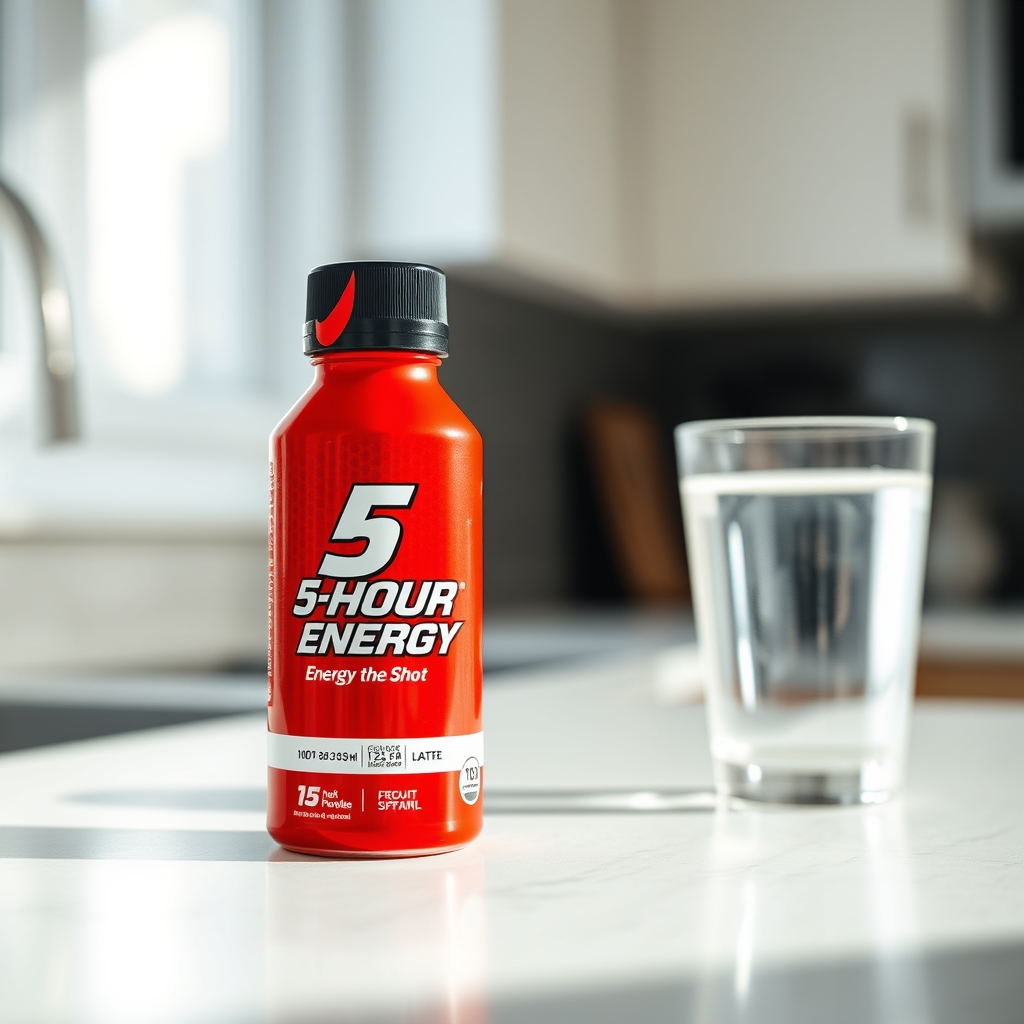
5 Hour Energy is marketed as a “shot”‑size energy beverage that delivers a quick boost without the volume of a typical soda or coffee. Each 2‑ounce bottle contains about 200 mg of caffeine—roughly the same as a strong cup of coffee—plus a blend of B‑vitamins (B6, B12, niacin), amino acids (taurine, tyrosine), and a small amount of sugar (often less than 1 gram). The formula is designed to be sugar‑free, and it’s often used by people who need a rapid increase in alertness without the calories of larger energy drinks.
Because the product is so concentrated, the caffeine content per ounce is higher than most sodas and many traditional energy drinks. The company also adds glucuronolactone and a proprietary “energy blend” that includes ingredients like caffeine‑derived “energy blend” and “energy‑boosting” compounds, although the exact composition is not fully disclosed on the label. The high caffeine dose, combined with other stimulants, is what makes safety evaluation especially important for pregnant people.
Is 5 hour energy safe during pregnancy?
Current guidance from major health authorities such as the American College of Obstetricians and Gynecologists (ACOG), the UK National Health Service (NHS), and the U.S. Food and Drug Administration (FDA) suggests that pregnant people should limit caffeine intake to no more than 200 mg per day. ACOG’s Committee Opinion on caffeine intake (2020) notes that moderate caffeine consumption (under 200 mg) is not associated with major adverse outcomes, but higher amounts may increase the risk of miscarriage or low birth weight. The NHS echoes this recommendation, stating that “pregnant women should try to keep caffeine under 200 mg a day.” The FDA classifies caffeine as “generally recognized as safe” (GRAS) for the general adult population, but it does not set a specific pregnancy limit.
Given that a single bottle of 5 Hour Energy already delivers about 200 mg of caffeine, drinking even one bottle can bring you to the upper limit of the recommended daily caffeine intake. Adding coffee, tea, chocolate, or other caffeinated products can quickly exceed this threshold. Moreover, the additional B‑vitamins and amino acids are not known to be harmful in typical dietary amounts, but the combination with high caffeine may increase heart rate, blood pressure, and feelings of jitteriness, which are not ideal during pregnancy.
In short, the evidence does not support routine consumption of 5 Hour Energy during pregnancy. If you’re already a regular consumer, the safest approach is to limit yourself to no more than one bottle per week and discuss your habits with your obstetric provider. For most pregnant people, choosing lower‑caffeine options or non‑caffeinated energy sources is a more prudent strategy.
Is 5 hour energy safe during first trimester?
The first trimester is the period of organogenesis, when the fetus’s major organs are forming. During this window, exposure to high levels of caffeine has been linked in some studies to a modestly increased risk of miscarriage. ACOG’s guidance emphasizes caution during this stage, recommending that pregnant individuals keep caffeine well under the 200 mg/day ceiling, especially if they have a history of pregnancy loss. Because a single 5 Hour Energy bottle meets the daily limit, many clinicians advise avoiding it entirely during the first trimester to eliminate any potential risk.
5 hour energy drink safe during pregnancy second trimester
In the second trimester, many pregnant people report a reduction in nausea and an increase in energy, leading some to consider a caffeine boost. However, the ACOG recommendation of ≤200 mg/day still applies. If you’re already consuming other caffeine sources, adding a 5 Hour Energy shot could push you over the limit. The NHS notes that “caffeine intake after the first trimester should still be limited,” so the safest course is to either avoid the product or limit it to a very occasional use (e.g., less than one bottle per month) while monitoring total caffeine intake.
Can you take 5 hour energy while pregnant third trimester
During the third trimester, caffeine can affect uterine blood flow and may contribute to reduced fetal growth or preterm labor if consumed in excess. The CDC’s Pregnancy Nutrition guidelines advise that high caffeine intake in late pregnancy could lead to lower birth weight. Because 5 Hour Energy provides a concentrated caffeine dose, most obstetricians recommend avoiding it in the third trimester unless a provider explicitly approves a limited amount.
How much 5 hour energy is safe during pregnancy
Given the 200 mg caffeine per bottle, the safest guideline is to treat one bottle as your entire daily caffeine budget. If you consume coffee, tea, chocolate, or other caffeinated foods, you should reduce or eliminate the 5 Hour Energy shot. Some clinicians suggest a “once‑a‑week” approach, which keeps the total weekly caffeine well below the daily threshold while still offering an occasional boost. Always calculate your total caffeine from all sources before deciding.
Are there safer alternatives to 5 hour energy for pregnant women
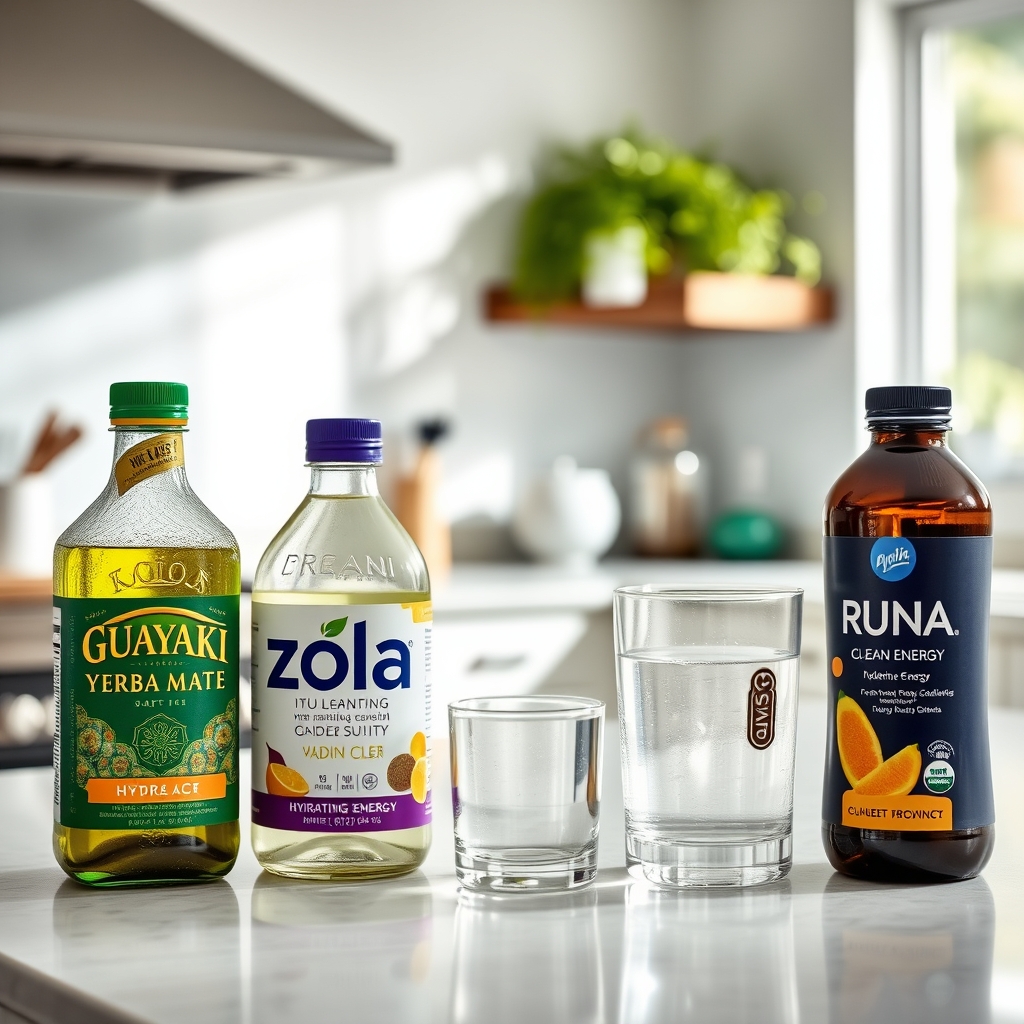
Yes. Many pregnancy‑friendly products provide a gentle energy lift without the high caffeine spike. Options include a small cup of decaf coffee with a splash of milk, a smoothie with natural fruit sugars, or one of the following certified low‑caffeine drinks:
Guayaki Yerba Mate – contains about 30 mg caffeine per 8‑oz serving, plus antioxidants.
Zola Hydrating Energy – electrolytes and 50 mg caffeine from green tea, designed for active lifestyles.
Runa Clean Energy – 70 mg caffeine from guayusa leaves, with added vitamins and no artificial sweeteners.
EBOOST – 100 mg caffeine from green tea, plus B‑vitamins and adaptogens, in a low‑sugar formula.
FRS Healthy Energy – 80 mg caffeine from natural sources, plus electrolytes and vitamin C.
Vega Sport Energy – 100 mg caffeine from coffee fruit, plus plant‑based protein and electrolytes.
Is rockstar energy safer than 5 hour energy during pregnancy
Rockstar Energy typically contains 160 mg caffeine per 16‑oz can, which is less caffeine per ounce than 5 Hour Energy but still exceeds the 200 mg daily limit if you drink more than one can. Additionally, Rockstar includes sugar, taurine, and other stimulants similar to 5 Hour Energy. Because the overall caffeine load can still push you over the recommended limit, most obstetric guidelines consider Rockstar no safer than 5 Hour Energy unless consumption is strictly limited and total caffeine is monitored.
What are the risks of taking 5 hour energy during pregnancy with high blood pressure
Pregnant individuals with hypertension should be especially cautious. Caffeine can cause a temporary rise in blood pressure, and the stimulant blend in 5 Hour Energy may exacerbate this effect. The ACOG hypertension guideline advises limiting caffeine to ≤150 mg/day for those with gestational hypertension. Since a single bottle already exceeds this threshold, clinicians generally recommend avoiding 5 Hour Energy entirely if you have high blood pressure.
Can 5 hour energy cause miscarriage during early pregnancy
While no study has definitively proven that 5 Hour Energy causes miscarriage, higher caffeine intake (≥300 mg/day) has been associated with a modestly increased risk of early pregnancy loss. Because one bottle supplies about 200 mg caffeine, using it in addition to other caffeine sources could push you into the higher‑risk range. The safest approach, especially in the first trimester, is to avoid 5 Hour Energy or limit it to an extremely occasional use after consulting your provider.
5 hour energy and pregnancy nausea relief
Some people turn to caffeine for nausea relief, as it can stimulate the digestive tract. However, the high caffeine dose in 5 Hour Energy can also worsen nausea, cause heartburn, or trigger dehydration. Gentler options—such as ginger tea, small frequent meals, or vitamin B6 supplements (under provider guidance)—are typically recommended by the NHS and ACOG for managing pregnancy‑related nausea.
Even a tiny 2‑ounce bottle packs a caffeine punch—consider your whole daily intake.
Safety by trimester
First trimester
During weeks 1‑13, the fetus is most vulnerable to teratogenic effects. Caffeine’s vasoconstrictive properties can reduce blood flow to the placenta, which some researchers link to a slightly higher miscarriage rate when intake exceeds 200 mg/day. Because a single 5 Hour Energy shot meets that limit, many obstetricians advise avoiding it entirely in the first trimester. If you’ve already taken one, stay calm—most evidence suggests occasional use is unlikely to cause harm, but discuss it with your provider at your next prenatal visit.
Second trimester
From weeks 14‑27, many pregnant people feel a surge of energy, but caffeine still counts toward the 200 mg/day ceiling. The placenta’s ability to metabolize caffeine improves, yet the ACOG recommendation remains unchanged. If you’re craving a boost, consider a low‑caffeine alternative (e.g., a half‑cup of coffee or a green‑tea‑based drink) and keep total caffeine under the daily limit.
Third trimester
In weeks 28‑40, excessive caffeine may affect fetal growth and increase the chance of preterm labor. The CDC notes that high caffeine intake late in pregnancy can be associated with lower birth weight. Because 5 Hour Energy delivers a concentrated caffeine dose, most providers recommend avoiding it in the third trimester unless a specialist explicitly clears it for you.
Breastfeeding
Caffeine passes into breastmilk, and infants metabolize it slowly. The American Academy of Pediatrics suggests limiting maternal caffeine to 200 mg/day to prevent infant irritability or sleep disturbances. A single 5 Hour Energy bottle already reaches that limit, so breastfeeding parents should generally skip the product or use it only on rare occasions after consulting a pediatrician.
Balancing caffeine intake with hydration can help you stay comfortable.
Safe dosage / amount / brands
Because the caffeine content is fixed at 200 mg per 2‑ounce bottle, the “dose” is essentially the entire product. If you decide to consume 5 Hour Energy, consider the following guidelines:
Maximum daily caffeine from all sources: 200 mg (per ACOG and NHS).
Maximum 5 Hour Energy bottles per week: 1–2, only if you have no other caffeine sources.
Preferred brands: Original (unflavored) and sugar‑free versions have the same caffeine but fewer added sugars.
Brands to avoid: Any flavored variety that adds extra sugar or herbal stimulants not listed on the label.
If you’re using prenatal vitamins or other supplements, there are no known direct interactions with the ingredients in 5 Hour Energy. However, certain prenatal medications (e.g., antihypertensives, insulin) can be affected by caffeine’s impact on blood pressure and glucose metabolism, so always check with your provider.
Side effects and risks
Common, non‑serious side effects of 5 Hour Energy include jitters, increased heart rate, insomnia, and mild gastrointestinal upset. In pregnancy, these symptoms can be more pronounced due to hormonal changes. More serious concerns include:
Elevated blood pressure: Caffeine can cause a temporary rise, which is risky for those with gestational hypertension.
Potential miscarriage risk: While not definitively proven, high caffeine (>300 mg/day) has been linked to a modestly increased early loss risk.
Fetal growth restriction: Excess caffeine late in pregnancy may reduce placental blood flow.
Breastmilk transfer: Newborns may become irritable or have trouble sleeping if maternal caffeine exceeds recommended limits.
If you experience persistent palpitations, severe headache, dizziness, or any signs of preterm labor (e.g., regular contractions, fluid leakage), seek medical attention promptly.
Safer alternatives
Guayaki Yerba Mate – low caffeine, antioxidant‑rich, and sugar‑free.
Zola Hydrating Energy – 50 mg caffeine plus electrolytes, ideal for moderate energy needs.
Runa Clean Energy – natural guayusa caffeine with added B‑vitamins, low sugar.
EBOOST – 100 mg caffeine from green tea, plus adaptogens for calm focus.
FRS Healthy Energy – balanced electrolytes and modest caffeine, no artificial colors.
Vega Sport Energy – plant‑based protein and 100 mg caffeine, supporting both energy and nutrition.
Related items — safety at a glance
Energy drink
Verdict
One‑line note
Red Bull
⚠️ Talk to your doctor
Contains ~80 mg caffeine per 8‑oz can; total daily intake must stay ≤200 mg.
Monster Energy
⚠️ Talk to your doctor
Typical 16‑oz can has 160 mg caffeine; high sugar and additional stimulants.
Rockstar Energy
⚠️ Talk to your doctor
160 mg caffeine per can; similar risk profile to 5 Hour Energy.
AMP Energy
⚠️ Talk to your doctor
≈142 mg caffeine per 16‑oz can; may exceed daily limit when combined with other sources.
NOS Energy Drink
⚠️ Talk to your doctor
≈160 mg caffeine per 16‑oz can; contains high sugar and beta‑alanine.
Full Throttle Energy
⚠️ Talk to your doctor
≈160 mg caffeine per 16‑oz can; similar considerations as other large‑size drinks.
Bang Energy
⚠️ Talk to your doctor
300 mg caffeine per 16‑oz can; exceeds recommended pregnancy limit on its own.
Myth vs. fact
Myth: “Because 5 Hour Energy is sugar‑free, it’s automatically safe for pregnancy.”
Fact: The lack of sugar does not eliminate the caffeine and stimulant concerns; the primary safety issue is the high caffeine dose.
Myth: “A single bottle won’t hurt because it’s only 2 ounces.”
Fact: Caffeine content is measured by milligrams, not volume. One bottle already hits the 200 mg daily limit recommended for pregnant people.
Myth: “Energy drinks are fine as long as you stay hydrated.”
Fact: Hydration does not mitigate caffeine’s effects on blood pressure or fetal blood flow; the stimulant itself remains a concern.
Key takeaways
One 5 Hour Energy bottle contains about 200 mg caffeine—already at the recommended pregnancy limit.
Most health authorities (ACOG, NHS, CDC) advise keeping total caffeine ≤200 mg/day during pregnancy.
If you have hypertension, a history of miscarriage, or are in the third trimester, avoid 5 Hour Energy altogether.
Safer alternatives include low‑caffeine drinks like Guayaki Yerba Mate or Zola Hydrating Energy.
Always discuss any energy‑boosting product with your obstetric provider, especially if you’re taking prenatal medications.
Frequently asked questions
can pregnant women drink energy drinks
Pregnant individuals can consume energy drinks only if total caffeine stays under 200 mg per day and they avoid added sugars and excessive stimulants; many clinicians advise limiting or avoiding them altogether.
what energy drinks are safe during pregnancy
Energy drinks with low caffeine (≤50 mg per serving) and no added stimulants—such as Guayaki Yerba Mate, Zola Hydrating Energy, or a small cup of decaf coffee—are generally considered safer, but you should still keep total caffeine ≤200 mg/day.
how much caffeine is in 5 hour energy
Each 2‑ounce bottle of 5 Hour Energy contains roughly 200 mg of caffeine, which equals about one strong cup of coffee and meets the daily caffeine limit recommended for pregnancy.
is 5 hour energy bad for pregnancy
Because it delivers a full 200 mg of caffeine in a single serving, 5 Hour Energy can push you over the advised daily caffeine limit and may increase risks such as elevated blood pressure or miscarriage, so most providers recommend limiting or avoiding it.
can 5 hour energy cause birth defects
There is no direct evidence linking 5 Hour Energy to birth defects, but high caffeine intake (>300 mg/day) has been associated with a modest increase in certain adverse outcomes, so staying within the 200 mg limit is prudent.
are energy drinks safe during breastfeeding
Breastfeeding parents should keep caffeine ≤200 mg/day; a single 5 Hour Energy bottle already reaches that amount, so occasional use is acceptable only if no other caffeine is consumed and the infant shows no irritability.
what are the side effects of 5 hour energy during pregnancy
Side effects can include jitteriness, rapid heartbeat, insomnia, and, in some cases, elevated blood pressure; more serious concerns involve potential impacts on fetal growth and miscarriage risk if caffeine exceeds recommended limits.
can you take 5 hour energy with prenatal vitamins
There are no known direct interactions between 5 Hour Energy and standard prenatal vitamins, but the caffeine and stimulant load should still be considered within the overall daily caffeine budget.
Choosing a lower‑caffeine option can keep you refreshed without crossing the caffeine limit.
When to call your doctor
If you experience any of the following after consuming 5 Hour Energy, contact your obstetric provider right away:
Persistent rapid heartbeat (over 100 bpm) or palpitations.
Severe headache or visual disturbances.
Sudden swelling of hands or face.
Signs of preterm labor: regular contractions, pelvic pressure, or fluid leakage.
New or worsening hypertension (blood pressure ≥140/90 mmHg).
Fetal movement decreases noticeably.
These symptoms may indicate that caffeine or other stimulants are affecting you or your baby. Remember, this article provides general information and is not a substitute for personalized medical advice. Always discuss your caffeine habits and any energy‑boosting products with your health care provider.
References
American College of Obstetricians and Gynecologists. Committee Opinion No. 495: "Caffeine Consumption During Pregnancy." 2020.
National Health Service (NHS). "Caffeine in pregnancy." Updated 2023.
U.S. Food and Drug Administration (FDA). "Caffeine: How much is too much?" Consumer Health Information, 2022.
Centers for Disease Control and Prevention (CDC). "Pregnancy Nutrition: Caffeine." 2021.
American Academy of Pediatrics. "Breastfeeding and caffeine." Clinical Report, 2020.
World Health Organization (WHO). Guidelines on caffeine intake for pregnant women. 2022.
Not sure about the label on Is 5 Hour Energy Safe During Pregnancy products?
Snap the ingredients list and SafeFilter checks every ingredient for your stage — only 3 free scans this month, then you're locked until reset. Unlimited from $7/mo or $50/yr.
When Shubhra Mishra was expecting her first child in 2016, she was overwhelmed by conflicting food advice — one site said yes, another said never. By the time her second baby arrived in 2019, she realized millions of mothers face the same confusion.
That sparked a five-year journey through clinical nutrition papers, cultural diets, and expert conversations — all leading to BumpBites: a calm, compassionate space where science meets everyday motherhood.
Her long-term vision is to build a global community ensuring safe, supported, and free deliveriesfor every mother — because no woman should face pregnancy alone or uninformed. 🌿
🌍 Stand with mothers, shape safer guidance
Join a small circle of experts who review BumpBites articles so expecting parents everywhere can decide with confidence.