Discover the best iron rich foods for pregnancy to prevent anemia and support fetal development. Learn safe, nutrient-packed options for a healthy diet.
By Shubhra Mishra — a mom of two who turned her own confusion during pregnancy into BumpBites, a global mission to make food choices clear, safe, and stress-free for every expecting mother. 💛
Check whether any food is safe during pregnancy with the BumpBites Food Safety Checker.
Quick take: Most pregnant people need about 27 mg of iron each day, and you can meet that goal with a mix of meat, fish, legumes, fortified cereals, and vitamin C‑rich foods. Focus on iron‑rich choices especially in the second trimester, pair them with vitamin C, and avoid coffee or calcium at meals. If you’re vegetarian or have anemia, fortified foods and strategic combos can boost your levels, but talk to your provider about supplements if diet alone isn’t enough.
It’s 2 a.m., your belly is growing, and you’ve just noticed a strange craving for salty crackers. You wonder, “Is this a sign I need more iron?” You’re not alone—many expectant parents scroll through endless lists, trying to separate myth from science while juggling cravings, appointments, and a busy life.
In this guide we’ll walk you through exactly how much iron you need, which foods are safest and most effective at each stage, how to get the most out of plant‑based sources, and what to do if you’re already feeling low. By the end you’ll have a clear, practical plan that fits into your daily routine, no matter your diet or trimester.
How much iron do I need during pregnancy per day?
According to the American College of Obstetricians and Gynecologists (ACOG) and the NHS, the recommended dietary allowance (RDA) for iron rises from 18 mg / day before pregnancy to **27 mg / day** during pregnancy. The need is highest in the second trimester because the fetus’s blood volume expands rapidly, and maternal blood volume increases by about 50 %.
In the first trimester, you can often meet the requirement with a well‑balanced diet because iron stores from before conception are still being used. By the second trimester, the demand peaks, and many clinicians advise adding iron‑rich foods or a prenatal supplement. In the third trimester, the focus shifts to maintaining those levels while preparing for delivery.
For those with anemia or limited dietary intake, the CDC notes that a prenatal iron supplement providing 30–60 mg of elemental iron is commonly recommended, but the exact dose should be personalized by your provider.
Because iron is a mineral you can’t store in large amounts, daily intake matters. Skipping a day isn’t catastrophic, but regular shortfalls can lead to depletion over weeks, especially as the placenta draws heavily on maternal iron.
Tip: Your prenatal visits will usually include a ferritin blood test around 24–28 weeks. This simple lab tells you whether your current intake is on track or if a supplement is needed, so you can adjust your diet early rather than waiting for symptoms.
Best iron‑rich foods for pregnant women in the second trimester
T
he second trimester is the perfect window to boost iron through food. Below is a quick‑reference table that lists common sources, their iron type (heme vs. non‑heme), and the amount per typical serving.
Food (serving size)
Iron (mg)
Iron type
Key nutrient combo
Cooked lean beef (3 oz)
2.1
Heme
Vitamin C (e.g., bell pepper)
Chicken thigh, roasted (3 oz)
1.3
Heme
Tomato salsa
Cooked lentils (½ cup)
3.3
Non‑heme
Orange juice drizzle
Spinach, cooked (½ cup)
3.6
Non‑heme
Vitamin C (lemon)
Fortified breakfast cereal (1 cup)
4.5
Non‑heme
Milk substitute (if calcium‑free)
Tofu, firm (½ cup)
2.4
Non‑heme
Broccoli stir‑fry
Clams, canned (3 oz)
23.8
Heme
Garlic & lemon
Cooked quinoa (1 cup)
2.8
Non‑heme
Bell pepper mix
**Animal‑based sources** (beef, chicken, pork, fish, clams) contain heme iron, which is absorbed 15‑35 % more efficiently than non‑heme iron from plants. Even a modest portion of lean red meat can provide a substantial boost.
**Plant‑based sources** such as lentils, spinach, quinoa, and fortified cereals are excellent, especially when paired with vitamin C‑rich foods. For example, a lentil soup finished with a squeeze of lime can raise iron absorption by up to 50 %.
If you’re looking for a quick snack, a handful of pumpkin seeds (≈2.5 mg iron) with a side of citrus fruit is a portable, nutrient‑dense option that fits nicely into a busy day.
Planning tip: Aim to include at least one heme source or a fortified cereal at lunch and a non‑heme source with vitamin C at dinner. This spacing helps your gut absorb the maximum amount of iron from each meal.
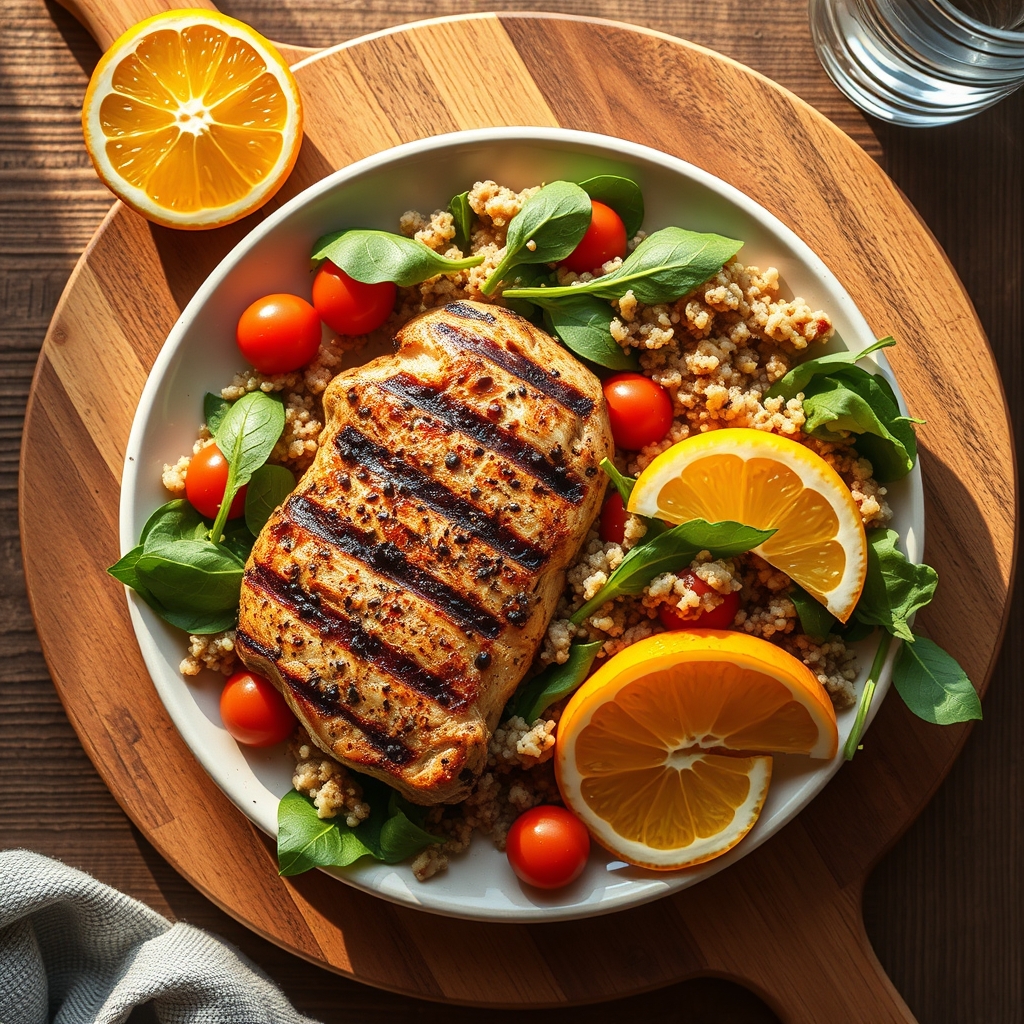
Pair heme iron from chicken with vitamin C‑rich orange wedges for optimal absorption.
Vegetarian iron sources for pregnancy
Vegetarian and vegan expectant parents often ask, “Can I get enough iron without meat?” The answer is yes, but it requires a bit more planning. Non‑heme iron from plants is less readily absorbed, so you’ll want to boost both the amount and the bioavailability.
Top vegetarian iron foods include:
Lentils and beans (3 mg / ½ cup cooked)
Tofu and tempeh (1.8‑2.4 mg / ½ cup)
Cooked spinach and Swiss chard (3‑4 mg / ½ cup)
Blackstrap molasses (4.7 mg / tablespoon)
Fortified cereals and plant milks (up to 5 mg / cup)
Whole‑grain breads, quinoa, pumpkin seeds
Pair these foods with a source of vitamin C—citrus fruits, strawberries, bell peppers, or kiwi—within the same meal. A simple example: a tofu scramble with diced red bell pepper and a side of fresh orange slices.
Cooking methods matter, too. Soaking beans overnight and discarding the soaking water reduces phytates, which are iron inhibitors. Sprouting grains and legumes also lowers phytate content, making the iron more accessible.
If you’re concerned about iron status, the NHS recommends a blood test around 28 weeks. Should levels be low, a doctor may suggest a prenatal iron supplement in addition to dietary changes.
Pro tip for vegans: Choose fortified nutritional yeast or fortified plant milks that list “iron” on the label. These products often provide the most bioavailable non‑heme iron in a single serving.
Iron‑rich foods to avoid during pregnancy
While many foods are safe and beneficial, a few iron‑rich items are best limited or avoided because of other pregnancy‑related risks:
Raw or undercooked shellfish (e.g., oysters, clams) – risk of bacterial contamination.
High‑mercury fish such as swordfish, king mackerel, and tilefish – mercury can affect fetal brain development.
Excessively processed meats (e.g., hot dogs, deli slices) – high sodium and nitrates, not ideal for overall nutrition.
Iron‑fortified supplements with added caffeine – caffeine can inhibit iron absorption.
Large amounts of calcium‑rich foods at the same meal (milk, cheese) – calcium competes with iron for absorption.
These foods aren’t “bad” per se, but timing matters. Enjoy calcium‑rich foods between meals rather than with iron‑rich meals, and keep caffeine intake under 200 mg per day (roughly one 12‑oz coffee) to protect iron uptake, as advised by the FDA.
Scheduling tip: If you love a morning cup of coffee, sip it after breakfast and wait at least an hour before eating iron‑rich foods like fortified cereal.
Iron‑deficiency symptoms in pregnancy and diet
Iron deficiency is one of the most common nutritional gaps in pregnancy, affecting up to 30 % of pregnant people worldwide (WHO). Recognizing early signs can help you intervene before anemia develops.
Typical symptoms include:
Persistent fatigue or weakness that doesn’t improve with rest
Shortness of breath during routine activities
Pale skin, especially on the inner eyelids
Headaches, dizziness, or heart palpitations
Cold hands and feet
If left unchecked, iron deficiency can increase the risk of preterm birth, low birth weight, and postpartum hemorrhage (ACOG). For the baby, it may affect brain development and iron stores for the first six months of life.
Dietary clues can also hint at low iron: frequent cravings for non‑nutrient items (pica) such as ice, dirt, or chalk have been linked to iron deficiency, though the exact mechanism remains under study.
Bottom line: Any persistent fatigue beyond normal pregnancy tiredness should be discussed with your provider, who can order a ferritin test to confirm iron status.
How to increase iron absorption from foods while pregnant
Iron absorption is a dance between enhancers and inhibitors. The simplest rule: **pair iron‑rich foods with vitamin C** and **avoid calcium, coffee, or high‑phytate foods at the same time**.
Here are practical tips you can apply today:
Vitamin C boost: Add a squeeze of lemon to sautéed kale, or enjoy a kiwi slice alongside a fortified cereal bowl.
Separate calcium: If you love a glass of milk, drink it an hour before or after your iron‑rich meal, not during.
Limit coffee/tea at meals: The polyphenols in coffee and tea bind iron. Keep them to a break between meals.
Use cast‑iron cookware: Cooking acidic foods (tomatoes, citrus) in a cast‑iron skillet can add up to 5 mg of iron per serving (research by the University of Toronto).
Soak and sprout: Reduce phytates in beans and grains by soaking 8–12 hours, then rinsing before cooking.
Combining these strategies maximizes the fraction of iron your body actually uses, which is especially important when your daily requirement is higher than usual.
Quick win: A glass of orange juice with a breakfast of fortified cereal can add roughly 6–8 mg of absorbable iron in just one sitting.
Iron‑rich snacks for pregnant cravings
Cravings are a real part of pregnancy, and they can be turned into nutrient‑dense moments. Below are snack ideas that deliver 2–5 mg of iron each, plus a dose of vitamin C or other enhancers.
Trail mix: Pumpkin seeds, dried apricots, and a few dark‑chocolate chips (≈3 mg iron).
Greek yogurt parfait: Fortified yogurt (if low‑calcium) layered with fresh strawberries and a drizzle of blackstrap molasses (≈4 mg).
Whole‑grain toast with hummus: Sprinkle with sesame seeds and squeeze lemon on top (≈2.5 mg).
Warm lentil soup: Serve in a mug with a side of orange wedges (≈4 mg).
Smoothie: Blend fortified soy milk, spinach, frozen berries, and a splash of orange juice (≈3 mg).
These snacks are quick to prepare, travel well, and can be adjusted to fit vegetarian, vegan, or omnivore preferences.
Pro tip: Keep a small container of blackstrap molasses in your pantry; a tablespoon added to oatmeal or a smoothie instantly lifts iron content.
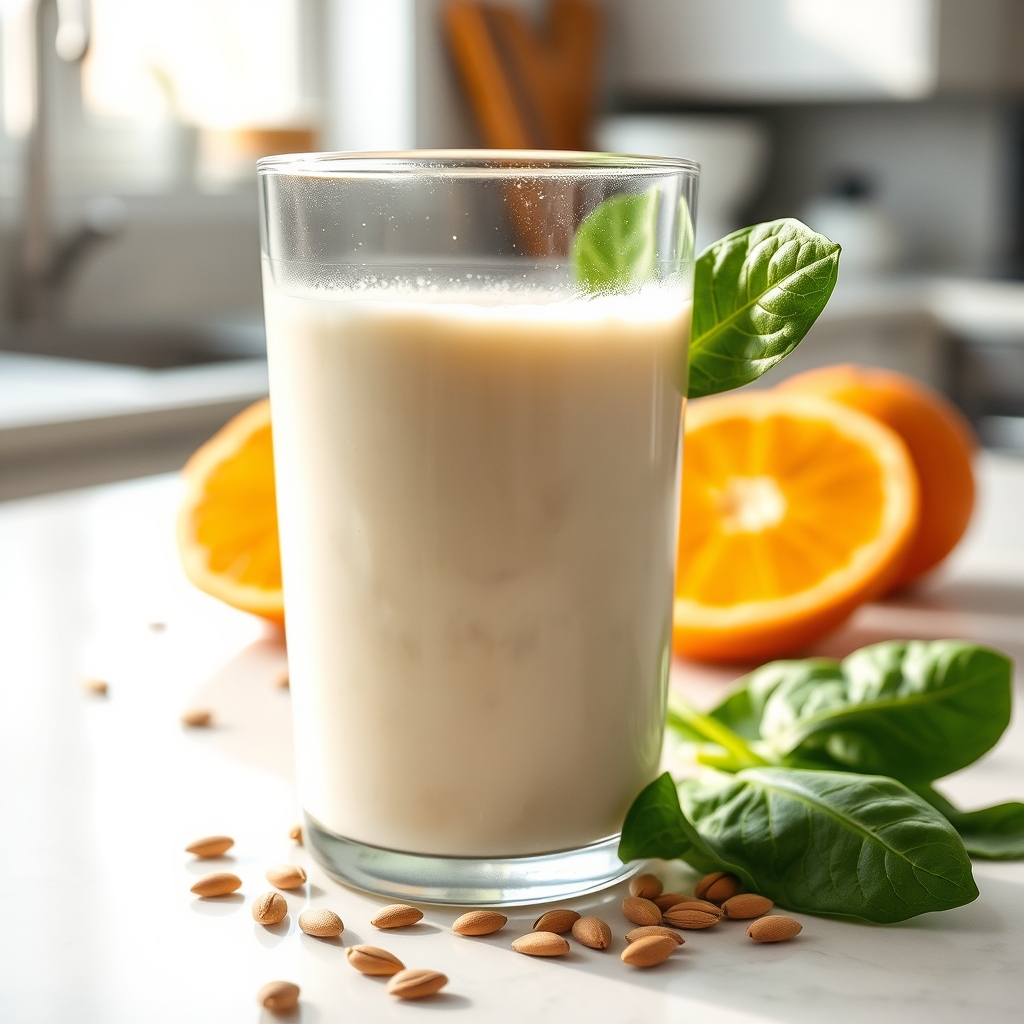
Combine fortified soy milk with vitamin C‑rich orange slices for a quick iron‑boosting snack.
Iron fortified cereals for pregnancy
Fortified breakfast cereals are a convenient way to meet iron needs, especially in the first trimester when morning nausea may limit other options. Look for cereals that provide at least 4 mg of iron per serving and are low in added sugar.
Pair the cereal with a vitamin C source—such as a glass of 100 % orange juice or a handful of fresh berries—to enhance absorption. If you’re using dairy milk, consider a calcium‑free alternative (almond, soy, or oat) during the meal to avoid the calcium‑iron competition.
Many brands also add folic acid and vitamin B12, which support overall fetal development, making fortified cereals a “one‑stop” nutritional boost.
Choosing wisely: Compare nutrition labels for iron content and added sugars; a cereal with < 10 g of sugar per serving is a healthier choice for both iron and blood‑sugar stability.
Iron supplement vs. food sources during pregnancy
While diet is the foundation, supplements are sometimes needed. The CDC notes that up to 25 % of pregnant people require supplemental iron to reach the 27 mg / day target, especially if they have confirmed anemia.
Supplements provide elemental iron in a form that is easily measured, but they can cause gastrointestinal side effects—nausea, constipation, or dark stools. Food sources, by contrast, deliver iron alongside other nutrients and are less likely to irritate the gut.
When deciding between the two, consider:
Severity of deficiency: Mild low‑iron labs may be corrected with diet alone.
Tolerance: If you experience stomach upset, a food‑first approach may be kinder.
Convenience: Prenatal vitamins offer a predictable dose and are often covered by insurance.
Always discuss dosage and timing with your provider; taking iron on an empty stomach maximizes absorption, but a small snack can mitigate discomfort.
Form matters: Ferrous sulfate is the most common and cheapest form, but ferrous gluconate or ferrous fumarate may be gentler on the stomach for some people.
Cooking tips to preserve iron in pregnancy meals
How you cook can affect iron content. Here are evidence‑based practices:
Quick blanching: Over‑cooking leafy greens can leach iron into the water. Blanch for 2‑3 minutes, then shock in ice water.
Minimal water: When boiling beans or lentils, use just enough water to cover; excess water discards soluble iron.
Acidic cooking: Add a splash of lemon juice or tomato sauce to dishes cooked in cast‑iron pans; the acid helps release iron from the cookware.
Avoid microwaving leafy greens for long periods, as it may reduce iron bioavailability.
These steps are simple, require no special equipment, and help you get the most out of each bite.
Extra tip: When making a stew, keep the lid on for the first 20 minutes to retain iron‑rich broth, then finish uncovered for flavor.
Iron‑rich foods list for pregnant women with anemia
If you’ve been diagnosed with iron‑deficiency anemia, your doctor may recommend a higher intake—often 30–60 mg of elemental iron per day. Below is a focused list of the highest‑iron foods, organized by portion size:
Clams, cooked (3 oz) – 23.8 mg
Cooked beef liver (3 oz) – 5.8 mg
Fortified cereal (1 cup) – 4.5 mg
Cooked lentils (½ cup) – 3.3 mg
Spinach, cooked (½ cup) – 3.6 mg
Tofu, firm (½ cup) – 2.4 mg
Pumpkin seeds (¼ cup) – 2.5 mg
Quinoa, cooked (1 cup) – 2.8 mg
Combine each serving with a vitamin C source—such as a squeeze of lime over lentil soup—to ensure the iron is absorbed efficiently. If you struggle to meet the target through food alone, a low‑dose iron supplement (30 mg) can fill the gap without overwhelming your stomach.
Strategic pairing: Pair liver with a side of sautéed bell peppers, or mix pumpkin seeds into a fruit‑rich oatmeal, to boost absorption while keeping the meal pleasant.
Safe iron‑rich foods in the first trimester
During the first trimester, nausea and food aversions are common, so gentle, iron‑rich options are best. Consider these low‑odor, easy‑to‑digest foods:
Warm oatmeal fortified with iron and topped with sliced strawberries.
Soft‑cooked eggs (iron in yolk) with a side of orange wedges.
Pureed lentil soup blended until smooth, seasoned with a dash of lemon.
Whole‑grain toast with smooth almond butter (contains iron) and a drizzle of honey.
All of these choices are low in heavy spices, easy on the stomach, and can be paired with vitamin C to boost absorption.
Gentle tip: If you’re feeling queasy, sip a warm ginger‑lemon tea between bites; the lemon still provides vitamin C without overwhelming your stomach.
How long does it take to raise iron levels with diet in pregnancy?
Dietary changes can begin to improve iron status within **2–4 weeks**, as the body recycles iron from old red blood cells and incorporates new intake. However, the full effect—especially for correcting anemia—may take **8–12 weeks** of consistent, iron‑rich eating, according to ACOG guidelines.
Progress is monitored through hemoglobin and ferritin blood tests. If levels rise slowly or remain low, your provider may suggest adding a supplement. Patience and regular meals are key; iron absorption is a gradual process, and steady intake beats occasional “big” meals.
Monitoring tip: Schedule a follow‑up ferritin test about a month after you start a new iron‑rich eating plan to see if you’re on track.
Iron needs in the third trimester
The third trimester brings a final surge in blood volume and fetal iron stores, so maintaining your daily 27 mg intake becomes critical. Many providers recommend continuing the same balanced mix of heme and non‑heme sources, while paying extra attention to any lingering fatigue.
Because the baby’s iron reserves are built primarily in the last weeks, a short‑term dip in maternal iron can affect newborn iron status. If you notice increased tiredness or shortness of breath, bring it up at your 36‑week visit; a simple ferritin check can guide whether you need a modest supplement boost.
Choosing a prenatal iron supplement: what to look for
If diet alone isn’t enough, a prenatal iron supplement can fill the gap. Look for products that contain 30 mg of elemental iron (the amount most guidelines consider safe and effective) and that are labeled as “prenatal” to ensure they also include folic acid, iodine, and vitamin D.
Check the form of iron: ferrous sulfate is most common, but ferrous gluconate or ferrous bisglycinate are often gentler on the stomach. The FDA requires manufacturers to list “iron (as ferrous sulfate)” on the label. Also verify that the supplement is free from excessive added sugars or unnecessary herbal extracts.
Takeaway: Always start a new supplement with a short trial period and discuss any side effects—like constipation—with your provider, who can suggest a different formulation or a gentle stool‑softening strategy.
From our medical team: Iron needs increase dramatically during pregnancy, but most people can meet the goal with a balanced diet that includes both heme and non‑heme sources. Pair iron‑rich foods with vitamin C, avoid calcium or coffee at the same meal, and consider a prenatal supplement only if labs show deficiency. If you’re unsure about your iron status, ask your provider for a ferritin test at your 24‑week visit.
Myth vs. fact
Myth: You can get all the iron you need from a single food, like red meat.
Fact: While red meat is a powerful source, iron needs are best met through a variety of foods and vitamin C partners throughout the day.
Myth: Iron supplements are always safe and have no side effects.
Fact: Supplements can cause constipation, nausea, and dark stools; they should be taken under medical guidance, especially if you have a history of gastrointestinal issues.
Myth: Calcium and iron can be taken together without any impact.
Fact: Calcium competes with iron for absorption, so it’s advisable to space them at least an hour apart.
Key takeaways
Aim for **27 mg of iron daily** during pregnancy, especially in the second trimester.
Include both **heme (meat, fish, clams)** and **non‑heme (legumes, leafy greens, fortified cereals)** sources.
Boost non‑heme absorption with **vitamin C** (citrus, berries, bell peppers) and **avoid calcium, coffee, or high‑phytate foods** at the same meal.
For vegetarians, focus on lentils, tofu, spinach, and fortified cereals, and use soaking or sprouting to reduce inhibitors.
Watch for fatigue, pallor, and pica—early signs of iron deficiency that warrant a blood test.
If dietary changes aren’t enough, a **prenatal iron supplement** (30‑60 mg) may be recommended by your provider.
Frequently asked questions
What are the top iron‑rich foods for pregnant women?
Red meat, chicken, clams, lentils, spinach, fortified cereals, and pumpkin seeds top the list, delivering between 2 mg and 24 mg of iron per typical serving.
How much iron should a pregnant woman consume daily?
Most guidelines from ACOG and the NHS set the daily target at **27 mg of elemental iron** throughout pregnancy, rising from the pre‑pregnancy recommendation of 18 mg.
Can I get enough iron from diet alone during pregnancy?
Many people can meet the requirement with a balanced diet that mixes heme and non‑heme sources, especially when paired with vitamin C; however, up to a quarter may still need a supplement if labs show low ferritin.
Are there any iron‑rich foods to avoid while pregnant?
Raw shellfish, high‑mercury fish, heavily processed meats, and large amounts of calcium‑rich foods at the same time as iron sources should be limited or timed apart to protect absorption.
How does pregnancy affect iron absorption from foods?
Hormonal changes increase intestinal iron transport, but the growing fetus also draws heavily on maternal stores, making the net requirement higher and the need for efficient absorption more critical.
What are the signs of iron deficiency in pregnancy?
Persistent fatigue, pale skin, shortness of breath, dizziness, and cravings for non‑nutritive substances (pica) are common warning signs that should prompt a blood test.
Can I take iron supplements with my prenatal vitamin?
Yes, many prenatal vitamins already contain iron, but if your doctor prescribes an additional iron supplement, take them at different times—typically the supplement on an empty stomach and the vitamin with a meal—to maximize absorption and reduce stomach upset.
Is it safe to eat liver during pregnancy?
Beef liver is a very high‑iron food and can be safe in moderation; however, it also contains high amounts of vitamin A, which should be limited to avoid potential toxicity. The NHS advises no more than one serving (≈ 100 g) per week and to choose low‑vitamin‑A varieties when possible.
When to call your doctor
If you experience any of the following, seek medical attention promptly: severe fatigue, rapid heartbeat, shortness of breath at rest, dizziness or fainting, pale or yellowish skin, or a craving for ice, dirt, or non‑food items. This information is for educational purposes only and does not replace personalized medical advice.
References
American College of Obstetricians and Gynecologists (ACOG). “Nutrition During Pregnancy.” 2023 clinical guidance.
National Health Service (NHS). “Iron and pregnancy.” Updated 2022.
Centers for Disease Control and Prevention (CDC). “Iron and Pregnancy.” 2021.
World Health Organization (WHO). “Guidelines on iron supplementation in pregnancy.” 2020.
Mayo Clinic. “Iron deficiency anemia.” 2023.
Food and Drug Administration (FDA). “Dietary Guidelines for Americans, 2025-2030.”
Royal College of Obstetricians and Gynaecologists (RCOG). “Iron deficiency in pregnancy.” 2022.
University of Toronto Nutrition Research. “Effect of cast‑iron cookware on dietary iron.” 2019.
Not sure about the label on Iron Rich Foods For Pregnancy products?
Snap the ingredients list and SafeFilter checks every ingredient for your stage — only 3 free scans this month, then you're locked until reset. Unlimited from $7/mo or $50/yr.
When Shubhra Mishra was expecting her first child in 2016, she was overwhelmed by conflicting food advice — one site said yes, another said never. By the time her second baby arrived in 2019, she realized millions of mothers face the same confusion.
That sparked a five-year journey through clinical nutrition papers, cultural diets, and expert conversations — all leading to BumpBites: a calm, compassionate space where science meets everyday motherhood.
Her long-term vision is to build a global community ensuring safe, supported, and free deliveriesfor every mother — because no woman should face pregnancy alone or uninformed. 🌿
🌍 Stand with mothers, shape safer guidance
Join a small circle of experts who review BumpBites articles so expecting parents everywhere can decide with confidence.