Quick take: Insurance coverage for postpartum doula care is becoming more common, but it varies by plan, state, and individual circumstances. Some private insurers and many Medicaid programs now reimburse doula services, especially after a C‑section, for breastfeeding support, or for families with twins. To tap into coverage, you’ll need a clear provider code, a supportive provider, and often a prior‑authorization letter. Start by checking your plan’s benefits, then follow a step‑by‑step process to submit claims and appeal if needed.
Imagine it’s 2 a.m.; you’re exhausted, your newborn is crying, and you’re scrolling through insurance paperwork while trying to soothe a sore breast. You’ve heard about postpartum doulas—trained professionals who can help with infant care, breastfeeding, and emotional recovery—but you’re not sure if your insurance will actually pay for that support. You’re not alone. Many new parents wonder whether their health plan will cover a postpartum doula, especially when the costs can add up.
In this guide we’ll break down everything you need to know about insurance coverage for postpartum doula services in 2026. We’ll define what a postpartum doula does, explore the benefits, walk through the insurance reimbursement process, compare major insurers, and give you a checklist of steps to get coverage. We’ll also address special situations—C‑section recovery, twins, breastfeeding challenges, high‑risk pregnancies, and single‑parent families—so you can feel confident advocating for the support you deserve.
By the end of this article you’ll be able to answer questions like “Does my insurance cover postpartum doula care?” and “How do I get a claim approved?” Armed with this knowledge, you’ll be ready to talk to your provider, submit paperwork, and focus on what matters most: caring for yourself and your new baby.
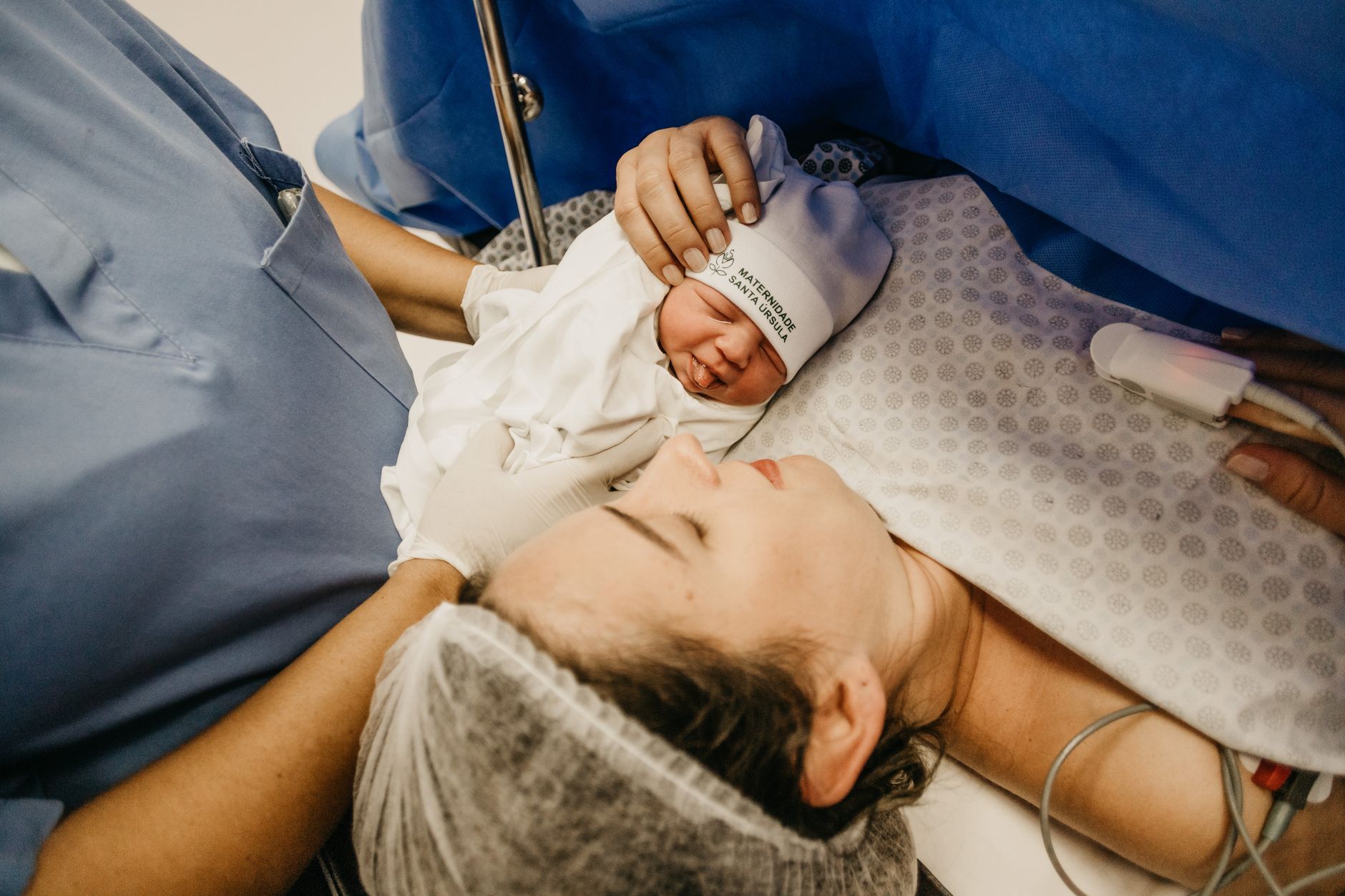
Does insurance cover postpartum doula care?
Short answer: It can, but coverage isn’t universal. In 2026, an increasing number of private insurers, Medicaid programs, and some employer‑sponsored plans have added postpartum doula services to their benefits. However, the specifics—such as the number of covered visits, eligible diagnoses, and required documentation—vary widely.
What does “insurance coverage” actually mean?
Insurance coverage refers to the portion of a doula’s fee that your health plan agrees to pay after you meet any required cost‑sharing (like co‑pays or deductibles). Some plans reimburse you after you pay out‑of‑pocket (a “reimbursement model”), while others pay the doula directly after you submit a claim (a “direct‑pay model”). Both approaches require a valid billing code, usually CPT 99500 (“postpartum care, not otherwise specified”) or a newer specific code that many insurers have adopted for doula services.
Which plans are most likely to cover a doula?
- Private health insurers such as UnitedHealthcare, Blue Cross Blue Shield, Aetna, and Cigna have begun to list doula services under “maternal health” or “post‑acute care” benefits.
- Medicaid programs in several states (including California, Illinois, and New York) now reimburse doulas as part of their maternal‑child health initiatives.
- Employer‑sponsored plans that include “whole‑person” or “family wellness” benefits often have more flexible coverage for non‑clinical services.
Even when a plan lists doula coverage, you’ll usually need a physician’s order or a referral, and there may be limits on the number of visits (often 3–6 per postpartum period).
What about out‑of‑network doulas?
If your doula isn’t in the insurer’s network, you may still be able to submit a claim for out‑of‑network reimbursement. Expect a higher co‑pay and a lower reimbursement rate, but many families find the flexibility worth it.
How to get insurance to cover postpartum doula services
Getting coverage isn’t automatic; it requires a bit of paperwork and communication. Follow these steps to improve your chances of a successful claim.
1. Verify your plan’s benefits
Log into your member portal or call the customer‑service line. Ask specifically about “postpartum doula,” “maternal support,” or “home health services” coverage. Request a written summary of any applicable benefits, including CPT codes, visit limits, and any required prior authorization.
2. Obtain a physician’s order or referral
Most insurers require a medical order that outlines the clinical need for doula support—especially for C‑section recovery, breastfeeding difficulties, or high‑risk pregnancies. Your OB‑GYN can write a simple note stating, “I recommend postpartum doula services for patient X for up to six home visits during the first six weeks after delivery.”
3. Choose a doula who can bill insurance
Ask potential doulas whether they are experienced with insurance billing. A doula who knows the correct CPT code, can provide itemized invoices, and is comfortable submitting claims will simplify the process.
4. Submit the claim with proper documentation
When the doula completes a visit, they’ll send you an invoice that includes:
- Patient’s name, date of birth, and insurance ID
- Date and duration of the visit
- Specific services provided (e.g., breastfeeding assistance, newborn soothing, postpartum education)
- The appropriate CPT code (often 99500 or 99460)
- Physician’s order reference number
File the claim through your insurer’s online portal or mail it to the address listed on your benefits summary. Keep copies of all paperwork.
5. Follow up and appeal if necessary
Insurance decisions can take 2–4 weeks. If a claim is denied, request the denial reason in writing, then appeal with additional documentation—such as a letter from your OB‑GYN emphasizing the medical necessity of doula support.
Common pitfalls to avoid
- Skipping the physician’s order—most insurers see this as a “non‑medical” service without it.
- Using the wrong CPT code—double‑check the code your insurer expects for doula services.
- Exceeding the covered number of visits without prior approval—this often leads to claim denials.
What insurance companies cover postpartum doula support?
Below is a snapshot of the most common private insurers that have publicly stated coverage for postpartum doula services in 2026. This table highlights each company’s typical policy features, any known limitations, and the best way to request coverage.
Note that coverage can differ by state, plan tier, and whether the doula is considered a “home health” provider. Always confirm with your insurer before hiring a doula.
Postpartum doula insurance reimbursement process
Understanding the reimbursement workflow helps you avoid surprise bills and ensures you get the maximum benefit from your plan.
Step 1: Pre‑authorization (if required)
Some insurers require a pre‑authorization before the first doula visit. This usually involves a short form completed by your OB‑GYN that outlines the medical reason for doula support. Submit the form through the insurer’s portal or fax it to the number listed on your benefits guide.
Step 2: Service delivery and documentation
During each home visit, the doula should record:
- Date and start/end times
- Type of support (e.g., lactation assistance, newborn soothing, postpartum education)
- Any clinical observations (e.g., mother’s incision healing, infant weight gain)
These details become part of the claim invoice.
Step 3: Claim submission
Claims can be submitted electronically (preferred) or by mail. Include the following attachments:
- Signed physician order
- Itemized invoice with CPT code
- Doula’s National Provider Identifier (NPI) – if they have one
Most insurers process claims within 14–30 days. Keep a spreadsheet of submission dates, amounts billed, and payment status.
Step 4: Payment receipt
If your insurer reimburses you directly, you’ll receive a check or deposit for the covered portion. If it pays the doula directly, you’ll see the payment on the doula’s statement and may be billed for any remaining balance.
Step 5: Appeal denied claims
Denials often cite “non‑covered service” or “missing documentation.” To appeal:
- Request a detailed denial letter.
- Gather supporting documents—physician note, doula’s credential proof, and any relevant clinical guidelines (e.g., ACOG’s recommendation for postpartum support).
- Submit an appeal within the insurer’s stated timeframe, typically 30 days.
Many families successfully overturn denials by emphasizing the doula’s role in preventing complications such as postpartum depression, breastfeeding failure, or readmission after C‑section.
Insurance coverage for postpartum doula services by state
State Medicaid programs are the most variable component of insurance coverage for postpartum doula. Below is a quick reference for the 12 states that currently reimburse doula services under Medicaid as of 2026.
If you live in a state without Medicaid doula coverage, check whether your private insurer has a “maternal health” rider or whether your employer offers a wellness stipend that can be used for doula services.
Medicaid coverage for postpartum doula care
Medicaid’s inclusion of doula services stems from growing evidence that professional postpartum support reduces hospital readmissions, improves breastfeeding rates, and lowers postpartum depression incidence. The Centers for Medicare & Medicaid Services (CMS) encourages states to adopt “whole‑person” maternal health benefits, and many have responded by adding doula coverage.
Eligibility criteria
- Must be enrolled in Medicaid at the time of delivery.
- Typically limited to mothers who gave birth in a hospital (not home births).
- Require a physician’s order stating a medical need for doula support.
- Some states restrict coverage to certain risk factors—e.g., preterm birth, C‑section, or documented breastfeeding difficulty.
What services are covered?
Covered services generally include:
- In‑home newborn care education (sleep safety, soothing techniques).
- Lactation support and breastfeeding troubleshooting.
- Maternal emotional support and screening for postpartum depression.
- Assistance with household tasks related to recovery (e.g., meal planning, light housekeeping).
Overnight stays are rarely covered, but some states allow a “night‑time check‑in” as a brief 30‑minute visit.
How to claim Medicaid reimbursement
Because Medicaid uses a fee‑for‑service model, the doula must submit a claim using the state’s Medicaid provider portal. The claim should include the same documentation outlined in the “reimbursement process” section above, plus the Medicaid provider number.
Tips for success
- Ask your doula to become a Medicaid provider in your state—this streamlines direct‑pay reimbursement.
- Keep a copy of the physician order on hand; Medicaid auditors often request it.
- Document any breastfeeding challenges or postpartum complications; these strengthen the medical necessity argument.
Private insurance coverage for postpartum doula support
Private insurers have been slower to adopt doula coverage, but a 2025 survey by the National Doula Association found that 38 % of large private plans now list doula services under “post‑acute home health” or “maternal wellness.” The trend is strongest among plans that emphasize value‑based care.
Plan types most likely to include doula support
- High‑deductible health plans (HDHPs) with a health‑savings account (HSA) often allow members to use pre‑tax dollars for doula services, even if the plan doesn’t list it as a covered benefit.
- Employer‑sponsored “wellness” plans—especially those offering “family leave” or “parenting benefits”—may reimburse doula services as part of a broader mental‑health stipend.
- Preferred Provider Organization (PPO) plans that have a “home health” network may include doulas as in‑network providers.
Cost comparison: doula fees with and without insurance
Exact reimbursement amounts depend on your plan’s negotiated rates and whether the doula is in‑network.
How to maximize your private insurance benefits
- Ask your insurer if doula services fall under “home health” or “maternal health” categories.
- Request a pre‑authorization if required—this can prevent denial later.
- Consider using an HSA or Flexible Spending Account (FSA) to pay for any remaining balance tax‑free.
- Check whether your employer offers a “parenting stipend” that can be applied toward doula fees.
Special situations: C‑section recovery, twins, breastfeeding, and more
Insurance companies often have specific clauses that affect coverage based on the type of birth or family composition. Below we address the most common scenarios.
Postpartum doula insurance coverage for C‑section recovery
Many insurers view C‑section recovery as a higher‑risk postpartum period and therefore are more likely to cover doula services. A physician order that cites “post‑operative wound care, pain management, and breastfeeding support after C‑section” strengthens the claim. Some plans even increase the visit limit to 6 for C‑section patients.
Insurance covered postpartum doula support for breastfeeding
Breastfeeding difficulties are a documented medical need because they can lead to early formula supplementation and increased infant infections. If your OB‑GYN notes “lactation support required,” most plans will reimburse doula visits that focus on latch correction, milk supply monitoring, and feeding plans. In states with Medicaid coverage, breastfeeding assistance is often a core component of the doula benefit.
Postpartum doula care insurance coverage for twins or multiples
Families with twins often qualify for additional visits because the workload and recovery demands are higher. Some insurers (e.g., UnitedHealthcare) automatically extend the visit limit by one for each additional infant, while Medicaid programs in New York and North Carolina explicitly include multiples in their coverage criteria.
Doula coverage for high‑risk pregnancies
High‑risk pregnancies—such as those complicated by gestational diabetes, preeclampsia, or preterm labor—may meet stricter medical necessity thresholds. A detailed obstetric note describing the elevated risk and the anticipated need for postpartum support can unlock coverage that might otherwise be denied.
Doula services insurance coverage for single mothers
Single‑parent families are not excluded from coverage. In fact, some state Medicaid programs (e.g., North Carolina) have explicit language stating that “single‑parent families are eligible for postpartum doula services.” Private insurers typically assess eligibility the same way as for any other policyholder; the key is having a physician’s order.
Postpartum doula services near me that accept insurance
When searching online, include “insurance” in your query—e.g., “postpartum doula near me that accepts insurance.” Many doulas list the insurers they work with on their websites. You can also call local doula agencies and ask, “Do you bill insurance directly, or do I need to submit a claim?” This saves you time and ensures you pick a provider familiar with the reimbursement process.
Myth vs. fact
Because doula coverage is still emerging, misinformation spreads quickly. Below are the most common misconceptions.
Myth: Insurance never covers doula services because they’re “non‑medical.”
Fact: While coverage isn’t universal, numerous private insurers and many Medicaid programs now reimburse doula care when it’s documented as medically necessary, especially for C‑section recovery, breastfeeding challenges, and high‑risk births.
Myth: Doula services are only for affluent families.
Fact: Medicaid coverage in several states makes doula support accessible to low‑income families, and many private plans include doula benefits as part of value‑based maternal health initiatives.
Myth: You can’t get insurance to pay for overnight doula support.
Fact: Overnight stays are rarely covered, but many plans do reimburse short “night‑time check‑in” visits (30 minutes) that address safety and infant soothing.
Key takeaways
- Insurance coverage for postpartum doula is expanding but varies by insurer, state, and individual plan.
- A physician’s order or referral is usually required to demonstrate medical necessity.
- Both Medicaid and many private insurers reimburse doula services for C‑section recovery, breastfeeding support, and families with twins.
- Follow a clear step‑by‑step process: verify benefits, obtain a doctor’s order, choose a billing‑savvy doula, submit claims, and appeal denials.
- Use HSAs, FSAs, or employer wellness stipends to cover any remaining out‑of‑pocket costs.
- Stay proactive: keep documentation organized, track claim dates, and follow up with your insurer regularly.
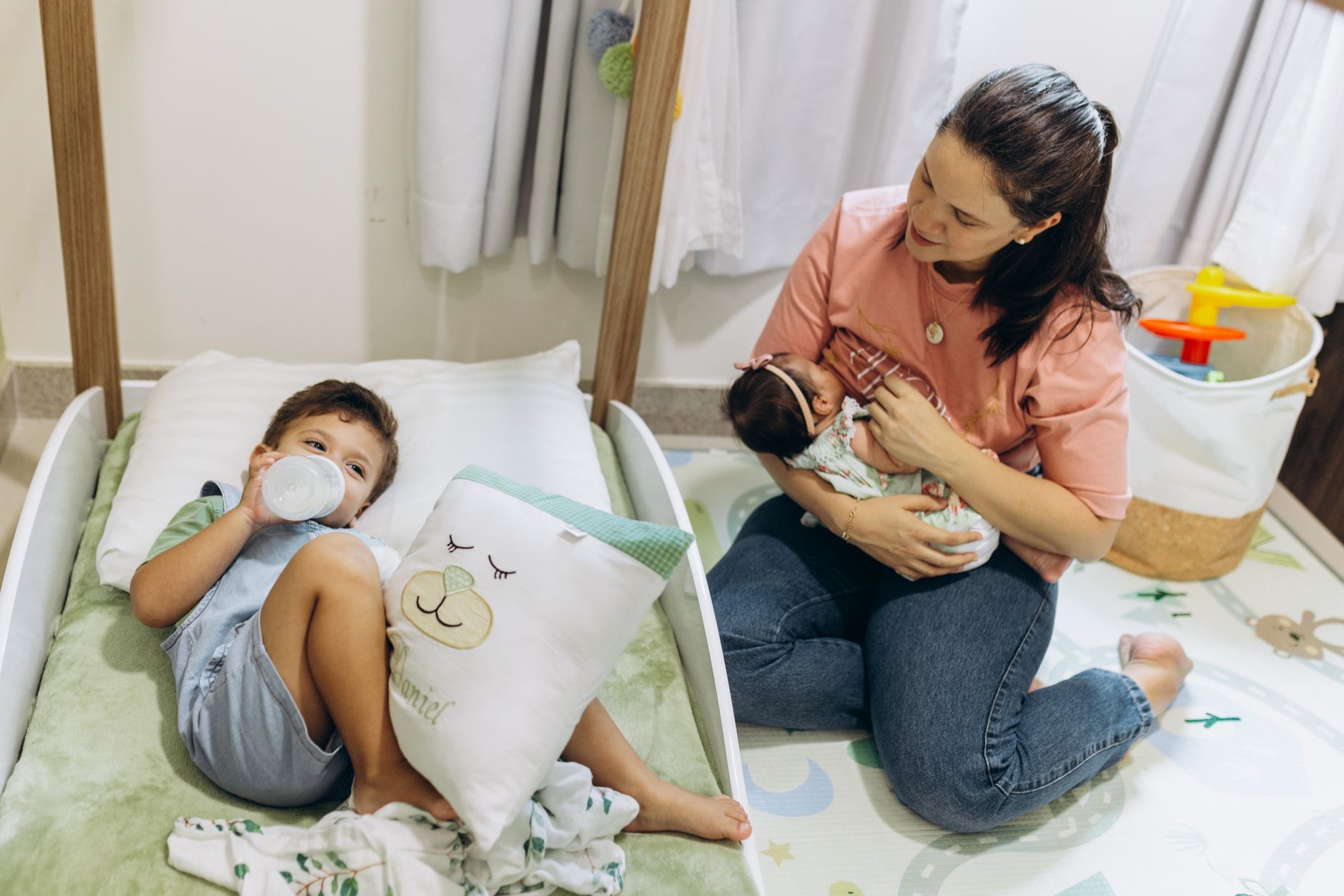
Frequently asked questions
What is a postpartum doula and what do they do?
A postpartum doula is a trained professional who provides in‑home support during the weeks after birth. They help with newborn care, breastfeeding guidance, emotional support, light household tasks, and education on postpartum recovery. While not a medical provider, they work alongside your OB‑GYN to promote a smoother transition to parenthood.
How much does a postpartum doula cost without insurance?
Private‑pay rates typically range from $250 to $350 for the initial 90‑minute visit, then $200 per weekly visit for the first six weeks. Specialized services—like lactation consulting or overnight check‑ins—can cost an additional $150–$180 per session. Prices vary by region and doula experience.
What are the benefits of having a postpartum doula?
Research from the American College of Obstetricians and Gynecologists (ACOG) links doula support to lower rates of postpartum depression, higher breastfeeding success, and reduced hospital readmissions. Doulas also provide practical help that lets parents rest, which can improve overall family wellbeing.
Can I hire a postpartum doula if I have a cesarean section?
Yes. In fact, many insurers are more likely to cover doula services after a C‑section because of the added recovery needs. A physician’s order that cites “post‑operative wound care and lactation support” is usually enough to meet the medical‑necessity requirement.
How long does a postpartum doula typically work with a family?
Most doulas offer support for the first 6 weeks after birth, which aligns with the typical postpartum check‑up. Some extend services to 12 weeks or beyond, especially for families with multiples or high‑risk pregnancies. Your plan may limit the number of covered visits, so discuss the schedule early on.
Do postpartum doulas provide overnight support?
Overnight stays are rarely covered by insurance, but many doulas offer a brief “night‑time check‑in” (usually 30 minutes) to address safety concerns and soothe the baby. This short visit is sometimes reimbursed under home‑health benefits, depending on the insurer.
Can I use my HSA or FSA to pay for a doula?
Yes. Even if your insurer doesn’t directly reimburse doula services, you can use pre‑tax dollars from an HSA or FSA to cover out‑of‑pocket costs, as doula care is considered a qualified medical expense under IRS rules.
When to see a doctor or specialist
Postpartum doula care complements, not replaces, medical care. Contact your OB‑GYN or midwife if you notice any of the following red‑flag symptoms:
- Severe abdominal pain, heavy bleeding (soaking a pad every hour), or foul‑smelling discharge.
- Fever ≥ 100.4°F (38°C) that persists for more than 24 hours.
- Signs of postpartum depression that worsen or include thoughts of self‑harm.
- Breast infection (red, hot, painful breast with fever) or sudden inability to breastfeed.
- Persistent swelling, redness, or drainage from a C‑section incision.
In these cases, reach out to your OB‑GYN, a perinatal psychiatrist, or a lactation consultant as appropriate. A doula can help you navigate appointments, but medical emergencies always require a clinician’s evaluation.
References
- American College of Obstetricians and Gynecologists (ACOG). “Postpartum Care.” 2025 clinical guidance.
- National Doula Association. “Doula Services and Insurance Landscape Report.” 2025.
- Centers for Medicare & Medicaid Services (CMS). “Maternal Health Benefits and Home Health Services.” Updated 2026.
- UnitedHealthcare Provider Manual. “Home Health and Maternal Wellness Benefits.” 2026.
- Blue Cross Blue Shield. “Member Benefits Guide – Postpartum Care.” 2026.
- American Academy of Pediatrics (AAP). “Breastfeeding Support and Maternal Health.” 2024.
- National Institutes of Health (NIH). “Postpartum Depression: Risk Factors and Interventions.” 2025.
- U.S. Department of Health & Human Services. “Medicaid State Plans – Doula Services.” 2026.
- Harvard T.H. Chan School of Public Health. “Economic Benefits of Doula Support.” 2025.



