

Quick take: An insulin resistance diet for pregnancy focuses on low-glycemic foods, healthy fats, and lean proteins to stabilize blood sugar and reduce gestational diabetes risk. Start with simple swaps—think avocados instead of white bread, berries instead of sugary cereal—and gradually build meals with whole foods. If you're managing PCOS or morning sickness, prioritize easy-to-digest options like smoothies, nuts, and roasted veggies. Always check with your provider before making major dietary changes, especially during pregnancy.
You’re scrolling through pregnancy nutrition advice at 2 AM, heart racing, because your blood sugar’s been acting up—and now you’re wondering if your diet is part of the problem. You’re not alone. Many women discover insulin resistance during pregnancy, and the fear of gestational diabetes can turn even the simplest meal into a minefield. But here’s the good news: food can be your first line of defense. You don’t need to overhaul your life overnight—just make a few smart, sustainable swaps. This guide will walk you through the exact foods to prioritize, how to adapt the diet for each trimester, and how to navigate cravings without derailing your progress. Let’s get started.
Insulin resistance during pregnancy means your body struggles to use insulin effectively, leading to higher blood sugar levels. While it’s common—affecting up to 18% of pregnancies—it’s also manageable with diet and lifestyle tweaks. The goal isn’t deprivation; it’s about nourishing your body in a way that keeps your blood sugar steady and supports both you and your baby’s health. Think of it as a toolkit for pregnancy, not a restriction.
If you’ve been Googling “insulin resistance diet food list for beginners” at 3 AM, you’re likely already feeling overwhelmed. But take a deep breath: this isn’t about perfection. It’s about progress. Small changes—like swapping white rice for quinoa or choosing Greek yogurt over ice cream—can make a big difference. And if you’re managing PCOS, gestational diabetes, or just morning sickness, we’ll cover how to adapt this diet to fit your unique needs.
By the end of this article, you’ll have a clear roadmap for an insulin resistance-friendly meal plan, a grocery list tailored to beginners, and tips to make the transition smooth—even in your first trimester. Let’s dive in.
---What is insulin resistance during pregnancy, and why does it matter?
Why does this happen? Hormonal changes during pregnancy—like increased levels of progesterone and cortisol—can make your cells less responsive to insulin. Genetics and lifestyle factors (like a diet high in processed foods) can also play a role. The good news? Insulin resistance is often reversible with diet and exercise, and managing it can reduce your risk of gestational diabetes by up to 60%. It also sets a healthier foundation for your postpartum recovery and long-term metabolic health.
If you’re wondering “Is this normal for my age or stage of pregnancy?”, the short answer is: it’s more common than you think. Many women experience mild insulin resistance in the second trimester, but it can start as early as the first trimester—especially if you have a history of PCOS or prediabetes. The key is to act early. Small dietary changes now can prevent bigger issues later.
Signs of insulin resistance in pregnancy might include:
- Increased thirst or frequent urination
- Fatigue, even after resting
- Blurred vision or headaches
- Cravings for sweet or starchy foods
- Unexplained weight gain, particularly around the abdomen
- Slow wound healing or frequent infections
If you’re experiencing these symptoms, it’s worth discussing them with your provider. They may recommend a glucose tolerance test to check your levels. In the meantime, focusing on an insulin-resistant diet can help stabilize your blood sugar and reduce symptoms.
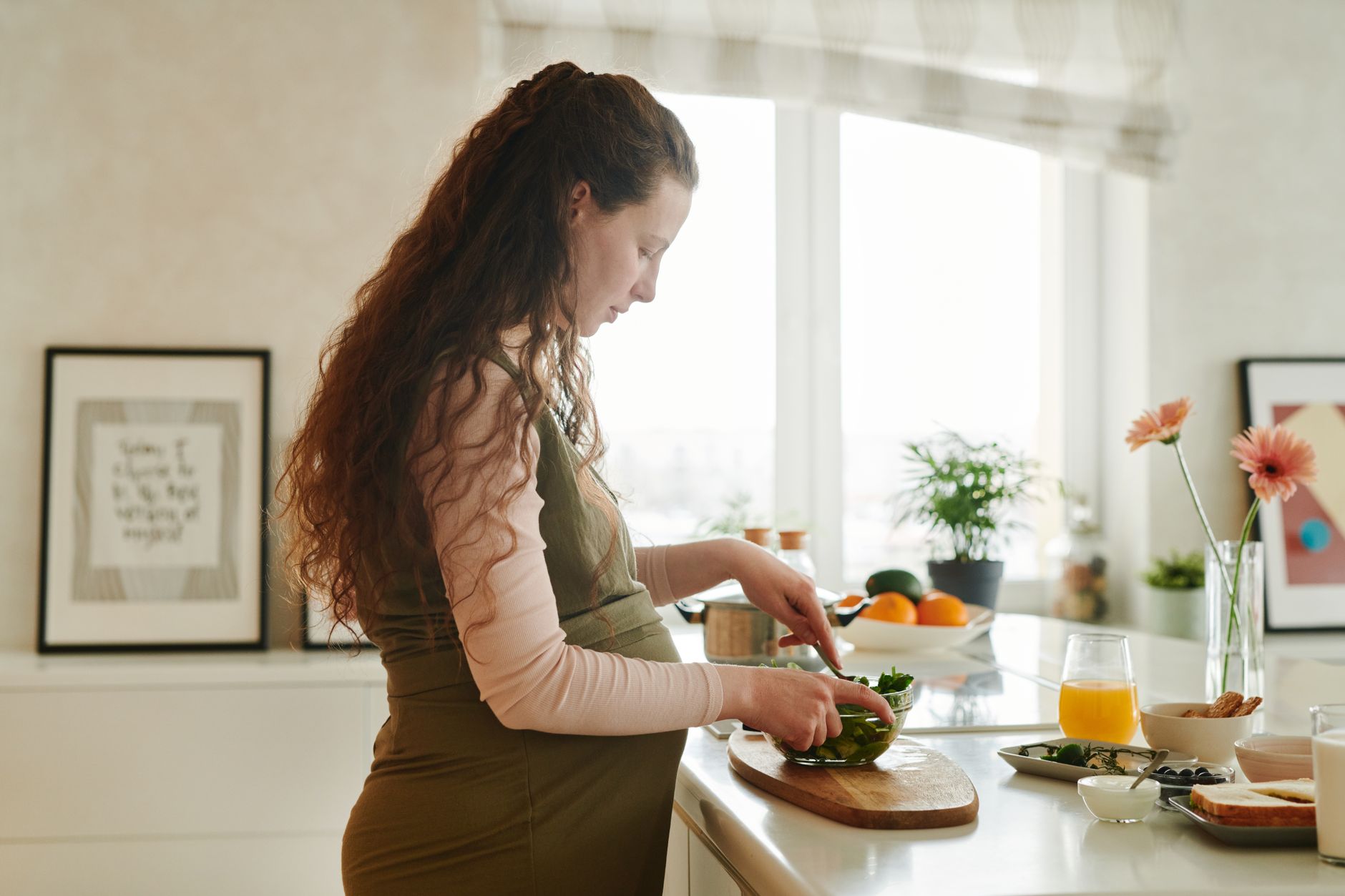
What are the best foods to eat to lower insulin resistance during pregnancy?
You don’t need to eliminate entire food groups—just prioritize the right ones. The insulin resistance diet food list for beginners focuses on three pillars: low-glycemic carbs, healthy fats, and lean proteins. These combinations help slow digestion, prevent blood sugar spikes, and keep you full longer. Think of it as a nutrient-dense reset for your body.
Here’s what to load your plate with:
Low-glycemic carbs (the good kind)
These carbs digest slowly, keeping your blood sugar steady. Aim for:
- Non-starchy vegetables: Spinach, broccoli, zucchini, bell peppers, and Brussels sprouts
- Berries: Blueberries, raspberries, and blackberries (avoid sugary fruits like mango or pineapple)
- Whole grains: Quinoa, brown rice, farro, and oatmeal (steel-cut or rolled)
- Legumes: Lentils, chickpeas, and black beans (in moderation)
Healthy fats (the fuel kind)
Fats slow digestion and help your body absorb fat-soluble vitamins. Include:
- Avocados
- Nuts and seeds: Almonds, walnuts, chia seeds, and flaxseeds
- Olive oil and coconut oil (for cooking)
- Fatty fish: Salmon, mackerel, and sardines (rich in omega-3s)
Lean proteins (the satiety kind)
Protein helps stabilize blood sugar and supports your baby’s growth. Opt for:
- Grass-fed or pasture-raised meats
- Poultry: Chicken, turkey, and duck
- Eggs (especially the yolks, which are nutrient-dense)
- Plant-based proteins: Tofu, tempeh, and edamame
Pro tip: Pair carbs with protein or fat to create a balanced blood sugar combo. For example, a slice of whole-grain toast with avocado and smoked salmon is better than toast alone. This prevents spikes and keeps you energized.
If you’re wondering “Can I still eat carbs if I follow an insulin resistance diet while pregnant?”, the answer is yes—but choose wisely. The goal isn’t to cut carbs; it’s to choose the right ones. Even if you have PCOS or gestational diabetes, small portions of low-glycemic carbs can fit into your diet.
---How to create a simple insulin resistance meal plan for beginners with no cooking experience
You don’t need to be a gourmet chef to eat well during pregnancy. The key is prep ahead and keep it simple. Here’s how to build a meal plan that works for beginners—even if you’re swiping through food delivery apps at 11 PM.
Step 1: Start with the basics
Stock your fridge and pantry with these insulin resistance diet grocery list for beginners staples:
- Leafy greens (spinach, kale, arugula)
- Non-starchy veggies (zucchini, bell peppers, carrots)
- Berries (frozen works too!)
- Eggs and canned salmon
- Nuts and seeds (pre-portioned for convenience)
- Whole grains (quinoa, brown rice, oats)
- Healthy fats (avocados, olive oil, nut butters)
Step 2: Build meals in layers
Use the plate method to balance your meals:
- ½ plate: Non-starchy veggies (roasted, steamed, or raw)
- ¼ plate: Lean protein (grilled chicken, baked fish, or tofu)
- ¼ plate: Low-glycemic carbs (quinoa, sweet potato, or a small handful of berries)
Step 3: Prep for the week
Spend 1–2 hours on Sunday doing these time-saving swaps:
- Roast a big batch of veggies (chopped zucchini, bell peppers, and broccoli)
- Cook a big pot of quinoa or brown rice
- Hard-boil eggs or bake chicken breasts in advance
- Portion out nuts and seeds for snacks
Step 4: Keep it flexible
If you’re dealing with morning sickness or food aversions, focus on easy-to-digest foods like:
- Smoothies (spinach, banana, almond milk, and protein powder)
- Avocado toast on whole-grain bread
- Greek yogurt with a sprinkle of nuts
- Cottage cheese with cucumber slices
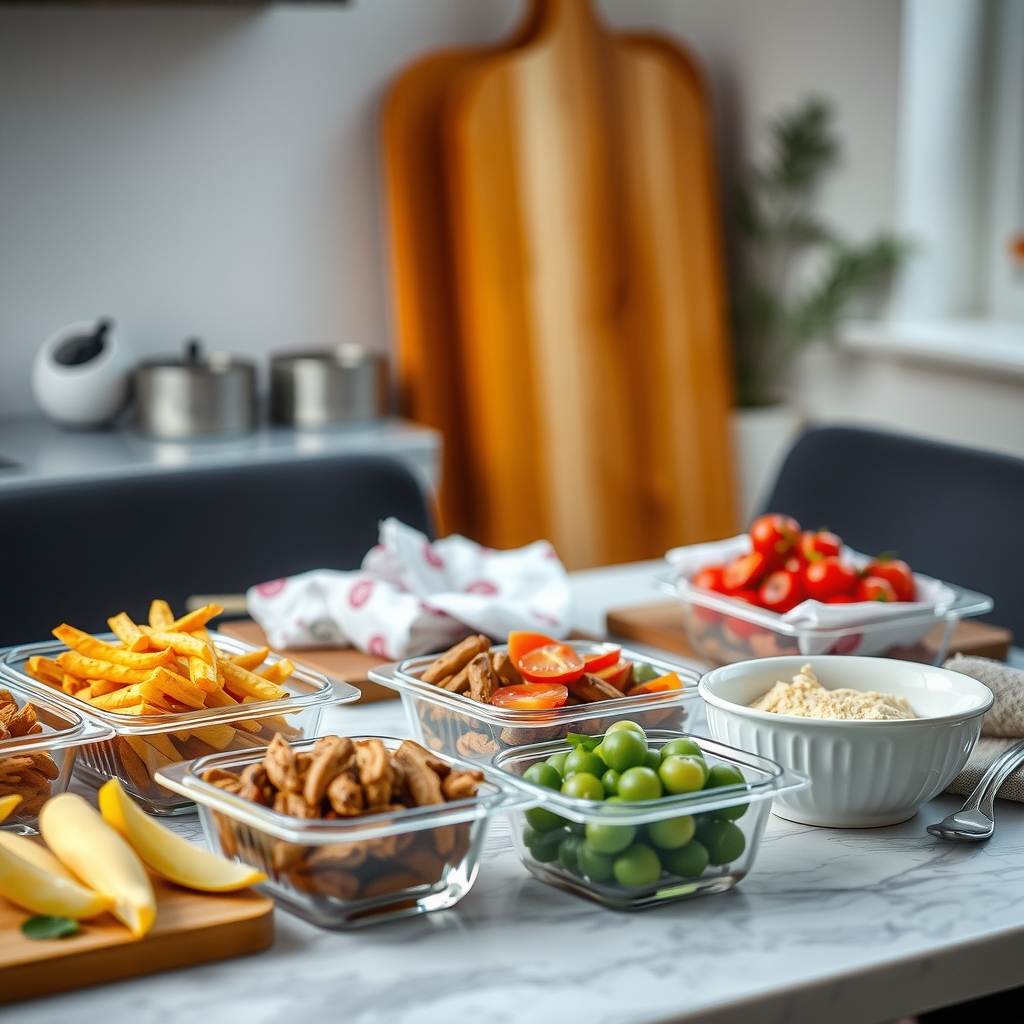
Can I eat gluten-free foods to help with insulin resistance while pregnant?
If you’re wondering “Can I follow an insulin resistance diet if I have PCOS while pregnant?”, the answer is yes—but gluten-free isn’t automatically better unless you have celiac disease or a gluten sensitivity. However, gluten-free whole grains like quinoa, brown rice, and buckwheat can be great alternatives to refined grains, which worsen insulin resistance.
Here’s the breakdown:
- Gluten-free =/= insulin-friendly. Many gluten-free products are still processed and high in sugar. Stick to whole, unprocessed grains.
- PCOS and insulin resistance often go hand in hand. If you have PCOS, a gluten-free diet may help some women, but it’s not a magic fix. Focus on reducing refined carbs and sugars instead.
- Safe gluten-free swaps for insulin resistance:
- Quinoa instead of white rice
- Buckwheat instead of pasta
- Millet or amaranth as a grain alternative
If you’re unsure whether gluten is triggering your symptoms, try an AIP elimination diet for a few weeks to see if it helps. But remember: the goal is to identify food triggers, not just avoid gluten for the sake of it.
---What are the worst foods to avoid if you have insulin resistance and gestational diabetes?
Some foods are insulin resistance accelerators. These are the ones to limit or avoid entirely:
Avoid these foods
- Refined sugars: Soda, candy, pastries, and most packaged snacks
- Refined grains: White bread, white rice, crackers, and most cereals (even if they’re “whole grain” but still high-glycemic)
- Processed meats: Hot dogs, sausages, and deli meats (high in sodium and preservatives)
- Trans fats: Found in fried foods, margarine, and some baked goods
- Excessive fruit juices: Even “natural” juices are stripped of fiber and spike blood sugar
Limit these foods
- Starchy veggies: Potatoes, corn, and peas (in moderation)
- High-fat dairy: Full-fat cheese and ice cream (opt for Greek yogurt or cottage cheese instead)
- Alcohol: Can disrupt blood sugar control and is not recommended during pregnancy
Why these foods matter:
- Refined sugars and white flour cause rapid blood sugar spikes, forcing your body to produce more insulin.
- Processed foods often lack fiber, which helps slow digestion and stabilize blood sugar.
- Trans fats and excess fat (especially saturated fat) can increase inflammation and insulin resistance.
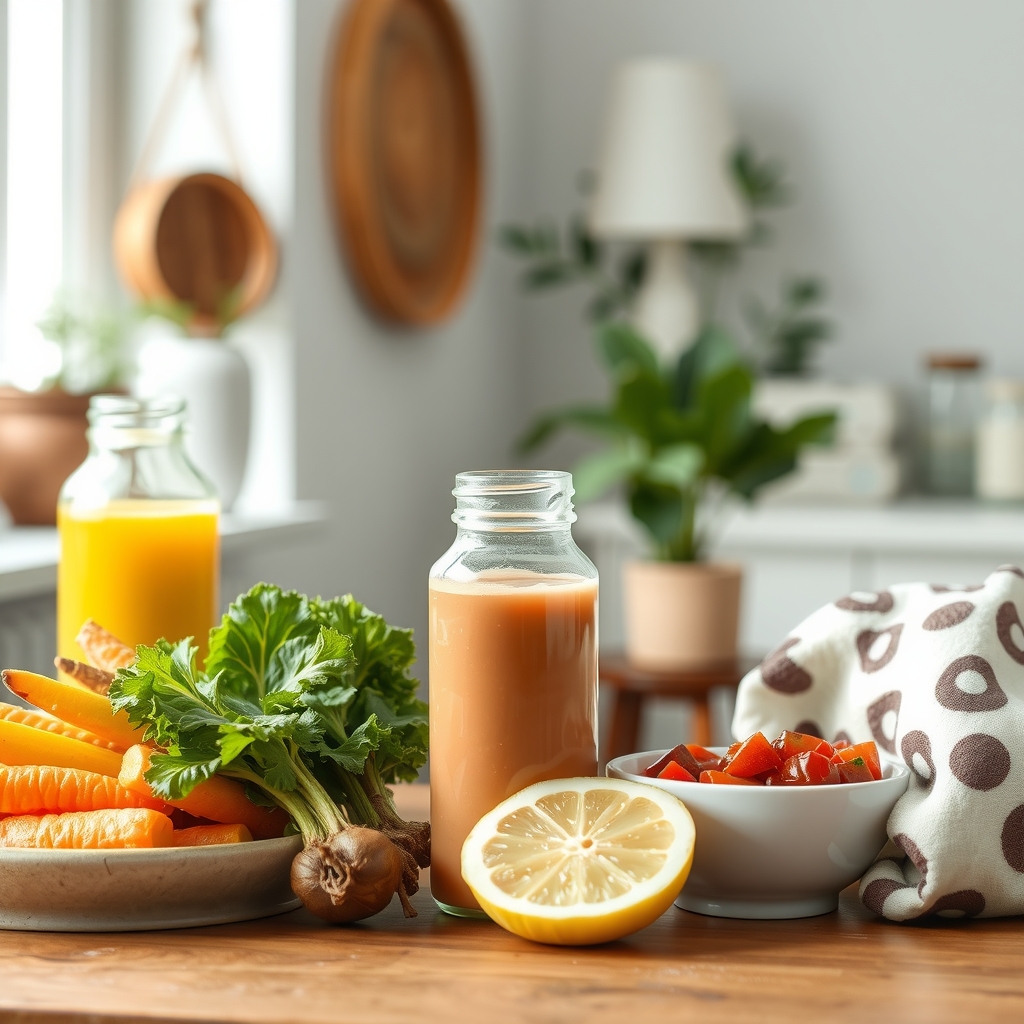
How does an insulin resistance diet differ from a regular healthy diet for expectant mothers?
You might be thinking, “Isn’t a healthy diet for pregnancy just about eating more?” Not exactly. While all pregnant women need extra calories (about 300–500 more per day in the second and third trimesters), the quality of those calories matters more than ever when managing insulin resistance.
Here’s how they compare:
| Regular Healthy Pregnancy Diet | Insulin Resistance-Friendly Pregnancy Diet |
|---|---|
| Balanced but may include higher-glycemic carbs (e.g., white bread, pasta) | Focuses on low-glycemic carbs (e.g., quinoa, sweet potato, berries) |
| Moderate fat intake (includes some saturated fats) | Prioritizes healthy fats (avocados, nuts, olive oil) to slow digestion |
| Protein from a variety of sources (meat, dairy, beans) | Lean proteins paired with fiber-rich carbs to stabilize blood sugar |
| May include occasional processed foods for convenience | Minimizes processed foods; focuses on whole, unprocessed foods |
| Caloric intake increases gradually (300–500 extra calories/day) | Calories increase but with more emphasis on nutrient density |
Think of the insulin resistance diet as a refined version of a healthy pregnancy diet. It’s not about restriction; it’s about optimizing the foods you already love to work better for your body.
If you’re managing PCOS, you might also notice that this diet aligns with many PCOS-friendly recommendations, like reducing refined carbs and focusing on omega-3s.
---What are the signs of insulin resistance in pregnancy and how does diet help?
If you’re asking “How do I know if my insulin resistance diet is working?”, here’s what to watch for:
Signs your diet is helping
- Your energy levels are more stable (no more 3 PM crashes)
- You’re craving fewer sweets or starchy foods
- Your morning sickness symptoms (if you had them) are improving
- You’re gaining weight at a healthy rate (about 1–2 pounds per week in the second trimester)
- Your blood sugar readings (if monitored) are trending downward
How diet helps insulin resistance
Food isn’t just fuel; it’s medicine. Here’s how an insulin-resistant diet works:
- Fiber slows digestion, preventing rapid blood sugar spikes.
- Healthy fats improve insulin sensitivity by helping cells respond better to insulin.
- Protein keeps you full and stabilizes blood sugar longer than carbs alone.
- Antioxidant-rich foods (like berries and leafy greens) reduce inflammation, which can worsen insulin resistance.
If you’re dealing with gestational diabetes, your provider may recommend a mediterranean-style diet, which is similar to an insulin resistance diet but often includes more olive oil and fish. You can also explore DASH diet principles for extra heart-healthy benefits.
---Can I follow an insulin resistance diet if I have polycystic ovary syndrome (PCOS) while pregnant?
If you’re managing PCOS and insulin resistance during pregnancy, you’re not alone. Many women with PCOS develop insulin resistance, which can make pregnancy more challenging. The good news? The same diet that helps with insulin resistance can also support PCOS symptoms.
Here’s how to adapt:
PCOS-friendly swaps for insulin resistance
- Reduce refined carbs: Swap white bread for whole-grain options and limit sugary snacks.
- Increase omega-3s: Fatty fish, flaxseeds, and walnuts help reduce inflammation and improve insulin sensitivity.
- Prioritize magnesium-rich foods: Spinach, pumpkin seeds, and dark chocolate (in moderation) can help regulate blood sugar.
- Stay hydrated: PCOS can cause fluid retention, so drink plenty of water and herbal teas.
If you’re wondering “What are the best snacks for managing insulin resistance during the first trimester?”, try:
- Handful of almonds and an apple (with skin)
- Cottage cheese with cucumber and flaxseeds
- Hard-boiled eggs with avocado slices
- Berries with a sprinkle of chia seeds
If you’re managing morning sickness, focus on dairy-free options like coconut yogurt or almond milk smoothies if dairy doesn’t agree with you.
---What are the best snacks for managing insulin resistance during the first trimester?
First-trimester cravings (and aversions) can make snacking a minefield. The good news? You don’t need to sacrifice flavor for stability. Here are insulin resistance-friendly snacks that are easy to digest and won’t spike your blood sugar:
Quick & easy snacks
- Avocado slices with a sprinkle of sea salt
- Handful of mixed nuts (almonds, walnuts, pumpkin seeds)
- Greek yogurt with a drizzle of honey and cinnamon
- Hard-boiled eggs with everything bagel seasoning
- Hummus with cucumber and bell pepper sticks
Smoothie ideas
Blend these for a nutrient-packed, blood sugar-stabilizing snack:
- Spinach, banana, almond milk, and protein powder
- Berries, Greek yogurt, flaxseeds, and a splash of coconut water
- Avocado, coconut milk, and a handful of spinach
If you’re dealing with morning sickness, try:
- Crackers with peanut butter (eat them before getting out of bed)
- Ice chips or frozen grapes
- Bland crackers with cheese
Pro tip: Keep snacks portable and pre-portioned to avoid last-minute cravings for unhealthy options. A small container of nuts in your purse or a smoothie prepped the night before can save the day.
---How to reduce insulin resistance naturally during pregnancy without medication
You might be wondering “How can I tell if my insulin resistance diet is working?” or “Are there natural ways to support my blood sugar without medication?” The answer is yes! While diet is the foundation, these natural strategies can help too:
1. Move your body
Gentle exercise like walking, swimming, or prenatal yoga can improve insulin sensitivity. Aim for 30 minutes of activity most days, but listen to your body—rest when needed.
2. Stay hydrated
Dehydration can worsen insulin resistance. Aim for 8–10 cups of water daily, and sip herbal teas like peppermint or ginger if you’re feeling nauseous.
3. Manage stress
Cortisol (the stress hormone) can raise blood sugar. Try deep breathing, meditation, or even a 10-minute walk outside to lower stress levels.
4. Get enough sleep
Poor sleep disrupts insulin sensitivity. Aim for 7–9 hours per night, and try to go to bed and wake up at the same time each day.
5. Consider supplements (with provider approval)
Some women benefit from:
- Magnesium (helps regulate blood sugar)
- Omega-3s (reduces inflammation)
- Berberine (a natural compound that may improve insulin sensitivity)
- Apple cider vinegar (some studies suggest it may help lower blood sugar—take 1 tablespoon diluted in water before meals)
Does drinking apple cider vinegar help with insulin resistance in pregnancy? While anecdotal evidence is promising, research is limited. If you try it, start with 1 teaspoon diluted in water and monitor your blood sugar. Always check with your provider first.
---How to transition to an insulin resistance diet safely in the second trimester
The second trimester is often the easiest time to make dietary changes because morning sickness fades and energy levels improve. But how do you safely transition without feeling overwhelmed?
Step 1: Start small
Pick 1–2 changes to focus on at a time. For example:
- Swap white rice for quinoa
- Add a side of veggies to every meal
- Choose Greek yogurt over ice cream
Step 2: Gradually increase healthy fats
If you’re used to a low-fat diet, slowly introduce more healthy fats like avocado, nuts, and olive oil. This helps your body adjust to slower digestion.
Step 3: Listen to your body
If you feel fatigued or dizzy, you might be under-eating. The second trimester is when your caloric needs increase, so ensure you’re still getting enough calories—just from the right sources.
Step 4: Plan for cravings
Cravings are normal! If you’re craving something sweet, try:
- Dark chocolate (85% or higher)
- A small handful of berries with whipped coconut cream
- A smoothie with protein powder and cinnamon
If you’re craving something salty, opt for nuts or roasted chickpeas instead of chips.
---Insulin resistance diet meal plan for beginners with gestational diabetes
If you’ve been diagnosed with gestational diabetes, your provider may recommend a medically tailored meal plan. Here’s how to adapt the insulin resistance diet for gestational diabetes:
Key adjustments
- Carb counting: Track grams of carbs per meal to keep portions consistent.
- Meal timing: Space meals and snacks evenly throughout the day to prevent spikes.
- Portion control: Use smaller plates and measure servings to avoid overeating.
- Monitor blood sugar: Check levels before and after meals to see how different foods affect you.
Sample meal plan
| Meal | Example | Carbs (g) |
|---|---|---|
| Breakfast | 2 scrambled eggs + ½ avocado + 1 slice whole-grain toast | 15 |
| Snack | Handful of almonds (about ¼ cup) + 1 small apple | 20 |
| Lunch | Grilled chicken salad with spinach, cherry tomatoes, cucumber, and 1 tbsp olive oil | 10 |
| Snack | Greek yogurt (unsweetened) + ½ cup berries | 15 |
| Dinner | Baked salmon + quinoa + roasted Brussels sprouts | 20 |
| Before bed (if needed) | Cottage cheese + cinnamon | 5 |
If you’re wondering “Can intermittent fasting help with insulin resistance while pregnant?”, the answer is no—especially in the first and second trimesters. Fasting can lower blood sugar too much, which isn’t safe for you or your baby. Focus on balanced, frequent meals instead.
---Common mistakes beginners make when starting an insulin resistance diet
Even the best-laid plans can go off track. Here are common pitfalls and how to avoid them:
Mistake 1: Over-restricting
Skipping meals or cutting carbs too drastically can backfire, leading to cravings and energy crashes. Instead, focus on quality over quantity.
Mistake 2: Ignoring hydration
Dehydration can mimic hunger and worsen insulin resistance. Drink water consistently throughout the day.
Mistake 3: Not balancing meals
Eating carbs alone (like a bowl of cereal) without protein or fat can spike blood sugar. Always pair carbs with protein or healthy fats.
Mistake 4: Relying on processed “low-carb” foods
Many low-carb snacks are high in sodium or artificial ingredients. Opt for whole foods instead.
Mistake 5: Skipping meals due to morning sickness
If you’re nauseous, try small, frequent meals like toast with peanut butter or crackers with cheese.
Mistake 6: Not adjusting for trimester changes
Your caloric and nutrient needs evolve. In the third trimester, you may need more calories—but still from nutrient-dense sources.
---How to adapt the insulin resistance diet for each trimester
Your body changes every trimester, and so should your diet. Here’s how to adjust:
First trimester
- Focus on easy-to-digest foods if you’re dealing with morning sickness.
- Prioritize folate-rich foods (spinach, lentils, eggs) for baby’s development.
- Keep snacks portable and small to avoid nausea.
Second trimester
- Increase calories by 300–500/day, focusing on healthy fats and lean proteins.
- Add more calcium-rich foods (Greek yogurt, leafy greens, almonds) for baby’s bones.
- Experiment with new recipes as energy levels improve.
Third trimester
- Increase calories by another 100–200/day to support baby’s growth.
- Focus on iron-rich foods (lean meats, spinach, lentils) to prevent anemia.
- Stay hydrated and eat slowly to accommodate a growing belly.
Myth vs. Fact: Insulin Resistance Diet During Pregnancy
Myth: “I have to eliminate all carbs to manage insulin resistance.”
Fact: You don’t need to cut carbs entirely. Focus on low-glycemic, fiber-rich carbs like berries, quinoa, and sweet potatoes. Carbs are essential for energy and baby’s brain development!Myth: “If I have insulin resistance, I’ll definitely get gestational diabetes.”
Fact: While insulin resistance increases your risk, it doesn’t guarantee gestational diabetes. Diet, exercise, and regular monitoring can often prevent it.Myth: “I can’t eat sweets at all if I have insulin resistance.”
Fact: You can enjoy small portions of sweets—just pair them with protein or fat to slow digestion. Dark chocolate (85%+) or a few berries with whipped cream are great options. ---Key Takeaways
- An insulin resistance diet focuses on low-glycemic carbs, healthy fats, and lean proteins to stabilize blood sugar.
- Start small with simple swaps like quinoa instead of white rice or nuts instead of chips.
- If you have PCOS or gestational diabetes, carb counting and portion control become even more important.
- Stay hydrated, manage stress, and move gently to support your body’s insulin sensitivity.
- Adapt your diet for each trimester—your caloric and nutrient needs will change.
- Always check with your provider before making major dietary changes, especially if you have pre-existing conditions.
Frequently Asked Questions
What are the most effective foods to reduce insulin resistance in early pregnancy?
The most effective foods are those high in fiber, healthy fats, and protein. Start with leafy greens, berries, fatty fish, nuts, seeds, and lean meats. These foods help stabilize blood sugar and provide essential nutrients for both you and your baby. For example, a smoothie with spinach, banana, almond milk, and chia seeds is a great early-pregnancy option.
How can I tell if my insulin resistance diet is working during pregnancy?
Signs your diet is helping include stable energy levels, fewer cravings for sweets, improved morning sickness symptoms, and a healthy weight gain pattern. If you’re monitoring your blood sugar, you may also notice lower readings over time. Keep a food diary to track how different foods affect you.
Are there any specific supplements that help with insulin resistance while pregnant?
Some supplements may support insulin sensitivity, but always check with your provider first. Magnesium, omega-3s, and


