

Quick take: Managing insulin resistance with diet doesn't have to be complicated or bland. By focusing on lean proteins, healthy fats, complex carbohydrates, and plenty of fiber, you can create easy, delicious dinner recipes that help stabilize blood sugar, reduce insulin spikes, and support overall well-being. Simple ingredient swaps and smart meal prep can make healthy eating sustainable for any busy weeknight.If you've recently been told you have insulin resistance, or if you're experiencing symptoms like persistent fatigue, brain fog, or difficulty managing your weight, the idea of completely overhauling your diet can feel overwhelming. Scrolling through complex recipes online might leave you feeling more stressed than inspired. But here’s the reassuring truth: eating well for insulin resistance doesn't require gourmet cooking or endless hours in the kitchen. At BumpBites, we understand that you're looking for practical, easy solutions that fit into your busy life. This guide is designed to empower you with simple, delicious dinner recipes and strategies that support insulin sensitivity, without sacrificing flavor or your precious time. We'll break down exactly what makes a meal insulin-friendly, offer a variety of quick ideas, and even provide a sample meal plan to get you started.
What Makes a Dinner Recipe 'Insulin Resistance Friendly'?
If you’ve heard the term "insulin resistance" but aren't quite sure what it means, you’re not alone. In simple terms, insulin resistance occurs when your body's cells don't respond as effectively to insulin, a hormone produced by your pancreas. Insulin's job is to help glucose (sugar) from the food you eat enter your cells to be used for energy. When your cells resist insulin, your pancreas has to work harder, producing more and more insulin to try and keep your blood sugar levels stable. Over time, this can lead to elevated blood sugar and potentially develop into prediabetes or type 2 diabetes. Symptoms can be subtle and varied, often including fatigue after meals, increased hunger and cravings (especially for sweets), difficulty losing weight (particularly around the midsection), and brain fog. For many women, insulin resistance is also closely linked to conditions like Polycystic Ovary Syndrome (PCOS), where managing blood sugar is a key part of symptom management. Diet plays a profoundly important role in managing insulin resistance because the foods we eat directly impact our blood sugar and insulin levels. By choosing meals that minimize rapid blood sugar spikes, we can reduce the demand on the pancreas, improve insulin sensitivity, and help our bodies function more efficiently. This often means focusing on low glycemic dinner recipes that release glucose slowly and steadily.The Core Components of an Insulin-Friendly Plate
When building an insulin-friendly dinner, think of your plate as a balanced equation. You want to include:- Lean Proteins: These are crucial because they help you feel full, stabilize blood sugar, and provide essential amino acids without significantly raising glucose levels. Think chicken breast, fish, turkey, eggs, tofu, tempeh, or legumes.
- Healthy Fats: Fats slow down digestion and nutrient absorption, which helps prevent blood sugar spikes and increases satiety. Sources include olive oil, avocado, nuts, seeds, and fatty fish like salmon.
- Complex Carbohydrates: Not all carbs are created equal! Complex carbohydrates, found in whole grains, starchy vegetables, and legumes, are rich in fiber. This fiber slows sugar absorption, leading to a more gradual rise in blood sugar. Examples include quinoa, brown rice, sweet potatoes, and whole-grain pasta in moderation.
- Fiber-Rich Non-Starchy Vegetables: These are your powerhouses. Packed with vitamins, minerals, and fiber, they have minimal impact on blood sugar and add volume and nutrients to your meal. Broccoli, spinach, kale, bell peppers, zucchini, green beans, and cauliflower are excellent choices. Aim for half your plate to be non-starchy vegetables.
Ingredient Swaps for Smarter Dinners
Making your favorite traditional dinners insulin-friendly is often about smart substitutions. You don't have to completely abandon familiar flavors.- Instead of white rice: Try brown rice, quinoa, cauliflower rice, or even a blend of brown rice and lentils.
- Instead of white pasta: Opt for whole-wheat pasta, chickpea pasta, lentil pasta, or spiralized zucchini noodles.
- Instead of sugary sauces: Make your own with herbs, spices, lemon juice, olive oil, and vinegar. Read labels carefully on store-bought sauces for hidden sugars.
- Instead of white bread/buns: Choose whole-grain options or use lettuce wraps.
- Instead of deep-fried anything: Bake, grill, roast, or air-fry.
- Instead of creamy, high-fat dairy sauces: Use Greek yogurt for tang, or broth-based sauces thickened with a little cornstarch or pureed vegetables.
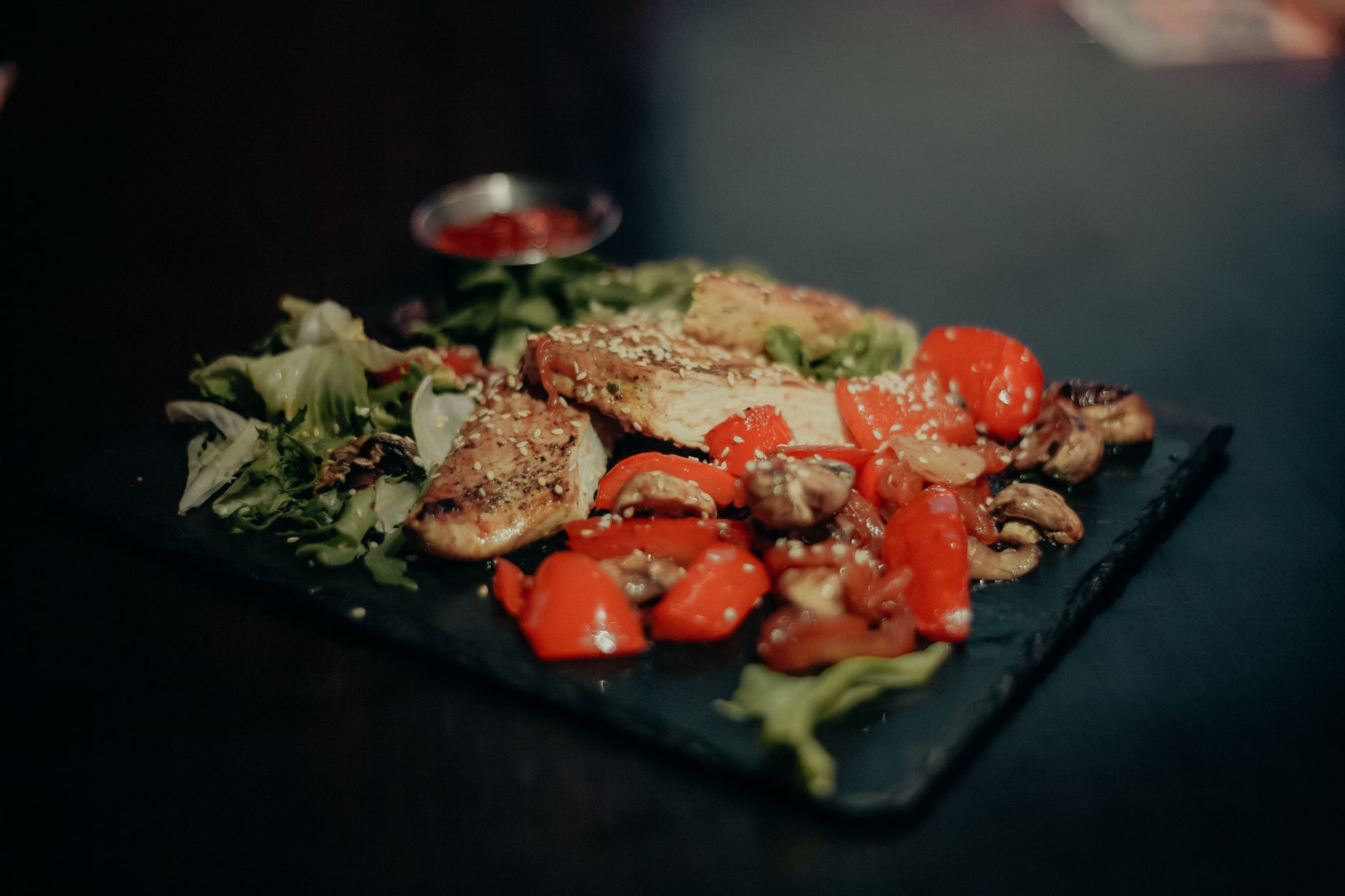
Quick & Easy Insulin Resistance Dinner Recipes for Busy Weeknights
When time is short, the temptation to grab takeout or make something less-than-ideal can be strong. But with a few strategies and go-to recipes, you can whip up high protein low carb dinner recipes that are perfect for insulin resistance, even on your busiest days. The key is simplicity and efficiency.Go-To Quick Meal Ideas
These meals come together quickly, often using just one pan or minimal fuss:- Sheet Pan Chicken & Veggies: This is a weeknight hero. Toss chicken pieces (thighs or breasts) with chopped non-starchy vegetables like broccoli, bell peppers, zucchini, and onions. Drizzle with olive oil, sprinkle with your favorite herbs and spices (garlic powder, paprika, Italian seasoning), and roast at 400°F (200°C) for 20-25 minutes until cooked through. Serve as is, or with a small side of quinoa or brown rice. This is an excellent budget friendly insulin resistance dinner idea as well.
- Salmon with Roasted Asparagus: Salmon is rich in healthy omega-3 fats, which are excellent for overall health and can play a role in managing insulin sensitivity. Season salmon fillets with lemon, dill, salt, and pepper. Toss asparagus with olive oil, salt, and pepper. Bake both on a sheet pan at 400°F (200°C) for 12-15 minutes.
- Quick Tuna Salad Lettuce Wraps: For an incredibly fast, no-cook option, mix canned tuna (in water, drained) with Greek yogurt or avocado instead of mayo, chopped celery, red onion, and a squeeze of lemon juice. Spoon into large lettuce leaves (butter lettuce or romaine work well) for a satisfying, low-carb meal.
- One-Pan Turkey & Black Bean Skillet: Brown ground turkey with onions and garlic. Add a can of drained black beans, diced tomatoes (no sugar added), and your favorite taco seasoning. Simmer until heated through. Serve in lettuce cups, or with a small portion of brown rice or cauli-rice. This recipe is also great for PCOS friendly dinner recipes easy, as it's balanced and rich in fiber.
- Shrimp Scampi with Zucchini Noodles: Sauté shrimp with garlic, olive oil, and a splash of white wine or broth. Toss with pre-made zucchini noodles (or spiralize your own) until just tender. Finish with fresh parsley and a squeeze of lemon.
Smart Shortcuts for Speed
To make these meals even faster, embrace kitchen shortcuts:- Pre-chopped Vegetables: Many grocery stores offer pre-chopped onions, bell peppers, broccoli florets, and other veggies. While a bit pricier, they can save significant prep time on busy nights.
- Rotisserie Chicken: A store-bought rotisserie chicken is a lifesaver. Shred the meat and use it in salads, wraps, stir-fries, or alongside roasted vegetables.
- Canned Legumes: Keep cans of black beans, chickpeas, and lentils on hand. Rinse them well to reduce sodium, and they're ready to add to salads, soups, or skillets.
- Frozen Produce: Frozen vegetables and fruits are just as nutritious as fresh, and they’re already washed and chopped. Stock up on frozen broccoli, spinach, berries, and mixed vegetables.
- Pre-Cooked Grains: Many brands offer microwaveable pouches of brown rice, quinoa, or farro that cook in minutes.
Vegetarian and Vegan Insulin Resistance Dinner Options
A plant-based approach can be incredibly beneficial for managing insulin resistance, as it naturally emphasizes fiber-rich vegetables, legumes, and whole grains. There are countless delicious and satisfying vegetarian and vegan insulin resistance dinner options that are both easy to prepare and nutrient-dense.Plant-Based Protein Powerhouses
The key to satisfying plant-based meals is ensuring you get adequate protein to stabilize blood sugar and keep you full.- Lentil Soup or Stew: Lentils are packed with fiber and protein, making them an excellent choice. A simple lentil soup with carrots, celery, spinach, and a rich vegetable broth can be incredibly hearty. You can make a big batch and enjoy it for several days.
- Chickpea Curry with Cauliflower Rice: Sauté onions, garlic, and ginger, then add chickpeas, diced tomatoes, spinach, and your favorite curry spices (turmeric, cumin, coriander). Simmer with light coconut milk until flavors meld. Serve over cauliflower rice to keep the carb count low and fiber high.
- Tofu or Tempeh Stir-Fry: Tofu and tempeh are versatile plant proteins. Press extra-firm tofu, cut into cubes, and pan-fry or bake until crispy. Sauté with a rainbow of non-starchy vegetables (broccoli, bell peppers, snap peas) and a light sauce made from tamari or soy sauce, ginger, garlic, and a touch of rice vinegar. Serve with a small side of brown rice or quinoa.
- Black Bean Burgers (Homemade): Make your own veggie burgers from black beans, oats, and spices. These can be baked or pan-fried and served on a whole-grain bun or, even better, in a lettuce wrap with plenty of fresh toppings like avocado, salsa, and shredded cabbage.
Creative Veggie-Centric Meals
Don't underestimate the power of vegetables to be the star of your meal.- Stuffed Bell Peppers: Halve bell peppers and fill them with a mixture of cooked quinoa or brown rice, black beans, corn (in moderation), diced tomatoes, onions, and spices. Bake until the peppers are tender and the filling is heated through.
- Hearty Salads with Beans/Quinoa: A large salad can be a complete meal. Start with a base of mixed greens, add plenty of non-starchy veggies (cucumber, tomatoes, shredded carrots), then a generous serving of protein like chickpeas, black beans, or lentils, and a scoop of quinoa. Dress with a simple vinaigrette made from olive oil and vinegar.
- Eggplant or Zucchini Lasagna: Layer thinly sliced eggplant or zucchini instead of pasta noodles with a rich tomato sauce, ricotta cheese (dairy-free if vegan), and plenty of spinach. This is a satisfying, comforting meal that’s much lower in refined carbs.
Meal Prep Strategies for Insulin Resistance Dinners
One of the biggest hurdles to maintaining an insulin-friendly diet is consistency, especially when life gets hectic. This is where meal prep becomes your secret weapon. By dedicating a little time on the weekend or a slower evening, you can set yourself up for a week of easy, healthy dinners that support your blood sugar goals.Weekend Prep for Weekday Ease
Think about what components of your dinner can be prepared in advance and stored.- Batch Cook Proteins: Cook a large batch of chicken breast (baked, grilled, or shredded), ground turkey, lentils, or quinoa. These versatile proteins can be added to salads, wraps, stir-fries, or served alongside freshly cooked vegetables.
- Chop and Wash Vegetables: Wash and chop your non-starchy vegetables for the week. Store them in airtight containers in the fridge. Having pre-cut broccoli, bell peppers, onions, and zucchini ready to go means less fuss when you're tired after work.
- Prepare Grains: Cook a large pot of brown rice or quinoa. It stores well in the fridge for 3-4 days and can be quickly reheated as a side for various meals.
- Make Dressings and Sauces: Prepare a healthy vinaigrette or a simple lemon-herb sauce. Store it in a jar in the fridge. This prevents you from reaching for sugary store-bought options.
- Portion Out Snacks: While not dinner-specific, having healthy snacks like nuts, seeds, or veggie sticks with hummus pre-portioned can prevent mindless eating before dinner.
Smart Storage and Reheating Tips
Proper storage is key to keeping your prepped food fresh and safe.- Airtight Containers: Invest in good quality airtight containers, preferably glass for reheating convenience.
- Cool Completely: Always allow cooked food to cool completely before covering and refrigerating. This prevents condensation and keeps food fresher longer.
- Label and Date: Label your containers with the contents and date of preparation so you know exactly what you have and how long it's been stored.
- Mix and Match: Don't feel like you have to eat the exact same meal every night. Prep individual components (protein, grain, veggies) and mix and match them throughout the week for variety. For example, Monday might be chicken and roasted broccoli, Tuesday could be chicken over a salad with pre-cooked quinoa.
- Reheating: Reheat meals thoroughly to a safe temperature. Microwaving is quick, but for best texture, sometimes a stovetop or oven reheat is preferable.
Foods to Prioritize and Avoid in Your Insulin Resistance Dinners
Understanding which foods to lean into and which to limit is fundamental when you're managing insulin resistance. This isn't about deprivation, but rather about making informed choices that nourish your body and support stable blood sugar levels. Think of it as empowering yourself with knowledge about what truly serves your health goals.Foods to Prioritize for Insulin Resistance Dinners
These are the cornerstones of an insulin-friendly diet. Aim to include generous portions of these foods in your dinners:- Lean Proteins: Chicken breast, turkey, fish (salmon, cod, tuna), eggs, tofu, tempeh, lentils, beans, edamame. These help with satiety and muscle maintenance.
- Non-Starchy Vegetables: Broccoli, cauliflower, spinach, kale, bell peppers, zucchini, green beans, asparagus, mushrooms, onions, tomatoes, lettuce, cucumber. These are low in calories and carbohydrates but rich in fiber, vitamins, and minerals.
- Healthy Fats: Avocado, olive oil, nuts (almonds, walnuts, pecans), seeds (chia, flax, hemp), fatty fish (salmon, mackerel). These slow digestion and provide essential nutrients.
- Complex Whole Grains (in moderation): Quinoa, brown rice, wild rice, oats, whole-wheat pasta (check labels for sugar content and fiber). Portion control is key here due to their carb content, even though they are fiber-rich.
- Legumes: Black beans, chickpeas, kidney beans, lentils. Excellent sources of plant-based protein and fiber.
- Herbs and Spices: Garlic, ginger, turmeric, cinnamon, oregano, basil, chili powder. These add flavor without sugar and often have their own health benefits.
Foods to Limit or Avoid in Your Insulin Resistance Dinners
These foods can cause rapid blood sugar spikes and contribute to insulin resistance over time. Reducing their intake is crucial.- Refined Carbohydrates: White bread, white pasta, white rice, pastries, most breakfast cereals, crackers made with refined flour. These are quickly broken down into sugar.
- Sugary Drinks: Soda, fruit juice (even 100% fruit juice, due to its concentrated sugar), sweetened teas, energy drinks. These provide a direct hit of sugar to your bloodstream.
- Processed Foods: Many packaged snacks, fast food, processed meats, frozen dinners with long ingredient lists. These often contain hidden sugars, unhealthy fats, and excessive sodium.
- Excessive Saturated and Trans Fats: Found in fried foods, fatty cuts of red meat, highly processed snacks, and some baked goods. While healthy fats are good, too much unhealthy fat can worsen insulin resistance.
- Added Sugars: Be mindful of ingredients like high-fructose corn syrup, sucrose, dextrose, maltose, and even "natural" sweeteners like agave nectar in large amounts. They contribute to blood sugar dysregulation.
- Starchy Vegetables (in large portions): Potatoes (especially white potatoes), corn, peas. While nutritious, their higher starch content means they should be consumed in smaller portions compared to non-starchy vegetables.
| Prioritize (Enjoy Freely) | Limit or Avoid (Consume Sparingly) |
|---|---|
| Lean proteins (chicken, fish, tofu, beans) | Refined carbohydrates (white bread, pasta, rice) |
| Non-starchy vegetables (broccoli, spinach, bell peppers) | Sugary drinks (soda, fruit juice) |
| Healthy fats (avocado, olive oil, nuts, seeds) | Processed foods (packaged snacks, fast food) |
| Complex whole grains (quinoa, brown rice - in moderation) | Added sugars (desserts, sweetened sauces) |
| Legumes (lentils, chickpeas, black beans) | Trans and excessive saturated fats |
| Herbs, spices, water, unsweetened tea | Large portions of starchy vegetables (white potatoes, corn) |
Sample 7-Day Insulin Resistance Dinner Meal Plan for Pregnancy
Managing insulin resistance during pregnancy, often referred to as gestational diabetes, is crucial for both maternal and fetal health. This sample meal plan provides ideas for easy, balanced dinners that focus on stable blood sugar, but it is essential to remember that every pregnancy is unique. This plan is for informational purposes only and should not replace personalized medical or nutritional advice. Always consult with your OB/GYN, endocrinologist, or a registered dietitian specializing in prenatal nutrition to tailor a plan that meets your specific needs and health status during pregnancy. This plan focuses on balanced meals with lean protein, healthy fats, complex carbohydrates, and plenty of fiber to help manage blood sugar.| Day | Dinner Meal Idea |
|---|---|
| Monday | Baked Salmon with Roasted Asparagus and Quinoa: Season salmon fillets with lemon and dill, roast with asparagus. Serve with ½ cup cooked quinoa. |
| Tuesday | Chicken and Veggie Stir-Fry: Sauté sliced chicken breast with broccoli, bell peppers, snow peas, and a light sauce (low-sodium soy sauce/tamari, ginger, garlic). Serve with ½ cup brown rice. |
| Wednesday | Lentil Soup with Whole-Grain Bread: A hearty bowl of homemade lentil soup (rich in fiber and protein) with a small slice of 100% whole-grain bread. Add a side salad. |
| Thursday | Turkey Meatballs with Zucchini Noodles: Lean ground turkey meatballs baked or pan-fried, served with marinara sauce (no added sugar) over spiralized zucchini noodles. |
| Friday | Shrimp and Vegetable Skewers: Thread shrimp and colorful non-starchy vegetables (cherry tomatoes, zucchini, bell peppers) onto skewers, grill or bake. Serve with a side of mixed greens dressed with olive oil and vinegar. |
| Saturday | Black Bean Burgers on Lettuce Wraps: Homemade or store-bought (check ingredients) black bean burgers served in large lettuce cups with avocado, salsa, and a small side of sweet potato fries (baked, not fried, small portion). |
| Sunday | Sheet Pan Chicken Fajitas: Slice chicken breast and bell peppers, onions. Toss with olive oil and fajita seasoning. Roast on a sheet pan. Serve with whole-wheat tortillas (1-2 small) and plenty of fresh toppings like avocado, cilantro, and lime. |
- Portion Control: While foods are healthy, portions still matter, especially for carbohydrates. Your dietitian can help you determine appropriate carbohydrate amounts for each meal.
- Hydration: Drink plenty of water throughout the day.
- Listen to Your Body: Pay attention to how different foods affect your blood sugar. Keep a food and blood sugar diary if recommended by your provider.
- Nutrient Needs: Ensure you're getting all essential vitamins and minerals crucial for pregnancy. This plan provides a good foundation, but supplements might be necessary as advised by your doctor.
Beyond the Plate: Lifestyle Tips for Managing Insulin Resistance
While diet is a cornerstone of managing insulin resistance, it's not the only piece of the puzzle. A holistic approach that includes lifestyle adjustments can significantly enhance your body's insulin sensitivity and contribute to overall well-being. Thinking about flexitarian dinner recipes and a balanced lifestyle often goes hand-in-hand with these principles.Regular Physical Activity
Exercise is incredibly powerful for improving insulin sensitivity. When you move, your muscles use glucose for energy, which helps clear sugar from your bloodstream and reduces the need for insulin.- Aim for Consistency: The American Heart Association (AHA) recommends at least 150 minutes of moderate-intensity aerobic activity or 75 minutes of vigorous activity per week. This could be 30 minutes of brisk walking, cycling, or swimming most days.
- Include Strength Training: Building muscle mass is particularly beneficial because muscle cells are more insulin sensitive than fat cells. Incorporate strength training exercises (using weights, resistance bands, or bodyweight) 2-3 times a week.
- Break Up Sedentary Time: Even short bursts of activity, like walking for 5 minutes every hour, can make a difference. If you have a desk job, set a timer to remind you to stand up and move.
Stress Management
Chronic stress can elevate cortisol levels, which in turn can lead to increased blood sugar and insulin resistance. Finding effective ways to manage stress is vital.- Mindfulness and Meditation: Practices like deep breathing, meditation, or yoga can help calm your nervous system. Even 5-10 minutes a day can make a difference.
- Hobbies and Relaxation: Engage in activities you enjoy – reading, listening to music, spending time in nature, or creative pursuits – to help you de-stress.
- Social Connection: Connect with friends and family. Strong social support networks can buffer the effects of stress.
Quality Sleep
Sleep deprivation can negatively impact insulin sensitivity and glucose metabolism. Aim for 7-9 hours of quality sleep per night.- Consistent Schedule: Try to go to bed and wake up at the same time each day, even on weekends.
- Create a Relaxing Bedtime Routine: Wind down with a warm bath, reading, or gentle stretching. Avoid screens for at least an hour before bed.
- Optimize Your Sleep Environment: Make your bedroom dark, quiet, and cool.
Hydration
Drinking enough water is simple yet crucial for overall health, including metabolic function. Water helps your kidneys flush out excess sugar through urine. Aim for at least 8 glasses (around 2 liters) of water daily, and more if you’re active or in a hot climate. By integrating these lifestyle habits with your insulin-friendly dinner recipes, you create a powerful synergy that can significantly improve your insulin sensitivity and contribute to a healthier, more energetic you.
Myth vs. Fact
When it comes to managing insulin resistance, there's a lot of information out there, and not all of it is accurate. Let's clear up some common misconceptions.Myth: You have to cut out all carbohydrates if you have insulin resistance.
Fact: This is a common and unhelpful misconception. While it's true that refined carbohydrates and sugars should be limited, complex carbohydrates, especially those rich in fiber like whole grains, legumes, and non-starchy vegetables, are essential for a balanced diet. They provide vital energy, fiber, and nutrients, and when consumed in appropriate portions, they help stabilize blood sugar rather than causing spikes.
Myth: Insulin resistance is only about being overweight or obese.
Fact: While excess body fat, particularly around the abdomen, is a significant risk factor for insulin resistance, it's not the only cause. Genetics, inactivity, chronic stress, poor sleep, certain medications, and hormonal conditions like PCOS can all contribute to insulin resistance, even in individuals who are at a "healthy" weight. It's a complex metabolic condition with multiple contributing factors.
Myth: Only medication can effectively reverse or manage insulin resistance.
Fact: While medication can be an important tool for some, especially if lifestyle changes aren't enough, diet and lifestyle interventions are often incredibly effective at managing and even reversing insulin resistance. Consistent healthy eating, regular physical activity, stress management, and adequate sleep can significantly improve your body's insulin sensitivity and may prevent or delay the progression to type 2 diabetes.


