

Quick take: Immigrant motherhood is a profound journey of balancing two worlds—your heritage and the new life you’ve built. The struggle isn’t just about fitting in; it’s about reclaiming your voice, finding your place, and giving your children the best of both worlds. You’re not alone in feeling torn between cultural expectations and modern parenting, or overwhelmed by language barriers and isolation. This guide will help you navigate these challenges with practical tools, real stories, and resources to support you every step of the way.Immigrant Mother Identity Struggle: A Modern Mom’s Honest Guide
You’re sitting at the kitchen table, a half-finished meal cooling on the stove while your toddler chatterboxes in a mix of your native language and the new one you’re still learning. Your phone buzzes—a message from your mother-in-law, another reminder about the family gathering this weekend. You love your family, but you’re exhausted. How do you honor your own values while navigating this new life? How do you explain to your children why their grandmother’s traditions feel different here? The weight of these questions can feel suffocating, like you’re walking on a tightrope between two worlds that don’t always speak the same language.
You’re not alone. Millions of immigrant mothers—whether you arrived yesterday or decades ago—grapple with the same identity struggles. The pressure to be the perfect immigrant mother, the guilt of not measuring up to cultural expectations, the loneliness of feeling like an outsider even in your own home. This guide is for you. We’ll explore the complexities of immigrant motherhood, from balancing cultural identity with modern parenting to finding community when you feel isolated. You’ll learn how to navigate language barriers, access resources, and ultimately, rediscover your strength and sense of self. Let’s start by acknowledging the very real challenges you face—and how to meet them with compassion and clarity.
This article covers everything from finding your identity again as a mom to practical ways to connect with others who understand your experience. You’re not just raising a family; you’re rebuilding your life, and that takes courage.
--- ## **How to Navigate Identity as an Immigrant Mother: The Tightrope Between Two Worlds** The first time Maria sat down to dinner with her in-laws, she froze. Her husband’s mother had just served a dish she’d never eaten—one her own mother would have scolded her for overcooking. Maria took a bite, then another, her stomach twisting. “This isn’t how we do it,” she thought. But she smiled and nodded, because what else could she do? She was in her new home, and this was her family now. Maria’s story isn’t unique. Immigrant mothers often find themselves caught between two sets of expectations: the traditions of their childhood and the unspoken rules of their new community. These expectations can clash in ways that feel impossible to reconcile. Maybe you’re expected to cook certain meals, speak your native language at home, or raise your children in a particular way—but those expectations don’t always align with the reality of your life in your new country. Or perhaps you’re the one pushing back, insisting on changes that feel necessary for your family’s well-being, only to face judgment from your own community. This tension isn’t just about food or language. It’s about who you are and who you’re becoming. It’s about the fear of losing your cultural roots while also worrying that you’re failing as a mother because you’re not doing things “the right way.” But here’s the truth: you don’t have to choose. You can honor your heritage and adapt to your new life. The key is finding a way to integrate both worlds without losing yourself in the process. ### **The Guilt of Not Measuring Up** Many immigrant mothers carry a heavy burden of guilt. It might look like: - Feeling like you’re failing your children if they don’t speak your native language fluently. - Second-guessing every parenting decision because it doesn’t match what your parents did. - Hiding parts of your identity to avoid judgment from your new community. This guilt often stems from a deep-seated belief that you’re not doing enough. But what if the standard you’re measuring yourself against isn’t even realistic? What if the “perfect immigrant mother” is a myth—one that doesn’t exist outside of cultural expectations and media portrayals? The reality is that no one can be all things to all people. You’re not failing your children if they learn English first. You’re not a bad mother if you set boundaries with your in-laws. And you’re not betraying your culture if you adapt to your new home. The goal isn’t to become someone else; it’s to find a way to be yourself while raising your children to be their own authentic selves. ### **How to Reclaim Your Identity** Reclaiming your identity as an immigrant mother starts with self-compassion. Ask yourself: - What parts of my culture do I want to pass on to my children? - What parts feel like a burden or no longer serve me? - How can I honor my heritage in ways that feel meaningful to me, not just my family? For example, maybe you don’t cook the exact same meals your mother did, but you create new traditions—like a monthly family cooking night where you teach your children to make dishes from your homeland. Or perhaps you speak your native language at home, but you also encourage your children to explore the language of their new country. The goal isn’t perfection; it’s intentionality. ---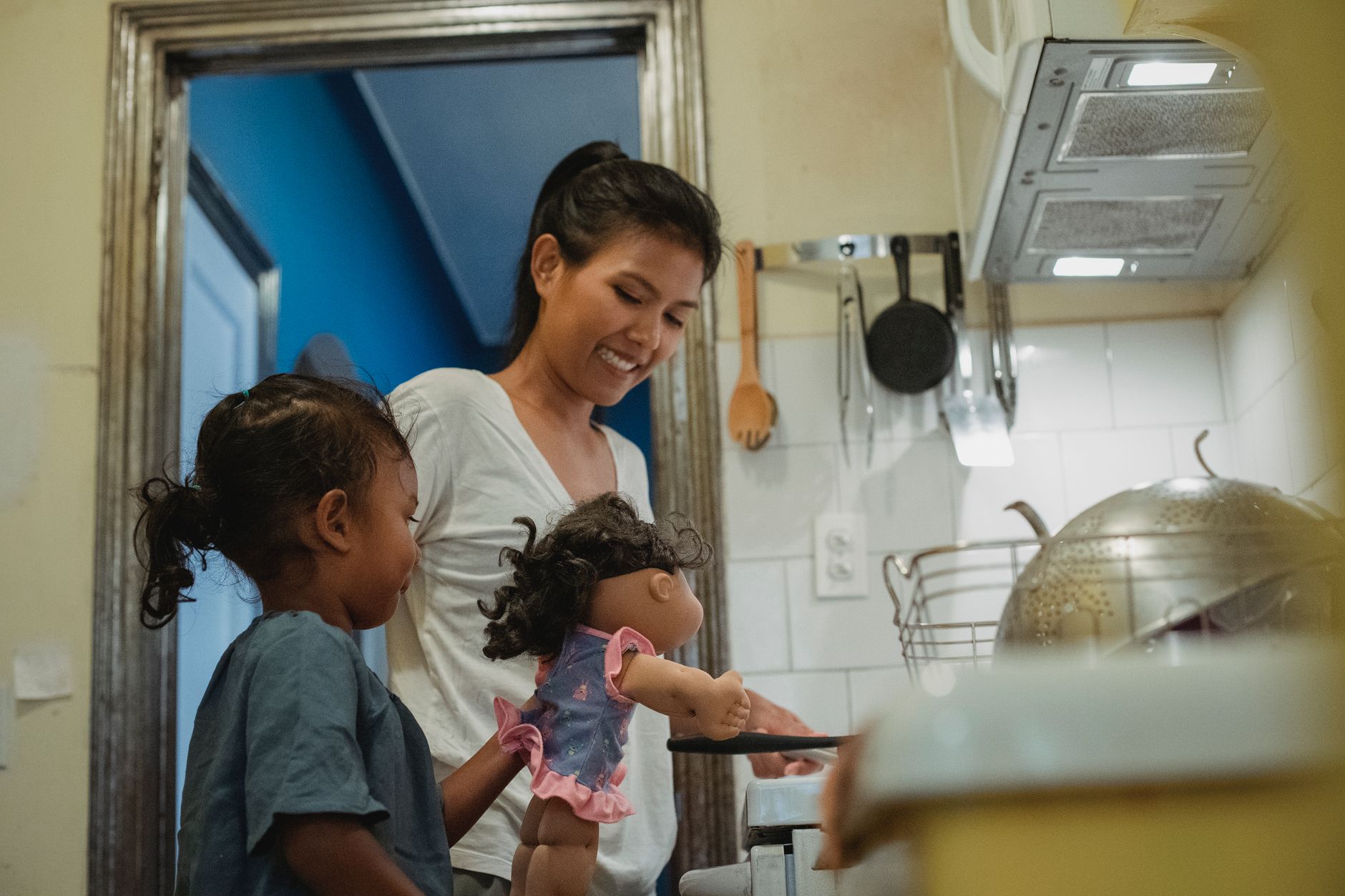 ---
## **Balancing Cultural Expectations and Modern Motherhood: Where Compassion Meets Boundaries**
Let’s talk about the expectations. They’re everywhere—from your parents’ phone calls to the way your new community looks at you. You might hear things like:
- *“Why aren’t you feeding your child more rice?”*
- *“You should be home more. Other mothers are.”*
- *“Your child should speak our language first.”*
These comments can feel like needles, especially when you’re already stretched thin. But here’s the thing: you don’t have to explain yourself. You don’t owe anyone an apology for making choices that are right for your family.
That said, balancing cultural expectations with modern motherhood isn’t about rebellion—it’s about consent. You have the right to set boundaries. You have the right to say no. And you have the right to raise your children in a way that feels safe and sustainable for you.
### **When to Push Back—and When to Compromise**
Not every expectation is worth fighting. Some are harmless, even sweet. But others can be controlling, judgmental, or even harmful. How do you know the difference?
Ask yourself:
- Does this expectation respect my autonomy as a parent?
- Does it prioritize my children’s well-being, or is it about someone else’s agenda?
- How does it make me feel? Guilty? Respected? Anxious?
For example, if your mother-in-law insists on helping with childcare but her parenting style clashes with yours, you might compromise by saying, *“I love that you want to help, but I’ve found that [specific approach] works best for our family. Can we try it your way next time?”* This gives her a sense of inclusion while also honoring your boundaries.
On the other hand, if someone is dismissive of your parenting choices—saying things like *“You’re spoiling them”* or *“Other mothers don’t let their kids watch TV”—* that’s a red flag. You don’t have to engage. A simple *“That’s not helpful”* or *“I’ll think about it”* can shut down unnecessary criticism.
### **The Role of Modern Parenting**
Modern parenting looks different in every culture, and that’s okay. You might find that:
- You want to co-sleep with your baby but your family thinks it’s “weak.”
- You’re choosing not to have more children, and your parents are disappointed.
- You’re raising your children to be independent, but your culture values obedience above all.
These differences don’t make you a bad mother. They make you a mother who is thinking critically about what’s best for her family. And that’s a gift.
---
 ---
## **Support Networks for Immigrant Moms: You Don’t Have to Do This Alone**
Isolation is one of the most painful parts of immigrant motherhood. You might feel like you’re the only one struggling with the weight of expectations, the language barrier, or the loneliness of being far from home. But the truth is, you’re not alone. There are communities—both online and in-person—waiting to support you.
### **Where to Find Support**
1. **Immigrant Mother Support Groups**
- Many cities have local groups for immigrant mothers, often organized through community centers, churches, or nonprofits. These groups provide a safe space to share struggles, ask questions, and find solidarity.
- Online communities, like those on Facebook or Reddit, can also be a lifeline. Search for groups like *“Immigrant Mothers of [Your Country]”* or *“New Moms in [Your State]”*.
2. **Cultural Centers and Religious Organizations**
- If you’re connected to a cultural or religious community, these groups often offer resources, classes, and social events for immigrant families. They can be a great way to meet others who understand your background.
3. **Parenting Classes and Workshops**
- Many libraries, schools, and community colleges offer free or low-cost parenting classes. These can help you build confidence in your parenting skills while also connecting with other mothers.
4. **Mental Health Resources**
- If you’re feeling overwhelmed, therapy can be incredibly helpful. Some therapists specialize in working with immigrant families and can provide culturally sensitive support. Organizations like the Therapist Aid directory can help you find a provider who understands your experience.
### **How to Build Meaningful Connections**
Support isn’t just about finding a group—it’s about showing up consistently. Start small:
- Attend one meeting and introduce yourself.
- Share a story about your journey—other mothers will relate.
- Offer support to others. Sometimes, helping someone else is the best way to feel less alone.
---
 ---
## **Dealing with Isolation as a New Immigrant Mother: When Loneliness Feels Like a Third Child**
Loneliness is a silent epidemic among immigrant mothers. You might feel it in the quiet moments—when you’re waiting for your child’s school pickup and no one else is around, or when you’re scrolling through social media and see pictures of mothers out for coffee with friends. You’re not just missing your old life; you’re missing the people who made it feel meaningful.
### **Why Isolation Hits Hard**
Isolation can stem from:
- **Language barriers**, which make it harder to connect with others.
- **Cultural differences**, which can make it feel like you don’t belong.
- **The pressure to “have it all together”**, which leaves no room for vulnerability.
- **Financial stress**, which limits your ability to attend social events.
But here’s the thing: loneliness is not a personal failure. It’s a sign that you need connection—and connection is something you can actively seek.
### **Practical Ways to Combat Isolation**
1. **Start Small**
- Join a local mom group, even if it’s just for playdates.
- Volunteer at your child’s school or a community center. Helping others can be a great way to meet people.
2. **Use Technology**
- Apps like Meetup or Bumble BFF can help you find local events or friendships.
- Online communities, like those on Facebook or Discord, can provide emotional support when in-person connections are hard to make.
3. **Lean on Your Child**
- Your child can be your bridge to new friendships. Ask their teacher or classmates if they know other families. Playdates can turn into friendships for both of you.
4. **Practice Self-Compassion**
- It’s okay to feel lonely. It doesn’t mean you’re failing. But it does mean you deserve support. Be patient with yourself as you build new connections.
---
 ---
## **Managing Language Barriers While Parenting: When Words Feel Like a Bridge Too Far**
Language barriers can make everything feel harder—from talking to your child’s teacher to explaining your needs to healthcare providers. But here’s the good news: you don’t have to be fluent to parent effectively. You just need to find ways to navigate the language gap with creativity and resilience.
### **How to Communicate When Words Fail**
1. **Use Visual Aids**
- Flashcards, pictures, or apps like Google Translate can help you explain things to your child or communicate with others.
- For example, if you’re trying to teach your child colors, use pictures or objects instead of just words.
2. **Find a Language Partner**
- If you’re learning the local language, find a friend or tutor who can practice with you. Websites like iTalki or Tandem connect language learners with native speakers.
3. **Leverage Technology**
- Translation apps can be lifesavers. But remember: they’re not perfect. Always double-check important information (like medical advice) with a professional.
4. **Advocate for Yourself**
- If you’re struggling to communicate with a doctor or teacher, ask for an interpreter. You have the right to understand what’s being said about your child’s health or education.
### **Teaching Your Child Your Native Language**
Many immigrant mothers worry that their children won’t speak their native language. But research shows that bilingual children often have cognitive advantages, like better problem-solving skills and flexibility in thinking. Here’s how to keep the language alive:
- **Make it fun**: Sing songs, tell stories, or watch cartoons in your native language.
- **Find cultural resources**: Libraries and community centers often have books, classes, or events in multiple languages.
- **Be patient**: Language learning is a journey. Celebrate small wins, like a new word or phrase.
---
 ---
## **Finding Community Resources for Immigrant Mothers: A Guide to What’s Available**
Navigating the resources available to immigrant mothers can feel overwhelming. But the good news is that there are organizations, programs, and services designed specifically to support you. Here’s a breakdown of what’s out there—and how to access it.
### **Common Resources for Immigrant Mothers**
| **Resource Type** | **What It Offers** | **How to Find It** |
|----------------------------|------------------------------------------------------------------------------------|------------------------------------------------------------------------------------|
| **Immigrant-Specific Nonprofits** | Free classes, legal aid, job training, and community events. | Search for organizations like [Immigrant Legal Resource Center](https://www.ilrc.org/) or local chapters of [Catholic Charities](https://www.catholiccharitiesusa.org/). |
| **Healthcare Access Programs** | Low-cost or free healthcare, prenatal care, and mental health support. | Check with local clinics or organizations like [Planned Parenthood](https://www.plannedparenthood.org/) for sliding-scale fees. |
| **Parenting Classes** | Workshops on child development, discipline, and cultural parenting styles. | Many libraries, community centers, and hospitals offer free or low-cost classes. |
| **Language Classes** | Free or affordable classes to help you learn the local language. | Look for programs through your city’s [Workforce Development Office](https://www.dol.gov/) or local colleges. |
| **Childcare Assistance** | Subsidized or free childcare for working parents. | Apply through your state’s [Child Care and Development Fund](https://www.acf.hhs.gov/ocb/). |
### **How to Advocate for Yourself**
- **Ask questions**: If you don’t understand something, say so. You’re not bothering anyone—you’re ensuring your family’s needs are met.
- **Document everything**: Keep records of conversations, appointments, and any issues you encounter. This can be helpful if you need to escalate a problem.
- **Connect with advocates**: Many organizations have staff or volunteers who can help you navigate systems. Don’t hesitate to ask for help.
---
 ---
## **Immigrant Mother Identity Challenges: The Unseen Struggles No One Talks About**
Behind the smiles and the “thank you for your service” cards, immigrant mothers face challenges that are rarely discussed. These are the struggles that make you feel like you’re carrying the weight of the world on your shoulders—even when no one sees it.
### **The Unseen Pressures**
1. **The Fear of Being “Too Much”**
- You might feel like you’re expected to be strong all the time—never showing vulnerability, never asking for help. But your feelings are valid. You’re allowed to feel overwhelmed, sad, or anxious.
2. **The Guilt of Enjoying Your New Life**
- Some immigrant mothers feel guilty for enjoying their new country, especially if they’re also missing their homeland. But you can love your new life and miss your old one. There’s no right or wrong way to feel.
3. **The Pressure to Be the “Perfect” Immigrant**
- There’s an unrealistic expectation that immigrant mothers should never complain, never struggle, and always be grateful. But you’re human. You’re allowed to have bad days.
4. **The Loneliness of Being the Only One**
- If you’re the only immigrant in your friend group or workplace, you might feel like you’re the only one who understands the unique challenges of immigrant motherhood. But there are others—you just haven’t found them yet.
### **How to Honor Your Struggles**
- **Name your feelings**: Acknowledge what you’re going through. Saying *“I’m feeling lonely”* or *“I’m struggling with the language”* takes away some of its power.
- **Find your tribe**: Even if it’s just one person, having someone who “gets it” can make all the difference.
- **Practice self-care**: This doesn’t have to be grand—it could be taking a hot bath, going for a walk, or simply saying no to one more thing.
---
 ---
## **Immigrant Motherhood Support Groups: Where to Find Them and How to Join**
Support groups can be a lifeline for immigrant mothers. They provide a safe space to share struggles, celebrate wins, and find solidarity with others who understand your experience. Here’s how to find and join them.
### **Where to Look for Support Groups**
1. **Online Communities**
- Facebook groups like *“Immigrant Mothers of [Your Country]”* or *“New Moms in [Your State]”* are great places to start.
- Reddit communities like r/ImmigrantMoms or r/ParentingIn[YourCountry] can also offer support.
2. **Local Organizations**
- Many cities have immigrant-specific support groups through community centers, churches, or nonprofits. Ask at your local library, hospital, or community college for recommendations.
3. **Cultural Centers**
- If you’re connected to a cultural or religious community, these groups often offer support for immigrant families. They can be a great way to meet others who share your background.
### **How to Get the Most Out of a Support Group**
- **Be open**: Share your struggles and listen to others. You might find that your experiences are more common than you thought.
- **Set boundaries**: It’s okay to step back if a group isn’t the right fit for you.
- **Give back**: Sometimes, helping others is the best way to feel supported. Offer to share resources or lend a listening ear.
---
 ---
## **Cultural Identity and Parenting: How to Raise Bilingual, Bicultural Children**
One of the biggest challenges—and rewards—of immigrant motherhood is raising children who grow up with two cultures. The goal isn’t to create a “perfect” bilingual or bicultural child; it’s to give them the tools to navigate the world with confidence and pride.
### **How to Foster Bilingualism**
1. **Start early**: Babies and toddlers are amazing language learners. Even if you’re not fluent, exposing your child to your native language from birth helps.
2. **Make it fun**: Use songs, stories, and games to keep language learning engaging. Apps like Duolingo or Rosetta Stone can also be helpful.
3. **Be consistent**: Even if you only speak your native language 10 minutes a day, it’s better than nothing. Consistency matters more than duration.
### **How to Foster Biculturalism**
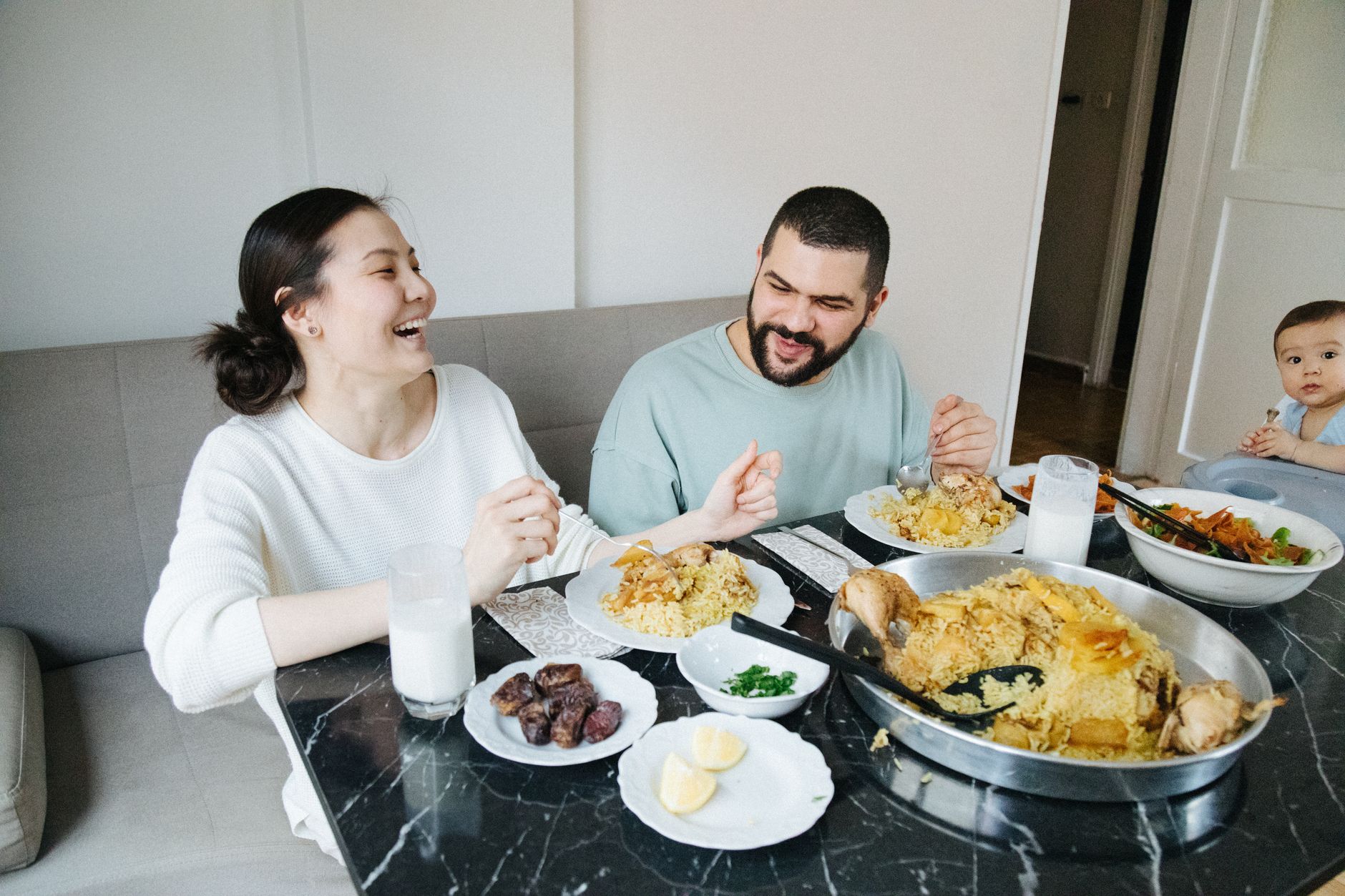
1. **Celebrate traditions**: Keep cultural holidays, foods, and customs alive in your home.
2. **Expose them to both worlds**: Take your children to cultural events, museums, or community gatherings.
3. **Encourage curiosity**: Ask your children questions about their heritage and their new culture. Help them explore both with pride.
### **Navigating the “Which Culture Wins?” Question**
Some immigrant parents worry that their children will lose their cultural identity as they adapt to their new home. But research shows that children who grow up with two cultures often develop a unique strength: the ability to see the world from multiple perspectives.
The key is to celebrate both sides. Let your children know that their heritage is something to be proud of, even as they embrace their new life. And remember: you’re not just raising a child—you’re raising a bridge between two worlds.
---
 ---
## **How Immigrant Mothers Cope with Loneliness: Strategies That Work**
Loneliness is a universal experience, but for immigrant mothers, it can feel especially isolating. You might feel like you’re the only one who understands the weight of cultural expectations, the exhaustion of language barriers, or the longing for home. But you’re not alone—and there are ways to cope.
### **Practical Ways to Combat Loneliness**
1. **Schedule Social Time**
- Even if you’re not feeling it, force yourself to attend one social event a month. Over time, it’ll get easier.
2. **Join a Club or Activity**
- Find something you enjoy—whether it’s a book club, a sports team, or a cooking class—and use it as a way to meet people.
3. **Volunteer**
- Helping others can be a great way to build connections while also giving back to your community.
4. **Prioritize Self-Care**
- Make time for activities that recharge you, whether it’s reading, gardening, or taking a long bath.
### **The Power of Vulnerability**
One of the hardest things about loneliness is the fear of being judged. But here’s the truth: most people are rooting for you. They just don’t know how to help. By opening up—even a little—you might find that others step up to support you in ways you never expected.
---
 ---
## **Resources for Immigrant Mothers in the US: A Comprehensive Guide**
Navigating life as an immigrant mother in the US can feel like solving a puzzle with missing pieces. But there are resources—both national and local—that can help you access support, healthcare, and community. Here’s a breakdown of what’s available.
### **National Resources**
| **Organization** | **What They Offer** | **How to Access** |
|--------------------------------|------------------------------------------------------------------------------------|------------------------------------------------------------------------------------|
| [Immigrant Legal Resource Center](https://www.ilrc.org/) | Free legal resources, including immigration advice and advocacy. | Visit their website or find local affiliates. |
| [Catholic Charities USA](https://www.catholiccharitiesusa.org/) | Free classes, job training, and community events for immigrant families. | Contact your local Catholic Charities office. |
| [Planned Parenthood](https://www.plannedparenthood.org/) | Affordable healthcare, including prenatal care and mental health support. | Use their clinic locator to find the nearest center. |
| [United We Dream](https://unitedwedream.org/) | Advocacy and support for immigrant youth and families. | Visit their website for resources and events. |
| [National Alliance on Mental Illness (NAMI)](https://www.nami.org/) | Mental health support, including culturally sensitive resources. | Contact NAMI for referrals to local support groups. |
### **Local Resources**
- **Community Centers**: Many cities have immigrant-specific centers offering classes, job training, and social events.
- **Libraries**: Free resources, including books, classes, and access to computers and the internet.
- **Hospitals and Clinics**: Many offer sliding-scale fees or free clinics for low-income families.
- **Religious Organizations**: Churches, mosques, and temples often provide support groups and resources.
### **How to Find Local Support**
1. **Ask Around**: Talk to other mothers, teachers, or neighbors. They might know of local resources you don’t.
2. **Check Online**: Websites like [211.org](https://www.211.org/) can connect you with local services.
3. **Visit Your City Hall**: Many cities have a “Welcome Center” or “Immigrant Services Office” that can help you navigate resources.
---
 ---
## **Myth vs. Fact: Debunking Common Misconceptions About Immigrant Motherhood**
Immigrant motherhood is surrounded by myths—some well-intentioned, others harmful. Let’s set the record straight.
### **Myth: Immigrant mothers never complain or show vulnerability.**
**Fact:** Every mother struggles, regardless of their background. Showing vulnerability is a sign of strength, not weakness. You’re allowed to feel overwhelmed, sad, or anxious—and it’s okay to ask for help.
### **Myth: Immigrant mothers should never set boundaries with their families.**
**Fact:** Boundaries are healthy for everyone. You have the right to say no, set limits, and prioritize your well-being. It’s not about being disrespectful; it’s about self-preservation.
### **Myth: Raising bilingual children is difficult or impossible.**
**Fact:** Bilingualism is a gift. Children can learn multiple languages with exposure, consistency, and fun. Even if you’re not fluent, you can still help your child develop language skills.
### **Myth: Immigrant mothers always feel guilty for enjoying their new life.**
**Fact:** It’s normal to feel a mix of emotions—grief for what you’ve left behind and joy for what you’ve gained. You can love your new life and miss your old one. There’s no right or wrong way to feel.
---
 ---
## **Key Takeaways: Navigating Immigrant Motherhood with Confidence**
Navigating immigrant motherhood is a journey of balancing two worlds, honoring your heritage, and finding your voice. Here are the key takeaways to remember:
- **Your identity is not defined by cultural expectations.** You have the right to parent in ways that feel right for your family.
- **Support is available.** Whether it’s online communities, local groups, or healthcare resources, help is out there—you just have to seek it.
- **Language barriers don’t have to limit you.** With creativity and persistence, you can communicate effectively with your children and others.
- **Loneliness is temporary.** Even on the hardest days, remember that you’re not alone. Others understand what you’re going through—you just haven’t found them yet.
- **Your children are lucky to have you.** They don’t need a perfect mother—they need a mother who loves them, supports them, and helps them grow into their best selves.
---
 ---
## **Frequently Asked Questions About Immigrant Mother Identity Struggles**
### **What are the biggest challenges immigrant mothers face?**
The biggest challenges often include balancing cultural expectations with modern parenting, dealing with language barriers, managing isolation, and navigating healthcare and childcare systems. Many immigrant mothers also struggle with guilt, loneliness, and the pressure to be the “perfect” immigrant mother. But remember: these challenges are part of the journey, not failures. You’re doing your best, and that’s enough.
### **How can immigrant mothers maintain their cultural identity while raising children?**
Maintaining cultural identity is about intentionality. This could look like:
- Keeping traditions alive through food, stories, and celebrations.
- Speaking your native language at home, even if it’s not fluent.
- Finding cultural resources, like books, classes, or community events.
- Teaching your children about their heritage with pride.
The goal isn’t perfection—it’s about passing down what feels meaningful to you.
### **Where can immigrant mothers find support groups?**
Support groups can be found in many places:
- **Online**: Facebook groups, Reddit communities, or forums like r/ImmigrantMoms.
- **Local**: Community centers, cultural organizations, churches, or hospitals often host support groups.
- **National**: Organizations like [Catholic Charities](https://www.catholiccharitiesusa.org/) or [United We Dream](https://unitedwedream.org/) offer resources and events.
Don’t hesitate to reach out—you deserve support.
### **What resources are available for immigrant mothers in the US?**
There are countless resources available, including:
- **Legal aid**: Organizations like the [Immigrant Legal Resource Center](https://www.ilrc.org/).
- **Healthcare**: Planned Parenthood or local clinics with sliding-scale fees.
- **Parenting classes**: Many libraries, community centers, and hospitals offer free or low-cost classes.
- **Language classes**: Available through local colleges, workforce development offices, or online platforms like iTalki.
### **How do immigrant mothers deal with language barriers?**
Language barriers can be challenging, but they’re not insurmountable. Here are some strategies:
- Use visual aids, like flashcards or apps, to communicate.
- Find a language partner or tutor to practice with.
- Leverage technology, like translation apps, but always verify important information with a professional.
- Advocate for yourself—ask for interpreters when needed.
### **What are common feelings of isolation among immigrant mothers?**
Isolation can manifest in many ways, including:
- Feeling like an outsider in your new community.
- Missing your old life and feeling disconnected from your heritage.
- Struggling to connect with other mothers due to language or cultural differences.
- Feeling guilty for not being “strong enough” to handle everything alone.
But remember: isolation is often a sign that you need connection. Reach out—whether it’s to a friend, a support group, or a professional. You’re not alone.
---
 ---
## **When to See a Doctor or Specialist**
While the struggles of immigrant motherhood are often emotional and cultural, there are times when professional help is necessary. If you’re experiencing any of the following, consider talking to a healthcare provider:
- **Persistent feelings of sadness, hopelessness, or anxiety** that interfere with your daily life.
- **Difficulty sleeping, eating, or caring for yourself or your children**.
- **Panic attacks, excessive worry, or thoughts of self-harm**.
- **Physical symptoms** (like headaches, fatigue, or digestive issues) that don’t improve with rest or over-the-counter remedies.
If you’re struggling with mental health, reach out to a therapist who specializes in working with immigrant families. Organizations like the [National Alliance on Mental Illness (NAMI)](https://www.nami.org/) can help you find culturally sensitive support.
---
 ---
## **References**
1. American Psychological Association. (2021). *Cultural Competence in Mental Health Services*. [APA](https://www.apa.org)
2. National Alliance on Mental Illness. (2022). *Culturally Responsive Mental Health Care*. [NAMI](https://www.nami.org)
3. Immigrant Legal Resource Center. (2023). *Resources for Immigrant Families*. [ILRC](

