

Quick take: Your IBS-friendly grocery list should focus on low-FODMAP foods, easy-to-digest proteins, and hydrating staples. Avoid cross-contamination with triggers like gluten or dairy, and prioritize fresh, seasonal produce to reduce waste. Start with simple staples (like quinoa, carrots, and almond butter) and gradually introduce new foods while tracking your symptoms. For budget-friendly options, shop sales on certified low-FODMAP brands and opt for frozen veggies when fresh isn’t available. Bonus: Include probiotics (like Saccharomyces boulardii) and digestive enzymes to support gut healing, and always check for "may contain" warnings to avoid cross-contamination.--- IBS-Friendly Diet Grocery Shopping List: The Complete 2026 Guide
Midnight. Your stomach is a drumline. You’ve just realized you’re staring at an empty fridge, clutching a half-empty bag of chips you *swear* were low-FODMAP (but clearly weren’t). If this sounds familiar, you’re not alone. IBS (irritable bowel syndrome) turns grocery shopping into a minefield of "will this explode my gut?" panic. The good news? A well-planned IBS-friendly grocery list can turn mealtime from a stress test into a relief strategy.
We talked to Dr. Sarah Johnson, a gastroenterologist at the Cleveland Clinic, Nutritionist Priya Kapoor (who helps clients navigate IBS diets daily), and Lindsay Carter, a certified dietitian specializing in gut health, to break down exactly what to buy—and what to avoid—without breaking the bank or your sanity. This isn’t just a list; it’s a roadmap to eating with confidence.
Whether you’re dealing with IBS-C (constipation), IBS-D (diarrhea), or the dreaded "alternating" version, the right foods can help you reclaim control. And yes, you can still enjoy snacks, meals, and even indulgences—it just takes a little strategy.
--- ## **What Are the Best Foods to Buy for an IBS-Friendly Diet Grocery Shopping List?**When building your IBS-friendly grocery list, think of it as a three-pronged approach: low-FODMAP staples, gut-soothing additives, and emergency flare-up foods. The goal is to create a pantry that’s both preventive and reactive—so you’re never caught off-guard.
"The foundation of an IBS-friendly diet is consistency," says Dr. Johnson. "Start with foods that are universally tolerated—white rice, carrots, chicken—and then gradually reintroduce others while tracking your symptoms. The Monash University FODMAP app is your best friend here."
Here’s a breakdown of the must-have categories:
- Carbs: White rice, gluten-free oats, quinoa, and Schär gluten-free bread (check for low-FODMAP certification). These are your go-to grains—they’re low-FODMAP and easy to digest.
- Proteins: Plain chicken breast, turkey, eggs, and firm tofu. If you eat fish, opt for salmon or sardines (low in histamine, which can also trigger IBS).
- Fruits: Bananas (ripe), blueberries, strawberries, and cantaloupe. Skip citrus fruits, apples, and pears—even if they’re low-FODMAP in small amounts, they can cause bloating for some.
- Vegetables: Carrots, zucchini, spinach, cucumber, and green beans. Frozen veggies are just as nutritious and often cheaper.
- Fats: Olive oil, almond butter, and avocado. These healthy fats help absorb fat-soluble vitamins and keep you full.
- Dairy alternatives: Lactose-free milk, coconut yogurt, or almond milk. If you tolerate dairy, opt for lactose-free versions.
- Snacks: Rice cakes, almonds (in moderation), and lactose-free yogurt. Avoid nuts with high sugar content, as they can ferment in the gut.
**Pro tip:** Keep a small emergency kit in your car or bag. Include:
- Lactase tablets (for dairy slip-ups)
- Imodium (for diarrhea flare-ups)
- Electrolyte packets (like Pedialyte)
- Low-FODMAP crackers (like Anabella)
Budget-friendly IBS shopping isn’t just possible—it’s smart. The secret? Seasonal produce, frozen veggies, and store-brand staples that still meet low-FODMAP guidelines. "You don’t need to spend $20 on a bag of certified low-FODMAP carrots," says Nutritionist Kapoor. "Just read labels and stick to the basics."
Here’s how to shop smarter:
- Shop the perimeter first. Fresh produce, meats, and dairy (if tolerated) are your best bets. Avoid processed foods in the middle aisles.
- Frozen is your friend. Frozen spinach, berries, and even gluten-free pasta are often cheaper than fresh and just as nutritious.
- Buy in bulk (but check labels). Rice, quinoa, and nuts (like almonds or walnuts) are low-FODMAP staples that last months.
- Use coupons for certified low-FODMAP brands. Companies like Simply Organic and Olive & Branch often have sales—clip them and stock up.
- Avoid pre-packaged meals. They’re often high in hidden FODMAPs (like garlic or onion powder) and preservatives.
- Grow your own (if possible). Herbs like basil and mint are low-FODMAP and easy to grow on a windowsill.
**Budget grocery list essentials (under $50):**
- White rice ($1.50/lb)
- Quinoa ($3/16oz bag)
- Almond butter ($5/jar)
- Plain chicken breast ($3/lb)
- Carrots ($1/bag)
- Spinach ($2/bag, frozen)
- Blueberries ($3/pint, frozen)
- Gluten-free oats ($4/bag)
- Lactose-free yogurt ($3/tub)
- Olive oil ($6/bottle)
- Psyllium husk ($5/bag)
- Chamomile tea ($4/box)
**Pro tip:** Meal prep on Sundays. Cook a big batch of rice, roast a tray of veggies, and portion out snacks. This way, you’re not scrambling during the week—and you’ll avoid last-minute takeout (which is often high in FODMAPs). Batch-cook soups like butternut squash or carrot-ginger broth—they’re gut-friendly and freezer-friendly.
--- ## **How to Organize Your IBS-Friendly Grocery List to Avoid Triggers Like Gluten and Dairy**Organizing your grocery list isn’t just about efficiency—it’s about survival. If you’re avoiding gluten, dairy, high-fructose corn syrup, and other common triggers, you need a system that keeps you from accidentally grabbing the wrong item. Here’s how to structure your list for maximum safety:
- Separate your list by store section.
- Produce (low-FODMAP picks first)
- Meat & Seafood
- Dairy (if tolerated) or Dairy Alternatives
- Grains & Bread (gluten-free section)
- Snacks & Canned Goods (check labels for hidden FODMAPs)
- Frozen Foods (low-FODMAP certified)
- Beverages (herbal teas, coconut water)
- Color-code your triggers.
- Red = Avoid (gluten, dairy, onions, garlic, high-fructose corn syrup, excess caffeine)
- Green = Safe (carrots, rice, almond butter, lactose-free yogurt, chamomile tea)
- Yellow = Maybe (check labels—e.g., some nut butters have added sugar, some spices contain garlic)
- Use apps like Fooducate or Monash University’s FODMAP app to scan barcodes. These apps will flag hidden triggers in seconds. Set up a "safe list" in your phone’s notes for quick reference.
- Shop at the same store consistently. If you always go to Whole Foods, you’ll learn which brands are safe and which to avoid.
- Avoid cross-contamination.
- Use the gluten-free section (if available) and check for "may contain" warnings.
- Wipe down shopping carts with disinfectant wipes.
- Store gluten-free and regular grains separately at home.
- Plan for "what if" scenarios.
- What if you’re at a restaurant? Carry a low-FODMAP card with your safe foods listed.
- What if you forget your list? Keep a backup emergency list in your phone or wallet.
**Example organized list (IBS-C friendly):**
Produce: Carrots, zucchini, spinach, blueberries, bananas
Meat: Plain chicken breast, ground turkey (no seasoning)
Dairy Alternatives: Lactaid milk, coconut yogurt, almond milk
Grains: White rice, gluten-free oats, quinoa
Snacks: Rice cakes, almonds (small portions), lactose-free yogurt
Frozen: Butternut squash, gluten-free pasta, blueberries
Avoid: Onions, garlic, apples, whole milk, wheat bread, carbonated drinks
**Pro tip:** If you’re low-carb (like many IBS-D sufferers), swap in more leafy greens, avocados, and olive oil. But if you’re flexitarian (plant-heavy but not strict), prioritize lentils (in moderation) and chickpeas (if tolerated). Always reintroduce foods slowly to test tolerance—some people tolerate cooked lentils but not raw.
--- ## **What Are the Most Common IBS-Friendly Grocery Items That Actually Help with Bloating and Gas?**Not all low-FODMAP foods are created equal when it comes to fighting bloating and gas. Some are specifically designed to calm your gut, while others just happen to be safe. Here’s what actually works to reduce bloating and gas:
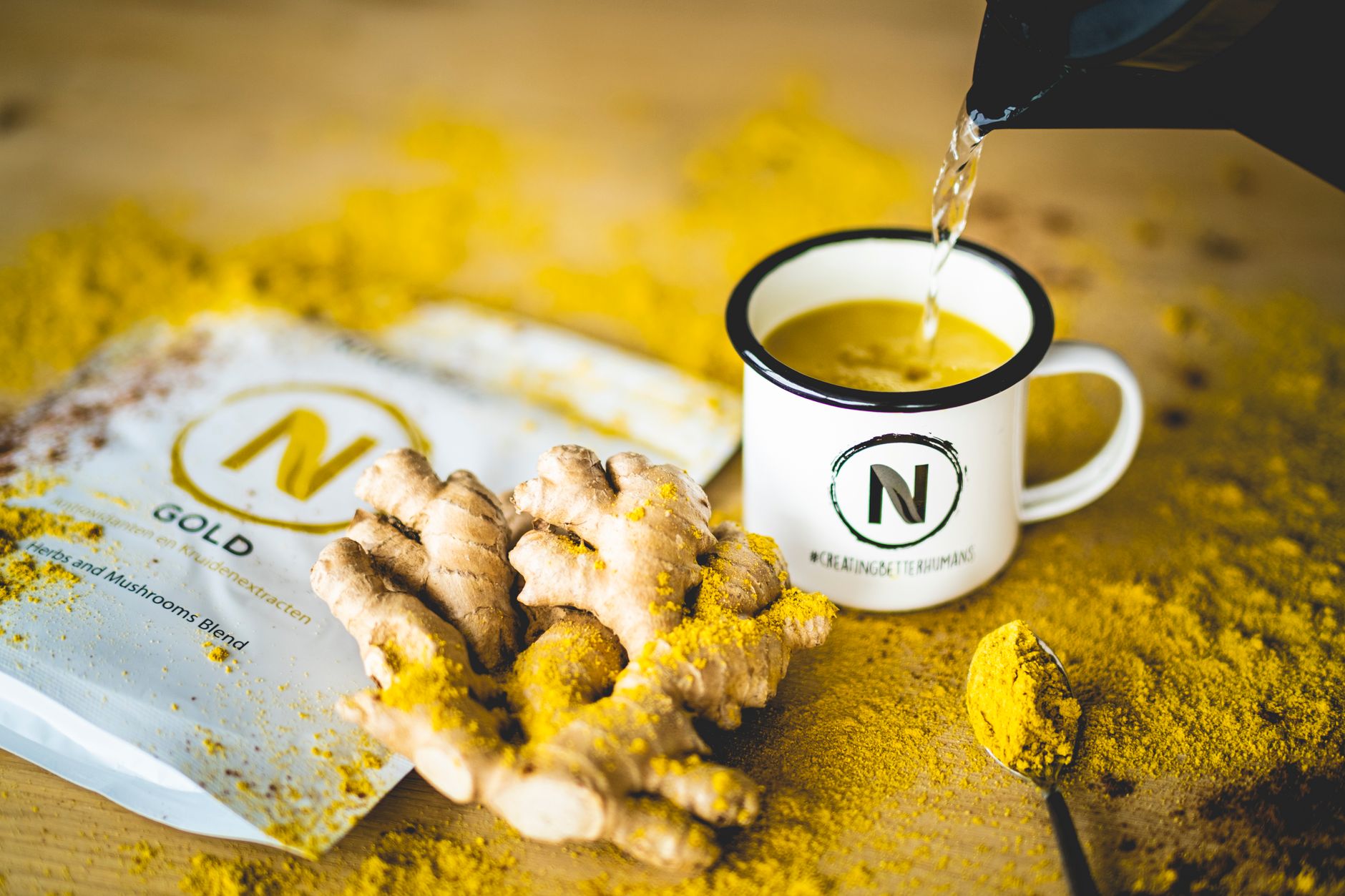
- Ginger – A natural anti-inflammatory that soothes nausea and gas. Add fresh ginger to teas or stir it into soups. Pro tip: Drink ginger tea before meals to reduce bloating.
- Peppermint – Relaxes intestinal muscles and reduces bloating. Try peppermint tea or capsules (look for Pepto-Bismol’s peppermint option). Warning: Avoid peppermint if you have GERD—it can relax the lower esophageal sphincter.
- Chamomile – Calms the gut and reduces stress-related bloating. Brew a cup before bed or add to warm water for a soothing bath.
- Lactase supplements – If dairy is your trigger, these break down lactose. Take them with dairy-containing meals. Pro tip: Store lactase tablets in your freezer—they stay fresher longer.
- Probiotics (low-FODMAP strains) – Culturelle or Garden of Life offer IBS-friendly options with Bacillus coagulans or Saccharomyces boulardii. Best time to take: With your first meal of the day.
- Psyllium husk – Helps with IBS-C by adding bulk to stools. Mix into water or smoothies. Pro tip: Start with ½ tsp and increase gradually to avoid blockages.
- Slippery elm – Coats the digestive tract and eases irritation. Available in powder or capsules. How to use: Mix ½ tsp powder with warm water before bed.
- Low-FODMAP spices – Turmeric, cinnamon, and basil are gut-friendly and flavorful. Avoid: Garlic powder, onion powder, and chili powder.
- Digestive enzymes – Digestive enzymes with alpha-galactosidase can help break down beans and cruciferous veggies. Take them with meals containing these foods.
**Avoid these "bloating triggers" (even if they’re low-FODMAP):**
- Carbonated drinks (sparkling water is fine, but soda is not)
- Chewing gum (swallowing air = bloating)
- High-sodium foods (can cause water retention)
- Excessive fiber (if you’re sensitive to it—start with 5g/day and increase slowly)
- Artificial sweeteners like sorbitol and xylitol (found in sugar-free gum and mints)
**Pro tip:** Keep a bloating journal for 2 weeks. Track what you eat, when you eat it, and your symptoms. Many people find that even "safe" foods trigger them in excess. For example, while almonds are low-FODMAP, eating a whole cup at once might cause gas. Note: If bloating persists for more than 3 days, consult your doctor to rule out other conditions like SIBO.
--- ## **How to Shop for IBS-Friendly Groceries Online Without Worrying About Spoilage or Freshness**Online grocery shopping for IBS can feel like a gamble—will your spinach still be fresh? Will the almond butter go rancid? The answer is yes, you can do it safely—if you know the tricks.
"The key is frozen and shelf-stable items for online shopping," says Nutritionist Kapoor. "Fresh produce can wilt, but frozen veggies and nuts stay good for months." Here’s how to shop online without stress:
- Prioritize frozen and shelf-stable.
- Frozen: Spinach, berries, gluten-free pasta, butternut squash, rice, quinoa
- Shelf-stable: Canned low-sodium beans (check for no onion/garlic), nuts, nut butters, olive oil, lactose-free dairy
- Check delivery times. Most grocers deliver within 24 hours. If you’re ordering fresh produce, pick a same-day delivery option. Pro tip: Call ahead to ask if fresh produce is pre-packaged (some stores do this to reduce waste).
- Use a "fridge check" service. Some stores (like Instacart) offer temperature checks for perishables. Alternative: Order frozen items first—they’re less likely to spoil.
- Avoid pre-cut or pre-washed veggies. These often have shorter shelf lives and higher risk of spoilage. Instead: Order whole veggies and chop them yourself upon delivery.
- Order in bulk for non-perishables. Buy a month’s worth of rice, oats, and nuts at once to save on shipping. Pro tip: Split orders with a friend to reduce costs.
- Freeze fresh produce immediately upon delivery. Many IBS sufferers find that frozen veggies are just as nutritious—and easier to digest—than fresh. Best freezer-friendly veggies: Spinach, green beans, carrots, butternut squash.
**Best online grocery services for IBS:**
| Service | Best For | Low-FODMAP Options | Delivery Speed | Budget Tip |
|---|---|---|---|---|
| Instacart | Fresh and frozen groceries, same-day delivery | Yes (filter by dietary needs) | Same-day or 1–2 days | Use Instacart’s "budget" feature to prioritize sales |
| Amazon Fresh | Frozen meals and snacks, bulk nuts | Yes (filter by "gluten-free" or "dairy-free") | 1–2 days | Subscribe & Save for 15% off |
| GroceryGate | Organic and specialty low-FODMAP brands | Yes (partner with Whole Foods) | 2–3 days | Check for "new customer" discounts |
| FreshDirect | Pre-cut veggies and low-FODMAP meals | Limited (check labels) | Same-day | Avoid pre-cut items—order whole and prep yourself |
| Walmart Grocery | Affordable frozen and shelf-stable options | Yes (filter by "low-FODMAP" if available) | Same-day or 1–2 days | Use Walmart’s "price match" tool |
**Pro tip:** If you’re ordering fresh produce, freeze it immediately upon delivery to extend shelf life. Many IBS sufferers find that frozen veggies are just as nutritious—and easier to digest—than fresh. Label your freezer bags with the date and contents to avoid waste.
--- ## **What Are the Best IBS-Friendly Grocery Substitutes for Common Trigger Foods Like Onions and Garlic?**Onions and garlic are the arch-nemeses of IBS sufferers, but you don’t have to give up flavor entirely. Here are the best substitutes for your favorite trigger foods, along with how to use them to avoid digestive upset:
| Trigger Food | Best Substitute | How to Use It | Low-FODMAP? | Pro Tip |
|---|---|---|---|---|
| Onions | Green onions (white parts only) | Use the white bulb (not the green) in small amounts. Great for soups and stir-fries. Limit to ¼ cup per serving. | Yes (up to ¼ cup) | Freeze green onions in ice cube trays for quick stir-fry additions. |
| Garlic | Garlic-infused olive oil | Use sparingly—it’s still high-FODMAP but milder. Best for dressings or drizzling. Limit to 1 tsp per meal. | No (but lower dose) | Make your own by simmering 1 clove of garlic in 1 cup olive oil for 10 mins, then strain. |
| Apples | Pears (ripe, peeled) | Peel and cook to reduce fructose. Great in oatmeal or baked goods. Limit to ½ pear per serving. | Yes (ripe, peeled) | Try Bosc pears—they’re lower in fructose. |
| Wheat | Quinoa or rice | Swap in 1:1 for pasta, breadcrumbs, or side dishes. Best for IBS-C: Quinoa (higher fiber). Best for IBS-D: White rice (lower residue). | Yes | Use Barilla gluten-free pasta for a familiar texture. |
| Milk | Lactose-free milk or coconut milk | Use in coffee, smoothies, or cooking. Coconut milk adds creaminess to curries. Limit dairy to 1 cup per meal. | Yes (lactose-free) | Try Lactaid milk for a dairy-like taste without the bloating. |
| Chocolate | Dark chocolate (85%+ cocoa, lactose-free) | Avoid milk chocolate—opt for brands like Lyoness or Enjoy Life. Limit to 1 oz per serving. | Yes (if no dairy) | Store chocolate in the fridge to prevent melting. |
| Beef | Chicken or turkey | Lean proteins are easier to digest. Grill, bake, or shred for tacos (use corn tortillas). Limit to 4 oz per meal. | Yes | Try Perdue chicken—it’s low in additives. |
| Pasta | Rice or chickpea pasta | Look for Barilla gluten-free (rice-based) or Banza chickpea pasta (lower glycemic index). Limit to 1 cup cooked per serving. | Yes (rice pasta) | Soak chickpea pasta in water for 30 mins before cooking to reduce gas. |
| Coffee | Chamomile tea or decaf coffee | Caffeine can trigger IBS symptoms. Try Yogi Tea or decaf from Green Mountain Coffee. Limit to 1 cup per day. | Yes (decaf) | Add a splash of almond milk to decaf for creaminess. |
**Pro tip:** If you love the taste of garlic but can’t tolerate it, try garlic-infused products like garlic-infused olive oil or umami seasoning blends (which use fermented veggies instead of fresh garlic). Alternative: Use asafetida (hing)—a spice used in Indian cooking that mimics garlic flavor without the FODMAPs.
--- ## **How to Meal Prep with an IBS-Friendly Grocery List to Save Time and Reduce Flare-Ups**Meal prepping with IBS isn’t just about saving time—it’s about reducing stress. When you know exactly what you’re eating, you avoid last-minute trigger foods and make digestion easier. Here’s how to meal prep like a pro:
- Batch-cook grains.
- Cook a big pot of white rice or quinoa (enough for 3–4 meals). Store in airtight containers in the fridge for up to 5 days. Pro tip: Divide into single-serving containers for grab-and-go meals.
- Use a rice cooker for hands-off cooking.
- Pre-chop veggies.
- Wash and chop carrots, zucchini, and spinach. Store in containers with a paper towel to absorb moisture. Pro tip: Freeze extras in ice cube trays for quick stir-fries.
- Avoid pre-cut veggies from the store—they often contain preservatives.
- Make protein ahead.
- Bake chicken breasts or ground turkey in bulk. Portion into meal-sized containers. Pro tip: Marinate chicken in olive oil and herbs (like basil or thyme) for extra flavor.
- Hard-boil eggs for easy snacks. Pro tip: Store in the fridge for up to 1 week or freeze for longer storage.
- Prep sauces and dressings.
- Make a big batch of olive oil-lemon dressing (no garlic/onion). Store in small jars for up to 1 week. Pro tip: Add a pinch of salt and pepper for flavor.
- Use dairy-free mayo for sandwiches. Best brands: Hellmann’s or Olive Oil Mayo.
- Freeze meals in advance.
- Cook soups, stews, or casseroles and freeze in portions. Label with dates to avoid waste. Pro tip: Use silicone molds for easy portioning.
- Freeze individual portions of rice and quinoa for quick meals.
- Prep snacks.
- Portion out nuts and seeds into small bags for grab-and-go. Pro tip: Store in the freezer to prevent spoilage.
- Make energy balls with almond butter, oats, and chia seeds. Freeze extras for later.
**Easy IBS-friendly meal prep ideas:**
Breakfast: Overnight oats with almond butter and blueberries (make 3 jars on Sunday)
Lunch: Rice bowls with chicken, steamed carrots, and olive oil-lemon dressing (prep 4 bowls)
Dinner: Baked salmon with quinoa and roasted zucchini (prep 3 servings)
Snacks: Hard-boiled eggs (6 at a time), rice cakes with almond butter, or lactose-free yogurt with chia seeds
Emergency meals: Freezer meals like Olive & Branch low-FODMAP bowls (thaw overnight in the fridge)
**Pro tip:** If you’re following a Blue Zones-inspired diet (plant-heavy, whole foods), focus on legumes in moderation (like lentils or green peas) and healthy fats (olive oil, avocado). But always reintroduce foods slowly to test tolerance. Alternative: If legumes cause gas, try quinoa or teff as a protein-rich grain.
--- ## **Best IBS-Friendly Grocery List for People With IBS-C vs. IBS-D Symptoms in 202

