f you’ve ever felt like your thyroid is on overdrive—racing heart, sweaty palms, or an inability to sleep—you know how frustrating it is to watch your favorite foods become off-limits. But here’s the good news: you don’t have to eliminate everything. The key is focusing on low-goitrogen foods while cutting back on the biggest culprits.
Goitrogens are naturally occurring compounds found in certain plants that can interfere with thyroid function, particularly if you have hyperthyroidism. For most people with hyperthyroidism, the concern isn’t about goitrogens causing the condition (that’s more hypothyroidism territory), but about preventing them from worsening symptoms by further disrupting thyroid hormone balance. That said, if you’re managing hyperthyroidism with medication like methimazole or radioactive iodine, goitrogens can interfere with how well those treatments work.
Here’s the hard truth: you don’t need to avoid all goitrogen-rich foods forever, but you’ll want to limit them during the first few months of your diet transition—or whenever you’re experiencing a flare-up. Once your symptoms stabilize, you can reintroduce some of these foods in moderation, cooked rather than raw.
Foods to avoid or limit completely (especially raw):
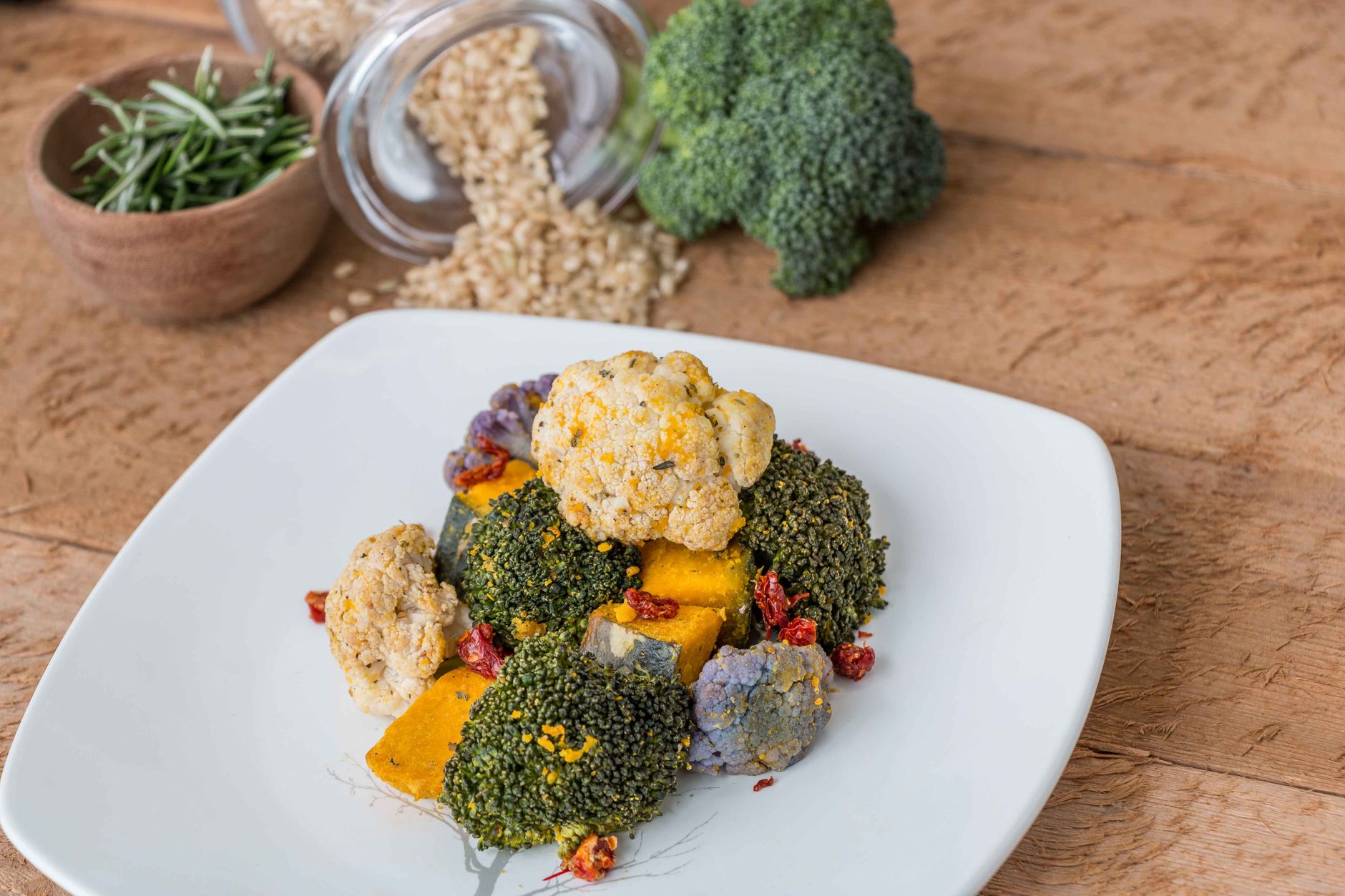
- Cruciferous vegetables (raw): broccoli, cauliflower, Brussels sprouts, kale, cabbage, bok choy, turnips, rutabaga, and watercress. Cooking these vegetables (steaming, boiling, or roasting) reduces goitrogen levels and makes them safer to eat.
- Soy products: tofu, tempeh, edamame, soy milk, and miso (unless you’re following a pregnancy-safe version—more on that later). Soy contains isoflavones, which can affect thyroid hormone metabolism.
- Nuts and seeds: flaxseeds, chia seeds, and sesame seeds. While these are nutrient powerhouses, they’re high in goitrogens. Safe alternatives include almonds, walnuts, and pumpkin seeds in moderation.
- Certain grains: wheat bran and millet. These can also contribute to goitrogen load.
- Raw cassava: a starchy root often used in gluten-free baking. Cooking it thoroughly reduces goitrogen content.
- Excessive caffeine: coffee, black tea, and energy drinks. These can exacerbate anxiety and heart palpitations, common hyperthyroid symptoms.
One reader described her struggle perfectly: “I love my morning smoothie with spinach, banana, and almond milk. But after I started hyperthyroidism treatment, my doctor said I had to ditch the spinach. I felt like I was losing my identity!” The good news? You can still enjoy safe, nutrient-dense alternatives like cooked carrots, zucchini, or even a small portion of steamed kale (if tolerated).
 >
**Pro tip:** If you’re craving something crunchy, swap raw nuts for roasted chickpeas or baked seaweed snacks (in moderation). And if you’re missing soy, try lupini beans or hemp seeds as plant-based protein alternatives.
---
How to create a balanced hyperthyroid diet meal plan for the first week with no goitrogens
You’re ready to start, but where do you even begin? A hyperthyroid diet isn’t about deprivation—it’s about balance, consistency, and smart swaps. The goal is to stabilize your thyroid function while supporting your energy, sleep, and overall well-being. Below is a 7-day meal plan designed to help you transition smoothly, with no goitrogens and plenty of thyroid-friendly nutrients.
**Key principles for your first week:**
- Prioritize lean proteins like chicken, turkey, fish, eggs, and tofu (if tolerated in moderation). Protein helps stabilize blood sugar and keeps you full.
- Choose healthy fats like avocados, olive oil, coconut oil, and nuts/seeds in safe amounts (see previous section). Fats help your body absorb fat-soluble vitamins like A, D, E, and K.
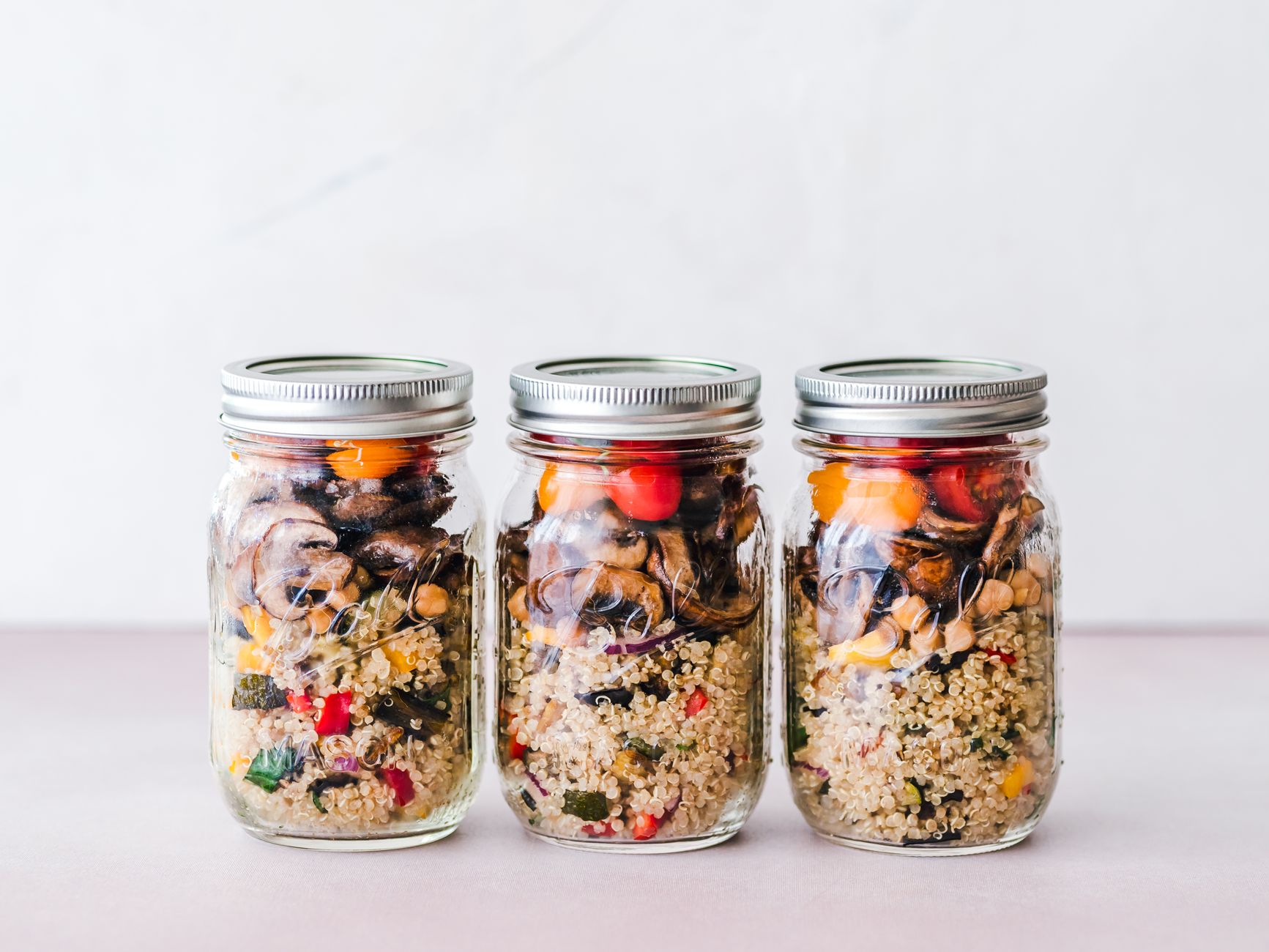
- Opt for complex carbohydrates like quinoa, brown rice, sweet potatoes, and whole-grain bread. These provide steady energy without spiking your blood sugar.
- Load up on non-goitrogenic vegetables like carrots, zucchini, bell peppers, mushrooms, and asparagus. These are packed with fiber and vitamins.
- Avoid processed foods and sugary snacks, which can worsen anxiety and fatigue.
7-Day Hyperthyroid Diet Meal Plan
**Note:** If you’re pregnant or trying to conceive, adjust your meal plan to include more iodine-rich foods like seafood (if your provider approves) and dairy. Always check with your healthcare provider before making significant dietary changes during pregnancy.
 >
**Transition tip:** If you’re used to eating raw cruciferous vegetables, try cooking them first. For example, swap raw kale in your smoothie for cooked spinach or steamed bok choy. This reduces goitrogen levels while keeping the nutrients intact.
---
Can I still eat soy products on a hyperthyroid diet? What are the best low-goitrogen alternatives?
Soy is a hot topic in the hyperthyroidism world. Some people swear by it, while others avoid it like the plague. The truth? It depends on the type, preparation, and your individual response. Soy contains isoflavones, which can interfere with thyroid hormone metabolism—especially if you have Graves’ disease or are taking thyroid medications like methimazole or propylthiouracil (PTU).
Here’s what you need to know:
- Fermented soy like miso and tempeh is generally better tolerated than raw soy because fermentation breaks down some of the goitrogens. However, it’s still wise to limit intake if you’re managing hyperthyroidism.
- Soy milk and tofu should be consumed in moderation. If you’re sensitive, opt for low-isoflavone soy products or alternatives.
- Edamame is high in isoflavones, so it’s best to avoid it during flare-ups.
**Low-goitrogen alternatives to soy:
- Lupini beans: These are high in protein and fiber and contain no goitrogens. They’re often sold in brine and can be used in salads, wraps, or as a snack.
- Hemp seeds: A great source of protein and healthy fats with minimal goitrogen content.
- Chickpeas and lentils: Both are excellent plant-based protein sources and are low in goitrogens.
- Quinoa: A complete protein that’s also gluten-free and low in goitrogens.
- Eggs and dairy (if tolerated): These are fantastic sources of protein and can be incorporated into meals easily.
One reader shared her experience: “I loved my vegan smoothie bowls with tofu and soy milk, but after my hyperthyroidism diagnosis, I had to find alternatives. I started using chickpeas in my smoothies instead of tofu, and I added hemp seeds for extra protein. It’s been a game-changer!”
**Pro tip:** If you’re craving something creamy, try coconut yogurt or almond milk yogurt as a dairy-free alternative to soy milk.
---
What are the best breakfast, lunch, and dinner options for managing hyperthyroidism in pregnancy?
Pregnancy and hyperthyroidism is a double whammy—your body is already working overtime, and managing thyroid function becomes even more critical. The good news? A hyperthyroid diet during pregnancy can help stabilize your symptoms and support both you and your baby’s development.
**Key considerations for pregnancy:**
- Prioritize iodine-rich foods like seafood (if your provider approves), dairy, and eggs. Iodine is essential for fetal brain development.
- Avoid excessive caffeine, which can contribute to anxiety and insomnia.
- Stay hydrated to support circulation and thyroid function.
- Choose foods rich in selenium and zinc, which help regulate thyroid hormones. Examples include Brazil nuts, pumpkin seeds, and lean meats.
Pregnancy-safe hyperthyroid diet meal ideas:
**Snack ideas for pregnancy:**
- Hard-boiled eggs with a sprinkle of sea salt
- Cottage cheese with pineapple chunks
- Roasted chickpeas with a dash of paprika
- Dark chocolate (85% cocoa) and a small handful of almonds
- Hummus with carrot and cucumber sticks
**Important note:** Always consult your healthcare provider before making significant dietary changes during pregnancy. Some foods that are generally safe may need to be avoided if you have specific sensitivities or complications.
 >
---
How does a hyperthyroid diet differ from a hypothyroid diet? Key food comparisons explained
If you’ve ever wondered why your friend with hypothyroidism eats all the cruciferous vegetables while you’re avoiding them, here’s the breakdown. A hyperthyroid diet and a hypothyroid diet serve opposite goals: one aims to calm an overactive thyroid, while the other seeks to stimulate a sluggish one.
Here’s a side-by-side comparison of the key differences:
One reader put it perfectly: “I thought everyone with thyroid issues ate the same foods, but my hypothyroid friend and I are basically on opposite diets! She loves her kale smoothies, and I have to avoid them. It’s wild how different our needs are.”
**Key takeaway:** While there’s some overlap in the types of foods recommended for both conditions, the key difference lies in how you prepare and consume them. For hyperthyroidism, the focus is on reducing goitrogen exposure and stabilizing symptoms, while hypothyroidism often involves incorporating goitrogen-rich foods in cooked forms to support thyroid function.
---
What are the signs my hyperthyroid diet isn’t working? Symptoms to watch for in beginners
You’ve been eating right, avoiding goitrogens, and staying hydrated—but are you seeing improvements? For many people with hyperthyroidism, dietary changes can help stabilize symptoms, but it’s important to know what to watch for. If your symptoms worsen or persist, it may be time to revisit your approach—or consult your endocrinologist.
**Signs your hyperthyroid diet may not be working (or may need adjustment):
- Increased heart palpitations or irregular heartbeat: If your heart is racing more often or you’re experiencing palpitations, this could indicate that your thyroid is still overactive or that your body isn’t processing thyroid hormones efficiently.
- Worsening anxiety or insomnia: If you’re struggling to sleep or feeling more anxious than before, your diet may not be addressing your stress levels effectively. Consider adding magnesium-rich foods like spinach, pumpkin seeds, or dark chocolate.
- Unexplained weight loss or muscle weakness: If you’re losing weight without trying or feeling weak, your thyroid may still be overproducing hormones. In this case, you may need to adjust your medication or work with your doctor to find the right balance.
- Heat intolerance or excessive sweating: If you’re still feeling overheated or sweating excessively, your thyroid may not be regulated. Try cooling foods like cucumber, watermelon, and mint to help balance your body temperature.
- g>Digestive issues like diarrhea or frequent bowel movements: Hyperthyroidism can speed up digestion, leading to diarrhea or frequent bowel movements. If this persists, you may need to adjust your fiber intake or try probiotic-rich foods like yogurt or kefir.
- Fatigue or brain fog: While fatigue is more commonly associated with hypothyroidism, it can also occur with hyperthyroidism, especially if your body is struggling to cope with the excess hormones. If you’re feeling mentally foggy, consider adding B vitamins or omega-3s to your diet.
**What to do next:**
- Track your symptoms for a few weeks to see if there’s a pattern. Use a journal or app to log your food intake, energy levels, and any changes in symptoms.
- Revisit your meal plan with your endocrinologist or a registered dietitian specializing in thyroid health. They can help you identify any gaps or areas for improvement.
- Consider supplements like magnesium, B vitamins, or selenium if your diet isn’t providing enough. Always check with your healthcare provider before starting any new supplement.
- Monitor your medication. If you’re taking thyroid medications like methimazole or radioactive iodine, your doctor may need to adjust your dose based on your diet and symptom response.
 >
---
Can I drink coffee or tea on a hyperthyroid diet? Best herbal alternatives for thyroid health
Coffee is the love language of many people with hyperthyroidism—it’s a quick pick-me-up, helps with focus, and can feel like a lifeline when you’re exhausted. But here’s the catch: caffeine can worsen anxiety, heart palpitations, and insomnia, all of which are common in hyperthyroidism. So, what’s a caffeine lover to do?
**The caffeine-hyperthyroidism connection:**
- Caffeine stimulates the adrenal glands, which can further stress an already overactive thyroid.
- It can increase heart rate, making palpitations worse.
- It may disrupt sleep, which is crucial for managing thyroid-related anxiety.
**So, can you drink coffee or tea?**
- If you’re sensitive to caffeine, it’s best to avoid it entirely during flare-ups. Try decaf coffee or switch to herbal alternatives.
- If you tolerate caffeine well, limit your intake to one cup in the morning and avoid drinking it after 2 PM to prevent sleep disruption.
- If you’re pregnant, limit caffeine to 200 mg or less per day (about one 8-ounce cup of coffee) to support both your thyroid and your baby’s development.
**Best herbal alternatives for thyroid health:**
- Chamomile tea: Calms anxiety and promotes relaxation.
- Lemon balm tea: Supports stress management and sleep.
- Peppermint tea: Aids digestion and can help with bloating.
- Ashwagandha tea: An adaptogen that helps the body manage stress (always check with your doctor before trying new supplements).
- Green tea (in moderation): Contains L-theanine, which can promote relaxation. Stick to one cup in the morning and avoid it after 2 PM.
**Pro tip:** If you miss the ritual of coffee, try a matcha latte (made with hot water and a small amount of matcha powder) or a golden milk (turmeric, cinnamon, and coconut milk). Both are soothing and provide anti-inflammatory benefits.
---
Best hyperthyroid diet foods for weight loss in early pregnancy
Weight loss during pregnancy is never the goal—but if you’re managing hyperthyroidism, you might find yourself losing weight unexpectedly. While this can be frustrating, it’s important to focus on nutrient-dense foods that support both your thyroid and your baby’s development. The key is to prioritize foods that are low in calories but high in nutrients, so you’re not depriving yourself or your baby.
**Top foods for hyperthyroidism-friendly weight management in pregnancy:**
- Lean proteins: Chicken, turkey, fish (like salmon or cod), and eggs are excellent sources of protein that help you feel full without adding excess calories.
- Healthy fats: Avocados, olive oil, and nuts/seeds (in moderation) provide essential fats for brain development and help stabilize blood sugar.
- Complex carbohydrates: Quinoa, brown rice, sweet potatoes, and whole-grain bread provide steady energy and fiber to keep you satisfied.
- Non-starchy vegetables: Zucchini, carrots, bell peppers, and mushrooms are low in calories but packed with vitamins and minerals.
- Fiber-rich fruits: Berries, apples, and pears are great for digestion and keeping you full.
- Iodine-rich foods: Seafood (if your provider approves), dairy, and eggs support thyroid function and fetal brain development.
**Sample meal ideas for weight management:**
- Breakfast: Scrambled eggs with sautéed mushrooms and a side of whole-grain toast.
- Lunch: Grilled chicken salad with mixed greens, cucumber, cherry tomatoes, and olive oil dressing.
- Dinner: Baked salmon with quinoa and roasted carrots.
- Snacks: Cottage cheese with pineapple chunks or a small handful of almonds and an apple.
**Avoid:**
- Processed snacks and sugary foods, which can worsen anxiety and fatigue.
- Excessive caffeine, which can contribute to dehydration and anxiety.
- Raw cruciferous vegetables, which can interfere with thyroid function.
**Pro tip:** If you’re struggling with weight loss during pregnancy, focus on adding nutrients rather than restricting calories. Work with your healthcare provider to ensure you’re getting enough calories and nutrients for both you and your baby.
---
How to transition from a normal diet to a hyperthyroid diet without thyroid flare-ups
Switching to a hyperthyroid diet doesn’t have to be an all-or-nothing affair. If you go cold turkey, you might trigger a flare-up or feel overwhelmed. Instead, take a gradual approach that allows your body to adjust while keeping your symptoms in check.
**Step-by-step transition plan:**
- Week 1: Identify your triggers
- Track your food intake and symptoms for a week. Note which foods seem to worsen your symptoms (e.g., caffeine, raw cruciferous vegetables, soy).
- Avoid processed foods, sugary snacks, and excessive caffeine.
- Week 2: Reduce goitrogens gradually
- Start by cooking cruciferous vegetables instead of eating them raw.
- Reduce soy intake and swap it for low-goitrogen alternatives like chickpeas or lentils.
- Limit caffeine to one cup of coffee or tea in the morning.
- Week 3: Introduce thyroid-supportive foods
- Add selenium-rich foods like Brazil nuts, pumpkin seeds, and fish to your diet.
- Incorporate magnesium-rich foods like spinach, almonds, and dark chocolate.
- Prioritize lean proteins, healthy fats, and complex carbohydrates.
- Week 4: Monitor and adjust
- Track your symptoms and energy levels. If you notice any worsening, revisit your food choices.
- Consult your endocrinologist or a registered dietitian to ensure you’re meeting your nutritional needs.
- Consider supplements like magnesium or B vitamins if your diet isn’t providing enough.
**Pro tip:** If you’re experiencing a flare-up, focus on hydration, rest, and stress management. Herbal teas like chamomile or lemon balm can help calm your nervous system, while gentle movement like yoga or walking can support your thyroid function without overstimulating it.
---
Does a hyperthyroid diet help with anxiety and heart palpitations? Food-based solutions
Anxiety and heart palpitations are two of the most frustrating symptoms of hyperthyroidism. The good news? Diet can play a significant role in managing these symptoms. While no food will cure hyperthyroidism, certain nutrients and foods can help stabilize your nervous system and support heart health.
**Foods to support anxiety and heart palpitations:**
- Magnesium-rich foods: Spinach, pumpkin seeds, almonds, dark chocolate, and avocados help regulate nerve function and muscle contractions, which can reduce anxiety and palpitations.
- B vitamins: Whole grains, eggs, lean meats, and leafy greens support brain function and help regulate stress hormones.
- Omega-3 fatty acids: Found in fatty fish like salmon, walnuts, and flaxseeds, these help reduce inflammation and support heart health.
- Complex carbohydrates: Oats, quinoa, and




