Hyperthyroidism speeds up your metabolism, which can lead to unintended weight loss—sometimes as much as 10–20 pounds in a few months. While this might seem like a blessing, rapid weight loss can also deplete nutrients and worsen symptoms like fatigue and muscle weakness. The goal isn’t to pack on pounds, but to eat in a way that supports *stable* energy and muscle mass.
Here’s what to steer clear of at dinner (and really, all day):
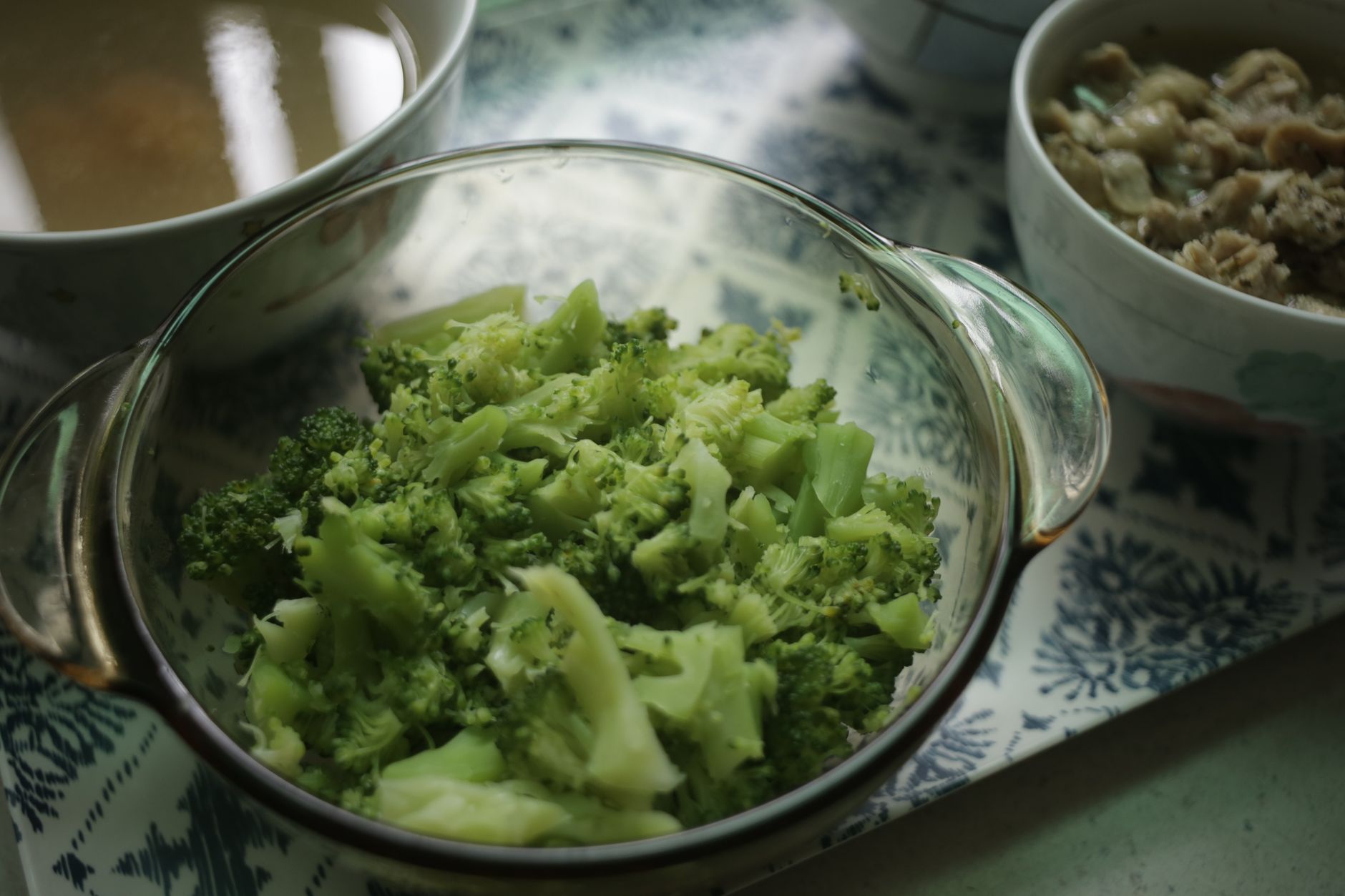
- Goitrogens (in raw cruciferous veggies): While small amounts of cooked cruciferous vegetables like broccoli, cabbage, and Brussels sprouts are fine, raw versions can interfere with thyroid hormone production. If you’re sensitive, cook them thoroughly or limit portions.
- Excessive iodine: Foods like seaweed, iodized salt, and certain fish (like cod and haddock) can overload your thyroid if you’re already overproducing hormones. Stick to small amounts of low-iodine seafood like sardines or salmon.
- Soy products: Tofu, tempeh, edamame, and soy sauce can contain compounds that mimic estrogen and may worsen hyperthyroidism symptoms in some people. Opt for small servings of fermented soy (like miso in moderation) if you tolerate it.
- Processed meats: Hot dogs, deli meats, and sausages are often high in sodium and preservatives that can spike inflammation and heart rate. Choose lean, unprocessed proteins like chicken, turkey, or plant-based options.
- Caffeine and alcohol: Both can amplify anxiety and disrupt sleep, which are already common issues with hyperthyroidism. Swap your evening coffee for herbal tea (like chamomile) and limit alcohol to one drink or less.
If you’re meal prepping, avoid storing cooked meals with goitrogenic veggies in plastic containers—heat can leach chemicals that may worsen thyroid function. Glass or stainless steel are safer choices.
---
Easy hyperthyroid-friendly dinner recipes that reduce thyroid inflammation in 30 minutes
You don’t need to spend hours in the kitchen to eat well with hyperthyroidism. The goal is meals that are quick, nutrient-dense, and designed to calm inflammation while keeping your energy steady. Below are five recipes that take 30 minutes or less, use whole foods, and avoid common triggers.
**Why this works:** These meals focus on selenium (a mineral that supports thyroid function), zinc (for immune health), and healthy fats (to stabilize blood sugar). They also include anti-inflammatory spices like turmeric and ginger, which help reduce cortisol—a stress hormone that can worsen hyperthyroidism symptoms.
---
### **1. Lemon-Garlic Baked Salmon with Quinoa and Roasted Asparagus**
**Why it’s great:** Salmon is one of the best foods for hyperthyroidism because it’s rich in selenium and omega-3s, which reduce inflammation. Quinoa provides balanced protein and fiber, while asparagus is a low-goitrogen vegetable when cooked.
**Ingredients (serves 2):**
- 2 salmon fillets (wild-caught, low-mercury)
- 1 cup quinoa, rinsed
- 2 cups water or low-sodium broth
- 1 bunch asparagus, trimmed
- 2 tbsp olive oil
- 2 cloves garlic, minced
- 1 lemon (zest + juice)
- 1 tsp turmeric
- ½ tsp black pepper
- Salt to taste
**Instructions:**
1. Preheat oven to 375°F (190°C). Line a baking sheet with parchment paper.
2. Place salmon on the baking sheet. Drizzle with olive oil, lemon juice, garlic, turmeric, and black pepper. Bake for 12–15 minutes.
3. While salmon bakes, cook quinoa in water or broth. Once done, fluff with a fork.
4. Toss asparagus with 1 tbsp olive oil, salt, and pepper. Roast on the same sheet for the last 10 minutes of salmon cooking.
5. Serve salmon over quinoa with roasted asparagus.
**Nutrition per serving:**
- Calories: 450
- Protein: 35g
- Fiber: 6g
- Selenium: 100% DV (from salmon)
---
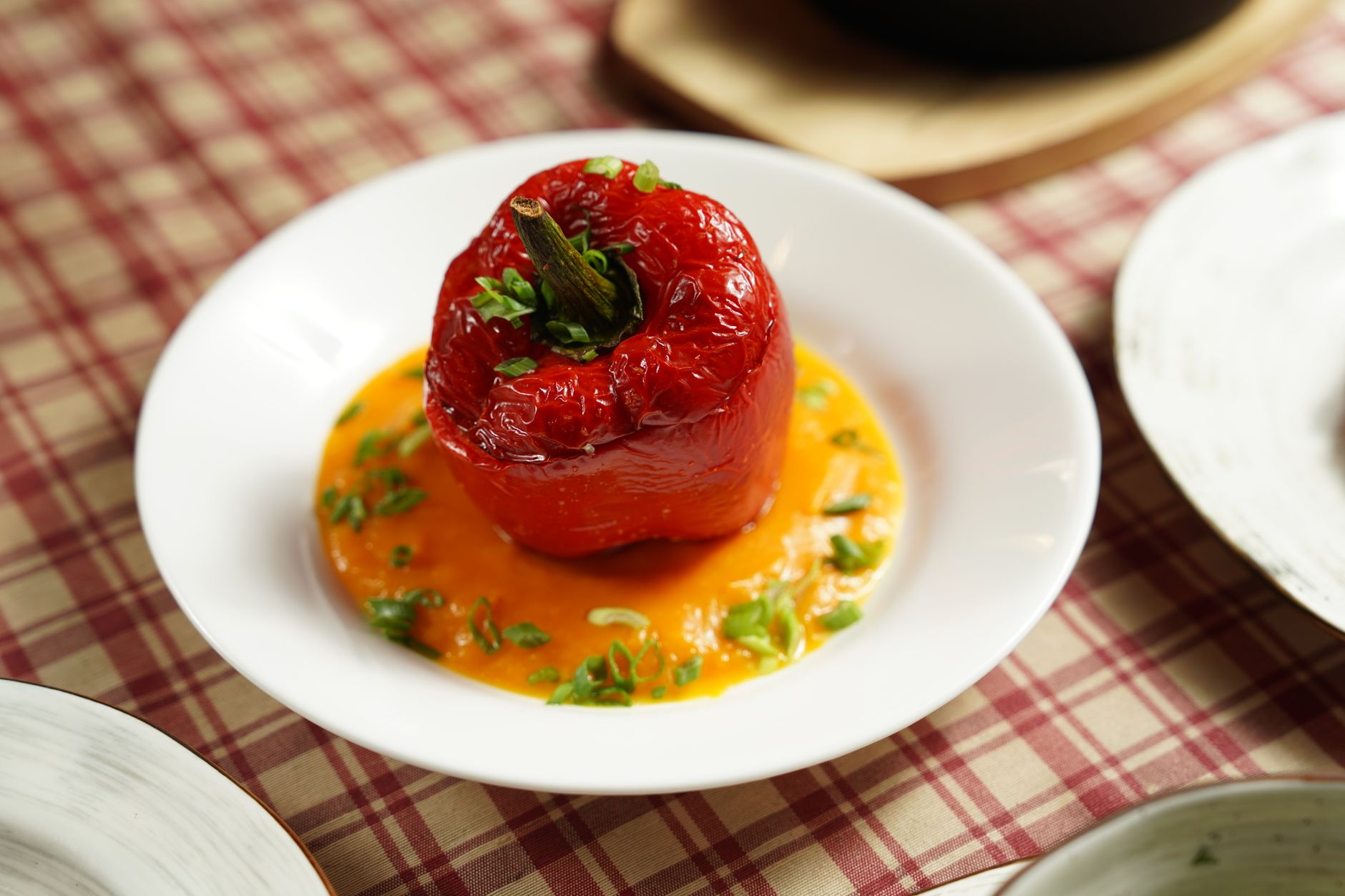
### **2. Turkey and Spinach Stuffed Bell Peppers**
**Why it’s great:** Ground turkey is lean and protein-rich, while spinach is packed with magnesium—a mineral that helps regulate blood pressure and heart rate. Bell peppers are low-goitrogen and add vitamin C for collagen support (important if you’re dealing with hair loss).
**Ingredients (serves 4):**
- 4 bell peppers (any color), tops cut off and seeds removed
- 1 lb (450g) lean ground turkey
- 1 cup cooked brown rice
- 2 cups fresh spinach, chopped
- 1 small onion, diced
- 2 cloves garlic, minced
- 1 tsp cumin
- ½ tsp smoked paprika
- ½ cup low-sodium chicken broth
- 1 tbsp olive oil
**Instructions:**
1. Preheat oven to 375°F (190°C). Lightly grease a baking dish.
2. In a skillet, heat olive oil over medium heat. Sauté onion and garlic until soft. Add ground turkey, cooking until browned. Stir in cumin, paprika, and spinach until wilted.
3. Mix in cooked brown rice and chicken broth. Spoon the mixture into the bell peppers, filling them about ¾ full.
4. Place peppers in the baking dish, cover with foil, and bake for 25 minutes. Uncover and bake 10 more minutes until peppers are tender.
**Nutrition per serving:**
- Calories: 280
- Protein: 28g
- Fiber: 5g
- Magnesium: 20% DV (from spinach and brown rice)
---
### **3. Chicken and Mushroom Stir-Fry with Cauliflower Rice**
**Why it’s great:** Chicken breast is a lean protein, and mushrooms are a great source of selenium. Cauliflower rice is a low-carb, low-goitrogen alternative to white rice, and it helps stabilize blood sugar to prevent energy crashes.
**Ingredients (serves 2):**
- 2 boneless, skinless chicken breasts, sliced
- 2 cups mushrooms, sliced
- 1 bell pepper, sliced
- 1 cup cauliflower rice (fresh or frozen)
- 2 tbsp coconut aminos (soy-free alternative)
- 1 tbsp sesame oil
- 1 tsp ginger, grated
- 1 clove garlic, minced
- ½ tsp turmeric
- 1 tbsp olive oil
**Instructions:**
1. Heat sesame oil in a large skillet over medium-high heat. Add chicken and cook until browned. Remove and set aside.
2. In the same skillet, add olive oil and sauté mushrooms, bell pepper, ginger, and garlic until softened.
3. Add cooked chicken back to the skillet, along with coconut aminos and turmeric. Stir well.
4. Add cauliflower rice and cook for 5–7 minutes until heated through.
**Nutrition per serving:**
- Calories: 320
- Protein: 30g
- Fiber: 4g
- Selenium: 80% DV (from mushrooms and chicken)
---
### **4. Lentil and Sweet Potato Curry (Vegan Option)**
**Why it’s great:** Lentils are high in fiber and protein, and sweet potatoes are rich in beta-carotene, which supports skin health (great if you’re dealing with hyperthyroidism-related rashes). This recipe is naturally gluten-free and soy-free, making it ideal for sensitive thyroids.
**Ingredients (serves 4):**
- 1 cup dried lentils, rinsed
- 2 sweet potatoes, peeled and cubed
- 1 onion, diced
- 3 garlic cloves, minced
- 1 tbsp curry powder
- 1 tsp turmeric
- 1 can (14 oz) coconut milk (full-fat, no additives)
- 2 cups low-sodium vegetable broth
- 1 tbsp olive oil
- Fresh cilantro for garnish
**Instructions:**
1. In a pot, heat olive oil over medium heat. Sauté onion and garlic until soft.
2. Add sweet potatoes, curry powder, and turmeric. Cook for 5 minutes.
3. Stir in lentils, coconut milk, and vegetable broth. Bring to a boil, then reduce heat and simmer for 25–30 minutes until lentils are tender.
4. Garnish with fresh cilantro and serve with a side of steamed greens.
**Nutrition per serving:**
- Calories: 350
- Protein: 18g
- Fiber: 12g
- Beta-carotene: 150% DV (from sweet potatoes)
---
### **5. Baked Chicken with Herbed Potatoes and Steamed Green Beans**
**Why it’s great:** This is a classic but thyroid-friendly twist. Chicken is lean, potatoes (in moderation) provide potassium to balance electrolytes, and green beans are low-goitrogen and high in vitamin K (important for bone health).
**Ingredients (serves 4):**
- 4 boneless, skinless chicken breasts
- 4 medium potatoes, cubed
- 1 lb green beans, trimmed
- 2 tbsp olive oil
- 2 cloves garlic, minced
- 1 tsp dried rosemary
- ½ tsp dried thyme
- Salt and pepper to taste
**Instructions:**
1. Preheat oven to 400°F (200°C). Line a baking sheet with parchment paper.
2. Toss potatoes with 1 tbsp olive oil, garlic, rosemary, thyme, salt, and pepper. Spread on the baking sheet.
3. Place chicken breasts on the same sheet. Drizzle with remaining olive oil and season with salt and pepper.
4. Roast for 25 minutes. Add green beans to the sheet and roast for another 10–15 minutes until chicken is cooked through and potatoes are tender.
**Nutrition per serving:**
- Calories: 380
- Protein: 35g
- Fiber: 6g
- Potassium: 20% DV (from potatoes)
---
---
How to balance iodine intake in hyperthyroid dinner meals without overdoing it
Iodine is essential for thyroid function, but too much can worsen hyperthyroidism symptoms like anxiety, palpitations, and even goiter. The recommended daily intake for adults is 150 micrograms, but many people consume much more—especially if they eat a lot of seafood, dairy, or iodized salt. The challenge is finding the right balance without cutting out iodine entirely.
**Key strategies for dinner:**
- **Choose low-iodine seafood:** Opt for sardines, salmon, or trout (in moderation) instead of cod or haddock, which are higher in iodine.
- **Use iodized salt sparingly:** If you must use it, limit to ¼ tsp per day. For most meals, opt for sea salt or Himalayan pink salt.
- **Avoid seaweed and nori:** These are extremely high in iodine and should be avoided unless your endocrinologist approves.
- **Pair iodine-rich foods with selenium:** Selenium helps regulate iodine metabolism. Pair a small portion of salmon with a selenium-rich side like Brazil nuts or sunflower seeds.
**What to do if you’re on thyroid medication:** If you’re taking methimazole or propylthiouracil (PTU), your doctor may already have adjusted your medication based on your iodine intake. Always check with them before making major dietary changes.
**Representative story:** "I used to eat sushi every week, but after my hyperthyroidism diagnosis, my heart rate would spike like crazy," says Emily. "I switched to baked salmon with a sprinkle of sesame seeds (which are low in iodine) and noticed a huge difference in my symptoms. It’s all about moderation!"
---
The best hyperthyroid dinner recipes for managing anxiety and palpitations naturally
Hyperthyroidism can make your heart feel like it’s racing even at rest. While medication is often necessary, diet can play a supportive role in calming your nervous system. Focus on foods that:
- Lower cortisol (stress hormone): Magnesium-rich foods like spinach, pumpkin seeds, and dark chocolate (85%+ cocoa).
- Support GABA production: Foods rich in B vitamins (like eggs, chicken, and leafy greens) and adaptogens like ashwagandha (if approved by your doctor).
- Regulate blood sugar: Complex carbs like quinoa, sweet potatoes, and oats to prevent energy crashes that can worsen anxiety.
- Reduce inflammation: Omega-3s from salmon, walnuts, and flaxseeds.
**Recipe highlight:** Easy Heart-Healthy Dinner Recipes often include magnesium-rich greens and omega-3s—perfect for calming a hyperactive thyroid. For example, a salmon and kale salad with walnuts and a lemon-tahini dressing can help stabilize your heart rate naturally.
---
### **Calming Dinner Recipe: Magnesium-Rich Chicken and Spinach Skillet**
**Why it’s great:** This recipe combines magnesium (from spinach), omega-3s (from olive oil), and B vitamins (from chicken) to support nerve function and reduce palpitations.
**Ingredients (serves 2):**
- 2 boneless, skinless chicken breasts
- 2 cups fresh spinach
- 1 small zucchini, sliced
- 1 cup cooked quinoa
- 2 tbsp olive oil
- 1 clove garlic, minced
- ½ tsp turmeric
- ½ tsp cumin
- 1 tbsp pumpkin seeds
- Salt and pepper to taste
**Instructions:**
1. Heat olive oil in a skillet over medium heat. Add chicken and cook until browned. Remove and set aside.
2. In the same skillet, sauté garlic, zucchini, and spinach until wilted. Add turmeric and cumin.
3. Return chicken to the skillet, add cooked quinoa, and toss to combine.
4. Top with pumpkin seeds and serve.
**Nutrition per serving:**
- Calories: 420
- Protein: 38g
- Magnesium: 25% DV (from spinach and pumpkin seeds)
- Omega-3s: 15% DV (from olive oil)
---
Vegan hyperthyroid dinner ideas that support thyroid regulation and energy levels
Going vegan with hyperthyroidism is totally doable—you just need to focus on nutrient-dense, anti-inflammatory foods. The key is ensuring you’re getting enough selenium, zinc, and B12 (which is why many vegans rely on fortified foods or supplements). Avoid soy-based proteins (like tofu and tempeh) unless you tolerate them well, as they can disrupt thyroid function in some people.
**Top vegan foods for hyperthyroidism:**
- **Selenium:** Brazil nuts, sunflower seeds, mushrooms
- **Zinc:** Pumpkin seeds, lentils, chickpeas
- **Protein:** Tempeh (in moderation), quinoa, chickpeas
- **Healthy fats:** Avocado, olive oil, walnuts
- **Low-goitrogen veggies:** Cooked broccoli, cauliflower, spinach
**Recipe highlight:** If you’re sensitive to soy, gluten-free and soy-free dinner recipes often include similar principles—focusing on whole foods and avoiding processed alternatives.
---
### **Vegan Recipe: Lentil and Mushroom Bolognese with Zucchini Noodles**
**Why it’s great:** Lentils are a great plant-based protein, and mushrooms add selenium. Zucchini noodles are low-carb and low-goitrogen, making this a thyroid-friendly alternative to traditional pasta.
**Ingredients (serves 4):**
- 1 cup dried lentils, rinsed
- 2 cups mushrooms, finely chopped
- 1 onion, diced
- 3 garlic cloves, minced
- 1 can (14 oz) crushed tomatoes
- 1 tbsp olive oil
- 1 tsp dried oregano
- ½ tsp turmeric
- 4 medium zucchinis, spiralized
- 1 tbsp nutritional yeast (for a cheesy flavor)
**Instructions:**
1. Cook lentils according to package instructions until tender. Drain and set aside.
2. In a skillet, heat olive oil over medium heat. Sauté onion and garlic until soft. Add mushrooms and cook until browned.
3. Stir in crushed tomatoes, oregano, and turmeric. Add cooked lentils and simmer for 10 minutes.
4. Toss zucchini noodles with the lentil sauce and top with nutritional yeast.
**Nutrition per serving:**
- Calories: 300
- Protein: 18g
- Fiber: 12g
- Selenium: 60% DV (from mushrooms)
---
Hyperthyroid dinner recipes that help with sleep disturbances and night sweats
Night sweats and insomnia are common with hyperthyroidism, often linked to elevated cortisol and overactive metabolism. To support better sleep, focus on:
- **Calming herbs:** Chamomile, lavender, or ashwagandha (if approved by your doctor).
- **Complex carbs:** Sweet potatoes, quinoa, and oats to help stabilize blood sugar overnight.
- **Magnesium-rich foods:** Spinach, pumpkin seeds, and dark chocolate (85%+ cocoa).
- **Avoid stimulants:** No caffeine or alcohol after 2pm.
**Recipe highlight:** If you’re also dealing with heart health, DASH diet dinner recipes often include similar sleep-supportive ingredients like bananas, oats, and almonds.
---
### **Sleep-Friendly Recipe: Turmeric-Ginger Chicken with Mashed Cauliflower**
**Why it’s great:** Turmeric and ginger are natural anti-inflammatories that help regulate cortisol, while cauliflower mash is a lower-carb alternative to potatoes that won’t spike your blood sugar.
**Ingredients (serves 2):**
- 2 boneless, skinless chicken breasts
- 1 head cauliflower, chopped
- 2 tbsp olive oil
- 1 tbsp fresh ginger, grated
- 1 tsp turmeric
- 1 clove garlic, minced
- 2 tbsp coconut milk
- ½ cup almond milk
- Salt and pepper to taste
**Instructions:**
1. Preheat oven to 375°F (190°C). Season chicken with salt and pepper. Bake for 20 minutes.
2. While chicken bakes, steam cauliflower until tender. Blend with coconut milk, almond milk, turmeric, ginger, and garlic until smooth.
3. Slice chicken and serve over mashed cauliflower.
**Nutrition per serving:**
- Calories: 350
- Protein: 35g
- Magnesium: 15% DV (from cauliflower and almond milk)
- Anti-inflammatory spices: Turmeric and ginger
---
How to modify classic dinner recipes (like pasta or stir-fry) for hyperthyroidism safely
You don’t have to give up your favorite comfort foods—you just need to tweak them. Here’s how to adapt common dishes without sacrificing flavor.
---
### **1. Gluten-Free, Low-Goitrogen Pasta**
**Problem:** Traditional pasta is high in carbs and often made with wheat (which can be inflammatory for some).
**Solution:** Use gluten-free pasta (like chickpea or lentil-based) and pair it with a light, anti-inflammatory sauce.
**Recipe: Lemon-Garlic Lentil Pasta with Spinach**
- 2 cups gluten-free lentil pasta
- 1 cup fresh spinach
- 2 cloves garlic, minced
- 1 tbsp olive oil
- Zest and juice of 1 lemon
- ½ tsp turmeric
- ¼ cup grated Parmesan (optional, if dairy is tolerated)
**Instructions:**
1. Cook pasta according to package instructions. Drain and set aside.
2. In a skillet, heat olive oil and sauté garlic until fragrant. Add spinach and cook until wilted.
3. Toss pasta with spinach mixture, lemon zest, lemon juice, and turmeric. Top with Parmesan if desired.
---
### **2. Low-Iodine Stir-Fry**
**Problem:** Traditional stir-fries often include soy sauce (high in iodine) and seaweed (also high in iodine).
**Solution:** Use coconut aminos (a soy-free alternative) and skip the seaweed.
**Recipe: Sesame-Ginger Chicken Stir-Fry with Cauliflower Rice**
- 2 boneless, skinless chicken breasts, sliced
- 1 cup cauliflower rice
- 1 bell pepper, sliced
- 1 cup mushrooms, sliced
- 2 tbsp coconut aminos
- 1 tbsp sesame oil
- 1 tsp ginger, grated
- 1 clove garlic, minced
- 1 tbsp sesame seeds
**Instructions:**
1. Heat sesame oil in a skillet over medium-high heat. Add chicken and cook until browned. Remove and set aside.
2. In the same skillet, sauté bell pepper, mushrooms, ginger, and garlic until softened.
3. Add cauliflower rice and coconut aminos. Stir in cooked chicken and sesame seeds.
---
### **3. Low-Soy, High-Selenium Curry**
**Problem:** Many curries use soy-based sauces or coconut milk with additives.
**Solution:** Make your own curry paste with fresh ingredients and use full-fat coconut milk (no additives).
**Recipe: Coconut-Curry Lentils with Spinach**
- 1 cup dried lentils, rinsed
- 1 can (14 oz) full-fat coconut milk
- 1 cup fresh spinach
- 1 onion, diced
- 2 cloves garlic, minced
- 1 tbsp curry powder
- ½ tsp turmeric
- 1 tbsp olive oil
**Instructions:**
1. Cook lentils until tender. Drain and set aside.
2. In a pot, heat olive oil and sauté onion and garlic until soft.
3. Add curry powder, turmeric, and coconut milk. Stir in lentils and simmer for 10 minutes.
4. Stir in spinach until wilted.
---
Hyperthyroid dinner meals that help stabilize blood sugar and prevent energy crashes
Hyperthyroidism can make your blood sugar swing wildly, leading to crashes that worsen fatigue and anxiety. To keep energy steady, focus on:
- **Complex carbs:** Quinoa, sweet potatoes, and oats (low-glycemic options).
- **Healthy fats:** Avocado, olive oil, and nuts to slow digestion.
- **Protein:** Chicken, turkey, lentils, or tofu (in moderation) to prevent spikes.
- **Fiber:** Leafy greens, broccoli, and berries to slow glucose absorption.
**Recipe highlight:** If you’re also managing diabetes, diabetic-friendly dinner recipes often include similar blood-sugar-stabilizing ingredients like lean proteins, healthy fats, and non-starchy veggies.
---
### **Blood Sugar-Stabilizing Recipe: Avocado and Egg Salad with Whole-Grain Toast**
**Why it’s great:** Eggs provide protein and B vitamins, avocado adds healthy fats, and whole-grain toast offers fiber to slow digestion.
**Ingredients (serves 2):**
- 4 hard-boiled eggs, chopped
- 1 avocado, mashed
- 2 slices whole-grain bread, toasted
- 1 tbsp olive oil
- 1 tbsp lemon juice
- ½ tsp Dijon mustard
- Salt and pepper to taste
- Fresh dill or parsley for garnish
**Instructions:**
1. Mix mashed avocado, chopped eggs, olive oil, lemon juice, and Dijon mustard.
2. Season with salt and pepper. Serve on toasted whole-grain bread, garnished with fresh herbs.
**Nutrition per serving:**
- Calories: 350
- Protein: 15g
- Fiber: 8g
- Healthy fats: 20g (from avocado)
---
Best hyperthyroid dinner recipes that don’t contain soy or gluten for sensitive thyroids
If you’re avoiding soy and gluten due to thyroid sensitivity, you’re not alone. Many women with autoimmune thyroid conditions (like Hashimoto’s or Graves’ disease) find relief by eliminating these triggers. The good news? There are still plenty of delicious, nutrient-dense options.
**Key swaps:**
- **Soy →** Tempeh (in moderation), chickpeas, lentils
- **Gluten →** Quinoa, rice, buckwheat, gluten-free oats
- **Processed foods →** Whole, unprocessed ingredients
**Recipe highlight:** If you’re also managing celiac disease, gluten-free dinner recipes often include similar principles—focusing on whole foods and avoiding cross-contamination.
---
### **Soy-Free, Gluten-Free Recipe: Herb-Roasted Chicken with Roasted Sweet Potatoes and Green Beans**
**Why it’s great:** This meal is packed with selenium (from chicken), vitamin A (from sweet potatoes), and fiber (from green beans)—all without soy or gluten.
**Ingredients (serves 4):**
- 4 boneless, skinless chicken breasts
- 2 medium sweet potatoes, cubed
- 1 lb green beans, trimmed
- 3 tbsp olive oil
- 2 cloves garlic, minced
- 1 tsp dried rosemary
- ½ tsp smoked paprika
- Salt and pepper to taste
**Instructions:**
1. Preheat oven to 400°F (200°C). Line a baking sheet with parchment paper.
2. Toss sweet potatoes with 1 tbsp olive oil, garlic, rosemary, smoked paprika, salt, and pepper. Spread on the baking sheet.
3. Place chicken breasts on the same sheet. Drizzle with remaining olive oil and season with salt and pepper.
4. Roast for 25 minutes. Add green beans to the sheet and roast for another 10–15 minutes until chicken is cooked through and sweet potatoes are tender.
**Nutrition per serving:**
- Calories: 380
- Protein: 35g
- Fiber: 6g
- Vitamin A: 120% DV (from sweet potatoes)
---
How to cook hyperthyroid-friendly dinners that taste good and keep energy steady all night
Let’s address the elephant in the room: hyperthyroid-friendly meals shouldn’t taste like diet food. The secret is balancing flavor with nutrition—using herbs, spices, and smart ingredient swaps to keep things delicious while supporting your thyroid. Here’s how to elevate your dinners:
---
### **Flavor Boosters for Hyperthyroid Meals**
- **Herbs:** Fresh basil, cilantro, parsley, or dill add brightness without calories.
- **Spices:** Turmeric, ginger, cumin, and coriander are anti-inflammatory powerhouses.
- **Citrus:** Lemon, lime, or orange zest brightens up dishes and aids digestion.
- **Umami:** Mushrooms, nutritional yeast, or a splash of balsamic vinegar add depth.
- **Healthy fats:** Avocado, olive oil, or tahini keep you full and satisfied.
---
### **Meal Prep Tips for Hyperthyroid Dinners**
1. **Batch-cook proteins:** Grill or bake chicken, turkey, or fish for the week. Store in airtight containers in the fridge for up to 4 days.
2. **Pre-chop veggies:** Wash and chop spinach, bell peppers, or mushrooms ahead of time for quick stir-fries.
3. **Use frozen veggies:** Frozen cauliflower, broccoli, or green beans are just as nutritious and save time.
4. **Freeze portions:** Soups, stews, and curries freeze well for up to 3 months.
5. **Avoid plastic containers:** Use glass or stainless steel to prevent leaching of chemicals that may affect thyroid function.
---
### **Example Meal Prep Plan**
- **Monday:** Lemon-garlic baked salmon with quinoa and roasted asparagus
- **Tuesday:** Turkey and spinach stuffed bell peppers
- **Wednesday:** Lentil and sweet potato curry with steamed greens
- **Thursday:** Chicken and mushroom stir-fry with cauliflower rice
- **Friday:** Magnesium-rich chicken and spinach skillet with quinoa
- **Saturday:** Vegan lentil Bolognese with zucchini noodles
- **Sunday:** Herb-roasted chicken with roasted sweet potatoes and green beans
---
What are the most effective hyperthyroid dinner recipes for reducing goiter symptoms naturally?
Goiter—a swollen thyroid gland—is often caused by iodine deficiency or excess. While diet alone may not shrink an existing goiter, certain foods can support thyroid health and reduce inflammation. Focus on:
- **Selenium-rich foods:** Brazil nuts, mushrooms, and sunflower seeds help regulate thyroid function.
- **Zinc-rich foods:** Pumpkin seeds, lentils, and chickpeas support immune function.
- **Anti-inflammatory spices:** Turmeric, ginger, and cinnamon reduce thyroid inflammation.
- **Avoid excessive iodine:** Limit seaweed, iodized salt, and high-iodine seafood.
---
### **Goiter-Supporting Recipe: Brazil Nut and Mushroom Risotto**
**Why it’s great:** Brazil nuts are one of the best sources of selenium, while mushrooms add more selenium and fiber. Arborio rice is a lower-goitrogen option compared to wheat-based risottos.
**Ingredients (serves 2):**
- ½ cup Arborio rice
- 2 cups low-sodium vegetable broth
- 1 cup mushrooms, sliced
- 2 tbsp olive oil
- 1 small onion, diced
- 2 cloves garlic, minced
- ¼ cup grated Parmesan (optional)
- 2 Brazil nuts, finely chopped
- ½ tsp turmeric
- Salt and pepper to taste
**Instructions:**
1. Heat olive oil in a pot over medium heat. Sauté onion and garlic until soft. Add mushrooms and cook until browned.
2. Add Arborio rice and stir for 1 minute. Pour in vegetable broth, ½ cup at a time, stirring until absorbed.
3. Once rice is creamy, stir in turmeric, Parmesan, and chopped Brazil nuts. Season with salt and pepper.
**Nutrition per serving:**
- Calories: 450
- Selenium: 300% DV (from Brazil nuts and mushrooms)
- Fiber: 5g
---
Easy hyperthyroid dinner recipes that help with rapid heart rate without medication
Rapid heart rate (tachycardia) is a common symptom of hyperthyroidism, and while medication is often necessary, diet can play a supportive role. Focus on foods that:
- Lower blood pressure naturally: Magnesium-rich foods like spinach, pumpkin seeds, and dark chocolate.
- Regulate heart rhythm: Omega-3s from salmon, walnuts, and flaxseeds




