Quick take: Preparing mentally for a baby starts with acknowledging the flood of emotions, building a simple checklist, and adding daily habits that calm the mind. Small steps—mindful breathing, a realistic birth plan, solid support from your partner, and good sleep and nutrition—can turn anxiety into confidence. If you notice persistent worry, loss of interest, or thoughts of harming yourself, reach out to a provider right away.
Welcome to the moment when your heart is already full, yet the future feels a little blurry. Maybe you’re scrolling through endless baby advice at 2 a.m., or you’ve felt a sudden wave of panic at the thought of holding a newborn. You’re not alone. The question “how to prepare mentally for a baby” is on the minds of countless expecting parents, and the answer is a blend of awareness, practical tools, and compassionate support.
In this guide we’ll walk through the emotional roller‑coaster of pregnancy, give you a step‑by‑step mental‑health checklist, share mindfulness and relaxation techniques, explain how to craft a birth plan that protects your wellbeing, and show you how to build a support network before the baby’s arrival. You’ll also find recommendations for books, apps, nutrition, and sleep strategies that keep the mind steady—plus a clear plan for when professional help is needed.

How to mentally prepare for a newborn when feeling anxious
Feeling anxious as the due date approaches is common, especially if it’s your first baby. Anxiety can stem from the unknown, from stories you’ve heard, or from the sheer responsibility of caring for a new life. The key is to recognize that anxiety is a normal signal, not a character flaw.
Identify the source of your anxiety
- Physical changes: Hormonal shifts can amplify worry.
- Information overload: Too many opinions can cloud your judgment.
- Personal history: Past trauma or a family history of mental illness may heighten fear.
Grounding techniques you can start tonight
- 5‑4‑3‑2‑1 sensory check: name 5 things you see, 4 you can touch, 3 you hear, 2 you smell, 1 you taste.
- Box breathing (4‑4‑4‑4): inhale 4 seconds, hold 4, exhale 4, hold 4.
- Write a “worry list” and then fold it away—acknowledge the thoughts without letting them run the show.
Even a few minutes of these practices can quiet the mental chatter and give you a sense of control. If anxiety spikes and feels unmanageable, consider reaching out to a therapist who specializes in perinatal mental health.
Mental preparation checklist for first‑time parents
Turning vague intentions into concrete actions reduces “what‑if” spirals. Below is a checklist you can print, paste on the fridge, and tick off each week.
Each item addresses a different pillar of mental wellbeing—mind, body, relationships, and environment. As you cross items off the list, you’ll notice a growing sense of preparedness.
Ways to reduce stress and improve sleep before baby arrives
Stress and sleeplessness feed each other. The good news is that small lifestyle tweaks can break the cycle.
Sleep‑friendly habits for expecting parents
- Temperature control: Keep the bedroom around 65‑68 °F (18‑20 °C).
- White noise or fan: Masks sudden movements or partner snoring.
- Pregnancy pillow: Supports the belly and hips, reducing night‑time tossing.
- Wind‑down ritual: A warm shower, light stretching, and a calming playlist signal to your brain that it’s time to rest.
Stress‑relief tactics that don’t require a lot of time
- Progressive muscle relaxation: Tense each muscle group for 5 seconds, then release, moving from toes to head.
- Gratitude journaling: Write three things you’re grateful for each evening; this shifts focus from worries to positives.
- Micro‑movement breaks: Every hour, stand, stretch, or do a few gentle squats to release tension.
Even on the busiest days, a 10‑minute routine can lower cortisol (the stress hormone) and improve sleep quality, which in turn stabilizes mood.
Creating a birth plan that supports emotional wellbeing
A birth plan isn’t just a list of medical preferences; it’s a roadmap for how you want to feel during labor. When your preferences are known, you’re less likely to feel powerless.
Core elements to include for emotional health
- Environment: Dim lighting, a favorite playlist, or a specific scent (lavender, citrus).
- Support people: Name who will be present—partner, doula, family member.
- Pain‑relief options: State which methods you’d like to try first (breathing, water immersion, epidural).
- Movement: Indicate desire to walk, change positions, or use a birthing ball.
- Post‑birth contact: Express wishes about immediate skin‑to‑skin, delayed cord clamping, or newborn handling.
How a birth plan reduces anxiety
When you articulate your wishes, you hand over decision‑making to the care team, freeing mental space for bonding. If circumstances change, the plan serves as a reference point for discussion rather than a source of disappointment.
Remember to keep the plan flexible—labor can be unpredictable. Discuss it with your provider early, and bring a concise printed copy to the hospital.
Tips for coping with postpartum depression before birth: early strategies
Thinking about postpartum depression (PPD) before the baby arrives can feel unsettling, but early preparation is a protective factor. The goal is to recognize early signs and have a plan ready.
Early warning signs to watch for
- Persistent sadness lasting more than two weeks.
- Loss of interest in activities you once enjoyed.
- Feeling overwhelmed by simple tasks, even after the baby is born.
- Thoughts of harming yourself or the baby.
Proactive steps you can take now
- Screening: Ask your OB‑GYN for a brief mood questionnaire (e.g., Edinburgh Postnatal Depression Scale) during your third‑trimester visit.
- Therapy: Begin cognitive‑behavioral therapy (CBT) or interpersonal psychotherapy (IPT) with a perinatal‑trained therapist. Early sessions can build coping skills before the baby’s arrival.
- Medication planning: If you’re already on antidepressants, discuss continuation or adjustments with your psychiatrist. Some medications are safe during breastfeeding.
- Support contracts: Arrange for a friend, partner, or postpartum doula to check in daily during the first weeks.
Having these tools in place shifts the narrative from “what if” to “we’re ready.”
Mindfulness and relaxation exercises for expecting mothers
Mindfulness trains the brain to stay present, which lessens the “what‑if” spiral that fuels anxiety. Below are three evidence‑based practices you can weave into your daily routine.
1. Body‑scan meditation (10 minutes)
Lie on your side with a pillow under your belly. Close your eyes and mentally scan from the tips of your toes to the crown of your head, noticing sensations without judgment. A study by the American College of Obstetricians and Gynecologists (ACOG) found that regular body‑scan meditation reduced perceived stress by 30% in pregnant participants.
2. Guided visualisation (5 minutes)
Imagine a calm place—a beach, forest, or quiet room. Feel the temperature, hear the sounds, and notice the smells. Visualising a safe birthing environment can lower cortisol and improve pain tolerance, according to the Mayo Clinic.
3. Gentle prenatal yoga (15‑20 minutes)
Moves like cat‑cow, seated forward bend, and butterfly stretch open the pelvis, promote circulation, and release tension. The Academy of Nutrition and Dietetics cites yoga as a safe, low‑impact exercise that improves mood and sleep during pregnancy.
Consistency is more important than duration. Even a short daily practice can rewire stress responses.
Talking with your partner about mental readiness for a baby
Open communication with your partner is the cornerstone of shared mental preparedness. It can feel intimidating to bring up worries, but framing the conversation as a collaborative problem‑solving session helps.
Conversation starters
- “I’ve been feeling nervous about labor—can we talk about what support feels right for me?”
- “What are your biggest hopes and fears for the first weeks?”
- “How can we make sure we both get enough rest and ‘me‑time’ after the baby arrives?”
Active‑listening tips
- Reflect back what you heard (“So you’re worried about…”) before sharing your view.
- Avoid blame language; use “I feel” instead of “you make me feel”.
- Set a regular “check‑in” time—maybe every Sunday evening—to discuss anything that’s come up.
When both partners feel heard, anxiety tends to decrease, and the partnership becomes a resilient support system for the baby.
Building a support network and finding the right resources
No parent should go through pregnancy alone. A robust support network buffers stress, provides practical help, and offers emotional reassurance.
Types of support you might need
- Emotional: Friends or family who listen without judgment.
- Practical: Someone to run errands, cook meals, or watch older children.
- Professional: A therapist, doula, lactation consultant, or postpartum support group.
How to expand your circle
- Join a local or online pregnancy group (e.g., Meetup, Facebook “Pregnant Moms of [City]”).
- Attend prenatal classes offered by hospitals or community centers; they often double as networking events.
- Ask your provider for a list of vetted doulas or mental‑health professionals specializing in perinatal care.
- Create a “support calendar” where each person signs up for a specific task (meal prep, grocery run, night‑time check‑in).
Even a small, reliable network can dramatically reduce feelings of isolation.
Nutrition, self‑care, and apps to track mental health during pregnancy
What you eat, how you move, and the tools you use all shape mental wellbeing. Below are evidence‑based recommendations and digital helpers.
Key nutrients for mood stability
- Omega‑3 fatty acids: Found in salmon, chia seeds, and walnuts; linked to lower depression risk (American Psychiatric Association).
- Folate: Besides preventing neural‑tube defects, folate supports serotonin production. Leafy greens, beans, and fortified cereals are excellent sources.
- Vitamin D: Low levels correlate with increased depressive symptoms. Safe sunlight exposure and fortified dairy can help.
- Magnesium: Helps relax muscles and calm the nervous system. Include almonds, pumpkin seeds, and dark chocolate.
Self‑care habits beyond food
- Walk outside for at least 30 minutes most days—natural light boosts mood.
- Schedule a weekly “digital‑detox” evening: turn off phones, read a novel, or soak in a warm bath.
- Stay hydrated; dehydration can amplify irritability.
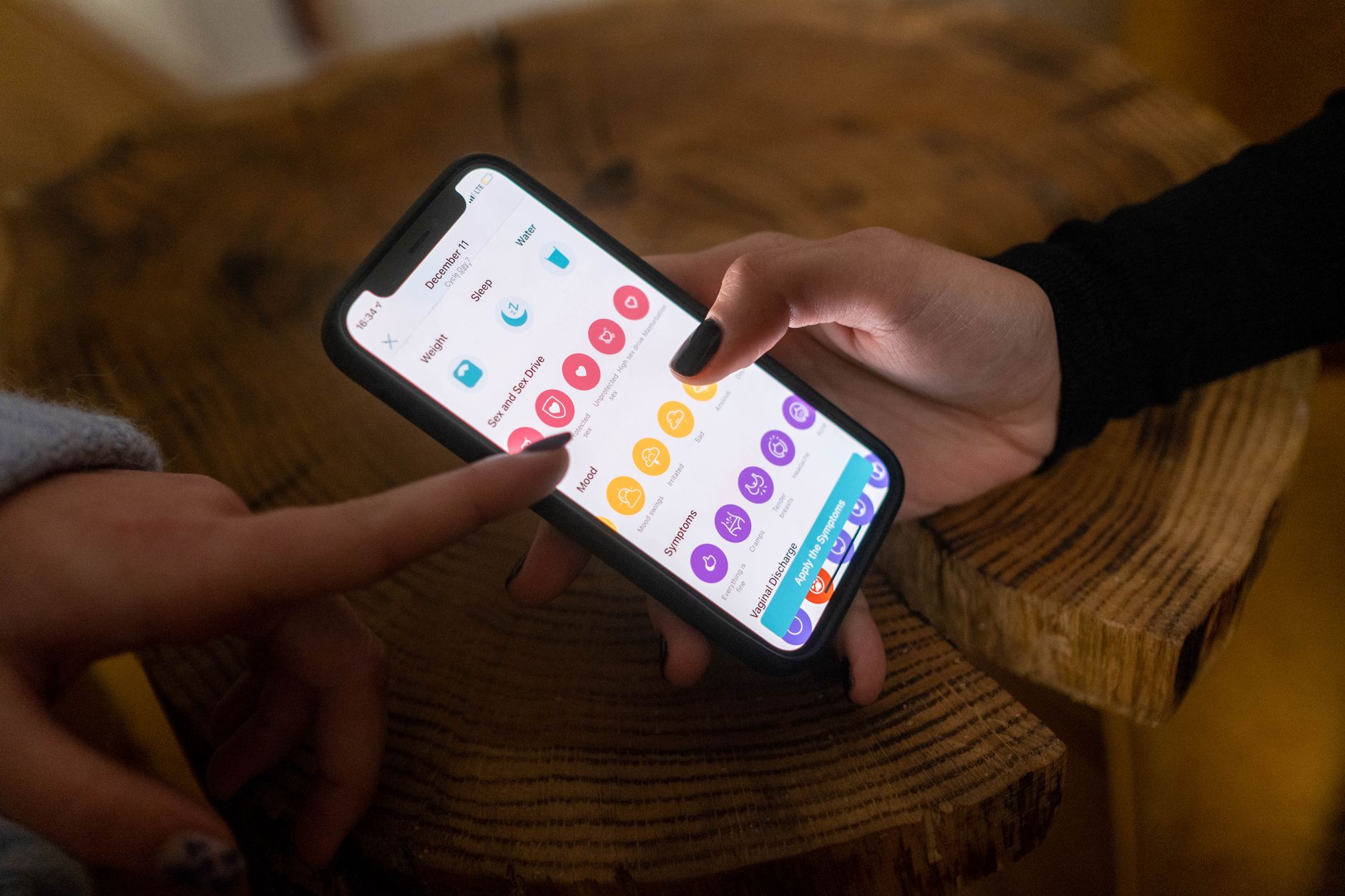
Top apps for mental‑health tracking
Using an app to log mood swings, sleep patterns, and nutrition can help you and your provider spot trends early, making interventions smoother.
Myth vs. fact
Myth: “If I feel scared, I’m not ready to be a mother.”
Fact: Fear and excitement are normal emotional responses; many competent parents feel both.
Myth: “A birth plan guarantees a perfect, stress‑free delivery.”
Fact: A birth plan outlines preferences and can reduce anxiety, but labor may still require flexibility.
Myth: “Postpartum depression only happens after the baby is born.”
Fact: Early signs can appear during the third trimester, and preparing beforehand improves outcomes.
Key takeaways
- Recognize that anxiety and mood swings are common; they become manageable with routine.
- Use a printable mental‑health checklist to turn vague concerns into actionable steps.
- Incorporate daily mindfulness, gentle yoga, or breathing exercises to lower cortisol.
- Build a realistic, flexible birth plan that includes emotional‑wellbeing preferences.
- Communicate openly with your partner and enlist a supportive network before the baby arrives.
- Prioritize nutrition, sleep, and movement; they are the foundation of mental resilience.
- Track mood and symptoms with reputable apps, and seek professional help if red‑flag symptoms appear.
Frequently asked questions
How can I mentally prepare for a baby?
Start with a simple checklist, practice daily mindfulness, create a flexible birth plan, and talk openly with your partner. Adding supportive nutrition, sleep habits, and a solid network rounds out mental readiness.
What are signs of anxiety during pregnancy?
Persistent worry, racing thoughts, trouble sleeping, muscle tension, and feeling overwhelmed for more than two weeks may indicate anxiety. If these symptoms interfere with daily life, consult a perinatal mental‑health provider.
When should I start preparing mentally for a newborn?
Begin as soon as you confirm the pregnancy, but intensify preparation during the third trimester when emotional shifts become more pronounced. Early habits give you confidence by the time labor starts.
How does a birth plan affect mental health?
A well‑crafted birth plan clarifies your preferences, reduces uncertainty, and gives you a sense of control—key factors that lower stress and improve overall mood during labor.
What are effective stress‑relief techniques for pregnant women?
Box breathing, progressive muscle relaxation, gratitude journaling, short walks in nature, and guided visualisations are all evidence‑based methods that can be done in 5‑10 minutes.
How can partners support mental preparation for a baby?
Partners can listen without judgment, share responsibilities, attend prenatal appointments, and help implement the birth plan. Regular “check‑in” conversations keep both parties aligned.
When should I seek professional help for my mental health during pregnancy?
If you experience persistent sadness, loss of interest, thoughts of self‑harm, or overwhelming anxiety that lasts more than two weeks, reach out to a therapist, psychiatrist, or your OB‑GYN right away.
When to see a doctor or specialist
If you notice any of the following, contact a healthcare professional promptly:
- Persistent sadness or hopelessness lasting > 2 weeks.
- Intense anxiety that interferes with sleep, eating, or daily activities.
- Thoughts of harming yourself or the baby.
- Sudden mood swings accompanied by physical symptoms (rapid heartbeat, shortness of breath).
For these concerns, schedule an appointment with an OB‑GYN, a perinatal psychiatrist, or a licensed therapist experienced in maternal mental health. Early intervention can prevent escalation and support a healthier postpartum transition.
References
- American College of Obstetricians and Gynecologists (ACOG). “Guidelines for Perinatal Mental Health.” 2023.
- Mayo Clinic. “Mind‑body techniques for pregnancy stress relief.” Updated 2022.
- Academy of Nutrition and Dietetics. “Nutrition recommendations for pregnant and lactating women.” 2021.
- National Institute of Mental Health (NIMH). “Postpartum Depression.” 2022.
- Harvard T.H. Chan School of Public Health. “Omega‑3 fatty acids and mood.” 2020.
- American Psychological Association (APA). “Cognitive‑behavioral therapy for perinatal anxiety.” 2021.
- National Partnership for Women & Families. “Birth plan benefits for emotional wellbeing.” 2022.
- World Health Organization (WHO). “Maternal mental health: recommendations for practice.” 2022.
- Johns Hopkins Medicine. “Prenatal yoga and mental health outcomes.” 2023.



