Quick take: Freezer meals can be a lifesaver after birth—just pick nutrient‑dense recipes, batch‑cook in sensible portions, label clearly, and store at 0°F (‑18°C) for up to three months. Reheat gently to keep vitamins intact, and you’ll have balanced, ready‑to‑eat food that supports recovery and breastfeeding.
Imagine it’s 2 a.m., the diaper’s changed, the baby’s finally settled, and you’re staring at an empty fridge. You’re exhausted, hungry, and wondering if you’ll ever get a decent meal again. You’re not alone. Many new moms feel the same way, and the good news is that a well‑planned freezer‑meal system can turn that panic into peace of mind.
In this guide we’ll walk through how to prep freezer meals for postpartum recovery step by step. We’ll cover the best recipe types, batch‑cooking tricks, labeling hacks, storage safety, budgeting tips, and even special considerations for breastfeeding, gluten‑free, or low‑sodium diets. By the end you’ll have a concrete 7‑day meal plan, a printable food list, and a clear roadmap to keep your kitchen stocked without sacrificing nutrition.
What freezer meals are best for postpartum recovery?
Postpartum recovery is a time when your body needs extra protein, iron, calcium, and healthy fats to heal uterine tissue, rebuild blood volume, and, if you’re nursing, produce milk. The ideal freezer meals therefore combine lean proteins, whole‑grain carbs, and plenty of colorful vegetables.
Easy week‑1 staples include:
- Chicken and quinoa casserole with sweet potatoes—rich in iron and complex carbs.
- Lentil‑spinach soup—provides plant‑based protein, folate, and magnesium.
- Salmon and broccoli rice bowls—omega‑3 fatty acids support brain health for both mom and baby.
When you choose recipes, look for one‑pan or one‑pot dishes that freeze well and reheat quickly. Avoid recipes that rely heavily on fresh herbs added at the end; those can lose flavor after freezing. Instead, incorporate dried herbs or add a splash of fresh lemon juice just before serving.
For protein, aim for 20–30 g per meal. Good options include:
- Skinless chicken breast or thighs.
- Lean ground turkey or beef.
- Legumes such as black beans, chickpeas, or lentils.
- Fish (especially fatty varieties like salmon, sardines).
Iron‑rich foods—red meat, lentils, fortified cereals—are crucial because blood loss during delivery can leave you iron‑deficient. Pair iron sources with vitamin C‑rich veggies (bell peppers, tomatoes) to boost absorption.
Don’t forget calcium: dairy‑based dishes like cheesy vegetable lasagna or fortified plant milks can help maintain bone health, especially if you’re nursing.
How to batch cook freezer meals for new moms
Batch cooking is the heart of any freezer‑meal system. The trick is to cook large quantities, portion them out, and freeze in a way that keeps texture and flavor intact.
Step‑by‑step batch cooking:
- Plan your menu. Choose 4–6 recipes that share common ingredients to reduce waste.
- Shop smart. Buy bulk proteins and vegetables, then portion them into freezer‑safe bags.
- Cook in stages. Roast all vegetables on a sheet pan, bake proteins on a second pan, and simmer grains or legumes in a large pot.
- Cool quickly. Spread cooked food on a baking sheet to bring temperature down within two hours—this prevents bacterial growth.
- Portion precisely. Use a kitchen scale or measuring cups to allocate 1‑½‑cup servings (approximately 300‑400 kcal). This makes reheating predictable.
- Freeze flat. Lay bags or containers flat so they stack efficiently and thaw faster.
Choosing the right containers matters. BPA‑free plastic containers, silicone freezer bags, or sturdy glass jars with airtight lids all work well. For soups, leave a small space at the top because liquids expand when frozen.
Batch cooking also saves time on cleanup. Cook the same grain (e.g., brown rice) for multiple meals, then flavor it differently—add curry powder for one dish, lemon zest for another.
By the end of a weekend prep session, you’ll have a full week’s worth of meals ready to grab, heat, and enjoy.
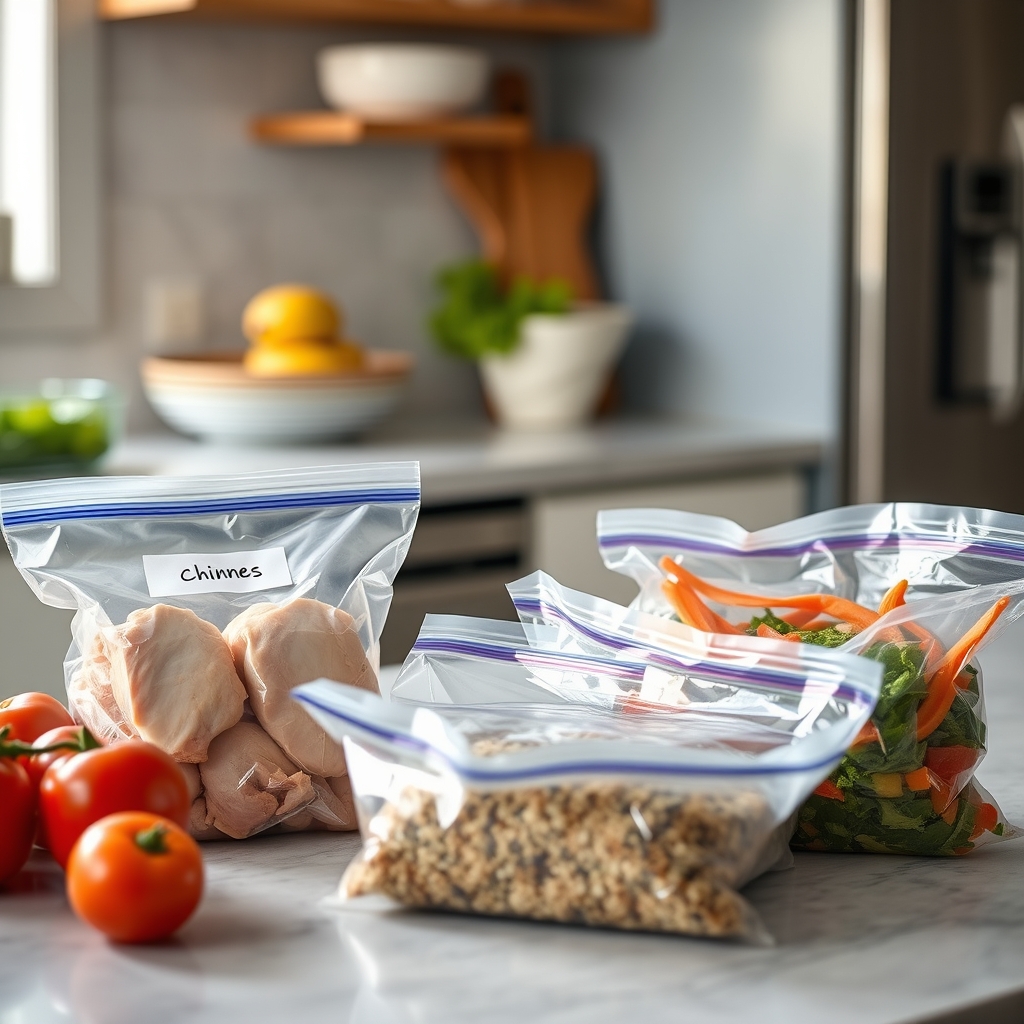
Nutrient‑rich freezer meals for breastfeeding mothers
Breastfeeding increases caloric needs by roughly 500 kcal per day, and certain nutrients become even more important: omega‑3 DHA, iodine, vitamin D, and B‑complex vitamins. Freezer meals can be tailored to meet these demands without adding extra cooking time.
Key nutrient boosts:
- DHA: Incorporate salmon, sardines, or fortified eggs into casseroles.
- Iodine: Use seaweed broth in soups or add a pinch of iodized salt.
- Vitamin D: Pair fortified milk or cheese with sunlight‑rich foods like mushrooms.
- Vitamin B12: Include lean beef, poultry, or fortified plant‑based milks.
When freezing, wrap foods tightly to limit exposure to air, which can oxidize fats and degrade DHA. Vacuum‑seal bags are ideal, but if you don’t have a sealer, double‑wrap in parchment and then a freezer bag.
Post‑birth hormones can affect appetite. Some moms find that smaller, more frequent meals work better than three large meals. Freeze individual portions that can be combined for a snack or a full meal, giving you flexibility.
Hydration is also critical. Freeze homemade electrolyte drinks (coconut water, a splash of orange juice, a pinch of sea salt) in ice‑cube trays for quick, refreshing sips.
How long can postpartum freezer meals be stored safely?
Food safety is non‑negotiable. The USDA recommends that most cooked meals stay at 0 °F (‑18 °C) for up to three months without significant loss of quality. However, some foods retain texture and flavor longer, while others—especially dairy‑heavy dishes—are best used within one to two months.
Always label each package with the preparation date and a brief description (e.g., “Chicken‑Quinoa Casserole 02‑15‑2026”). If you’re unsure whether a meal is still good, look for off‑colors, freezer burn, or an off smell after thawing. When in doubt, discard.
For added safety, keep your freezer at or below 0 °F. A freezer thermometer is a cheap, reliable tool to monitor temperature. If you experience a power outage, foods that have been above 40 °F (4 °C) for more than two hours should be tossed.
Step‑by‑step guide to labeling and organizing postpartum freezer meals
Clear labeling saves you from the dreaded “what’s that?” moment, and organized storage reduces the time spent hunting for the right dish.
Labeling process:
- Write the date. Use a permanent‑marker pen on a label sticker—hand‑written dates are easier to read than printed ones.
- Include the name. Keep it short: “Beef‑Stew — 02‑20‑26”.
- Note the serving size. Add “1‑cup” or “2‑servings” so you know how much to reheat.
- Highlight special notes. For example, “Contains nuts” or “High‑protein”.
For organization, divide your freezer into zones:
- Top shelf: Meals you’ll eat within the next week.
- Middle shelf: Mid‑term meals (2‑4 weeks).
- Bottom shelf: Long‑term storage (up to three months).
Stack flat‑packed bags vertically; they thaw faster and free up space for larger containers. Use a simple spreadsheet or a printable freezer inventory sheet to track what you have and when it expires.
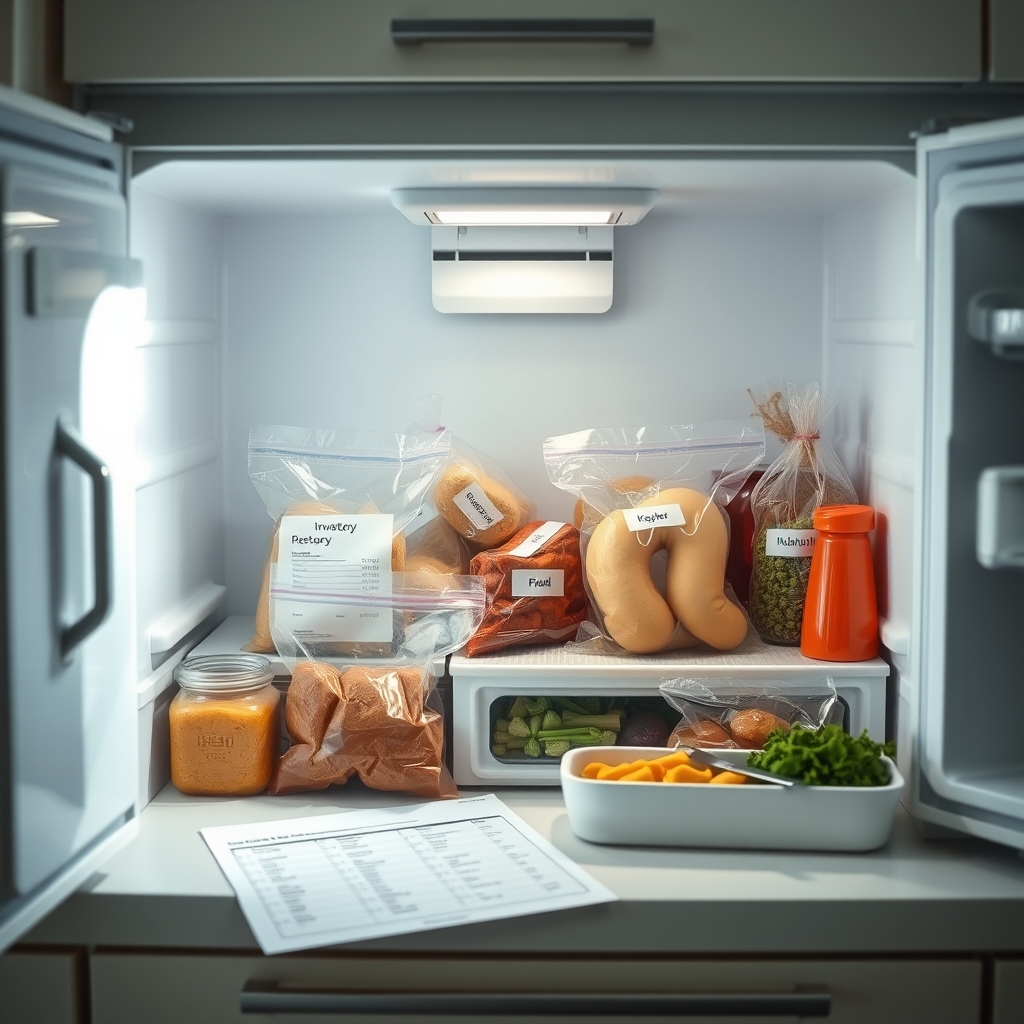
When you add new meals, place them at the front of the appropriate zone so older items are used first—a “first‑in, first‑out” system that prevents waste.
Budget‑friendly freezer meal ideas for postpartum diet
Eating well after birth doesn’t have to break the bank. The key is to use affordable staples—beans, lentils, frozen vegetables, and bulk grains—while still delivering the nutrients your body craves.
Cost‑saving strategies:
- Buy in bulk. Large bags of brown rice, quinoa, or oats are often cheaper per pound.
- Choose frozen veg. Frozen peas, spinach, and mixed veggies are nutritionally comparable to fresh and last longer.
- Use cheaper protein sources. Canned tuna, eggs, and plant‑based proteins like tofu are budget‑friendly and freeze well.
- Make your own broth. Simmer vegetable scraps for an hour, strain, and freeze in ice‑cube trays for added flavor without buying store‑bought stock.
Here’s a sample budget‑friendly meal:
Turkey‑Bean Chili – combine ground turkey, canned black beans, diced tomatoes, frozen corn, and chili spices. One pot yields eight servings, each under $1.50.
Low‑sodium versions are easy: rinse canned beans, use low‑sodium broth, and limit added salt. Herbs like cumin and smoked paprika add flavor without sodium.
If weight loss is a goal, keep portions around 300 kcal and pair meals with a side of steamed greens. The high protein and fiber content will keep you full longer, supporting a gentle calorie deficit.
Gluten‑free freezer meals for postpartum healing
Some new moms need to avoid gluten due to celiac disease, gluten sensitivity, or personal preference. Gluten‑free meals can still be nutrient‑dense and freezer‑friendly.
Replace wheat‑based carbs with:
- Quinoa, millet, or buckwheat.
- Gluten‑free pasta made from rice or corn.
- Sweet potatoes and butternut squash.
One favorite is a Quinoa‑Veggie Stir‑Fry with diced chicken, broccoli, carrots, and a tamari‑based sauce. It freezes well in portioned containers and provides complete protein from quinoa plus lean animal protein.
Watch out for hidden gluten in sauces, broth, and processed cheeses. Always read labels for “gluten‑free” certification, and consider making your own sauces using gluten‑free soy sauce, coconut milk, or tomato purée.
How to reheat freezer meals without losing nutrients postpartum
Reheating can degrade heat‑sensitive vitamins like vitamin C and some B‑vitamins. To preserve nutrients, use gentle methods.
Best reheating techniques:
- Stovetop simmer. Place frozen meals in a saucepan, add a splash of water or broth, and heat over low‑medium heat, stirring occasionally. This keeps moisture in and protects delicate nutrients.
- Steamer. For veggies and rice dishes, a steamer basket over simmering water reheats without direct contact, preserving color and vitamins.
- Microwave with a cover. Use a microwave‑safe lid or vented plastic wrap; heat in 1‑minute bursts, stirring between intervals to avoid hot spots.
- Avoid high‑heat ovens. While ovens are convenient for casseroles, they can over‑cook proteins and dry out sauces.
If you must use a microwave, add a tablespoon of water to the container, then cover. This creates steam, reducing nutrient loss. Always check the internal temperature—foods should reach 165 °F (74 °C) before eating.
For soups, thaw overnight in the fridge, then reheat on the stovetop, adding fresh herbs at the end to boost flavor and antioxidant content.
Postpartum meal prep freezer recipes for night‑shift moms
Night‑shift work can disrupt meal timing, making quick, grab‑and‑go options essential. Choose recipes that can be reheated in a microwave or eaten cold.
Night‑shift friendly recipes:
- Protein‑packed burrito bowls—brown rice, black beans, diced chicken, avocado, and salsa. Freeze in individual containers; add fresh avocado after reheating.
- Mini quiche muffins—egg, spinach, feta, and diced turkey baked in a muffin tin. Perfect for a quick breakfast or snack.
- Hearty lentil‑tomato stew—rich in iron and fiber; can be eaten warm or at room temperature.
For convenience, keep a small stash of “just‑add‑water” instant oatmeal packets (whole‑grain, low‑sugar) in the freezer. They thicken beautifully once heated, providing sustained energy during odd hours.
Don’t forget hydration. Freeze electrolyte‑rich drinks (coconut water with a squeeze of lime) in reusable bottles; they thaw quickly and keep you hydrated throughout a night shift.
Easy 7‑day freezer meal plan and food list
Below is a ready‑to‑print 7‑day plan. Each day includes a main meal (≈350 kcal) and a side or snack that can be prepared ahead of time.
Food list
- Foods to enjoy: Lean poultry, fatty fish, legumes, frozen mixed vegetables, quinoa, brown rice, sweet potatoes, low‑sodium broth, olive oil.
- Foods to limit: Processed meats, high‑sodium canned soups, sugary sauces, heavy cream.
- Foods to avoid freezing: Fresh lettuce salads, high‑moisture cheeses (like ricotta), raw eggs, mayonnaise‑based dressings.
Common mistakes and how to avoid them
- Over‑packing containers. Leaves no room for expansion; instead, fill to ¾ full.
- Failing to label. Leads to forgotten meals and waste; always label with date and contents.
- Reheating in the microwave without covering. Causes uneven heating and nutrient loss; use a vented cover.
- Using low‑quality containers. Thin plastic can crack; invest in BPA‑free, freezer‑safe containers.
- Freezing meals that aren’t meant to be frozen. Items like fresh herbs or avocado can become mushy; add them fresh after reheating.
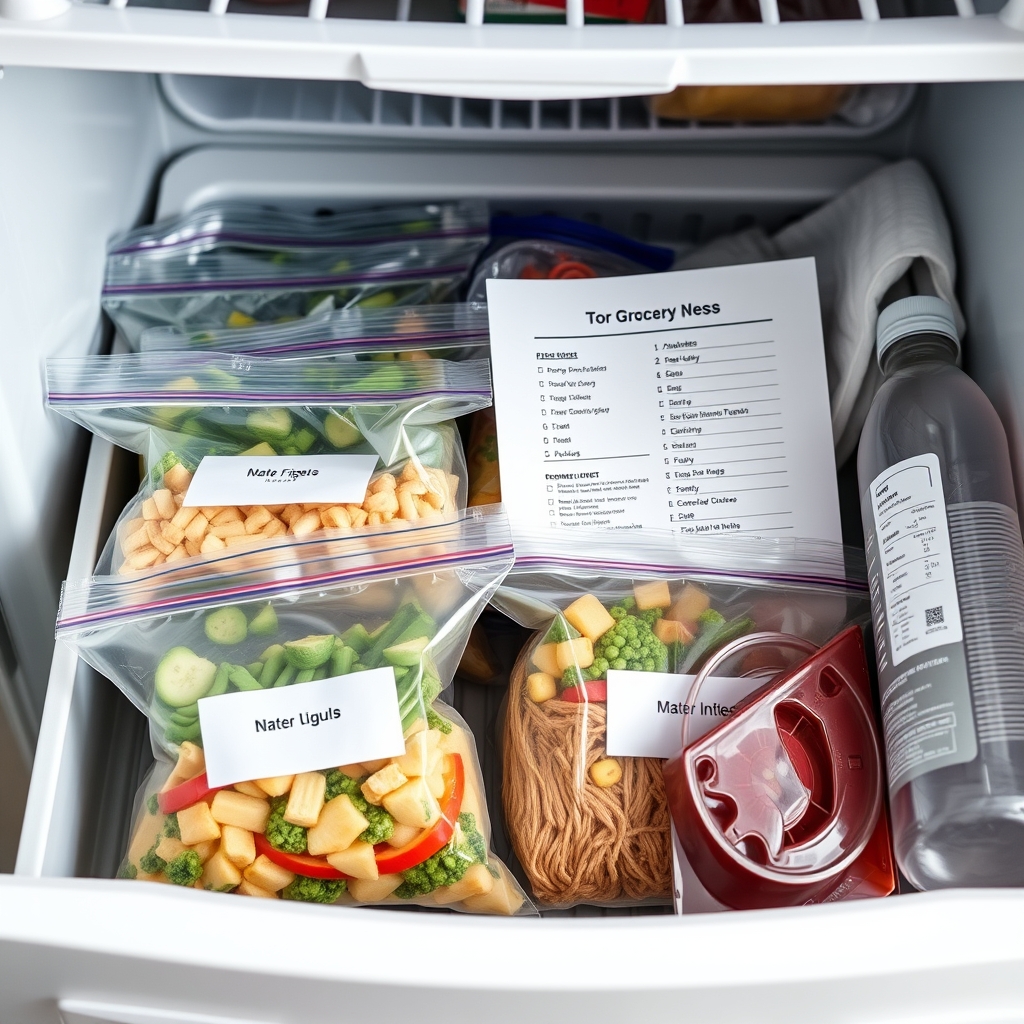
Myth vs. fact
Myth: You need to eat fresh food every day after birth.
Fact: Properly frozen meals retain most nutrients and are safe for up to three months, making them an excellent way to ensure consistent nutrition.
Myth: Freezer meals are always high in sodium.
Fact: By choosing low‑sodium broth, rinsing canned beans, and seasoning with herbs, you can keep sodium well below the recommended 2,300 mg per day.
Myth: Breastfeeding moms must eat large meals to boost milk supply.
Fact: Quality matters more than quantity—balanced meals with adequate calories (about 2,200–2,500 kcal total) support supply; oversized meals can lead to unnecessary weight gain.
Key takeaways
- Plan a balanced menu with protein, iron, calcium, and omega‑3s for optimal postpartum healing.
- Batch‑cook on weekends, portion 1‑½‑cup servings, and freeze flat for quick thawing.
- Label each bag with date, name, and serving size; organize freezer zones to use older meals first.
- Freezer meals stay safe up to three months; dairy‑rich dishes are best used within two months.
- Reheat gently—stovetop simmer or covered microwave—to preserve vitamins.
- Budget‑friendly options rely on bulk grains, frozen veg, and inexpensive proteins like beans and canned fish.
- Adapt meals for gluten‑free, low‑sodium, or breastfeeding needs by swapping ingredients and adding nutrient boosters.
Frequently asked questions
Can I freeze breast milk with my postpartum meals?
Yes, you can store breast milk in the same freezer, but keep it in separate airtight containers away from foods to avoid flavor transfer. Label each milk bag with the date; breast milk is best used within six months.
How many calories should a postpartum freezer meal contain?
Each main meal should provide roughly 300‑400 kcal, fitting into a total daily intake of about 2,200‑2,500 kcal for most breastfeeding moms. Adjust portions if you’re aiming for weight loss or have higher activity levels.
What are the safest foods to freeze for a new mother?
Lean proteins (chicken, turkey, fish), cooked legumes, whole grains, and frozen vegetables are all freezer‑friendly. Avoid high‑moisture cheeses, fresh salads, and mayonnaise‑based dishes.
How long can I keep postpartum freezer meals in the freezer?
Most cooked dishes remain safe and retain quality for up to three months. Dairy‑rich casseroles and fatty fish are best used within one to two months for optimal texture.
Do I need to thaw postpartum freezer meals before reheating?
Thawing in the refrigerator overnight gives the most even reheating, but you can also reheat from frozen using low‑heat stovetop or covered microwave methods. Always ensure the internal temperature reaches 165 °F (74 °C).
Are there any foods I should avoid freezing for postpartum recovery?
Yes—fresh leafy greens, high‑moisture cheeses (ricotta, cottage cheese), and mayonnaise‑based salads don’t freeze well. Instead, add them fresh after reheating.
What if I’m on a low‑sodium diet—can I still freezer‑meal prep?
Absolutely. Use low‑sodium broth, rinse canned beans, and flavor with herbs, spices, and citrus instead of salt. Many of the recipes above are already low‑sodium or can be easily adjusted.
When to see a doctor or specialist
If you notice any of the following, contact your healthcare provider promptly:
- Persistent fever (>100.4 °F/38 °C) after meals.
- Severe abdominal pain or bloating that doesn’t improve.
- Signs of iron deficiency (extreme fatigue, pale skin, shortness of breath) despite iron‑rich meals.
- Sudden weight loss or gain (>5 % of body weight) unrelated to diet changes.
- Allergic reactions after eating a frozen meal (hives, swelling, difficulty breathing).
For nutrition‑specific concerns—such as low milk supply, iron deficiency, or dietary restrictions—consider consulting a registered dietitian who specializes in postpartum care. If you experience any urgent symptoms, seek care from your OB/GYN or a primary‑care physician.
References
- American College of Obstetricians and Gynecologists (ACOG). Nutrition during the postpartum period. 2022.
- Academy of Nutrition and Dietetics. Postpartum nutrition: A guide for new mothers. 2021.
- U.S. Department of Agriculture (USDA). Food Safety and the Types of Foodborne Illnesses. 2023.
- World Health Organization (WHO). Guidelines on maternal nutrition. 2020.
- National Institutes of Health (NIH). Iron deficiency anemia in postpartum women. 2022.
- Harvard T.H. Chan School of Public Health. The importance of omega‑3 fatty acids for breastfeeding mothers. 2021.
- American Heart Association (AHA). Dietary sodium recommendations. 2023.
- National Celiac Association. Gluten‑free diet basics. 2022.
- American Academy of Pediatrics (AAP). Guidelines for safe storage of breast milk. 2023.



