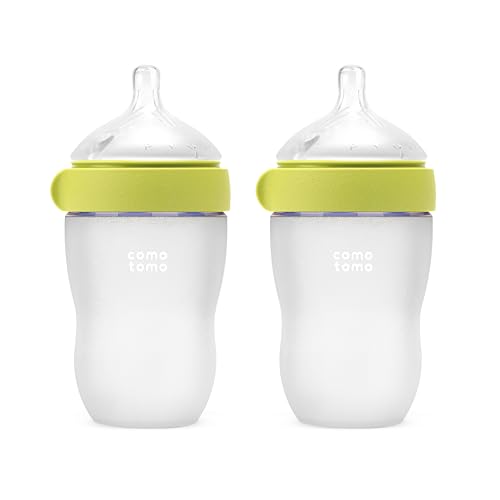
Find out exactly how much formula your baby needs by age and weight. This guide provides clear, expert-backed feeding amounts to ensure healthy growth and avoid overfeeding or underfeeding.
By Shubhra Mishra — a mom of two who turned her own confusion during pregnancy into BumpBites, a global mission to make food choices clear, safe, and stress-free for every expecting mother. 💛
Check whether any food is safe during pregnancy with the BumpBites Food Safety Checker.
Quick take: Your baby’s formula needs change fast—newborns drink 1–3 oz every 2–3 hours, while a 6-month-old may take 6–8 oz five times a day. The golden rule: 2–2.5 oz of formula per pound of body weight daily, split into 6–8 feeds. But every baby is different, so watch their hunger cues (rooting, sucking on hands) and growth charts, not just the clock. Use our Infant Formula Calculator to tailor amounts to your baby’s age and weight.
It’s 3 a.m., and your newborn is fussing again. You’ve just fed them an hour ago—are they still hungry? Or is this just another growth spurt? You grab your phone, squinting at the screen: How much formula should my baby drink? The numbers online range from "a few ounces" to "fill them up like a gas tank," and suddenly, you’re second-guessing every drop you’ve given them today.
🔢 Calculate it for your situation: Use our Infant Formula Calculator for a personalized result in seconds.
Here’s the truth: formula feeding isn’t about hitting an exact number. It’s about responding to your baby’s cues while using guidelines as a starting point. One mom we talked to, Sarah, put it this way: "I spent the first month overthinking every ounce. Then my pediatrician told me, ‘Your baby will let you know.’ And she was right—once I stopped stressing over the chart, feeding became so much easier."
This guide will walk you through exactly how much formula your baby needs at every age, how to adjust for their weight, and what to watch for to know they’re getting enough. No more guessing, no more middle-of-the-night panic. Just clear, science-backed answers—and a little more sleep for you.
Newborns eat small amounts often—watch for hunger cues like rooting or sucking on their hands.
Understanding baby formula feeding guidelines
Formula feeding guidelines exist to give you a starting point, not a rigid rulebook. The American Academy of Pediatrics (AAP) and the World Health Organization (WHO) both recommend 2–2.5 ounces of formula per pound of body weight per day for babies under 6 months. For example, a 10-pound baby would need roughly 20–25 oz in 24 hours. But here’s the catch: this is a daily total, not per feed.
Why the range? Babies grow at different rates, and their appetites fluctuate. A baby in the middle of a growth spurt might drink more for a few days, then taper off. Another might consistently take smaller amounts but feed more frequently. Think of the guidelines as a "ballpark"—useful for planning, but flexible enough to adapt to your baby’s needs.
One key principle: babies self-regulate. Unlike adults, they won’t overeat to the point of discomfort (unless forced, which we’ll cover in the mistakes section). If your baby turns their head away or falls asleep mid-feed, they’re telling you they’re done. Trust that signal.
How guidelines change with age
Here’s a rough breakdown of how formula needs evolve:
Newborns (0–1 month): 1–3 oz per feed, 8–12 times a day (every 2–3 hours). Their tiny stomachs can’t hold much, so frequent small feeds are normal.
1–3 months: 3–4 oz per feed, 6–8 times a day. As their stomachs grow, they’ll take more per feed and space out meals.
4–6 months: 4–6 oz per feed, 5–6 times a day. Some babies start sleeping longer stretches at night, so daytime feeds may increase slightly.
6–9 months: 6–8 oz per feed, 4–5 times a day. Solid foods are introduced around 6 months, which may reduce formula intake slightly.
9–12 months: 6–8 oz per feed, 3–4 times a day. By 12 months, many babies transition to whole milk, but formula is still an option if needed.
These are averages—your baby might drink more or less, and that’s okay. What matters is steady growth and contentment between feeds.
Calculating formula intake based on age and weight
While the "2–2.5 oz per pound" rule is helpful, it’s not the only way to calculate your baby’s needs. Some parents prefer to use age-based guidelines, while others combine both methods. Here’s how to do it:
The weight-based formula
Multiply your baby’s weight in pounds by 2–2.5 to get their daily formula needs. Then divide by the number of feeds they typically take in a day. For example:
A 12-pound, 3-month-old baby: 12 × 2.5 = 30 oz per day. If they eat 6 times a day, that’s 5 oz per feed.
A 16-pound, 6-month-old baby: 16 × 2 = 32 oz per day. If they eat 5 times a day, that’s 6.4 oz per feed (round to 6–7 oz).
This method works best for babies under 6 months. After that, solids start to replace some formula, so the calculation becomes less precise.
The age-based approach
If you don’t know your baby’s exact weight (or just prefer simplicity), age-based guidelines can help. Here’s a quick reference:
Age
Daily formula (oz)
Feeds per day
Ounces per feed
Newborn (0–1 month)
16–24
8–12
1–3
1–3 months
24–32
6–8
3–4
4–6 months
28–36
5–6
4–6
6–9 months
24–32
4–5
6–8
9–12 months
20–24
3–4
6–8
Note: These are averages. Your baby might drink more or less depending on their weight, activity level, and whether they’re eating solids.
When to adjust the numbers
Not every day will look the same. Here’s when to tweak the guidelines:
Growth spurts: Around 2–3 weeks, 6 weeks, 3 months, and 6 months, your baby may cluster feed (eating more frequently for a few days). This is normal—follow their lead.
Illness: A cold or ear infection might reduce their appetite temporarily. Offer smaller, more frequent feeds and watch for dehydration (fewer wet diapers, dry mouth).
Hot weather: Babies lose fluids faster in heat. Offer extra water (if over 6 months) or an extra ounce of formula if they seem thirsty.
Solids introduction: Around 6 months, formula intake may dip slightly as solids become part of their diet. Aim for 24–30 oz of formula daily, with the rest coming from food.
For a personalized calculation, try our Infant Formula Calculator. Just enter your baby’s age and weight, and it’ll give you a tailored range for daily and per-feed amounts.
Use a feeding chart as a starting point, but always adjust based on your baby’s hunger cues.
Creating a formula feeding schedule
A feeding schedule can bring predictability to your day, but it’s not about rigid timing. Think of it as a flexible framework that adapts to your baby’s needs. Here’s how to build one that works for both of you.
Newborns: On-demand feeding
For the first month, feed your newborn on demand—whenever they show hunger cues. This could mean every 2–3 hours, or sometimes more frequently. Newborns have tiny stomachs (about the size of a cherry at birth!) and digest formula quickly, so they need small, frequent feeds.
Common hunger cues include:
Rooting (turning their head toward your hand when you stroke their cheek)
Sucking on their hands or fingers
Smacking their lips or sticking out their tongue
Fussing or crying (a late hunger cue—try to feed before they reach this point)
One mom, Priya, shared her experience: "I tried to stick to a strict 3-hour schedule with my first baby, but she’d get so fussy between feeds. With my second, I followed her cues, and it was so much easier. She’d cluster feed in the evenings, then sleep longer at night."
1–6 months: Finding a rhythm
Around 1–2 months, many babies start to space out feeds naturally. You might notice a pattern emerging, like feeds every 3–4 hours during the day with a longer stretch at night. At this stage, you can gently encourage a schedule by:
Offering feeds at consistent intervals (e.g., every 3–4 hours), but still responding to hunger cues if they’re hungry sooner.
Encouraging full feeds during the day to reduce night wakings. Burp them halfway through and offer the second half of the bottle to ensure they’re getting enough.
Avoiding long stretches without feeds during the day. If your baby sleeps for more than 4–5 hours, wake them for a feed to ensure they’re getting enough calories.
Here’s a sample schedule for a 3-month-old:
Time
Activity
7:00 AM
Wake up, feed 4–5 oz
10:00 AM
Feed 4–5 oz, playtime
1:00 PM
Feed 4–5 oz, nap
4:00 PM
Feed 4–5 oz, playtime
7:00 PM
Feed 4–5 oz, bedtime routine
10:00 PM
Dream feed 4–5 oz (if needed)
2:00 AM
Feed 3–4 oz (if baby wakes)
Note: This is just an example. Your baby’s schedule might look different, and that’s okay. The goal is to create a rhythm that works for your family.
6–12 months: Balancing formula and solids
Around 6 months, solids enter the picture. At first, they’re more about exploration than nutrition, so formula should still be the primary source of calories. Aim for:
24–30 oz of formula daily, split into 3–4 feeds.
1–2 solid meals per day, gradually increasing to 3 meals by 9 months.
Offer formula first, then solids. This ensures your baby gets enough calories from formula before filling up on less nutrient-dense foods.
Here’s a sample schedule for a 7-month-old:
Time
Activity
7:00 AM
Wake up, feed 6–8 oz formula
9:00 AM
Breakfast (solids), playtime
12:00 PM
Feed 6–8 oz formula, nap
3:00 PM
Lunch (solids), playtime
5:00 PM
Feed 6–8 oz formula
7:00 PM
Dinner (solids), bedtime routine
By 9–12 months, many babies drop to 3 formula feeds a day (morning, afternoon, and bedtime) and eat 3 solid meals plus snacks. At this stage, you can also introduce a sippy cup of water with meals.
Recognizing signs of proper formula intake
How do you know if your baby is getting enough formula? The answer isn’t just in the ounces—it’s in their behavior, diapers, and growth. Here’s what to watch for:
Wet and dirty diapers
Diaper output is one of the best indicators of hydration and nutrition. Here’s what’s normal:
Newborns: 6–8 wet diapers and 3–4 dirty diapers per day. Newborn poop is mustard-yellow and seedy (if formula-fed, it may be tan or brown and firmer).
1–6 months: 5–6 wet diapers and 2–3 dirty diapers per day. Poop may become less frequent (some babies go every few days, which is normal if it’s soft).
6–12 months: 4–5 wet diapers and 1–2 dirty diapers per day. Poop may change in color and texture as solids are introduced.
If your baby has fewer wet diapers than this, or if their urine is dark yellow or strong-smelling, they may not be getting enough fluids. Call your pediatrician if you notice this.
Weight gain
Babies lose 5–10% of their birth weight in the first week, but they should regain it by 2 weeks. After that, here’s what to expect:
0–3 months: 1–1.5 oz (30–45 g) per day, or about 1.5–2 lbs (0.7–0.9 kg) per month.
3–6 months: 0.5–1 oz (15–30 g) per day, or about 1 lb (0.45 kg) per month.
6–12 months: 0.25–0.5 oz (7–15 g) per day, or about 0.5–0.75 lbs (0.2–0.3 kg) per month.
Your pediatrician will track your baby’s growth at checkups using growth charts. As long as they’re following their curve (even if they’re on the 10th or 90th percentile), they’re likely getting enough formula.
Behavior and development
A well-fed baby is generally content and alert. Here’s what to look for:
After feeds: They seem satisfied, may fall asleep, or play happily.
Between feeds: They’re alert and engaged during wake windows, not constantly fussy or lethargic.
Developmental milestones: They’re hitting age-appropriate milestones, like smiling, rolling over, or babbling.
If your baby is consistently fussy, lethargic, or not meeting milestones, it could be a sign they’re not getting enough formula (or that something else is going on). Talk to your pediatrician to rule out other issues.
Hunger and fullness cues
Babies are born with the ability to self-regulate their intake. Here’s how to tell if they’re hungry or full:
Hunger cues:
Rooting or turning their head toward your hand
Sucking on their hands or fingers
Smacking their lips or sticking out their tongue
Fussing or crying (a late cue—try to feed before this)
Fullness cues:
Turning their head away from the bottle
Slowing down or stopping sucking
Falling asleep or becoming disinterested
Pushing the bottle away with their hands
One dad, Mark, shared: "I used to worry my son wasn’t eating enough because he’d only take 3 oz at a time. Then I noticed he’d turn his head away and play with his toes—he was full! Once I trusted his cues, feeding became so much less stressful."
Common mistakes to avoid when feeding formula
Even with the best intentions, it’s easy to make mistakes when formula feeding. Here are the most common pitfalls—and how to avoid them:
Overfeeding
Unlike breastfeeding, where babies control the flow, formula feeding can lead to overfeeding if parents encourage their baby to finish the bottle. Signs of overfeeding include:
Spitting up frequently (more than 1–2 tbsp after feeds)
Excessive gas or bloating
Discomfort or fussiness after feeds
Rapid weight gain (above the 95th percentile on growth charts)
To avoid overfeeding:
Follow your baby’s fullness cues, not the clock or the amount left in the bottle.
Use a slow-flow nipple for younger babies to prevent them from drinking too fast.
Burp your baby halfway through the feed to give them a chance to register fullness.
Underfeeding
On the flip side, underfeeding can happen if parents stick too rigidly to a schedule or misinterpret hunger cues. Signs of underfeeding include:
Fewer wet diapers than expected
Dark yellow or strong-smelling urine
Fussiness or lethargy between feeds
Slow weight gain or weight loss
To avoid underfeeding:
Feed on demand, especially in the first month.
Offer the second half of the bottle if your baby seems hungry after finishing the first half.
Wake your baby for feeds if they sleep longer than 4–5 hours during the day.
Improper formula preparation
Mixing formula incorrectly can lead to nutritional imbalances or digestive issues. Here’s how to do it right:
Follow the instructions on the can—don’t eyeball the measurements. Too much water dilutes the nutrients; too little can cause dehydration.
Use the scoop provided—different brands have different scoop sizes.
Use safe water—boil tap water for 1 minute and let it cool, or use bottled nursery water if recommended by your pediatrician.
Don’t add extra water or cereal to the bottle unless directed by your pediatrician (e.g., for reflux).
One mom, Lisa, shared: "I accidentally used the wrong scoop size for a week—my baby was so fussy! Once I corrected it, she was back to her happy self."
Ignoring signs of formula intolerance
Most babies tolerate formula well, but some develop an intolerance or allergy. Signs to watch for include:
Excessive gas or bloating
Frequent spit-up or vomiting
Diarrhea or constipation
Blood or mucus in the stool
Rash or eczema
Fussiness or crying during or after feeds
If you notice these signs, talk to your pediatrician. They may recommend switching to a hypoallergenic or soy-based formula.
Not burping properly
Trapped air can cause discomfort, spit-up, and fussiness. Here’s how to burp your baby effectively:
Over the shoulder: Hold your baby upright against your chest, supporting their head and neck. Gently pat or rub their back.
Sitting on your lap: Sit your baby on your lap, supporting their chest and head with one hand. Lean them slightly forward and pat their back with the other hand.
Lying on your lap: Lay your baby face-down on your lap, supporting their head and neck. Gently pat their back.
Burp your baby halfway through the feed and again at the end. If they don’t burp after a few minutes, they may not need to—don’t force it.
Burping halfway through and after feeds can prevent discomfort and spit-up.
Formula feeding tips for newborns and infants
Whether you’re just starting out or adjusting to a new stage, these tips can make formula feeding smoother for you and your baby.
Choosing the right bottle and nipple
Not all bottles and nipples are created equal. Here’s how to pick the right ones:
Bottles: Look for bottles with a wide neck (easier to clean) and anti-colic features (vents or valves to reduce air intake). Glass bottles are eco-friendly and easy to clean, while plastic bottles are lightweight and shatterproof.
Nipples: Nipples come in different flow rates:
Slow flow: Best for newborns and younger babies (0–3 months). Prevents them from drinking too fast.
Medium flow: For babies 3–6 months who can handle a faster flow.
Fast flow: For babies 6+ months who can drink quickly without choking.
If your baby seems frustrated or gulps air, they may need a faster or slower flow. Experiment to find what works best.
Warming the bottle
Some babies prefer warm formula, while others don’t care. If you choose to warm the bottle:
Use warm water: Place the bottle in a bowl of warm water for a few minutes. Avoid the microwave—it can create hot spots that burn your baby’s mouth.
Test the temperature: Drip a few drops on your wrist. It should feel lukewarm, not hot.
Don’t reheat leftover formula: Bacteria can grow quickly in warmed formula. Toss any leftovers after 1 hour.
Feeding positions
The right position can make feeding more comfortable for both of you. Here are a few options:
Cradle hold: Hold your baby in the crook of your arm, with their head slightly elevated. This is the most common position.
Football hold: Tuck your baby under your arm like a football, with their head supported by your hand. This is great for parents recovering from a C-section.
Side-lying: Lie down with your baby facing you. This is a good option for night feeds or if you’re tired.
Whichever position you choose, make sure your baby’s head is slightly elevated to prevent ear infections and reduce spit-up.
Night feeds
Night feeds are a reality for the first few months, but there are ways to make them easier:
Keep supplies handy: Set up a nighttime feeding station with bottles, formula, burp cloths, and a dim light. This minimizes disruption.
Dream feed: If your baby is sleeping for long stretches but not gaining enough weight, try a "dream feed"—gently rouse them for a feed while they’re still half-asleep. This can help them sleep longer.
Share the load: If possible, take turns with your partner so you both get some rest.
Traveling with formula
Traveling with formula doesn’t have to be stressful. Here’s how to do it:
Pre-measure formula: Pack pre-measured formula in small containers or formula dispensers. Add water when it’s time to feed.
Use ready-to-feed formula: For convenience, use ready-to-feed formula when traveling. It’s more expensive but eliminates the need for mixing.
Bring extra water: If you’re unsure about the water quality at your destination, bring bottled water or use nursery water.
Pack a cooler: If you’re on the go, use a small cooler with ice packs to keep prepared bottles cold for up to 24 hours.
Introducing a sippy cup
Around 6 months, you can start introducing a sippy cup. Here’s how:
Start with water: Offer a few sips of water with meals to get your baby used to the cup.
Choose the right cup: Look for a soft-spout or straw cup designed for babies. Avoid cups with valves that require sucking—these can be frustrating for little ones.
Be patient: It may take a few tries for your baby to get the hang of it. Let them play with the cup and explore.
How to monitor baby's growth and development on formula
Formula feeding supports healthy growth, but it’s important to monitor your baby’s progress to ensure they’re thriving. Here’s how to do it:
Growth charts
Your pediatrician will track your baby’s growth using growth charts from the WHO (for babies under 2) or CDC (for older children). These charts plot your baby’s weight, length, and head circumference against other babies of the same age and sex.
What do the percentiles mean?
A baby at the 50th percentile is average—50% of babies are smaller, and 50% are larger.
A baby at the 10th percentile is smaller than 90% of babies their age.
A baby at the 90th percentile is larger than 90% of babies their age.
The key is consistency. As long as your baby is following their curve (even if they’re on the 10th or 90th percentile), they’re likely growing well. A sudden drop or rise in percentiles could signal a problem.
Developmental milestones
Formula feeding supports your baby’s development, but it’s not the only factor. Here’s what to expect at each stage:
0–3 months: Lifts head during tummy time, smiles, tracks objects with their eyes, coos.
3–6 months: Rolls over, reaches for objects, laughs, babbles, sits with support.
6–9 months: Sits without support, crawls, transfers objects between hands, responds to their name.
9–12 months: Pulls to stand, cruises along furniture, says "mama" or "dada," waves bye-bye.
If your baby isn’t hitting these milestones, talk to your pediatrician. Early intervention can make a big difference.
When to talk to your pediatrician
While every baby grows at their own pace, there are some red flags to watch for:
Not gaining weight or losing weight
Fewer wet diapers than expected
Extreme fussiness or lethargy
Not meeting developmental milestones
Signs of formula intolerance (rash, diarrhea, vomiting)
Refusing feeds or difficulty swallowing
If you notice any of these signs, don’t hesitate to call your pediatrician. It’s always better to be safe than sorry.
From our medical team: "Formula feeding is a safe and effective way to nourish your baby, but it’s not one-size-fits-all. Every baby’s needs are unique, so trust your instincts and your baby’s cues. If you’re ever unsure, your pediatrician is your best resource. We’re here to support you and your baby’s health, not to judge your feeding choices."
🔢 Ready to crunch your numbers? Use our Infant Formula Calculator for a personalized result in seconds.
Myth vs. fact
Formula feeding is surrounded by myths and misconceptions. Let’s set the record straight:
Myth: Formula-fed babies don’t bond with their parents as well as breastfed babies. Fact: Bonding happens through cuddling, eye contact, and responsiveness—not the method of feeding. Many formula-feeding parents enjoy the same close connection with their babies as breastfeeding parents.
Myth: Formula is less nutritious than breast milk. Fact: Formula is designed to mimic breast milk and provides all the nutrients your baby needs. While breast milk has some unique benefits (like antibodies), formula is a safe and healthy alternative.
Myth: You can’t overfeed a formula-fed baby. Fact: While babies self-regulate their intake, it’s possible to overfeed if you encourage them to finish the bottle when they’re full. Watch for fullness cues and trust your baby’s signals.
Not sure about the label on How Much Formula Should My Baby Drink Age Weight Calculator products?
Snap the ingredients list and SafeFilter checks every ingredient for your stage — only 3 free scans this month, then you're locked until reset. Unlimited from $7/mo or $50/yr.
When Shubhra Mishra was expecting her first child in 2016, she was overwhelmed by conflicting food advice — one site said yes, another said never. By the time her second baby arrived in 2019, she realized millions of mothers face the same confusion.
That sparked a five-year journey through clinical nutrition papers, cultural diets, and expert conversations — all leading to BumpBites: a calm, compassionate space where science meets everyday motherhood.
Her long-term vision is to build a global community ensuring safe, supported, and free deliveriesfor every mother — because no woman should face pregnancy alone or uninformed. 🌿
🌍 Stand with mothers, shape safer guidance
Join a small circle of experts who review BumpBites articles so expecting parents everywhere can decide with confidence.