Yes, you can lose weight while nursing safely. Learn the right calorie targets, tips for gradual weight loss, and how to maintain milk supply for your baby.
By Shubhra Mishra — a mom of two who turned her own confusion during pregnancy into BumpBites, a global mission to make food choices clear, safe, and stress-free for every expecting mother. 💛
Check whether any food is safe during pregnancy with the BumpBites Food Safety Checker.
Quick take: Yes—you can lose weight while nursing, but you need to do it gently. Aim for a modest 250‑500 calorie deficit each day (about 1,800‑2,200 kcal total), which typically translates to a safe loss of 0.5‑1 lb (0.2‑0.5 kg) per week. Keep protein and key nutrients high, stay hydrated, and listen to your body; if your milk supply feels thin or your baby seems fussier, adjust your intake. Use a trusted tool like the Breastfeeding Calorie Calculator to fine‑tune your numbers.
It’s 2 a.m., you’ve just finished a midnight feeding, and the baby’s finally settled. You glance at the kitchen clock, notice the half‑eaten slice of pizza on the counter, and wonder: “Can I still lose the baby weight — without cutting off my milk?” You’re not alone. Many new moms feel the tug between wanting to slip back into pre‑pregnancy jeans and the instinct to protect their newborn’s nourishment.
First, breathe. The body has already burned a lot of calories during pregnancy, and breastfeeding itself burns roughly 300‑500 kcal per day. That extra energy cost means you don’t have to starve to see the scale move. What matters is how you balance calories, nutrients, and self‑care so that both you and your baby stay healthy.
In this guide we’ll unpack the science behind weight loss while nursing, lay out safe calorie targets, and share practical tips that keep milk supply steady. We’ll also answer the most common questions—like whether a diet can thin your milk, how fast you should expect to shed pounds, and what foods give the biggest bang for your breastfeeding buck.
How many calories does a nursing mom need?
When you’re exclusively breastfeeding, the average American diet‑etic guidelines (U.S. Institute of Medicine) estimate an extra 450–500 kcal per day on top of your pre‑pregnancy needs. If you’re feeding partially or pumping in addition to nursing, the extra demand drops to about 300 kcal. For most women, that translates to a total daily intake of roughly 2,200–2,500 kcal to maintain weight.
To lose weight, you’ll want a modest deficit—usually 250–500 kcal below your maintenance level. A 250 kcal deficit yields about 0.25 lb (0.1 kg) loss per week, while a 500 kcal deficit yields roughly 0.5 lb (0.2 kg) per week. Both are considered safe by the American College of Obstetricians and Gynecologists (ACOG) and the UK’s National Institute for Health and Care Excellence (NICE). Going lower than a 250 kcal deficit can risk milk volume and should be avoided.
Because every body is different, the best way to pinpoint your own numbers is to use a reliable calculator. Our Breastfeeding Calorie Calculator lets you input your age, weight, activity level, and breastfeeding frequency to get a personalized target. The calculator also adjusts for changes in feeding patterns as your baby grows, helping you stay on track without over‑ or under‑eating.
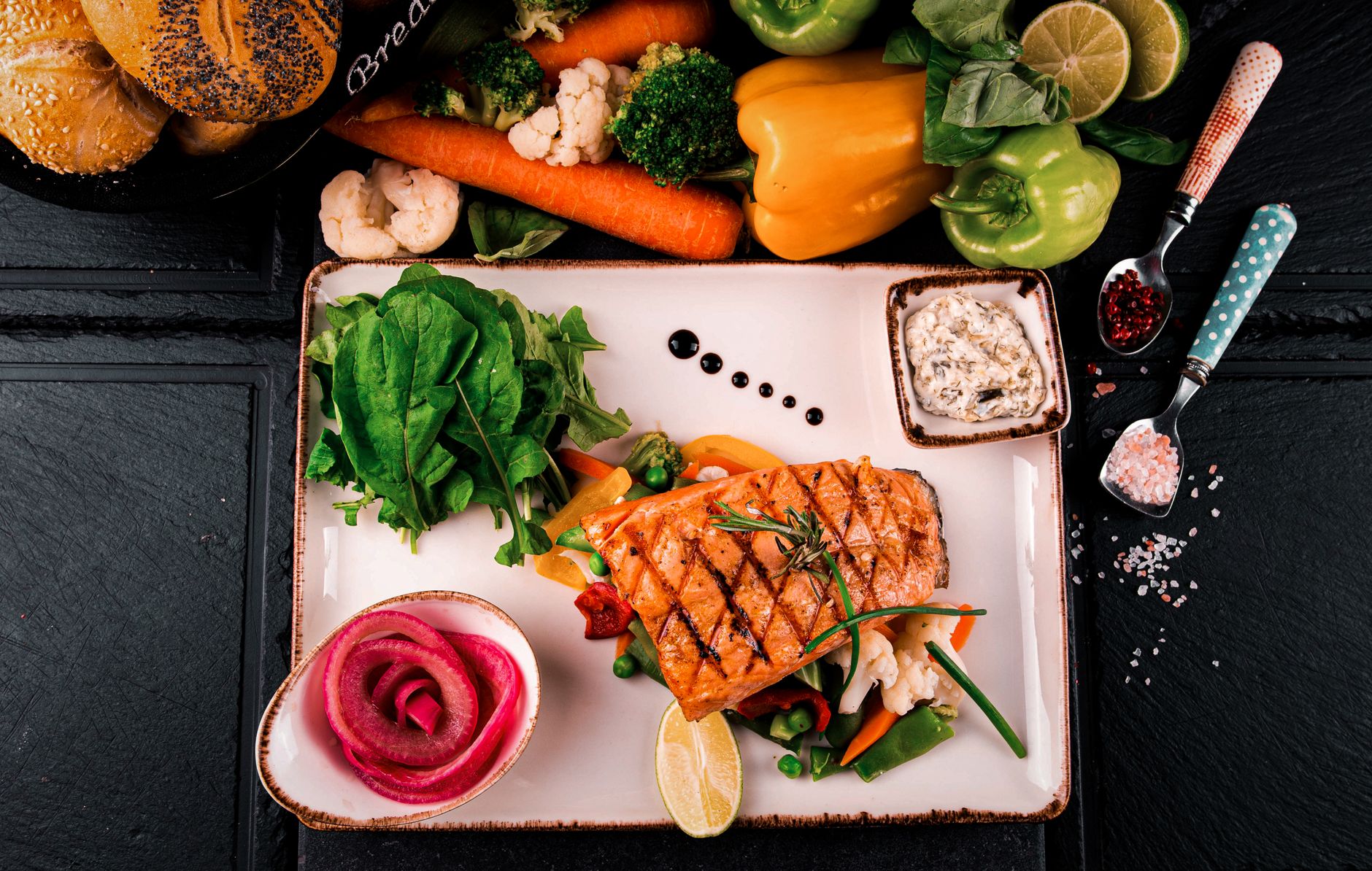
Focus on protein, whole grains, and vegetables to keep both you and baby satisfied.
Remember that calorie needs shift as your baby’s feeding pattern changes. When you start introducing solids or your baby begins to self‑wean, the extra 300‑500 kcal you once needed will gradually taper off. Updating your calculator every month keeps you aligned with those subtle shifts.
How does weight loss affect milk supply?
Milk
production is primarily driven by demand: the more often your baby nurses or you pump, the more milk your body makes. Calorie restriction can influence supply, but the relationship isn’t linear. A small, steady deficit (250‑500 kcal) rarely reduces volume because the body prioritizes milk over other energy stores.
What can happen, however, is a subtle change in milk composition if you cut out key nutrients. For example, very low‑fat diets may lower the fat content of your milk, and inadequate protein can affect the quality of the whey proteins that are vital for your baby’s growth. The CDC notes that severe caloric restriction—especially diets under 1,500 kcal for an extended period—can lower both volume and nutrient density, potentially leading to fussier feeds.
Many moms notice a temporary dip in supply during the first week of a new diet, simply because the body is adjusting. Usually, supply rebounds within a few days if you maintain adequate hydration (aim for ≥ 2 L of water daily) and keep nursing or pumping on a regular schedule. Listening to your body’s signals—like feeling thirsty after each feed—can help you catch a dip before it becomes a problem.
Research published in the Journal of Human Lactation shows that mothers who maintained a 300‑kcal deficit while exclusively breastfeeding experienced no measurable drop in milk volume, reinforcing that modest calorie cuts are generally safe.
Nutritional priorities for breastfeeding mothers
While you’re trimming calories, your micronutrient needs stay high. The World Health Organization (WHO) and the Academy of Nutrition and Dietetics recommend the following daily minimums for lactating women:
Protein: 71 g (about 25 % of total calories)
Calcium: 1,000 mg
Iron: 9 mg (higher if you’re still recovering from pregnancy‑related anemia)
Vitamin D: 600 IU (or 1,500 IU if you’re low‑risk)
Omega‑3 DHA: 200–300 mg
Folate: 500 µg
These nutrients support both your recovery and your baby’s brain development. Here’s a quick “shopping list” for a day that meets a 2,200 kcal target while keeping the deficit modest:
Meal
Food
Key Nutrients
Approx. Calories
Breakfast
Greek yogurt parfait with berries, chia seeds, and a drizzle of honey
Adjust portion sizes or swap foods to fit your personal taste and any dietary restrictions (vegetarian, gluten‑free, etc.). The goal is to keep protein high—about 25 % of calories—while letting the rest of the calories come from wholesome carbs and fats. If you’re vegan, consider fortified soy milk, lentils, and tempeh to meet calcium and DHA needs.
When you’re short on time, a quick tip from the NHS is to keep a “protein pack” in your fridge: a boiled egg, a handful of edamame, and a slice of cheese. This makes it easy to hit your protein target without extra cooking.
Staying hydrated supports milk flow and helps you feel full between feeds.
What is a safe rate of weight loss while nursing?
Guidelines from ACOG, NICE, and the American Dietetic Association all agree on a gradual pace: 0.5–1 lb (0.2–0.5 kg) per week. This rate protects your milk supply, preserves lean body mass, and reduces the risk of postpartum depression—a concern the CDC highlights in its postpartum health briefings.
Why the ceiling? Rapid weight loss often comes from severe calorie restriction or excessive cardio, both of which can signal the body to conserve energy for milk production. In practice, you’ll likely see the biggest changes in the first 6‑8 weeks postpartum, when the body is still shedding fluid retained during pregnancy. After that, weight loss naturally slows as you settle into a maintenance phase.
Keep in mind that “baby weight” isn’t just fat. The uterus, blood volume, and breast tissue all shrink after delivery. A realistic expectation is to lose about 10‑15 lb (4.5‑7 kg) in the first three months, then 1‑2 lb per month thereafter, provided you’re eating enough to support lactation.
Women with higher pre‑pregnancy BMIs often lose weight more quickly initially, but the same modest deficit still applies. The key is consistency—not crash dieting.
Practical tips for losing weight while nursing
Prioritize protein at every meal. A 20‑30 g serving (e.g., a palm‑sized piece of chicken, a cup of beans, or a Greek‑yogurt) keeps you satiated and supplies the amino acids needed for milk synthesis.
Space your meals. Aim for three balanced meals plus two small snacks. Smaller, frequent meals help stabilize blood sugar, curb cravings, and prevent the “late‑night fridge raid” that many new moms experience.
Choose high‑fiber carbs. Whole grains, legumes, fruits, and vegetables add bulk without a lot of calories. Fiber also supports digestion—a common postpartum concern.
Move your body gently. Start with short walks (10‑15 minutes) after feeds. As your stamina returns, incorporate low‑impact strength work (bodyweight squats, resistance bands) 2‑3 times per week. The American Heart Association notes that moderate activity improves mood and can accelerate fat loss without harming milk supply.
Stay hydrated. A good rule of thumb is to sip water every 30 minutes during the day, and add an extra 8‑12 oz after each nursing session.
Sleep when you can. While “sleep when the baby sleeps” is cliché, research in the journal Sleep Medicine shows that adequate rest supports hormonal balance, which in turn aids healthy weight loss.
Track, but don’t obsess. Use a simple food log or an app to monitor calorie intake for the first two weeks, then switch to “mindful eating” once you feel comfortable with portion sizes.
Remember: the goal isn’t a crash diet; it’s a sustainable lifestyle shift that honors both your body’s recovery and your baby’s nutritional needs.
How long does it take to lose baby weight while nursing?
Every mother’s timeline is unique, but most experts point to a three‑month window for noticeable changes. A study published in the Journal of Human Lactation found that women who maintained a 300‑kcal deficit while exclusively breastfeeding lost an average of 1.2 lb (0.55 kg) per month, without a drop in milk volume.
Factors that influence speed include:
Pre‑pregnancy BMI: Higher starting weight often leads to faster early loss.
Breastfeeding frequency: More feeds = more calories burned.
Physical activity level: Regular moderate exercise adds to the deficit.
Sleep and stress: Poor sleep or chronic stress can blunt weight loss due to cortisol elevation.
If you’re aiming for a specific goal—say, fitting back into a favorite pair of jeans—you might set a 12‑week target. Break it into weekly milestones (e.g., 0.5 lb loss per week) and celebrate non‑scale victories like looser clothing or increased stamina.
It’s also normal for weight loss to plateau after the first two months. At that point, revisiting your calorie target or increasing activity intensity (while staying within safe limits) can reignite progress.
Can you diet while breastfeeding?
“Diet” can mean many things. A balanced, nutrient‑dense eating plan is absolutely compatible with nursing. However, fad diets that eliminate entire food groups (e.g., very low‑carb, raw‑food only, or extreme juice cleanses) are risky. They often lack sufficient protein, calcium, and essential fats, which are critical for both you and your baby.
The American Academy of Pediatrics (AAP) cautions against very low‑calorie diets (<1,200 kcal) for lactating mothers because they can reduce milk fat and lead to deficiencies in vitamins A, D, and B‑12. If you’re considering a specific eating pattern—like a Mediterranean‑style diet or a plant‑based plan—consult your provider or a registered dietitian to ensure you meet the micronutrient thresholds.
One practical compromise is the “flexible Mediterranean” approach: focus on lean proteins, whole grains, fruits, vegetables, and healthy fats (olive oil, nuts). This pattern naturally supplies the calcium, iron, and omega‑3s needed for lactation while staying within a modest calorie range.
Will breastfeeding help you lose weight?
Breastfeeding does burn calories, but the effect varies. A 2022 review in Nutrients estimated that exclusive nursing burns about 330 kcal per day on average, while mixed feeding (some formula) burns roughly 210 kcal. That’s equivalent to a modest daily walk. In practice, many mothers notice a “natural” weight loss in the first few months, but it’s not a guaranteed weight‑loss strategy—especially if you compensate for the extra hunger with high‑calorie snacks.
Think of breastfeeding as a helpful ally, not a magic bullet. Pair it with the dietary and activity guidelines above, and you’ll create a synergistic plan that respects both your health and your baby’s growth.
Understanding hunger cues postpartum
After delivery, hormonal shifts (especially fluctuations in leptin and ghrelin) can make hunger feel more urgent or erratic. It’s normal to feel “hangry” after a feeding, but distinguishing true hunger from emotional cravings helps you avoid overeating. A practical tip is to pause for a minute after a craving hits—drink a glass of water, wait five minutes, and see if the urge subsides. If you’re still hungry, choose a protein‑rich snack that also supports milk production.
Research from the NHS indicates that mindful eating techniques—such as chewing slowly and putting the fork down between bites—can reduce overall intake by up to 15 % without compromising nutrient adequacy. This approach lets you honor your body’s genuine needs while staying within your calorie goal.
Managing emotional eating and postpartum mood
Postpartum mood swings, sometimes called “baby blues,” affect up to 80 % of new mothers. When stress or anxiety spikes, many turn to comfort foods high in sugar or fat. While occasional indulgence is fine, habitually using food as a coping tool can derail weight‑loss plans.
The American Psychological Association recommends simple mood‑management strategies: short breathing exercises, a brief walk with the stroller, or a five‑minute journal entry about what you’re feeling. Pairing these with a balanced snack (e.g., a handful of nuts and a piece of fruit) can satisfy emotional cravings without excess calories. If mood symptoms persist beyond two weeks, consider speaking with your provider about postpartum depression screening.
Adjusting your calorie goal as life changes
Returning to work, starting to pump, or weaning a toddler can shift your energy needs. For example, pumping typically burns fewer calories than direct nursing because the baby’s suckling stimulates additional hormonal responses. If you transition to pumping three times a day, you might reduce your extra calorie allowance by 100–150 kcal.
Regularly revisit your calorie target—every 4–6 weeks—or whenever a major routine change occurs. Using the Breastfeeding Calorie Calculator again can help you fine‑tune the numbers, ensuring you stay on a safe deficit while still fueling milk production.
Meal timing and milk production
While total calories matter most, the timing of meals can subtly influence milk output. Studies from the NHS suggest that spreading protein intake evenly across the day (e.g., 20‑30 g at each meal) supports a steadier supply of amino acids, which the mammary glands use to synthesize milk. Skipping breakfast or front‑loading most of your protein at dinner may lead to temporary dips in supply, especially if you’re also on a calorie deficit.
Plan a light, protein‑rich snack within an hour after each nursing session. This not only helps replenish the glycogen you’ve just used but also signals your body that nutrients are available, encouraging consistent milk synthesis. A simple post‑feed snack could be a hard‑boiled egg, a slice of cheese, or a Greek‑yogurt cup.
Strength training and preserving lean mass
Weight loss that comes solely from cardio can erode lean muscle, which in turn may reduce basal metabolic rate—making further loss harder. Adding two to three short strength‑training sessions per week (using bodyweight, resistance bands, or light dumbbells) helps protect muscle while you’re in a calorie deficit. The American College of Sports Medicine recommends 8‑10 exercises that target major muscle groups, 2‑3 sets of 10‑15 reps each.
Post‑exercise, a protein‑rich recovery snack (like a whey shake or a cup of cottage cheese) ensures your muscles repair and grow. This strategy keeps your metabolism humming, supports posture (important when you’re carrying a baby), and can even improve your mood thanks to the endorphin boost.
Supplements and safe nutrients while dieting
If you’re cutting calories, a prenatal‑grade multivitamin can fill any small gaps, especially for iron, vitamin D, and iodine—nutrients that are often low in restrictive diets. The ACOG advises that lactating women continue a prenatal supplement that contains at least 400 IU of vitamin D and 27 mg of iron, unless you have a specific deficiency.
Omega‑3 DHA supplements derived from algae are a vegan‑friendly way to meet the 200–300 mg recommendation without relying solely on fish. Choose a product that’s third‑party tested for purity, as mercury exposure can be a concern with some fish oils. Always discuss any supplement with your provider before adding it to your routine.
From our medical team: “A steady, moderate calorie deficit paired with high‑quality protein and adequate hydration is the safest route for weight loss while nursing. If you ever feel that your milk supply is dropping, or if you notice your baby’s diaper output decreasing, increase your intake by 200‑300 kcal and reassess. Most women find that a small adjustment restores supply without derailing weight‑loss progress.”
Myth: Cutting calories will always shrink milk supply.
Fact: A modest deficit (250‑500 kcal) rarely affects volume; severe restriction (<1,200 kcal) can reduce both volume and nutrient quality.
Myth: You must eat “extra” calories to produce enough milk.
Fact: The body prioritizes milk production; as long as you meet protein and micronutrient needs, you can safely lose weight without compromising supply.
Myth: All weight loss will be fat; you’ll lose muscle too.
Fact: With adequate protein (≈ 1.1 g/kg body weight) and resistance exercise, most weight loss will be from fat stores, preserving lean mass.
Key takeaways
Aim for a 250‑500 kcal daily deficit for safe, steady weight loss (0.5‑1 lb/week).
Maintain at least 71 g of protein daily and keep calcium, iron, and DHA levels high.
Hydrate generously—2 L of water or more per day.
Incorporate gentle exercise (walking, low‑impact strength) 3‑4 times weekly.
Use the Breastfeeding Calorie Calculator to personalize your targets.
If you notice a sudden drop in milk volume, increase calories by 200‑300 kcal and check feeding frequency.
Frequently asked questions
Will losing weight affect my milk supply?
Most women who create a modest calorie deficit (250‑500 kcal) do not see a change in milk volume; the body protects lactation first. Only very low‑calorie diets (<1,200 kcal) are linked to reduced supply, according to the CDC.
How many calories do I need to eat while breastfeeding?
Exclusive nursing typically requires an extra 450‑500 kcal per day above your pre‑pregnancy maintenance, while mixed feeding adds about 300 kcal. Adjust for your activity level and personal goals using a reputable calculator.
What is a safe rate of weight loss while nursing?
Health authorities recommend 0.5‑1 lb (0.2‑0.5 kg) per week. Faster loss may jeopardize milk supply and increase the risk of nutrient deficiencies.
Can I diet while breastfeeding?
Yes, as long as the diet is balanced, includes sufficient protein, and meets vitamin and mineral recommendations. Extreme restrictive diets are not advised because they can lower milk fat and essential nutrients.
Will breastfeeding help me lose weight?
Breastfeeding burns roughly 300‑330 kcal per day for exclusive nursing, which can aid weight loss when combined with a sensible diet and activity plan. It’s a helpful contributor, not a sole solution.
How long does it take to lose baby weight while nursing?
Most mothers see noticeable changes within 12‑16 weeks, losing about 10‑15 lb (4.5‑7 kg) in the first three months if they maintain a modest calorie deficit and stay active.
Is intermittent fasting safe while breastfeeding?
Current guidance from ACOG suggests that prolonged fasting (e.g., 16‑hour windows) may reduce milk supply for some women, especially if total calories fall below the recommended minimum. If you choose a time‑restricted eating pattern, keep the eating window nutrient‑dense and aim for at least 2,200 kcal total to protect supply.
Should I count the calories I burn from nursing?
Yes, but treat the estimate as a guide rather than an exact number. The NHS cites an average of 300 kcal burned per day for exclusive nursing; however, individual metabolism and feeding frequency can vary. Use this figure to inform your overall calorie budget, not as a precise subtraction.
Can I follow a low‑carb diet while breastfeeding?
A low‑carb plan can be safe if you still meet protein (≈ 71 g) and micronutrient needs. Prioritize non‑starchy vegetables, healthy fats, and lean proteins, and consider a carb intake of at least 130 g per day to support glycogen stores for milk production. Consult a dietitian to avoid nutrient gaps.
Are weight‑loss supplements safe during lactation?
Most over‑the‑counter “fat‑burner” products contain stimulants or herbal extracts that haven’t been studied in nursing mothers. The AAP advises against using them unless a provider explicitly approves. Stick to whole foods and, if needed, a prenatal‑grade multivitamin to meet nutrient needs.
When to call your doctor
If you experience any of the following, reach out promptly: sudden drop in milk volume, baby’s diaper output falls below 6 wet diapers a day, persistent breast pain or engorgement, unexplained fatigue, or signs of nutrient deficiency (e.g., hair loss, brittle nails). This article is for informational purposes only and does not replace personalized medical advice.
References
American College of Obstetricians and Gynecologists (ACOG). “Nutrition During Pregnancy and Lactation.” 2023 clinical guidance.
National Institute for Health and Care Excellence (NICE). “Postnatal Care.” Updated 2022.
World Health Organization (WHO). “Infant and Young Child Feeding.” 2022 recommendations.
Centers for Disease Control and Prevention (CDC). “Postpartum Nutrition.” 2021 fact sheet.
Academy of Nutrition and Dietetics. “Nutrition Recommendations for Breastfeeding Mothers.” 2022 position paper.
American Academy of Pediatrics (AAP). “Breastfeeding and the Use of Human Milk.” Policy Statement, 2020.
Journal of Human Lactation. “Maternal Weight Loss and Milk Composition: A Prospective Cohort Study.” 2022.
Nutrients. “Energy Expenditure of Lactating Women: A Systematic Review.” 2022.
Sleep Medicine. “Sleep Duration and Hormonal Regulation in Postpartum Women.” 2021.
American Heart Association. “Physical Activity Recommendations for Adults.” 2023 update.
National Health Service (NHS). “Eating for Breastfeeding.” 2022 guidance.
American Psychological Association. “Managing Postpartum Mood and Emotional Eating.” 2021 article.
American College of Sports Medicine. “Resistance Training Guidelines for Postpartum Women.” 2022.
U.S. Institute of Medicine. “Dietary Reference Intakes for Energy.” 2020.
Not sure about the label on Can I Lose Weight While Nursing Safe Calorie Targets For Moms products?
Snap the ingredients list and SafeFilter checks every ingredient for your stage — only 3 free scans this month, then you're locked until reset. Unlimited from $7/mo or $50/yr.
When Shubhra Mishra was expecting her first child in 2016, she was overwhelmed by conflicting food advice — one site said yes, another said never. By the time her second baby arrived in 2019, she realized millions of mothers face the same confusion.
That sparked a five-year journey through clinical nutrition papers, cultural diets, and expert conversations — all leading to BumpBites: a calm, compassionate space where science meets everyday motherhood.
Her long-term vision is to build a global community ensuring safe, supported, and free deliveriesfor every mother — because no woman should face pregnancy alone or uninformed. 🌿
🌍 Stand with mothers, shape safer guidance
Join a small circle of experts who review BumpBites articles so expecting parents everywhere can decide with confidence.