Breastfeeding moms need about 300‑500 extra calories daily. Use our calculator to determine your calorie needs based on age, activity, and milk production.
By Shubhra Mishra — a mom of two who turned her own confusion during pregnancy into BumpBites, a global mission to make food choices clear, safe, and stress-free for every expecting mother. 💛
Check whether any food is safe during pregnancy with the BumpBites Food Safety Checker.
Quick take: Most breastfeeding mothers need about 500 extra calories per day on top of their pre‑pregnancy needs—typically 2,200‑2,800 kcal for a moderately active adult. Your exact requirement depends on age, weight, activity level, and how much milk you’re producing. Use a reliable calculator, choose nutrient‑dense foods, and watch for signs of under‑ or over‑eating.
It’s 2 a.m., you’re nursing your newborn, and a sudden craving for a slice of chocolate cake hits. Your mind instantly wonders: “Will that extra bite ruin my milk supply? Am I even getting enough calories?” You’re not alone. Many new moms grapple with how many calories they truly need while breastfeeding, especially when the goal is to stay healthy, support milk production, and maybe even shed those pregnancy pounds.
Below, we break down the science, the numbers, and the practical steps you can take right now. We’ll walk through the average calorie range, the personal factors that shift that range, how to use a daily calculator, and what foods can help you meet your goals without feeling deprived. By the end, you’ll have a clear, personalized plan—and the confidence to enjoy that late‑night snack without guilt.
What’s the average calorie range for breastfeeding moms?
Research from the Academy of Nutrition and Dietetics and the U.S. Institute of Medicine (IOM) agrees that lactation adds roughly 500 kcal per day to a mother’s energy expenditure. When you combine that with the typical adult maintenance range (1,800‑2,200 kcal for most women), the sweet spot lands between 2,200 and 2,800 kcal daily for a moderately active breastfeeding mother.
These numbers are averages. Some women feel satisfied at the low end, while others need the higher end to keep up with a vigorous workout schedule or to produce larger milk volumes for twins. The range also reflects cultural variations in diet composition; for example, women who follow a plant‑based diet may need slightly more calories to meet protein requirements, while those who consume higher‑fat dairy may meet energy needs with fewer total kilojoules.
Below is a quick reference:
Activity level
Average calories needed
Sedentary (little or no exercise)
2,200‑2,400 kcal
Moderately active (30‑45 min brisk walking or similar)
2,400‑2,600 kcal
Active (daily exercise or physically demanding job)
2,600‑2,800 kcal
Remember, these are starting points. Your body will give you clues—energy levels, hunger, weight changes—to fine‑tune the number. If you’re consistently feeling sluggish or gaining weight faster than you’d like, a small tweak of 100‑150 kcal may make a big difference.
How to use the range wisely: Begin with the middle of the recommended band for your activity level, then monitor your weight and milk output for two weeks. If you’re losing more than 0.5 kg per week or feeling unusually fatigued, add a few hundred calories. Conversely, if you’re steadily gaining weight and your diaper counts are unchanged, you may be overshooting and can trim back slightly.
Start your day with a balanced, calorie‑rich breakfast to support milk production.
What personal factors influence my calorie needs?
While
the 500‑kcal “breastfeeding boost” is a useful rule of thumb, several individual variables shift the target up or down.
Age and pre‑pregnancy weight
Older mothers (35 + years) generally have a slightly lower basal metabolic rate (BMR) than younger mothers, meaning they may need fewer extra calories for the same activity level. Conversely, a higher pre‑pregnancy weight often translates to a higher BMR, so you might comfortably eat at the upper end of the range.
Physical activity
Every 30 minutes of moderate exercise (like brisk walking, swimming, or a post‑partum yoga class) burns roughly 150‑200 kcal. If you’re exercising regularly, add those burn numbers to your daily total. The table above already incorporates typical activity levels, but you can fine‑tune it by tracking your specific workouts.
Milk production volume
On average, producing 750 ml of milk per day consumes about 400‑500 kcal. Mothers who exclusively breastfeed two infants can produce up to 1,500 ml, raising the energy cost to roughly 800‑900 kcal per day. While most babies will nurse on demand, you’ll notice a slight increase in appetite if you’re feeding twins or if your baby is a “big eater.”
Metabolic health and thyroid function
Conditions like hypothyroidism can lower your BMR, meaning you might feel less hungry but still need those extra calories for milk synthesis. If you have a known thyroid condition, work with your provider to monitor both hormone levels and calorie intake.
Post‑partum recovery
Healing from a C‑section, perineal tears, or other surgical interventions adds a modest caloric demand—often an extra 100‑150 kcal per day until you’re fully recovered.
Sleep, stress, and hormonal shifts
Sleep deprivation can increase hunger hormones (ghrelin) and reduce satiety hormones (leptin), leading you to crave more calories, especially carbohydrate‑rich snacks. Likewise, the hormonal surge of prolactin that drives milk production also raises overall energy expenditure. Managing stress with gentle movement or mindfulness can help keep your appetite in check while still meeting nutritional needs.
Because these factors often overlap, many lactating moms find it helpful to keep a brief daily log of their energy level, hunger cues, and any changes in milk volume. Over a week, patterns emerge that guide small adjustments without the need for drastic calorie counting.
How to use a daily calorie calculator for breastfeeding
Manual calculations are helpful, but a calculator takes the guesswork out of the equation. Here’s a step‑by‑step guide:
Gather your basics: age, height, pre‑pregnancy weight, current weight, and activity level.
Choose your feeding type: exclusive breastfeeding, mixed feeding, or formula only. For exclusive nursing, add the standard 500 kcal boost.
Adjust for reality: if you notice steady weight gain or loss beyond your goal, tweak the number up or down by 100‑150 kcal and re‑track for a week.
Track your intake: use a food diary app or a simple notebook to log meals. Focus on the quality of calories, not just the quantity.
Most calculators also let you set weight‑gain or weight‑loss goals, which is useful if you’re aiming to shed those pregnancy pounds while still supporting milk supply. When the calculator suggests a range, start at the middle point and monitor how you feel for a few days before fine‑tuning.
Common pitfalls to avoid: Relying on the calculator alone without listening to your body can lead to under‑ or over‑eating. Use the tool as a guide, not a strict prescription, and pair it with daily self‑checks of energy, mood, and milk output.
Exclusive vs. partial breastfeeding: different calorie needs
When you’re feeding your baby only breast milk, the 500‑kcal boost is a solid baseline. If you supplement with formula or start introducing solids, the boost drops because your body produces less milk.
Here’s a quick comparison:
Feeding pattern
Typical extra calories needed
Exclusive breastfeeding
≈ 500 kcal/day
Mixed feeding (breast + formula)
≈ 300 kcal/day
Formula only
No extra boost needed (baseline adult needs)
Formula provides calories, protein, and fat, but it doesn’t require the same metabolic cost that milk synthesis does. As your baby’s intake of solids increases (usually around 6 months), their demand for milk drops, and the extra calories you need may gradually decline. Keep an eye on your own weight trend and energy levels to know when to adjust.
Transition periods can be tricky. When you introduce solids, you may notice a temporary dip in milk volume; a modest increase of 100 kcal from nutrient‑dense foods (like a handful of nuts) can smooth the transition without causing excess weight gain.
Can I lose weight while breastfeeding?
Yes—most women can safely shed the extra 0.5‑1 kg (1‑2 lb) of pregnancy weight per month while nursing, as long as they’re not dieting below their calorie needs. The American College of Obstetricians and Gynecologists (ACOG) recommends a gradual loss of 0.5 kg per week, which translates to a modest calorie deficit of 250‑300 kcal per day.
Key points to remember:
Don’t dip below your baseline maintenance calories. If your maintenance is 1,800 kcal, your minimum while nursing should stay around 2,200 kcal.
Prioritize protein. Aim for 1.1‑1.3 g of protein per kilogram of body weight to protect lean muscle.
Stay hydrated. Breast milk is 87 % water, so you’ll need at least 2.5 L of fluids daily.
Watch for signs of low energy. Persistent fatigue, irritability, or a drop in milk supply may signal you’re cutting calories too aggressively.
Many moms find that a gentle “reverse‑calorie” approach—where you focus on nutrient‑dense foods rather than strict calorie counting—helps them lose weight without compromising milk quality. Aim for a balanced plate at each meal and let your body’s hunger cues guide portion sizes.
Remember, rapid weight loss can affect hormone balance and milk composition. If you’re considering a more structured diet plan, consult a registered dietitian or your obstetric provider to ensure you stay within safe limits.
Best foods for meeting your breastfeeding calorie needs
Calories are not created equal. Choose foods that pack both energy and essential nutrients (iron, calcium, DHA, vitamin D) to support both your health and your baby’s development.
Protein powerhouses
Lean poultry, fish (low‑mercury varieties like salmon), beans, lentils, Greek yogurt.
Each 3‑oz serving provides 20‑30 g of protein and roughly 150‑200 kcal.
Healthy fats
Avocado, nuts, seeds, olive oil, and fatty fish supply omega‑3s crucial for brain development.
Two tablespoons of nut butter add 190 kcal and 8 g of protein.
Complex carbs
Whole‑grain breads, quinoa, sweet potatoes, oats, and brown rice keep blood sugar stable.
A cup of cooked quinoa offers 222 kcal and 8 g of protein.
One cup of fortified soy milk delivers 100 kcal and 300 mg of calcium.
Iron and vitamin D boosters
Red meat, fortified cereals, and legumes for iron; sunlight exposure plus fortified foods for vitamin D.
Iron supports your own blood volume, while vitamin D aids calcium absorption—both essential during lactation.
Here’s a sample day that totals about 2,500 kcal, ideal for a moderately active exclusive‑breastfeeding mother:
Meal
Food
Approx. calories
Breakfast
Oatmeal with almond milk, sliced banana, walnuts, and a drizzle of honey
450
Snack
Greek yogurt with berries
180
Lunch
Grilled chicken salad with mixed greens, quinoa, avocado, olive‑oil vinaigrette
620
Snack
Apple slices with peanut butter
250
Dinner
Baked salmon, sweet potato mash, steamed broccoli
620
Evening snack
Whole‑grain toast with hummus
180
Notice the balance of protein, healthy fats, and complex carbs—all critical for sustained energy and milk quality.
Portion sizes matter too. A visual cue—like a palm‑sized piece of protein, a fist‑sized serving of starch, and a thumb‑sized portion of healthy fat—helps you stay within your calorie target without counting every gram.
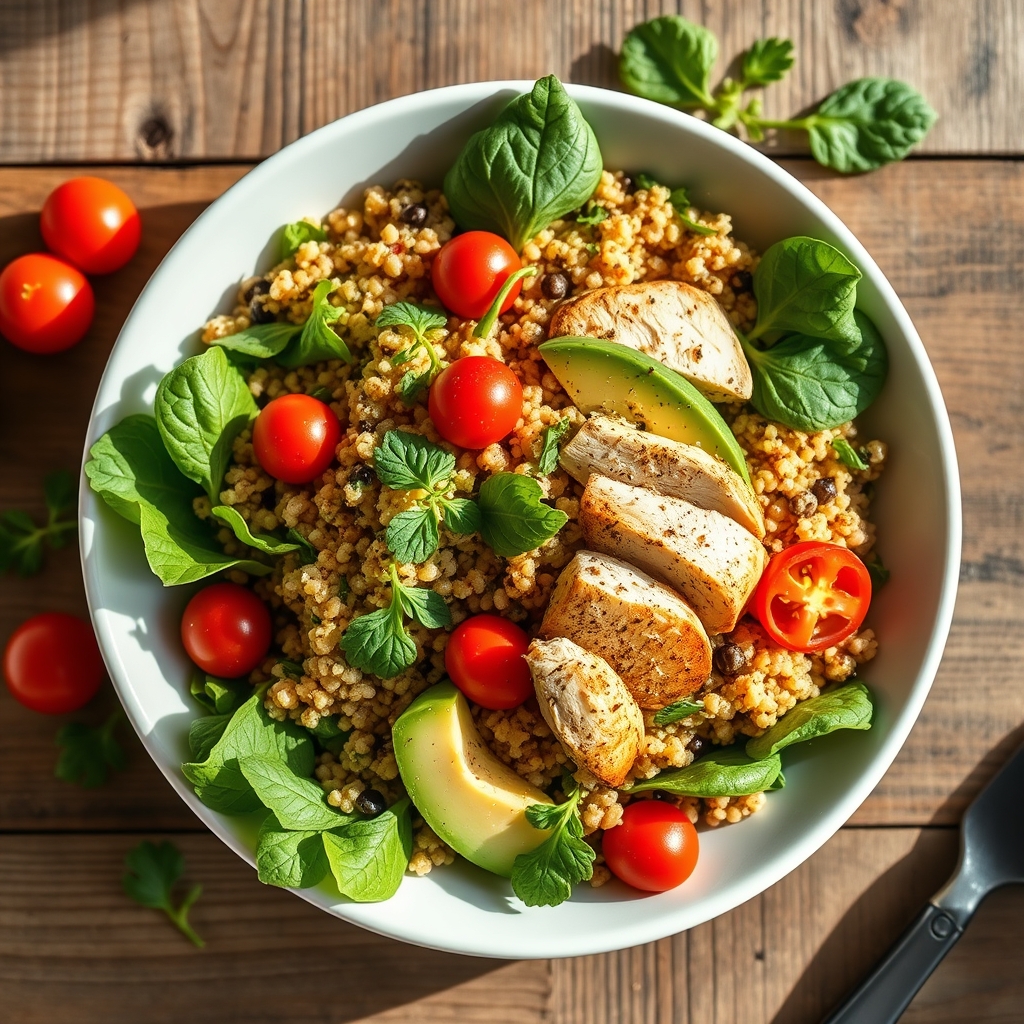
A balanced quinoa salad delivers protein, healthy fats, and complex carbs in one bowl.
Tips for adjusting calorie intake as your baby grows
Babies don’t stay the same size forever, and neither do your nutrition needs. Here are practical checkpoints to revisit each month:
Month 1‑3: Milk production is at its peak. Stick to the 500‑kcal boost and focus on hydration.
Month 4‑6: If you start introducing solids, you may notice a slight dip in milk volume. Reduce your extra calories by 100‑150 kcal if weight gain feels rapid.
Month 7‑12: As your baby begins to eat more solids and spends less time nursing, your caloric needs may settle back toward your pre‑pregnancy maintenance level. Re‑calculate using a calculator to avoid unnecessary surplus.
Twins or multiples: Add roughly 200‑300 kcal per additional infant beyond the first, but monitor your weight and milk output closely.
Exercise changes: If you add a new workout routine (e.g., postpartum stroller walks, strength training), increase calories proportionally—about 150 kcal for each 30‑minute moderate session.
When you notice persistent fatigue, a sudden drop in milk supply, or unexpected weight changes, revisit your calculator and adjust accordingly. It’s normal for needs to ebb and flow; the goal is to stay responsive rather than rigid.
Hydration and essential micronutrients for lactation
Water is the foundation of milk production. The National Health Service (NHS) suggests aiming for 2.5‑3 L of fluids daily, which includes water, herbal tea, and milk‑based drinks. Dehydration can lower milk volume and increase feelings of fatigue, so keep a bottle or glass within arm’s reach during feeds.
Beyond fluids, lactating women need higher intakes of certain micronutrients. Iron supports the increased blood volume, while calcium and vitamin D are crucial for bone health. The Academy of Nutrition and Dietetics recommends an additional 30 mg of iron and 500 IU of vitamin D per day while nursing. Good sources include lean red meat, fortified cereals, fortified plant milks, and safe sunlight exposure. If you’re vegetarian or vegan, consider a prenatal‑grade supplement that includes B12, iron, and DHA to fill any gaps.
Because many prenatal vitamins are formulated for pregnancy, double‑check the label for lactation‑specific dosages. The FDA requires that any supplement marketed for breastfeeding include clear dosage instructions, which can help you avoid excess intake of fat‑soluble vitamins.
Meal planning tips and quick snack ideas for busy moms
Time is often the scarcest resource after birth. Batch‑cook protein‑rich dishes—like a big pot of lentil soup or roasted chicken thighs—and portion them into the fridge for easy reheating. Pair each main with a ready‑to‑grab side such as pre‑washed greens, roasted sweet potatoes, or quinoa. Having the basics pre‑pped reduces the temptation to reach for low‑nutrient convenience foods.
Snack smartly with calorie‑dense, nutrient‑rich options that require little prep: a handful of mixed nuts, Greek yogurt with a drizzle of honey, whole‑grain crackers with avocado mash, or a banana with almond butter. These snacks not only help you meet your extra 500 kcal but also keep blood sugar stable, which can curb mood swings and nursing‑related fatigue.
For a quick post‑feed boost, keep a “feeding box” in your diaper bag with a few of these snacks. That way you can refuel during a nighttime nursing session without scrambling for a full meal.
Understanding your metabolism and calorie needs
Metabolism refers to the energy your body uses at rest (basal metabolic rate) plus the energy expended during activity and lactation. While the 500‑kcal figure covers the average cost of milk synthesis, individual metabolic rates can vary up to 20 % based on genetics, body composition, and hormonal status. The National Institutes of Health (NIH) notes that muscle mass is a major driver of resting energy expenditure, so women who engage in regular strength training may naturally require more calories.
One practical way to gauge your personal metabolic needs is to track your weight for two weeks while maintaining a consistent diet and activity level. If your weight is stable, you’re likely close to your true maintenance calories. If you’re gaining or losing weight faster than desired, adjust your intake by 100‑200 kcal and re‑measure. This “self‑calibration” method works well alongside a calculator and helps you avoid over‑reliance on generic averages.
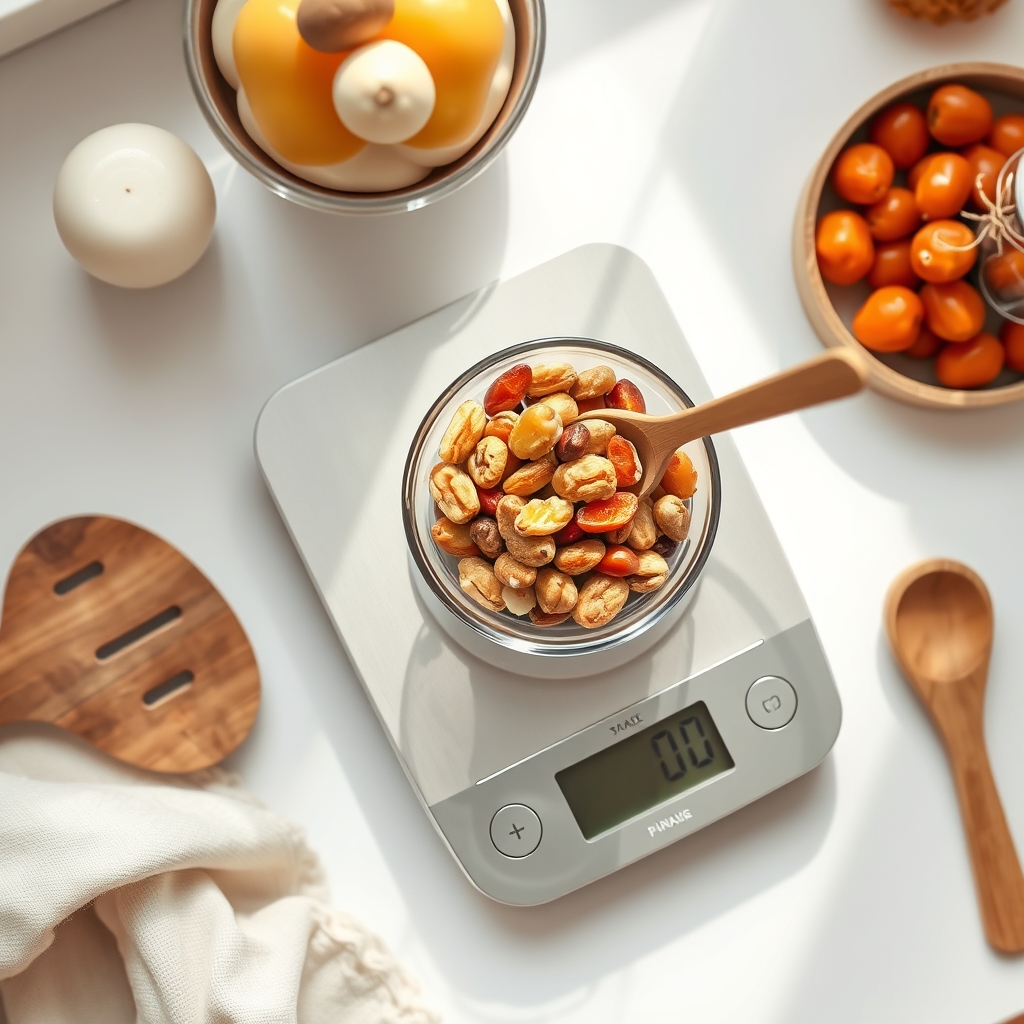
Accurate portions of calorie‑dense snacks keep you on track without excess counting.
Hormonal influences on appetite while breastfeeding
Prolactin, the hormone that drives milk production, also stimulates appetite. The American Society for Nutrition (ASN) reports that prolactin can increase hunger cues, especially for carbohydrate‑rich foods, which the body uses as quick energy for nursing. At the same time, oxytocin—released during milk let‑down—has a calming effect that may reduce stress‑related eating.
Understanding this hormonal dance helps you make smarter snack choices. If you notice a sudden craving for sweets after a feeding, try reaching for a protein‑rich snack instead (like a hard‑boiled egg or a slice of cheese). Protein not only satisfies hunger but also supports milk synthesis. Pairing it with a small amount of fruit can satisfy the sweet tooth while keeping overall calories in balance.
When to consider professional nutrition assessment
While most mothers can manage calorie needs with a calculator and basic food tracking, certain situations warrant a registered dietitian’s expertise. These include:
Pre‑existing medical conditions (e.g., diabetes, thyroid disorders) that affect metabolism.
Severe postpartum weight loss or gain (> 5 % of body weight in a month).
Eating disorders or disordered eating patterns resurfacing after pregnancy.
Special dietary preferences (vegan, kosher, halal) that may limit nutrient sources.
A dietitian can tailor a meal plan that meets your calorie target while ensuring adequate intake of iron, calcium, DHA, and other lactation‑critical nutrients. Many insurance plans cover nutrition counseling for postpartum care, and the NHS offers free dietitian referrals in many regions.
Myth: “You must eat *exactly* 500 kcal extra every day, no more, no less.”
Fact: The 500‑kcal figure is an average. Individual needs vary based on activity, body size, and how much milk you produce. Use it as a starting point, not a rigid rule.
Myth: “Breastfeeding automatically burns a massive amount of calories, so you’ll lose weight quickly.”
Fact: While lactation does increase energy expenditure, most of the calories come from the food you eat. Weight loss is safe and sustainable only when you maintain a modest calorie deficit, not by drastically cutting intake.
Myth: “If you’re nursing twins, you need double the calories.”
Fact: Two babies increase milk demand, but the extra caloric cost is roughly 200‑300 kcal per additional infant—not a full 500 kcal each.
Key takeaways
Most breastfeeding moms need ≈ 500 kcal extra per day, totaling 2,200‑2,800 kcal for moderate activity.
Age, weight, activity level, milk volume, sleep, and stress all shift your personal target.
Use a reliable Breastfeeding Calorie Calculator to get a customized number.
Focus on protein, healthy fats, complex carbs, calcium, iron, and vitamin D to meet calorie goals without sacrificing nutrients.
Gradual weight loss (≈ 0.5 kg/week) is safe; avoid dropping below baseline adult maintenance calories.
Re‑evaluate your intake as your baby’s feeding pattern changes, and adjust for twins, exercise, or postpartum recovery.
Stay hydrated, plan meals ahead, and choose nutrient‑dense snacks to keep energy steady.
Frequently asked questions
How many calories does breastfeeding burn each day?
Breastfeeding typically uses ≈ 400‑500 kcal per day to produce about 750 ml of milk; twins can increase that to ≈ 800‑900 kcal.
Do I need more calories if I’m breastfeeding twins?
Yes. Expect an extra 200‑300 kcal per additional infant beyond the first, on top of the standard 500‑kcal boost for exclusive nursing.
Can I lose weight while breastfeeding?
Yes, as long as you keep a modest calorie deficit (about 250‑300 kcal per day) and never drop below your baseline maintenance calories; aim for 0.5 kg (1 lb) per week.
What foods should I eat to meet my breastfeeding calorie needs?
Prioritize protein (lean meats, beans, Greek yogurt), healthy fats (avocado, nuts, olive oil), complex carbs (whole grains, sweet potatoes) and calcium‑rich options (dairy or fortified plant milks).
How does my activity level affect my breastfeeding calorie requirements?
Every 30 minutes of moderate exercise adds roughly 150‑200 kcal to your daily need; adjust your intake upward accordingly.
Is it safe to use a calorie calculator while breastfeeding?
Yes—calculators that factor in age, weight, activity, and lactation status are safe tools; just double‑check the results against how you feel and consult a dietitian if unsure.
Can I drink coffee or tea while breastfeeding?
Caffeine passes into breast milk in small amounts. Most guidelines, including those from the NHS, suggest keeping caffeine below 300 mg per day (about two 8‑oz cups of coffee). Moderate consumption is generally considered safe, but watch your baby for signs of irritability.
How long does it typically take to regain my pre‑pregnancy weight?
Weight‑recovery timelines vary. A gradual loss of 0.5 kg per week after the first six weeks postpartum is common. Most women return to pre‑pregnancy weight within 6‑12 months if they maintain a modest calorie deficit and stay active.
Is a vegan diet compatible with breastfeeding?
Yes, but you’ll need to pay special attention to protein, vitamin B12, iron, calcium, and DHA. Fortified plant milks, legumes, nuts, and a prenatal‑grade vegan supplement can help you meet the extra needs outlined by the Academy of Nutrition and Dietetics.
Can I practice intermittent fasting while nursing?
Intermittent fasting is not generally recommended during lactation because it may create short periods of low energy intake, potentially affecting milk supply. If you’re interested, discuss a modified approach with a dietitian to ensure you still meet the 500‑kcal lactation boost each day.
When to call your doctor
If you experience any of the following, seek medical advice promptly: sudden, unexplained weight loss or gain (> 5 % of body weight in a week), persistent fatigue, dizziness, rapid heartbeat, or a noticeable drop in milk supply despite adequate feeding. Remember, this article provides general information and is not a substitute for personalized medical guidance.
References
American College of Obstetricians and Gynecologists (ACOG). “Nutrition During Pregnancy and Lactation.” 2023 clinical guidance.
Academy of Nutrition and Dietetics. “Nutrition for Lactation.” Position Paper, 2022.
Institute of Medicine (IOM). “Dietary Reference Intakes for Energy.” 2005.
World Health Organization (WHO). “Infant and Young Child Feeding.” 2021 recommendations.
National Health Service (NHS). “How many calories do you need while breastfeeding?” Updated 2023.
U.S. Department of Agriculture (USDA). “FoodData Central.” Nutrient database, accessed 2024.
Centers for Disease Control and Prevention (CDC). “Breastfeeding and Nutrition.” 2022.
National Health Service (NHS). “Fluid intake recommendations for breastfeeding mothers.” 2022.
American Dietetic Association. “Micronutrient needs during lactation.” Journal of the Academy of Nutrition and Dietetics, 2021.
American Society for Nutrition (ASN). “Hormonal regulation of appetite in lactating women.” Nutrition Reviews, 2020.
Food and Drug Administration (FDA). “Guidance for Dietary Supplements Intended for Lactating Women.” 2021.
Not sure about the label on How Many Calories Do I Need While Breastfeeding Daily Calculator products?
Snap the ingredients list and SafeFilter checks every ingredient for your stage — only 3 free scans this month, then you're locked until reset. Unlimited from $7/mo or $50/yr.
When Shubhra Mishra was expecting her first child in 2016, she was overwhelmed by conflicting food advice — one site said yes, another said never. By the time her second baby arrived in 2019, she realized millions of mothers face the same confusion.
That sparked a five-year journey through clinical nutrition papers, cultural diets, and expert conversations — all leading to BumpBites: a calm, compassionate space where science meets everyday motherhood.
Her long-term vision is to build a global community ensuring safe, supported, and free deliveriesfor every mother — because no woman should face pregnancy alone or uninformed. 🌿
🌍 Stand with mothers, shape safer guidance
Join a small circle of experts who review BumpBites articles so expecting parents everywhere can decide with confidence.