You need roughly 2,200–2,400 calories daily in the second trimester and 2,400–2,800 in the third; BumpBites shows how to meet these needs safely for you and baby.
By Shubhra Mishra — a mom of two who turned her own confusion during pregnancy into BumpBites, a global mission to make food choices clear, safe, and stress-free for every expecting mother. 💛
Check whether any food is safe during pregnancy with the BumpBites Food Safety Checker.
Quick take: Most pregnant people need about 300 extra calories per day after the first trimester, bringing total intake to roughly 2,200 – 2,500 kcal in the second trimester and 2,500 – 2,900 kcal in the third. Adjust up or down based on your pre‑pregnancy weight, activity level, and whether you’re carrying twins or have gestational diabetes.
It’s 2 a.m., you’re curled up on the couch, and a sudden craving for a slice of cheesecake makes you wonder: “Is it okay to eat more calories now?” You’re not alone. Many expecting parents stare at nutrition labels, count bites, and worry about the right amount of fuel for a growing baby.
Below you’ll find a straight‑forward roadmap that answers the most common calorie‑related questions—from trimester‑by‑trimester needs to special situations like gestational diabetes, vegetarian diets, and twin pregnancies. We’ll also share practical tips for adding calories safely, whether you prefer counting numbers or listening to your body’s hunger signals.
All the recommendations are grounded in guidance from the American College of Obstetricians and Gynecologists (ACOG), the National Health Service (NHS), and other respected bodies. Keep reading to see exactly how many calories you should aim for, how to adjust them for your lifestyle, and what red‑flag signs mean it’s time to call your provider.
How many calories should I eat during each trimester of pregnancy?
Understanding calorie needs starts with your baseline before pregnancy. The average adult woman requires about 2,000 kcal per day to maintain weight, according to the U.S. Dietary Guidelines. Pregnancy adds extra energy demands, but the increase isn’t uniform across the three trimesters.
First trimester (0‑13 weeks)
Because the embryo is still tiny, the extra caloric requirement is modest. ACOG notes that most women do not need additional calories in the first three months; a range of 1,800‑2,200 kcal is typically sufficient. Focus instead on nutrient density—iron, folic acid, and calcium are crucial at this stage. Calcium‑rich foods such as low‑fat dairy or fortified plant milks support bone development while keeping calories steady.
Tip: A small glass of fortified orange juice can give you both vitamin C and calcium without adding many extra calories.
Second trimester (14‑27 weeks)
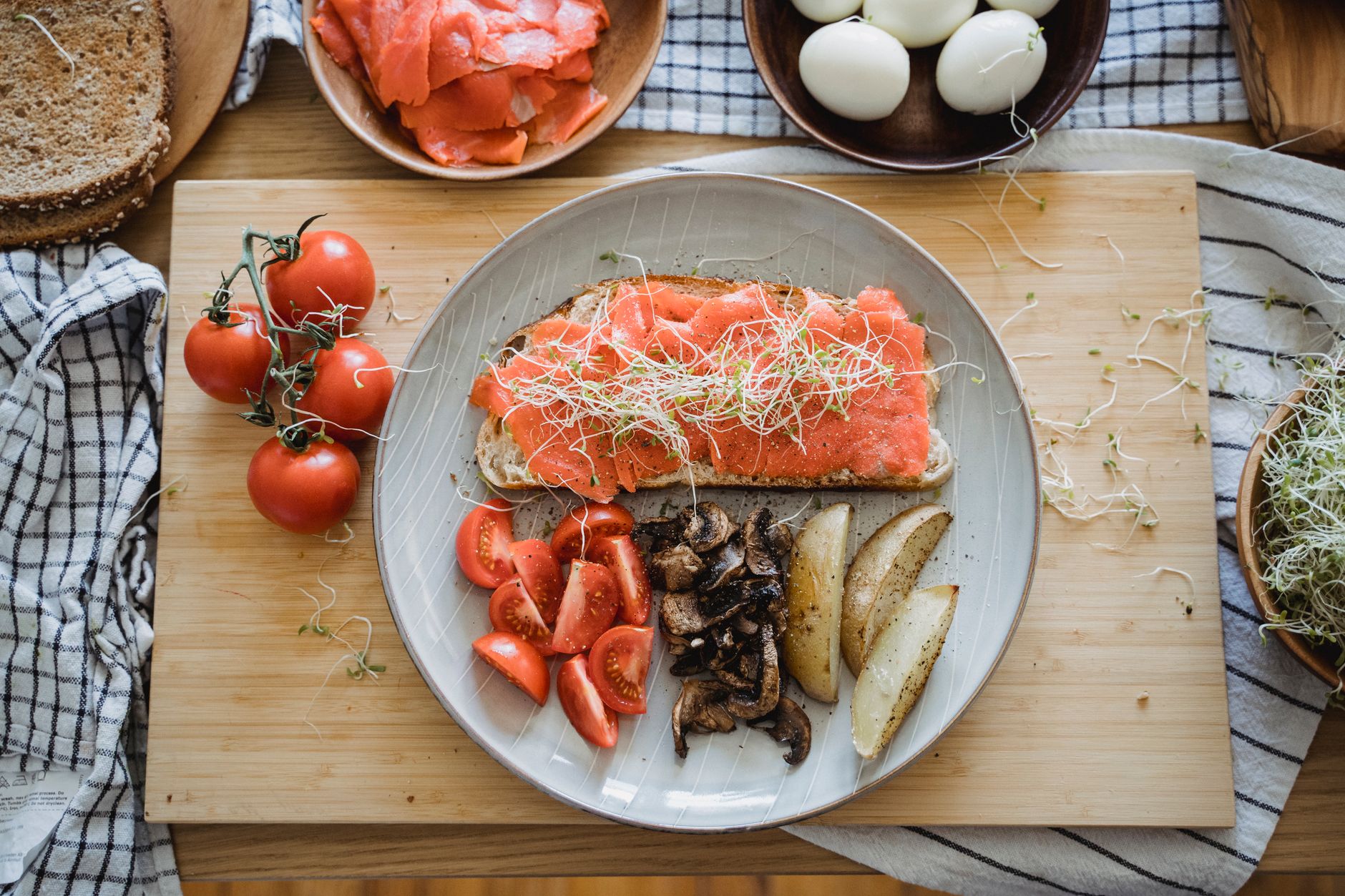
The fetus’s rapid growth and increased blood volume mean you’ll need roughly 300 kcal extra per day. This translates to about 2,200‑2,500 kcal for most women. If you were underweight before pregnancy, aim for 350‑400 extra calories to support healthy weight gain. Adding a nutrient‑dense snack—like a handful of walnuts or a slice of whole‑grain toast with avocado—helps meet the goal without resorting to sugary treats.
Because metabolism speeds up, many women notice a natural increase in appetite; honoring that hunger while choosing wholesome foods keeps you on track.
Third trimester (28‑40 weeks)
Energy demands peak as the baby gains the most weight. ACOG recommends an additional 300‑500 kcal per day, bringing total intake to 2,500‑2,900 kcal for a typical pregnant individual. For twin pregnancies, the extra need can rise to 600 kcal or more, and the focus shifts toward sustaining both maternal stores and fetal growth. Protein‑rich foods such as lean meat, beans, or Greek yogurt become especially valuable.
Staying hydrated and spreading meals throughout the day can help you tolerate the larger portions without discomfort.
The table below summarizes the general calorie ranges by trimester, adjusted for activity level.
Trimester
Baseline (≈2,000 kcal)
Additional calories needed
Total daily calories (sedentary)
Total daily calories (active)
First (0‑13 wk)
2,000
0‑100
2,000‑2,100
2,200‑2,300
Second (14‑27 wk)
2,000
300‑350
2,300‑2,350
2,500‑2,600
Third (28‑40 wk)
2,000
300‑500
2,300‑2,500
2,600‑2,900
Remember, these numbers are averages. Your provider may suggest a slightly higher or lower intake based on your pre‑pregnancy BMI, activity level, and any medical conditions.
Eating a balanced plate each meal helps you meet extra calories without over‑relying on junk food.
What are the calorie needs for pregnant women with gestational diabetes?
Gestational diabetes mellitus (GDM) adds a layer of complexity, but the core principle remains: you still need enough calories to support fetal growth while keeping blood glucose stable.
General guidance
The American Diabetes Association (ADA) advises that women with GDM aim for a modest calorie increase—usually 250‑300 kcal per day after the first trimester—mirroring the needs of uncomplicated pregnancies. The key difference lies in carbohydrate quality and timing.
Carbohydrate considerations
Focus on low‑glycemic carbs such as whole grains, legumes, and non‑starchy vegetables. Pair carbs with protein or healthy fats to blunt glucose spikes. For example, a bowl of quinoa (½ cup) with grilled chicken and a drizzle of olive oil provides ~350 kcal, 40 g carbs, and 20 g protein, fitting well into a GDM meal plan.
Monitoring weight gain
Women with GDM typically aim for a weight gain of 0.5‑1 lb per week in the second and third trimesters, slightly slower than the 1‑2 lb per week recommended for uncomplicated pregnancies. If you’re gaining too quickly, your provider may suggest trimming 100‑150 kcal from your daily intake and increasing physical activity.
Evening snack: 150 kcal (cottage cheese with cinnamon)
These numbers total ~2,050 kcal, which aligns with the modest increase recommended for most women with GDM.
How does exercise affect calorie requirements in pregnancy?
Physical activity burns calories, so active pregnant people need slightly more fuel than sedentary ones. The NHS states that moderate exercise (e.g., brisk walking, swimming, prenatal yoga) for at least 150 minutes per week is safe for most pregnancies.
Active vs. sedentary calorie needs
For a woman who was moderately active before pregnancy, add 150‑200 kcal per day to the trimester‑specific totals. This accounts for the extra energy expended during workouts and helps maintain a healthy weight‑gain trajectory.
Examples of calorie burn
30 minutes of moderate swimming: ~200 kcal
45 minutes of brisk walking: ~150 kcal
Prenatal yoga (60 minutes): ~120 kcal
If you’re highly active—training for a marathon or engaging in high‑intensity interval training—your provider may recommend an additional 250‑300 kcal per day.
Safety tips
Stay hydrated, avoid overheating, and listen to your body. If you feel dizzy, short‑of‑breath, or experience uterine contractions, stop and rest. Always discuss any new exercise regimen with your obstetrician, especially if you have complications such as pre‑eclampsia.
What are the calorie intake recommendations for pregnant vegetarians, vegans, and underweight mothers?
Plant‑based diets can easily meet calorie and nutrient needs, but they require mindful planning to avoid gaps in protein, iron, calcium, and omega‑3 fatty acids.
Vegetarian and vegan calorie targets
Both groups follow the same overall calorie ranges as omnivores—about 300 extra calories after the first trimester. The difference lies in food choices:
Protein‑rich plant foods: tofu, tempeh, lentils, chickpeas, and edamame (≈150‑200 kcal per cup).
Healthy fats: nuts, seeds, avocado, and olive oil (≈120‑150 kcal per tablespoon).
Complex carbs: whole‑grain breads, quinoa, brown rice, and oats (≈200‑250 kcal per serving).
Adding a tablespoon of nut butter to a smoothie or a handful of almonds as a snack can easily boost daily calories without resorting to processed snacks.
Underweight mothers (BMI < 18.5)
Women who start pregnancy underweight need a larger caloric surplus—approximately 350‑400 kcal extra per day in the second and third trimesters. In practice, this might look like an additional snack of a banana with peanut butter (≈250 kcal) plus a glass of whole‑milk yogurt (≈150 kcal).
Underweight mothers should also aim for a slightly higher protein intake—about 1.2 g per kilogram of body weight daily—to support both maternal tissue and fetal growth.
How many extra calories should I eat in the second trimester, and what about the first trimester?
Many expectant parents ask about the “extra” calories needed at each stage. The answer is simple but nuanced.
First trimester
Most clinicians agree that no extra calories are required for a healthy‑weight woman in weeks 0‑13. If you’re very active or underweight, a modest 100‑150 kcal boost can be helpful, but for most, focusing on nutrient‑dense foods is more important than adding calories.
Second trimester
From weeks 14‑27, aim for **300 kcal extra per day**. This corresponds to roughly one additional snack (e.g., a small avocado toast) or a slightly larger portion at meals.
Practical ways to add 300 kcal
Add a tablespoon of olive oil to your salad (≈120 kcal).
Include a serving of full‑fat Greek yogurt with honey (≈150 kcal).
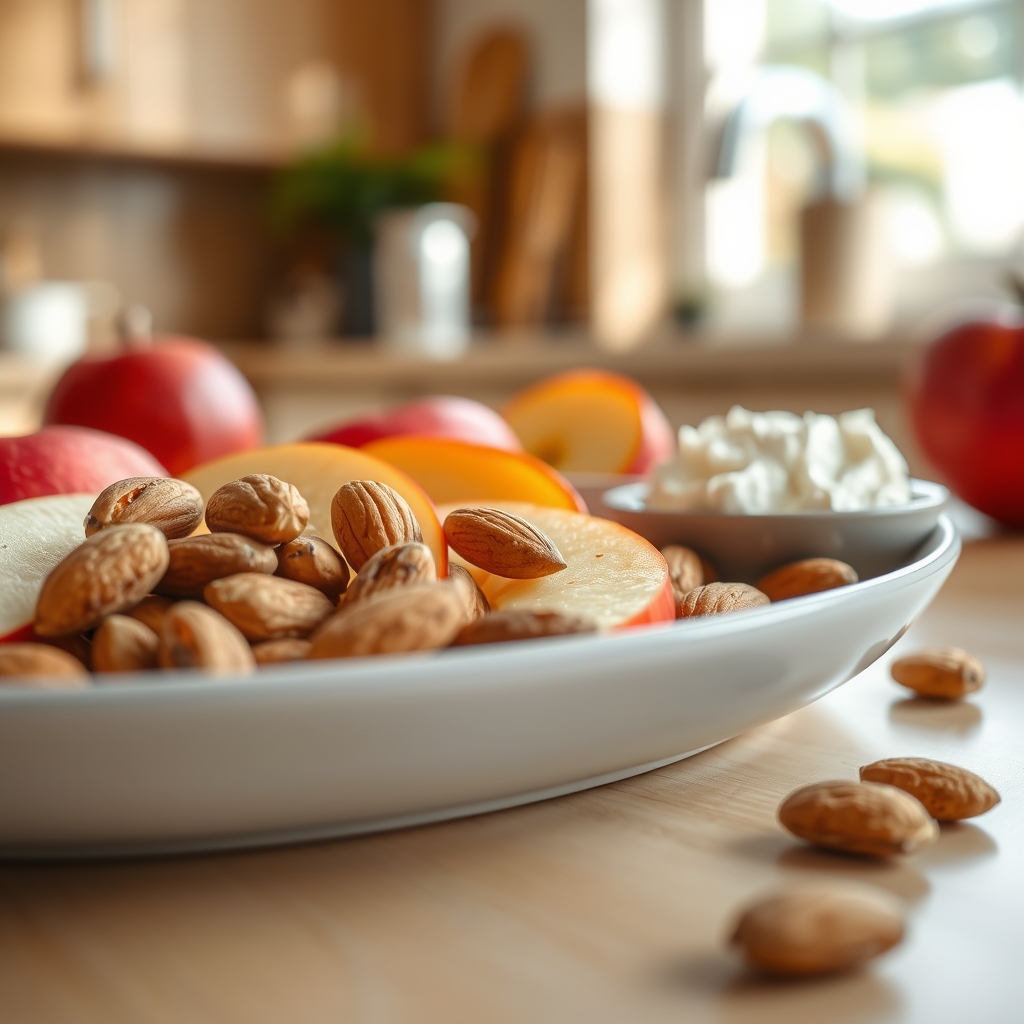
Snack on a handful of mixed nuts (≈150 kcal).
These options keep you full, provide essential micronutrients, and avoid excessive sugar or refined carbs.
What are safe ways to increase calories during pregnancy?
Increasing calories doesn’t mean reaching for candy bars. Safe, nutrient‑dense options protect both you and your baby.
Whole‑food calorie boosters
Nut butters: 2 tablespoons of almond butter add ~190 kcal plus vitamin E and magnesium.
Avocado: Half a medium avocado contributes ~120 kcal, potassium, and healthy monounsaturated fats.
Smoothies: Blend whole‑milk yogurt, frozen berries, a banana, and a scoop of protein powder for ~350 kcal.
Cheese: A slice of cheddar (≈30 g) provides ~115 kcal and calcium.
High‑calorie foods to approach cautiously
While occasional indulgences are fine, regularly consuming ultra‑processed, high‑sugar items can lead to excessive weight gain and gestational diabetes. Limit sugary drinks, pastries, and fried foods to occasional treats.
Impact of a high‑calorie diet on fetal development
Research from the World Health Organization (WHO) indicates that excessive caloric intake—especially from saturated fats and added sugars—can increase the risk of large‑for‑gestational‑age (LGA) infants, which may later predispose the child to obesity. Balanced, nutrient‑rich calories support optimal growth without over‑fueling.
Should I count calories or listen to hunger cues in pregnancy?
Both approaches have merit, and many pregnant people blend them to stay mindful without becoming obsessive.
Calorie counting: pros and cons
Counting can provide clear feedback, especially if you have a specific weight‑gain target or a condition like GDM. However, strict tracking may increase anxiety and lead to under‑eating if you misinterpret numbers.
Listening to hunger and fullness
Mindful eating encourages you to honor natural signals—eating when hungry, stopping when satisfied. This method aligns with the Academy of Nutrition and Dietetics’ recommendation to “focus on nutrient density and satiety.” It works well for women with a stable pre‑pregnancy BMI and no medical restrictions.
Hybrid strategy
Start with a rough calorie range (e.g., 2,300‑2,500 kcal in the second trimester). Track meals for a few days to see where you land, then transition to a “hunger‑first” approach, using the range as a safety net. If you notice rapid weight gain or loss, revisit the numbers and adjust accordingly.
Smart snack choices add calories and essential nutrients without excess sugar.
How many calories should a breastfeeding mother eat?
Breastfeeding adds another metabolic demand—approximately 500 kcal per day above non‑pregnant needs. If you’re still pregnant with a second child, combine the postpartum increase with the remaining pregnancy calories.
Typical postpartum calorie range
The Academy of Nutrition and Dietetics suggests 2,300‑2,500 kcal for most lactating women, rising to 2,500‑2,800 kcal for those who are underweight or have twins. Adjust based on your milk supply, activity level, and how quickly you’re gaining or losing weight.
Key foods for lactation
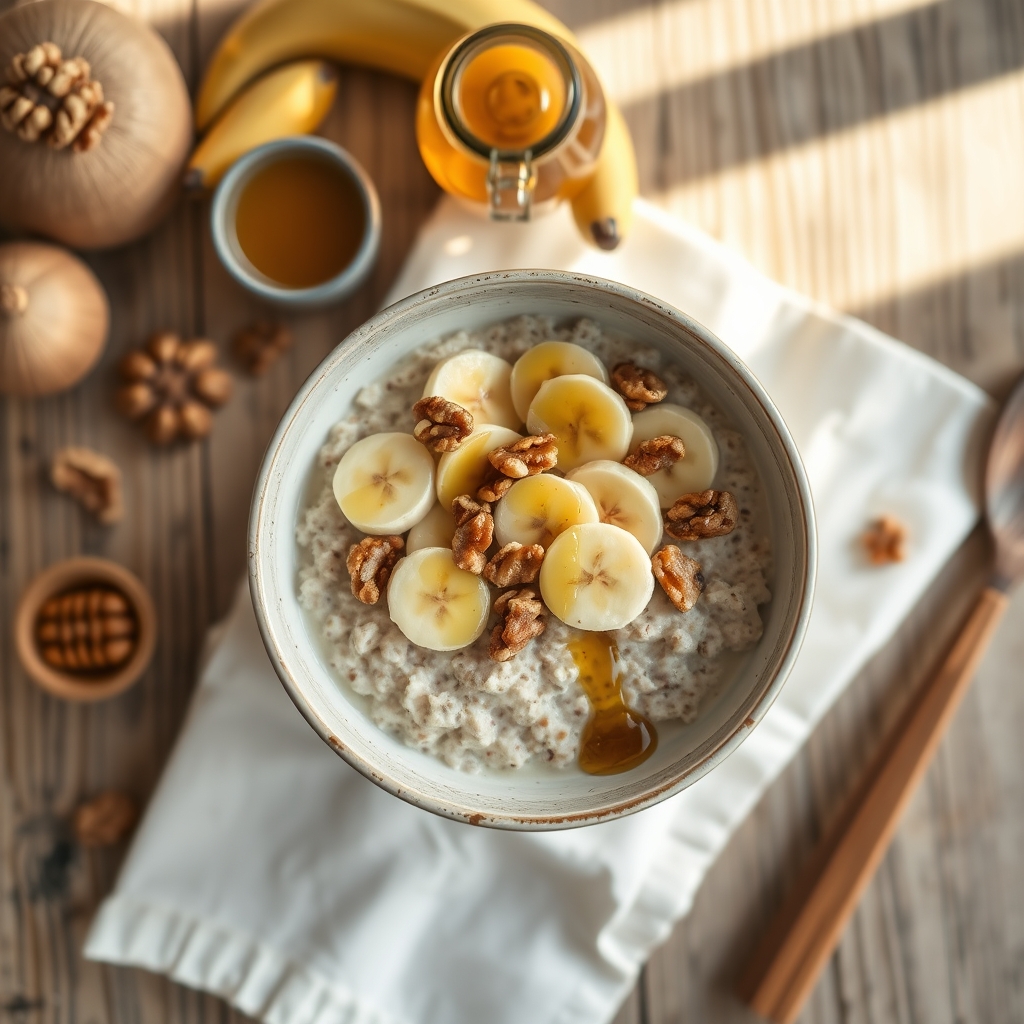
Oats: support milk production and add ~150 kcal per cup cooked.
Salmon: provides omega‑3s and ~200 kcal per 3‑oz serving.
Whole‑grain toast with nut butter: ~250 kcal and sustained energy.
Hydration matters
While fluid itself isn’t a calorie source, adequate water intake (≈3 L per day) helps maintain milk volume and can prevent mistaking thirst for hunger, which can lead to unnecessary extra calories.
Calorie needs for women with hyperemesis gravidarum
Hyperemesis gravidarum (HG) is a severe form of morning sickness that can cause persistent vomiting and dehydration. Women with HG often struggle to meet even basic calorie needs, let alone the extra pregnancy requirements.
Why calories matter in HG
Even a modest caloric deficit can jeopardize fetal growth and maternal health. The American College of Obstetricians and Gynecologists (ACOG) recommends that clinicians aim for at least 1,800 kcal per day for women with HG, supplemented by intravenous fluids or enteral nutrition if oral intake is insufficient.
Practical strategies
Small, frequent meals—aim for 5–6 mini‑meals instead of three large ones.
High‑calorie, easy‑to‑digest foods such as smoothies with protein powder, avocado‑rich purees, and fortified nutritional drinks.
Ginger or vitamin B6 supplements (under provider guidance) to reduce nausea, making it easier to keep calories down.
If you’re unable to keep down any food for more than 24 hours, seek medical care promptly; a feeding tube or IV nutrition may be necessary.
Calorie considerations for older pregnant adults (35+)
Maternal age over 35 is associated with a slightly higher risk of certain complications, but the basic caloric math stays the same. However, older mothers often have different metabolic rates and may be managing pre‑existing conditions such as hypertension or thyroid disorders.
Adjusting for age‑related metabolic changes
Studies cited by the National Institute for Health and Care Excellence (NICE) suggest that women over 35 may benefit from a modestly higher protein intake (≈1.1 g/kg) and a slight upward tweak of 100‑150 kcal in the second and third trimesters, especially if activity levels are low.
Key nutrients to prioritize
Calcium and vitamin D: essential for bone health, especially if menopause is approaching.
Omega‑3 fatty acids: support fetal brain development and may reduce inflammation.
Folate‑rich foods: continue the 400‑800 µg daily recommendation to lower neural‑tube defect risk.
Regular check‑ins with your obstetrician can help tailor the calorie target to your individual health profile.
Warm oatmeal topped with fruit and nuts is a simple way to add extra calories and protein.
Calorie needs after bariatric surgery
Pregnancy after bariatric surgery (e.g., gastric bypass or sleeve gastrectomy) requires a tailored approach because the stomach’s capacity and nutrient absorption are altered.
Guidelines from the American Society for Metabolic and Bariatric Surgery (ASMBS)
ASMBS recommends a gradual increase of 200‑300 kcal per day in the second trimester, with careful monitoring of protein (≥60 g daily) and micronutrients such as iron, vitamin B12, and calcium. Small, frequent meals and liquid‑based calories (smoothies, fortified drinks) are often better tolerated.
Practical tips
Choose high‑protein, low‑volume foods like Greek yogurt, cottage cheese, and protein powders mixed into smoothies.
Supplement with chewable calcium‑vitamin D tablets to meet the 1,200 mg calcium target without over‑filling the stomach.
Schedule regular labs with your obstetrician and bariatric surgeon to catch any deficiencies early.
Because each surgery is unique, your provider will set a personalized calorie goal that balances fetal growth with your altered digestive anatomy.
Using pregnancy‑friendly apps to track calories
Digital tools can simplify calorie awareness without turning eating into a chore. Several apps are vetted for pregnancy safety and include nutrient‑specific tracking.
Ability to log both solid foods and liquids, since many pregnant people gain calories from drinks.
Customizable weight‑gain goals that adjust according to your pre‑pregnancy BMI.
Popular, reputable options
MyFitnessPal, Ovia Pregnancy, and the NHS “Pregnancy Weight Tracker” all incorporate ACOG‑aligned calorie ranges and let you set reminders for balanced meals. Remember, apps are tools—not substitutes for professional advice.
Myth vs. fact
Myth: You need to “eat for two” and double your calories from the start of pregnancy. Fact: Only a modest increase—about 300 kcal after the first trimester—is recommended for most women. Overeating can raise the risk of excessive weight gain and gestational diabetes.
Myth: Counting calories is the only way to ensure a healthy pregnancy. Fact: Listening to hunger cues, focusing on nutrient‑dense foods, and staying active are equally important. A balanced approach reduces stress and supports both mother and baby.
Myth: Vegetarian or vegan diets can’t provide enough calories for pregnancy. Fact: Plant‑based eaters can meet calorie and nutrient needs by incorporating legumes, nuts, seeds, whole grains, and fortified foods.
Key takeaways
First trimester: no extra calories for most; focus on nutrient density.
Second & third trimesters: add ~300 kcal daily (up to 500 kcal for twins).
Adjust up or down based on pre‑pregnancy BMI, activity level, and health conditions.
Choose whole‑food calorie boosters (nuts, avocado, smoothies) over processed snacks.
If you have gestational diabetes, keep carbs low‑glycemic and monitor weight gain.
During breastfeeding, aim for an extra 500 kcal to support milk production.
Women with hyperemesis gravidarum or older mothers may need tailored calorie plans.
Post‑bariatric surgery pregnancies benefit from protein‑focused, small‑portion meals.
Pregnancy‑friendly apps can help you stay on track without obsessive counting.
Frequently asked questions
How many extra calories do I need in the first trimester?
Most women do not need any extra calories in weeks 0‑13; a range of 1,800‑2,200 kcal is usually sufficient.
Is it safe to eat more than the recommended calories during pregnancy?
Occasionally exceeding the guideline by a few hundred calories isn’t harmful, but consistently high intake can lead to excessive weight gain and increase risks such as gestational diabetes.
Can I lose weight while pregnant if I watch my calories?
Weight loss is generally not advised during pregnancy; the focus should be on steady, healthy gain. If you’re severely underweight, discuss a tailored plan with your provider.
What foods are best for meeting extra calorie needs in pregnancy?
Whole‑food options like nut butters, avocado, full‑fat dairy, olive oil, and protein‑rich legumes add calories while providing essential vitamins and minerals.
Do I need to count calories if I have a healthy pregnancy diet?
Counting isn’t mandatory if you’re eating a balanced, nutrient‑dense diet and gaining weight within the recommended range, but it can be helpful for specific conditions like GDM.
How does my pre‑pregnancy BMI affect my calorie needs?
Women with a low BMI (<18.5) require a larger caloric surplus (≈350‑400 kcal extra), while those with a high BMI may need a smaller increase or even no change, focusing instead on quality nutrients.
What should I do if morning sickness prevents me from eating enough?
Try small, frequent meals of easy‑to‑digest foods such as smoothies, broth‑based soups, or fortified nutrition drinks. If vomiting persists for more than 24 hours, contact your provider for possible IV or tube feeding.
Are calorie needs different for women over 35?
Older mothers often benefit from a modest extra 100‑150 kcal in the later trimesters, along with higher protein and calcium intake, especially if activity levels are lower.
How can I safely track calories after bariatric surgery?
Use a pregnancy‑focused app that lets you set small‑portion goals and emphasizes protein. Pair the app data with regular lab checks to ensure you’re meeting micronutrient needs.
Is it okay to use a calorie‑counting app if I have gestational diabetes?
Yes, as long as the app includes carbohydrate tracking and lets you set low‑glycemic targets. Combine app data with your provider’s guidance for the best results.
When to call your doctor
If you notice any of the following, contact your provider promptly: rapid weight gain (>2 lb per week after the first trimester), unexplained weight loss, persistent vomiting, severe fatigue, excessive thirst, or signs of pre‑eclampsia such as swelling and high blood pressure. This article is for informational purposes only and does not replace personalized medical advice.
References
American College of Obstetricians and Gynecologists (ACOG). “Nutrition During Pregnancy.” 2023 clinical guidance.
U.S. Dietary Guidelines for Americans, 2020‑2025. Department of Health and Human Services.
National Health Service (NHS). “How many calories do you need in pregnancy?” Updated 2022.
American Diabetes Association (ADA). “Gestational Diabetes Mellitus.” Standards of Medical Care in Diabetes—2023.
World Health Organization (WHO). “Recommendations on Antenatal Care for a Positive Pregnancy Experience.” 2021.
Academy of Nutrition and Dietetics. “Nutrition Care Manual: Pregnancy.” 2022.
National Institute for Health and Care Excellence (NICE). “Antenatal Care Guidance.” 2023.
Centers for Disease Control and Prevention (CDC). “Breastfeeding.” 2022.
American College of Obstetricians and Gynecologists (ACOG). “Management of Hyperemesis Gravidarum.” Committee Opinion No. 777, 2022.
National Institute for Health and Care Excellence (NICE). “Maternal age and pregnancy outcomes.” Evidence review, 2023.
American Society for Metabolic and Bariatric Surgery (ASMBS). “Nutrition Recommendations for Pregnancy after Bariatric Surgery.” 2022.
Not sure about the label on How Many Calories Should I Eat Pregnancy products?
Snap the ingredients list and SafeFilter checks every ingredient for your stage — only 3 free scans this month, then you're locked until reset. Unlimited from $7/mo or $50/yr.
When Shubhra Mishra was expecting her first child in 2016, she was overwhelmed by conflicting food advice — one site said yes, another said never. By the time her second baby arrived in 2019, she realized millions of mothers face the same confusion.
That sparked a five-year journey through clinical nutrition papers, cultural diets, and expert conversations — all leading to BumpBites: a calm, compassionate space where science meets everyday motherhood.
Her long-term vision is to build a global community ensuring safe, supported, and free deliveriesfor every mother — because no woman should face pregnancy alone or uninformed. 🌿
🌍 Stand with mothers, shape safer guidance
Join a small circle of experts who review BumpBites articles so expecting parents everywhere can decide with confidence.