Discover expert hiking with toddler tips to make trails safe and fun. Learn gear, snacks, and tricks for a smooth adventure with your little one today.
By Shubhra Mishra — a mom of two who turned her own confusion during pregnancy into BumpBites, a global mission to make food choices clear, safe, and stress-free for every expecting mother. 💛
Check whether any food is safe during pregnancy with the BumpBites Food Safety Checker.
Quick take: Hiking with a toddler can be a deeply rewarding family activity, offering fresh air, exercise, and precious bonding time. Start slow, prioritize safety with proper gear and preparation, and remember that flexibility and managing expectations are key to a joyful outdoor adventure. Focus on their pace, make it fun, and always be ready to adapt to their needs.
The thought of hitting the trails with a little one can feel like a dream – fresh air, stunning views, and memories in the making. But if you’re a modern mom, the reality often comes with a whisper of anxiety: "Will they actually walk? What if they get tired? What about snacks, tantrums, and all that gear?" You're not alone in these worries. Many of us picture serene nature walks, only to imagine our toddler staging a sit-down strike five minutes in.
At BumpBites, we understand that getting outdoors with young children is less about conquering mountains and more about embracing the journey, one tiny step at a time. It’s about creating positive experiences that foster a love for nature, even if that means your "hike" is mostly a picnic by a stream. This guide is designed to equip you with practical, honest tips to make hiking with your toddler not just possible, but genuinely enjoyable for the whole family.
From choosing the right carrier to navigating unexpected meltdowns, we’ll cover everything you need to know to confidently lace up those boots and explore the great outdoors with your adventurous little sidekick. Let's turn those "what ifs" into "we did it!" moments.
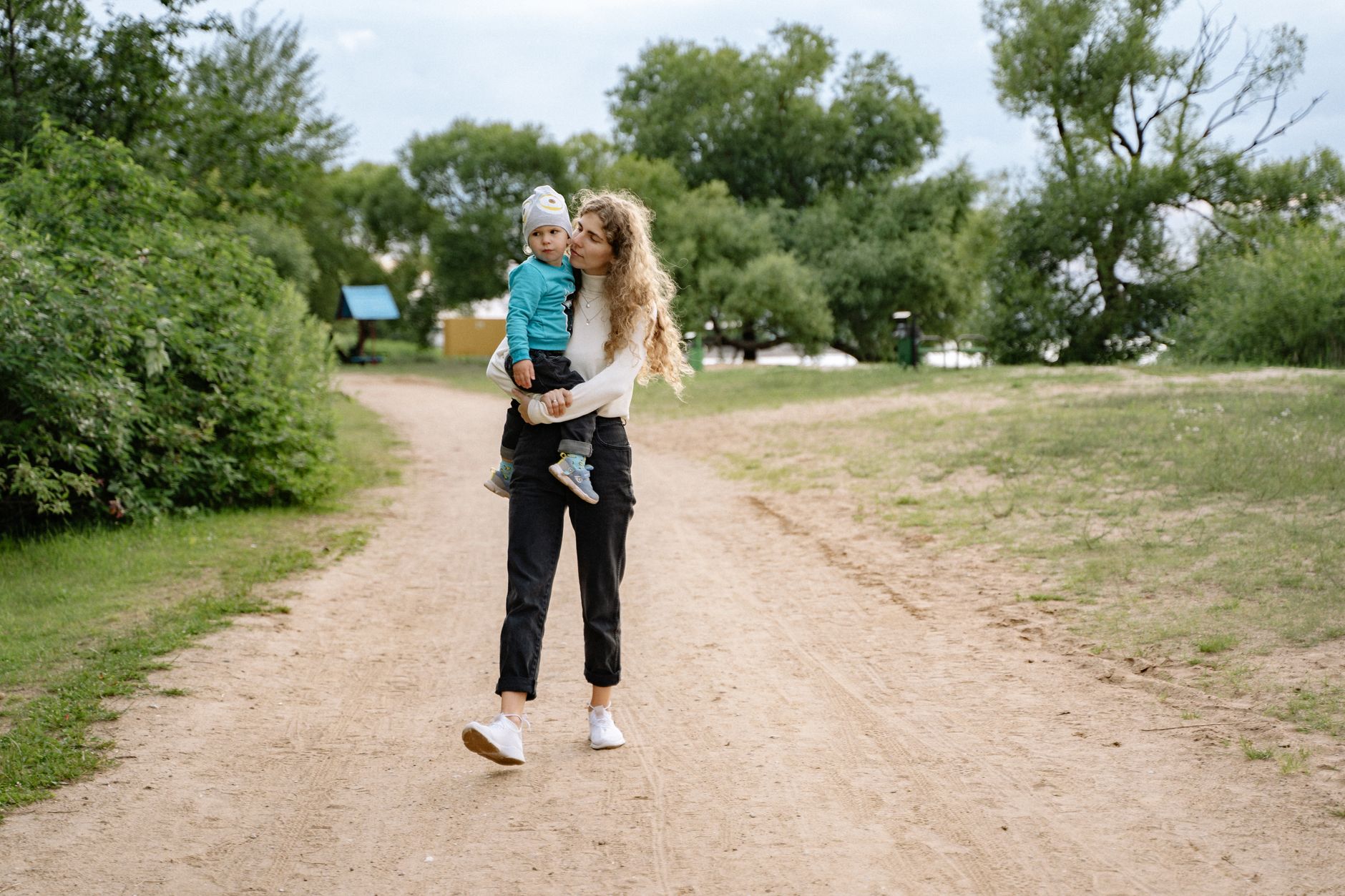
Embrace their pace and celebrate every tiny step on the trail.
When is the Best Time to Start Hiking with Your Toddler?
There's no single "perfect" age to introduce your child to hiking, as readiness varies greatly among children. However, toddlers generally hit a sweet spot for trail exploration once they are confidently walking and have developed some basic coordination. For many, this is typically between 12 and 18 months, though you can certainly start earlier with a good carrier!
Before they can walk independently, infants can join you in a suitable baby carrier. This allows them to experience the sights, sounds, and fresh air of the trail from the safety and comfort of being close to you. Once they start to walk, usually around their first birthday milestones, you can begin to let them explore short, flat sections of a trail on their own two feet.
When considering whether your toddler is ready to tackle a hike, think about their developmental stage and temperament. Can they follow simple instructions? Are they generally curious and enjoy exploring? Do they have sufficient stamina for short bursts of activity? These factors will give you a good indication of when to start transitioning from mostly carrier-based hikes to more independent walking.
Age-Appropriate Hiking Distances for Toddlers
Managing expectations is crucial when hiking with toddlers. Their little legs tire quickly, and their attention spans are short. Here’s a general guideline for age-appropriate distances, but always prioritize your child's cues over a set goal:
12-18 months (new walkers): Focus on short, flat stretches. They might walk 0.1-0.25 miles (160-400 meters) in total, often interspersed with carrier time. The goal is exploration, not distance.
18-24 months: Many toddlers can manage 0.25-0.5 miles (400-800 meters) of independent walking, especially on easy terrain. Again, be prepared to carry them for the majority of the hike.
2-3 years old: Some energetic 2-year-olds might comfortably hike 0.5-1 mile (800 meters - 1.6 km) on an easy trail, with plenty of breaks. The key is to let them set the pace.
3-4 years old: With growing stamina and coordination, 3-4 year olds might be able to hike 1-2 miles (1.6-3.2 km) on moderate trails, particularly if there are engaging elements like rocks to climb or streams to explore.
Remember, these are just guidelines. One BumpBites reader shared, "I learned quickly that my 2-year-old's 'hike' was really a 100-yard sprint to a puddle, followed by 20 minutes of splashing. And that was a success!" The journey itself, the sensory experience, and the joy of discovery are far more important than reaching a specific destination.
How Can You Keep Your Toddler Safe on the Trail?
Safety is paramount when hiking with young children. Trails present unique challenges, from uneven terrain to potential wildlife, so careful planning and constant vigilance are essential. Here’s how to create a secure environment for your little explorer:
Staying Safe on Uneven Terrain
Footwear: Ensure your toddler wears sturdy, closed-toe shoes with good traction. Sandals or flip-flops are not appropriate for hiking trails.
Hand-holding: For most of the hike, keep your toddler within arm's reach or hold their hand, especially on inclines, declines, near water, or along narrow paths.
Path Awareness: Constantly scan the path ahead for roots, rocks, slippery mud, or other obstacles that could cause a fall. Point these out to your toddler.
Boundary Setting: Establish clear rules before you even hit the trail, such as "stay on the path," "don't touch plants without asking," and "always stay where I can see you." Reinforce these gently but firmly.
Protecting Toddlers from Sun and Bugs
Their delicate skin and small bodies are more susceptible to environmental factors. The American Academy of Pediatrics (AAP) recommends specific precautions:
Sun Protection:
Sunscreen: Apply a broad-spectrum sunscreen with an SPF of 30 or higher to exposed skin 15-30 minutes before going outside. Reapply every two hours, or more often if sweating or near water. Look for mineral-based sunscreens (zinc oxide or titanium dioxide) for sensitive skin.
Hats & Clothing: A wide-brimmed hat is a must, along with lightweight, long-sleeved clothing for extra protection, even on warm days.
Timing: Avoid hiking during peak sun hours (10 AM to 4 PM) whenever possible.
Insect Repellent:
DEET: The AAP considers DEET-containing repellents safe for children over 2 months of age, with concentrations up to 30%. Apply sparingly, avoiding hands, eyes, and mouth. Always follow product instructions.
Picaridin: Another effective and safe option for children.
Natural alternatives: While some essential oils (like citronella) are marketed as repellents, their effectiveness is often short-lived and less reliable than DEET or picaridin.
Clothing: Dress your toddler in long pants and sleeves, tucking pants into socks, especially in grassy or wooded areas where ticks might be present.
Tick Checks: After every hike, perform a thorough head-to-toe tick check, paying close attention to hair, behind ears, armpits, groin, and behind knees.
First Aid and Emergency Preparedness for Toddlers
Even on short hikes, unexpected scrapes and bumps can happen. A well-stocked first-aid kit is non-negotiable:
Basic First Aid Kit: Band-aids, antiseptic wipes, gauze, medical tape, pain reliever (children's Tylenol or ibuprofen – check dosage with your pediatrician), allergy medicine (if prescribed), tweezers for splinters/ticks, small tube of antibiotic ointment.
Emergency Information: Carry a card with emergency contacts, your pediatrician's number, and any relevant medical information for your child (allergies, medications).
Navigation: Always have a fully charged phone, and consider a physical map or a downloaded offline map of the trail, especially in areas with spotty cell service. Tell someone your hiking plan and expected return time.
Water & Shelter: Carry extra water and a lightweight emergency blanket or rain poncho in case of unexpected weather changes.
Your Essential Gear Checklist for Hiking with a Toddler
Packing for a toddler hike is less about minimalism and more about preparedness. You'll want to strike a balance between having everything you need and not being overloaded. Here’s a comprehensive checklist:
Category
Essential Items
Notes for Toddlers
Carrying
Child carrier backpack or sturdy stroller (for paved/flat trails)
Ensure carrier is ergonomic for both child and parent; check weight limits. Strollers only for very specific, smooth trails.
Clothing
Layers (base, mid, outer), wide-brimmed hat, sunglasses, rain jacket/poncho
Avoid cotton; opt for moisture-wicking fabrics. Pack an extra set of clothes (or two!).
Footwear
Sturdy, closed-toe hiking shoes with good grip (for toddler & adult)
No sandals or open-toed shoes for trail walking.
Hydration
Water bottles (for everyone), electrolyte solution (optional, for longer hikes)
Toddlers dehydrate faster; offer water frequently.
Food
High-energy snacks, full meal if long hike, bib/wipes
See "Trail-Approved Snacks" section below. Pack more than you think you'll need.
Diapering
Diapers/pull-ups, wipes, changing pad, plastic bags for soiled diapers
Plan for diaper changes on the go; pack out all waste.
Sun & Bug Protection
Sunscreen, insect repellent, travel-sized first aid kit
Reapply sunscreen regularly; check for ticks after the hike.
Comfort & Entertainment
Small comfort item (lovie/blanket), small toy, bubbles, magnifying glass
Something familiar for comfort; simple nature-based toys for engagement.
Always tell someone your route and expected return time.
Miscellaneous
Small towel, hand sanitizer, trash bag, camera
A small towel is great for wiping hands or drying off after a splash.
When you're packing, remember that every item adds weight. Investing in quality, lightweight gear can make a big difference, though it doesn't have to break the bank. You can find great options at various price points, and planning your baby budget to include outdoor gear can help spread the cost. Consider borrowing from friends or checking local consignment shops for gently used items like carriers.
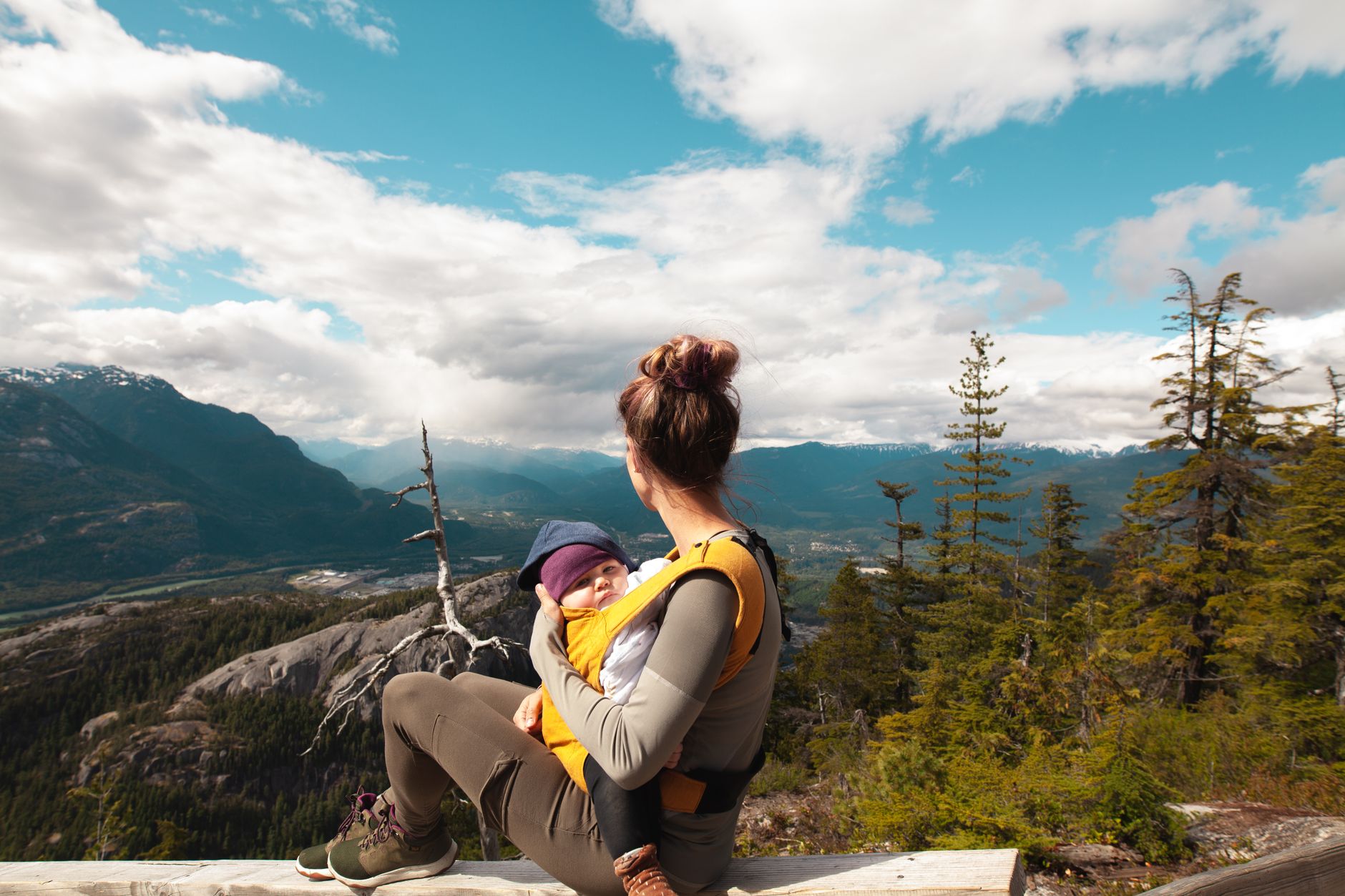
A sturdy carrier with storage for essentials makes all the difference.
Choosing the Right Carrier and Carrying Your Toddler Comfortably
For most hikes with a toddler, a good carrier is indispensable. Even if your little one loves to walk, their stamina is limited, and you’ll inevitably need to carry them for significant portions of the trail. The right carrier can prevent back pain for you and ensure comfort for your child.
Types of Toddler Carriers for Hiking
Backpack Child Carriers: These are designed specifically for hiking and are often the best option for longer treks. They feature a sturdy internal or external frame, a comfortable seat for your child, and a padded hip belt and shoulder straps for the adult. Many also have built-in storage compartments for snacks, water, and extra layers, making them excellent toddler carriers for hiking with storage. Brands like Osprey, Deuter, and Thule are popular choices.
Soft-Structured Carriers (SSCs): While not specifically designed for long-distance hiking, a well-fitting SSC can work for shorter, less strenuous trails. Look for one with a wide, supportive waistband and padded shoulder straps. These are more compact and can be easily packed if your toddler wants to walk for a while. They also allow for front or back carrying.
Wrap or Ring Sling: These are generally not recommended for hiking with toddlers due to lack of back support for the adult and potential for the fabric to get caught or snagged. They are better suited for infants and shorter periods of wear.
How to Carry a Toddler While Hiking Without Back Pain
Even with the best carrier, improper use can lead to discomfort. Here’s how to keep your back happy:
Adjust for Fit: This is critical. Most of the child's weight should rest on your hips, not your shoulders. Adjust the hip belt so it sits snugly on your iliac crest (the top of your hip bones). Then, tighten the shoulder straps so the carrier feels secure but doesn't pull down on your shoulders.
Center the Weight: Ensure your child is seated properly and centered in the carrier. An off-center load can throw off your balance and strain your back.
Engage Your Core: Keep your core muscles engaged to support your spine. Think about standing tall and maintaining good posture.
Take Breaks: Even with a perfect fit, carrying a toddler for an extended period is physically demanding. Take frequent short breaks to stretch, adjust, and give your back a rest.
Alternate Carriers (if possible): If you’re hiking with another adult, consider swapping carrier duties periodically.
Practice at Home: Before your first long hike, wear the carrier with your toddler around your neighborhood or on short walks to get used to the weight and make any necessary adjustments.
A good child carrier is an investment, but the comfort it provides for both you and your child, allowing you to explore more challenging terrain, is often well worth it. Look for features like a sunshade, stirrups for your child's feet, and plenty of pockets for all those essentials.
Trail-Approved Snacks and Hydration for Little Hikers
Toddlers have high energy needs and small stomachs, so frequent, nutrient-dense snacks are key to keeping their energy levels up and their spirits bright on the trail. Hydration is equally important, as young children are more prone to dehydration.
Best Snacks for Toddlers on a Long Hike
Choose snacks that are easy to eat on the go, non-perishable, and packed with energy. Avoid sugary treats that can lead to a quick crash.
Fruit: Sliced apples (toss with a little lemon juice to prevent browning), berries (packed in a sturdy container), grapes (cut in half or quarters for choking prevention), bananas (pack carefully to avoid bruising), dried fruit (raisins, cranberries, mango strips – in moderation due to sugar content).
Vegetables: Cucumber slices, bell pepper strips, carrot sticks (for older toddlers who chew well).
Protein/Fat: Cheese sticks/cubes, small portions of nut butter (if no allergies and age-appropriate consistency) on whole-wheat crackers or apple slices, hard-boiled eggs (peeled and kept cool).
Grains: Whole-grain crackers, dry cereal, small whole-grain muffins, rice cakes.
Pouches: Fruit and veggie pouches are convenient and less messy, but choose varieties with no added sugar.
Pack more snacks than you think you'll need. Hunger can quickly escalate into a full-blown meltdown, and a well-timed snack can often avert a crisis. One mom told us, "My secret weapon is always a bag of freeze-dried fruit. It's light, doesn't get squished, and my son thinks it's candy!"
Hydration is Key: Avoiding Dehydration in Toddlers While Hiking
Toddlers have a higher body surface area to mass ratio than adults, meaning they lose water more quickly through sweat and respiration. They also might not recognize or articulate thirst as effectively. This makes proper hydration crucial.
Offer Water Frequently: Don't wait for them to ask. Offer sips of water every 15-20 minutes, especially in warm weather or during active periods. Use a spill-proof sippy cup or water bottle that's easy for them to hold.
Plan Water Stops: If your trail has water sources (like a visitor center or fountains), factor these into your plan. Always bring more water than you think you'll need.
Avoid Sugary Drinks: Juice or soda can actually worsen dehydration due to their high sugar content. Stick to water.
Signs of Dehydration in Toddlers While Hiking:
Dry mouth and tongue
Lack of tears when crying
Fewer wet diapers or less frequent urination
Sunken soft spot (fontanelle) on infants' heads
Lethargy, unusual sleepiness, or irritability
Cool, clammy skin
Rapid heartbeat
No urine for 6-8 hours
If you notice any severe signs of dehydration, seek medical attention immediately. For mild dehydration, offer small, frequent sips of water or an oral rehydration solution. Prevention is the best approach, so keep that water flowing!
Navigating Tantrums and Keeping Hikes Fun for Everyone
Let's be real: toddlers and trails can be a recipe for unexpected challenges, and tantrums are definitely on the menu. The key is to anticipate, distract, and reframe your expectations. Remember, the goal is a positive experience, not a marathon hike.
How to Handle Toddler Tantrums on the Trail
When a meltdown strikes, it can feel incredibly frustrating, especially when you're far from home. Here's a strategy:
Stay Calm: Your reaction can either escalate or de-escalate the situation. Take a deep breath.
Acknowledge Feelings: "I see you're really frustrated right now. It's hard when your legs are tired." This validates their emotions without giving in to unreasonable demands.
Offer Choices: "Do you want to walk a little more, or do you want to ride in the carrier for a bit?" "Would you like to find a special rock, or should we stop for a snack?" Giving them a sense of control can often diffuse the situation.
Distraction: Point out something interesting in nature – a bird, a bug, a uniquely shaped leaf. Start a silly song or a game.
Change of Scenery (or Pace): If they're walking, put them in the carrier. If they're in the carrier, consider a short break to let them stretch their legs in a safe spot. Sometimes, just changing the perspective helps.
Know When to Turn Back: If the tantrum is persistent and nothing is working, it's okay to call it a day. Pushing a tired or unhappy toddler will only create negative associations with hiking.
One BumpBites reader shared, "My daughter once threw herself down in the middle of the path because she couldn't carry a stick that was 'too big.' I tried everything, then just sat with her. After a few minutes, she picked up a smaller stick and we continued. Sometimes, they just need to feel heard and then they'll move on."
Fun Games to Keep Toddlers Engaged While Hiking
Making the hike an interactive adventure can prevent boredom and keep little legs moving. Here are some ideas:
Nature Scavenger Hunt: Create a simple list or picture card of things to find: "something green," "a smooth rock," "a feather," "a leaf with holes," "a stick."
"I Spy": A classic for a reason! "I spy with my little eye, something green and tall" (a tree).
Storytelling: Make up a story together about the animals you might see or the magical creatures living in the woods.
Sing Songs: Familiar nursery rhymes or made-up hiking songs can be a great mood booster.
Follow the Leader: Let your toddler be the leader for a short, safe stretch, mimicking their movements.
Sound Safari: Stop and listen quietly. What sounds can you hear? Birds, rustling leaves, a distant stream?
Counting Games: Count steps, count trees, count specific types of flowers.
Remember that for toddlers, the destination is often less important than the journey itself. A patch of moss, a fallen log, or a tiny wildflower can be an entire world of wonder. Encourage their curiosity and let them linger. While screen time has its place, especially when you're looking for age-appropriate YouTube channels for quiet moments, getting outdoors offers unparalleled sensory experiences that screens simply can't replicate.
Finding Toddler-Friendly Trails: What to Look For
Not all trails are created equal when it comes to little hikers. Choosing the right path can make the difference between a joyful outing and a frustrating ordeal. When you're searching for "easy hiking trails for toddlers near me," keep these factors in mind:
Characteristics of Toddler-Friendly Trails
Minimal Elevation Gain: Steep hills are tiring for adults, let alone toddlers. Look for trails that are relatively flat or have very gentle, gradual slopes. Toddler-friendly hiking trails with minimal elevation gain are ideal for building confidence and preventing exhaustion.
Smooth, Even Surfaces: Paved paths, wide dirt trails, or gravel paths are generally easier than rocky, root-filled, or muddy terrain. This reduces the risk of falls and makes walking more enjoyable for their developing coordination.
Short Length: As discussed, toddlers have limited stamina. Aim for trails that are 1-2 miles total, understanding that you might only cover a fraction of that distance with them walking. Loop trails are often great as they offer a sense of progress without backtracking.
Points of Interest: Trails with features like small bridges, streams (for safe splashing!), benches for breaks, interesting trees, or even a playground at the trailhead can provide natural points of interest and motivation.
Shade: Especially important in warmer climates or during summer months. Shaded trails help prevent overheating and sunburn.
Accessibility: Consider stroller accessibility if you plan to use one for parts of the trail. Many park websites will indicate if trails are "stroller-friendly" or "ADA accessible," which usually means they are smooth and wide.
Restroom Facilities: Knowing there's a restroom at the trailhead or along the way can be a huge relief.
How to Prepare a Toddler for Their First Hike
A little preparation can go a long way in making their inaugural outdoor adventure a success:
Talk About It: Explain what you're going to do. "We're going on an adventure in the woods! We'll see trees and maybe some birds."
Read Books: Look for children's books about hiking or nature. This helps build excitement and familiarizes them with the concept.
Practice Walks: Start with short walks around your neighborhood or a local park to get them used to walking for a bit and wearing their hiking shoes.
Dress the Part: Let them help pick out their "hiking outfit" (within reason!). Feeling like a "big hiker" can be motivating.
Set Expectations (for yourself!): Go into the first hike with zero expectations for distance or speed. The goal is simply to have a positive experience in nature. If you only make it 100 feet, but they had fun looking at a bug, that's a win!
When selecting a trail, always check local park websites or apps like AllTrails for detailed descriptions, reviews, and current conditions. Look for keywords like "family-friendly," "easy," or "nature walk." Many local parks and nature centers specifically design trails with young children in mind, often featuring interpretive signs or scavenger hunt elements.
Managing Toddler Naps and Breaks on the Trail
Toddlers thrive on routine, but hiking often means adjusting that routine. Successfully integrating naps and breaks is crucial for a happy hike and avoiding overtired meltdowns.
Integrating Naps into Your Hiking Plan
For many toddlers, a nap is non-negotiable. Here are a few strategies:
Timing is Everything:
Morning Hike, Nap at Home: If your toddler naps reliably mid-morning or early afternoon, plan your hike for earlier in the day and be back home or at your vehicle before naptime. This allows for maximum energy.
Hike During Naptime: For toddlers who can nap in a carrier, plan a longer hike that coincides with their usual nap window. The rhythmic motion of walking and the fresh air often lull them to sleep. Ensure their head is supported and they are comfortable.
Post-Hike Nap: If your hike is short and invigorating, plan for a nap immediately upon returning home or getting back to the car.
Carrier Naps: If your child naps in the carrier, make sure it's set up for maximum comfort. Many backpack carriers have soft headrests or attachments. Bring a small blanket for warmth and a lovey if it's part of their sleep routine.
Flexibility: Be prepared for naps to be shorter or skipped entirely. An overtired toddler is a recipe for a tough remainder of the day, so sometimes cutting the hike short is the best decision for everyone.
Taking Effective Breaks
Toddlers need frequent breaks, not just for physical rest but also for mental stimulation and a change of pace. Aim for a break every 20-30 minutes, or more often if you notice signs of fatigue or boredom.
Designated "Rest Stops": Look for natural spots that are interesting and safe – a large flat rock to sit on, a patch of soft grass, a small stream bank.
Snack & Hydrate: Breaks are the perfect time to offer water and a small snack. This refuels their energy and gives them a focused activity.
Free Play: Let them get out of the carrier and explore safely for a few minutes. This could be collecting leaves, examining a bug, or simply running in a small circle.
Change of Activity: Use breaks to switch from walking to carrier time, or vice-versa.
Engage Their Senses: Encourage them to touch different textures (tree bark, smooth stones), smell wildflowers, or listen to the sounds of nature.
One parent shared, "I learned that my toddler's 'break' wasn't really a break for me. It was an opportunity for him to investigate every single pebble. I just leaned against a tree and watched, knowing this was part of his hike." Embrace their curiosity and understand that their pace and interests will dictate the rhythm of your hike.
Myth vs. Fact: Hiking with Toddlers
There are many misconceptions about hiking with young children. Let's clear up a few common ones:
Myth: Toddlers can hike for miles if they're motivated enough.
Fact: While toddlers have bursts of energy, their endurance and coordination are still developing. Their comfortable hiking distance is much shorter than an adult's, typically less than a mile for most 2-3 year olds. Pushing them too far can lead to exhaustion, frustration, and a negative association with hiking.
Myth: You need expensive, specialized gear for your toddler to hike.
Fact: While a good carrier and sturdy shoes are beneficial, you don't need a full mountaineering setup. Focus on practical, weather-appropriate layers, plenty of water and snacks, and basic safety items. Many items can be borrowed, found secondhand, or substituted with everyday equivalents.
Myth: Hiking with a toddler is just a slower version of an adult hike.
Fact: Hiking with a toddler is an entirely different experience. It's less about covering distance or reaching a summit, and more about allowing your child to explore, engage with nature, and develop a sense of wonder. Your pace will be dictated by their curiosity and stamina, not your own. Expect many stops for investigation and observation.
Key Takeaways for Your Toddler Hiking Adventure
Start Small & Stay Flexible: Begin with short, easy trails and adapt your plans based on your toddler's mood and energy.
Safety First: Prioritize sun and bug protection, proper footwear, and a well-stocked first-aid kit.
Gear Up Smart: Invest in a comfortable child carrier and pack plenty of water, snacks, and extra layers.
Hydrate & Fuel: Offer water frequently and bring nutrient-dense, easy-to-eat snacks to maintain energy.
Make it Fun: Engage them with games, scavenger hunts, and allow time for exploration and discovery.
Manage Expectations: Your toddler's "hike" might be mostly carrier time, puddle splashing, or rock collecting – and that's perfectly okay!
Frequently Asked Questions About Hiking with Toddlers
Is hiking with a toddler safe?
Yes, hiking with a toddler can be very safe when proper precautions are taken. Always choose appropriate trails, dress them in layers, protect them from sun and bugs, and carry a comprehensive first-aid kit. Constant supervision and awareness of their physical limits are key to a safe and enjoyable experience for everyone.
What is the best way to carry a toddler while hiking?
The best way to carry a toddler while hiking is typically in a specialized backpack child carrier. These carriers distribute weight effectively to your hips, reducing strain on your back, and offer comfort and safety features for your child. For shorter, less strenuous hikes, a sturdy soft-structured carrier can also be a good option.
How do I keep my toddler entertained on a hike?
Keep your toddler entertained by making the hike an interactive adventure. Try nature scavenger hunts (e.g., "find something green"), play "I Spy," sing songs, or tell stories. Allow them to stop and explore interesting natural elements like unique rocks, leaves, or bugs. Their curiosity is their best entertainment!
What should I pack for a day hike with a toddler?
For a day hike, pack essentials like a child carrier, plenty of water, high-energy snacks, sunscreen, insect repellent, a wide-brimmed hat, extra layers of clothing, a full change of clothes, diapers/wipes, a small first-aid kit, and an emergency contact card. Don't forget a small comfort item or toy for them.
How do I know if my toddler is too tired to hike?
Signs your toddler is too tired include increased irritability, whining, wanting to be carried more often, stumbling, becoming unusually quiet or withdrawn, or a sudden loss of interest in engaging activities. Pay close attention to these cues, and be prepared to take a break, put them in the carrier, or turn back if needed.
Are there hiking trails suitable for strollers?
Yes, many parks and nature preserves offer trails suitable for strollers, often labeled as "stroller-friendly," "ADA accessible," or "paved paths." These trails typically have smooth, wide surfaces with minimal elevation changes. Always check the trail description or park website before heading out to ensure it meets your stroller's capabilities.
When to See a Doctor or Specialist
While hiking with toddlers is generally safe, it's important to know when to seek professional medical advice. If your child experiences any of the following during or after a hike, contact your pediatrician or seek immediate medical attention:
Signs of Severe Dehydration: Persistent lethargy, extreme thirst, no urination for 8-12 hours, sunken eyes, rapid breathing, or cold, clammy skin.
Significant Injury: Any head injury with loss of consciousness, persistent vomiting, severe pain, inability to bear weight on a limb, or a deep cut that won't stop bleeding.
Severe Allergic Reaction: Difficulty breathing, widespread hives, swelling of the face or throat, or dizziness after an insect bite or exposure to a plant.
Tick-Borne Illness Symptoms: Rash (especially a bull's-eye rash), fever, headache, body aches, or fatigue developing days to weeks after a tick bite.
Heat Exhaustion or Heatstroke: Confusion, rapid pulse, dizziness, nausea, headache, or a very high body temperature.
This article is for informational purposes only and is not a substitute for professional medical advice, diagnosis, or treatment. Always seek the advice of your physician or other qualified health provider with any questions you may have regarding a medical condition.
References
American Academy of Pediatrics (AAP). (2024). Sun Safety: Information for Parents. Retrieved from HealthyChildren.org
American Academy of Pediatrics (AAP). (2024). Insect Repellents: Information for Parents. Retrieved from HealthyChildren.org
Centers for Disease Control and Prevention (CDC). (2023). Preventing Tick Bites. Retrieved from CDC.gov
Mayo Clinic. (2023). Dehydration in children: Symptoms and causes. Retrieved from MayoClinic.org
The American Hiking Society. (2024). Hiking with Kids. Retrieved from AmericanHiking.org
Not sure about the label on Hiking With Toddler Tips products?
Snap the ingredients list and SafeFilter checks every ingredient for your stage — only 3 free scans this month, then you're locked until reset. Unlimited from $7/mo or $50/yr.
When Shubhra Mishra was expecting her first child in 2016, she was overwhelmed by conflicting food advice — one site said yes, another said never. By the time her second baby arrived in 2019, she realized millions of mothers face the same confusion.
That sparked a five-year journey through clinical nutrition papers, cultural diets, and expert conversations — all leading to BumpBites: a calm, compassionate space where science meets everyday motherhood.
Her long-term vision is to build a global community ensuring safe, supported, and free deliveriesfor every mother — because no woman should face pregnancy alone or uninformed. 🌿
🌍 Stand with mothers, shape safer guidance
Join a small circle of experts who review BumpBites articles so expecting parents everywhere can decide with confidence.