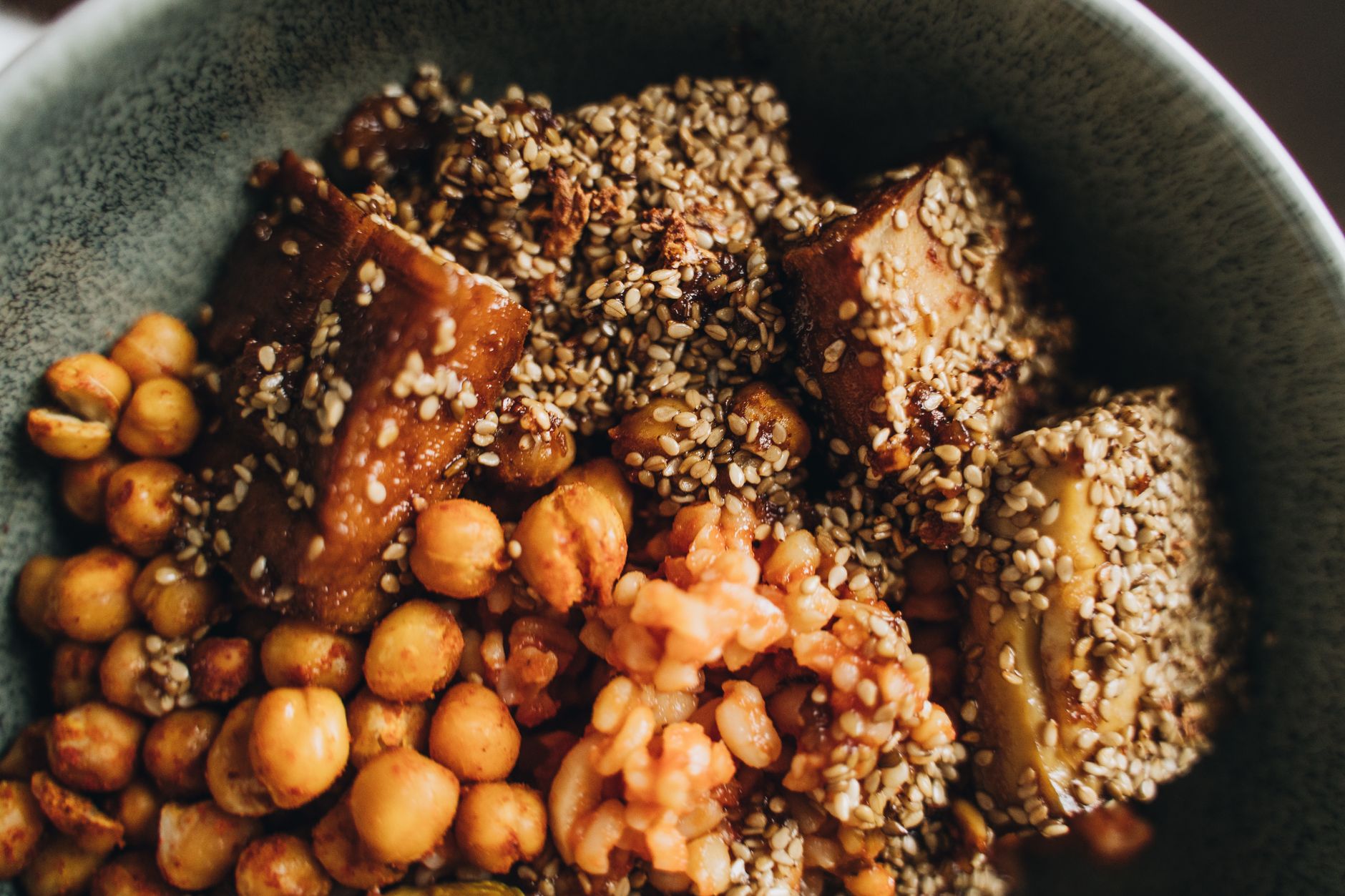
reakfast sets the tone for your day—and for Hashimoto’s, it’s all about stabilizing blood sugar and fueling your thyroid. Start with a mix of protein, healthy fats, and fiber to keep you full and energized. Many women with Hashimoto’s find that skipping breakfast leads to energy crashes by mid-morning, so we’ll focus on options that are quick, satisfying, and easy to customize.
**Protein is your friend here.** Eggs are a powerhouse: they contain selenium (a mineral critical for thyroid function) and are rich in choline, which supports brain health. Pair them with avocado for healthy fats and spinach for iron—both of which can be depleted in Hashimoto’s. If you’re dairy-sensitive (and many autoimmune patients are), opt for coconut yogurt or almond milk instead of cow’s milk.
Here are five breakfast ideas to start your day right:
- Avocado and Smoked Salmon Toast
- Toast a slice of gluten-free bread (like Ezekiel or almond flour bread) and top with mashed avocado.
- Add 2–3 oz of smoked salmon (rich in omega-3s) and a sprinkle of everything bagel seasoning.
- Finish with a handful of microgreens or baby spinach for fiber.
- Savory Oatmeal with Eggs and Veggies
- Cook gluten-free oats with coconut milk and a pinch of turmeric (for anti-inflammatory benefits).
- Top with a soft-boiled or poached egg, sautéed mushrooms, and a drizzle of olive oil.
- Add a side of berries for antioxidants.
- Chia Pudding with Almond Butter
- Mix 2 tbsp chia seeds with ½ cup coconut milk and a dash of vanilla. Let it sit overnight.
- Top with 1 tbsp almond butter, a handful of walnuts, and cinnamon (which may help regulate blood sugar).
- Add a few blueberries for extra antioxidants.
- Greek Yogurt Parfait (Dairy-Free Option)
- Layer coconut yogurt with mashed banana and a sprinkle of pumpkin seeds (high in magnesium).
- Add a handful of raspberries and a drizzle of honey (if tolerated).
- For extra protein, stir in a scoop of collagen peptides.
- Sweet Potato Hash with Eggs
- Dice and roast ½ cup sweet potato with onions and bell peppers until tender.
- Top with 2 fried eggs and a sprinkle of nutritional yeast (for a cheesy flavor without dairy).
- Serve with a side of sautéed kale.
**Pro tip:** If you’re short on time, batch-cook your grains (like quinoa or gluten-free oats) on Sunday and store them in the fridge. You can reheat them quickly in the morning and top with your favorite proteins and veggies.
**Common mistake:** Overloading breakfast with high-sugar fruits like pineapple or mango, which can spike blood sugar and worsen inflammation. Stick to lower-glycemic fruits like berries, apples, or pears.
Lunch recipes that support Hashimoto’s health
Lunch is your chance to pack in nutrients that support thyroid function and reduce inflammation. Many women with Hashimoto’s find that their symptoms flare after eating processed foods or refined carbs, so we’ll focus on meals that are rich in selenium, zinc, and omega-3s—all critical for thyroid health.
One of the most popular lunch options is a **salmon and quinoa bowl**. Salmon is one of the best sources of omega-3 fatty acids, which help reduce inflammation. Quinoa is a complete protein and gluten-free, making it ideal for those with Hashimoto’s. Pair it with roasted vegetables like broccoli, Brussels sprouts, or asparagus for extra fiber and vitamins.
Here’s a step-by-step recipe for a **Hashimoto’s-friendly salmon bowl**:
- Cook ½ cup quinoa according to package instructions (it should take about 15 minutes).
- While the quinoa cooks, marinate 4 oz of salmon in 1 tbsp olive oil, lemon juice, garlic, and a pinch of turmeric for 10 minutes.
- Roast the salmon at 375°F (190°C) for 12–15 minutes until flaky.
- In the same pan, sauté 1 cup of chopped broccoli and ½ cup of shredded carrots in 1 tsp olive oil for 5 minutes.
- Assemble the bowl with quinoa, salmon, veggies, and a sprinkle of chopped parsley.
- Drizzle with a dressing made from 1 tbsp olive oil, 1 tsp apple cider vinegar, and a pinch of sea salt.
For variety, try these other lunch ideas:
- Turkey and Avocado Wrap
- Use a gluten-free wrap (like a low-carb tortilla) and fill with 3 oz of turkey breast, ¼ avocado, and spinach.
- Add a smear of hummus (check for no added sugar) and a sprinkle of sunflower seeds.
- Roll tightly and slice in half.
- Lentil and Vegetable Soup
- Sauté ½ cup diced onions, 2 garlic cloves, and 1 carrot in olive oil.
- Add 1 cup dried lentils, 4 cups vegetable broth, and 1 cup chopped zucchini. Simmer for 25 minutes.
- Blend half the soup for a creamier texture (optional).
- Top with fresh parsley and a drizzle of olive oil.
- Chicken and Sweet Potato Stir-Fry
- Cook 4 oz of chicken breast in coconut aminos (a gluten-free soy alternative) and ginger.
- Add 1 cup diced sweet potato and 1 cup broccoli. Stir-fry for 10 minutes.
- Finish with a sprinkle of sesame seeds and a squeeze of lime.
**Why this matters:** Many women with Hashimoto’s report that their energy levels improve significantly when they swap processed lunches for meals rich in lean protein and healthy fats. If you’re used to eating takeout or frozen meals, this transition might feel overwhelming at first—but it’s worth it.
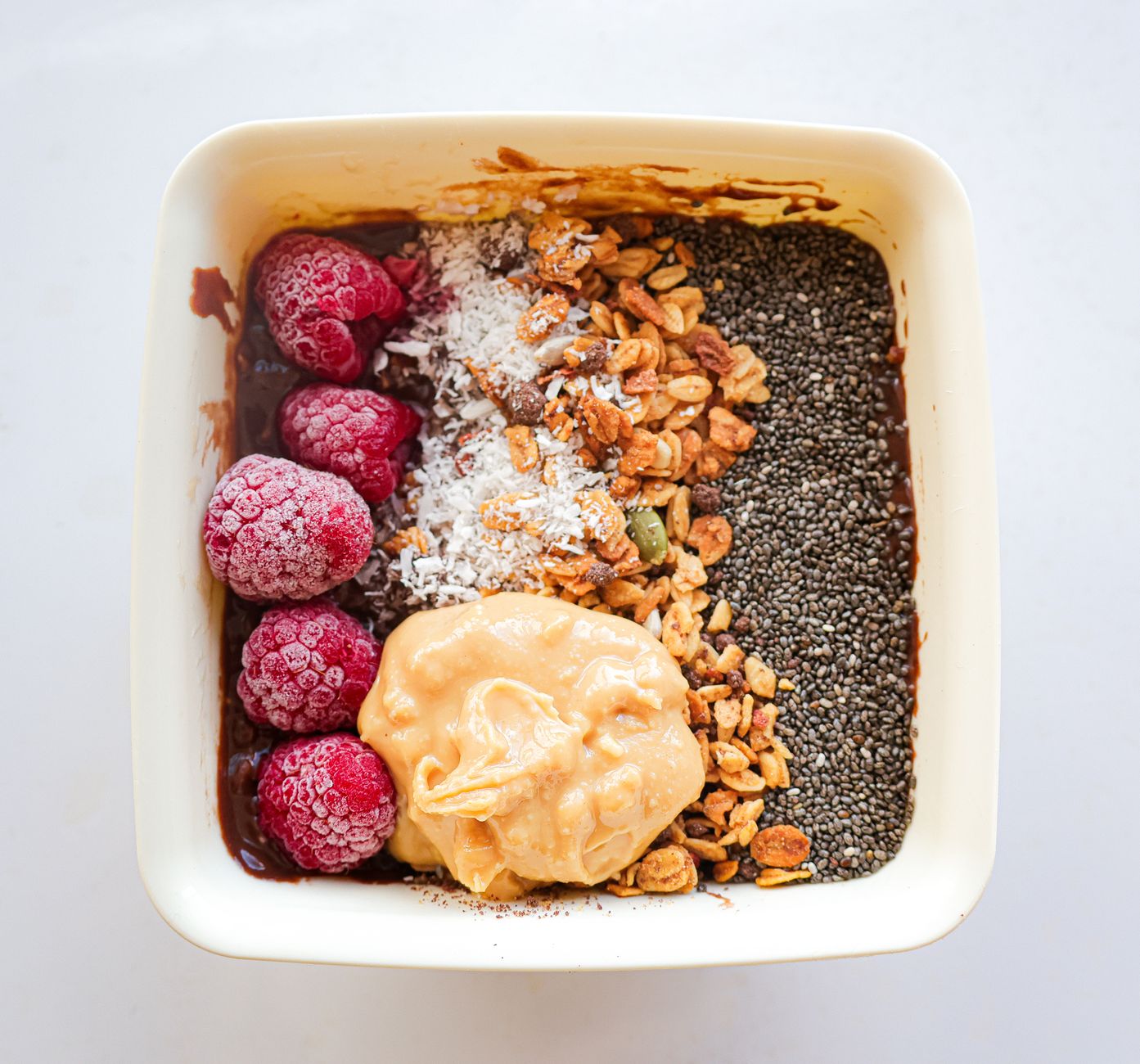
Snack options for a Hashimoto’s diet
Snacks are the unsung heroes of a Hashimoto’s diet. They help stabilize blood sugar, curb cravings, and keep inflammation in check. The key is to choose snacks that are high in protein, fiber, and healthy fats—foods that will keep you full and energized between meals.
Many women with Hashimoto’s find that they crave sweet or salty snacks when their blood sugar drops. Instead of reaching for chips or candy, opt for these nutrient-dense alternatives:
- Hard-Boiled Eggs with Sea Salt
- Boil a batch of eggs at the start of the week and store them in the fridge.
- Pair with a handful of almonds or a slice of gluten-free crackers.
- Cottage Cheese with Berries (or Dairy-Free Alternative)
- Top ½ cup of full-fat cottage cheese (or coconut yogurt) with ¼ cup raspberries or blackberries.
- Add a sprinkle of chia seeds for extra fiber.
- Hummus and Veggies
- Serve ¼ cup hummus (check for no added sugar) with sliced bell peppers, cucumber, or carrot sticks.
- Add a handful of cherry tomatoes for extra crunch.
- Trail Mix with Nuts and Seeds
- Mix ¼ cup almonds, 2 tbsp pumpkin seeds, and 1 tbsp dried cranberries (no added sugar).
- Avoid store-bought mixes, which often contain gluten or processed sugars.
- Avocado with Everything Bagel Seasoning
- Slice ½ avocado and sprinkle with everything bagel seasoning.
- Pair with a side of cherry tomatoes or a gluten-free cracker.
- Fermented Veggies with Protein
- Pair ¼ cup sauerkraut or kimchi with 1 oz of cheese (if tolerated) or a slice of turkey.
- Fermented foods support gut health, which is closely linked to autoimmune conditions.
**Pro tip:** If you’re meal prepping, portion your snacks into small containers so they’re ready to grab. For example, divide your trail mix into single-serving bags or pre-portion your hummus and veggies into containers.
**Common mistake:** Snacking on processed snacks like granola bars or protein bars, which often contain gluten, soy, or added sugars. Always check the ingredient list—if it’s unpronounceable, it’s probably not ideal for Hashimoto’s.
Dinner ideas for Hashimoto’s patients
Dinner is your chance to wind down and nourish your body after a long day. For Hashimoto’s, focus on meals that are easy to digest, rich in anti-inflammatory foods, and gentle on your thyroid. Many women find that their symptoms improve when they avoid heavy, greasy foods and instead opt for lean proteins, healthy fats, and plenty of vegetables.
One of the most popular dinner options is **baked chicken with roasted vegetables**. Chicken is a lean protein that’s easy to digest, and roasted vegetables like Brussels sprouts, asparagus, or zucchini are packed with fiber and vitamins. Here’s a simple recipe:
- Preheat your oven to 400°F (200°C).
- Cut 4 oz of chicken breast into bite-sized pieces and place them on a baking sheet.
- Toss 2 cups of chopped vegetables (like Brussels sprouts, carrots, and zucchini) with 1 tbsp olive oil, garlic, and a pinch of turmeric.
- Arrange the vegetables around the chicken on the baking sheet.
- Bake for 25–30 minutes, until the chicken is cooked through.
- Serve with a side of quinoa or mashed cauliflower.
For variety, try these other dinner ideas:
- Turkey Meatballs with Zucchini Noodles
- Mix 4 oz ground turkey with 1 tbsp almond flour, 1 egg, and 1 tsp Italian seasoning.
- Form into meatballs and bake at 375°F (190°C) for 20 minutes.
- Spiralize 1 zucchini and sauté in olive oil for 3–4 minutes.
- Top the noodles with turkey meatballs and a drizzle of marinara sauce (check for no added sugar).
- Baked Salmon with Roasted Sweet Potatoes
- Place 4 oz of salmon on a baking sheet and drizzle with olive oil, lemon, and dill.
- Cut 1 small sweet potato into wedges and toss with olive oil and cinnamon. Roast at 400°F (200°C) for 25 minutes.
- Serve salmon over the sweet potatoes with a side of steamed green beans.
- Stuffed Bell Peppers
- Cut the tops off 2 bell peppers and remove the seeds.
- Mix ½ cup cooked ground turkey, ¼ cup quinoa, ¼ cup diced tomatoes, and 1 tsp cumin. Stuff the peppers and bake at 375°F (190°C) for 25 minutes.
- Top with avocado slices and fresh parsley.
**Why this matters:** Many women with Hashimoto’s find that their digestion improves when they swap heavy, greasy dinners for lighter, protein-rich meals. If you’re used to eating out or ordering takeout, this might feel like a big change—but your body will thank you.
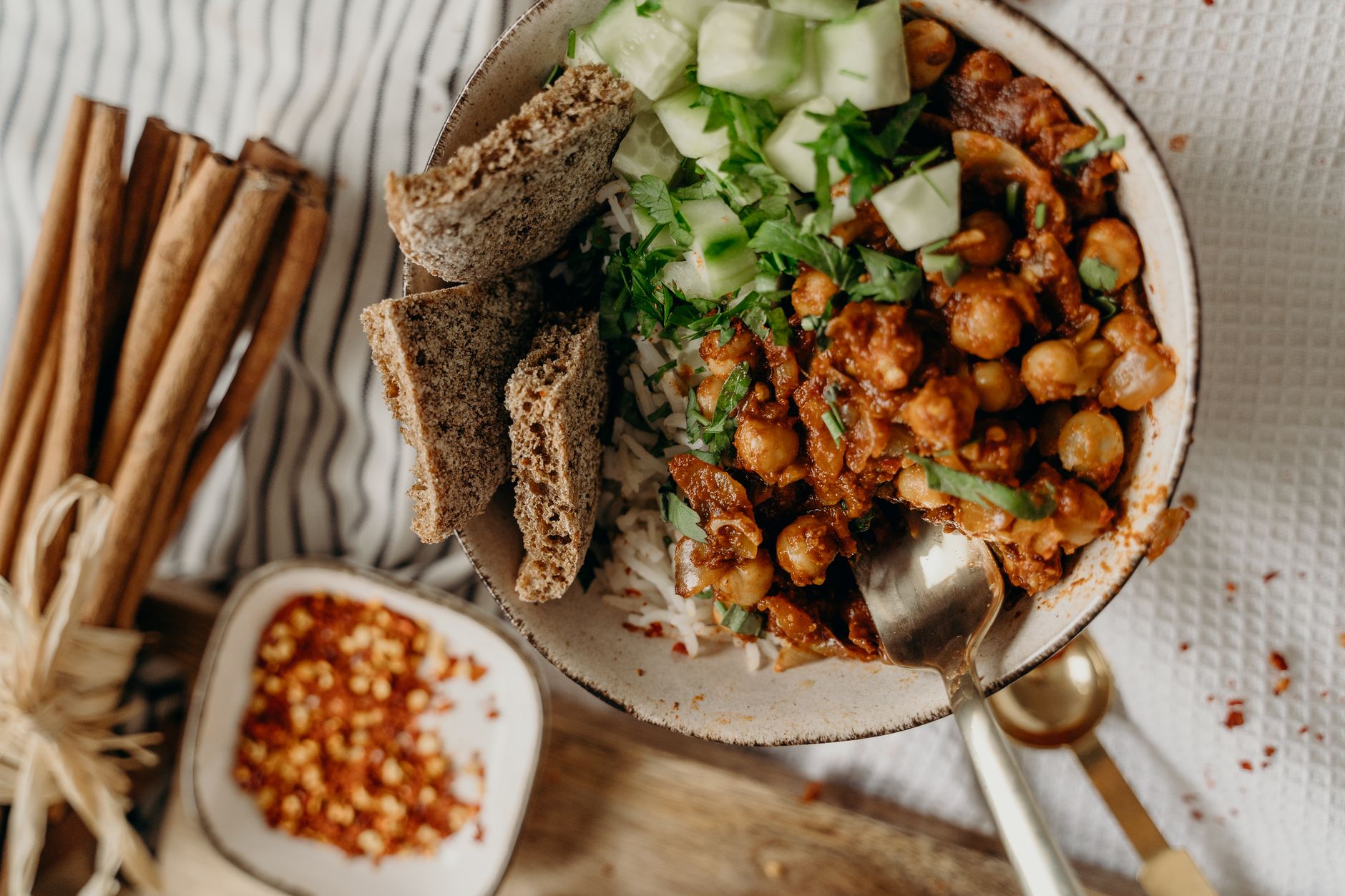
Hydration and supplement tips for Hashimoto’s diet
Hydration and supplements play a crucial role in managing Hashimoto’s. Dehydration can worsen fatigue and brain fog, while certain supplements can support thyroid function and reduce inflammation. Let’s break down what you need to know.
**Hydration:** Aim for at least 8 cups (64 oz) of water daily, but listen to your body. If you’re feeling fatigued or your urine is dark, you might need more. Herbal teas like chamomile, ginger, or peppermint can also support digestion and reduce inflammation. Avoid sugary drinks and excessive caffeine, which can dehydrate you and worsen anxiety—common in Hashimoto’s.
**Supplements:** While diet is the foundation, some supplements can help support thyroid health. Here are the most evidence-backed options:
**Pro tip:** Always consult your healthcare provider before starting any new supplement, especially if you’re on medication. For example, high doses of vitamin D can interact with thyroid hormone medications like levothyroxine.
**Common mistake:** Taking supplements on an empty stomach, which can lead to nausea or poor absorption. Pair them with a meal containing healthy fats to improve uptake.
Planning a week of Hashimoto’s meals
Now that you’ve seen what a day of eating looks like, let’s plan a full week. Meal planning can feel overwhelming, but breaking it down into simple steps makes it manageable. The goal is to focus on nutrient-dense foods, avoid triggers, and keep things varied so you don’t get bored.
Here’s a **7-day meal plan** to get you started. Each day includes breakfast, lunch, dinner, and two snacks. You can adjust portions based on your caloric needs—most women with Hashimoto’s benefit from a slightly higher-calorie intake to support weight maintenance or gain.
**Meal prep tips:**
- **Cook grains in bulk:** Quinoa, brown rice, and gluten-free oats keep well in the fridge for up to 5 days. Reheat with a splash of water or broth.
- **Pre-cut vegetables:** Wash and chop veggies like bell peppers, carrots, and cucumbers at the start of the week for easy snacking.
- **Batch-cook proteins:** Roast a big tray of chicken or bake a batch of salmon to use in salads, wraps, or bowls throughout the week.
- **Freeze extras:** Soups, stews, and casseroles freeze well. Label and date them so you can enjoy leftovers later.
- **Keep healthy snacks visible:** Store pre-portioned snacks like nuts, seeds, or cut veggies in clear containers so you’re more likely to grab them.
**Why this matters:** Meal planning reduces decision fatigue, which is especially important when you’re managing an autoimmune condition. When you have a plan, you’re less likely to reach for convenience foods that might trigger inflammation.
Best foods for Hashimoto’s diet
Not all foods are created equal when it comes to Hashimoto’s. Some foods support thyroid function and reduce inflammation, while others can worsen symptoms. Here’s a breakdown of the best foods to focus on—and which to limit or avoid.
**Focus on these nutrient-dense foods:**
- Fatty fish: Salmon, sardines, and mackerel are rich in omega-3s, which reduce inflammation. Aim for 2–3 servings per week.
- Leafy greens: Spinach, kale, and Swiss chard are packed with vitamins A, C, and K, which support thyroid health.
- Fermented foods: Sauerkraut, kimchi, and coconut yogurt support gut health, which is closely linked to autoimmune conditions.
- Healthy fats: Avocados, olive oil, and nuts (like almonds and walnuts) provide energy and reduce inflammation.
- Protein-rich foods: Eggs, chicken, turkey, and lentils help maintain muscle mass and keep you full.
- Colorful vegetables: Bell peppers, broccoli, and Brussels sprouts are rich in antioxidants and fiber.
**Limit or avoid these foods (if they trigger symptoms):**
- Gluten: Some women with Hashimoto’s report improved symptoms when they eliminate gluten. If you suspect gluten is a trigger, try a gluten-free diet for 30 days and monitor your symptoms.
- Soy: Soy contains goitrogens, which may interfere with thyroid function in some people. Opt for small amounts of organic, fermented soy like tempeh or miso.
- Processed sugars: Sugary foods and drinks can spike blood sugar and worsen inflammation. Avoid sodas, candy, and pastries.
- Processed foods: Chips, frozen meals, and deli meats often contain additives that can trigger inflammation.
- Excessive caffeine: Too much caffeine can dehydrate you and worsen anxiety. Limit to 1–2 cups of coffee per day.
**Pro tip:** If you’re new to Hashimoto’s, consider keeping a food diary for a week. Track what you eat and how you feel afterward. This can help you identify personal triggers.
Hashimoto’s diet meal plan for weight loss
Weight gain is a common symptom of Hashimoto’s, often due to slow metabolism and water retention. While diet alone won’t cure hypothyroidism, making intentional changes can help you lose weight in a sustainable way. The key is to focus on nutrient-dense foods that support thyroid function while creating a calorie deficit.
For weight loss, aim for a **moderate calorie deficit** of 300–500 calories per day. This means tracking your intake and adjusting portion sizes as needed. Many women with Hashimoto’s benefit from a slightly higher protein intake (1.2–1.6 grams per kilogram of body weight) to preserve muscle mass and keep energy levels stable.
Here’s how to modify the meal plan for weight loss:
- Reduce portion sizes: Use smaller plates and measure out servings to avoid overeating.
- Prioritize protein and fiber: These keep you full longer and reduce cravings. Aim for at least 20–30 grams of protein per meal.
- Limit refined carbs: Swap white bread, pasta, and rice for gluten-free or low-glycemic alternatives like quinoa or cauliflower rice.
- Increase activity: Combine your diet with gentle movement like walking, yoga, or strength training to support thyroid function and metabolism.
- Stay hydrated: Sometimes thirst is mistaken for hunger. Drink a glass of water before meals to help curb appetite.
**Sample weight-loss adjustments to the meal plan:**
- Reduce quinoa portions by ¼ cup per serving.
- Use 3 oz of protein (like chicken or salmon) instead of 4 oz.
- Swap sweet potatoes for smaller portions of zucchini or cauliflower.
- Limit snacks to 100–150 calories (e.g., half an avocado instead of a whole one).
- Add a 10-minute walk after each meal to aid digestion and metabolism.
**Why this matters:** Weight loss with Hashimoto’s isn’t just about aesthetics—it’s about improving energy, reducing joint pain, and supporting overall thyroid function. Be patient with yourself. Progress may be slower than you’re used to, but consistency is key.
Hashimoto’s diet and thyroid function
How does diet actually affect thyroid function in Hashimoto’s? The answer lies in inflammation, gut health, and nutrient absorption. Research from the American Thyroid Association (ATA) and The Endocrine Society suggests that certain foods can help reduce inflammation in the thyroid gland, support gut microbiome diversity, and provide essential nutrients like selenium, zinc, and vitamin D—all of which play a role in thyroid hormone production.
**How diet supports thyroid function:**
- Reduces inflammation: Foods like fatty fish, turmeric, and leafy greens contain anti-inflammatory compounds that may help calm autoimmune activity in the thyroid.
- Supports gut health: Fermented foods and fiber-rich vegetables promote a healthy gut microbiome, which is linked to lower autoimmune activity.
- Provides essential nutrients: Selenium (found in Brazil nuts and eggs) is critical for thyroid hormone production. Zinc (in oysters and pumpkin seeds) supports immune function, and vitamin D (in fatty fish and egg yolks) helps regulate the immune system.
- Stabilizes blood sugar: High-fiber, protein-rich meals help prevent blood sugar spikes and crashes, which can worsen fatigue and brain fog.
**What to watch for:**
- If you notice **increased fatigue, weight gain, or hair loss** after introducing a new food, it may be a trigger. Keep a food diary to identify patterns.
- Some women with Hashimoto’s find that **gluten or dairy worsens symptoms**, even if they don’t have celiac disease or lactose intolerance. An elimination diet can help pinpoint triggers.
- **Processed foods and sugars** can exacerbate inflammation, so minimizing them is key.
**Pro tip:** Work with your healthcare provider to monitor your thyroid levels (TSH, free T3, free T4) every 3–6 months as you adjust your diet. Some women see improvements in their lab results within a few weeks, while others take longer.
Myth vs. Fact: Hashimoto’s Diet
There’s a lot of misinformation out there about Hashimoto’s and diet. Let’s separate myth from fact so you can make informed decisions.
-
Myth: "You have to go gluten-free forever."
Fact: While some women with Hashimoto’s benefit from eliminating gluten, others don’t see improvements. If you try a gluten-free diet and your symptoms don’t improve, you can reintroduce gluten under medical supervision. Always consult your healthcare provider before making major dietary changes.
-
Myth: "Eating soy will shrink your thyroid."
Fact: Soy contains goitrogens, which *might* interfere with thyroid function in some people, but the evidence is mixed. Fermented soy (like tempeh or miso) is generally better tolerated than processed soy products. If you suspect soy is a trigger, try eliminating it for 30 days and monitor your symptoms.
-
Myth: "You can cure Hashimoto’s with diet alone."
Fact: Diet can help reduce inflammation and support thyroid function, but it won’t cure Hashimoto’s. Medications like levothyroxine are often necessary to manage symptoms. Work closely with your endocrinologist or primary care provider to develop a comprehensive treatment plan.
-
<