Quick take:
A Hashimoto’s-friendly dinner doesn’t have to be bland or time-consuming. Focus on anti-inflammatory foods like slow-cooked bone broths, roasted vegetables with olive oil, and protein-rich meals with selenium (Brazil nuts, eggs) and zinc (pumpkin seeds). The key is balancing thyroid-supportive nutrients while avoiding triggers like gluten, soy, and processed foods. Start with these 10 easy recipes—each takes 30 minutes or less—and adjust based on how your body responds.
Hashimoto’s Diet Dinner Recipes Easy: The Complete 2026 Guide
You’re staring at the fridge at 7:30pm, your third cup of coffee gone cold, and the thought of another microwave meal makes your brain fog thicken. You’ve read the lists—no gluten, no soy, no dairy—but the idea of another "boring" salad or steamed fish feels like emotional torture. Then you remember: you’re not just eating for Hashimoto’s. You’re eating for the woman who still wants to laugh at 10pm without her husband asking if she’s okay.
This is the moment many women with Hashimoto’s hit a wall. The diet feels like a minefield of restrictions, and the fatigue makes cooking feel like a chore. But here’s the truth: you can eat flavorful, satisfying dinners that actually support your thyroid—and they don’t have to be complicated. The secret? Prioritizing nutrient-dense foods that reduce inflammation, balancing cortisol at night, and avoiding the worst triggers (like processed foods and refined sugars). This guide gives you 10 easy recipes, a 7-day meal plan, and the science-backed tweaks to make every bite work for your thyroid.
We’ll cover everything from 30-minute meals to slow-cooker hacks, kid-friendly options, and even pregnancy-friendly adaptations if you’re growing a little person while managing hypothyroidism. And yes—we’ll talk about how to make these meals budget-friendly without sacrificing nutrition.
Before we dive in, a quick note: everyone’s Hashimoto’s is different. What works for one woman might flare up another. Pay attention to how your body reacts—bloating, fatigue, or brain fog after a meal could mean a sensitivity. And if you’re unsure about any ingredient, check our AIP elimination guide for deeper troubleshooting.
Let’s get cooking.
---
## The Easiest Hashimoto’s Dinner Recipes for Beginners with No Cooking Experience
You don’t need to be a chef to eat well with Hashimoto’s. The goal here is minimal prep, maximum thyroid support. Think: one-pot meals, sheet-pan dinners, and ingredients you can grab at the store without a special diet aisle.
**Meet Sarah.** She’s a single mom of two who used to spend 2 hours in the kitchen nightly. After her Hashimoto’s diagnosis, she swapped her gourmet cooking for survival mode. "I’d microwave frozen veggies and call it a win," she admits. Then she discovered these three rules:
- Use pre-cut veggies (yes, they exist—look for organic baby carrots, pre-washed greens, or frozen stir-fry mixes).
- Invest in a good knife and cutting board—chopping takes 5 minutes if you’re efficient.
- Batch-cook proteins on Sundays (grilled chicken, baked salmon, or lentils) to toss into meals all week.
Here’s how to start:
1. The 15-Minute Hashimoto’s Bowl
**Ingredients (serves 2):**
- 1 cup cooked quinoa or brown rice
- ½ cup black beans (rinsed if canned)
- ½ avocado, sliced
- 1 cup baby spinach
- ¼ cup shredded carrots
- 2 tbsp olive oil
- 1 tbsp lemon juice
- 1 tsp turmeric
- Salt and pepper to taste
**Instructions:**
- Heat olive oil in a pan over medium heat. Add spinach and carrots; sauté for 3–4 minutes until softened.
- Add black beans, turmeric, salt, and pepper. Cook for 2 more minutes.
- Divide quinoa between bowls. Top with sautéed veggies, avocado, and lemon juice.
Why it works: Quinoa is gluten-free and packed with magnesium, while black beans provide fiber and plant-based protein. Turmeric’s anti-inflammatory properties may help reduce thyroid inflammation.
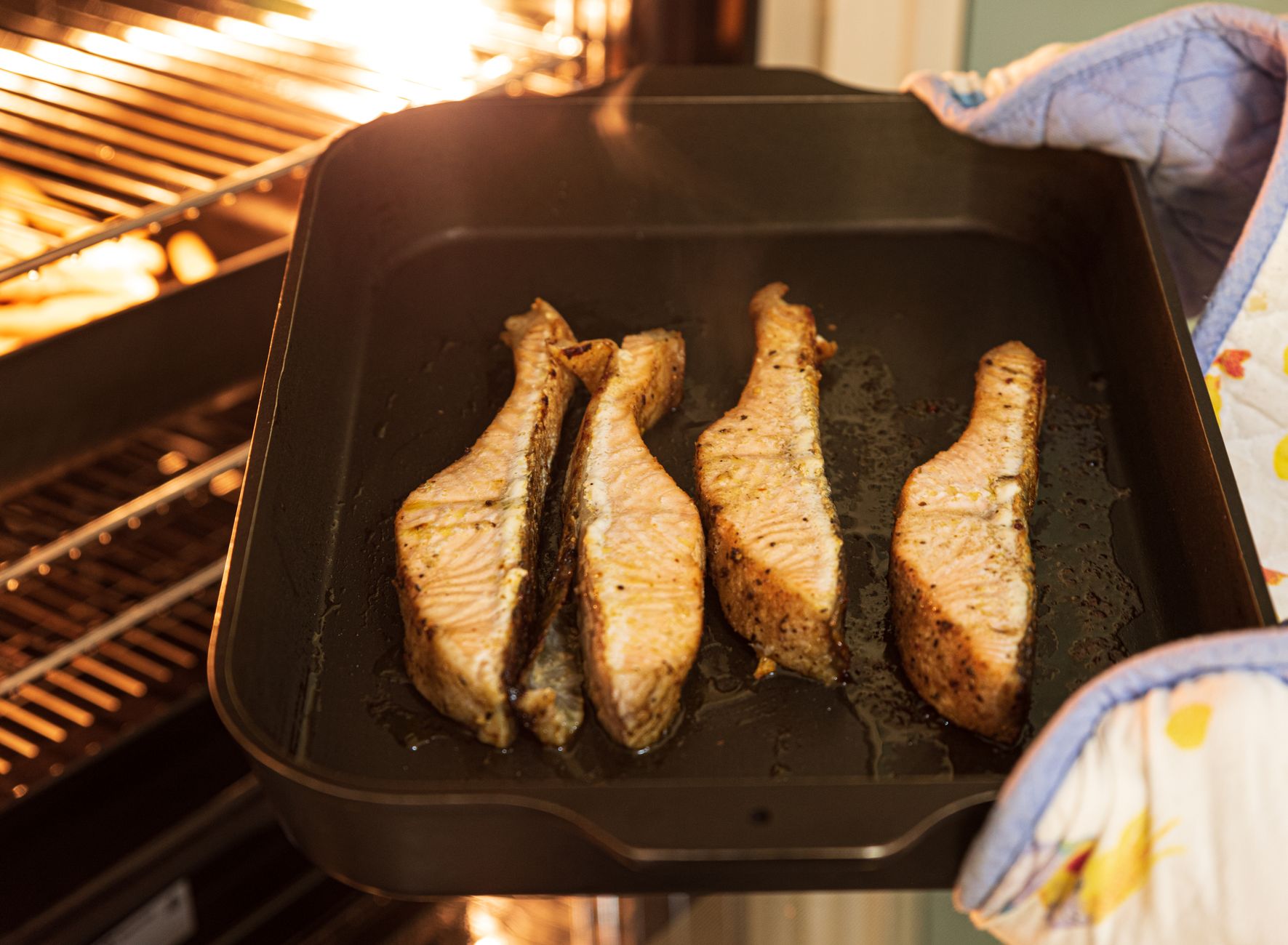
2. Sheet-Pan Salmon with Roasted Veggies
**Ingredients (serves 2):**
- 2 salmon fillets (wild-caught preferred)
- 1 cup broccoli florets
- 1 cup cauliflower florets
- 1 tbsp olive oil
- 1 tsp garlic powder
- ½ tsp smoked paprika
- Salt and pepper to taste
**Instructions:**
- Preheat oven to 400°F (200°C). Line a sheet pan with parchment paper.
- Toss veggies with olive oil, garlic powder, and smoked paprika. Spread on the pan.
- Place salmon fillets on top of the veggies. Season with salt and pepper.
- Bake for 12–15 minutes until salmon flakes easily.
Why it works: Salmon is rich in omega-3s, which may help reduce autoimmune activity. Broccoli and cauliflower are low in goitrogens (compounds that can interfere with thyroid function) when cooked.
---
## Hashimoto’s Diet Dinner Ideas That Reduce Thyroid Inflammation in 30 Minutes or Less
Inflammation is the silent saboteur of Hashimoto’s. The good news? Anti-inflammatory foods can help tame it—and you don’t need a gourmet kitchen to make it happen. Focus on:
- Healthy fats (olive oil, avocado, nuts) to reduce oxidative stress.
- Colorful veggies (leafy greens, berries, purple cabbage) rich in antioxidants.
- Protein with selenium (eggs, Brazil nuts, turkey) to support thyroid hormone production.
- Fermented foods (sauerkraut, kefir, miso) to heal the gut.
**Here’s how to build an anti-inflammatory dinner in 30 minutes:**
1. Turmeric-Ginger Chicken Stir-Fry
**Ingredients (serves 2):**
- 1 lb chicken breast, sliced
- 2 cups mixed stir-fry veggies (bell peppers, snap peas, mushrooms)
- 2 tbsp coconut aminos (or tamari for gluten-free)
- 1 tbsp olive oil
- 1 tsp fresh ginger, grated
- 1 tsp turmeric
- 1 clove garlic, minced
- 1 tbsp sesame seeds (optional)
**Instructions:**
- Heat olive oil in a large pan over medium-high heat. Add chicken and cook until no longer pink.
- Add garlic, ginger, and turmeric. Stir for 1 minute.
- Add veggies and coconut aminos. Stir-fry for 5–7 minutes until veggies are tender-crisp.
- Garnish with sesame seeds and serve over cauliflower rice.
Why it works: Turmeric and ginger are potent anti-inflammatories, while coconut aminos (a gluten-free soy alternative) provides umami flavor without soy’s potential triggers.
2. Miso-Glazed Eggplant
**Ingredients (serves 2):**
- 1 large eggplant, sliced into ½-inch rounds
- 2 tbsp white miso paste
- 1 tbsp maple syrup
- 1 tbsp rice vinegar
- 1 tsp grated ginger
- 1 tbsp olive oil
- 1 cup shredded cabbage
**Instructions:**
- Preheat oven to 400°F (200°C). Toss eggplant slices with olive oil and salt. Roast for 15 minutes.
- Whisk miso, maple syrup, vinegar, and ginger in a bowl. Brush over eggplant.
- Return to oven for 10 more minutes. Serve with shredded cabbage on the side.
Why it works: Miso contains probiotics to support gut health, while eggplant is rich in nasunin, an antioxidant that fights inflammation.
---
## The Best Hashimoto’s Dinner Recipes That Avoid Gluten, Soy, and Dairy Without Tasting Bland
Let’s address the elephant in the room: Hashimoto’s-friendly meals can still be delicious. The trick is using flavor boosters that don’t rely on gluten, soy, or dairy. Think:
- Acidic flavors (lemon, vinegar, citrus) to brighten dishes.
- Umami-rich ingredients (mushrooms, nutritional yeast, coconut aminos).
- Spices and herbs (cumin, smoked paprika, fresh basil).
- Healthy fats (avocado, olive oil, nuts) to add richness.
**Here are two crowd-pleasers that prove it:**
1. Coconut Curry Lentil Soup
**Ingredients (serves 4):**
- 1 cup dried red lentils, rinsed
- 1 can (14 oz) coconut milk
- 1 can (14 oz) diced tomatoes
- 1 onion, diced
- 2 cloves garlic, minced
- 1 tbsp curry powder
- 1 tsp turmeric
- 1 cup spinach
- 2 tbsp olive oil
**Instructions:**
- In a pot, heat olive oil and sauté onion and garlic until soft.
- Add lentils, tomatoes, curry powder, and turmeric. Stir in 2 cups of water.
- Bring to a boil, then reduce heat and simmer for 20 minutes.
- Stir in coconut milk and spinach. Cook for 5 more minutes.
- Serve with a drizzle of olive oil and fresh cilantro.
Why it works: Lentils are a gluten-free protein, while coconut milk adds creaminess without dairy. Curry powder’s anti-inflammatory properties may help modulate thyroid inflammation.
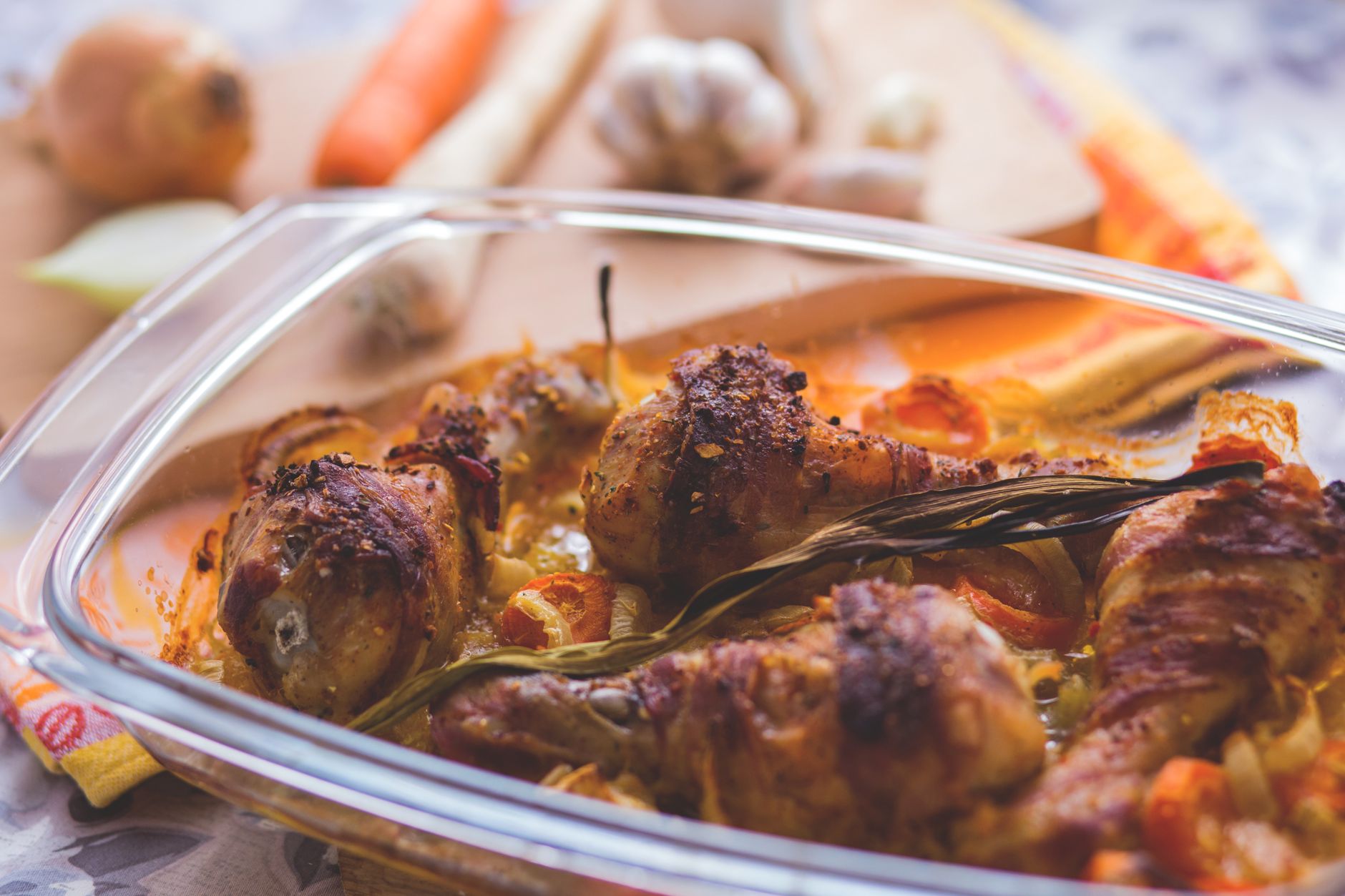
2. Garlic-Herb Roasted Chicken with Mashed Cauliflower
**Ingredients (serves 2):**
- 1 lb chicken thighs (bone-in for flavor)
- 1 head cauliflower, chopped
- 2 tbsp olive oil
- 3 cloves garlic, minced
- 1 tsp dried rosemary
- 1 tsp dried thyme
- ½ cup unsweetened almond milk
- 2 tbsp nutritional yeast
- Salt and pepper to taste
**Instructions:**
- Preheat oven to 400°F (200°C). Rub chicken with olive oil, garlic, rosemary, thyme, salt, and pepper. Roast for 30 minutes.
- While chicken roasts, steam cauliflower until tender. Blend with almond milk, nutritional yeast, salt, and pepper until smooth.
- Serve mashed cauliflower with sliced chicken.
Why it works: Chicken thighs are more flavorful than breasts and contain less goitrogenic potential than some other proteins. Nutritional yeast adds a cheesy flavor without dairy.
---
## Hashimoto’s-Friendly Dinner Meals That Help Balance Cortisol Levels at Night
If you’ve ever tossed and turned at night wondering why your Hashimoto’s feels worse, cortisol might be the culprit. High evening cortisol can worsen inflammation and disrupt sleep—both of which can flare Hashimoto’s symptoms. To lower cortisol at dinner, focus on:
- Magnesium-rich foods (spinach, pumpkin seeds, dark chocolate).
- Complex carbs (sweet potatoes, quinoa) to support serotonin production.
- Calming spices (chamomile, lavender, ginger).
- Avoiding stimulants (coffee, black tea, energy drinks) in the evening.
**Here are two soothing dinners to wind down with:**
1. Baked Salmon with Sweet Potato and Sautéed Greens
**Ingredients (serves 2):**
- 2 salmon fillets
- 1 large sweet potato, cubed
- 2 cups kale or Swiss chard
- 1 tbsp olive oil
- 1 tsp dried oregano
- ½ tsp cinnamon
- 1 clove garlic, minced
- Salt and pepper to taste
**Instructions:**
- Preheat oven to 375°F (190°C). Toss sweet potato cubes with olive oil, cinnamon, and salt. Roast for 20 minutes.
- Heat 1 tbsp olive oil in a pan. Add garlic and sauté for 30 seconds. Add greens and cook until wilted.
- Season salmon with oregano, salt, and pepper. Bake for 12–15 minutes.
- Serve salmon with sweet potato and greens.
Why it works: Sweet potatoes are rich in complex carbs to stabilize blood sugar, while salmon provides omega-3s to reduce cortisol. Kale’s magnesium content may help relax the nervous system.
2. Chamomile-Coconut Rice Pudding with Almonds
**Ingredients (serves 2):**
- ½ cup white rice
- 1 can (14 oz) coconut milk
- 1 cup water
- 1 tbsp honey or maple syrup
- 1 tsp dried chamomile flowers
- ¼ cup sliced almonds, toasted
- Pinch of cinnamon
**Instructions:**
- Combine rice, coconut milk, water, and chamomile in a pot. Simmer for 20 minutes.
- Stir in honey and cinnamon. Let cool slightly.
- Top with toasted almonds and serve warm.
Why it works: Chamomile is a natural relaxant, while almonds provide vitamin E, an antioxidant that may help reduce oxidative stress. The warm, comforting texture signals to your body that it’s time to rest.
---
## Hashimoto’s Dinner Recipes That Support Gut Health with Fermented Ingredients
Your gut and thyroid are in a constant conversation—when one is out of balance, the other often follows. Fermented foods are a game-changer for Hashimoto’s because they:
- Repopulate gut bacteria.
- Reduce inflammation.
- Improve nutrient absorption.
- May help modulate autoimmune responses.
**Here’s how to sneak more fermentation into your dinners:**
1. Miso-Glazed Cod with Bok Choy and Sauerkraut
**Ingredients (serves 2):**
- 2 cod fillets
- 1 tbsp white miso paste
- 1 tbsp rice vinegar
- 1 tbsp honey
- 1 cup bok choy, chopped
- ½ cup sauerkraut (raw, unpasteurized)
- 1 tbsp olive oil
**Instructions:**
- Whisk miso, vinegar, and honey in a bowl. Brush over cod fillets.
- Heat olive oil in a pan over medium heat. Add cod and cook for 4–5 minutes per side.
- In the same pan, sauté bok choy for 2 minutes. Serve with sauerkraut on the side.
Why it works: Miso contains probiotics to support gut health, while cod is a lean protein rich in selenium. Bok choy provides vitamin K, which may help regulate thyroid function.
2. Fermented Vegetable Stir-Fry with Tofu
**Ingredients (serves 2):**
- ½ block firm tofu, pressed and cubed
- 1 cup fermented vegetables (kimchi or sauerkraut)
- 1 cup stir-fry veggies (bell peppers, snap peas)
- 1 tbsp coconut aminos
- 1 tsp grated ginger
- 1 tbsp olive oil
**Instructions:**
- Heat olive oil in a pan. Add tofu and cook until golden.
- Add fermented veggies and stir-fry veggies. Cook for 5 minutes.
- Add coconut aminos and ginger. Stir well and serve.
Why it works: Fermented vegetables introduce beneficial bacteria to your gut, while tofu provides plant-based protein and iron. Ginger’s anti-inflammatory properties may help reduce thyroid inflammation.
---
## Hashimoto’s Dinner Recipes That Are Naturally Low in Iodine but Still Flavorful
Iodine is a double-edged sword for Hashimoto’s. Too much can worsen thyroid dysfunction, while too little can lead to deficiency. If you’re sensitive to iodine, focus on:
- Low-iodine seafood (cod, haddock, scallops).
- Plant-based proteins (lentils, chickpeas, tofu).
- Fresh herbs and spices for flavor without iodine.
- Avoiding iodized salt and seaweed.
**Here are two iodine-friendly meals that still pack flavor:**
1. Lemon-Herb Chicken with Roasted Potatoes and Green Beans
**Ingredients (serves 2):**
- 1 lb chicken breast
- 2 cups baby potatoes, halved
- 1 cup green beans, trimmed
- 2 tbsp olive oil
- Zest and juice of 1 lemon
- 1 tsp dried thyme
- 1 tsp dried rosemary
- Salt and pepper to taste
**Instructions:**
- Preheat oven to 400°F (200°C). Toss potatoes with olive oil, thyme, salt, and pepper. Roast for 20 minutes.
- Add chicken to the pan. Bake for 15 more minutes.
- In a separate pan, sauté green beans with olive oil, lemon zest, and rosemary for 5 minutes.
- Serve chicken with roasted potatoes and green beans, drizzled with lemon juice.
Why it works: Chicken is a lean protein, while potatoes provide complex carbs. Lemon’s brightness cuts through the richness without relying on iodine.
2. Chickpea and Spinach Curry
**Ingredients (serves 2):**
- 1 can (15 oz) chickpeas, drained
- 1 cup coconut milk (low-iodine brands preferred)
- 1 can (14 oz) diced tomatoes
- 1 onion, diced
- 2 cloves garlic, minced
- 1 tsp turmeric
- 1 tsp cumin
- 2 cups spinach
- 1 tbsp olive oil
**Instructions:**
- Heat olive oil in a pot. Sauté onion and garlic until soft.
- Add chickpeas, tomatoes, turmeric, and cumin. Simmer for 10 minutes.
- Stir in coconut milk and spinach. Cook for 5 more minutes.
- Serve with quinoa or rice.
Why it works: Chickpeas are a plant-based protein, while coconut milk adds creaminess without dairy. Turmeric and cumin provide anti-inflammatory benefits.
---
## Hashimoto’s Dinner Recipes for Those with Food Sensitivities Beyond Gluten, Soy, and Dairy
If gluten, soy, and dairy aren’t your only triggers, you’re not alone. Many women with Hashimoto’s also react to:
- Nightshades (tomatoes, potatoes, peppers).
- Eggs (if you have a sensitivity).
- Corn (often overlooked but inflammatory for some).
- Artificial additives (emulsifiers, preservatives).
**Here’s how to navigate these sensitivities without sacrificing flavor:**
1. Zucchini Noodles with Pesto and White Beans
**Ingredients (serves 2):**
- 2 medium zucchinis, spiralized
- ½ cup canned white beans, rinsed
- 2 tbsp olive oil
- 2 tbsp basil pesto (store-bought or homemade with basil, olive oil, pine nuts, and nutritional yeast)
- ½ cup cherry tomatoes (optional, omit for nightshade sensitivity)
- Salt and pepper to taste
**Instructions:**
- Heat olive oil in a pan. Add zucchini noodles and sauté for 2–3 minutes.
- Add white beans and pesto. Stir well and cook for 1 more minute.
- Top with cherry tomatoes (if using) and serve.
Why it works: Zucchini noodles are low in carbs and easy to digest, while white beans provide fiber and protein. Pesto made with nutritional yeast adds a cheesy flavor without dairy.
2. Quinoa-Stuffed Bell Peppers (Nightshade-Free Option: Use Squash)
**Ingredients (serves 2):**
- 2 bell peppers (or butternut squash for nightshade-free)
- ½ cup cooked quinoa
- ½ cup cooked lentils
- 1 tbsp olive oil
- 1 tsp dried oregano
- ½ cup shredded carrots
- Salt and pepper to taste
**Instructions:**
- Preheat oven to 375°F (190°C). Cut tops off peppers (or halve squash) and remove seeds.
- Mix quinoa, lentils, carrots, olive oil, oregano, salt, and pepper. Stuff into peppers or squash halves.
- Bake for 25 minutes until tender.
Why it works: Quinoa and lentils are gluten-free proteins, while carrots add natural sweetness. This dish avoids nightshades entirely if you use squash instead.
---
## Hashimoto’s Dinner Recipes That Are Budget-Friendly for Families on a Tight Budget
Let’s talk about the elephant in the room: Hashimoto’s-friendly meals shouldn’t break the bank. You can eat well on a budget by focusing on:
- Seasonal produce (apples, carrots, cabbage, potatoes).
- Dry beans and lentils (cheaper than canned and just as nutritious).
- Frozen veggies (just as nutritious as fresh, often cheaper).
- Batch cooking to minimize waste.
- Store-brand pantry staples (olive oil, spices, coconut aminos).
**Here are three budget-friendly meals that won’t compromise on nutrition:**
1. Lentil and Vegetable Stew
**Ingredients (serves 4):**
- 1 cup dried lentils, rinsed
- 1 onion, diced
- 2 carrots, chopped
- 2 celery stalks, chopped
- 1 can (14 oz) diced tomatoes
- 2 cups vegetable broth
- 1 tsp cumin
- 1 tsp paprika
- Salt and pepper to taste
**Instructions:**
- In a pot, sauté onion, carrots, and celery in a little water until soft.
- Add lentils, tomatoes, broth, cumin, and paprika. Simmer for 25 minutes.
- Season with salt and pepper. Serve with a slice of whole-grain bread (if tolerated).
Why it works: Lentils are a cheap, protein-rich staple, while carrots and celery are budget-friendly veggies. This stew is filling, nutrient-dense, and easy to double for leftovers.
2. Egg and Veggie Fried "Rice"
**Ingredients (serves 2):**
- 2 eggs
- 1 cup cooked brown rice (or cauliflower rice for lower carbs)
- 1 cup frozen mixed veggies (peas, carrots, corn—omit corn if sensitive)
- 1 tbsp olive oil
- 1 tsp soy-free tamari or coconut aminos
- 1 clove garlic, minced
- Salt and pepper to taste
**Instructions:**
- Heat olive oil in a pan. Add garlic and sauté for 30 seconds.
- Add frozen veggies and cook until thawed.
- Push veggies to one side, crack eggs into the pan, and scramble until just set.
- Add rice, tamari, and mix well. Cook for 2–3 minutes.
Why it works: Eggs are an affordable protein, while frozen veggies are cheaper than fresh and just as nutritious. This dish is quick, customizable, and kid-friendly.
3. Baked Chicken Thighs with Roasted Potatoes and Green Beans
**Ingredients (serves 4):**
- 4 chicken thighs (bone-in, skin-on for flavor and budget)
- 2 lbs baby potatoes, halved
- 1 cup green beans, trimmed
- 2 tbsp olive oil
- 1 tsp dried rosemary
- Salt and pepper to taste
**Instructions:**
- Preheat oven to 400°F (200°C). Toss potatoes with olive oil, rosemary, salt, and pepper. Roast for 20 minutes.
- Add chicken thighs to the pan. Bake for 30 minutes.
- Add green beans to the pan in the last 10 minutes of baking.
- Serve family-style.
Why it works: Chicken thighs are cheaper than breasts and more flavorful. Potatoes are a budget-friendly carb, while green beans add volume without breaking the bank.
---
## Hashimoto’s Dinner Recipes That Help with Fatigue and Brain Fog in 2026
Fatigue and brain fog are the classic Hashimoto’s symptoms—and they’re often tied to nutrient deficiencies, inflammation, and poor gut health. To combat them, prioritize:
- B vitamins (eggs, leafy greens, nuts) for energy.
- Omega-3s (salmon, walnuts, chia seeds) for brain function.
- Magnesium (spinach, pumpkin seeds, dark chocolate) to support neurotransmitters.
- Protein (lentils, turkey, tofu) to stabilize blood sugar.
- Avoiding blood sugar spikes (no refined carbs, excessive sugar).
**Here are two brain-boosting dinners:**
1. Brain-Boosting Salmon and Spinach Salad
**Ingredients (serves 2):**
- 2 salmon fillets
- 4 cups baby spinach
- ½ avocado, sliced
- ¼ cup pumpkin seeds
- 2 tbsp olive oil
- 1 tbsp lemon juice
- 1 tsp Dijon mustard
- Salt and pepper to taste
**Instructions:**
- Bake salmon at 375°F (190°C) for 12–15 minutes.
- Whisk olive oil, lemon juice, and Dijon mustard for dressing.
- Toss spinach, avocado, and pumpkin seeds with dressing. Top with flaked salmon.
Why it works: Salmon is rich in omega-3s for brain health, while spinach provides magnesium and folate. Pumpkin seeds are a great source of zinc, which supports cognitive function.
2. Turkey and Sweet Potato Hash with Eggs
**Ingredients (serves 2):**




