

Quick take: If you had what felt like a full period but are now pregnant, you likely experienced implantation bleeding or another type of early pregnancy bleeding—not a true menstrual period. While light spotting can be normal, heavier bleeding (especially with cramps or clots) should be checked by your doctor. A pregnancy test is the only way to know for sure, and it’s safe to take one even if you’re bleeding.
You’re staring at the calendar, your stomach in knots. The bleeding started right on schedule, just like every other month—heavy enough to need a pad, with the familiar cramps and fatigue. But this time, something feels… off. Maybe you took a pregnancy test on a whim, or maybe you’re just holding your breath, hoping. The two lines appear, clear as day: pregnant. Now you’re left wondering: How can I be pregnant if I just had a full period?
It’s a question that sends many women down a late-night Google spiral. The truth? While a true menstrual period isn’t possible during pregnancy, bleeding that looks like a period is surprisingly common—especially in the first trimester. The confusion is real, and the worry is even more so. One reader, Sarah, told us, “I bled for three days, just like my normal period. I didn’t even think to take a test until my boobs started hurting. When it was positive, I panicked—was this normal? Was I losing the baby?”
Here’s what you need to know: not all bleeding in early pregnancy is cause for alarm, but not all bleeding is harmless, either. This guide will walk you through the key differences between a period and pregnancy-related bleeding, what’s normal (and what’s not), and when to call your doctor. By the end, you’ll have a clear roadmap for what to do next—and the reassurance that you’re not alone in this.
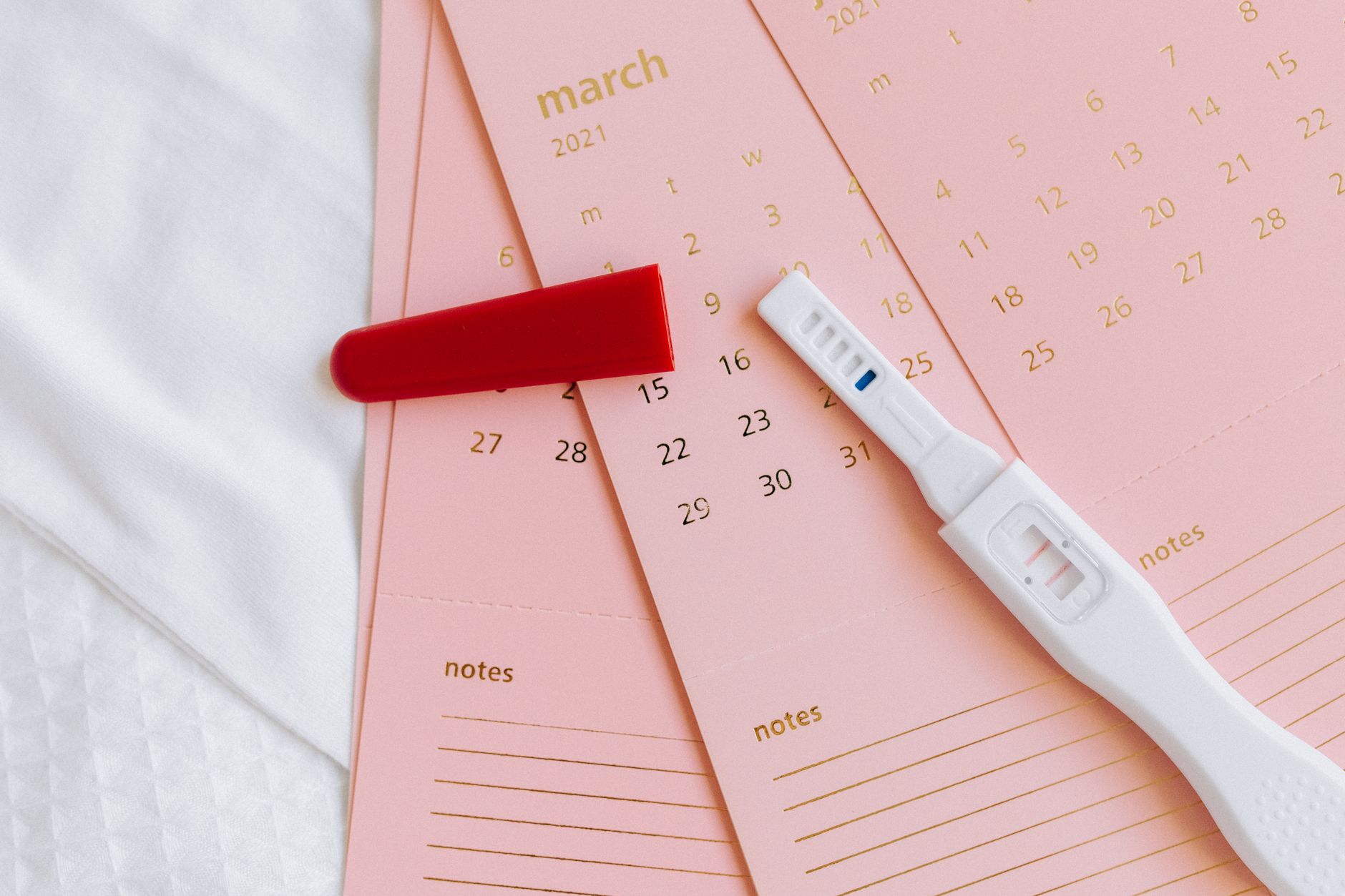
Why does a pregnant woman have a period-like bleed?
First, let’s clear up a common myth: you cannot have a true menstrual period while pregnant. A period happens when the lining of your uterus sheds because no fertilized egg has implanted. If you’re pregnant, that lining is needed to support the pregnancy, so your body doesn’t shed it. But that doesn’t mean bleeding can’t happen—and it often does, in ways that can mimic a period.
The most common cause of period-like bleeding in early pregnancy is implantation bleeding. This happens when the fertilized egg attaches to the uterine lining, usually about 6–12 days after conception. For some women, this process can cause light spotting or even heavier bleeding that looks a lot like a light period. One study published in the American Journal of Epidemiology found that about 25% of pregnant women experience some form of bleeding in the first trimester, and implantation bleeding is often the culprit.
But implantation isn’t the only reason. Other causes of bleeding in early pregnancy include:
- Hormonal fluctuations: Pregnancy hormones (like estrogen and progesterone) can cause changes in your cervix, making it more sensitive and prone to bleeding—especially after sex or a pelvic exam. This is sometimes called cervical ectropion, where the cells from inside the cervix grow on the outside, making them more likely to bleed.
- Subchorionic hemorrhage: This is a small blood clot that forms between the uterine wall and the gestational sac (the sac that surrounds the embryo). It’s usually harmless but can cause spotting or light bleeding. Most subchorionic hemorrhages resolve on their own, but larger ones may require monitoring.
- Infections: Conditions like bacterial vaginosis, yeast infections, or sexually transmitted infections (STIs) can cause inflammation and bleeding. These aren’t directly related to pregnancy but can happen alongside it.
- Molar pregnancy: This is a rare condition where abnormal tissue grows in the uterus instead of a normal embryo. It can cause heavy bleeding and is usually diagnosed via ultrasound. While rare, it’s important to rule out if bleeding is persistent or severe.
- Ectopic pregnancy: This occurs when the fertilized egg implants outside the uterus, usually in a fallopian tube. Bleeding from an ectopic pregnancy is often accompanied by sharp pain on one side of the abdomen and requires immediate medical attention.
Many women describe the bleeding as “just like my period,” but there are usually subtle differences. For example, the blood might be lighter in color (pink or brown instead of bright red), or the cramps might feel different—more like a dull ache than the sharp, rhythmic cramps of a period. Still, it’s easy to dismiss it as a normal cycle, especially if you weren’t actively trying to conceive.
Take Maria’s story, for example. She wasn’t trying to get pregnant, so when she started bleeding, she assumed it was her period. “It was a little lighter than usual, but I didn’t think much of it,” she said. “Then I started feeling nauseous and my boobs were sore. I took a test on a whim, and it was positive. I was shocked—and terrified. I thought I’d lost the baby.” After an ultrasound, her doctor confirmed everything was fine. The bleeding? Likely implantation, mixed with some old blood from her cycle.
Can you have a normal period while pregnant?
Here’s why: the bleeding you experience during pregnancy is not caused by the same process as a period. A period happens when the uterine lining sheds because no pregnancy has occurred. During pregnancy, your body produces hormones (like human chorionic gonadotropin, or hCG) that signal the uterus to keep its lining to support the growing embryo. Without these hormones, the lining would shed—and the pregnancy would end. So, by definition, a true period and pregnancy cannot happen at the same time.
But—and this is a big but—bleeding during pregnancy can look and feel almost identical to a period. This is especially true in the very early weeks, before you even know you’re pregnant. Some women experience what’s called decidual bleeding, which happens when small parts of the uterine lining shed despite the pregnancy. It’s rare, but it can cause bleeding that’s heavy enough to mimic a period. Decidual bleeding is usually harmless, but it’s always worth checking with your doctor to rule out other causes.
Other reasons bleeding might seem like a period include:
- Timing: If you’re in the very early stages of pregnancy (around 4–6 weeks), the bleeding might coincide with when your period would normally arrive. This is often called “implantation bleeding,” but it can be heavier than expected.
- Hormonal birth control: If you were on birth control when you conceived (like the pill, patch, or IUD), your body might still experience withdrawal bleeding—the light bleeding that happens during the placebo week of hormonal birth control. This isn’t a true period, but it can look and feel similar.
- Multiple pregnancies: In rare cases, women carrying twins or higher-order multiples might experience bleeding that seems like a period. This is usually due to hormonal fluctuations or the body adjusting to the increased demands of the pregnancy.
- Cervical changes: As mentioned earlier, pregnancy can make your cervix more sensitive, leading to spotting or bleeding after sex, a pelvic exam, or even a Pap smear.
So, how do you tell the difference? Here’s a quick comparison:
| Sign | True Period | Pregnancy-Related Bleeding |
|---|---|---|
| Timing | Starts on schedule, lasts 3–7 days | May be earlier or later than expected, often shorter (1–3 days) |
| Flow | Starts light, gets heavier, then tapers off | Usually light (spotting or light bleeding), but can be heavy in some cases |
| Color | Bright red to dark red | Pink, brown, or light red (often lighter than a period) |
| Clots | Common, especially on heavier days | Rare; if present, usually small and few |
| Cramps | Moderate to severe, rhythmic | Mild to moderate, often a dull ache or pressure |
| Other symptoms | Bloating, fatigue, mood swings | Breast tenderness, nausea, frequent urination, fatigue |
| Pregnancy test | Negative | Positive (but may be faint in very early pregnancy) |
If you’re still unsure, the only way to know for sure is to take a pregnancy test. Even if you’re bleeding, a pregnancy test can detect hCG in your urine as early as 10–14 days after conception. If the test is positive, call your doctor or midwife to discuss next steps. They may recommend an ultrasound to confirm the pregnancy and check for any complications.
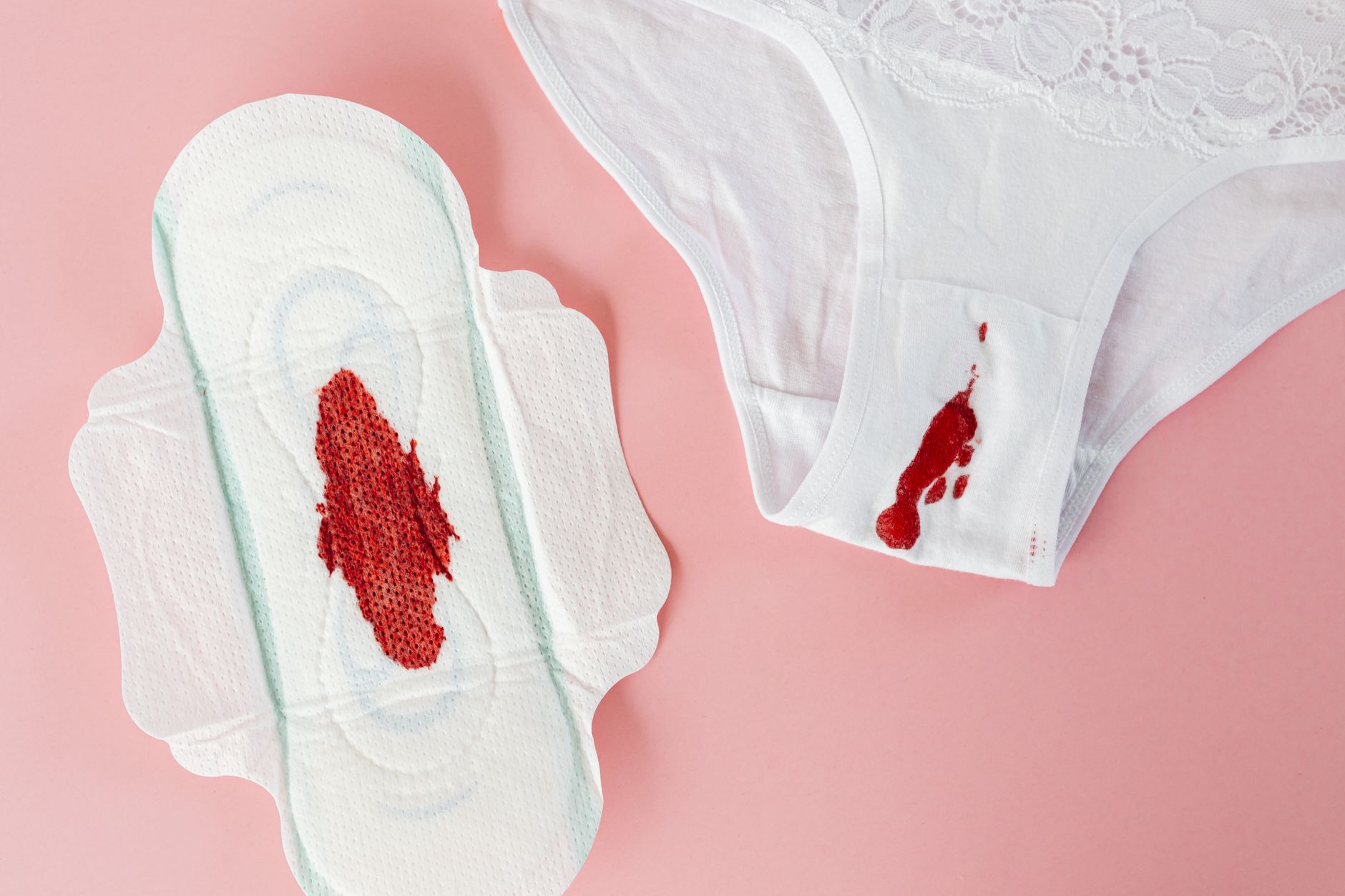
Difference between implantation bleeding and menstrual blood
Implantation bleeding is one of the earliest signs of pregnancy, but it’s also one of the most misunderstood. Many women mistake it for a light period, especially if they’re not actively trying to conceive. So, how can you tell the difference? Let’s break it down.
What is implantation bleeding?
Implantation bleeding happens when the fertilized egg attaches to the lining of your uterus. This usually occurs about 6–12 days after ovulation (or around the time your period would normally start). The process can cause small blood vessels in the uterine lining to break, leading to light spotting or bleeding. Not all women experience implantation bleeding, but for those who do, it’s often the first sign that they’re pregnant.
Key differences between implantation bleeding and menstrual blood
While implantation bleeding can look a lot like a period, there are a few key differences to watch for:
- Timing: Implantation bleeding usually happens a few days before your expected period. If you’re tracking your cycle, you might notice it around day 22–26 of a 28-day cycle. A period, on the other hand, starts on schedule (or close to it).
- Flow: Implantation bleeding is almost always light—think spotting or very light bleeding that doesn’t require a pad or tampon. It may last a few hours or up to 2–3 days. A period, even a light one, usually starts light and gets heavier before tapering off.
- Color: Implantation bleeding is often pink or brown, rather than the bright or dark red of menstrual blood. This is because the blood is older by the time it leaves your body, giving it a lighter, more muted color.
- Clots: Menstrual blood often contains small clots, especially on heavier days. Implantation bleeding, however, should not contain clots. If you see clots, it’s more likely to be your period or another type of bleeding that needs medical attention.
- Cramps: Implantation cramps are usually mild and feel more like a dull ache or pressure in your lower abdomen. Menstrual cramps, on the other hand, are often stronger and more rhythmic, like a throbbing pain that comes and goes.
- Other symptoms: Implantation bleeding is often accompanied by other early pregnancy symptoms, like breast tenderness, nausea, fatigue, or frequent urination. A period, on the other hand, is usually accompanied by PMS symptoms like bloating, mood swings, and food cravings.
Here’s a real-life example: Jessica, a first-time mom, noticed light spotting a few days before her period was due. “It was so light, I almost didn’t notice it,” she said. “But then I started feeling really tired and my boobs were sore. I took a test, and it was positive. The spotting lasted another day, but it never got heavier. My doctor said it was implantation bleeding.”
What does implantation bleeding look like?
Implantation bleeding can vary from woman to woman, but here’s what it often looks like:
- Color: Pink, light red, or brown (like old blood). It’s rarely bright red like a period.
- Consistency: Thin and watery, with no clots or tissue.
- Amount: Very light—just enough to notice on toilet paper or your underwear. It shouldn’t fill a pad or tampon.
- Duration: Usually 1–3 days, but can be as short as a few hours.
If your bleeding is heavy, bright red, or accompanied by clots or severe cramps, it’s unlikely to be implantation bleeding. In that case, it’s best to call your doctor to rule out other causes, like a miscarriage or ectopic pregnancy.
How long does implantation bleeding last?
Implantation bleeding is usually short-lived. Most women experience it for just a few hours to 2–3 days. If your bleeding lasts longer than that, or if it gets heavier, it’s probably not implantation bleeding. Instead, it could be your period, a chemical pregnancy (an early miscarriage), or another type of bleeding that needs medical attention.
One thing to keep in mind: implantation bleeding can sometimes be followed by a second wave of spotting a few days later. This is usually nothing to worry about, but if you’re concerned, don’t hesitate to call your doctor.
How to tell if bleeding is a period or early pregnancy symptom
So, you’re bleeding—but is it your period or something else? The answer isn’t always clear, especially in the early weeks of pregnancy. Here’s how to play detective and figure out what’s going on.
Step 1: Check the calendar
First, ask yourself: Is this bleeding happening when I’d normally expect my period? If you’re like clockwork, bleeding that arrives right on schedule is more likely to be your period. But if it’s a few days early or late, it could be implantation bleeding or another type of pregnancy-related bleeding.
Keep in mind that stress, travel, illness, or changes in your routine can sometimes throw off your cycle. So, even if the timing is off, it doesn’t automatically mean you’re pregnant. But if you’ve been trying to conceive or have other reasons to suspect pregnancy, it’s worth paying attention.
Step 2: Assess the flow
Next, take a close look at the bleeding itself. Ask yourself:
- How heavy is it? Implantation bleeding is almost always light—just spotting or very light bleeding. If you’re soaking through a pad or tampon every few hours, it’s more likely to be your period.
- What color is it? Implantation bleeding is often pink or brown, while menstrual blood is usually bright or dark red. If your bleeding is bright red and heavy, it’s probably your period.
- Are there clots? Menstrual blood often contains small clots, especially on heavier days. Implantation bleeding should not contain clots. If you see clots, it’s more likely to be your period or another type of bleeding that needs medical attention.
Step 3: Listen to your body
Early pregnancy symptoms can be subtle, but they’re often different from PMS symptoms. Ask yourself:
- Are my breasts sore? Breast tenderness is a common early pregnancy symptom, but it can also happen with PMS. The difference? In pregnancy, the soreness often starts earlier (around the time of implantation) and feels more intense.
- Am I nauseous? Morning sickness (which can happen any time of day) is a classic pregnancy symptom. If you’re feeling queasy, especially in the morning, it could be a sign that you’re pregnant.
- Am I more tired than usual? Fatigue is another common early pregnancy symptom. If you’re exhausted even after a full night’s sleep, it could be a sign that your body is working overtime to support a pregnancy.
- Do I need to pee more often? Frequent urination is a hallmark of early pregnancy, thanks to hormonal changes that increase blood flow to your kidneys. If you’re running to the bathroom more than usual, it could be a clue.
- Are my cramps different? Implantation cramps are usually mild and feel more like a dull ache or pressure. Menstrual cramps, on the other hand, are often stronger and more rhythmic. If your cramps are severe or one-sided, call your doctor—it could be a sign of an ectopic pregnancy.
Step 4: Take a pregnancy test
If you’re still unsure, the only way to know for sure is to take a pregnancy test. Even if you’re bleeding, a pregnancy test can detect hCG in your urine as early as 10–14 days after conception. Here’s what you need to know:
- Timing matters: If you take a test too early (before your missed period), you might get a false negative. For the most accurate results, wait until at least the first day of your missed period.
- Bleeding doesn’t affect accuracy: Even if you’re bleeding, a pregnancy test can still detect hCG. The only exception is if you’re experiencing a miscarriage, in which case your hCG levels may be dropping.
- Use first-morning urine: Your urine is most concentrated in the morning, which can make the test more sensitive. If you take a test later in the day, drink plenty of water and avoid urinating for a few hours before testing.
- Follow the instructions: Read the package insert carefully. Some tests require you to hold the stick in your urine stream, while others ask you to dip the stick in a cup of urine. Make sure you’re doing it right!
If your test is positive, call your doctor or midwife to discuss next steps. They may recommend an ultrasound to confirm the pregnancy and check for any complications. If your test is negative but you’re still bleeding or experiencing other symptoms, wait a few days and test again. If the second test is also negative, it’s likely that you’re not pregnant—but if you’re concerned, don’t hesitate to call your doctor.
Step 5: Watch for red flags
While light bleeding or spotting can be normal in early pregnancy, some types of bleeding are cause for concern. Call your doctor immediately if you experience any of the following:
- Heavy bleeding (soaking through a pad or tampon every hour for several hours)
- Bleeding accompanied by severe cramps or pain (especially on one side of your abdomen)
- Bleeding with dizziness, lightheadedness, or fainting
- Bleeding with shoulder pain (this can be a sign of an ectopic pregnancy)
- Passing tissue or large clots
- Bleeding that lasts longer than a few days
These symptoms could indicate a miscarriage, ectopic pregnancy, or another complication that needs medical attention. Don’t wait to see if the bleeding stops—call your doctor right away.
What other pregnancy symptoms appear with bleeding?
Bleeding in early pregnancy can be scary, but it doesn’t always mean something is wrong. In fact, many women experience bleeding alongside other early pregnancy symptoms—and go on to have perfectly healthy pregnancies. So, what other signs might you notice if you’re pregnant and bleeding?
Common early pregnancy symptoms
Early pregnancy symptoms can vary from woman to woman, but here are some of the most common ones:
- Breast tenderness: Your breasts may feel sore, swollen, or tingly, almost like they do before your period—but often more intense. This is caused by hormonal changes as your body prepares for breastfeeding.
- Nausea (with or without vomiting): Often called “morning sickness,” nausea can strike at any time of day. It’s usually worst in the first trimester and tends to ease up by the second. Some women never experience nausea, while others feel sick for months.
- Fatigue: Growing a baby is hard work! You might feel exhausted even after a full night’s sleep. This is normal and usually improves by the second trimester.
- Frequent urination: As your uterus grows, it puts pressure on your bladder, making you need to pee more often. This symptom usually starts around 6–8 weeks and continues throughout pregnancy.
- Food aversions or cravings: Suddenly can’t stand the smell of coffee? Craving pickles and ice cream? These are classic early pregnancy symptoms, thanks to hormonal changes.
- Mood swings: Pregnancy hormones can make you feel like you’re on an emotional rollercoaster. One minute you’re happy, the next you’re crying over a commercial. It’s all normal!
- Bloating: Progesterone, a hormone that increases during pregnancy, can slow down your digestion, leading to bloating and constipation.
- Light spotting or cramping: As we’ve discussed, light spotting or cramping can be a sign of implantation or other early pregnancy changes. It’s usually nothing to worry about, but always check with your doctor if you’re concerned.
How these symptoms differ from PMS
Many early pregnancy symptoms can feel a lot like PMS, which is why it’s easy to confuse the two. Here’s how to tell them apart:
| Symptom | PMS | Early Pregnancy |
|---|---|---|
| Breast tenderness | Starts a few days before your period and eases once it starts | Starts earlier (around implantation) and may feel more intense |
| Nausea | Rare (unless you have severe PMS) | Common, especially in the morning but can happen any time |
| Fatigue | Mild, usually improves once your period starts | More intense, can last for weeks or months |
| Frequent urination | Not typical | Common, especially as the uterus grows |
| Food cravings/aversions | Mild, usually for sweet or salty foods | More intense, can be for unusual foods or combinations |
| Mood swings | Common, usually in the days leading up to your period | Can start earlier and last longer |
| Bloating | Common, usually improves once your period starts | Can last longer and feel more intense |
| Spotting/cramping | Not typical (unless you have breakthrough bleeding) | Can be a sign of implantation or other early pregnancy changes |
Real stories: What other women experienced
Sometimes, hearing from other women who’ve been through the same thing can help. Here are a few real-life examples of women who experienced bleeding alongside other early pregnancy symptoms:
- Emma’s story: “I had light spotting for two days, which I thought was my period. But then I started feeling really nauseous and my boobs were killing me. I took a test, and it was positive. My doctor said the spotting was probably implantation bleeding, and everything was fine.”
- Priya’s story: “I bled for three days, just like my normal period. But I also had this weird metallic taste in my mouth and was peeing every hour. I took a test, and it was positive. Turns out, I was pregnant with twins! The bleeding was probably just my body adjusting.”
- Lena’s story: “I had light spotting and mild cramps, which I thought was my period. But then I started craving pickles like crazy and couldn’t stand the smell of coffee. I took a test, and it was positive. My doctor said the spotting was normal, but the cramps were something to watch. Thankfully, everything was fine.”
When to take a pregnancy test
If you’re experiencing bleeding alongside other early pregnancy symptoms, it’s natural to wonder whether you should take a pregnancy test. Here’s what to consider:
- Timing: If you’re bleeding around the time your period is due, wait until the bleeding stops (or at least lightens) to take a test. Testing too early can give you a false negative.
- Symptoms: If you’re experiencing other early pregnancy symptoms (like breast tenderness, nausea, or fatigue), it’s worth taking a test—even if you’re bleeding.
- Birth control: If you’re on hormonal birth control (like the pill or IUD), you might experience breakthrough bleeding, which can look like a period. In this case, a pregnancy test can help rule out pregnancy.
- Unprotected sex: If you’ve had unprotected sex since your last period, it’s worth taking a test—even if you’re bleeding. Some women experience implantation bleeding or other types of bleeding in early pregnancy.
Remember, a pregnancy test is the only way to know for sure whether you’re pregnant. Even if you’re bleeding, a test can detect hCG in your urine as early as 10–14 days after conception. If the test is positive, call your doctor to discuss next steps.
When should you see a doctor for bleeding during pregnancy?
Bleeding during pregnancy can be nerve-wracking, but not all bleeding is cause for alarm. That said, some types of bleeding do require immediate medical attention. Here’s how to know when to call your doctor—and when to head to the emergency room.
Red flags: When to seek help immediately
Call your doctor or midwife right away if you experience any of the following:
- Heavy bleeding: Soaking through a pad or tampon every hour for several hours is a sign that something may be wrong. This could indicate a miscarriage, ectopic pregnancy, or another complication.
- Severe pain or cramps: Mild cramping can be normal in early pregnancy, but severe pain—especially on one side of your abdomen—is not. This could be a sign of an ectopic pregnancy, which requires immediate medical attention.
- Dizziness, lightheadedness, or fainting: These symptoms can indicate heavy blood loss and should never be ignored. If you feel faint or dizzy, sit or lie down and call your doctor right away.
- Shoulder pain: This can be a sign of internal bleeding, which may occur with an ectopic pregnancy. If you experience shoulder pain alongside bleeding or abdominal pain, seek medical help immediately.
- Passing tissue or large clots: Passing tissue or large clots can be a sign of miscarriage. If this happens, call your doctor or go to the emergency room.
- Fever or chills: These can be signs of infection, which can be dangerous during pregnancy. If you have a fever over 100.4°F (38°C) alongside bleeding, call your doctor.
- Bleeding that lasts longer than a few days: While light spotting can be normal, bleeding that lasts for several days or gets heavier should be checked out.
If you experience any of these symptoms, don’t wait to see if they go away. Call your doctor or go to the nearest emergency room. It’s always better to be safe than sorry.
What to expect at the doctor’s office
If you call your doctor about bleeding during pregnancy, they’ll likely ask you a few questions to assess the situation. Be prepared to answer:
- When did the bleeding start?
- How heavy is it? (e.g., spotting, light, moderate, heavy)
- What color is the blood? (e.g., pink, red, brown)
- Are you passing clots or tissue?
- Are you experiencing any pain or cramps? If so, where and how severe?
- Do you have any other symptoms, like dizziness, nausea, or fever?
- When was your last period?
- Have you taken a pregnancy test? If so, what was the result?
Depending on your answers, your doctor may recommend one or more of the following:
- Pelvic exam: Your doctor may perform a pelvic exam to check for signs of infection, cervical changes, or other issues.
- Ultrasound: An ultrasound can help determine the cause of the bleeding and check the health of the pregnancy. In early pregnancy, a transvaginal ultrasound (where a wand is inserted into the vagina) is often more accurate than an abdominal ultrasound.
- Blood tests: Your doctor may order blood tests to check your hCG levels. In a healthy pregnancy, hCG levels double every 48–72 hours. If your levels are rising too slowly or dropping, it could indicate a miscarriage or ectopic pregnancy.
- Urinalysis: A urine test can check for signs of infection or other issues.
If your doctor suspects a miscarriage or ectopic pregnancy, they may recommend additional tests or monitoring. In some cases, you may need to be hospitalized for observation or treatment.
Common causes of bleeding that require medical attention
While many cases of bleeding in early pregnancy are harmless, some causes do require medical attention. Here are a few to

