

Quick take: A gluten-free grocery list for 2026 should prioritize fresh produce, lean proteins, naturally gluten-free grains, and carefully labeled packaged foods. For pregnancy, focus on nutrient-dense staples like quinoa, lentils, and leafy greens while avoiding cross-contamination. Budget-friendly swaps like frozen veggies and store-brand gluten-free pasta can make the diet affordable. Always check labels for hidden gluten and consider a supplement like folic acid or iron if needed.Gluten Free Diet Grocery Shopping List: The Complete 2026 Guide
Imagine standing in the grocery store aisle, staring at a sea of cereal boxes and pasta bags, your hands gripping your phone as you scroll through a dozen gluten-free labels. You’re not just looking for "gluten-free" — you’re hunting for the right nutrients, especially now that you’re pregnant. The list in your notes feels incomplete. Will these oats really be safe? How do I know if this bread is truly gluten-free? And why does everything cost so much?
You’re not alone. Many women transitioning to a gluten-free diet during pregnancy feel overwhelmed by the sheer volume of choices — and the potential pitfalls. The good news? With a little strategy, you can build a well-balanced gluten-free grocery list that supports both your health and your baby’s development without breaking the bank or your sanity.
This guide will walk you through everything you need to know, from essential gluten-free staples to budget-friendly swaps, how to read labels like a pro, and even how to organize your grocery store trip for maximum efficiency. Whether you're a gluten-free newbie or a seasoned pro, we’ve got you covered.
--- ## What to Buy for a Gluten-Free Diet Grocery List 2026Starting a gluten-free diet can feel like navigating a maze, especially when you’re also trying to plan meals for pregnancy. The key is to focus on whole, naturally gluten-free foods while carefully selecting packaged items that are truly safe. Here’s what you should prioritize:
- Produce: Fresh fruits and vegetables are naturally gluten-free and packed with essential vitamins and fiber. Aim for a rainbow of colors to ensure a variety of nutrients.
- Proteins: Lean meats, poultry, fish, eggs, beans, lentils, and tofu are all excellent sources of protein and easy to find in gluten-free forms.
- Gluten-free grains: Quinoa, rice (white, brown, or basmati), buckwheat, millet, and certified gluten-free oats are great staples.
- Dairy (or dairy alternatives): Milk, cheese, yogurt, and fortified plant-based milks (like almond or soy) are typically gluten-free, but always check labels.
- Healthy fats: Avocados, nuts, seeds, and olive oil are all naturally gluten-free and great for brain and baby development.
For pregnancy specifically, prioritize foods rich in folate, iron, calcium, and omega-3s. Think leafy greens (spinach, kale), lean meats (chicken, turkey), fatty fish (salmon, sardines), and fortified gluten-free cereals or breads. Our Essential Lion Diet Grocery List can also serve as a helpful reference for nutrient-dense foods, though it’s not gluten-free.
One reader described her first gluten-free shopping trip as "like trying to solve a puzzle with missing pieces." She started by focusing on the basics: frozen vegetables, canned beans, and gluten-free pasta. "I realized I didn’t need to buy everything at once," she said. "Slowly, I built up my pantry and discovered new favorites like chickpea pasta and gluten-free oatmeal."
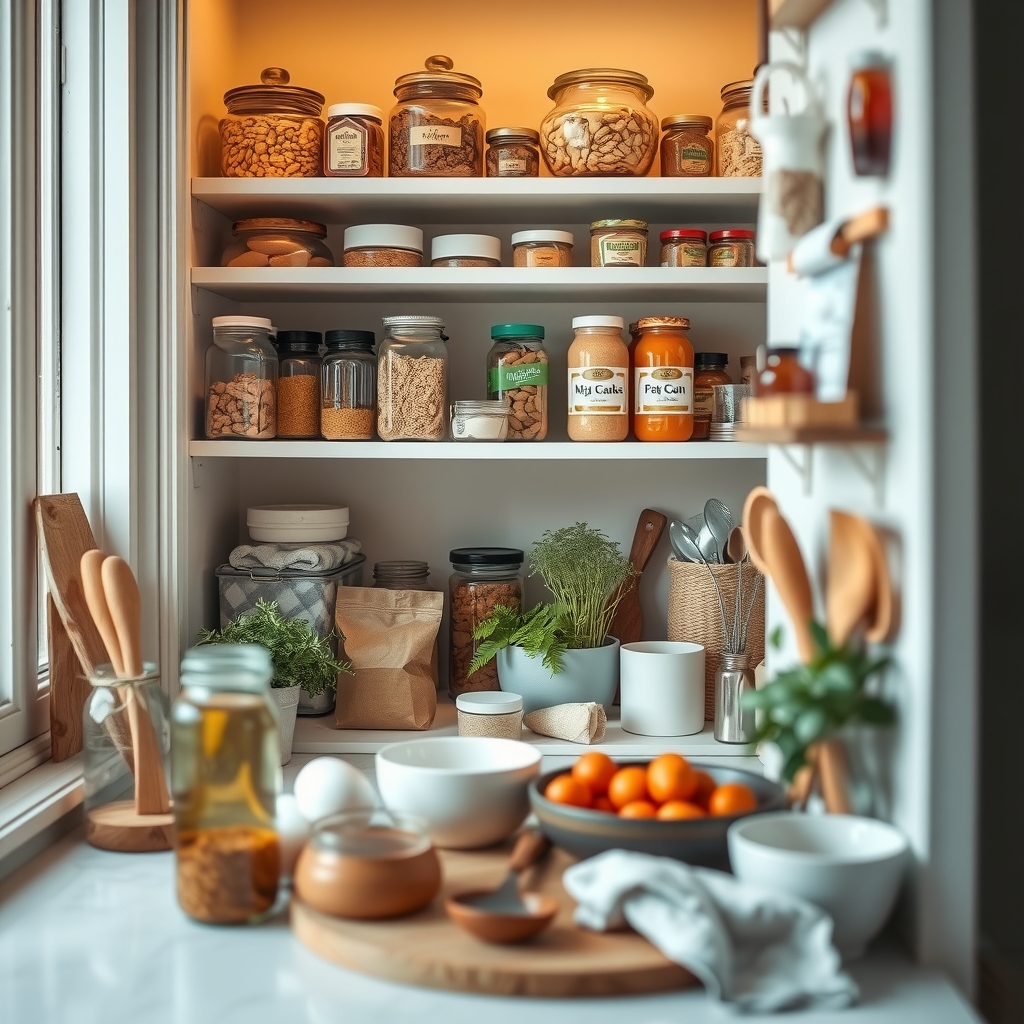
--- ## Best Gluten Free Pantry Staples for PregnancyWhen you’re pregnant, your body needs extra nutrients to support both you and your baby. A well-stocked gluten-free pantry can make meal planning easier and ensure you’re getting the right vitamins and minerals. Here are the best staples to keep on hand:
### **Essential Nutrients to Prioritize** - **Folate (folic acid):** Critical for preventing neural tube defects. Found in fortified gluten-free cereals, lentils, and leafy greens. - **Iron:** Helps prevent anemia. Look for iron-rich foods like spinach, lentils, and red meat. - **Calcium:** Supports bone development. Dairy products, fortified plant milks, and leafy greens are great sources. - **Omega-3s:** Important for baby’s brain development. Fatty fish (salmon, mackerel), chia seeds, and walnuts are excellent choices. ### **Pantry Staples Checklist** | **Category** | **Gluten-Free Staples** | **Why It Matters for Pregnancy** | |--------------------|--------------------------------------------------|------------------------------------------------------| | Grains | Quinoa, brown rice, certified gluten-free oats | Provides fiber, B vitamins, and energy | | Legumes | Lentils, chickpeas, black beans | High in protein, iron, and folate | | Nuts & Seeds | Almonds, walnuts, chia seeds, flaxseeds | Rich in healthy fats, omega-3s, and vitamin E | | Canned Goods | Gluten-free tomato sauce, coconut milk | Convenient for quick meals and snacks | | Spices & Herbs | Turmeric, cinnamon, basil, oregano | Adds flavor without gluten and supports digestion | | Condiments | Gluten-free soy sauce, mustard, olive oil | Essential for cooking and flavor |Pro tip: If you’re struggling to get enough folate or iron, consider a prenatal vitamin. Always check with your healthcare provider before starting any new supplement.
One mom shared that she initially skipped gluten-free bread because she thought it was too expensive. "But then I realized how much easier it made my mornings," she said. "I started buying a loaf of gluten-free whole-grain bread and pairing it with avocado and eggs. It became my go-to breakfast, and I felt so much better!"
--- ## Gluten Free Snack Ideas for Pregnant WomenPregnancy cravings can be intense, and having healthy, gluten-free snacks on hand can help you avoid reaching for less nutritious options. Here are some pregnancy-friendly snack ideas that are naturally gluten-free or easily found in gluten-free versions:
### **Quick & Easy Snacks** - **Fresh fruit:** Apples, bananas, berries, and oranges are packed with vitamins and fiber. - **Veggie sticks with dip:** Carrots, cucumbers, and bell peppers with hummus or guacamole. - **Cheese and crackers:** Pair gluten-free crackers with cheese sticks or sliced cheese. - **Nuts and seeds:** A small handful of almonds, walnuts, or pumpkin seeds for healthy fats and protein. - **Yogurt:** Plain or flavored gluten-free yogurt with a drizzle of honey or fresh berries. ### **Sweet Treats** - **Dark chocolate (85% or higher):** A small square can satisfy sweet cravings without too much sugar. - **Gluten-free granola bars:** Look for bars with minimal ingredients and no added sugars. - **Frozen yogurt bites:** Blend gluten-free yogurt with a little honey and freeze for a creamy treat. ### **Protein-Packed Snacks** - **Hard-boiled eggs:** Easy to grab and rich in protein. - **Turkey or chicken roll-ups:** Wrap slices of deli meat around cheese or avocado. - **Roasted chickpeas:** Crunchy, protein-rich, and naturally gluten-free.If you’re looking for more snack ideas, check out our Mediterranean Diet Grocery List for inspiration on nutrient-dense, whole-food snacks that are naturally gluten-free.
One expectant mom confessed she used to rely on chips and candy during her pregnancy. "But once I started planning my snacks, I felt so much better," she said. "I’d pack a little container with nuts and dried fruit in my bag, and it made such a difference in my energy levels."
--- ## How to Read Labels for Gluten Free ProductsReading labels is one of the most important skills for a gluten-free diet, especially during pregnancy when you’re more vulnerable to foodborne illnesses like listeria. Here’s how to decode labels like a pro:
### **What to Look For** 1. **Certified Gluten-Free:** Look for the "Certified Gluten-Free" label from organizations like the Gluten Intolerance Group or the Celiac Disease Foundation. This means the product contains less than 20 parts per million (ppm) of gluten. 2. **Ingredients List:** Check for hidden sources of gluten, such as: - Malt (unless it’s malt vinegar, which is often gluten-free) - Brewer’s yeast - Modified food starch (can sometimes be derived from wheat) - Soy sauce (unless it’s gluten-free soy sauce) 3. **Allergen Statement:** If a product contains wheat, barley, or rye, it must list it in the allergen statement. Avoid products that say "may contain wheat" unless you’re comfortable with the risk. ### **Red Flags to Avoid** - **Wheat, barley, or rye** in the ingredients list. - **Cross-contamination warnings** if you’re highly sensitive or immunocompromised. - **Processed ingredients** like hydrolyzed wheat protein or natural flavors (which can sometimes contain gluten).Pro tip: If you’re unsure about a product, contact the manufacturer. Many companies are happy to provide information about their gluten-free status.
One reader shared a story about a "gluten-free" cookie she bought that still made her feel bloated. "I called the company, and they admitted the batch had been processed in a facility that also handled wheat," she said. "From then on, I only buy from brands that are fully committed to gluten-free production."
--- ## Budget-Friendly Gluten-Free Grocery Shopping ListGluten-free groceries can seem expensive, but with a little planning, you can save money without sacrificing nutrition. Here are some budget-friendly tips and a shopping list to help you stretch your dollars:
### **Cost-Saving Strategies** - **Buy in bulk:** Gluten-free rice, quinoa, and oats are often cheaper in bulk. - **Opt for store brands:** Many grocery stores offer affordable gluten-free options under their private label. - **Choose frozen or canned:** Frozen vegetables and canned beans are just as nutritious and often cheaper than fresh. - **Meal prep:** Cooking large batches of gluten-free grains and proteins can save time and money. - **Use coupons:** Check for gluten-free coupons online or in-store. ### **Budget Grocery List** | **Category** | **Budget-Friendly Options** | **Where to Buy** | |--------------------|-------------------------------------------------|-------------------------------------------| | Grains | Brown rice, white rice, gluten-free oats | Bulk bins or store-brand boxes | | Legumes | Dry lentils, chickpeas, black beans | Bulk section or canned (no salt added) | | Proteins | Eggs, canned tuna, chicken thighs | Store brands or sale sections | | Produce | Bananas, apples, carrots, frozen mixed veggies | Seasonal produce or frozen sections | | Snacks | Popcorn, nuts (in bulk), gluten-free crackers | Bulk bins or discount stores | | Dairy Alternatives | Fortified unsweetened almond milk | Store brands or discount grocery stores |For more budget-friendly meal ideas, our Primal Diet Grocery List offers tips on affordable, nutrient-dense foods, though it’s not gluten-free. The key is to focus on whole foods and avoid overly processed gluten-free substitutes.
A mom who was on a tight budget shared, "I used to think gluten-free was too expensive, but I started buying rice and beans in bulk and making big batches of chili and stir-fries. It saved me so much money, and I still felt like I was eating well."
--- ## Gluten Free Meal Prep for Pregnant MomsMeal prepping is a game-changer for pregnant women, especially those on a gluten-free diet. It saves time, reduces stress, and ensures you’re eating balanced meals throughout the week. Here are some easy meal prep ideas:
### **Breakfast Ideas** - **Overnight oats:** Mix gluten-free oats with almond milk, chia seeds, and a scoop of protein powder. Let it sit overnight in the fridge and top with fruit in the morning. - **Smoothie packs:** Pre-portion frozen berries, spinach, and a scoop of protein powder in freezer bags. Blend with almond milk when ready. - **Gluten-free toast:** Buy a loaf of gluten-free bread and top with avocado, eggs, or nut butter. ### **Lunch Ideas** - **Grain bowls:** Cook a large batch of quinoa or brown rice and pair with roasted veggies, grilled chicken, and a drizzle of olive oil. - **Wrap alternatives:** Use large lettuce leaves or gluten-free tortillas to wrap turkey, cheese, and veggies. - **Soup and salad:** Make a big pot of gluten-free soup (like lentil or minestrone) and pair it with a side salad. ### **Dinner Ideas** - **Sheet-pan meals:** Toss gluten-free pasta with olive oil, garlic, and veggies, then roast with chicken or fish. - **Stir-fries:** Use gluten-free tamari instead of soy sauce and stir-fry with rice, tofu, and veggies. - **Slow cooker meals:** Brown rice and beans with spices make a hearty, protein-rich dinner with minimal effort. ### **Snack Prep** - **Energy balls:** Mix gluten-free oats, nut butter, honey, and chia seeds, then roll into balls and freeze. - **Veggie trays:** Wash and chop veggies in advance and store them in containers with hummus or dip. - **Trail mix:** Combine nuts, seeds, and dried fruit for a quick, protein-packed snack.One mom said, "Meal prepping was a lifesaver during my pregnancy. I’d spend Sunday cooking big batches of quinoa and roasting veggies, and then I just had to assemble my meals during the week. It was so much easier than cooking from scratch every night."
--- ## Gluten Free Grocery Store Layout GuideOrganizing your grocery store trip can save you time and reduce the risk of forgetting essentials. Here’s how to navigate a typical grocery store layout for gluten-free shopping:
### **Step-by-Step Layout Guide** 1. **Start at the perimeter:** The outer edges of the store usually have fresh produce, dairy, and meats — all naturally gluten-free. 2. **Check the bulk section:** Look for gluten-free grains, nuts, and seeds. Always check labels for cross-contamination warnings. 3. **Visit the gluten-free section (if available):** Many stores now have a dedicated gluten-free aisle. This is where you’ll find certified gluten-free pasta, bread, and snacks. 4. **Inspect the frozen foods section:** Frozen veggies, gluten-free pizza, and gluten-free frozen meals are often here. 5. **Scan the bakery and deli:** Some stores offer gluten-free bread, bagels, and sandwiches. Call ahead to confirm availability. 6. **End with snacks and condiments:** Check labels for gluten-free soy sauce, mustard, and other condiments.Pro tip: If you’re shopping at a big-box store like Walmart or Target, they often have a dedicated gluten-free section or a "free-from" aisle. These stores also tend to have more affordable gluten-free options.
A reader shared, "I used to get overwhelmed in the grocery store, but now I follow the perimeter first rule. I start with produce, then move to the dairy section, and finally grab my gluten-free staples. It’s so much easier to stay organized!"
--- ## Gluten Free Grocery List for a Family with a Pregnant MomIf you’re shopping for a family where one member is pregnant, you’ll need to balance everyone’s dietary needs while keeping meals simple and nutritious. Here’s how to create a grocery list that works for all:
### **Family-Friendly Gluten-Free Staples** - **Grains:** Quinoa, brown rice, and gluten-free pasta for the whole family. - **Proteins:** Chicken, turkey, ground beef, eggs, and beans for variety. - **Produce:** A mix of fresh and frozen veggies and fruits for snacks and meals. - **Dairy:** Milk, cheese, and yogurt (gluten-free options for the pregnant mom). - **Snacks:** Popcorn, nuts, cheese cubes, and gluten-free crackers for everyone. ### **Meal Ideas for the Whole Family** - **Breakfast:** Scrambled eggs with toast (gluten-free for mom, regular for others) and fruit. - **Lunch:** Wraps (gluten-free tortillas for mom, regular for others) with turkey, cheese, and veggies. - **Dinner:** Sheet-pan fajitas with gluten-free tortillas, rice, and toppings. - **Snacks:** Veggie sticks with hummus, yogurt parfaits, and trail mix. ### **Tips for Balancing Diets** - **Label everything:** Use labels to mark gluten-free items so everyone knows what’s safe. - **Keep gluten-free snacks separate:** Store gluten-free snacks in a designated area to avoid cross-contamination. - **Involve the family:** Let everyone help plan meals and shop for groceries. It’s a great way to teach kids about gluten-free living.One family shared that they started keeping a "gluten-free basket" in their pantry. "Now, my husband can grab a gluten-free snack without having to search through everything," the mom said. "It’s made our lives so much easier, especially since I’m pregnant and need to be extra careful."
--- ## Avoiding Cross-Contamination in a Gluten-Free KitchenCross-contamination is a major concern for people with celiac disease or gluten sensitivity, especially during pregnancy when immunity can be compromised. Here’s how to keep your kitchen safe:
### **Cleaning Tips** - **Wash all surfaces:** Use hot, soapy water to clean countertops, cutting boards, and utensils after handling gluten-containing foods. - **Dedicate tools:** If possible, use separate knives, cutting boards, and colanders for gluten-free cooking. - **Clean appliances:** Wipe down toasters, blenders, and coffee makers regularly to remove gluten residue. ### **Cooking Tips** - **Use separate pans:** If you’re cooking gluten-free meals alongside regular meals, use separate pots and pans. - **Check labels:** Even gluten-free foods can be processed in facilities that handle wheat. Look for "certified gluten-free" labels. - **Store foods separately:** Keep gluten-free foods in sealed containers to avoid accidental mixing. ### **Shopping Tips** - **Call ahead:** If you’re buying gluten-free bread or baked goods, ask about cross-contamination risks. - **Avoid shared bins:** Don’t scoop bulk items like oats or nuts with a shared spoon. Use your own container.A mom with celiac disease shared, "I used to stress so much about cross-contamination, but now I have a cleaning routine. I wash all my cutting boards in hot, soapy water after every use, and I keep a separate toaster just for gluten-free bread. It’s taken a lot of pressure off!"
--- ## Supplementation and Nutrient Considerations for a Gluten-Free DietWhile a gluten-free diet can be nutritious, it can also be lacking in certain vitamins and minerals, especially during pregnancy. Here’s what to watch for and how to supplement:
### **Key Nutrients to Monitor** - **Folate:** Critical for preventing neural tube defects. Found in fortified gluten-free cereals, lentils, and leafy greens. - **Iron:** Helps prevent anemia. Look for iron-rich foods like spinach, lentils, and red meat. - **Calcium:** Supports bone development. Dairy products, fortified plant milks, and leafy greens are great sources. - **Fiber:** Gluten-free diets can be low in fiber. Focus on fruits, vegetables, and gluten-free whole grains. - **Vitamin D:** Important for bone health and immunity. Many pregnant women are deficient, so a supplement may be needed. ### **Supplements to Consider** | **Nutrient** | **Food Sources** | **Supplement Option** | **Daily Recommendation for Pregnancy** | |---------------|-------------------------------------------|-------------------------------------------|----------------------------------------| | Folic Acid | Leafy greens, lentils, fortified cereals | Prenatal vitamin | 600 mcg (2,000 mcg if at risk) | | Iron | Red meat, spinach, lentils | Iron supplement (if deficient) | 27 mg | | Calcium | Dairy, fortified plant milks, leafy greens| Calcium supplement (if needed) | 1,000 mg | | Omega-3s | Fatty fish, chia seeds, walnuts | Fish oil supplement | 200–300 mg DHA |Always consult your healthcare provider before starting any new supplement. They can help you determine if you need additional support based on your diet and blood work.
One reader mentioned she was surprised by how much her energy levels improved after adding a prenatal vitamin. "I had no idea I was deficient in iron until my doctor checked my levels," she said. "Now, I feel so much better, and my baby’s development is on track."
--- ## Seasonal Produce and Storage Tips for Gluten-Free MealsSeasonal produce is not only fresher and more flavorful but also often more affordable. Here’s how to incorporate seasonal fruits and vegetables into your gluten-free meals and store them properly:
### **Seasonal Produce Guide** - **Spring:** Asparagus, strawberries, spinach, rhubarb. - **Summer:** Berries, tomatoes, zucchini, peaches, watermelon. - **Fall:** Pumpkin, apples, pears, Brussels sprouts, sweet potatoes. - **Winter:** Citrus fruits, kale, carrots, cabbage, squash. ### **Storage Tips** - **Fruits:** Store berries in the fridge in a paper towel-lined container to absorb excess moisture. Apples and bananas ripen faster when stored together. - **Vegetables:** Most veggies last longer in the fridge. Wash them just before cooking to prevent spoilage. - **Herbs:** Store fresh herbs in a glass of water like flowers, or wrap them in a damp paper towel and place in a bag. - **Grains and Legumes:** Store in airtight containers in a cool, dark place to prevent spoilage.A mom shared that she started growing her own herbs on her windowsill. "It’s so satisfying to snip fresh basil or parsley for my meals," she said. "And it’s a great way to ensure everything is gluten-free and fresh."
--- ## Myth vs. Fact: Gluten-Free Diet During PregnancyThere are a lot of myths and misconceptions about gluten-free diets, especially during pregnancy. Let’s set the record straight:
- Myth: A gluten-free diet is automatically healthier.
- Fact: While gluten-free diets can be healthier if based on whole foods, they can also be high in processed foods and low in essential nutrients. Always focus on nutrient-dense foods like vegetables, lean proteins, and healthy fats.
- Myth: You can’t eat gluten-free bread during pregnancy.
- Fact: Many gluten-free breads are safe and nutritious, but they’re not always as nutrient-dense as whole-grain bread. Look for options fortified with iron and folate, or opt for whole-grain gluten-free breads.
- Myth: Gluten-free diets are always expensive.
- Fact: While some gluten-free products can be pricier, you can save money by focusing on whole foods, buying in bulk, and choosing store brands. Our budget-friendly tips can help stretch your dollars.
- Myth: If you’re not celiac, you don’t need to worry about cross-contamination.
- Fact: Even if you’re not celiac, cross-contamination can cause discomfort or flare-ups, especially during pregnancy when your immune system is more sensitive. It’s always best to be cautious.
Navigating a gluten-free diet during pregnancy can feel overwhelming, but with the right strategies, you can make it simple and enjoyable. Here are the key takeaways:
- Focus on whole, naturally gluten-free foods like produce, lean proteins, and gluten-free grains.
- Always check labels for hidden gluten and look for certified gluten-free products when possible.
- Prioritize nutrient-dense foods rich in folate, iron, calcium, and omega-3s to support your baby’s development.
- Meal prep to save time and ensure you’re eating balanced meals throughout the week.
- Organize your grocery store trip by starting at the perimeter and checking labels carefully.
- Consider supplements like folic acid or iron if your diet is lacking in key nutrients.
- Avoid cross-contamination by cleaning surfaces and using separate tools for gluten-free cooking.
- Seasonal produce is fresher, more affordable, and packed with flavor.
Got more questions? Here are answers to some of the most common ones:
What are the best gluten-free foods for pregnancy?
The best gluten-free foods for pregnancy are those rich in folate, iron, calcium, and omega-3s. Think leafy greens, lean meats, fatty fish, eggs, dairy, nuts, seeds, and gluten-free whole grains like quinoa and brown rice. Our Carnivore Diet Grocery List can also offer inspiration for protein-rich options, though it’s not gluten-free.
How can I ensure my gluten-free diet is balanced?
Balance your diet by including a variety of food groups: produce, proteins, gluten-free grains, dairy (or alternatives), and healthy fats. Aim for a mix of colors in your produce to ensure a range of vitamins and minerals. If you’re unsure about your nutrient intake, consider working with a dietitian or your healthcare provider for personalized advice.
What should I avoid on a gluten-free diet during pregnancy?
Avoid foods containing wheat, barley, and rye, as well as processed foods with hidden gluten like malt, brewer’s yeast, and modified food starch. Also, be cautious of cross-contamination in shared kitchens or facilities. Always check labels and opt for certified gluten-free products when possible.
How do I read gluten-free labels?
Look for the "Certified Gluten-Free" label and check the ingredients list for hidden gluten sources like malt, soy sauce, and natural flavors. Avoid products with allergen statements mentioning wheat, barley, or rye. If you’re unsure, contact the manufacturer for clarification.
Can I eat gluten-free bread during pregnancy?
Yes, you can eat gluten-free bread during pregnancy, but it’s important to choose nutrient-dense options. Look for breads fortified with iron and folate or opt for whole-grain gluten-free breads. However, be mindful that gluten-free breads can sometimes be higher in sugar or lower in fiber than regular bread.
What are the health benefits of a gluten-free diet for pregnant women?
For women with celiac disease or gluten sensitivity, a gluten-free diet can reduce symptoms like bloating, fatigue, and nutrient deficiencies. It can also help prevent complications like anemia or miscarriage by ensuring proper nutrient absorption. However, for women without gluten-related conditions, a gluten-free diet isn’t necessarily healthier and may lack essential nutrients if not planned carefully.
--- ## When to See a Doctor or SpecialistWhile most women can safely follow a gluten-free diet during pregnancy, there are times when you should consult your healthcare provider:
- If you experience persistent digestive symptoms like bloating, diarrhea, or constipation.
- If you’re struggling to maintain a balanced diet and suspect nutrient deficiencies.
- If you have a family history of celiac disease or gluten sensitivity.
- If you’re considering a gluten-free diet without a confirmed diagnosis of celiac disease or gluten sensitivity.
- If you have concerns about cross-contamination or food safety.
For most women, a gluten-free diet during pregnancy is manageable with the right planning. However, if you’re unsure about your diet or health, don’t hesitate to reach out to your healthcare provider or a registered dietitian for personalized advice.
--- ## References- Celiac Disease Foundation. (2023). *Gluten-Free Diet Guide*. Retrieved from [celiac.org](https://celiac.org)
- American College of Obstetricians and Gynecologists (ACOG). (2022). *Nutrition During Pregnancy*. Retrieved from [acog.org](https://www.acog.org)
- National Institute of Diabetes and Digestive and Kidney Diseases (NIDDK). (2023). *Celiac Disease*. Retrieved from [niddk.nih.gov](https://www.niddk.nih.gov)
- Mayo Clinic. (2023). *Gluten-Free Diet: Focus on Nutrition*. Retrieved from [mayoclinic.org](https://www.mayoclinic.org)
- Gluten Intolerance Group. (2023). *Certified Gluten-Free Labeling Standards*. Retrieved from [gluten.net](https://www.gluten.net)


